
Review · JAPAN
Nara Heritage Walkabout from Nara Park to Todaji-ji temple
Nara’s shika deer are the immediate stars here. They wander through the park, bowing for crackers and occasionally acting less like sacred messengers than very persistent snack inspectors. I like that this walk pairs the deer with Todaiji’s huge Great Buddha and the lantern-lined grounds of Kasuga Taisha, rather than treating Nara as a quick photo stop.
I also like the route’s finish in Naramachi, where old machiya houses, shops, sweets, and local food give you a better feel for everyday Nara. The guide is the real difference-maker: Ferdinand and Angelito have both led this experience, and the tour suits guides who enjoy explaining local customs and helping with photos. The main consideration is the amount of walking in four hours, so wear good shoes and expect a full outing rather than a gentle stroll.
Key points to know before you book
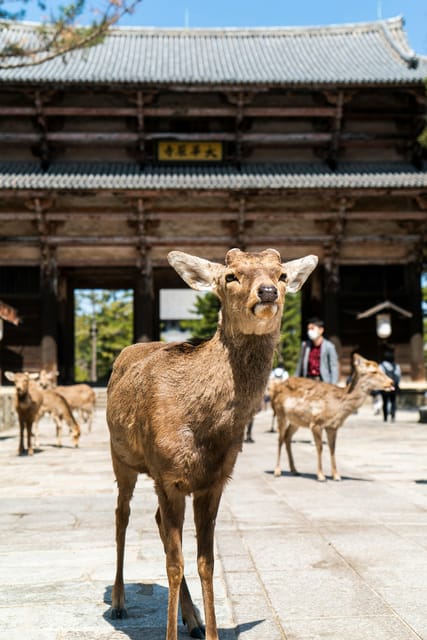
- Deer encounters come first: You can buy shika senbei and learn how to feed Nara’s famous animals safely and respectfully.
- Todaiji supplies the grand moment: The Great Buddha Hall, Nio guardian statues, ancient objects, and the famous pillar hole are central parts of the visit.
- Kasuga Taisha adds a quieter spiritual side: Vermilion buildings, stone and hanging lanterns, and forest paths change the mood after the busy park.
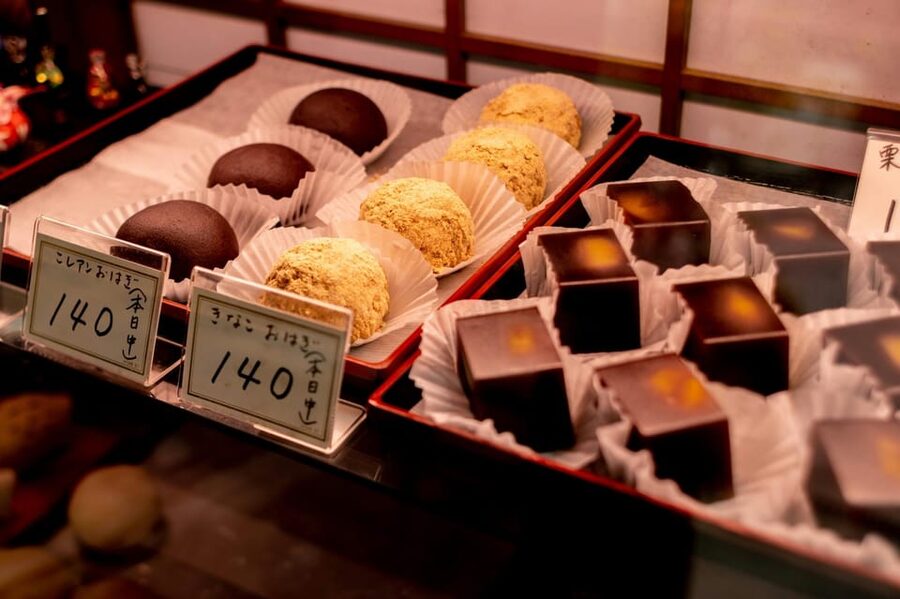
- Naramachi gives you local flavor: Traditional houses, shops, food stalls, and a Japanese snack make a pleasant final stop.
- The guide provides structure: English commentary, admission fees, and public transportation are included, with private and small-group choices.
- Plan for steady walking: The route includes a 20-minute walk from Nara Station and several sightseeing sections on foot.
Starting at Kintetsu Nara Station
The meeting point is the Lawson convenience store directly outside Kintetsu Nara Station. That is a useful place to meet because it is easy to identify and puts you close to the center of the route.
The experience begins at 3 Higashimuki Nakamachi, then continues toward Nara Station and Nara Park. A 20-minute walk is part of the early route, so this is not a tour where you simply step from one attraction to the next by vehicle.
That walk helps you settle into Nara. You get scenic views along the way, and your guide can explain what you are seeing before the major temple visit begins. Public transportation is included, though much of the experience is on foot.
The tour lasts four hours. That is enough time to cover the main sights, but not enough for a slow, museum-style study of every building and object. I would think of it as a well-organized introduction to Nara, with the guide helping you decide what deserves your attention.
More History Tours in Japan:
- Mt. Fuji Heritage Tour: Traditional Villages, Lakes & Shrine
★ 4.5 · 509 reviews - Tokyo History: Sensoji Temple & Asakusa District Private Tour
★ 5.0 · 28 reviews - Fukuoka’s Sacred Path: Temples, History & Culture
★ 5.0 · 17 reviews
Meeting Nara’s shika deer in the park
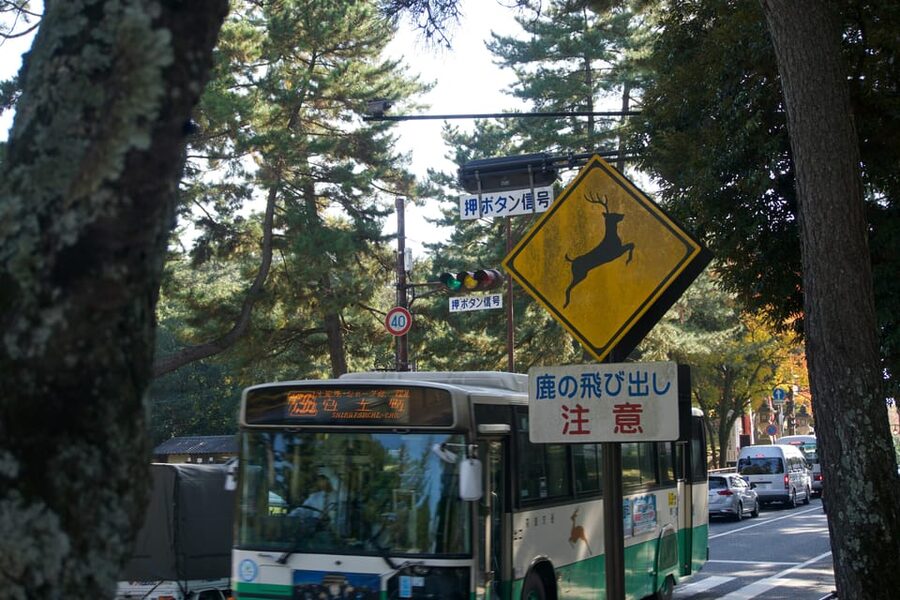
Nara Park is the most playful section of the walk. Shika deer move freely through the grounds, and you can buy shika senbei, the traditional crackers sold for feeding them.
The deer have a special place in local Shinto tradition. They are regarded as divine messengers, so the encounter is not only a wildlife moment. Your guide can help connect the animals to Nara’s religious identity, which makes the experience more meaningful than simply handing out snacks.
Use a little care here. Deer that see food may approach quickly, and they can be quite determined once they know you have crackers. Follow the guide’s instructions, keep your hands clear after the food is gone, and pay attention to the animals rather than trying to force a photograph.
The park section is scheduled for about 45 minutes. That gives you time for wildlife viewing, photos, and scenic views without letting the deer take over the whole tour. If you want long, unhurried time with the animals, you may find the schedule brisk. If you prefer a balanced route, the limit is helpful because Todaiji and Kasuga Taisha are still ahead.
I like this portion because it opens with something informal and memorable. Nara can feel ceremonial and monumental, but the deer bring humor into the day. You may be standing near an ancient religious site one moment and negotiating with a hungry deer the next.
Entering Todaiji and the Great Buddha Hall
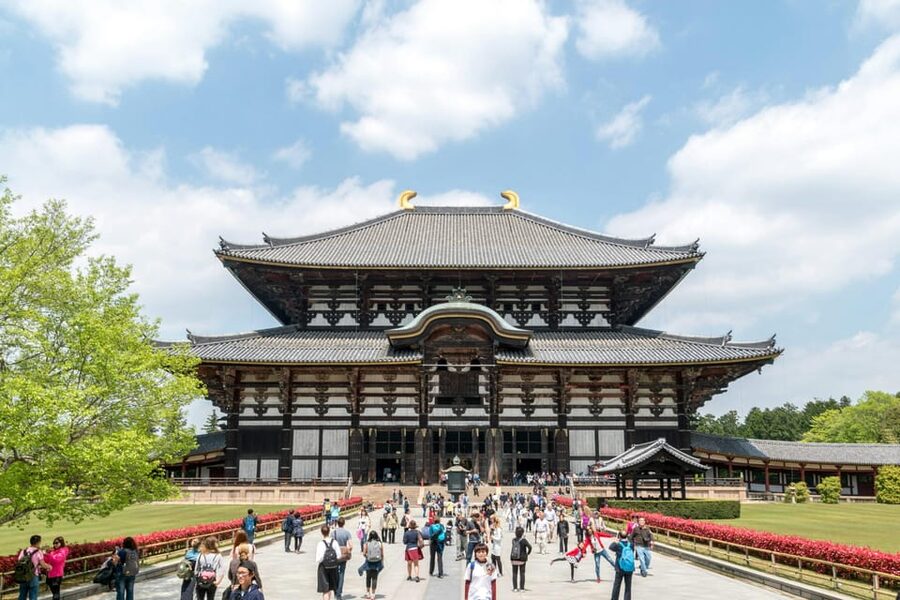
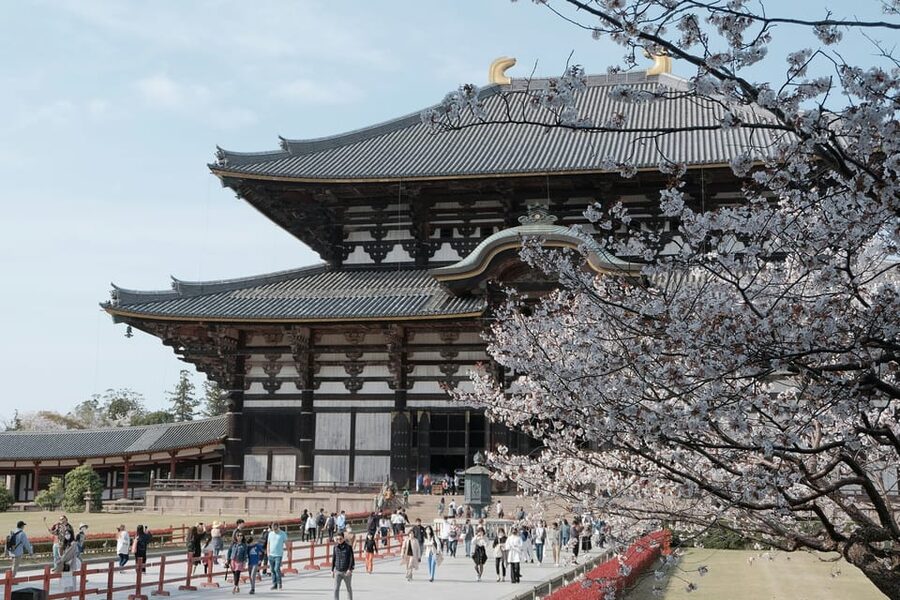
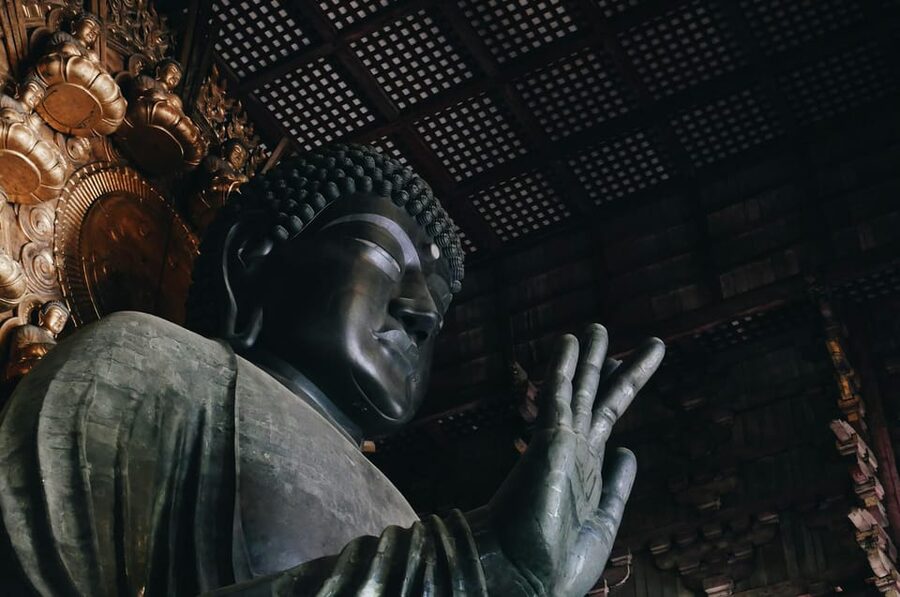
Todaiji is the historical high point of the outing. Inside the Great Buddha Hall, the bronze Daibutsu, or Great Buddha, dominates the space with its size and calm expression.
The building itself deserves attention. Your guide leads you through the hall and explains the main sights, including the temple’s ancient scriptures, intricate woodwork, and other religious objects. The point is not just to see a huge statue, but to understand how architecture, art, and Buddhist devotion work together.
The Nandaimon Gate is another major stop. Its fierce Nio guardian statues create a dramatic entrance, with powerful poses that contrast sharply with the Great Buddha’s stillness. Give yourself a moment to look up and study the gate before rushing toward the hall.
At the back of the temple is a pillar with a hole said to grant enlightenment to anyone who can squeeze through it. The opening is small, so it is not suitable for everyone. You can still enjoy the story and watch the ritual without attempting it.
The guided visit lasts about an hour. That is a sensible amount of time for a first look at Todaiji, especially when admission is included. However, art lovers or visitors who want to read every detail may want to return independently later.
The value here comes from context. Without a guide, it is easy to photograph the Great Buddha and move on. With clear explanations, you can notice the guardian figures, construction details, and religious purpose that make the temple more than a single famous statue.
Walking through Kasuga Taisha’s lanterns
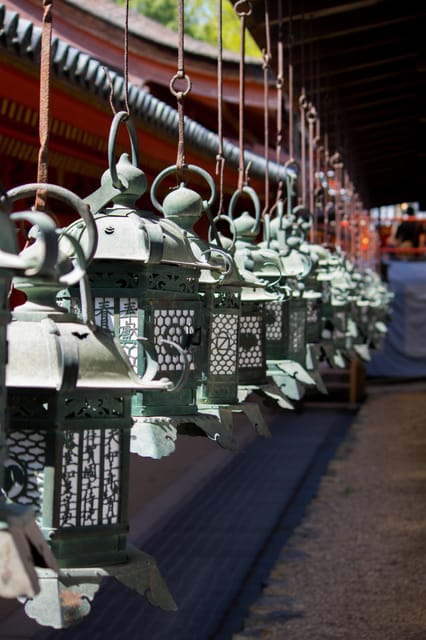
Kasuga Taisha changes the pace. After the open park and massive temple hall, the shrine feels more atmospheric, with vermilion-lacquered structures, carved wood, greenery, and rows of lanterns.
The shrine was founded in the eighth century and has served Shinto ceremonies for more than a thousand years. Its thousands of hanging lanterns are especially striking during festivals, but the lanterns remain an important part of the shrine’s identity at other times too.
Your guide provides commentary during the 45-minute visit. This is useful because the meaning of a shrine can be easy to miss when you are focused only on color and architecture. You can ask about the difference between the Buddhist setting at Todaiji and the Shinto setting at Kasuga Taisha.
The shrine is a good reason to choose this tour instead of spending the whole day only around the Great Buddha. It gives you two major religious traditions in one compact route. The drawback is time: 45 minutes allows for a guided introduction, not every path and building in the wider grounds.
Comfortable shoes matter even more here. You will be walking between sights, and the route has several stops packed into a short period. Anyone with mobility concerns should mention them when booking. One guide, Angelito, is specifically praised for adapting to walking problems, but guide assignments can vary.
More Temple Tours around Japan:
- Kyoto: Tea Ceremony Ju-An at Jotokuji Temple
★ 4.9 · 3,207 reviews - Osaka/Kyoto:Kinkakuji,Arashiyama,FushimiInariShrine,NaraPark
★ 4.1 · 1,596 reviews - Tokyo: Asakusa Walking Tour with Sensoji Temple Visit
★ 4.8 · 1,583 reviews - Nikko: Kegon Falls, Lake Chuzenji & Toshogu Temple
★ 4.6 · 1,577 reviews
Naramachi, old houses, shops, and a Japanese treat
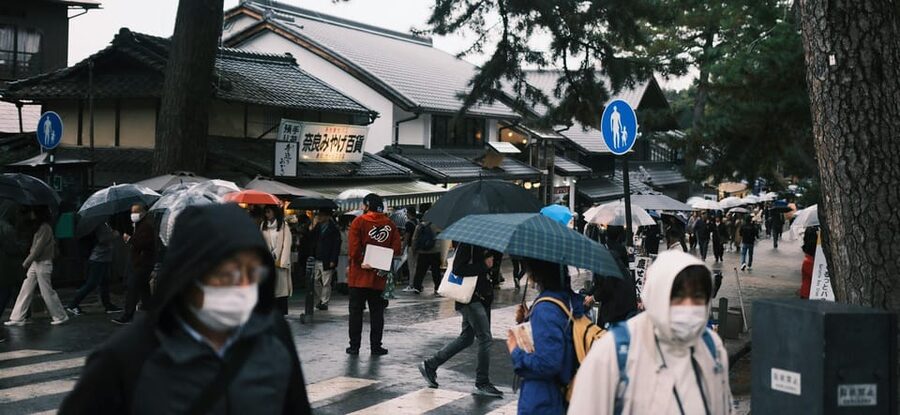
Naramachi is the most everyday part of the experience. This old town district is known for traditional machiya houses, narrow lanes, local shops, handmade crafts, vintage items, and food.
The route allows about 45 minutes for shopping, sightseeing, and a food market visit. That is enough to get a taste of the district and learn what to look for, though it is not a full shopping afternoon. If you enjoy browsing slowly, you may want to return on your own after the tour.
The traditional Japanese snack included with the experience adds a small but welcome local touch. It gives you something to taste without turning the outing into a full lunch tour. Lunch is not included, so plan to eat separately if you need a substantial meal.
This final stop also makes the tour feel more rounded. Nara’s famous sights are temples, shrines, and deer, but Naramachi shows how the historic center works as a neighborhood. You get old architecture, small businesses, sweets, and local products instead of ending at a single monument.
Guides can also be useful here for practical advice. Angelito has helped visitors find local products and places to eat, while also taking souvenir photographs. That kind of help can be valuable when you have only one day in Nara and want more than the most obvious shops.
What the guide adds to the four-hour route
The included English-speaking guide is the main reason to pay for a structured walk. Nara’s major sights are easy to locate, but their connections are less obvious. The guide links the deer to Shinto belief, Todaiji to Buddhist art and architecture, Kasuga Taisha to long-running ritual practice, and Naramachi to local life.
The guide can also manage the practical details. Entrance fees and public transportation are included, and commentary is provided at each main location. That means you spend less time working out tickets and more time looking at the places in front of you.
Guide quality matters greatly on a compact tour. Ferdinand has been praised for helpful explanations and strong English, while Angelito is noted for knowing Nara well, helping with deer-feeding tips, suggesting local shops and dinner spots, and taking photographs. These are useful strengths, but you should not assume a particular guide unless the operator confirms it.
Private and small-group options are available. A private format should give you more room to ask questions and adjust the pace, while a small group can offer a lower-cost social setting. The supplied information does not specify the exact group size or the price difference, so check those details before booking.
Is $102 a fair price?
At $102 per person, this is not the cheapest way to see Nara. You can visit public areas on your own for much less, especially if you are comfortable navigating stations, temple entrances, and the park without help.
The price makes more sense if you want one organized half-day that combines four different sides of Nara. Admission fees, public transportation, an English-speaking guide, guided commentary, and a traditional snack are included. You are also paying for route planning and the ability to ask questions as the day unfolds.
I see the best value for first-time visitors, people with limited time, and anyone who wants historical context without preparing a detailed plan. It is less compelling for repeat visitors who already know the temples or for independent sightseers who prefer to spend an hour wherever they please.
Remember that personal purchases, extra snacks, lunch, travel insurance, and activities outside the route are not included. Budget for shika senbei, shopping in Naramachi, and any meal you want afterward.
Who will enjoy this walk most?
This experience suits you if you want a broad introduction to Nara in four hours. Families may enjoy the deer, history fans get Todaiji and Kasuga Taisha, and food-focused visitors have time to sample a traditional treat and browse Naramachi.
It also works well for anyone who likes a guide who can adjust the day. The available information points to guides who explain clearly, share local tips, help with photographs, and adapt to walking needs.
You should think twice if you dislike walking, want a slow photography tour, or hope to spend a long time inside every temple building. The route is full, and the 20-minute walk plus several sightseeing sections require comfortable footwear.
Wheelchair accessibility is available, but the route still includes a fair amount of movement between sights. If accessibility is important to you, discuss your needs when reserving so the operator can confirm how the route will be handled.
Should you book the Nara Heritage Walkabout?
Book it if you want Nara’s headline sights explained in one efficient outing, with the deer, Great Buddha, lanterns, old town, and a snack all included. The strongest feature is the combination of major landmarks and small local details, especially the shift from Todaiji’s scale to Naramachi’s quieter streets.
I would skip it if you already know Nara well or prefer building your own schedule. For a first visit, though, $102 can be reasonable when you value an English-speaking guide, included admissions, and a route that covers several distinct parts of the city without requiring much planning.
Cancellation is free up to 24 hours before the start, and you can reserve now and pay later. Check available starting times, wear comfortable shoes, and arrive at the Lawson outside Kintetsu Nara Station ready for a steady, full four hours.
FAQ
Where does the Nara Heritage Walkabout meet?
The meeting point is the Lawson convenience store directly outside Kintetsu Nara Station.
How long does the experience last?
The tour lasts four hours.
What language is the tour conducted in?
The live tour guide provides the experience in English.
Which main sights are included?
The route includes Nara Park, Todaiji Temple, Kasuga Taisha Shrine, and Naramachi.
Are entrance fees included?
Yes. Entrance fees are included in the activity price.
Is transportation included?
Yes. Public transportation is included, along with the walking portions of the route.
Is lunch included?
No. Lunch, personal expenses, extra snacks, travel insurance, and activities not listed in the route are not included. A traditional Japanese snack is provided.
Can I cancel the booking?
Yes. You can cancel up to 24 hours in advance for a full refund. You can also reserve now and pay later.
Temple visits we reviewed lately in Japan
- From Asakusa: Old Tokyo, Temples, Gardens and Pop Culture★ 4.6 · 15 reviews
- Tokyo: Nagano Snow Monkeys and Zenkoji Tour with Temples★ 4.9 · 19 reviews
- Kamakura: Great Buddha, Hase Temple, & Komachi Street Tour★ 5.0 · 11 reviews
- Osaka Temple Head Spa &Matcha Facial – Refresh & Glow〈90min〉★ 5.0 · 24 reviews
- Osaka Temple :Warm Bamboo Oil Massage – Deep Restore〈60min〉★ 4.9 · 19 reviews
- Osaka: Temple Tour and Traditional Calligraphy Lesson★ 4.9 · 24 reviews
- Osaka: Sumiyoshi, Osaka’s Most Iconic Shrine – Private Tour★ 4.7 · 4 reviews
- Osaka Temple :Warm Bamboo Oil Massage – Deep Restore〈90min〉★ 5.0 · 14 reviews
Japan Temple Tours, compared.
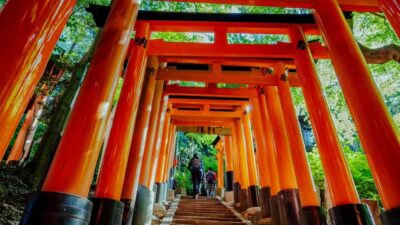
Osaka/Kyoto:Kinkakuji,Arashiyama,FushimiInariShrine,NaraPark
Read our review →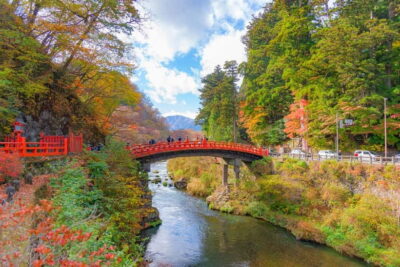
Nikko: Kegon Falls, Lake Chuzenji & Toshogu Temple
Read our review →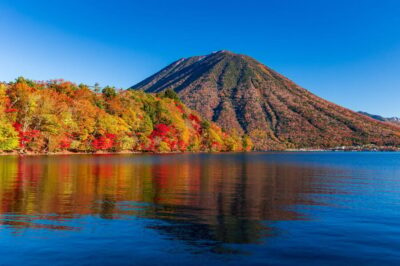
Tokyo: Nikko Toshogu Shrine and Kegon Waterfall Tour
Read our review →
Tokyo Panoramic 1 Day: Meiji Shrine, Asakusa, Odaiba and SKYTREE®
Read our review →
Kyoto Arashiyama Walking Tour: Bamboo, Monkeys, Gardens & Secrets
Read our review →
1-Day Snow Monkeys, Zenko-ji Temple & Sake in Nagano
Read our review →
Arashiyama Bamboo, Temple, Monkeys, or Secret Sake Brewery
Read our review →This tour also ranks in