
Review · TOKYO
Mt. Fuji Heritage Tour: Traditional Villages, Lakes & Shrine
The best part of this Mt. Fuji day trip is the variety. In one long outing, you move from a thatched-roof village to Lake Kawaguchi, an important shrine, the famous Chureito Pagoda, and clear spring ponds at Oshino Hakkai. It gives you several different ways to see Japan’s most famous mountain.
I like the strong mix of scenery and culture, and I like that the tour handles the long driving day from Tokyo for you. Guides such as Sia, Kazi, Wanting, and Rachel have been praised for clear instructions, friendly care, and tight timing. The main drawback is the schedule: ten hours is a long day, and Fuji may hide behind clouds just when you reach the best viewpoint.
Key points to know before booking
- Five major Fuji-area sights in one day: Visit Saiko Iyashi no Sato Nenba, Lake Kawaguchi, Arakurayama Sengen Park, and Oshino Hakkai.
- Classic pagoda view: Climb the steps at Chureito Pagoda for the famous Fuji photograph, but expect effort and limited time.
- Season changes the route: From October 26 to November 20, the tour visits the Maple Corridor instead of Oishi Park.
- Lunch is your responsibility: Bring food, buy something at a stop, or use the restaurant suggested by the guide.
- Weather controls the headline view: You can visit every scheduled site and still see little or none of Mt. Fuji.
- Good value at $50: Admission, transport, driver, guide, parking, and pickup are included, though personal spending is not.
What this $50 Mt. Fuji tour really gives you
At $50 per person, this is an efficient sightseeing day rather than a slow country excursion. You pay for transport from Tokyo, a driver, a live guide, parking, and admission to Saiko Iyashi no Sato Nenba. That matters because the stops are spread across the Fuji Five Lakes area, and arranging all of them independently would take careful planning.
The price is especially good if you want the familiar Fuji views but do not want to rent a car or work out several local bus connections. You also get a guide who keeps an eye on departure times and explains what to look for at each place.
The tradeoff is that the tour is shared and tightly timed. You are not choosing to linger for an extra hour at the village or wait all afternoon for clouds to clear. Think of it as a well-organized sampler of the region, not a private photography day.
The tour lasts about ten hours, including roughly two and a half hours each way by bus or coach. That is a serious amount of road time. Still, the long ride is the practical cost of reaching several widely separated sights in one day from central Tokyo.
More History Tours in Tokyo:
- Tokyo History: Sensoji Temple & Asakusa District Private Tour
★ 5.0 · 28 reviews - Chiang Mai: Historic Temples and City Guided Walking Tour
★ 4.7 · 650 reviews - Malta: Prehistoric Temples, Limestone Heritage & Blue Grotto
★ 4.2 · 412 reviews
Saiko Iyashi no Sato Nenba and its thatched roofs
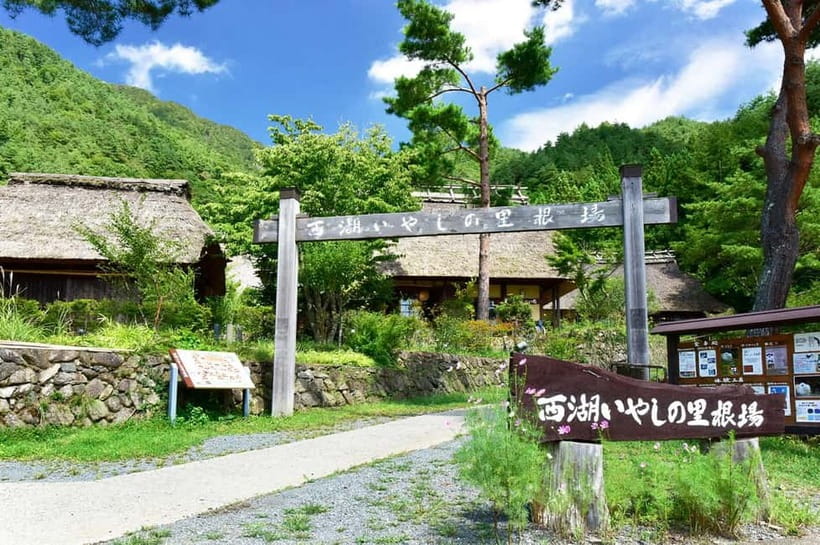
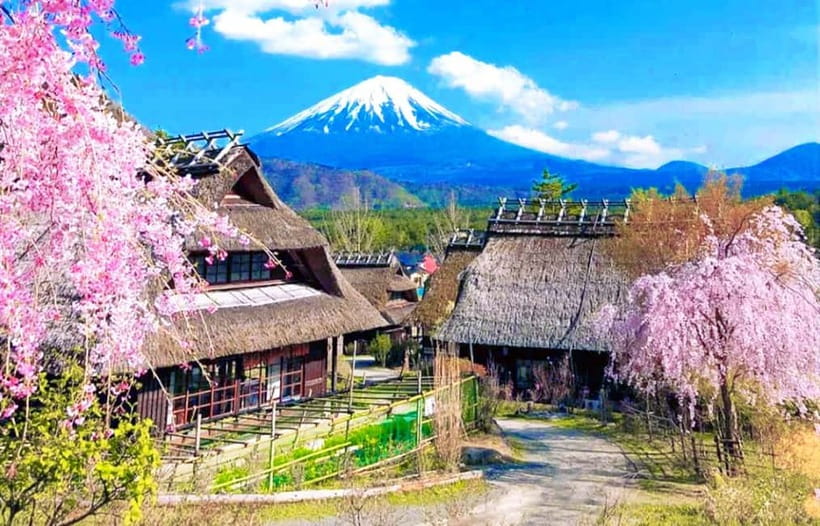
The first major stop is Saiko Iyashi no Sato Nenba, a reconstructed traditional village beside Lake Saiko. Its thatched-roof houses give you a very different Fuji setting from the usual lakefront viewpoint.
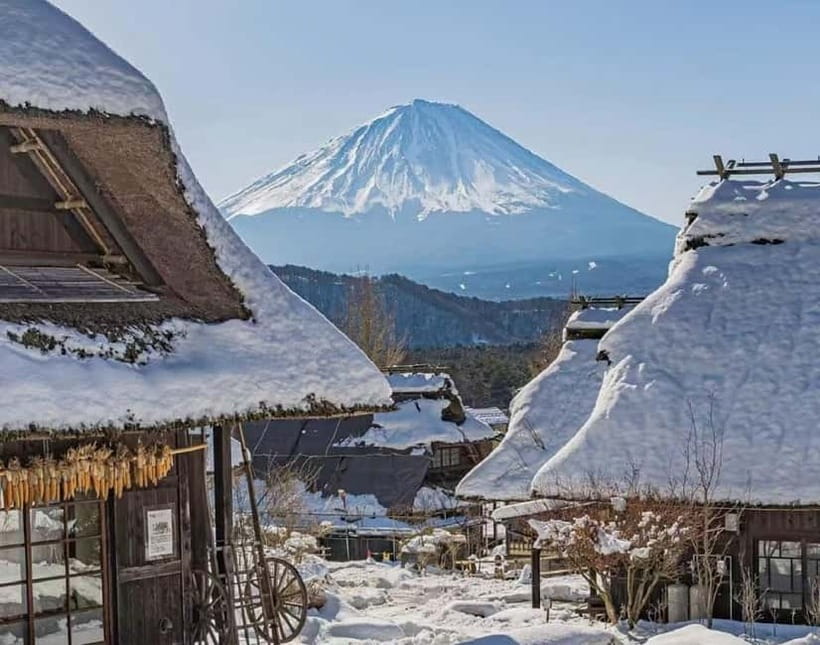
This is one of the most rewarding stops for photographs. Instead of framing Mt. Fuji with modern buildings, you can place the mountain behind old-style houses and village paths. The one-hour visit gives you time to walk around, take pictures, and look at the village displays without rushing through in a few minutes.
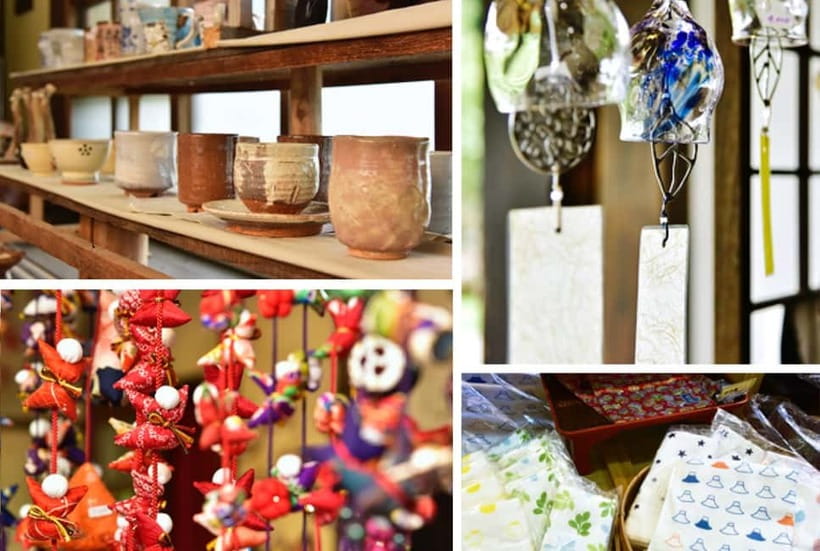
There are Japanese snacks near the entrance, which helps if you left Tokyo without breakfast or need something small before lunch. You can also rent a ninja costume for an extra fee. That is not essential, but it can make playful family photographs, especially if you are traveling with children.
I would treat this stop as more than a photo backdrop. The village gives you a visual sense of older rural Japan, though the visit remains fairly compact. If you want detailed time inside every house, the schedule may feel short. If you want a memorable Fuji photograph and a change from Tokyo’s city streets, it works very well.
Lake Kawaguchi, Oishi Park, and the seasonal route
The tour then moves toward Lake Kawaguchi, one of the best-known places for viewing Mt. Fuji. The lake itself is part of the sightseeing route, while Oishi Park provides the main stop, usually for about forty minutes.
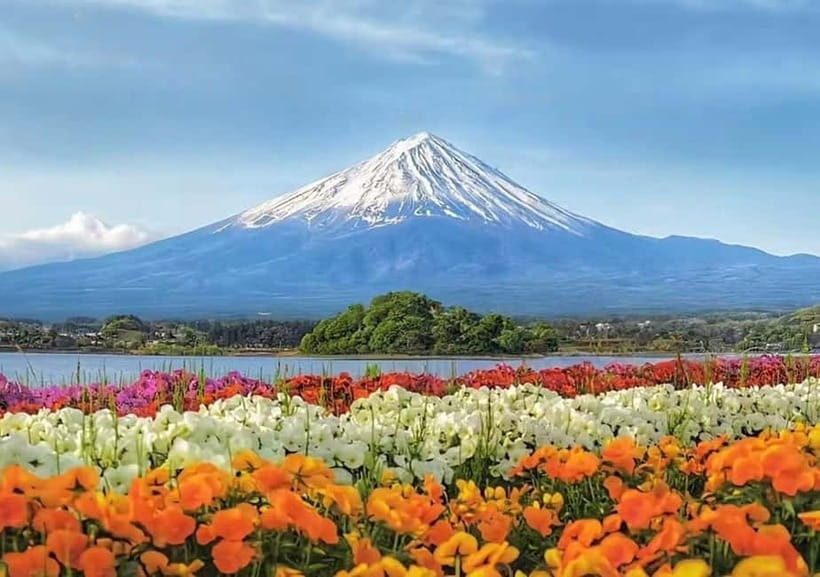
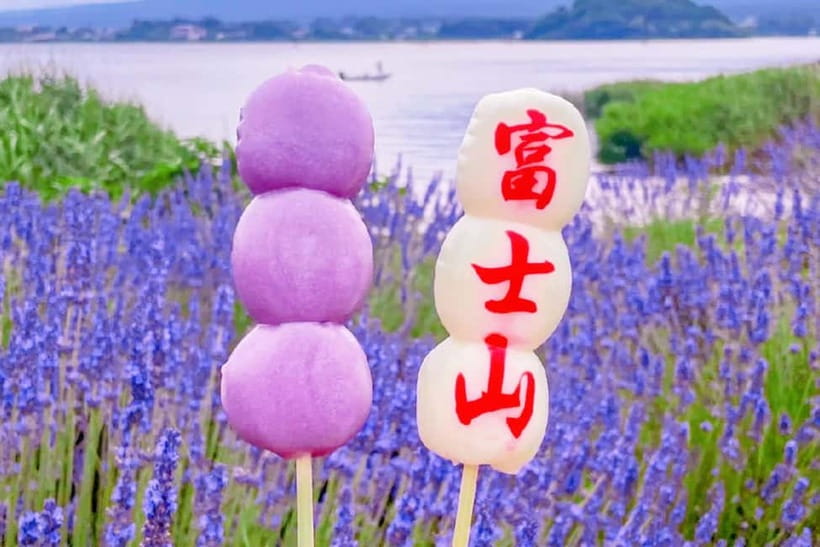
Oishi Park changes with the season. In summer, lavender adds color and fragrance to the fields. In autumn, red broom grass gives the foreground a warm, fiery tone. The park is a good place to photograph Fuji with a low, open foreground rather than houses or shrine structures.
There is one important seasonal detail. During peak autumn foliage, from October 26 through November 20, the route does not go to Oishi Park. Instead, the tour visits the Lake Kawaguchi Maple Corridor. The exact autumn plan matters if you are booking for flowers, because you cannot assume both stops will be included on those dates.
The Maple Corridor gets about forty minutes. In the right season, red and orange leaves frame the mountain and create one of the most attractive views of the day. The timing is brief, so have your camera ready and follow the guide’s return instructions closely.
The autumn foliage window is not guaranteed to look identical every year, and weather can affect the mountain view. Still, the seasonal swap is sensible: it sends you to the place most likely to offer the strongest seasonal color.
Arakurayama Sengen Park and the Chureito Pagoda climb
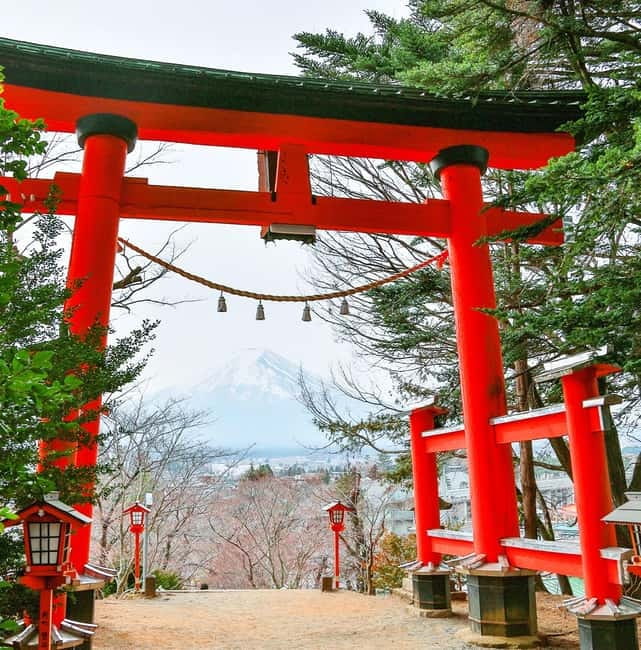
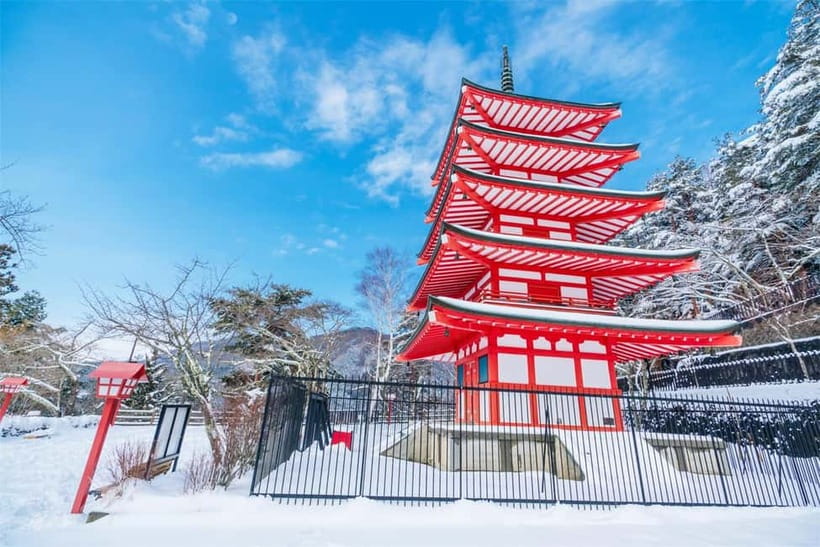
The next stop is Arakurayama Sengen Park, home to Arakura Fuji Sengen Shrine and Chureito Pagoda. This is the image many people associate with Mt. Fuji: a red and white five-story pagoda in the foreground, with the snow-capped mountain behind it.
The route includes separate time for the park, shrine, and pagoda. You should expect stairs. The climb is part of the experience, and the reward is the broad view from above, but this is not a flat stroll. Comfortable shoes are important, especially if the steps are wet or crowded.
The shrine adds meaning to the visit. You are not simply walking to a famous camera angle. You pass through a religious site where people come to pray, so keep your voice and behavior respectful. The guide can explain the basic customs and point out the best places for photos.
The pagoda viewpoint is famous, which also means it can be busy. Forty minutes for the park, followed by shorter photo and sightseeing periods, is enough to see the main points but not enough for a leisurely visit. If you want a goshuin stamp, one useful tip is to submit your book before climbing the stairs, since collection time can take about twenty minutes.
Clouds can change the whole feel of this stop. The pagoda remains attractive, but the classic composition depends on Fuji appearing behind it. On a clear day, this is likely to be the photographic high point. On a cloudy day, the shrine and pagoda still make the climb worthwhile, but you should keep your expectations realistic.
More Temple Tours around Tokyo:
- Tokyo: Asakusa Walking Tour with Sensoji Temple Visit
★ 4.8 · 1,583 reviews - Nikko: Kegon Falls, Lake Chuzenji & Toshogu Temple
★ 4.6 · 1,577 reviews - Tokyo: Nikko Toshogu Shrine and Kegon Waterfall Tour
★ 4.5 · 1,266 reviews - Tokyo Panoramic 1 Day: Meiji Shrine, Asakusa, Odaiba and SKYTREE®
★ 4.5 · 1,222 reviews
Lunch is simple, flexible, and not included
The planned break at a local restaurant lasts about forty minutes, but lunch is not part of the tour price. You can bring your own food, buy something at one of the attractions, or follow the guide’s restaurant suggestion.
This arrangement keeps the tour affordable, but it gives you less control than a food-focused excursion. Forty minutes is enough for a straightforward meal, though not for a leisurely restaurant experience. One practical choice is to carry a snack from Tokyo and decide later if you want a full meal.
Bring cash. Some shops and food sellers at the stops may not accept credit cards, and you will want a little spending money for snacks, drinks, souvenirs, or the optional ninja costume. Since the stops operate independently, prices and payment methods can vary.
Oshino Hakkai and the clear spring ponds
The final major stop is Oshino Hakkai, a group of eight clear spring ponds fed by melted snow from Mt. Fuji. The water and reflections give the village a calm finish after the busier shrine and pagoda stop.
You get about seventy minutes here, the longest sightseeing period in the schedule. That gives you time to walk between the ponds, take photographs, browse local stalls, and try regional snacks.
Look for freshly made rice crackers, and consider trying wasabi ice cream if you enjoy unusual local flavors. You do not need to buy anything to enjoy Oshino Hakkai, but the food stalls add a bit of character to the visit.
The setting is attractive throughout the year, though the Fuji view still depends on the weather. The ponds are the reliable feature. If clouds cover the mountain, you can still enjoy the water, old-style village setting, and food stops.
Oshino Hakkai is also a good place to slow down before the return journey. After the final stop, the bus ride back to Tokyo takes about two and a half hours. Weekend and holiday traffic can make the return later than planned, so I would not schedule an important evening activity immediately afterward.
The guide makes the difference on a shared bus
The tour is available with English, Japanese, and Traditional Chinese guidance. Since explanations are given in multiple languages, the commentary may be more concise than on a private tour. Still, a good guide adds real value by keeping the day orderly and helping you understand what you are seeing.
Sia is frequently praised for clear communication, friendliness, basic Japanese lessons, and careful attention to meeting times. Kazi is noted for keeping groups informed and moving while remaining patient and approachable. Wanting is described as helpful and multilingual, and Rachel has been appreciated for answering questions about Fuji, Japanese culture, and local customs.
Those details matter because this schedule has several separate meeting points. A guide who clearly explains where to return, when to leave, and where to find the bus can save you a lot of stress. Some guides also send location details or contact information before the tour.
You will receive the guide’s contact number and the vehicle’s license plate information the night before. Arrive fifteen minutes early at the designated meeting point. Late arrivals and no-shows are not refunded, so this is not a tour where you can casually wander in at the last minute.
Comfort, timing, and who should book
You spend much of the day on a coach, followed by short walks and sightseeing stops. The bus gives you a place to rest between locations, but the two long driving sections can feel tiring, especially for young children.
Families have used the tour with small children, and the steady schedule can work well if everyone is prepared for a full day. Bring water, snacks, and comfortable shoes. The pagoda stairs are the main physical challenge.
This tour is not suitable for wheelchair users. The mix of stairs, walking areas, and scheduled departures also makes it less suitable for anyone who needs a very slow pace or frequent unscheduled breaks.
I would choose this experience if you are in Tokyo for a limited time and want several classic Fuji-area sights in one outing. It is also a good fit for first-time visitors who would rather have a guide manage transport, parking, and timing.
I would look elsewhere if your main goal is serious photography, a quiet village stay, or a relaxed meal. A private tour would offer more control, while an overnight stay near Lake Kawaguchi would give you more chances to catch Fuji in clear weather.
Weather is the big unknown
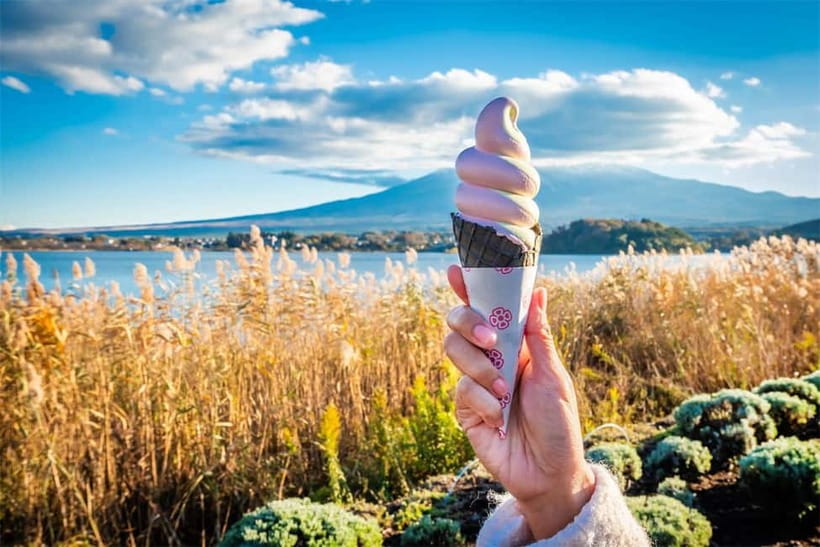
Mt. Fuji is not guaranteed to appear. Clouds, rain, and haze can block the mountain at any stop, even when the weather looks fine in Tokyo. Several people have enjoyed the villages, shrines, ponds, and guide service despite poor visibility, but you should book this tour for the whole region, not only for one perfect photograph.
Check the forecast before you go, but do not treat it as a promise. Clear conditions can change during the day, and one stop may have a fine view while another is covered.
The best strategy is to enjoy each place for what it offers. Saiko has its traditional houses, Arakurayama has the shrine and pagoda, and Oshino Hakkai has the ponds. If Fuji appears, the day becomes much more rewarding, but the other sights still give the outing substance.
Should you book the Mt. Fuji Heritage Tour?
I would book it for the strong $50 value, especially if this is your first visit to the Mt. Fuji area and you want the major photo stops without renting a car. The route combines traditional buildings, seasonal gardens, religious sites, a famous pagoda, and spring ponds in a single day.
Go in with three clear expectations: it will be a long day, lunch costs extra, and the mountain may be hidden. Arrive early, carry cash and water, wear shoes suited to stairs, and leave your evening open in case traffic delays the return.
Book it if you want breadth and convenience. Skip it if you need a slow pace or complete control over every stop. For most first-time visitors, the combination of scenery, culture, and low price makes this a practical introduction to the Fuji region.
FAQ
How long does the Mt. Fuji Heritage Tour last?
The tour lasts about 10 hours, including transportation from Tokyo and the return journey.
Where does the tour start and finish?
The listed meeting and drop-off point is Tokyo MODE Gakuen at 1-chōme-5-1 Marunouchi. The exact meeting point can vary depending on the option booked.
Is lunch included?
No. You can bring food, buy lunch at an attraction, or eat at a restaurant suggested by the guide.
What languages are available?
Live guidance is available in English, Japanese, and Traditional Chinese. Explanations are given in multiple languages on the shared group tour.
Does the tour always visit Oishi Park and the Maple Corridor?
No. From October 26 through November 20, the route visits the Maple Corridor during peak autumn foliage instead of Oishi Park.
Is admission to Saiko Iyashi no Sato Nenba included?
Yes. Admission to Saiko Iyashi no Sato Nenba is included, along with the guide, driver, parking fee, and pickup and drop-off at the designated meeting point.
Can I cancel for a full refund?
Yes. You can cancel up to 24 hours in advance for a full refund.
Is the tour suitable for wheelchair users?
No. The tour is not suitable for wheelchair users. Comfortable shoes are recommended because the schedule includes walking and stairs, particularly at Arakurayama Sengen Park.
Temple visits we reviewed lately in Tokyo
- From Asakusa: Old Tokyo, Temples, Gardens and Pop Culture★ 4.6 · 15 reviews
- Tokyo: Nagano Snow Monkeys and Zenkoji Tour with Temples★ 4.9 · 19 reviews
- Nagano: Snow Monkeys, Zenkoji Temple & Sake Day Trip★ 5.0 · 4 reviews
- From Tokyo: Nagano, Zenkoji Temple, Snow Monkeys Day Trip.★ 4.3 · 4 reviews
- Tokyo/Nagano: private Tour with Snow Monkey Park & Temples★ 4.8 · 13 reviews
- Make a temple stamp book with artist★ 4.9 · 10 reviews
- Kamakura Temples Private Guided Tour from Tokyo★ 4.8 · 21 reviews
- Join a Unique Cultural Ceremony at Tokyo’s Meiji Shrine★ 5.0 · 9 reviews
Tokyo Temple Tours, compared.
Nikko: Kegon Falls, Lake Chuzenji & Toshogu Temple
Read our review →
Tokyo: Nikko Toshogu Shrine and Kegon Waterfall Tour
Read our review →
Tokyo Panoramic 1 Day: Meiji Shrine, Asakusa, Odaiba and SKYTREE®
Read our review →
Tokyo: Zen Meditation at a Private Temple with a Monk
Read our review →
Tokyo: Samurai Entertainment Night Show in Kanda Shrine
Read our review →
Tokyo: Asakusa and Tokyo’s Oldest Temple Senso-ji Tour
Read our review →
Tokyo: Imperial Palace, Sensō-ji Temple, & Tokyo Tower Tour
Read our review →
Tokyo: Meiji Shrine Walking Tour — Shinto & Imperial System
Read our review →This tour also ranks in