
Review · JAPAN
Fukuoka’s Sacred Path: Temples, History & Culture
Fukuoka’s best introduction may be a walk through its sacred Hakata district, where a 12th-century Zen temple, a giant wooden Buddha, an animated festival float, and a modern shopping complex all fit into one afternoon. The tour connects old and new Fukuoka without sending you far from the city center.
I like the small private-group format, which gives you room to ask about Buddhist and Shinto customs. I also like the easy mix of temples, shrines, and city life, especially the shift from quiet Shōfukuji to the Canal City fountain show. The main drawback is simple: this is a walking tour, with roughly 90 minutes spent moving between stops, so comfortable shoes matter.
- Japan’s first Zen temple: Explore Shōfukuji, founded in 1195 by Eisai, the monk linked with bringing Zen Buddhism from China.
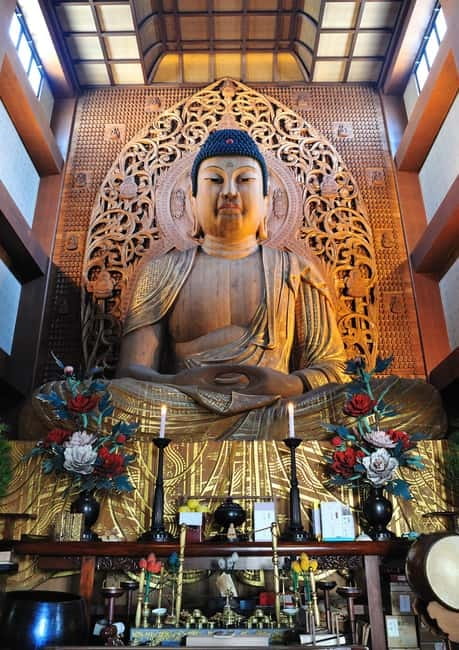
- A 10.8-meter wooden Buddha: See Tōchōji’s huge seated Buddha and enter its symbolic underground passage.
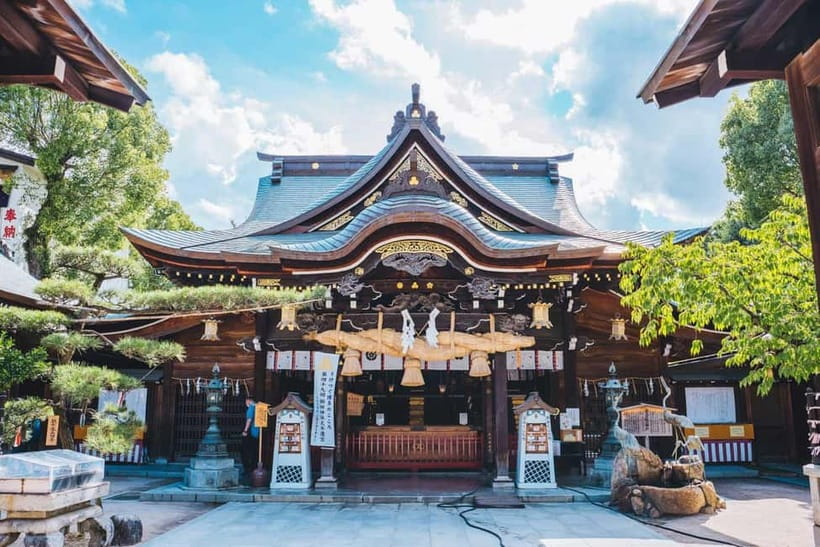
- Fukuoka festival culture: Learn why Kushida Shrine is tied to the famous Hakata Gion Yamakasa festival.
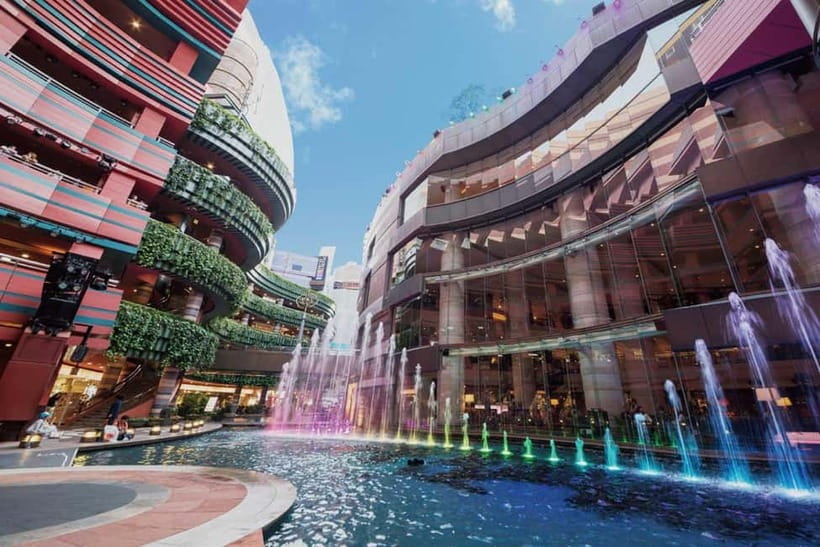
- Old and new in one route: Move from temple courtyards to Canal City’s music, lights, and dancing fountains.
- A guide-led cultural lesson: Andy, Paula, and Arianna are among the guides named in past bookings, with English and German offered.
- A practical city walk: Start and finish outside the Casetify shop at Hakata Station’s West Exit.
Why This Three-Hour Walk Works in Fukuoka
Fukuoka is easy to like because it gives you a major Japanese city without the scale and pressure of Tokyo or Osaka. Hakata, the older core of the city, is especially good for a first walk. Religious buildings, shopping streets, festival customs, and railway connections all sit close together.
This route gives you a useful framework for understanding the city. You are not simply checking off four religious sites. You are seeing how Buddhism and Shinto fit into daily life, how festivals shape local identity, and how modern Fukuoka has grown around its older center.
The tour costs $77 per person. For three hours with a private group and a live guide, that can be fair value if you want explanation rather than a self-guided stroll. You are paying for the connections between places: why one site is Buddhist, another Shinto, how to behave at each, and what local customs mean.
If you already know Japanese temple etiquette and prefer to move quickly, the price may feel high. If you are new to Japan, or want to ask plenty of questions, the private format makes the cost easier to justify.
Meeting at Hakata Station’s West Exit
The meeting point is outside the Casetify shop at Amu Plaza Hakata, just outside Hakata Station’s West Exit. This is a practical starting place because Hakata Station is one of Fukuoka’s main transport hubs.
Your guide takes you on foot from the station. The first walk to Shōfukuji takes about 10 minutes. The tour later returns to the same meeting point after a final 15-minute walk from Sumiyoshi Shrine.
I would arrive with a few minutes to spare. The route is built around walking, and the tour does not include transportation costs, food, or drinks. Bring money if you want souvenirs, and check the weather before setting out.
More History Tours in Japan:
- Mt. Fuji Heritage Tour: Traditional Villages, Lakes & Shrine
★ 4.5 · 509 reviews - Tokyo History: Sensoji Temple & Asakusa District Private Tour
★ 5.0 · 28 reviews - Nara Heritage Walkabout from Nara Park to Todaji-ji temple
★ 5.0 · 5 reviews
Shōfukuji and the Beginning of Zen in Japan
After the first 10-minute walk, you reach Shōfukuji, the tour’s quietest stop. It was founded in 1195 by Eisai, the monk associated with introducing Zen Buddhism from China to Japan. That date gives the temple real weight, but the appeal is not only historical.
The grounds offer a break from city noise. You can look at traditional wooden buildings, walk through the temple area, and hear how Zen thought connects with meditation and disciplined daily practice. The planned guided visit lasts about 20 minutes, which is enough for an introduction without turning the stop into a long lecture.
I like this as the opening stop because it sets the tone. You begin with calm, space, and reflection before moving to the larger sights. It also gives your guide a chance to explain the difference between a Buddhist temple and a Shinto shrine before those distinctions appear again later.
Do not expect a grand museum-style display or a long indoor visit. The value here is the atmosphere and the setting. If you want time for quiet photography, tell your guide, since the schedule is fairly compact.
Tōchōji’s Giant Buddha and Underground Passage
A five-minute walk brings you to Tōchōji Temple, one of Fukuoka’s major Buddhist sites. The main draw is the Great Buddha, a wooden statue measuring 10.8 meters. Its scale changes the feeling of the visit. You can understand the size from a photograph, but being near a wooden figure of that height is a different matter.
The tour allows around 30 minutes here. That is the longest single temple visit, and it makes sense. Tōchōji has more than one point of interest, so you are not rushing in, looking at the Buddha, and leaving.
The underground passage adds an unusual element. It symbolizes a journey through the afterlife, giving the temple a more personal and physical experience than a standard viewing of a statue. The passage is one reason this stop can appeal to people who are less interested in formal religious architecture.
Your guide can also help explain the religious setting and proper behavior. That matters in Japan, where a temple is not simply an attraction. Keep your voice low, follow any posted instructions, and ask before taking photographs inside.
This is likely the most visually powerful stop for many people. The tradeoff is that the route remains timed. If the Buddha is the highlight you have been waiting for, you may wish you had longer to linger, but the guide-led context gives the visit more meaning than a quick independent look.
Kushida Shrine and Fukuoka’s Summer Festival

After about 15 minutes on foot, you reach Kushida Shrine. This is a key Shinto site in Fukuoka and the place where the tour shifts from Buddhist traditions to Shinto practice.
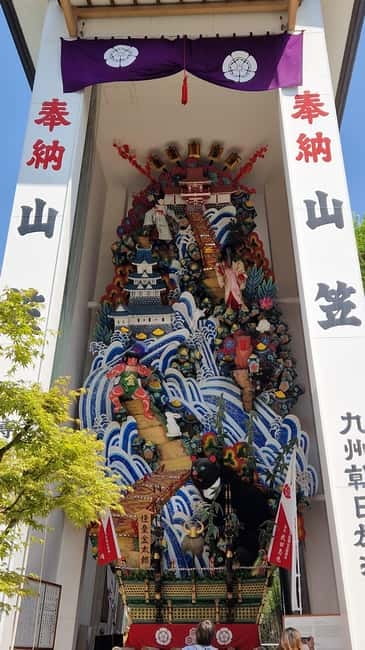
Kushida is closely connected with the Hakata Gion Yamakasa festival, held each summer. The festival is known for its large decorated floats, and you can see a Yamakasa float on display at the shrine. That physical object helps explain the scale and energy of a tradition that can otherwise feel abstract.
The guided visit lasts around 30 minutes. You will learn about the festival, local customs, and the shrine’s role in Fukuoka life. This is a good place to ask about shrine etiquette, including how visitors approach a Shinto site and what makes it different from the earlier Buddhist temples.
I especially like this part of the route because it links religion with community life. The festival is not presented as a separate show for tourists. It is part of the city’s calendar and local identity.
Kushida can feel more active than Shōfukuji, particularly because it is a well-known city shrine. That contrast is useful. You see that sacred places in Fukuoka can be quiet and contemplative, but they can also be tied to crowds, celebration, and public tradition.
More Temple Tours around Japan:
- Kyoto: Tea Ceremony Ju-An at Jotokuji Temple
★ 4.9 · 3,207 reviews - Osaka/Kyoto:Kinkakuji,Arashiyama,FushimiInariShrine,NaraPark
★ 4.1 · 1,596 reviews - Tokyo: Asakusa Walking Tour with Sensoji Temple Visit
★ 4.8 · 1,583 reviews - Nikko: Kegon Falls, Lake Chuzenji & Toshogu Temple
★ 4.6 · 1,577 reviews
Canal City’s Water Show and a Change of Pace
From Kushida Shrine, the tour takes you to Canal City Hakata for about 15 minutes of sightseeing. This is the most modern part of the route, and it is an intentional change of pace.
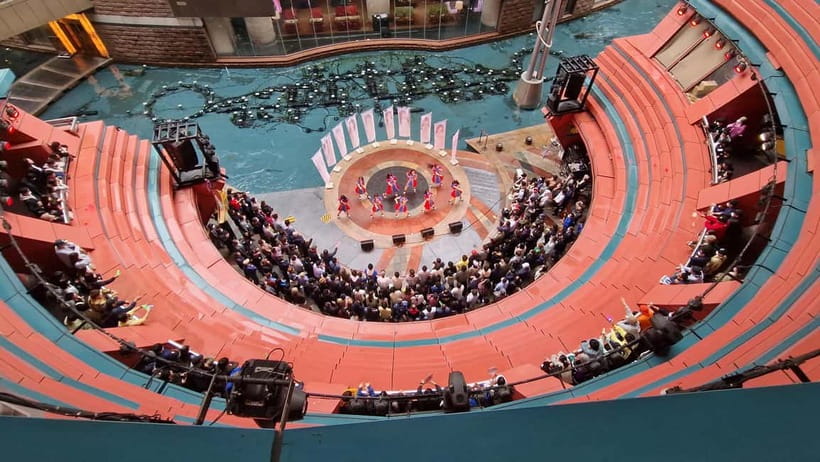
Canal City is a large shopping and entertainment complex with a water show featuring fountains, lights, and music. The stop gives your feet a brief change from temple grounds and shrine paths while showing how Fukuoka presents itself as a contemporary city.
The fountain show is entertaining, but it is not the main reason to book this experience. Its real value is contrast. Within one afternoon, you move from Zen architecture and Shinto ceremony to a polished retail complex with an animated public display.
The planned stop is short, so do not expect time for serious shopping or a full meal. Food and drinks are not included, and the schedule is designed around sightseeing rather than a long break. If you want to browse Canal City, plan to return on your own after the tour.
Sumiyoshi Shrine and Safe Travels
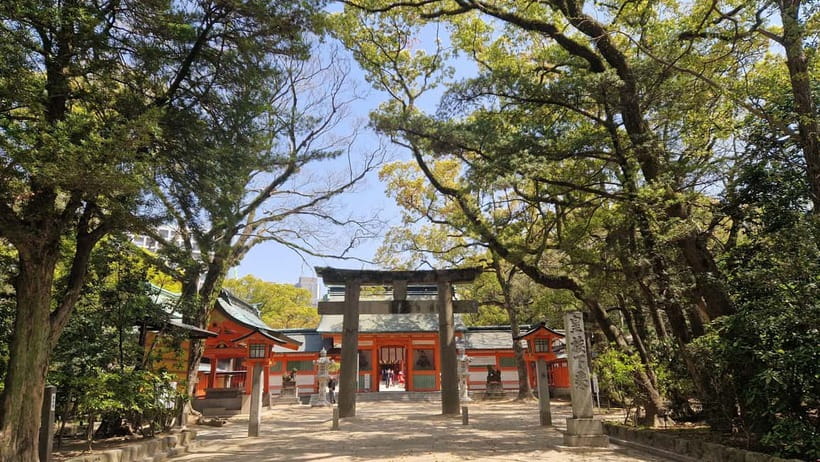
A five-minute walk from Canal City brings you to Sumiyoshi Shrine, the final major stop. This shrine is dedicated to gods associated with safe travel and protection, making it a fitting place to finish a walking tour.
The visit lasts about 25 minutes. You will see vermilion torii gates and a calmer setting after the bright noise of Canal City. The stop offers time to think back over the different religious customs you have encountered during the afternoon.
Sumiyoshi Shrine is also a useful reminder that travel itself has long been tied to religious practice. You are not just looking at old buildings. You are seeing places where people ask for protection, good fortune, peace, and safe journeys.
The route ends with a 15-minute walk back to the original meeting point outside Hakata Station. That makes the tour convenient if you have a train to catch or want to continue exploring from the station area.
What Your Guide Adds to the Walk
The guide is central to the experience. Without one, you could still visit the buildings, but you would miss many of the connections between them.
Andy is named in several bookings, and the tour is also offered with Paula and Arianna. The guide assigned to you may differ, but the format remains a private walking experience. English and German are available, and conversational Japanese is also listed as available.
The strongest guide qualities to look for are patience, cultural explanation, and willingness to adjust the pace. The planned timing is leisurely rather than rushed, and that helps if you want to stop for photographs or ask questions.
Past bookings also point to useful local advice after the walk, including suggestions for food and markets. That can be especially helpful on your first day in Fukuoka. Ask your guide for recommendations before you part.
The tour is not only a string of prepared facts. You can use the private setting to ask about everyday practice, how Buddhism and Shinto are used together, festival customs, and the difference between visiting a temple and a shrine.
Walking Time, Pace, and What to Bring
The scheduled visits add up to about two hours, while the walks between them total roughly 50 minutes. That leaves a little room for transitions, orientation, and the return to Hakata Station.
The route is described as leisurely, but it is still a substantial city walk. Wear comfortable shoes. Bring a camera, though always follow site rules about photography. You should also check the weather before you go because much of the experience takes place outdoors.
There is no included meal or drink stop. Carry water and any snacks you need. Since Canal City is visited for sightseeing rather than a full break, do not count on eating there during the tour.
The walking can be a plus if you want to understand how the sites fit into Hakata’s city pattern. It can be a drawback if you have mobility concerns or simply prefer vehicle-based sightseeing. No transportation is included.
Who Will Get the Most from This Tour
I would recommend this walk to first-time visitors who want a clear introduction to Fukuoka’s religious sites. It also suits people who enjoy history but do not want a full-day museum tour.
Families with older children may like the mix of a giant Buddha, an underground passage, festival floats, and fountains. The route has enough variety to hold attention, though younger children may find the walking and temple explanations tiring.
It is also a good choice for solo visitors and couples who want a private setting. You can ask questions freely, and the pace can feel more personal than a large group tour.
You may want to skip it if you have already visited these four sites independently and prefer unstructured time. You should also think twice if you dislike walking, want an extensive shopping stop, or expect a full meal and long breaks.
Booking Details That Matter
The price is $77 per person, and the experience lasts three hours. It is offered as a private group, with a live guide in English or German. Conversational Japanese is also listed as available.
You can cancel up to 24 hours in advance for a full refund, and reserve now while paying later. Starting times depend on availability, so check the schedule that fits your day.
Because the meeting and ending point are the same, this works well near the start or end of a Fukuoka visit. I would avoid placing it too close to a fixed dinner reservation, since the route is on foot and the final walk back takes about 15 minutes.
Should You Book Fukuoka’s Sacred Path?
Book this tour if you want Fukuoka explained, not simply photographed. The best parts are the clear sequence from Shōfukuji to Tōchōji, Kushida Shrine, Canal City, and Sumiyoshi Shrine, plus the chance to ask direct questions in a private group.
The $77 price makes the most sense when you value a guide’s cultural context and local suggestions. Andy, Paula, and Arianna are named guides associated with the experience, and the available feedback points especially to patient conversation, a relaxed pace, useful explanations, and food and market tips.
Skip it if you want a fast checklist or dislike walking. For most first-time visitors who have three free hours and comfortable shoes, this is a well-balanced way to see Hakata’s sacred side and its modern city center together.
FAQ
How long is the Fukuoka sacred sites tour?
The tour lasts three hours, including guided visits and walks between the sites.
Where does the tour meet?
You meet outside the Casetify shop at Amu Plaza Hakata, just outside Hakata Station’s West Exit.
Where does the tour finish?
The walk returns to the same meeting point outside the Casetify shop at Hakata Station.
Which religious sites are included?
The tour visits Shōfukuji Temple, Tōchōji Temple, Kushida Shrine, and Sumiyoshi Shrine.
Is Canal City included?
Yes. The tour includes a sightseeing stop at Canal City Hakata and its fountain show.
What languages are available?
The live tour is offered in English and German. Conversational Japanese is also listed as available.
Is this a private tour?
Yes. The activity is offered for a private group.
What should I bring?
Bring comfortable walking shoes and a camera. You should also check the weather and carry money for souvenirs. Food and drinks are not included.
Temple visits we reviewed lately in Japan
- From Asakusa: Old Tokyo, Temples, Gardens and Pop Culture★ 4.6 · 15 reviews
- Tokyo: Nagano Snow Monkeys and Zenkoji Tour with Temples★ 4.9 · 19 reviews
- Kamakura: Great Buddha, Hase Temple, & Komachi Street Tour★ 5.0 · 11 reviews
- Osaka Temple Head Spa &Matcha Facial – Refresh & Glow〈90min〉★ 5.0 · 24 reviews
- Osaka Temple :Warm Bamboo Oil Massage – Deep Restore〈60min〉★ 4.9 · 19 reviews
- Osaka: Temple Tour and Traditional Calligraphy Lesson★ 4.9 · 24 reviews
- Osaka: Sumiyoshi, Osaka’s Most Iconic Shrine – Private Tour★ 4.7 · 4 reviews
- Osaka Temple :Warm Bamboo Oil Massage – Deep Restore〈90min〉★ 5.0 · 14 reviews
Japan Temple Tours, compared.
Osaka/Kyoto:Kinkakuji,Arashiyama,FushimiInariShrine,NaraPark
Read our review →
Nikko: Kegon Falls, Lake Chuzenji & Toshogu Temple
Read our review →
Tokyo: Nikko Toshogu Shrine and Kegon Waterfall Tour
Read our review →
Tokyo Panoramic 1 Day: Meiji Shrine, Asakusa, Odaiba and SKYTREE®
Read our review →
Kyoto Arashiyama Walking Tour: Bamboo, Monkeys, Gardens & Secrets
Read our review →
1-Day Snow Monkeys, Zenko-ji Temple & Sake in Nagano
Read our review →
Arashiyama Bamboo, Temple, Monkeys, or Secret Sake Brewery
Read our review →This tour also ranks in