Review · TOKYO
Tokyo: Asakusa Walking Tour with Sensoji Temple Visit
Asakusa gives you Tokyo at its most traditional, and this two-hour walk gets you straight into the district’s heart. You begin beneath the huge Kaminarimon lantern, pass along Nakamise Street, and reach Sensoji Temple, Tokyo’s oldest-established Buddhist sanctuary. I especially like the mix of famous sights and everyday streets, plus the chance to compare Buddhist and Shinto traditions in one compact outing.
I also like the practical guidance. Several guides, including Aya, Keiko, Hiroko, and Loc, are praised for clear English, humor, patience, and useful restaurant tips for after the tour. The main drawback is the short schedule: two hours is enough for an introduction, but busy shopping lanes and temple grounds can make the route feel brisk, especially if you want long photo stops.
Key points to know before booking
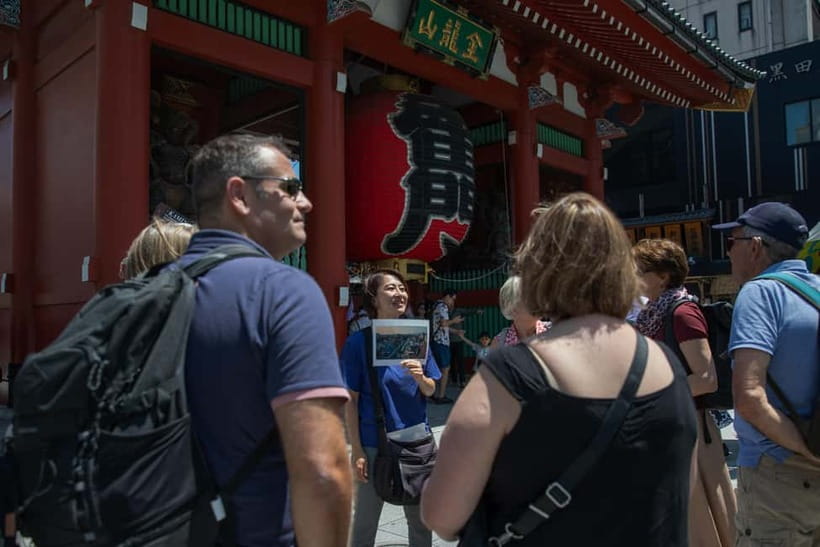
- Kaminarimon starts the story: Meet beside Tokyo’s famous Thunder Gate, near Tokiwado Kaminari-okoshi Honpo.
- Sensoji gets real attention: You have about 30 minutes for the temple, photos, explanations, and some free time.
- You see both Buddhist and Shinto sites: The route includes Sensoji Temple and nearby Asakusa Shrine.
- The route goes beyond the main gate: Hoppy Street and Shin-Nakamise add food stalls, shops, and local atmosphere.
- Guides make the difference: Aya, Keiko, Hiroko, Polina, Loc, Glenda, and Miyu are among the guides praised for cultural explanations and helpful advice.
- It is strong value at $22: A small amount buys two hours of orientation in one of Tokyo’s easiest districts to explore on foot.
Why Asakusa is one of Tokyo’s best first walks
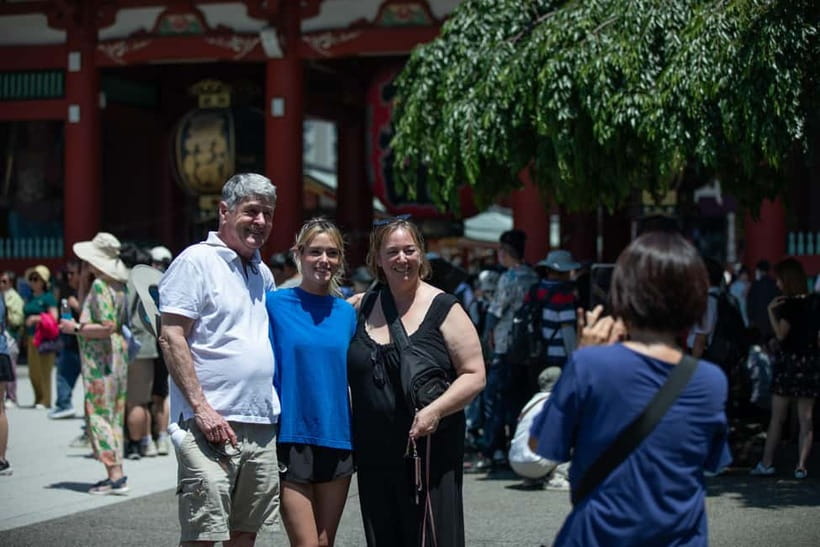
Tokyo can feel like several cities stitched together. Skyscrapers, quiet shrines, department stores, narrow alleys, and train stations all compete for your attention. Asakusa offers a simpler starting point. The streets around Sensoji give you a clear sense of place, with temple rituals, souvenir shops, old-style food lanes, and local neighborhoods close together.
I like this tour for the way it puts famous sights into context. On your own, you can photograph the red gate and enormous lantern, walk through the shops, and enter the temple grounds. A guide helps explain what you are seeing, why people stop at the incense burner, and how the Buddhist temple differs from the nearby Shinto shrine.
That extra explanation matters. Asakusa is not only a photo stop. It is a working religious and commercial district, and the route shows both sides. You get ceremony and architecture, but also snack shops, restaurant advice, traditional crafts, and the ordinary movement of people through a popular Tokyo neighborhood.
More Temple Walking Tours in Japan
- Tokyo: Meiji Shrine Walking Tour — Shinto & Imperial System
★ 4.9 · 266 reviews - Tokyo: Meiji Jingu Shrine and Shinto Culture Walking Tour
★ 5.0 · 245 reviews - Tokyo: Meiji Shrine and Shinto Culture Walking Tour
★ 5.0 · 225 reviews
Meeting at the Thunder Gate
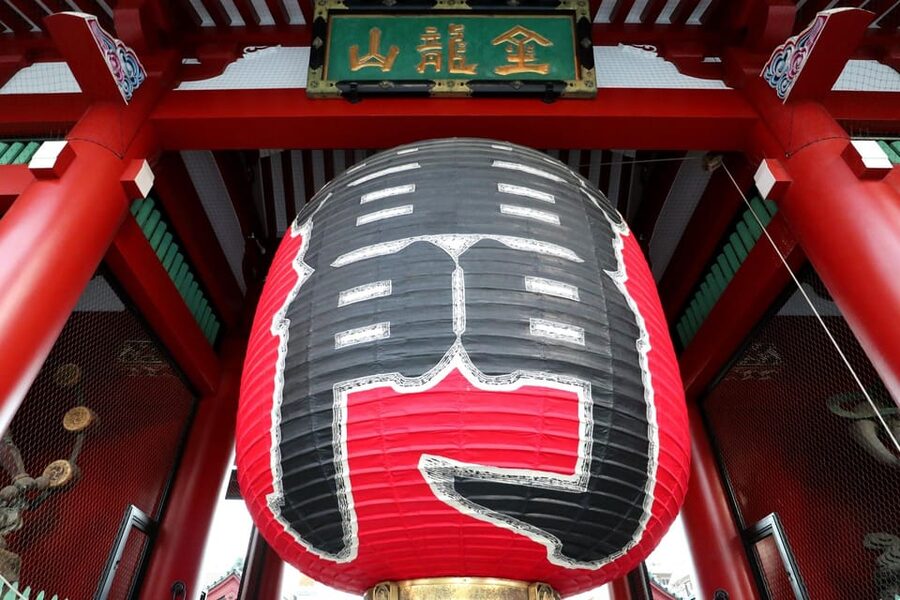
The walk begins at Kaminarimon, also called the Thunder Gate. Your guide waits on the left side of the gate, near Tokiwado Kaminari-okoshi Honpo, holding a sign for the tour. Arrive early. The guide cannot hold the group for long if you are late.
Kaminarimon is an easy place to recognize, but it can be crowded. The giant lantern and gate make an excellent opening photo, though you may need patience to get a clear view. Your guide spends about 10 minutes here, explaining the gate and helping you understand its place as the entrance to the Sensoji complex.
This is a useful start because the gate is more than a dramatic entrance. It sets up the religious and cultural story of the area. You are not simply moving from one attraction to the next. You are following the traditional approach to the temple, just as countless people have done before you.
Nakamise Street and the art of the approach
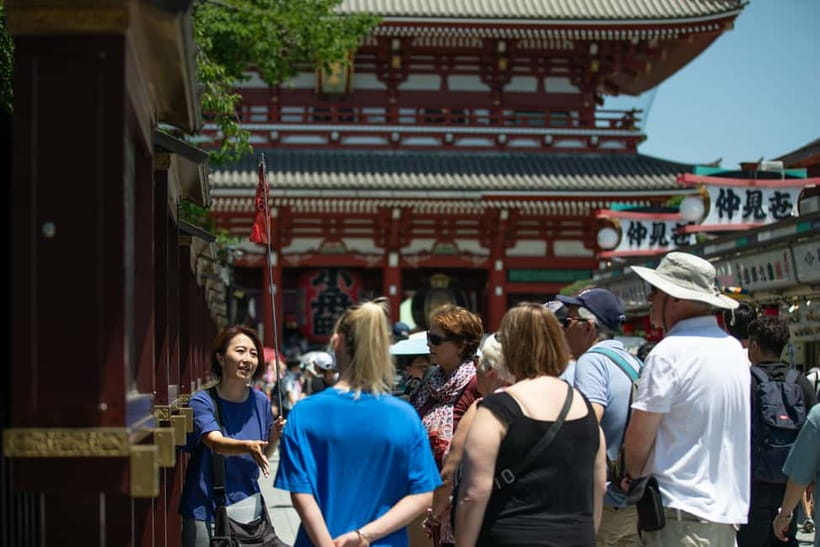
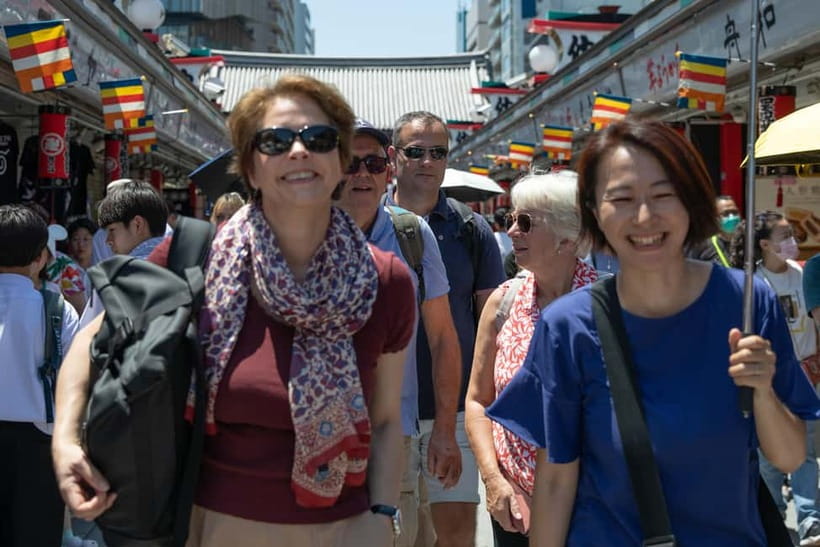
From Kaminarimon, you walk along Nakamise Shopping Street, one of Japan’s oldest shopping centers. The route takes about 15 minutes, but you should not think of that as a simple march through a souvenir lane.
Nakamise is part of the experience of approaching Sensoji. Small shops sell traditional crafts, snacks, keepsakes, and other goods connected with Japanese culture. The street is also one of the busiest parts of Asakusa, so you will need to stay aware of the group and avoid blocking the flow of people.
I like having a guide here because the shops can otherwise blur into one long row of colorful displays. A guide can point out items worth noticing and explain the local character of the street. Several guides also offer suggestions for shops and places to eat later, which is particularly useful if this is your first day in Tokyo.
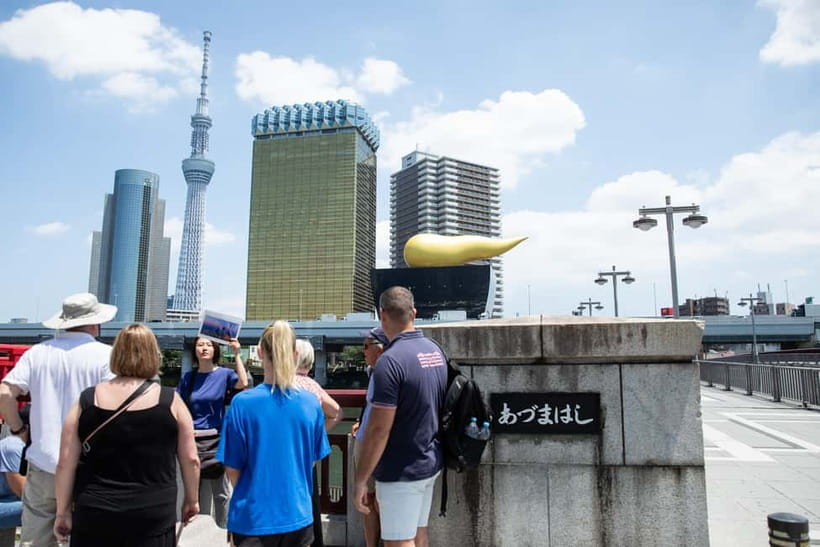
You will not have unlimited time to shop during the guided portion. If you spot something you want, make a note of the store and return after the tour. The walk finishes near Azuma Bridge, but the guide can also point you toward places to revisit in Asakusa.
Sensoji Temple, Tokyo’s essential cultural stop
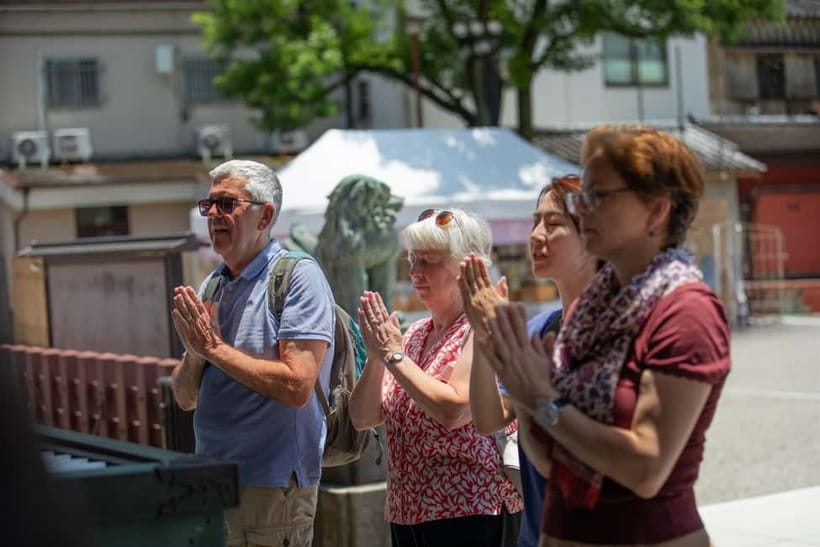
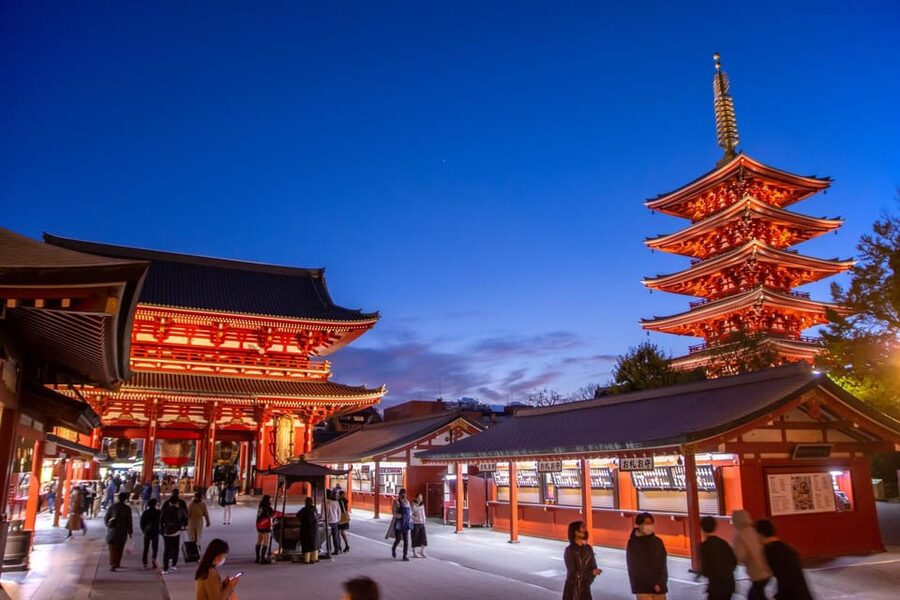
Sensoji is the main event. The temple is Tokyo’s oldest-established Buddhist sanctuary, and its scale becomes clear as you move through the grounds. The tour allows about 30 minutes for a visit, guided explanations, photographs, and free time.
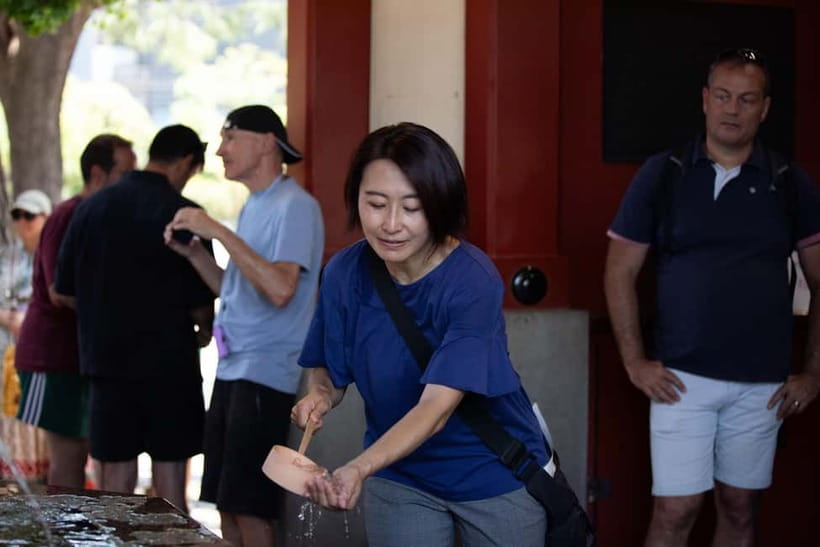
Your guide explains the temple’s history, architectural details, traditions, and religious meaning. You also learn how to approach the incense burner and take part in the incense-burning ritual. This is where the walking tour earns its fee. The ritual can look mysterious if you do not know what is happening, but a clear explanation makes it more approachable.
The temple grounds are busy, and the pace may feel quick if you want to study every building or take many photographs. Still, 30 minutes is a sensible amount for a first visit. You get an introduction without spending half a day on one site, and you can return later if Sensoji captures your interest.
Some guides bring extra charts or visual information, which can help when discussing architecture and traditions in a crowded outdoor setting. The strongest guide feedback centers on clear English, good humor, thoughtful pacing, and the ability to answer questions without turning the walk into a lecture.
Aya is repeatedly praised for explaining the temple’s architecture, traditions, miracles, and religious background. Keiko is noted for making sure everyone can hear and for adjusting the pace. Hiroko is described as patient and attentive, while Polina is praised for explaining both history and modern food culture.
Guide assignments can change, so you should not book expecting one specific person. But the range of positive guide comments suggests that the human side of this tour is a genuine strength.
Same sacred ground, another way to see it:
- Tokyo:Mt.Fuji,Kawaguchiko Oishi Park,Arakurayama Sengen Park
★ 4.4 · 2,682 reviews - Nikko: Kegon Falls, Lake Chuzenji & Toshogu Temple
★ 4.6 · 1,577 reviews - Tokyo: Nikko Toshogu Shrine and Kegon Waterfall Tour
★ 4.5 · 1,266 reviews - Tokyo Panoramic 1 Day: Meiji Shrine, Asakusa, Odaiba and SKYTREE®
★ 4.5 · 1,222 reviews
Asakusa Shrine and two religious traditions
The next major stop is Asakusa Shrine, with about 20 minutes for a visit, photographs, and explanation. This is a valuable addition because it lets you see a Shinto shrine alongside Sensoji, a Buddhist temple.
The distinction is important, but it can be confusing when you first arrive in Japan. A guide can point out differences in the buildings, customs, and approach to worship. Several people who took this walk particularly liked seeing both Buddhist and Shinto sites in one route.
Asakusa Shrine is also a calmer counterpoint to Sensoji and Nakamise. After the noise and movement of the main temple approach, the shrine gives you another way to read the neighborhood. The tour does not treat Asakusa as a collection of isolated attractions. It shows how different religious traditions sit close together in the same historic district.
You have enough time to ask questions here, but not enough for a detailed study of every feature. If religion and architecture are your main interests, you may want to return independently after the walk.
Hoppy Street and Shin-Nakamise
The route then moves toward Hoppy Street, with about 10 minutes of guided time. This area adds a more casual food and drink side of Asakusa. It is a useful change of mood after the temple grounds, and it helps show that the district is not frozen in the past.
You are not signing up for a food tour, and the $22 price does not include food or drinks. Instead, Hoppy Street gives you a look at the local dining scene and a chance to collect ideas for lunch or a later evening.
The walk continues to Shin-Nakamise Shopping Street for another 10 minutes. It is separate from the better-known Nakamise approach, and it gives you more time among shops, food businesses, and everyday Asakusa commerce.
The shorter stops here are best treated as orientation. You will see places to return to, rather than sit down for a full meal during the tour. Guides often provide recommendations for restaurants and snacks, which adds practical value, particularly when the tour finishes around lunchtime for many start times.
Finishing at Azuma Bridge
The tour ends at Azuma Bridge. This is a practical finish because you are no longer inside the tight temple lanes, and you can decide what to do next. You might return to a shop, find lunch, explore more of Asakusa, or continue elsewhere in Tokyo.
The route is most useful as a first look rather than a complete Asakusa day. You receive a map in your head: Kaminarimon leads to Nakamise and Sensoji, Asakusa Shrine sits nearby, food streets branch off in another direction, and the walk concludes by the river.
The bridge finish also gives the tour a sense of progression. You start at a major religious gateway and end after seeing the district’s shopping and dining sides. It is a tidy two-hour introduction, not a random collection of stops.
What the guides add
The guide is the key reason to choose this experience over walking the same streets alone. You can find Sensoji without help, but you will not automatically understand the incense ritual, the relationship between the temple and shrine, or the meaning behind the landmarks.
The guides are English-speaking and live guided support is included. The names most often associated with especially strong sessions include Aya, Keiko, Hiroko, Loc, Polina, Glenda, Miyu, Mei, Rio, and Augustina.
Their strengths differ slightly. Aya is praised for local insight, history, food suggestions, and attention to children and teenagers. Keiko is described as energetic, funny, patient, and good at managing group pace. Hiroko is frequently noted for her clear English and care with questions.
Loc is praised for being punctual and explaining Asakusa clearly. Rio is noted for bringing extra charts and information. Augustina is singled out for making the Buddhist and Shinto comparison especially clear.
You should not expect a scripted performance delivered in exactly the same way each time. That is a benefit here. The walk seems to leave room for questions and personal recommendations, which can make the experience more useful than a standard audio guide.
Price, pace, and practical value
At $22 per person, this is inexpensive by Tokyo sightseeing standards. You are paying for a two-hour walking route and an English-speaking guide, not entrance tickets, meals, or transportation.
I consider it good value if you are new to Tokyo, want cultural background, or prefer not to decode a major temple complex alone. The cost is also easy to justify if the guide helps you avoid a poor restaurant choice or shows you parts of Asakusa you might otherwise miss.
The value is less clear for someone who already knows Sensoji well or prefers to wander without a schedule. You can visit the main temple area independently, and the tour does not include a meal or a long private visit inside any one building.
The pace should suit most reasonably mobile walkers, but Asakusa can be crowded. There are several short stops, and the two-hour limit means you should keep moving. The tour is listed as wheelchair accessible, though the busy shopping streets may still require careful navigation.
Free cancellation is available up to 24 hours before the start time, and you can reserve now while paying later. Starting times vary, so check availability for your chosen date.
Who should book this Asakusa walk
I would choose this tour for a first visit to Tokyo, especially if you want a gentle introduction to Japanese religious customs. It also fits families, since guides such as Keiko have been praised for keeping children and teenagers involved rather than speaking only to adults.
It works well for solo visitors and couples who want a little structure without committing to a full-day tour. The compact route leaves plenty of time afterward for lunch and independent exploring.
Food-focused visitors will also get useful value, though this is not a tasting tour. The walk introduces Hoppy Street, Nakamise, and Shin-Nakamise, while guide recommendations can help you decide where to eat later.
I would be more cautious if you dislike crowded shopping streets, need long periods for photography, or want a slow architectural study. In that case, use the tour as an introduction and return to Sensoji on your own.
Should you book the Sensoji and Asakusa walking tour?
Book it if you want context, direction, and practical local advice for $22. The route covers the district’s major sights without wasting time on transportation, and the guide helps connect religious sites with shopping and food streets.
The strongest reason to go is not simply seeing Sensoji. It is understanding what you are seeing, from Kaminarimon and Nakamise to the incense ritual and the contrast between Buddhist and Shinto traditions.
Skip it only if you already know Asakusa well or want complete freedom to wander. For most first-time visitors, this is a sensible, low-cost way to get your Tokyo bearings and finish with a useful list of places to revisit.
FAQ
Where does the Asakusa walking tour begin?
The tour begins in front of Kaminarimon, or the Thunder Gate. The guide waits on the left side near Tokiwado Kaminari-okoshi Honpo and holds a sign for the tour.
Where does the tour finish?
The walk finishes at Azuma Bridge.
How long does the tour last?
The tour lasts two hours. Check the available starting times when selecting your date.
Is the tour offered in English?
Yes. The live tour guide speaks English.
Does the price include food, drinks, or admission tickets?
The $22 price includes the walking tour and guide. Food, drinks, and other extras are not listed as included.
Can wheelchair users join the tour?
Yes. The activity is listed as wheelchair accessible.
More Temple Walking Tours in Tokyo
- Bangkok: City Highlights Temple and Market Walking Tour
★ 4.5 · 3,990 reviews - Bangkok: Grand Palace and Wat Phra Kaew Guided Walking Tour
★ 4.4 · 2,417 reviews - Bangkok: Wat Pho and Wat Arun Guided Walking Tour
★ 4.6 · 1,720 reviews - Chiang Mai: 3 Hour Old City and Temples Guided Walking Tour
★ 4.6 · 1,568 reviews
More Meiji Shrine and Senso-ji Tours in Tokyo
- Tokyo: Asakusa and Tokyo’s Oldest Temple Senso-ji Tour
★ 4.9 · 352 reviews - Tokyo History: Sensoji Temple & Asakusa District Private Tour
★ 5.0 · 28 reviews - Full Tokyo: Meiji Shrine, Imperial Palace, Asakusa & Skytree
★ 4.7 · 16 reviews - From Asakusa: Old Tokyo, Temples, Gardens and Pop Culture
★ 4.6 · 15 reviews
Temple visits we reviewed lately in Tokyo
- From Asakusa: Old Tokyo, Temples, Gardens and Pop Culture★ 4.6 · 15 reviews
- Tokyo: Nagano Snow Monkeys and Zenkoji Tour with Temples★ 4.9 · 19 reviews
- Nagano: Snow Monkeys, Zenkoji Temple & Sake Day Trip★ 5.0 · 4 reviews
- From Tokyo: Nagano, Zenkoji Temple, Snow Monkeys Day Trip.★ 4.3 · 4 reviews
- Tokyo/Nagano: private Tour with Snow Monkey Park & Temples★ 4.8 · 13 reviews
- Make a temple stamp book with artist★ 4.9 · 10 reviews
- Kamakura Temples Private Guided Tour from Tokyo★ 4.8 · 21 reviews
- Join a Unique Cultural Ceremony at Tokyo’s Meiji Shrine★ 5.0 · 9 reviews
Tokyo Temple Tours, compared.
Nikko: Kegon Falls, Lake Chuzenji & Toshogu Temple
Read our review →
Tokyo: Nikko Toshogu Shrine and Kegon Waterfall Tour
Read our review →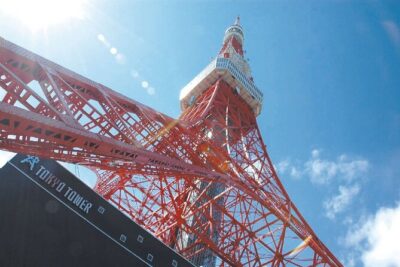
Tokyo Panoramic 1 Day: Meiji Shrine, Asakusa, Odaiba and SKYTREE®
Read our review →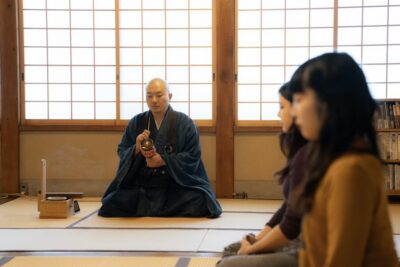
Tokyo: Zen Meditation at a Private Temple with a Monk
Read our review →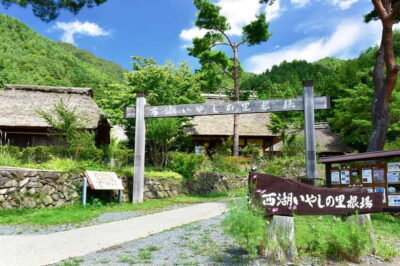
Mt. Fuji Heritage Tour: Traditional Villages, Lakes & Shrine
Read our review →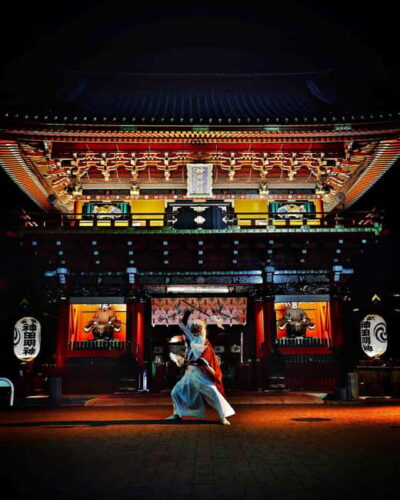
Tokyo: Samurai Entertainment Night Show in Kanda Shrine
Read our review →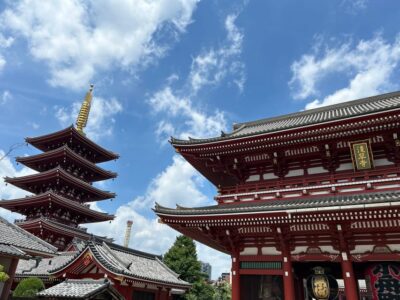
Tokyo: Asakusa and Tokyo’s Oldest Temple Senso-ji Tour
Read our review →