
Review · JAPAN
Kamakura: Great Buddha, Hase Temple, & Komachi Street Tour
Kamakura’s open-air Great Buddha is the star of this day trip, but the real pleasure is seeing how temples, shrines, local trains, food, and shopping fit together in one historic town. You begin at your Tokyo hotel, then let a private guide handle the train connections and explain what you are seeing.
I like the small Enoden train, which adds a local touch to the day, and I like the choice built into the plan. You can visit Hokokuji’s bamboo forest, stay longer on Komachi Street, or ask to change the route for Enoshima. The main drawback is cost: at $530 per group, transportation, admissions, and lunch are extra, so the value depends on filling the group and wanting personal guidance.
Key points to know
- The Great Buddha is open to the sky: See Kamakura’s famous bronze Buddha in an outdoor setting, then enter the statue for an additional fee if available.
- The Enoden makes the day feel local: Ride Kamakura’s small electric train for about 10 minutes rather than relying only on private transport.
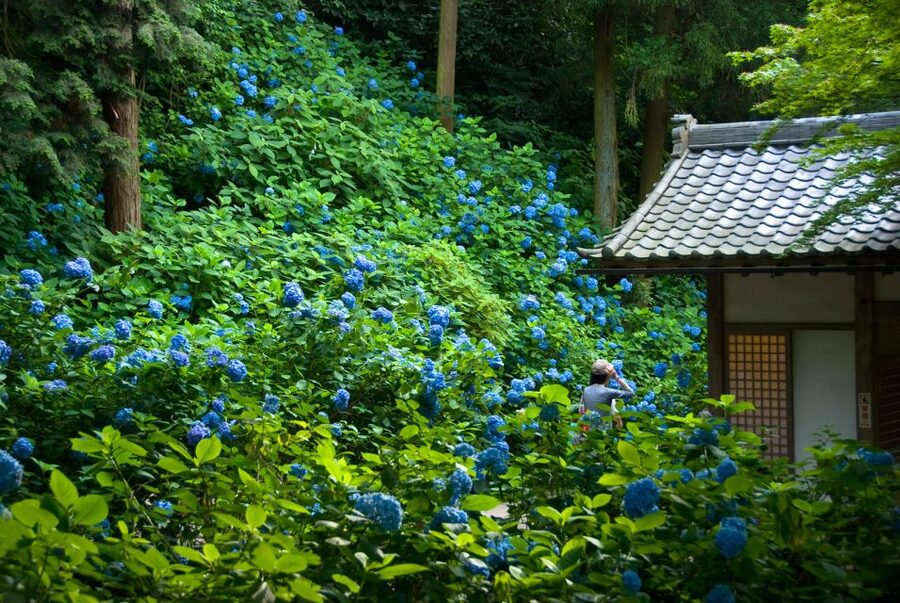
- Hase Temple changes with the seasons: Flowers, especially hydrangeas, are a major attraction, and the temple grounds include Buddhist figures and deities linked with prosperity.
- Hokokuji may be included: The bamboo forest is part of the planned route, but the day can be adjusted if you prefer another stop.
- You get a private group of up to six: A guide can shape the pace, food choices, language, and amount of shopping around your interests.
- Budget for extras: The $530 tour price covers the guide, but you pay separately for trains, buses, entrance fees, and lunch.
Why Kamakura works so well as a Tokyo day trip
Kamakura was once Japan’s ancient capital, and today it offers a useful contrast to Tokyo’s huge scale. In one day, you can see a major Buddhist statue, walk temple grounds, ride a short local train, visit a Shinto shrine, eat regional food, and shop along a pedestrian street.
The distance from Tokyo is manageable, but the trip still takes time. The train journey is listed at about one to one and a half hours each way, depending on the connection and exact timing. That makes hotel pickup worthwhile, especially if you do not want to work out the route through Tokyo and Kamakura on your own.
You should think of this as a full day on foot, not a private car tour. The guide travels with you by train and bus, and most stations have limited elevator or escalator access. Comfortable shoes matter, and you should tell the guide in advance if stairs are difficult for you.
Because the group is private and capped at six people, you can ask questions without holding up a large busload. Guides have led the route in English, French, German, and Spanish. Rie, Ena, Shizuko, and Mina are among the guides who have handled this experience, with particular praise for clear explanations, careful navigation, and help during meals.
More Nikko and Kamakura Day Trips in Japan:
- Nikko: Kegon Falls, Lake Chuzenji & Toshogu Temple
★ 4.6 · 1,577 reviews - Tokyo: Nikko Toshogu Shrine and Kegon Waterfall Tour
★ 4.5 · 1,266 reviews - Nara: Great Buddha, Kasuga Shrine & Deer Park Tour
★ 4.8 · 62 reviews
Starting in Tokyo and riding toward Kamakura
Pickup is available from the lobby of a hotel in Tokyo’s 23 wards. This is a useful detail, since the day begins with public transportation rather than a coach leaving from one fixed meeting point.
Your guide takes you by train toward Kamakura. The ride is not sightseeing in the usual sense, but it gives you time to settle into the day and ask questions about the route. You pay the transportation costs separately, so ask your guide about the expected total before departure.
The transfer within Kamakura includes a short ride on the Enoden, the local electric train. The trip is listed at about 10 minutes, yet it adds character to the outing. This is the kind of small detail that helps the day feel connected to everyday Kamakura rather than built only around famous monuments.
The route also includes a bus ride of about 15 minutes later in the day. Since schedules, crowds, and station access can affect timing, do not expect every transfer to run like a private vehicle. The guide’s value is strongest here: you can focus on the town while someone else handles the changes.
Meeting Kamakura’s Great Buddha at Kotoku-in
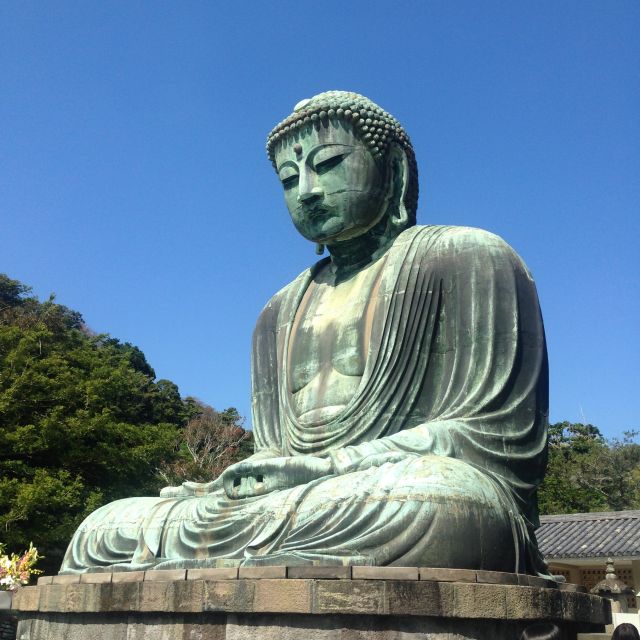
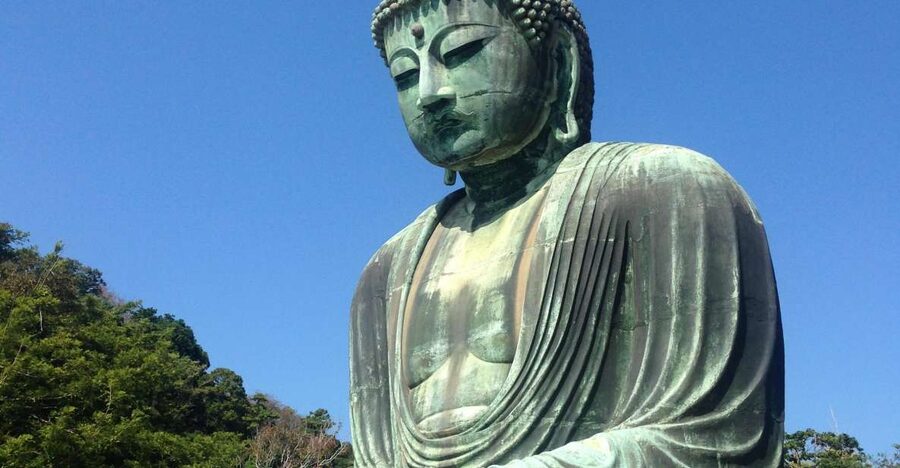
Kotoku-in is home to the Great Buddha, the landmark most people associate with Kamakura. It is described as Japan’s second-largest Buddha and is particularly striking because it sits outdoors rather than inside a hall.
That outdoor setting changes the way you see the statue. You can take in its full scale from the temple grounds, notice its placement against the open sky, and hear the guide explain its place in Kamakura’s religious story. The site is focused and easy to understand, making it a good first major stop.
You should allow time for photographs, but do not expect the visit to fill a large part of the day. The appeal is the statue itself and the setting around it. An additional fee may be required if you want to enter the Buddha, and entrance fees for you and the guide are not part of the tour price.
This is also a good moment to ask questions about Buddhist imagery. The guide can provide context that you would probably miss if you simply arrived, took a photograph, and moved on.
Hase Temple, flowers, and figures linked with luck
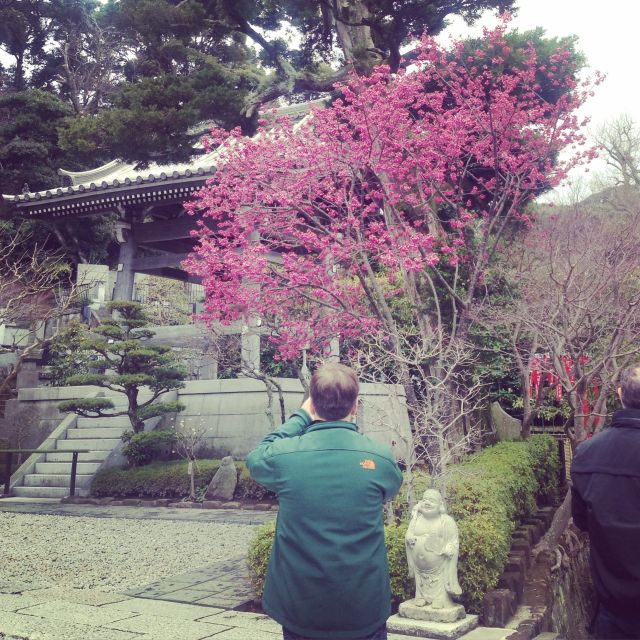
Hase Temple is one of the day’s more varied stops. It is known for seasonal flowers, with hydrangeas especially important during their blooming period. The timing of your visit matters, since flowers change through the year and the grounds will not look the same in every season.
The temple also offers more than plantings. You can see Buddhist statues, Kannon figures, and deities associated with wealth and prosperity. If you enjoy small religious details, this is where a guide can make the visit more rewarding. You can ask what the figures represent and how people use the temple as a place to make wishes.
The word wealth is not just a marketing angle here. The temple includes figures connected with good fortune, so it gives you an opportunity to notice how religious sites in Japan can serve several purposes at once: prayer, seasonal appreciation, family tradition, and hopes for financial luck.
Hase Temple does involve walking, steps, and uneven surfaces. That is manageable for many people, but it is not a stop to rush through in unsuitable shoes. If stairs are a concern, tell the guide before the tour so the pace and route can be discussed.
More Temple Tours around Japan:
- Kyoto: Tea Ceremony Ju-An at Jotokuji Temple
★ 4.9 · 3,207 reviews - Osaka/Kyoto:Kinkakuji,Arashiyama,FushimiInariShrine,NaraPark
★ 4.1 · 1,596 reviews - Tokyo: Asakusa Walking Tour with Sensoji Temple Visit
★ 4.8 · 1,583 reviews - Tokyo Panoramic 1 Day: Meiji Shrine, Asakusa, Odaiba and SKYTREE®
★ 4.5 · 1,222 reviews
Lunch with Kamakura flavors and flexible choices
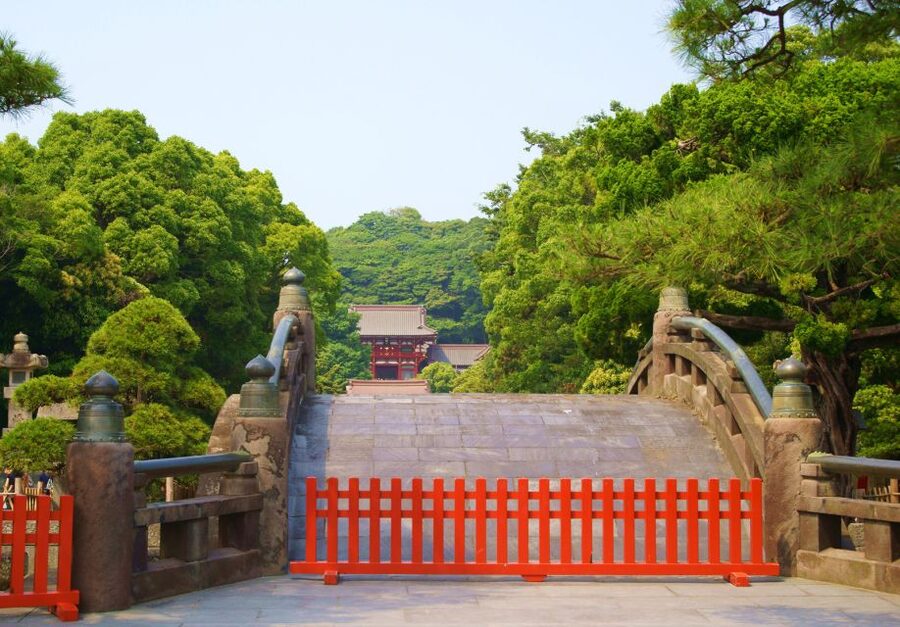
Lunch is arranged at a local restaurant, with the cost paid separately. Kamakura is known for seafood, so seafood dishes may be a natural choice if you enjoy them. If you do not, the guide can arrange other food based on your request.
That flexibility is useful because a set meal that suits one person may not suit a whole family or private group. Tell the guide ahead of time about dislikes or dietary needs, rather than waiting until you are hungry at the restaurant.
The guide joins you for the meal and can help you understand what you are ordering. This is especially useful if you are unfamiliar with local dishes or want to try something typical without guessing from a menu.
Do not treat lunch as a rushed fuel stop. It is one of the few chances to sit down during an active day, and it gives you a break before the afternoon visits. Since lunch is not included, keep room in your budget for the meal as well as the transport and admissions.
The optional calm of Hokokuji Bamboo Forest
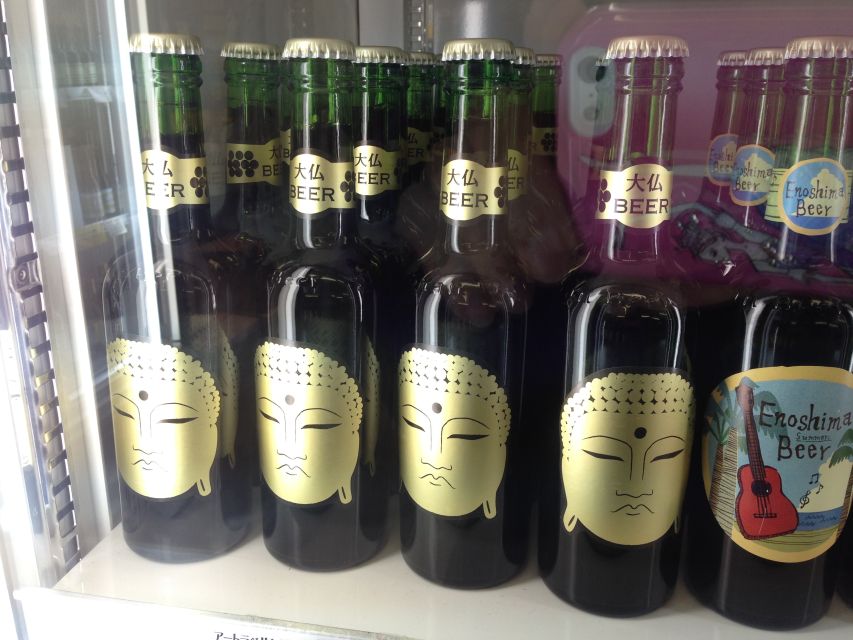
The planned route includes Hokokuji Bamboo Forest after the first temple visits. This is a different kind of stop from the Great Buddha and Hase Temple. Instead of a major statue or a busy religious complex, you get a quieter walk among tall bamboo.
The bamboo area is compact, so it is not an all-day nature outing. Its value is the change of pace. After trains, temple grounds, photographs, and lunch, the green corridor gives you a calmer stretch before the shrine and shopping.
The supplied plan also allows changes. You may ask to visit another place, such as Enoshima, or adjust the route around your interests. Keep in mind that every added destination affects the day’s timing. A private guide can make the plan flexible, but eight hours still has a firm limit.
The tour finishes at the planned time even if the start is delayed because of the group. Arrive ready at the hotel lobby, since a late start could shorten shopping or another stop later in the day.
Tsurugaoka Hachimangu and Kamakura’s central axis
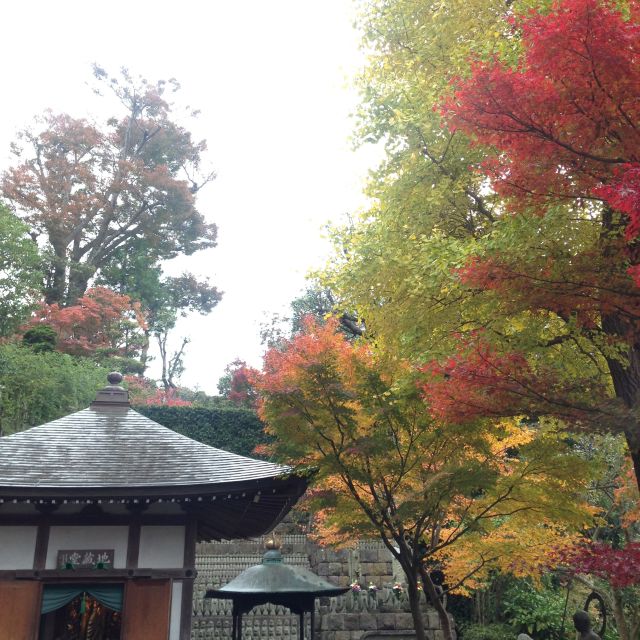
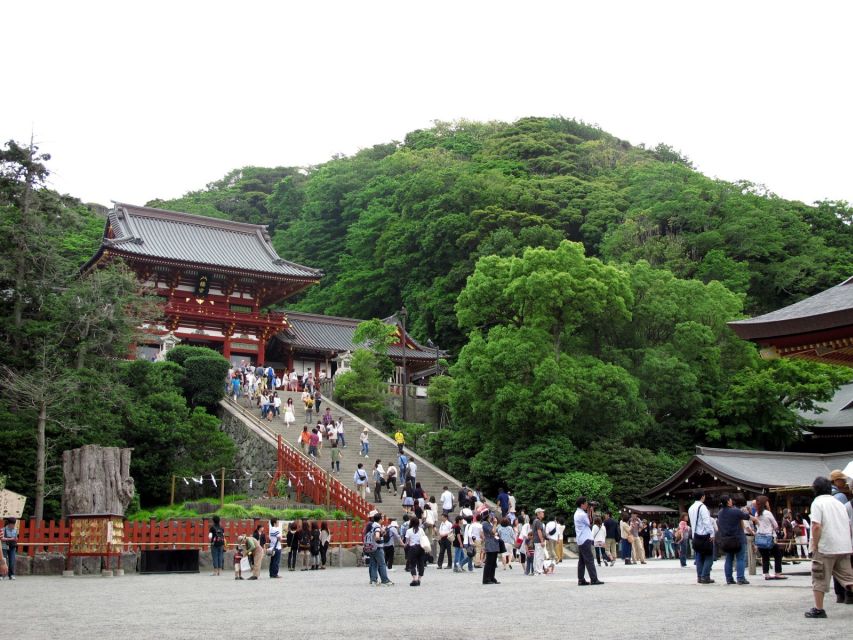
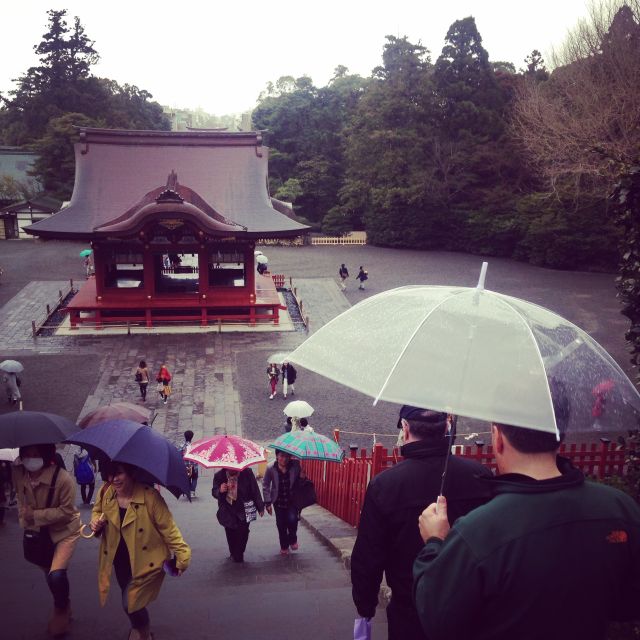
Tsurugaoka Hachimangu is the major Shinto shrine on the route. Its role balances the Buddhist sites visited earlier, giving you a chance to see two important parts of Japanese religious life in one day.
The visit is paired with the walk toward Komachi Street, which helps the shrine feel connected to the town rather than isolated as a single attraction. Your guide can explain the shrine’s place in Kamakura and point out features that may not be obvious during a quick independent visit.
This stop may be more rewarding for you if you enjoy learning how shrines function, not just taking photographs. Shinto sites have their own visual language and customs, and a guide can help you approach them respectfully.
As with the other stops, expect walking. The full route combines station corridors, temple grounds, streets, and shrine paths. You will have more time to enjoy the day if you wear supportive shoes and avoid carrying a heavy bag.
Komachi Street for food, gifts, and extra time
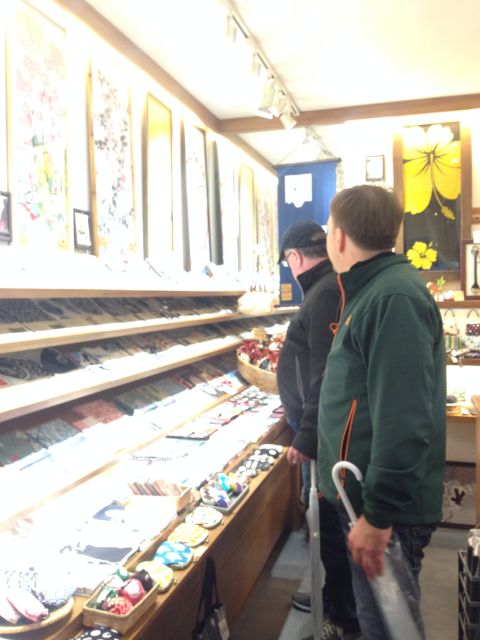
Komachi Street is the day’s most commercial stop, but that does not make it disposable. It is where you can browse local snacks, souvenirs, and gifts after seeing the religious sites.
The guide can point out items connected with Kamakura, which is helpful if you want more than generic Japan souvenirs. You may also stay longer after the formal tour if shopping is your priority. The return timing and transport should be confirmed with the guide, since extra time here may change how you finish the day.
I like this ending because it gives you room to shift gears. You begin with monuments and religious sites, then finish with a casual walk through shops. Families and first-time visitors often appreciate that balance, while serious temple fans may prefer to spend the extra time at another historic site.
Komachi Street can also be the least peaceful part of the day, particularly at busy times. If you dislike shopping areas, tell the guide that you would rather use the time for another stop or return earlier.
What the $530 private price really buys you
The $530 price covers a private professional guide for a group of up to six people. It does not cover your transportation, entrance fees, or lunch, and the guide’s own admission fee may also be charged when needed.
For six people, the guide cost works out to about $88 per person before those extras. For two people, it becomes a much higher per-person cost. The price makes the most sense for a family or small group that wants one guide for the whole day and does not want to plan Kamakura’s connections alone.
You are paying for more than directions. The guide can explain the Great Buddha, interpret figures at Hase Temple, help with food, manage the Enoden and bus transfers, and adjust the day around your interests. The strongest value comes if you ask questions and use that personal attention.
If you are comfortable with Japanese trains, buses, temple etiquette, and basic sightseeing research, an independent day trip will cost less. If you have limited time in Tokyo, want a language-specific guide, or are traveling with several people, the private format becomes easier to justify.
The tour has a five-star rating based on 11 ratings, and the praise centers on the guides rather than on luxury treatment. Ena received particular credit for clear English, careful navigation, historical explanations, and help with shopping. Rie was praised for German-language guiding and broad explanations of temples and Japanese history. Those details point to the main product: informed, personal guiding.
Who should book this Kamakura day?
I would choose this tour if you want Kamakura’s major sights without arranging every train, bus, meal, and temple stop yourself. It also suits a group with mixed interests, since the plan can include Buddhist temples, a Shinto shrine, a bamboo forest, local food, and shopping.
It is a good match for families with older children, couples, and small groups who value conversation. Children under five are free, which can help families, though the long day and walking still require planning.
I would think twice if your top priority is low cost or total independence. You will pay extra for every person’s transport and admissions, and public transportation remains part of the experience. The tour also keeps to an eight-hour schedule, so an unexpected delay can reduce time at the end.
Book early if you need French, Spanish, or German. Those guides can be limited during the busy periods from March through May and September through November. English availability may be easier, but early booking is still sensible once your Tokyo dates are fixed.
FAQ
Where does the tour begin?
Pickup is included from the lobby of your hotel in Tokyo’s 23 wards.
How long does the experience last?
The tour lasts eight hours. Starting times vary, so you need to check availability for the date you want.
What languages are available?
Live guiding is available in English, French, German, and Spanish.
Is transportation included in the price?
No. You pay separately for the trains, bus, and other transportation used during the day.
Are entrance fees included?
No. Entrance fees for you are extra, and an admission fee for the guide may also apply when needed.
Is lunch included?
No. Lunch is paid separately by you and the guide. Seafood is a local specialty, and other food can be arranged if requested.
Can the itinerary be changed?
Yes. The plan can be adjusted to include places such as Hokokuji Bamboo Forest or Enoshima, and you may stay longer for shopping if time permits.
Should you book it?
Book this private Kamakura tour if you want a guide to turn a complicated day trip into a clear, personal route. The Great Buddha, Hase Temple, Enoden train, Hokokuji, Tsurugaoka Hachimangu, and Komachi Street make a well-balanced day, and the guides add the most value through history, translation, food help, and local navigation.
Skip it if you are trying to keep costs low or prefer to set your own pace. For a group of four to six, the price is easier to defend. For two people, compare the added guide value with the cost of planning Kamakura on your own. Either way, bring comfortable shoes, allow extra money for transport and admissions, and reserve early if you need a guide in a language other than English.
Temple visits we reviewed lately in Japan
- From Asakusa: Old Tokyo, Temples, Gardens and Pop Culture★ 4.6 · 15 reviews
- Tokyo: Nagano Snow Monkeys and Zenkoji Tour with Temples★ 4.9 · 19 reviews
- Osaka Temple Head Spa &Matcha Facial – Refresh & Glow〈90min〉★ 5.0 · 24 reviews
- Osaka Temple :Warm Bamboo Oil Massage – Deep Restore〈60min〉★ 4.9 · 19 reviews
- Osaka: Temple Tour and Traditional Calligraphy Lesson★ 4.9 · 24 reviews
- Osaka: Sumiyoshi, Osaka’s Most Iconic Shrine – Private Tour★ 4.7 · 4 reviews
- Osaka Temple :Warm Bamboo Oil Massage – Deep Restore〈90min〉★ 5.0 · 14 reviews
- Osaka: Mind & Spirit Balance Temple Reiki Healing★ 5.0 · 41 reviews
Japan Temple Tours, compared.
Osaka/Kyoto:Kinkakuji,Arashiyama,FushimiInariShrine,NaraPark
Read our review →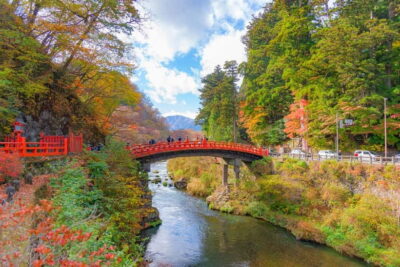
Nikko: Kegon Falls, Lake Chuzenji & Toshogu Temple
Read our review →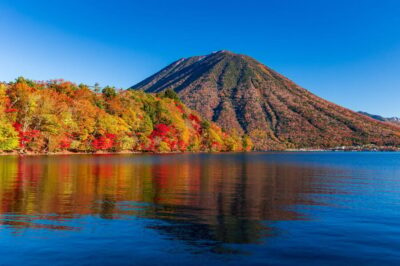
Tokyo: Nikko Toshogu Shrine and Kegon Waterfall Tour
Read our review →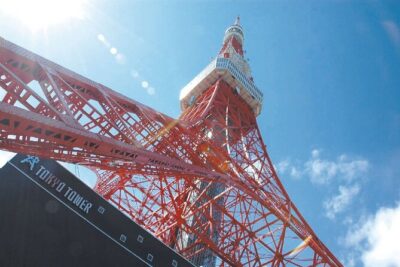
Tokyo Panoramic 1 Day: Meiji Shrine, Asakusa, Odaiba and SKYTREE®
Read our review →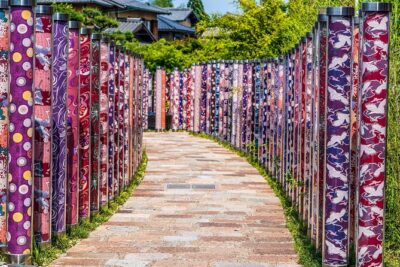
Kyoto Arashiyama Walking Tour: Bamboo, Monkeys, Gardens & Secrets
Read our review →
1-Day Snow Monkeys, Zenko-ji Temple & Sake in Nagano
Read our review →
Arashiyama Bamboo, Temple, Monkeys, or Secret Sake Brewery
Read our review →This tour also ranks in