
Review · NAGANO
1-Day Snow Monkeys, Zenko-ji Temple & Sake in Nagano
The best part of this day is the combination of wild snow monkeys and old Nagano culture. You begin at Zenko-ji, a nearly 1,400-year-old temple, taste sake in town, eat a proper Japanese lunch, then walk through the forest to see macaques roaming freely around their hot spring. It is a full day, but each stop feels different.
I like the way lunch and local sake make this more than a quick wildlife outing. I also like that the guide handles transport and the monkey park entry, which matters when the route is spread across Nagano. The main drawback is the walk to the monkeys, especially on icy winter days, and a large group can reach as many as 45 people.
Key points to know before booking
- The monkey park requires a real walk: The forest path takes about 30 to 45 minutes each way and may be steep, snowy, icy, or slippery.
- Winter offers the best chance of hot-spring monkeys: From spring through autumn, monkeys may be in the water, but there is no guarantee they will be bathing.
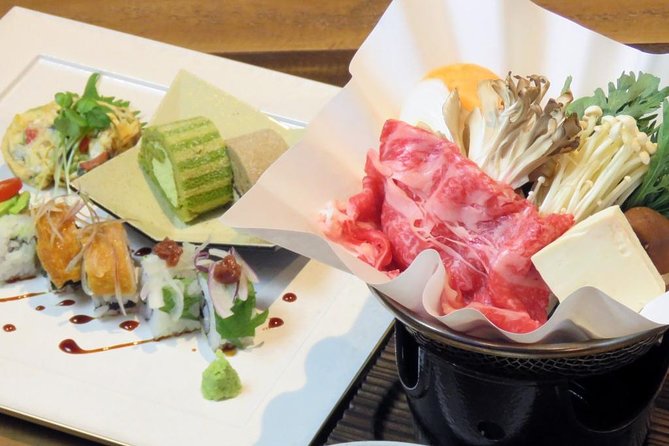
- Lunch is a major part of the day: Expect a substantial local meal, often a Japanese hot pot, with vegetarian and vegan choices available if requested ahead of time.
- Zenko-ji adds meaning to the outing: You get guided context at one of Japan’s most important Buddhist temples, plus time to explore on your own.
- The price covers useful extras: At $151.88, the tour includes transport, lunch, sake tasting, an English-speaking guide, and the park entry fee, but not your train to Nagano.
- Crampons are practical, not optional in bad weather: You can buy traction spikes near the park, and several guides strongly recommend them when snow has been packed hard.
Why the snow monkeys are worth the long walk
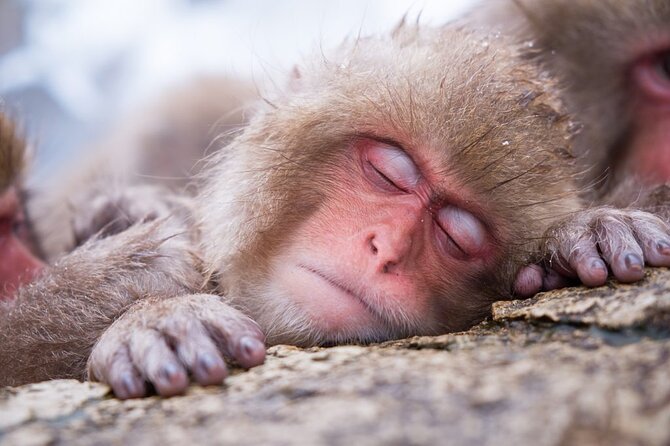
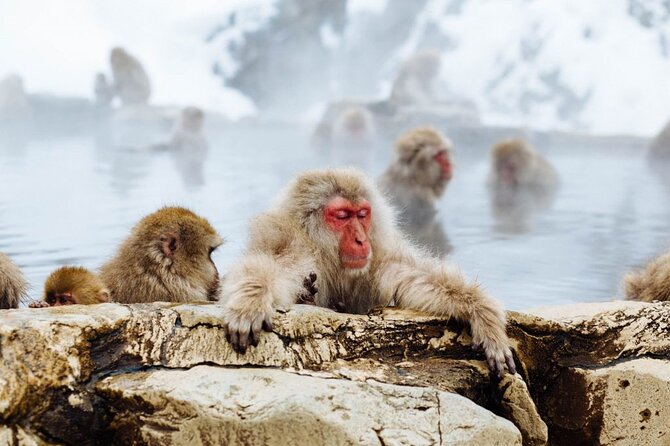
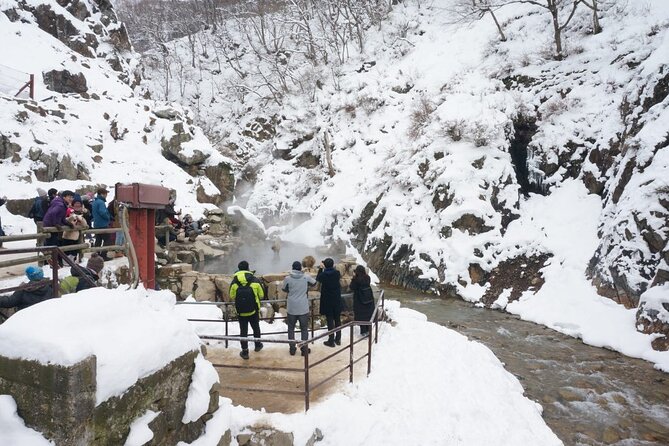
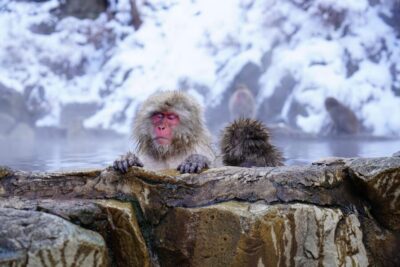
Jigokudani Snow Monkey Park is the headline attraction, and it earns the attention. The park is home to Japanese macaques that live in the area year-round. They are not behind fences, and there is no barrier separating you from them, so the experience feels more like observing wild animals than visiting a conventional zoo.
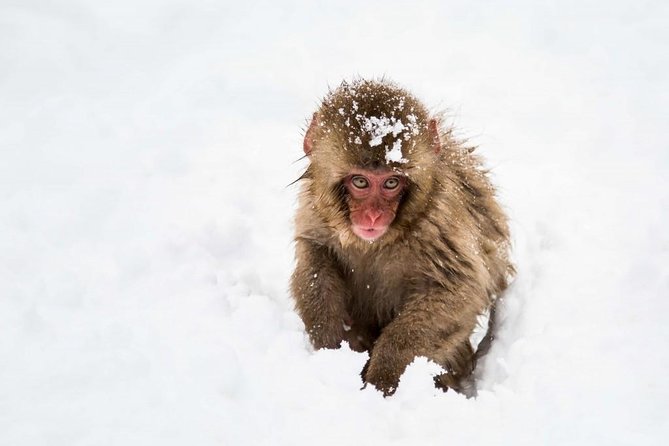
You may see monkeys sitting near the hot spring, grooming one another, eating, or simply wandering across the path. In winter, the sight of macaques surrounded by snow and steam is especially memorable. Still, you should keep your expectations sensible. The animals decide what they do. They may bathe, play in the water, arrive late, or not come down to the park at all on an unusual day.
Your guide explains the rules before you enter. You must not touch, feed, hold, or bathe with the monkeys. Keep at least one to two meters away and follow instructions closely. The monkeys may look calm, but they remain wild animals.
The park visit lasts about three hours, including the walk along the forest trail. That gives you enough time to watch the animals instead of rushing in, taking one photograph, and turning around. The walk itself is part of the experience, with trees, mountain air, and a gradual change from town to forest.
You should be ready for physical effort. The uphill walk can be difficult if you are not comfortable on snow or slopes. In winter, temperatures may fall below freezing, with conditions as cold as minus 10 degrees Celsius from mid-December to early March. Wear warm layers, waterproof shoes, and footwear with good grip.
If the path is icy, rent snow boots or buy crampons near the park. The official information area farther up the hill has been a useful place to get them. Do not treat traction as a small extra. Packed snow and ice can turn an ordinary walk into a cautious shuffle.
More temple outings with a drinks stop in Japan:
- Arashiyama Bamboo, Temple, Monkeys, or Secret Sake Brewery
★ 4.8 · 886 reviews - Nagano: Snow Monkeys, Zenkoji Temple & Sake Day Trip
★ 4.9 · 833 reviews - Nagano: Snow Monkeys, Zenkoji Temple & Sake Day Trip
★ 5.0 · 4 reviews
Zenko-ji gives the day a spiritual start
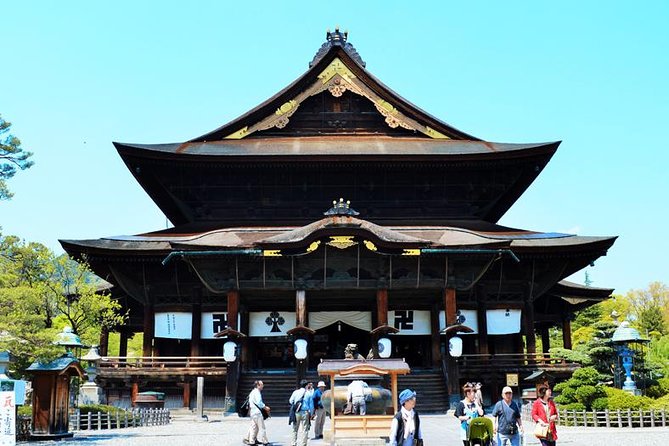
The tour begins at Zenko-ji Temple, the spiritual center of Nagano. The temple’s history reaches back almost 1,400 years, and its importance is tied to old Buddhist traditions, legends, and stories that are easier to appreciate with a guide beside you.
You have about 90 minutes here. That is enough time for an introduction, a look around the temple grounds, and some independent exploring. The setting is peaceful, but this is also a major attraction, so you should not expect complete quiet or an empty approach.
One special feature is the passage beneath the temple. In the dark passage, you search by touch for a symbolic key said to offer a connection to paradise. It is a simple experience, but it gives the temple visit more feeling than simply viewing the roof and taking photographs.
Some parts of Zenko-ji cost extra. The basic temple visit is included, but paid attractions within the complex are not. Ask your guide what is worth adding if you have a particular interest, and keep in mind that every extra stop uses some of your limited time.
The guides add real value here. Names vary by departure, but Tom, Endo, Kieran, Nadine, Dylan, Shawn, Yama, Sijung, and others have led recent groups. The best guides do more than point at buildings. They explain the stories, answer questions, and help you notice details you might pass by alone.
You also get a little time to explore nearby shops and food areas. One guide, Tom, has been especially useful for pointing out Nagano snacks around the station at the end of the day. That kind of small local advice can be more useful than another long lecture.
A short sake tasting connects you with Nagano
After Zenko-ji, the tour moves to Nishimon Yoshinoya for about 30 minutes. Nagano has a large number of sake breweries, so this tasting gives you a quick introduction to a drink that is closely tied to Japanese food and regional customs.
You taste several sakes and learn how the beverage is made and served. Thirty minutes is not enough for a full brewery study, but it is long enough to compare styles and ask basic questions. A guide who can explain the tasting clearly makes this stop much more useful, especially if sake is unfamiliar to you.
The tasting also breaks up the day nicely. You move from religious history to local food culture before heading into the mountains. That variety is one reason I prefer this tour to a simple bus ride to the monkey park.
You must be at least 20 years old to drink alcohol in Japan. The tour information does not promise a separate nonalcoholic tasting for every departure, so anyone who cannot drink should check before booking. Additional drinks and snacks are not included.
Some people may find the tasting too brief, especially if they hoped for a long brewery tour. I see it as an introduction rather than the main event. If you already know a lot about sake, the visit may feel basic. If you are new to it, the short lesson fits the pace of the day.
Lunch makes the middle of the day feel local
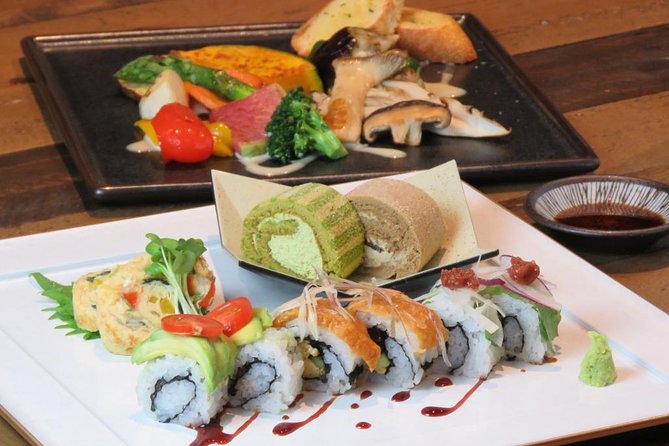
Lunch comes before the monkey park, at a local restaurant selected to highlight Nagano food. The restaurant and menu can change, but the meal has often included Japanese hot pot served in a traditional setting. Several recent departures have included a warm, substantial lunch in an old building, which is welcome before the cold forest walk.
This is more than a boxed meal eaten beside the bus. A sit-down lunch gives you a chance to rest, warm up, and try regional food without having to make another decision during a busy day. The meal has been described as one of the strongest parts of the experience, not simply a useful inclusion.
Vegetarian and vegan options are available, but you need to notify the operator in advance. You should also report allergies before the tour. Since the restaurant menu may change, do not assume a particular dish will appear on your date.
The bus ride to the monkey park takes roughly an hour. That may sound long, but it gives you time to rest after lunch and listen to the guide explain what to expect. The day uses different forms of transport, and the vehicle can be a microbus or a larger bus depending on the season and group size.
More temple trips with food stops in Japan:
- Food & Cultural Walking Tour around Zenkoji temple in Nagano
★ 5.0 · 58 reviews - Food & Cultural Walking Tour around Zenkoji temple in Nagano
★ 5.0 · 16 reviews - Bangkok by Night: Temples, Markets and Food Tuk-Tuk Tour
★ 5.0 · 3,752 reviews - Bangkok: Markets, Temples and Food Night Tour by Tuk Tuk
★ 4.9 · 2,371 reviews
The $151.88 price makes sense for a busy day
At $151.88 per person, this is not the cheapest way to see Nagano. The price becomes easier to justify when you count what is included: transport between stops, lunch, sake tasting, an English-speaking guide, and entry to Jigokudani Snow Monkey Park.
Your largest extra cost is usually getting to Nagano. The shinkansen from Tokyo is not included, and you must arrange those tickets yourself. The earliest listed trains reach Nagano in time for the tour, including a Kagayaki at 7:20, an Asama at 7:24, and a Hakutaka at 7:52. Reservations are required for the Kagayaki.
The return timing needs care. The tour is scheduled to reach Nagano Station around 17:30, though winter weather can cause delays. If you are returning to Tokyo, the listed options include the 17:55 Kagayaki and 18:22 Hakutaka. In winter, it is safer to book a later train, with 17:56 or later recommended for the Kagayaki and 18:23 or later for the Hakutaka.
That schedule makes the tour possible as a long day from Tokyo, but it also makes for an early start and a late finish. I would choose an overnight stay in Nagano if you want a calmer pace. A same-day return works best for people who do not mind a long day and who book their rail tickets with room for delay.
The group limit is 45 people. That is a sizable group, but the tour may split between two guides. Large groups can make temple explanations and photographs less personal, yet the organized transport is useful when several stops must fit into eight hours.
Winter, spring, and autumn offer different monkey experiences
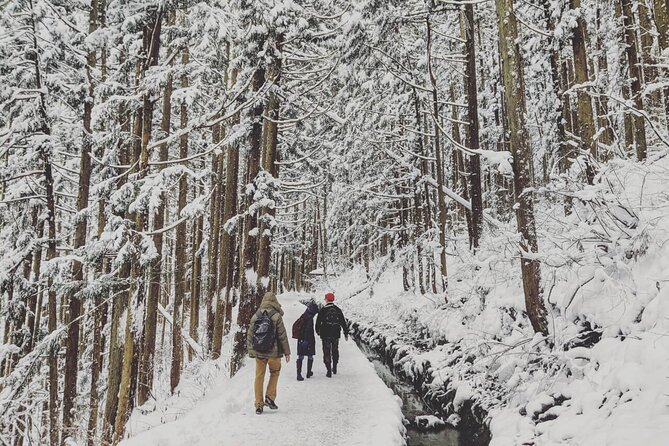
Winter is the classic season for this outing. Snow gives the forest trail a special look, and the monkeys are more likely to sit in the hot spring. It is also the hardest season for walking. Wear warm clothing, waterproof footwear, and traction aids.
Spring through autumn can be more comfortable on the trail. You may see monkeys in the water, but they could also be eating or playing elsewhere. The park does not control the animals, so no season guarantees the famous bathing scene.
Rain can make the walk unpleasant, but it does not remove the appeal of the forest. A waterproof jacket and shoes matter in any season. The park trail is not a quick stroll from the bus, so dress for an outdoor walk rather than a city tour.
Hakuba pickup and return service is available only during the winter period, generally from mid-December through the end of March, and not necessarily every day. Pickup points include Hakuba Tokyu Hotel in Wadano and Hakuba Happo Bus Terminal. At the end, the large bus drops you at one of four Hakuba points, not at individual hotels, so you must arrange the final leg yourself.
Who will enjoy this Nagano day most
I would recommend this tour if you want to combine three very different parts of Japan in one organized day: a major Buddhist temple, regional sake, and close observation of wild macaques.
It suits you especially well if:
- You are visiting Nagano for the first time.
- You want an English-speaking guide to explain cultural details.
- You prefer a planned day to arranging several buses and tickets yourself.
- You are comfortable walking uphill for 30 to 45 minutes each way.
- You enjoy food experiences as much as sightseeing.
- You are staying in Tokyo or Hakuba and want a structured Nagano outing.
It may not suit you if you want a slow temple visit, a long sake lesson, or a private experience. The schedule packs in a lot, and some people would rather give the temple and monkey park more time by skipping the tasting.
Families can join, and most people can participate, but the trail conditions matter. Older children and adults who walk comfortably should manage better than anyone who struggles with slopes, ice, or cold. The park rules also require close attention because the animals are free to move near the path.
My practical verdict on this full-day outing
I like this tour because it gives you more than the expected monkey photograph. Zenko-ji gives the day a sense of place, sake connects you with Nagano’s food culture, and lunch provides a real pause before the forest walk.
The monkey park remains the reason most people book. You can see many macaques at close range, and winter conditions may produce the unforgettable sight of monkeys sitting in steaming water while snow covers the trees. But you must accept that wildlife is unpredictable and that the route can be slippery.
Book it if you want an efficient, well-organized introduction to Nagano and do not mind a full eight-hour schedule. Bring sturdy shoes, warm layers, and crampons in winter. If you already plan to visit Zenko-ji independently and dislike group tours, you may prefer to arrange the temple and park on your own. For most first-time visitors, though, the included lunch, transport, guide, tasting, and park entry make the $151.88 cost reasonable.
Free cancellation is available up to 24 hours before the start time. Changes or cancellations inside that window are not accepted for a refund.
FAQ
How long does the tour last?
The experience lasts approximately eight hours. The tour is scheduled to finish at Nagano Station around 17:30, though winter road and weather conditions can affect the timing.
What is included in the price?
Transport between the activities, lunch, sake tasting, an English-speaking guide, and the Snow Monkey Park entry fee are included.
Are shinkansen tickets included?
No. You must buy your own bullet train tickets to and from Nagano.
How much time do I spend at Zenko-ji Temple?
The planned visit to Zenko-ji lasts about one hour and 30 minutes. Entry to the basic temple grounds is free, but paid attractions inside the temple are not included.
How long is the sake tasting?
The sake tasting at Nishimon Yoshinoya lasts about 30 minutes.
Is lunch included?
Yes. Lunch is included, and vegetarian and vegan choices are available if you request them in advance. The restaurant and menu may change.
How much walking is required at the monkey park?
The route to Jigokudani Snow Monkey Park follows a forest trail and may take about 30 to 45 minutes uphill. You should wear comfortable shoes with good traction.
Can I touch or feed the monkeys?
No. You must not touch, hold, feed, or bathe with the monkeys. Keep at least one to two meters away and follow the park rules explained by your guide.
Will I definitely see monkeys bathing in the hot spring?
No. Winter is the most common time to see them in the hot spring, but the monkeys are wild and may eat, play, arrive late, leave early, or skip the bath.
Can I join from Hakuba?
A Hakuba shuttle is available in winter only, generally from mid-December through the end of March, and may not run every day. Pickup and drop-off use designated points rather than individual hotels.
What should I wear in winter?
Wear warm clothing and suitable boots. From mid-December to early March, temperatures may fall below zero and can reach minus 10 degrees Celsius. Rental boots and crampons are available near the monkey park.
More Day Trips in Japan
- Tokyo Panoramic 1 Day: Meiji Shrine, Asakusa, Odaiba and SKYTREE®
★ 4.5 · 1,222 reviews - Kyoto 1 Day Tour from Kyoto
★ 4.0 · 582 reviews - Hiroshima and Miyajima Day Trip with Itsukushima Shrine & Ferry
★ 5.0 · 378 reviews - Day Trip to Hiroshima & Miyajima with Itsukushima Shrine
★ 4.6 · 124 reviews
Temple visits we reviewed lately in Japan
- From Asakusa: Old Tokyo, Temples, Gardens and Pop Culture★ 4.6 · 15 reviews
- Tokyo: Nagano Snow Monkeys and Zenkoji Tour with Temples★ 4.9 · 19 reviews
- Kamakura: Great Buddha, Hase Temple, & Komachi Street Tour★ 5.0 · 11 reviews
- Osaka Temple Head Spa &Matcha Facial – Refresh & Glow〈90min〉★ 5.0 · 24 reviews
- Osaka Temple :Warm Bamboo Oil Massage – Deep Restore〈60min〉★ 4.9 · 19 reviews
- Osaka: Temple Tour and Traditional Calligraphy Lesson★ 4.9 · 24 reviews
- Osaka: Sumiyoshi, Osaka’s Most Iconic Shrine – Private Tour★ 4.7 · 4 reviews
- Osaka Temple :Warm Bamboo Oil Massage – Deep Restore〈90min〉★ 5.0 · 14 reviews
Nagano Temple Tours, compared.
Nagano: Snow Monkeys, Zenkoji Temple & Sake Day Trip
Read our review →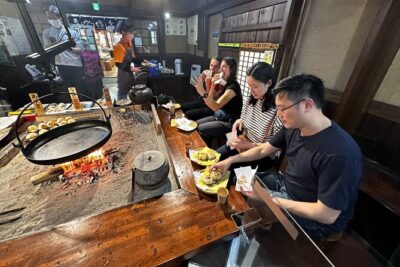
Food & Cultural Walking Tour around Zenkoji temple in Nagano
Read our review →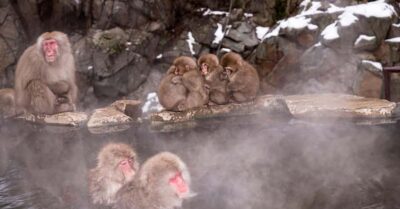
Nagano: Snow Monkeys & Togakushi Shrine Two-Spot in-One Day
Read our review →
Togakushi & Best of Nagano: Snow Monkeys, Obuse and more
Read our review →
1-Day Togakushi: Soba making, Ninja Town and Hidden Shrines
Read our review →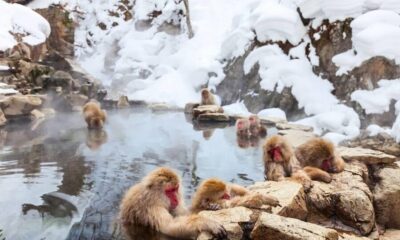
Nagano: Snow Monkeys, Zenko-ji Temple, and Lake Nojiri Tour
Read our review →This tour also ranks in