Review · TOKYO
Tokyo History: Sensoji Temple & Asakusa District Private Tour
Asakusa gives you old Tokyo in a compact, walkable package: temple gates, incense smoke, sweet shops, artisan work, and restaurant-supply stores. This private outing links those pieces with a local guide, rather than leaving you to guess what you are looking at.
I like the one-to-one format, which lets you ask about customs, religion, food, or daily life without holding back a larger group. I also like the small food stops, especially age manju and freshly made melon pan, since they turn a sightseeing walk into a taste of ordinary Asakusa.
The main tradeoff is time. Three hours is enough for an introduction, but not enough for a slow visit to every shop and temple corner. The price is also a serious consideration at $139.63 per person, especially for one or two people, though it becomes more reasonable when shared by a larger private group.
Key points at a glance
- Sensoji Temple dates to 628, giving the walk a clear connection to Tokyo’s earliest traditions.
- Nakamise Shopping Street offers souvenirs, sweets, and street food beside the approach to the temple.
- Your guide can adjust the conversation and pace, with past guides including Gülay, Carlos, Sheilina, RamKy, Abu, and William.
- Age manju and melon pan add local flavor to what could otherwise be a history-heavy walk.
- Kappabashi Street is a practical shopping stop, known for restaurant tools and realistic plastic food models.
- The tour stays private, includes a small temple offering, and takes about three hours on foot.
Why Asakusa works so well for a first Tokyo walk
Asakusa is one of Tokyo’s best areas for seeing several sides of the city at once. You get a major Buddhist temple, a shopping street with centuries of use, small back lanes, traditional crafts, snacks, and a slightly quirky retail district devoted to professional cooking.
That mix matters because Tokyo can feel overwhelming at first. The city is huge, modern, and packed with neighborhoods that each have their own rhythm. Asakusa gives you a manageable starting point, and a private guide can explain how the parts fit together.
I would especially consider this experience early in a Tokyo stay. One parent and an 18-year-old daughter used a similar visit as a first lesson in Japanese customs and culture, and the format works well for that purpose. You can ask basic questions without feeling awkward, then use what you learn in temples, restaurants, and shops around Japan.
The walk is not presented as a formal lecture. Guides such as Carlos, Gülay, Sheilina, RamKy, Abu, and William have been praised for being flexible, friendly, and willing to answer questions. The quality of a private experience depends heavily on the individual guide, but the format gives a good guide room to adapt the outing to you.
More Private Temple Tours in Japan
- From Tokyo: Private Tour Snow Monkey Park & Zenko-ji Temple
★ 4.7 · 184 reviews - Tokyo Private Tour: Temples, Culture & Modern City Highlights
★ 5.0 · 56 reviews - From Tokyo: Snow Monkey Park & Zenko-ji Temple Private Tour
★ 4.9 · 42 reviews
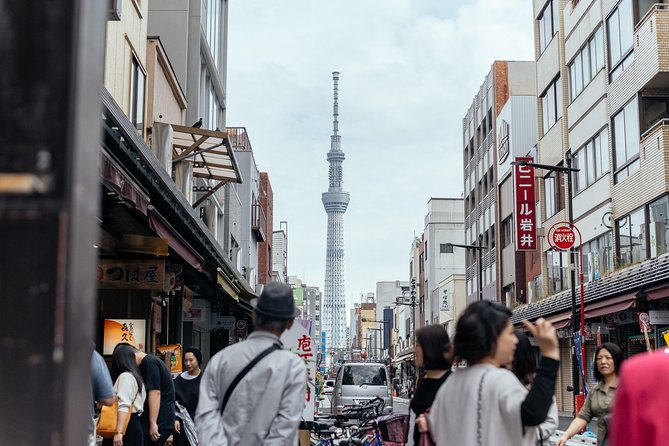
Starting at Kaminarimon and Nakamise Street
The meeting point is at 2-chōme-16-11 Kaminarimon, in Taito City. That places you near Kaminarimon, the large entrance gate associated with Asakusa and the approach to Sensoji Temple.
From there, you walk along Nakamise Shopping Street. This is not just a modern souvenir row. The route has been used for shopping since the 18th century, and its lanterns, statues, and traditional-style storefronts create a strong first impression.
You will have time to look at sweets, small gifts, and local snacks. The guide can help explain what is merely a tourist purchase and what connects to Japanese food or festival culture. That personal filter is useful here because the street can feel busy with choices.
The stop is listed at about 20 minutes. That is enough to get oriented and sample the atmosphere, but it is not a long shopping session. If you want to buy several gifts, tell your guide early. A private walk gives you more flexibility than a fixed group, though the next temple stops still need to fit into the three-hour window.
Passing Hozomon with an age manju in hand
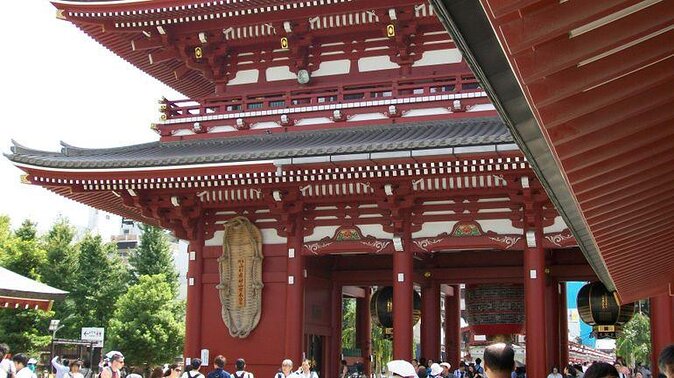
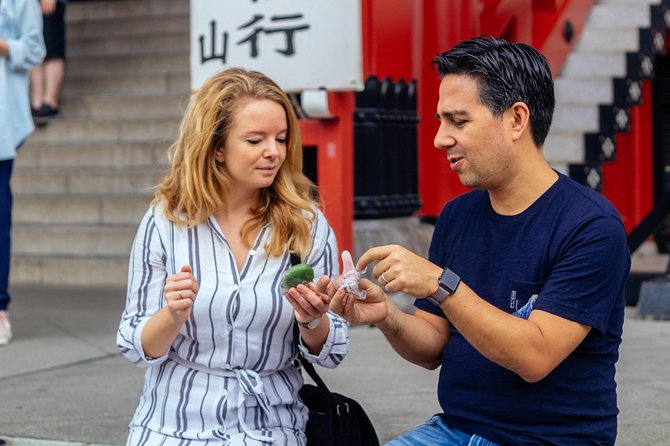
The next major gate is Hozomon, the entrance closer to Sensoji’s main temple grounds. Before passing through, you stop at a shop to try age manju in a flavor of your choice.
Age manju is a fried version of a sweet steamed bun. It gives you a small, easy-to-handle snack while you continue walking, and it helps connect the visit to the food culture of the neighborhood. This is a better use of time than stopping for a full meal during a short walking tour.
The planned stop is about 20 minutes, including the snack and the gate. If you have food allergies or dietary restrictions, ask about available flavors before eating. The provided information does not specify the choices or ingredients, so you should raise any concerns with the guide at the start.
Hozomon is also a useful point to slow down. A guide can draw your attention to the gate’s scale, decoration, and role in the temple approach. Without context, many visitors simply pass through while trying to keep up with the crowd.
Sensoji Temple, incense, and a small offering
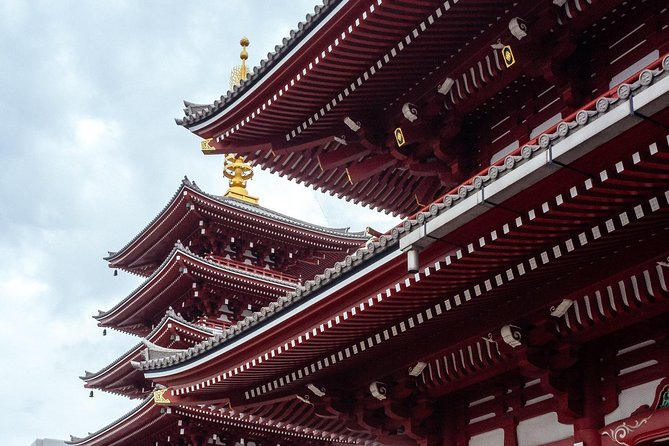
Sensoji is the heart of the outing. It is considered Tokyo’s oldest temple and is dated to 628. The age gives the stop weight, but the guide’s explanation is what makes the visit easier to understand.
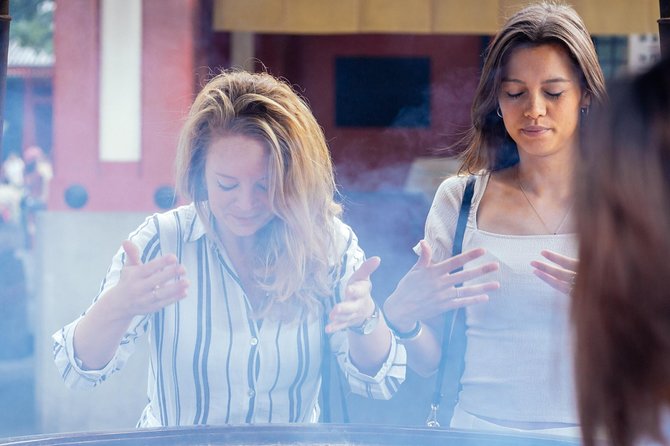
Before entering the temple, you can let incense smoke waft over you, a traditional practice associated with healing and purification. The experience includes a small offering for you to make at Sensoji, so you are not only looking at the temple from the outside.
That small act is one of the strongest parts of the tour. You receive a simple introduction to how to behave in a sacred place, rather than being left to copy the nearest person. You can ask about the difference between Buddhist temple customs and Shinto practices, especially if you have also visited shrines elsewhere in Tokyo.
The temple stop is listed at 20 minutes. That is enough for a guided introduction, incense, and an offering, but it is short for anyone who wants quiet time for photos, prayer, or careful observation. Large holidays can also make the grounds harder to navigate. One outing took place during Lunar New Year and Japan’s Foundation Day holiday, yet the guide adjusted the route and kept the visit moving.
If Sensoji is your main reason for booking, tell the guide. A private format may allow a little more attention here, but the full route includes several other stops.
More Private Temple Tours in Tokyo
- Tokyo/Nagano: private Tour with Snow Monkey Park & Temples
★ 4.8 · 13 reviews - From Tokyo: Nikko Customize private Tour With English Driver
★ 4.9 · 11 reviews
Back streets, Hanayashiki, and melon pan
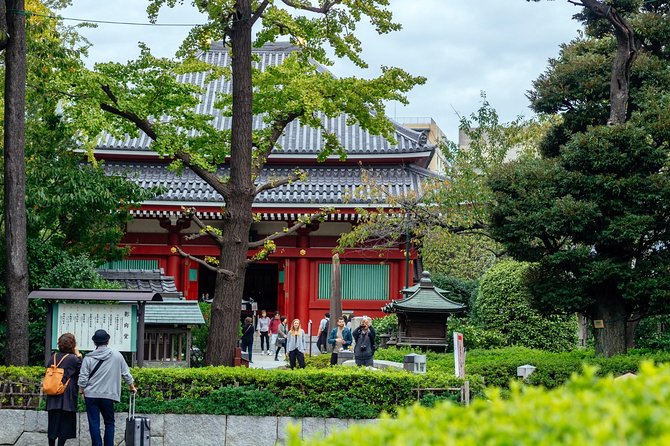
After Sensoji, the route turns into narrower streets near Asakusa Hanayashiki. The plan includes passing through the area and stopping near a place known for freshly made melon pan.
Melon pan is a sweet bread with a crisp, cookie-like top. It is a familiar Japanese snack, and eating it fresh gives you a more direct connection to the neighborhood than simply photographing a temple gate.
The stop is about 15 minutes. That keeps the experience moving, but it also means you should not expect a long bakery break. Food and drinks beyond the listed snack are not included, so anything extra is your responsibility.
The transition from grand temple grounds to small streets is important. It shows Asakusa as a lived-in district, not only a historic display. You move from ceremonial space to food, shops, and local passageways within a few minutes.
Traditional crafts at the Edo Taito center
The Edo Taito Traditional Crafts Center, also called the Edo Shitamachi Traditional Crafts Museum, introduces work made by Tokyo artists. The visit lasts about 15 minutes.
On weekends, you may see someone performing a craft in front of you. That possibility makes the timing matter. If you care about this stop, ask your guide whether a live demonstration is scheduled that day. The information provided does not promise one.
This is a brief stop, so think of it as an introduction rather than a full workshop or museum visit. You will see examples of handmade goods and get a better sense of the skill behind traditional items. Guides can also explain how craft traditions fit into the older working neighborhoods of Tokyo.
I like this part because it balances the large-scale spectacle of Sensoji. The temple is grand and symbolic. The craft center brings the focus down to the hands and tools behind everyday objects.
Kappabashi and Tokyo’s plastic food models
The final part heads toward Kappabashi Street, also called Kappabashi Dogugai. This district is famous for restaurant equipment, kitchen goods, and the realistic plastic food models displayed outside Japanese restaurants.
The route asks a simple question: how do restaurants create those perfect-looking dishes in their windows? Kappabashi is where many of those models are made and sold. You can browse shops filled with cooking tools and restaurant supplies, even if you have no plan to open a noodle shop.
This can be one of the most memorable stops for shoppers. A guide can point you toward useful kitchen items, unusual souvenirs, or the shops best suited to your interests. One guide helped a visitor find special small bowls, which later became a practical reminder of the trip.
The schedule lists Kappabashi twice, each time for about 15 minutes. That may mean the route divides the street into two sections, but the supplied details do not explain the difference. I would ask your guide at the beginning how the two segments are handled, especially if you want time to shop.
Kappabashi is not simply a photo stop. It is a chance to buy something connected to Japanese cooking and restaurant culture. Still, remember that purchases are not included in the tour price, and the short schedule may limit browsing time.
What a private guide adds
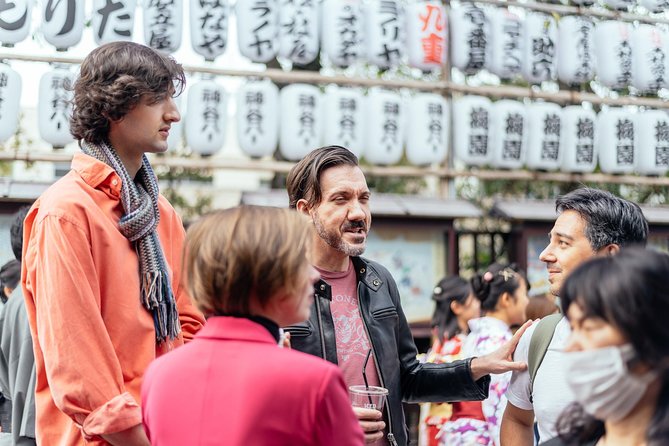
A private tour changes the tone of the outing. You are not trying to hear a guide over a large group, and you can stop to ask why a custom matters or how a temple differs from a shrine.
The strongest guide names associated with this experience include Gülay, Carlos, Sheilina, RamKy, Abu, and William. Individual styles differ. Gülay has been described as warm and good at explaining customs, Carlos as personable and generous with wider Tokyo suggestions, and RamKy as an entertaining teacher who handled detailed questions well.
Those descriptions point to the main value of the experience: interpretation. You can walk through Sensoji alone, but you may miss why people wave incense smoke toward themselves, how to approach an offering, or why Kappabashi sells plastic dishes that look good enough to eat.
You should also state your interests at the start. Ask for more temple time if religion and architecture matter most. Ask for extra shopping advice if crafts and kitchen goods are your priority. If snacks are important, say so before the schedule gets tight.
The private format is also helpful for families and mixed-age groups. An 18-year-old and a parent can ask different questions without slowing down strangers. Couples and small groups can set a pace that feels comfortable, though this remains a walking experience and requires moderate physical fitness.
Is $139.63 per person a fair price?
At $139.63 per person, this is not a budget sightseeing walk. The value depends on your group size and how much you use the guide.
For one person, the price buys three hours of private attention, cultural explanation, a temple offering, and a route that combines several different parts of Asakusa. That can be worthwhile if you want help understanding customs or feel uneasy navigating your first temple visit.
For a couple or family, the cost may feel easier to justify because the guide serves only your group. Group discounts are available, although the specific discount is not stated. Check the final price for your party before booking.
The included snacks and offering are small, not a meal or entry package. Most stops have no admission charge, and the main value comes from the guide’s time, local insight, route planning, and ability to answer questions.
I would not book this only to see Sensoji. You can visit the temple on your own. I would book it if you want the temple placed in context with Nakamise, crafts, food, and Kappabashi, and if personalized conversation matters to you.
Timing, meeting point, and practical details
The experience lasts about three hours and ends back at the meeting point. There is no hotel pickup or drop-off, so you need to reach Kaminarimon on your own.
The tour is near public transportation, which makes the start practical, but the supplied information does not name a specific station or train line. Use the exact meeting address when planning your arrival, and allow enough time to find the guide near a busy gate.
Wear comfortable shoes. The itinerary covers several areas on foot, includes narrow streets, and calls for moderate physical fitness. The walk is not described as wheelchair accessible, so anyone with mobility concerns should ask the provider before booking.
A mobile ticket is available, and confirmation is sent when you book. Cancellation is free up to 24 hours before the start time. Inside that window, the payment is not refunded, and changes are not accepted.
The tour is carbon neutral because its emissions are offset. That does not change the route, but it may matter if you compare similar private activities.
Who should book this Asakusa experience?
I think this suits first-time visitors who want a clear introduction to Tokyo customs without committing to a full-day city tour. Families, couples, and small groups who prefer private attention will get the most from it.
It also fits curious shoppers. Kappabashi’s kitchen goods and food models offer something different from standard souvenir streets, while the crafts center adds a more local, handmade side.
You may want a different plan if you prefer a slow temple visit, a formal museum tour, or a food-focused experience with a full meal. The schedule is active, and each stop receives a short visit.
Should you book the Sensoji and Asakusa private tour?
Book it if you want context, conversation, and variety in one compact walk. The combination of Sensoji, temple customs, age manju, melon pan, traditional crafts, and Kappabashi gives you more than a single landmark visit.
The price is easiest to defend for a private group, especially if you want to ask many questions or tailor the pace. For a solo visitor on a tight budget, visiting Sensoji independently may make more sense.
For everyone else, this is a useful first or second-day activity in Tokyo. Ask for the guide whose interests match yours, clarify how the two Kappabashi segments work, and protect enough time for the stops that matter most to you.
FAQ
How long does the tour last?
The experience lasts approximately three hours.
Is this a private tour?
Yes. Only your group and the local guide participate.
Where does the tour start?
It starts at 2-chōme-16-11 Kaminarimon, Taito City, Tokyo 111-0034, Japan.
Where does the tour end?
The activity ends back at the meeting point.
Is Sensoji Temple included?
Yes. The route visits Sensoji Temple, considered Tokyo’s oldest temple and dated to 628.
Is a temple offering included?
Yes. A small offering for you to make at Sensoji is included.
Are food and drinks included?
A small age manju tasting is part of the route, but food and beverages not specifically listed are not included. The melon pan stop is also included as part of the walking itinerary, but the provided information does not state that additional food purchases are covered.
Does the tour include hotel pickup?
No. Hotel pickup and drop-off are not included.
Can I cancel for a full refund?
Yes, if you cancel at least 24 hours before the experience start time. Cancellations within 24 hours are not refunded, and changes made within that period are not accepted.
More History Tours in Tokyo
- Mt. Fuji Heritage Tour: Traditional Villages, Lakes & Shrine
★ 4.5 · 509 reviews - Chiang Mai: Historic Temples and City Guided Walking Tour
★ 4.7 · 650 reviews - Malta: Prehistoric Temples, Limestone Heritage & Blue Grotto
★ 4.2 · 412 reviews - Day Trip From Addis Ababa See Historical Monastery,Stunning Nature,Animals,Birds
★ 5.0 · 303 reviews
More Meiji Shrine and Senso-ji Tours in Tokyo
- Tokyo: Asakusa Walking Tour with Sensoji Temple Visit
★ 4.8 · 1,583 reviews - Tokyo Panoramic 1 Day: Meiji Shrine, Asakusa, Odaiba and SKYTREE®
★ 4.5 · 1,222 reviews - Tokyo: Asakusa and Tokyo’s Oldest Temple Senso-ji Tour
★ 4.9 · 352 reviews - Tokyo: Meiji Shrine Walking Tour — Shinto & Imperial System
★ 4.9 · 266 reviews
Temple visits we reviewed lately in Tokyo
- From Asakusa: Old Tokyo, Temples, Gardens and Pop Culture★ 4.6 · 15 reviews
- Tokyo: Nagano Snow Monkeys and Zenkoji Tour with Temples★ 4.9 · 19 reviews
- Nagano: Snow Monkeys, Zenkoji Temple & Sake Day Trip★ 5.0 · 4 reviews
- From Tokyo: Nagano, Zenkoji Temple, Snow Monkeys Day Trip.★ 4.3 · 4 reviews
- Tokyo/Nagano: private Tour with Snow Monkey Park & Temples★ 4.8 · 13 reviews
- Make a temple stamp book with artist★ 4.9 · 10 reviews
- Kamakura Temples Private Guided Tour from Tokyo★ 4.8 · 21 reviews
- Join a Unique Cultural Ceremony at Tokyo’s Meiji Shrine★ 5.0 · 9 reviews
Tokyo Temple Tours, compared.
Nikko: Kegon Falls, Lake Chuzenji & Toshogu Temple
Read our review →
Tokyo: Nikko Toshogu Shrine and Kegon Waterfall Tour
Read our review →
Tokyo Panoramic 1 Day: Meiji Shrine, Asakusa, Odaiba and SKYTREE®
Read our review →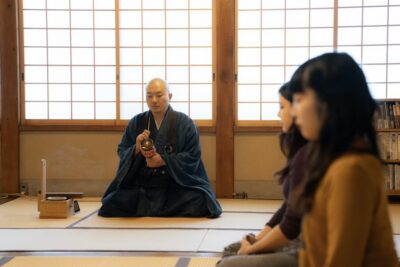
Tokyo: Zen Meditation at a Private Temple with a Monk
Read our review →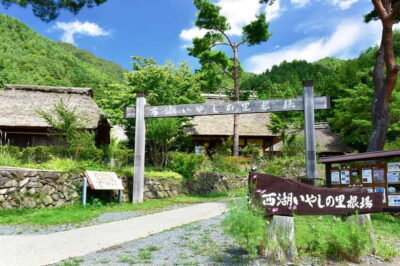
Mt. Fuji Heritage Tour: Traditional Villages, Lakes & Shrine
Read our review →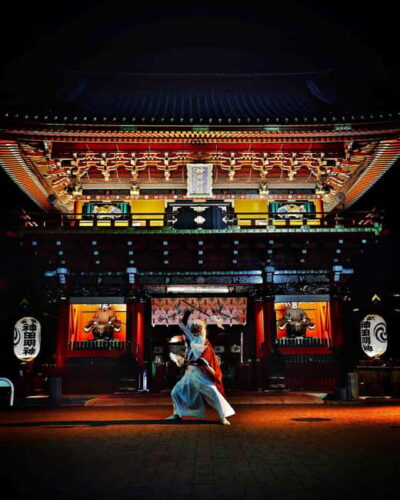
Tokyo: Samurai Entertainment Night Show in Kanda Shrine
Read our review →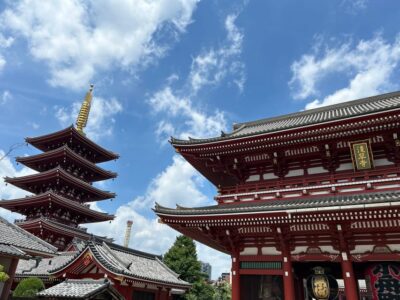
Tokyo: Asakusa and Tokyo’s Oldest Temple Senso-ji Tour
Read our review →