
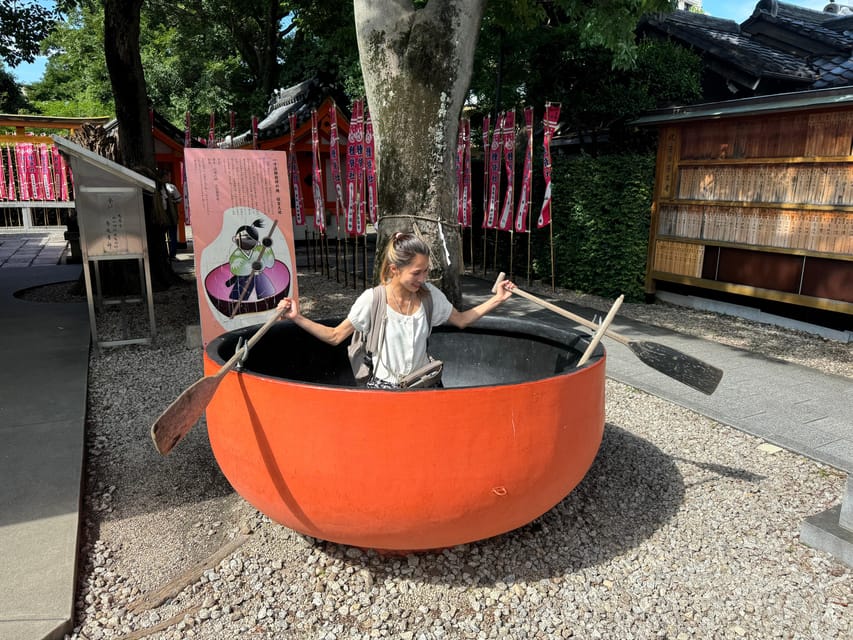
Review · OSAKA
Osaka: Sumiyoshi, Osaka’s Most Iconic Shrine – Private Tour
Sumiyoshi Taisha is the kind of Osaka sight you could easily miss while chasing neon, food stalls, and big-city views. Yet this ancient shrine draws more than 2 million people during the first three days of the Japanese New Year. I like the chance to see a place that matters deeply to local worshippers, not just a stop designed for sightseeing.
I also like the private format, which gives you room to ask about Shinto customs and the shrine’s sea connection. The fortune-telling stones and the steeply arched Taiko Bridge add memorable details beyond the usual gate-and-prayer visit. The main consideration is the short 90-minute length, so you get a focused introduction rather than a slow, wide-ranging exploration of every corner.
Key points to know
- New Year importance: Sumiyoshi Taisha welcomes more than 2 million visitors during the first three days of the year.
- A sea shrine in a trading city: Its location near Osaka Bay connects the shrine to sailors, trade, Nara, and Kyoto.
- Distinctive discoveries: Look for fortune-telling stones, the One-Inch Boy, and a divine rabbit messenger.
- Best photo moment: The steeply arched Taiko Bridge gives you the tour’s clearest keepsake picture.
- Private guidance: You tour with only your own group and an English- or Japanese-speaking guide.
- Simple commitment: The walk lasts 90 minutes and costs $72 per person.
Why Sumiyoshi Taisha matters in Osaka
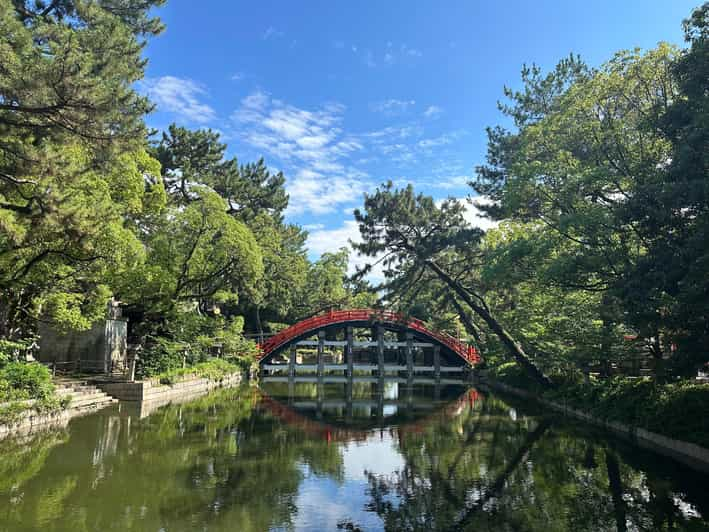
Sumiyoshi Taisha is not merely an old religious site dropped into a modern city. It grew beside the sea routes that helped Osaka connect with Nara and Kyoto, and local people have long worshipped the god of the sea enshrined here.
That setting gives the shrine a practical purpose as well as a spiritual one. For generations, people involved with travel, fishing, shipping, and trade could come here to ask for protection. When you walk through the grounds, you are seeing one of the places where Osaka’s religious life and commercial life met.
The shrine’s importance is especially clear at New Year. More than 2 million people arrive during the first three days of the year to make wishes. You will not experience that enormous seasonal crowd on this 90-minute tour unless you visit at that exact time, but the figure tells you how firmly Sumiyoshi Taisha sits in local life.
I find that context useful because it changes how you look at the buildings. This is not just a quiet collection of gates and halls. It is a living shrine with a large local following and a long connection to the sea.
More Private Temple Tours in Japan
- Osaka: Private Tour of Shitennoji, Osaka’s Oldest Temple
★ 4.5 · 6 reviews - From Tokyo: Private Tour Snow Monkey Park & Zenko-ji Temple
★ 4.7 · 184 reviews - Tokyo Private Tour: Temples, Culture & Modern City Highlights
★ 5.0 · 56 reviews
Meeting beneath the West Grand Torii Gate
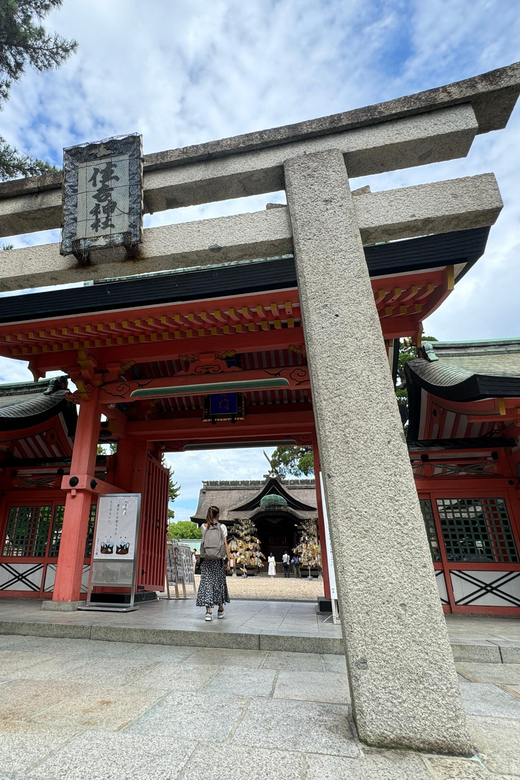
Your starting point is the West Grand Torii Gate, written in Japanese as 住吉大社 西大鳥居. Meet your guide in front of the gate, where the guide will hold a yellow sign with the DeepExperience logo.
That detail matters in a busy city. Sumiyoshi Taisha is a major religious site, and a clear meeting marker makes the first few minutes easier. I would arrive with enough time to identify the gate and settle in before the walk begins.
The tour is available in English or Japanese, and it is designed for a private group. You are not joining a large public walk, so the guide can shape the conversation around your interests. If you want to ask why a symbol appears at the shrine, how a ritual works, or how Shinto relates to Japanese culture, this is the right format for those questions.
No guide name is provided in the tour details, so you should not expect to request a particular person. What is clear is that the walk is live and guided rather than self-led.
One hour among the shrine buildings
The central guided portion lasts about one hour. That is enough time for an introduction to the shrine’s layout, beliefs, history, and visual details, while keeping the visit manageable if Sumiyoshi Taisha is one stop in a packed Osaka day.
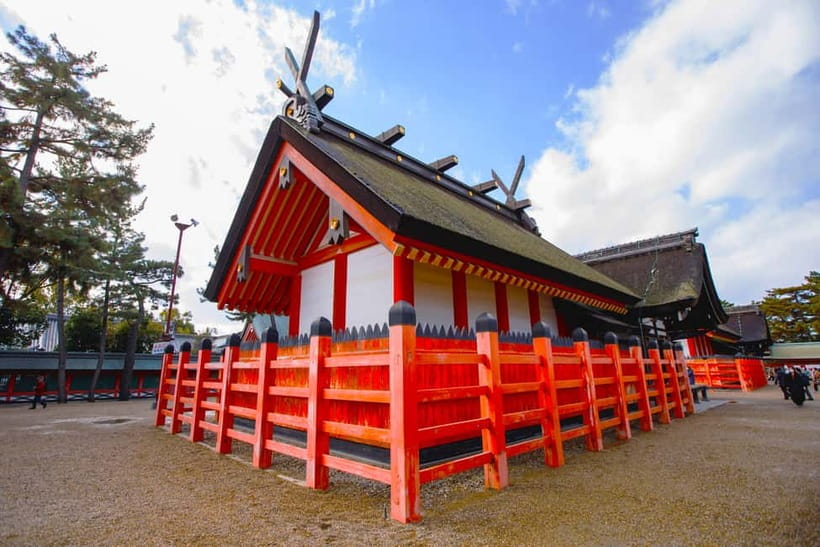
One of the most useful parts is the chance to learn about the shrine’s old architectural style. The buildings preserve a form associated with Sumiyoshi Taisha, and the guide can explain what you are seeing instead of leaving you to guess which details are religious, decorative, or structural.
I like guided visits to Shinto shrines because the most interesting information is often easy to miss. A gate may mark a transition into sacred space. A small figure or animal may carry a story. A ritual object may have a meaning that is not obvious from its shape. Here, the guide draws attention to the details that give the grounds their character.
The tour also introduces the spiritual foundation of Shintoism. You can expect an explanation of how Japanese religious customs connect nature, place, protection, and worship. The activity is not framed as a formal religious ceremony, so you are there to learn and observe rather than take part in a prescribed ritual.
Still, keep your expectations in proportion. One hour cannot explain every Shinto belief or cover every structure in depth. The value lies in getting a clear framework, then using it to understand what you see.
Fortune-telling stones and the One-Inch Boy
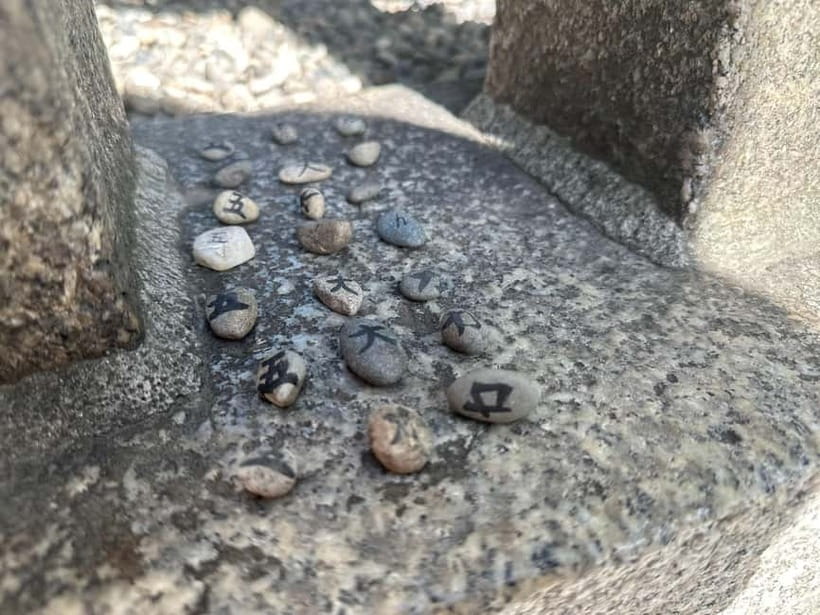
The tour includes some of Sumiyoshi Taisha’s smaller and more unusual features. The fortune-telling stones give the shrine visit a personal touch. Rather than looking only at grand architecture, you get a story connected to luck, wishes, and individual hopes.
The One-Inch Boy is another detail that helps the place stick in your mind. The name alone suggests a folk tale or divine figure quite different from the formal scale of the shrine’s main buildings. Your guide can explain how this figure fits into the shrine’s stories and why it deserves attention.
You will also hear about the shrine’s cute divine rabbit messenger. This is a useful reminder that sacred places can include playful and approachable symbols alongside solemn halls. If you are visiting with children, these details may give them something concrete to look for during the walk.
Because the tour is private, you can stop to ask for clarification instead of simply passing by. I would use that opportunity here. Ask which symbols relate to protection, which connect to old stories, and which are still meaningful to worshippers today.
More Private Temple Tours in Osaka:
- Ubud: Waterfalls, Water Temple & Rice Terraces Private Tour
★ 5.0 · 5,484 reviews - Montserrat Monastery Small Group or Private Tour Hotel pick-up
★ 5.0 · 5,144 reviews - Full-Day Angkor Wat Sunrise Private Tour with Guide from Siem Reap
★ 5.0 · 2,920 reviews - Chiang Rai Temples: Private Tour from Chiang Mai
★ 5.0 · 1,267 reviews
Crossing the steeply arched Taiko Bridge
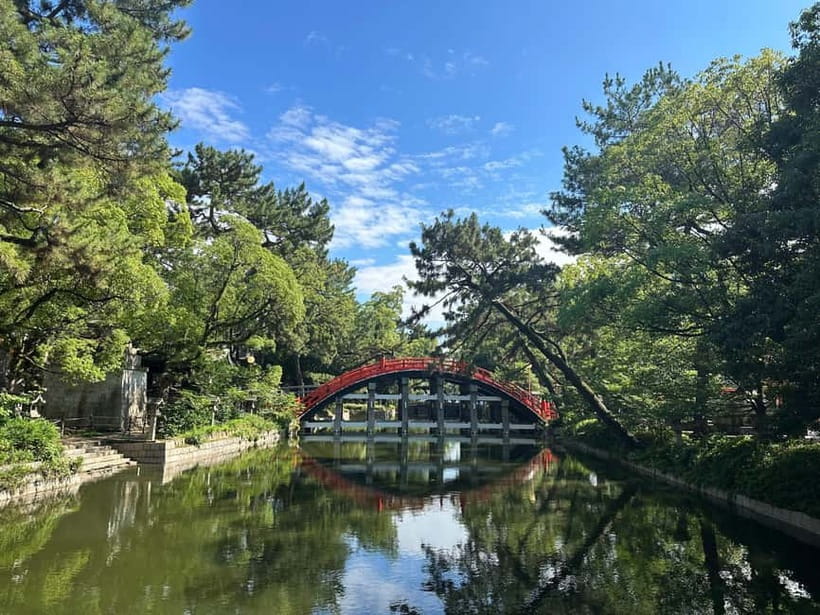
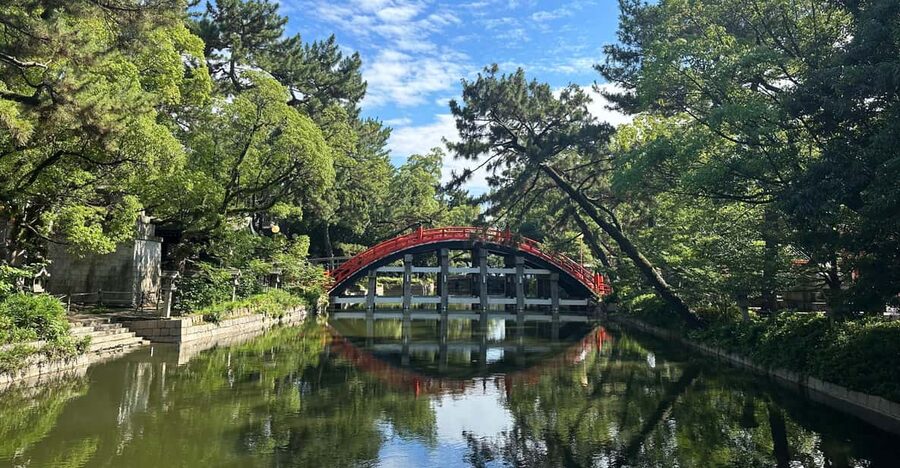
The Taiko Bridge is the tour’s strongest visual moment. Its steep arch makes it easy to recognize, and it offers a natural place for a commemorative photograph.
The bridge is not just a backdrop. Its shape creates a clear change in mood as you move through the shrine grounds, and your guide can explain its place within the visit. You should expect a photo stop here, but remember that a steep bridge may require a little care when crossing.
I like this part because it balances the more thoughtful discussion of Shinto and local history. After learning about sea worship, shrine architecture, and symbolic figures, you get a simple physical memory of the visit. If you are choosing one photograph to mark the experience, this is the obvious spot.
The tour allows about 15 minutes for the viewpoint and another 15 minutes for a photo stop and guided exploration in Osaka. Those short sections make the experience feel neatly paced. You are not being hurried through a large museum, but you also are not committing half a day to one shrine.
Finishing at Kaikai Jinja’s stone torii
The walk finishes at the stone torii of Kaikai Jinja, written as 大海神社 石鳥居. Ending here gives the tour a defined route rather than sending you back to the starting gate.
The name and location are especially fitting after learning about Sumiyoshi Taisha’s connection with the sea. The shrine’s maritime role is not a side note. It helps explain why this place developed where it did and why local worshippers have continued to value it.
You should pay attention to the ending point when planning the rest of your day. The finish is at Kaikai Jinja’s stone torii, not at the West Grand Torii where you meet. The provided information does not give directions from the finish or specify nearby transport, so plan your next move with a map or ask your guide before the walk ends.
What $72 per person buys you
At $72 per person, this is not the cheapest way to look around a shrine. You can enter many Japanese shrines without paying for a guide, and independent visitors can see the broad visual appeal of Sumiyoshi Taisha on their own.
The price makes more sense if you want interpretation. You are paying for a private 90-minute guide who can connect the shrine’s architecture, sea worship, local customs, stories, and symbols. The value is strongest for first-time visitors who would otherwise walk past the fortune-telling stones, One-Inch Boy, or rabbit messenger without understanding them.
A private group also changes the calculation. If several people are sharing the experience, the guide’s attention is not spread across a large crowd. You can ask questions as they come up and keep the pace suited to your group.
I would not book this tour if your only goal is a quick photograph of the Taiko Bridge. You can likely see the bridge without a paid explanation. I would consider booking it if you want the shrine to make sense as part of Osaka’s religious and trading past.
The reserve-now-and-pay-later option also keeps your plans flexible, and you can cancel up to 24 hours before the tour for a full refund. Those terms are useful when you are arranging several Osaka activities in advance.
Who will get the most from this short private walk
This tour suits you if you want a compact cultural visit with a guide rather than a long sightseeing program. It works well for couples, families, and small private groups who prefer to ask questions without joining a large party.
It is also a good match if you have already seen Osaka’s famous urban attractions and want a different side of the city. Sumiyoshi Taisha offers a look at local worship, old building styles, and the sea routes that helped shape Osaka.
Families may appreciate the concrete stories and symbols, especially the One-Inch Boy and rabbit messenger. The Taiko Bridge also gives younger visitors a clear feature to remember.
The tour may be less suitable if you want an extensive religious study, a full-day historical walk, or time to linger at every building. Ninety minutes gives you an introduction with several memorable stops, not a complete survey of the shrine.
You should also choose your language carefully when booking. The live guide is available in English or Japanese, and the tour is private, so the language can make a real difference to how much you gain from the explanation.
A practical way to fit it into your Osaka day
Because the tour lasts only 90 minutes, you can place it into a broader Osaka schedule more easily than a half-day activity. Give yourself a little extra time before the start to find the West Grand Torii and the yellow DeepExperience sign.
At the shrine, keep your attention on the smaller clues. The large gates and bridge will naturally catch your eye, but the fortune-telling stones, divine rabbit, and One-Inch Boy are the details that make this particular visit different from a generic shrine stop.
During the guided hour, ask questions while you are near the object or building being discussed. That is when the explanation will be easiest to connect with what you see. Before leaving, confirm that the walk ends at the stone torii of Kaikai Jinja, then make your onward plan.
The first three days of the Japanese New Year are a special case. More than 2 million people visit during that period, so you should expect the shrine to feel far busier then than during an ordinary visit. The activity still offers a guide, but the crowd may change how easily you move and how quietly you can look around.
Should you book the Sumiyoshi Taisha private tour?
Book it if you want to understand why Sumiyoshi Taisha matters, not just take a quick look at its buildings. The private guide, unusual shrine stories, sea connection, and Taiko Bridge make the $72 price easier to justify for a small group that values context.
Skip it if you are comfortable exploring shrines independently or have only a few minutes for a photograph. For most curious first-time visitors, though, the 90-minute length is a sensible compromise: enough time to see the major character of the shrine, short enough to leave room for the rest of Osaka.
FAQ
How long does the Sumiyoshi Taisha tour last?
The tour lasts 90 minutes. About one hour is set aside for the guided visit, with 15 minutes for a viewpoint and 15 minutes for a photo stop and guided tour in Osaka.
Where do I meet the guide?
Meet your guide in front of the West Grand Torii Gate of Sumiyoshi Taisha. The guide will hold a yellow sign with the DeepExperience logo.
Where does the tour finish?
The tour finishes at the stone torii of Kaikai Jinja, written as 大海神社 石鳥居.
Is the tour private?
Yes. The activity is for a private group rather than a shared public group.
What languages are available?
The live tour guide is available in English or Japanese.
How much does the tour cost?
The listed price is $72 per person.
Temple visits we reviewed lately in Osaka
- Osaka Temple Head Spa &Matcha Facial – Refresh & Glow〈90min〉★ 5.0 · 24 reviews
- Osaka Temple :Warm Bamboo Oil Massage – Deep Restore〈60min〉★ 4.9 · 19 reviews
- Osaka: Temple Tour and Traditional Calligraphy Lesson★ 4.9 · 24 reviews
- Osaka Temple :Warm Bamboo Oil Massage – Deep Restore〈90min〉★ 5.0 · 14 reviews
- Osaka: Mind & Spirit Balance Temple Reiki Healing★ 5.0 · 41 reviews
- Osaka: Private Tour of Shitennoji, Osaka’s Oldest Temple★ 4.5 · 6 reviews
- Osaka Morning Tour: Shitennoji Temple, Shinsekai &Doutonbori★ 5.0 · 23 reviews
- Osaka: Japanese Zen Massage and Facial at the Temple/180-min★ 4.8 · 10 reviews
Osaka Temple Tours, compared.
Kyoto: Full-Day English Guided Tour of Kyoto’s Highlights
Read our review →
Osaka: Minoh, Katsuoji Temple, & Minoh Falls Full-day Tour
Read our review →Full Day Kyoto Tour : Bamboo Forest, Golden Temple, Fushimi Inari
Read our review →
Osaka Temple Cool Foot Bath & Matcha Experience〈45min〉
Read our review →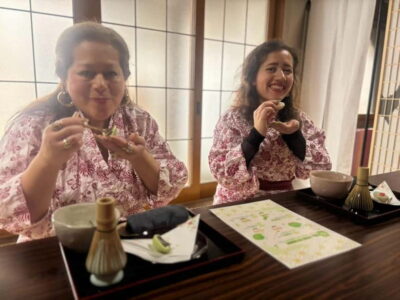
Osaka: Mind & Spirit Balance Temple Reiki Healing
Read our review →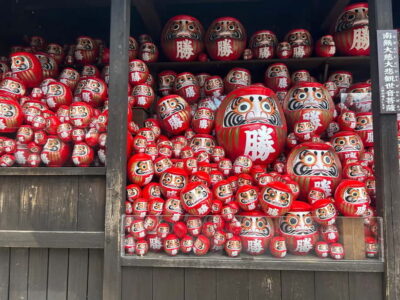
Osaka: Minoh Waterfall & Katsuo-ji Temple Half-Day Tour
Read our review →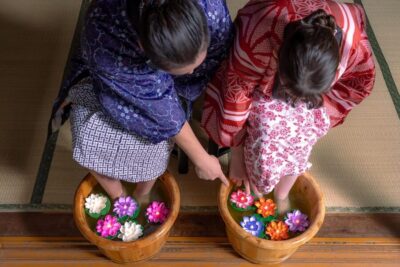
Osaka Temple Head Spa &Matcha Facial – Refresh & Glow〈90min〉
Read our review →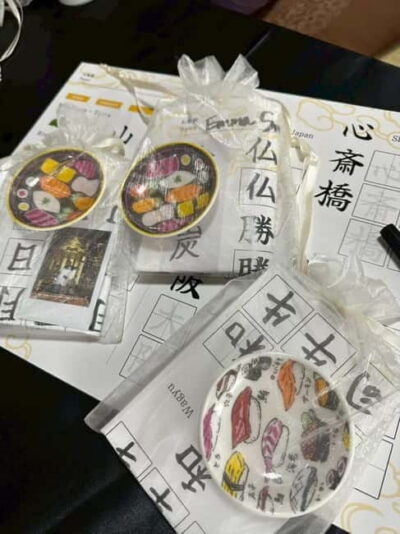
Osaka: Temple Tour and Traditional Calligraphy Lesson
Read our review →This tour also ranks in