
Review · KYOTO
Kyoto: Tea Ceremony Ju-An at Jotokuji Temple
A matcha ceremony at Jotokuji Temple gives you more than a cup of green tea. You enter through the temple gates, take part in a purification ritual, remove your shoes, and watch each measured movement of the tea master before preparing matcha yourself. I like the calm setting and the fact that the ceremony explains the meaning behind the gestures, not just the mechanics.
I also like the small groups of up to 10 and the warm English guidance from hosts such as Kate, Taka, and Yaki. The main drawback is practical: the Grand Tearoom has three steps and is not wheelchair accessible, even though parts of the temple are.
Key points to know before booking
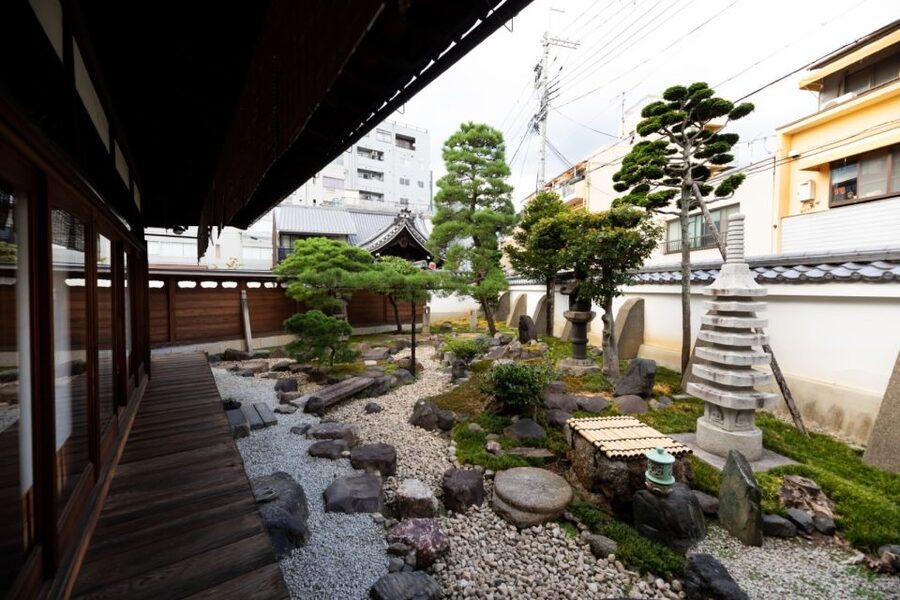
- A temple setting, not a generic activity room: You begin at Jotokuji Temple and have time to notice its architecture, fountain, gates, and quiet atmosphere.
- You take part, not just watch: After the tea master’s demonstration, you can prepare your own matcha with guidance.
- English explanations throughout: Hosts explain the ritual, its history, and the reason behind each action.
- Matcha comes with sweets: The tea and traditional sweets form part of the ceremony.
- Small group, 70-minute format: The session is compact enough for a busy Kyoto day but still allows questions.
- Floor seating has a workaround: Stools and seats can be provided, but the tearoom itself requires three steps.
Why this tea ceremony feels different from a quick matcha tasting
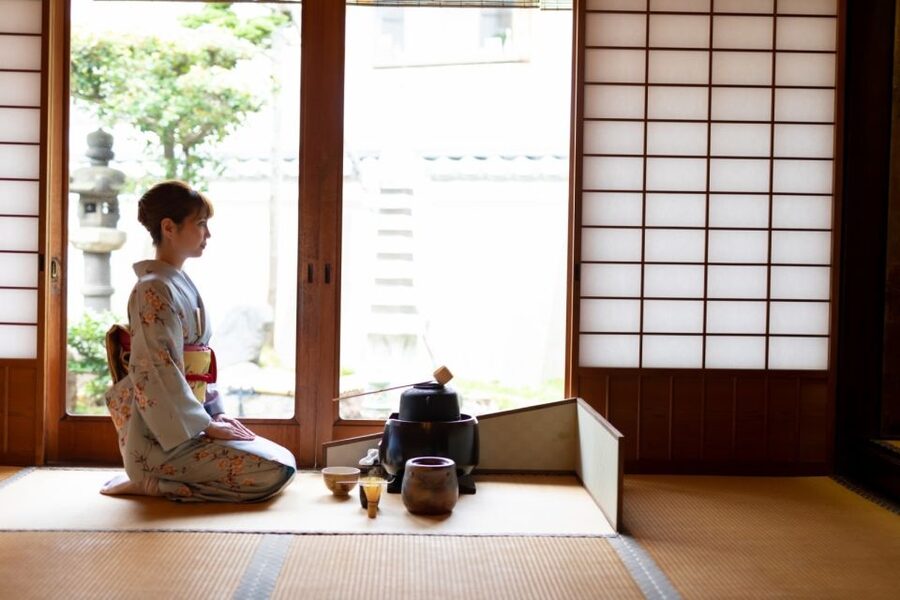
Many Kyoto tea activities reduce the experience to whisking powder in a bowl and taking a photograph. This one gives you a clearer sense of chanoyu, the Japanese tea ceremony, as a sequence of deliberate actions shaped by respect, attention, and hospitality.
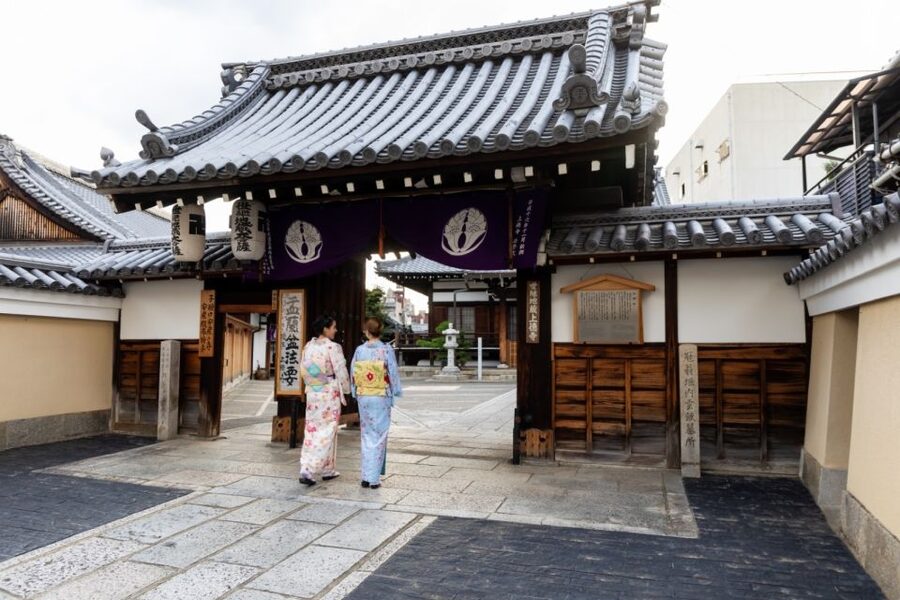
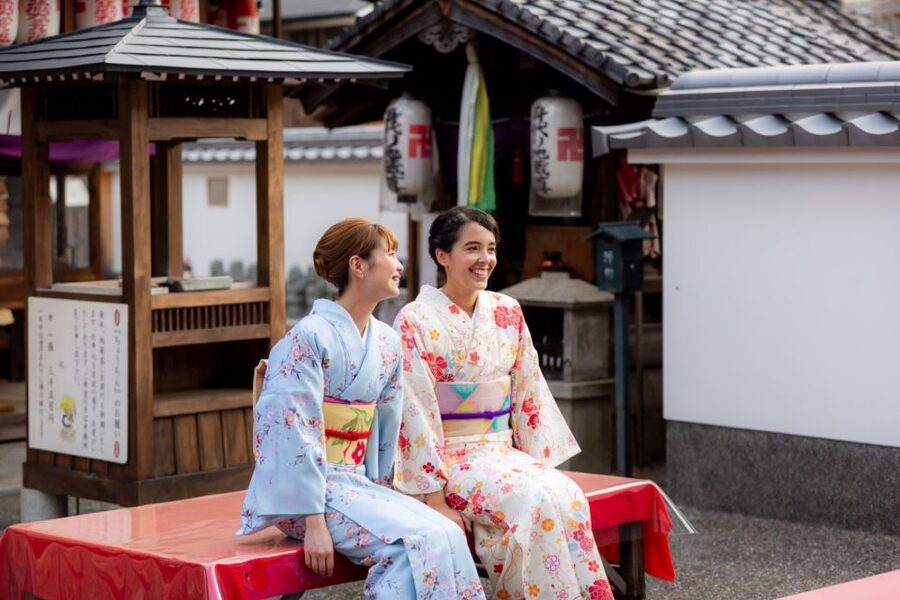
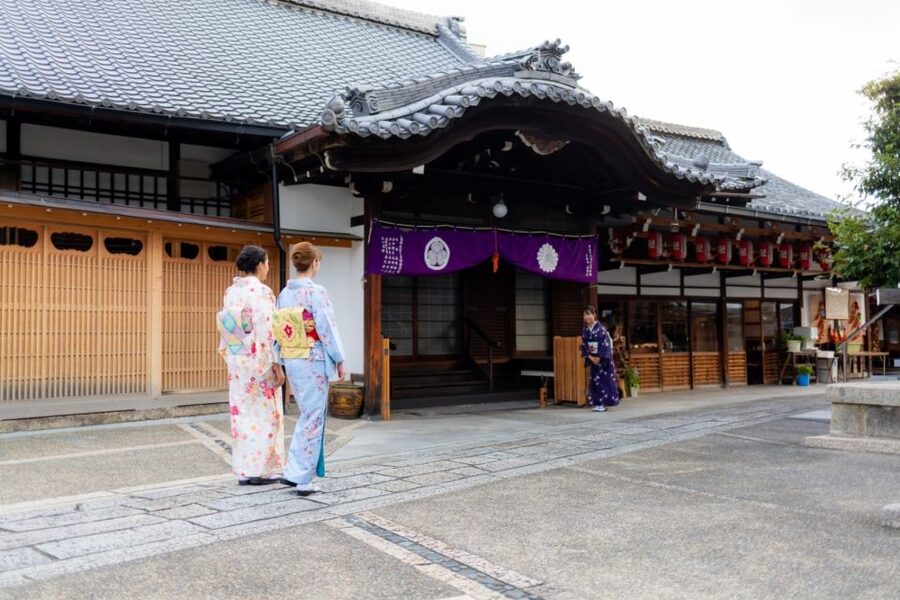
You first enter Jotokuji Temple through its main gates. The Grand Tearoom is on your left, with a parish shop beside it. The meeting point is at the nearby red benches, where your guide waits. This arrangement matters because you are not rushed straight into a room. You have a moment to notice where you are.
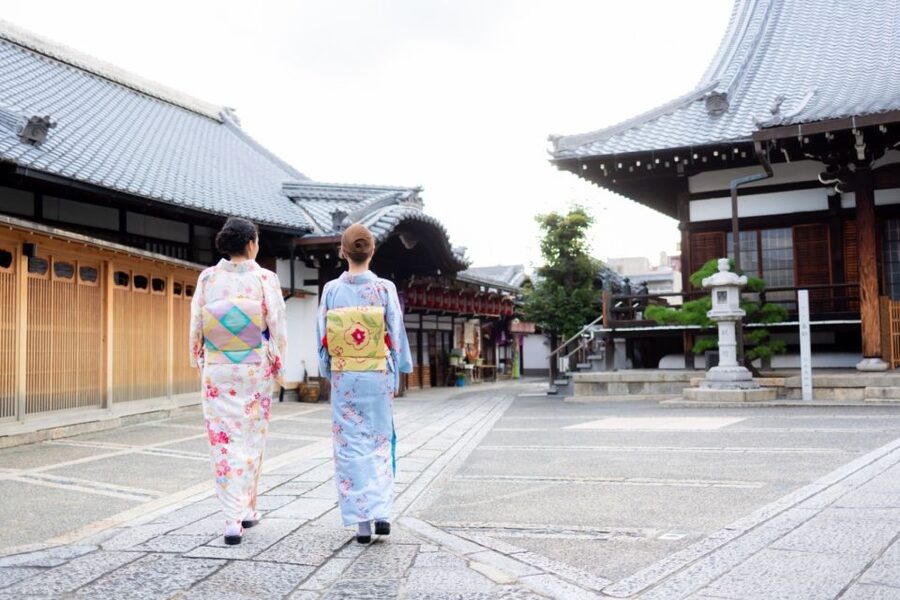
I like that short pause. Kyoto can be noisy and crowded, especially around its best-known sights. Here, the temple grounds provide a change of pace before the ceremony begins. You can look at the temple architecture, stand near the purification fountain, or sit on the red benches when the weather is fine.
The ceremony itself takes place in the Grand Tearoom. Once inside, you remove your shoes and take your seat with the rest of the group. The hosts then explain what will happen, so you do not need prior knowledge of Japanese customs or tea etiquette.
More Temple Tours around Kyoto:
- Osaka/Kyoto:Kinkakuji,Arashiyama,FushimiInariShrine,NaraPark
★ 4.1 · 1,596 reviews - Arashiyama Bamboo, Temple, Monkeys, or Secret Sake Brewery
★ 4.8 · 886 reviews - Kyoto: Arashiyama Bamboo Forest, Monkeys, Matcha & Temple Tour
★ 5.0 · 759 reviews
Starting at Jotokuji Temple and the purification fountain
The first part of the experience introduces you to the temple rather than treating it as a simple backdrop. You pass through the main entrance, face the Main Hall, and look to the left for the steps leading to the tea room. The setting helps you understand that tea ceremony is connected to a wider religious and cultural tradition.
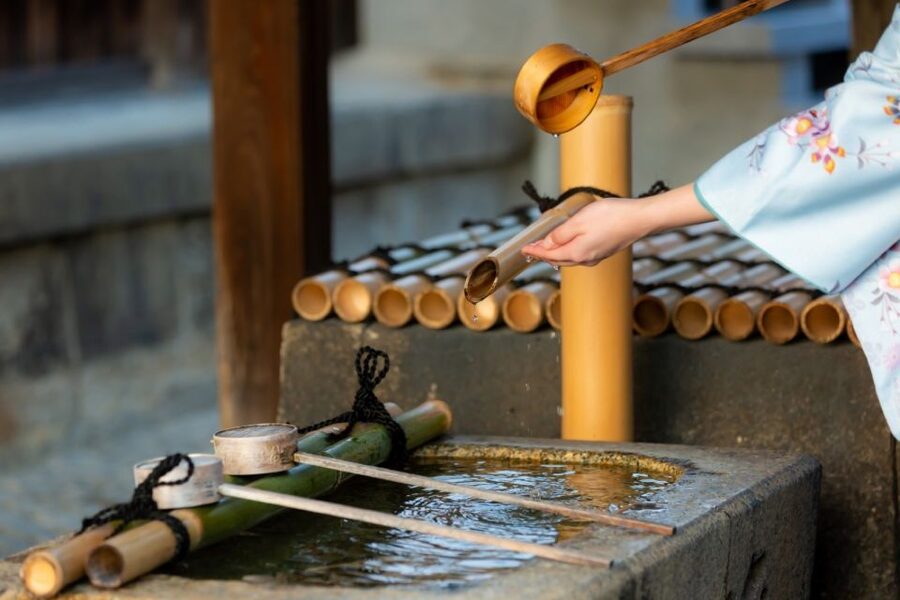
Before entering the tearoom, you take part in a traditional purification ritual. For visitors from Europe, North America, Australia, and elsewhere, this can be one of the most unusual parts of the activity. It is not merely a quick instruction before the main event. It gives you a practical way to show respect before entering a sacred setting.
The guide explains what to do and why it matters. That explanation is important because unfamiliar gestures can otherwise feel like a performance for tourists. With context, the ritual becomes easier to appreciate.
Your outdoor waiting time depends on the weather and the group’s timing. On a dry day, the red benches offer a place to sit and take in the surroundings. In rain, you can wait under the shop’s gable or inside the Grand Tearoom. Bring footwear that is easy to remove, since you will take off your shoes before entering the tea room.
The Grand Tearoom and its traditional floor seating
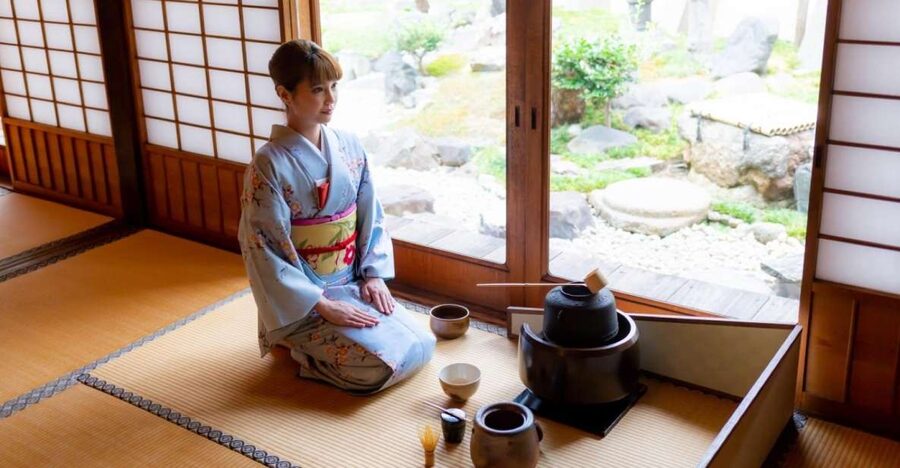
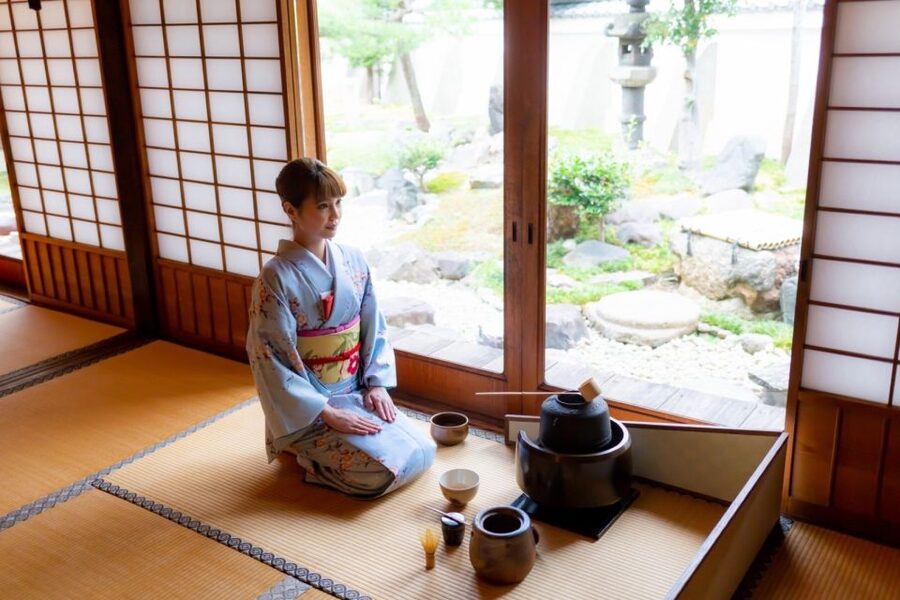
The Grand Tearoom is the heart of the visit. You leave your shoes at the entrance and proceed inside with the group. The room’s traditional layout changes the mood immediately. This is not a lecture hall or a modern tasting counter. It is a space designed for careful movement and quiet attention.
Traditional floor seating may not suit everyone. You can request a seat or stool if sitting in the usual position is uncomfortable. That is useful for older participants or anyone with stiff knees, but you still need to manage the three steps into the tearoom.
The activity is officially not suitable for wheelchair users because of those steps. The wider temple is wheelchair accessible, but that does not make the tea ceremony itself accessible. If access is important for your booking, contact the provider before paying rather than assuming the temple’s accessibility applies to every part of the visit.
The group limit of 10 is another practical advantage. A larger class would make it harder to see the tea master’s hands or receive help when you prepare your own tea. In a group this size, the atmosphere remains social but does not feel like a crowd.
Watching the tea master prepare matcha
The tea master demonstrates the preparation of matcha slowly enough for you to follow. Each action has a purpose, and the hosts explain the order, tools, and etiquette in English. The ceremony’s appeal lies in the contrast between the simple ingredients and the care given to every gesture.
The tea is prepared with powdered matcha and water, then whisked into a smooth drink. You learn how to handle the bowl and how to drink it in the proper way. The hosts also explain the importance of the ceremony, so the experience is not reduced to learning a recipe.
I especially like the attention given to the why behind the movements. A good demonstration can make an unfamiliar custom feel welcoming instead of intimidating. The tea master’s actions are measured and quiet, while the English-speaking guide fills in the cultural background and answers questions.
Different sessions may involve more than one host. Kate is singled out for clear, engaging explanations, while Taka and Yaki are also named as part of the hosting team in the available information. The exact personnel may vary, but you can expect an English-speaking instructor and a tea master guiding the session.
Same sacred ground, another way to see it:
- Kyoto Arashiyama Walking Tour: Bamboo, Monkeys, Gardens & Secrets
★ 5.0 · 1,216 reviews - Osaka/Kyoto: Arashiyama, Nara & Fushimi Inari Shrine w/Lunch
★ 4.4 · 754 reviews - Kyoto 1 Day Tour from Kyoto
★ 4.0 · 582 reviews - Kyoto Zen Meditation & Garden Tour at a Zen Temple with Lunch
★ 5.0 · 441 reviews
Making and drinking your own matcha
After watching the demonstration, you get the chance to prepare your own tea. This is the part that turns the visit from a show into a workshop. You handle the ceremonial implements, follow the tea master’s instructions, and make matcha under supervision.
Do not worry about producing a perfect bowl on your first attempt. The point is to understand the process and take part respectfully. The hosts are there to guide you, and the small group makes it easier to see what to do.
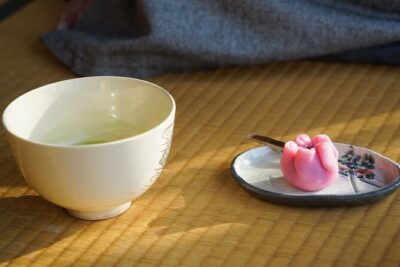
You also taste the finished matcha with sweets. The pairing gives the bitter, grassy tea a better balance and makes the ceremony more enjoyable for first-time drinkers. If you already like matcha, you will appreciate the chance to taste it in a formal setting. If you are unsure about it, the sweets and careful preparation make the introduction gentler.
The tasting is not presented as a meal. Meals are not included, so plan to eat separately. This is a short cultural activity with tea and sweets, not a substitute for lunch or dinner.
What the 70-minute schedule means for your Kyoto day
Seventy minutes is a sensible length for this experience. It leaves enough time for the temple introduction, purification ritual, tea demonstration, tasting, and hands-on preparation without taking half a day.
I would place it between larger sightseeing plans rather than at the end of an exhausting day. The quiet pace works best when you are willing to slow down for an hour. Rushing from one major attraction to the next would make it harder to appreciate the ceremony’s deliberate rhythm.
The session also works well as a break from Kyoto’s busiest sightseeing areas. You are still doing something structured, but the focus shifts from taking in another grand view to noticing small actions, sounds, and objects.
Starting times vary, so check the available schedule when booking. The provider offers free cancellation up to 24 hours ahead and a reserve-now, pay-later option, which is useful when your Kyoto plans are still changing.
Is $29 good value for this Kyoto activity?
At $29 per person, the experience is reasonably priced for a guided cultural activity in central Kyoto. The fee covers the English-speaking guide, the chanoyu workshop, the tea, the sweets, and the use of the traditional setting. You are also paying for instruction that would be difficult to arrange on your own.
A cheaper cup of matcha at a café will give you a drink, but not the temple visit, purification ritual, tea master’s demonstration, or chance to prepare the tea yourself. On the other hand, this is not a full formal tea ceremony lasting several hours. One participant correctly described it as an introduction, noting that more elaborate ceremonies can take around four hours.
That distinction helps set the right expectation. If you want a concise and accessible first lesson, $29 is good value. If you already study chanoyu or want a long, highly formal ceremony with extensive etiquette, you may find this format too short.
The value also depends on your interest in cultural explanation. You are not simply paying for matcha. You are paying for a guided interpretation of a tradition that can be hard to understand from casual observation.
Who will enjoy this tea ceremony most?
I would recommend it to first-time visitors who want a cultural activity that is easy to fit into a Kyoto itinerary. You do not need to know Japanese, understand tea ceremony etiquette, or have experience with matcha.
It is especially suitable for:
- Couples looking for a quiet shared activity
- Families with older children who can follow instructions
- Solo visitors who prefer a small group to a private booking
- Anyone interested in Japanese customs and daily philosophy
- Visitors who want to try making matcha, not just drinking it
- People seeking a peaceful break from busy sightseeing
It may not suit you if you dislike sitting on the floor, cannot manage three steps, or want a long formal ceremony. Seats and stools help with the sitting position, but they do not remove the access issue at the tearoom entrance.
The 70-minute length makes it less demanding than a full formal ceremony. That is a strength for most tourists, though serious tea students may want a more specialized lesson.
Small details that make the experience work
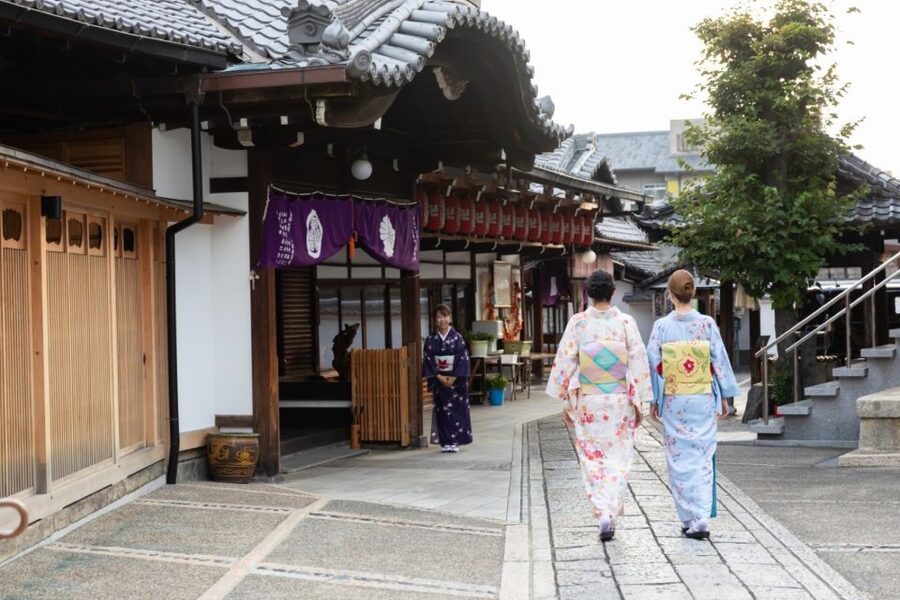
The welcome at the temple entrance is useful. You are not left to wander around looking for the room. The guide meets you at the red benches, then helps the group move through the temple and into the tearoom.
The rain plan is also sensible. You can wait beneath the shop’s gable or inside the Grand Tearoom rather than standing exposed outside. Kyoto weather can change quickly, so this small arrangement makes the meeting point less stressful.
The English interpretation matters just as much as the tea master’s technique. Without it, you might admire the movements but miss the ideas behind them. The hosts explain the history, purpose, and etiquette in a way that lets you ask questions as the ceremony unfolds.
The best sessions appear to balance respect with participation. The atmosphere is solemn, but you are still encouraged to try the tea yourself. That combination keeps the event from feeling stiff or overly distant.
How to prepare for the visit
Arrive ready to remove your shoes. Comfortable footwear with socks is more practical than complicated boots or sandals. You will also want clothing that allows you to sit comfortably, even if you plan to request a stool.
Do not assume that the temple visit includes a complete tour of the site. You have time to admire the architecture and use the purification fountain, but the main focus is the tea ceremony. If you want to explore more of Jotokuji Temple, allow extra time outside the 70-minute session.
Keep your expectations focused on a cultural introduction. You will learn the basic flow of chanoyu, drink matcha, taste sweets, and prepare tea. You will not receive a full meal, and kimono rental is not included, though a kimono can be rented separately.
The $29 price does not include transport or food beyond the ceremony’s tea and sweets. Check the meeting details carefully: once inside the temple, face the Main Hall and look left for the steps to the tea room.
Should you book Tea Ceremony Ju-An at Jotokuji Temple?
Book it if you want a short, hands-on introduction to Japanese tea culture in a real temple setting. The combination of purification, architecture, English explanation, tea master demonstration, sweets, and your own matcha preparation gives the hour real substance.
I would be most likely to choose it early in a Kyoto stay. The experience gives you cultural context that can sharpen your attention during later temple visits. It is also a good way to slow down after a busy arrival day.
Skip it if you need step-free access to the tearoom or if your main goal is an extended, formal study of chanoyu. For most visitors, though, the small group, gentle instruction, and reasonable $29 price make this one of the more useful introductions to Kyoto’s tea tradition.
FAQ
How long does the tea ceremony at Jotokuji Temple last?
The experience lasts 70 minutes, including the temple introduction, purification ritual, tea demonstration, tasting, and hands-on preparation.
What language is the tea ceremony conducted in?
The instructor and tour guidance are in English.
How many people are in each group?
The group is limited to 10 participants.
Is matcha included in the price?
Yes. You receive matcha tea as part of the chanoyu workshop, along with sweets.
Can I prepare my own matcha?
Yes. The tea master demonstrates the process and then guides participants as they prepare their own tea.
Is the tea room wheelchair accessible?
No. The temple is wheelchair accessible, but the tearoom is not because it has three steps.
Can I use a chair or stool instead of sitting on the floor?
Yes. Seats and stools can be provided for anyone who is not comfortable sitting in the traditional floor position.
Temple visits we reviewed lately in Kyoto
- Kyoto: Zen Meditation at a Private Temple with a Monk★ 5.0 · 202 reviews
- Kyoto:Kiyomizu-dera Temple Rent a kimono and ride a rickshaw★ 4.8 · 7 reviews
- KYOTO: Tempio Kiyomizu Pagode Gion “Geisya” (Guida Italiana)★ 4.7 · 17 reviews
- Kyoto: Kiyomizudera, Sanjusangendo, Ginkakuji and Higashiyama.★ 5.0 · 3 reviews
- Kyoto:Quiet Arashiyama and Sagano Temples★ 4.8 · 5 reviews
- Kyoto: Shakyo & Matcha in Historic Temple Garden★ 5.0 · 4 reviews
- Kyoto: Samurai Sword & Kimono Action Filming Experience★ 4.8 · 78 reviews
- Kyoto: Nara, Todaiji, Kasuga Taisha Shrine Private Full Day★ 4.9 · 18 reviews
Kyoto Temple Tours, compared.
Osaka/Kyoto:Kinkakuji,Arashiyama,FushimiInariShrine,NaraPark
Read our review →
Kyoto Arashiyama Walking Tour: Bamboo, Monkeys, Gardens & Secrets
Read our review →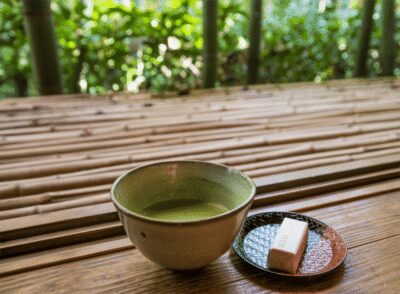
Arashiyama Bamboo, Temple, Monkeys, or Secret Sake Brewery
Read our review →
Kyoto: Arashiyama Bamboo Forest, Monkeys, Matcha & Temple Tour
Read our review →
Osaka/Kyoto: Arashiyama, Nara & Fushimi Inari Shrine w/Lunch
Read our review →
Kyoto Zen Meditation & Garden Tour at a Zen Temple with Lunch
Read our review →
This tour also ranks in