
Review · TOKYO
Nikko: Kegon Falls, Lake Chuzenji & Toshogu Temple
Nikko’s appeal is simple: in one long day, you move from Tokyo’s polished shopping streets to cedar forests, a Tokugawa shrine, a 100-meter waterfall, and a mountain lake. The Toshogu Shrine is the main prize, with gold details, carved animals, and the famous wise monkeys set among enormous trees.
I like the way the guide gives the place meaning instead of leaving you to decode every gate and carving. I also like the mix of culture and nature: Kegon Falls and Lake Chuzenji keep the day from becoming one long temple visit. The catch is the bus time, roughly six hours there and back, and the schedule can feel tight at popular stops.
Key points to know before booking
- Toshogu Shrine rewards the ticket-inclusive option: The paid areas include richly decorated gates and buildings, plus access to the sacred grounds associated with the Tokugawa shogunate.
- The bus ride is a major part of the day: Expect about 2.5 hours to reach the Nikko area and about 3 hours 10 minutes on the return.
- Kegon Falls is a quick, powerful stop: The nearly 100-meter cascade is viewed from an observation deck, with 85 minutes set aside for the waterfall area, lunch, and free time.
- Lake Chuzenji offers a quieter pause: You get about 40 minutes to stroll by the shore and take photographs.
- The guides are a real strength: Names such as Melody, Jorge, Beru, Eric, and Francisco appear across the operation, with English and Spanish explanations, clear meeting instructions, and cultural context.
- January and February can change the route: Weather may replace Kegon Falls and Lake Chuzenji with panoramic views of Rinnoji Temple and Futarasan Shrine.
Why this Nikko day trip works from Tokyo
Nikko is far enough from Tokyo to feel like a proper change of scene, but the coach removes the need to work out several train, bus, and local transport connections. You meet in the Ginza area, board an air-conditioned coach, and let someone else handle the mountain roads.
That convenience matters most if you have only one spare day in Tokyo. A self-guided visit can offer more freedom, but it also demands careful planning around transport and opening times. Here, the guide keeps the day moving and explains what you are seeing along the way.
The tradeoff is clear. This is not a relaxed country retreat with hours to linger beside the lake. It is a full sightseeing day with a fixed timetable, a long ride, and several major stops. I would choose it for efficient coverage, not for solitude.
The price is listed at $89 per person, though the final cost and inclusions depend on the package. Transportation and the bilingual guide are included, while Toshogu admission and lunch may require a ticket-inclusive or premium choice. Check the exact option before paying, since one package may look cheap until you add the shrine ticket or meal.
More Nikko and Kamakura Day Trips in Tokyo:
- Tokyo: Nikko Toshogu Shrine and Kegon Waterfall Tour
★ 4.5 · 1,266 reviews - From Tokyo: Nikko Toshogu Shrine and Kegon Waterfall Tour
★ 4.0 · 42 reviews - Kamakura Temples Private Guided Tour from Tokyo
★ 4.8 · 21 reviews
Leaving Ginza for the cedar country of Nikko
The starting point is in Ginza, with the listed meeting location at Ginza Inz 2. There can be two starting or drop-off options within that meeting arrangement, so read your booking details carefully and arrive early enough to find the correct coach point.
The first section of the ride takes about 2.5 hours. That sounds long, but it gives you a useful transition from Tokyo streets to greener roads and mountain scenery. Guides fill the ride with information about Japanese culture, language, local customs, and the places ahead.
This is where guides such as Melody, Jorge, and Beru have made a strong difference. Their style varies, but the best feedback points to clear bilingual explanations, basic Japanese phrases, practical instructions, and enough humor to make the long road less dull. Francisco has also been praised for changing the order of stops to reduce waiting, a smart move when traffic and crowds are heavy.
The coach is air-conditioned, and several accounts note its large windows. Bring water, a hat, sunscreen, and a camera. Comfortable shoes matter once you reach the shrine grounds and mountain viewpoints.
Shinkyo Bridge: a red threshold seen from the road
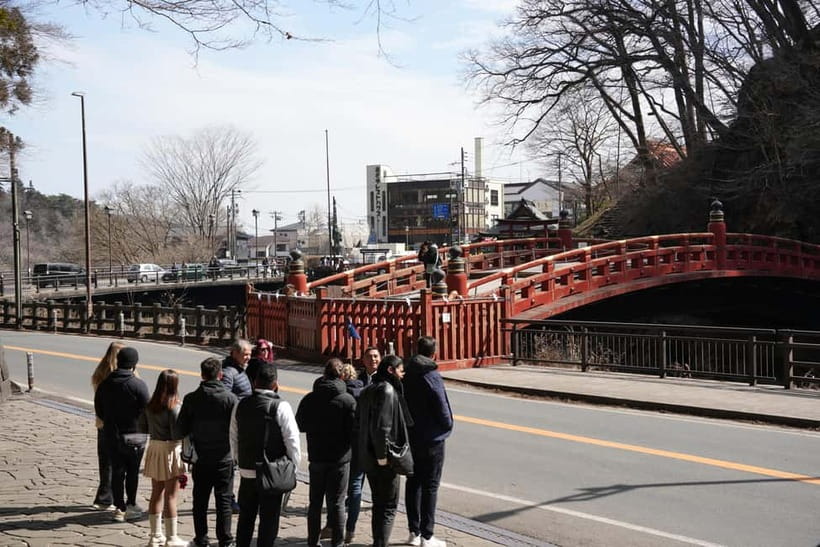
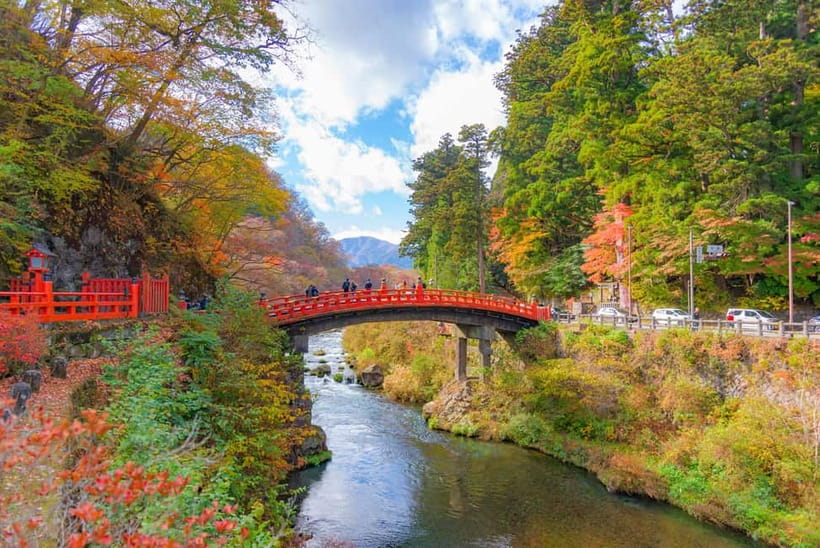
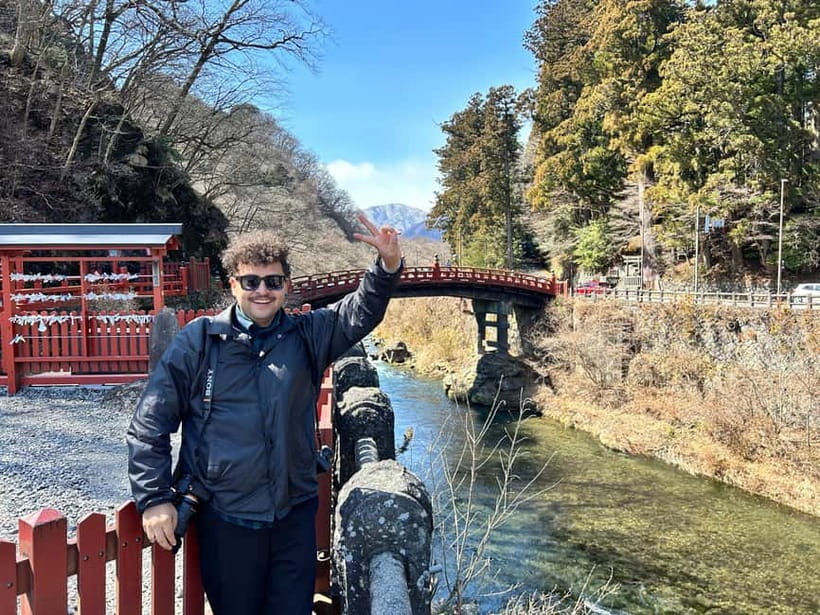
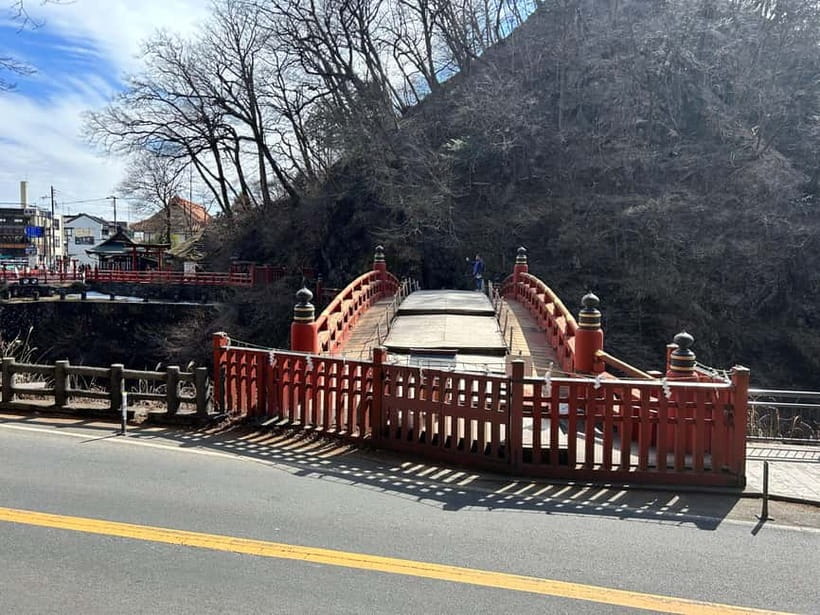
Your first look at Nikko is usually a panoramic view of Shinkyo Bridge from the coach. The deep red bridge curves over the Daiya River and marks the traditional entrance to the sacred area.
You may not get a long independent stop here, so treat it as a photo opportunity from the bus rather than a full bridge visit. If your seat is on the right side at the right moment, you may get a fine view, but the exact sightline depends on traffic and the road position.
Even from a moving coach, the bridge gives you a quick sense of Nikko’s character. Red lacquer, rushing water, forest, and mountain air appear together in one compact scene. It is a good visual introduction before the larger shrine visit.
Toshogu Shrine: the cultural heart of the day
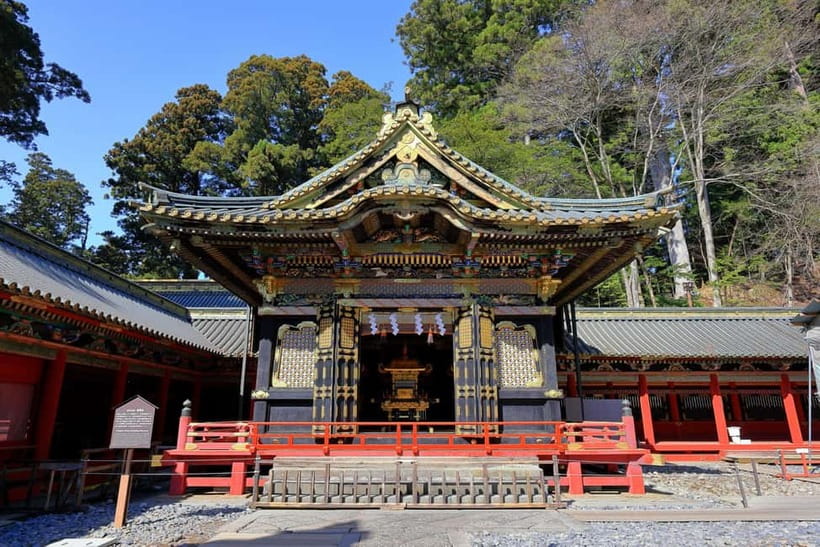
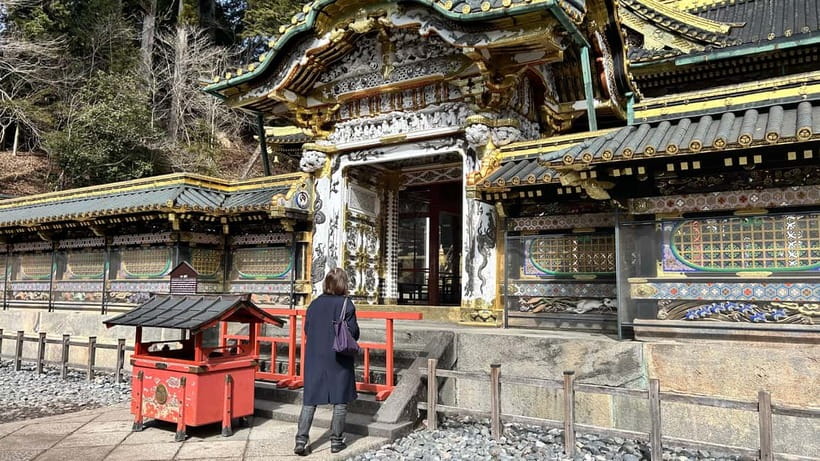
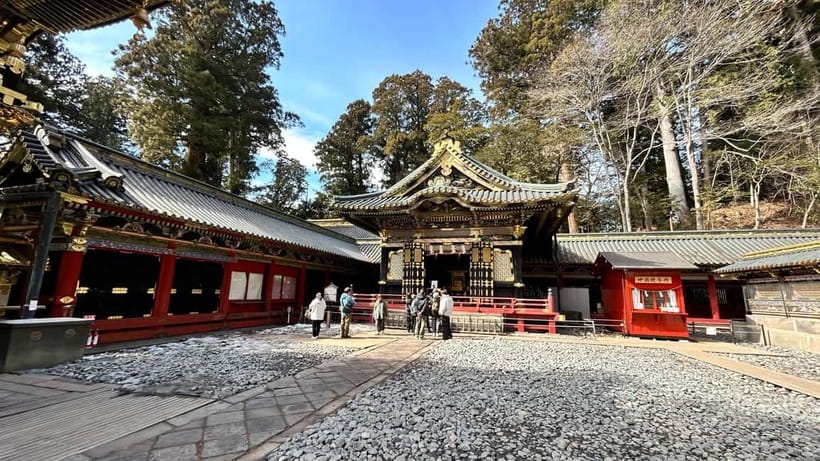
The tour allows about 2 hours and 15 minutes at Nikko Toshogu, making this the most substantial stop. The shrine is part of Nikko’s UNESCO World Heritage area and honors Tokugawa Ieyasu, the founder of the shogunate that ruled Japan for centuries.
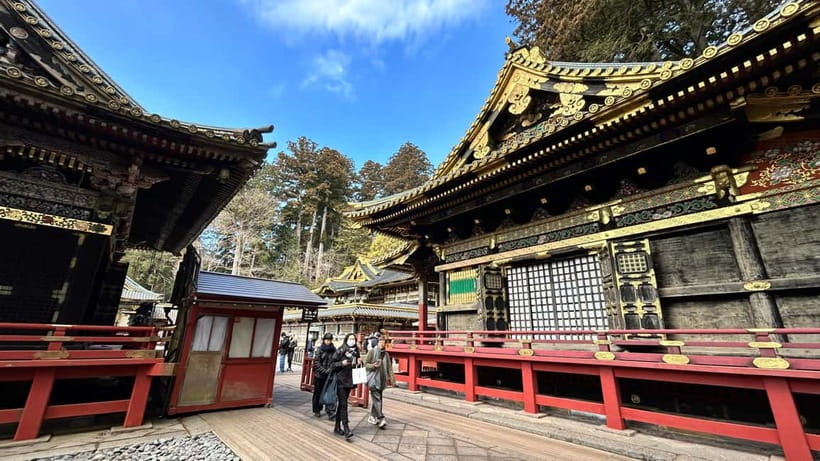
You enter a world of dark cedar trunks, ornate gates, gold accents, painted details, and carved figures. This is not the spare, restrained style some visitors expect from a Japanese religious site. Toshogu is deliberately elaborate, and its decoration reflects the power and wealth of the Tokugawa family.
The three wise monkeys are the best-known carvings. Their message, commonly rendered as see no evil, hear no evil, speak no evil, is easy to remember, but the site offers much more than that familiar image. Your guide can point out symbols and stories that are easy to miss when you move through the grounds alone.
I would strongly consider the option that includes Toshogu admission. Without the ticket, you have free time around the area, but the core buildings and decorated gates are the reason to come. One practical warning is that the ticket price may be higher through the package than buying separately online, so compare the difference before booking. Other people have still found the included access worth paying for because the guide can explain the details in place.
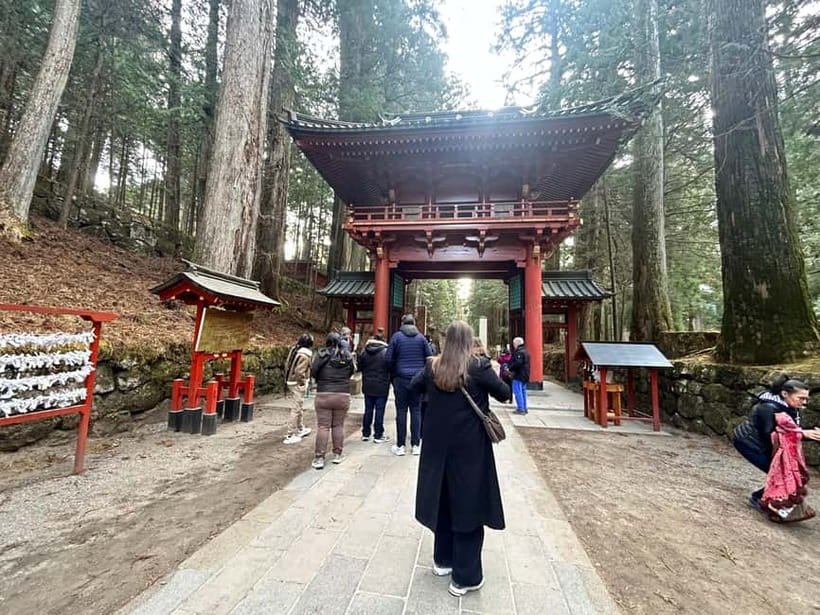
The grounds are not flat sightseeing streets. You should expect walking, steps, and a forest setting. One account specifically notes a walk of about 200 steps to the burial site, surrounded by trees and clean mountain air. You do not have to rush through every corner, but 2 hours and 15 minutes requires sensible choices.
The guide usually gives a meeting time and a clear return point. Jorge, in particular, has been praised for repeating instructions and pointing out route landmarks so it is easier to find the bus again. That is valuable at Toshogu, where ornate paths and side areas can make a quick return harder than expected.
More Temple Tours around Tokyo:
- Tokyo: Asakusa Walking Tour with Sensoji Temple Visit
★ 4.8 · 1,583 reviews - Tokyo Panoramic 1 Day: Meiji Shrine, Asakusa, Odaiba and SKYTREE®
★ 4.5 · 1,222 reviews - Tokyo: Zen Meditation at a Private Temple with a Monk
★ 5.0 · 510 reviews - Mt. Fuji Heritage Tour: Traditional Villages, Lakes & Shrine
★ 4.5 · 509 reviews
Lunch near Kegon Falls and the value of the premium option
After Toshogu, the coach takes about 30 minutes toward the Kegon Falls area. The schedule allows 85 minutes for the waterfall, lunch, and free time, so you should not expect a slow restaurant meal followed by an hour of wandering.
Lunch is included only with the premium option. If you choose a package without lunch, you can use the stop to find food locally. Guides may help with menus or ticket machines, and one useful tip from the day is to carry some physical cash. A planned stop on the way to the temple may also give you a chance to withdraw money and get breakfast.
The food itself is described as a Japanese lunch at a local restaurant, but the exact menu is not specified. I would choose the premium option if you value simplicity and want the meal handled within the schedule. I would skip it if you prefer choosing your own dish or want to keep the cost down.
Do not build your plan around a leisurely lunch. The stop combines eating, the waterfall, toilets, photos, and meeting the coach again. Follow the guide’s return time closely.
Kegon Falls from the observation deck
Kegon Falls is one of Nikko’s most striking natural sights. Water drops nearly 100 meters from Lake Chuzenji into a rocky valley, creating a dramatic vertical view that changes with weather and season.
The observation deck gives you the main spectacle without requiring a long hike. You can expect cliffs, spray, forest, and a powerful column of water. Autumn adds red and gold leaves, while colder months bring a quieter, harsher look.
This is one of the places where the schedule works in your favor. You get enough time for photographs and a close look, but the stop does not drag. Guides often point out the best photo positions and make the route back to the coach clear.
The limitation is that Kegon Falls can be affected by weather, visibility, and seasonal conditions. In January and February, the tour replaces both Kegon Falls and Lake Chuzenji with panoramic views of Rinnoji Temple and Futarasan Shrine. If the waterfall is your main reason for booking, avoid assuming it is guaranteed in winter.
Lake Chuzenji and Mount Nantai scenery
The drive from Kegon Falls to Lake Chuzenji takes about 10 minutes. You then have roughly 40 minutes to visit the shore, walk a little, and take photographs.
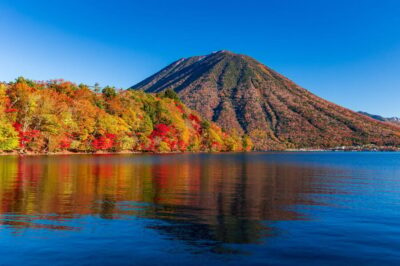
Lake Chuzenji formed through volcanic activity and sits at the foot of Mount Nantai. The setting feels cooler and more open than central Nikko, with forested hills, water, and misty mountain views. It is a welcome change after the dense decoration and crowds around Toshogu.
Forty minutes is enough for a shoreline stroll and a short photo session. It is not enough for a long lakeside walk, a boat outing, or a broad independent exploration. I would use the time to slow down, breathe the mountain air, and enjoy the contrast with Tokyo.
The lake stop also helps balance the day. Toshogu asks you to look closely at carvings, symbols, and buildings. Chuzenji asks you to step back and take in space, water, and weather. Together, they show why Nikko works as a day away from the capital.
The long return to Tokyo
The return drive is listed at about 3 hours and 10 minutes, though traffic, weather, local events, and road conditions can change the order and timing. In practice, your 11-hour day is heavily shaped by the road.
That is the main drawback, and you should be comfortable with it before booking. If long coach rides leave you restless, a train-based visit with an overnight stay may suit you better. If you want to see Nikko without changing hotels, the ride is a fair trade.
The return journey is also when a good guide earns the fare. Guides such as Melody and Beru have used the ride for extra explanations about daily life, language, customs, and Japanese culture. Clear announcements about the next stop and return time matter just as much as historical facts.
You return to the Ginza area, with the drop-off arrangement tied to the selected meeting option. Do not schedule a tight evening reservation after the tour. The listed duration is 11 hours, but traffic can affect the final arrival.
Guides, language, and how the day is run
The tour operates with English and Spanish-speaking guides. You may be assigned someone such as Melody, Jorge, Beru, Eric, Akane, or Francisco, so the exact personality and style can vary.
The strongest guide traits are practical rather than theatrical: clear bilingual translation, patient answers, cultural explanations, simple Japanese lessons, and repeated meeting instructions. Several guides have also helped with lunch machines, route confusion, and photo locations.
Drivers receive frequent praise for handling the mountain roads calmly. Names such as Hashimoto-san, Tanaka-san, Sakamoto-san, and Ejima-san appear in the operating team, but you cannot choose a specific driver or guide when booking. The important point is that driving skill matters here, especially on the winding roads toward the lake and waterfall.
The service has a 4.6 rating from 1,577 reviews, and 87 percent of ratings give the transport a perfect score. Those figures point to a dependable operation, but they do not remove the basic limits of a group coach day: fixed times, shared stops, and less freedom than a private tour.
Who should book this Nikko tour?
I would recommend it to you if you are staying in Tokyo, have one free day, and want both major cultural and natural sights without arranging transport yourself. It also suits first-time visitors who want a guide to explain Shinto and Buddhist ideas, Tokugawa symbols, shrine etiquette, and local customs.
The tour is especially useful if you want English or Spanish support. It can also suit solo visitors who prefer a planned day with a clear meeting structure.
I would hesitate if your priority is slow travel. The 40-minute lake stop and fixed 85-minute waterfall and lunch block do not leave room for wandering far. I would also think twice if you use a wheelchair, since the experience is not suitable for wheelchair users and includes uneven grounds and steps.
The best seasons appear to be spring, autumn, and clear-weather days when the mountain views are open. Autumn brings especially strong color around the shrine and lake, but it can also bring weekend traffic and larger crowds. Winter requires extra caution because the two mountain stops may be replaced.
Booking choices, cancellation, and practical preparation
At $89 per person, the basic price can be reasonable for a full-day coach, bilingual guide, and transport from Tokyo. The value depends on the package. Add the shrine ticket and lunch if you want the simplest version, then compare that total with buying those items separately.
You can cancel up to 24 hours before departure for a full refund, and the reserve-now, pay-later option keeps you from paying immediately. Meeting points can vary by package, so check the exact confirmation rather than relying only on the general Ginza description.
Pack:
- Comfortable walking shoes
- Water
- A hat and sunscreen
- A camera
- Some physical cash
I would also keep your schedule flexible on the return evening. The order can change because of traffic, weather, local events, or other operating conditions.
Should you book the Nikko day trip?
Book it if you want an efficient first look at Nikko and accept a long coach ride. The combination of Toshogu’s extraordinary decoration, Kegon Falls, Lake Chuzenji, and a guide who can explain what you are seeing gives you a lot in one day.
Choose the shrine-inclusive package if Toshogu is your main reason for going, and choose the lunch package if you value convenience more than menu freedom. If you want time to hike, linger at the lake, or explore small streets at your own pace, plan an overnight Nikko visit instead.
For most Tokyo visitors with only one free day, this is a practical and rewarding outing. Just book it for the sights, not for a relaxed pace.
FAQ
How long does the Nikko tour last?
The tour lasts 11 hours, including the coach journey from Tokyo, sightseeing in Nikko, and the return to the Ginza area.
Where does the tour start?
The listed starting location is Ginza Inz 2 in Tokyo. The exact meeting point may vary according to the option booked, so check your booking details.
Is Toshogu Shrine admission included?
Toshogu Shrine admission is included only with the ticket-inclusive option. Other options provide free time to explore the surrounding area independently.
Is lunch included?
Lunch is included only with the premium option. The standard option may require you to arrange and pay for your own meal during the stop.
What languages does the guide speak?
The tour provides a live guide in English and Spanish.
What happens to Kegon Falls and Lake Chuzenji in January and February?
Due to weather conditions, the tour may replace both stops with panoramic views of Rinnoji Temple and Futarasan Shrine.
Is the tour suitable for wheelchair users?
No. The experience is listed as unsuitable for wheelchair users. Comfortable shoes are recommended because the day includes walking and shrine grounds with steps.
Temple visits we reviewed lately in Tokyo
- From Asakusa: Old Tokyo, Temples, Gardens and Pop Culture★ 4.6 · 15 reviews
- Tokyo: Nagano Snow Monkeys and Zenkoji Tour with Temples★ 4.9 · 19 reviews
- Nagano: Snow Monkeys, Zenkoji Temple & Sake Day Trip★ 5.0 · 4 reviews
- From Tokyo: Nagano, Zenkoji Temple, Snow Monkeys Day Trip.★ 4.3 · 4 reviews
- Tokyo/Nagano: private Tour with Snow Monkey Park & Temples★ 4.8 · 13 reviews
- Make a temple stamp book with artist★ 4.9 · 10 reviews
- Kamakura Temples Private Guided Tour from Tokyo★ 4.8 · 21 reviews
- Join a Unique Cultural Ceremony at Tokyo’s Meiji Shrine★ 5.0 · 9 reviews
Tokyo Temple Tours, compared.
Tokyo: Nikko Toshogu Shrine and Kegon Waterfall Tour
Read our review →
Tokyo Panoramic 1 Day: Meiji Shrine, Asakusa, Odaiba and SKYTREE®
Read our review →
Tokyo: Zen Meditation at a Private Temple with a Monk
Read our review →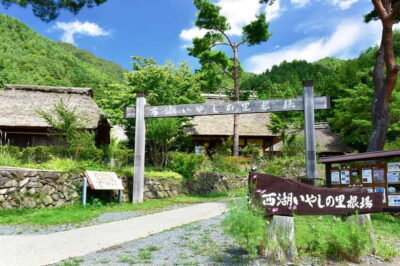
Mt. Fuji Heritage Tour: Traditional Villages, Lakes & Shrine
Read our review →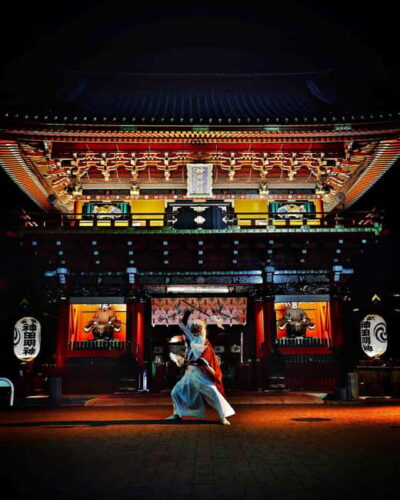
Tokyo: Samurai Entertainment Night Show in Kanda Shrine
Read our review →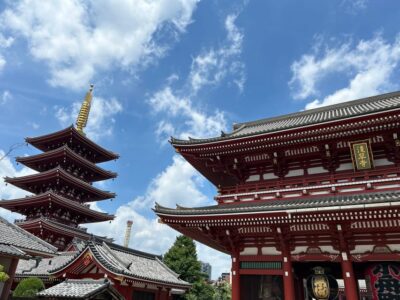
Tokyo: Asakusa and Tokyo’s Oldest Temple Senso-ji Tour
Read our review →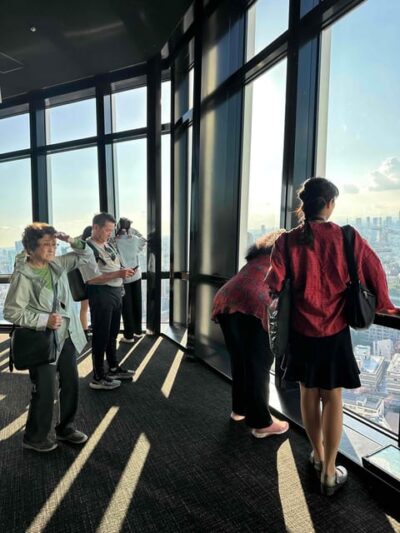
Tokyo: Imperial Palace, Sensō-ji Temple, & Tokyo Tower Tour
Read our review →
Tokyo: Meiji Shrine Walking Tour — Shinto & Imperial System
Read our review →This tour also ranks in