
Review · JAPAN
NARITA: Walking Tour, Omotesando street, Narita-san Temple
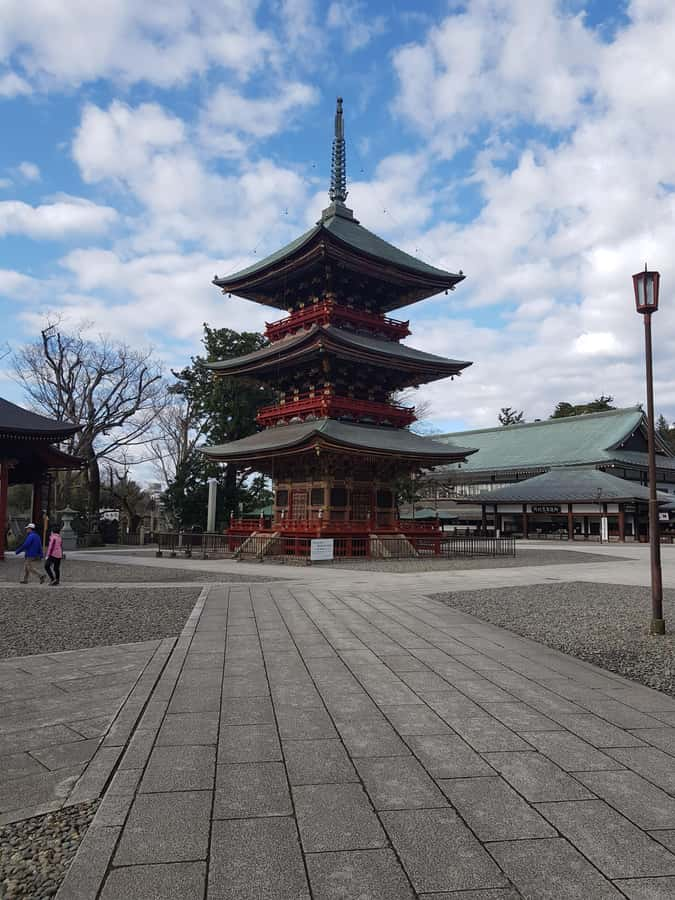
Narita’s greatest surprise is that its airport town has an old center built around Naritasan Shinshoji Temple, a Buddhist complex with more than a thousand years of continuous use. The route takes you from JR Narita Station down a traditional shopping street, into a working temple, and then into quiet gardens.
I like the easy mix of local food and culture. You can browse Omotesando’s small shops and try Narita’s famous eel before seeing a Goma Prayer Ceremony. I also like the private format, since your guide can adjust the pace and explain details you would probably miss on your own.
The main consideration is timing. The advertised duration is 150 minutes, but the listed stop times add up to about three hours, and one airport visitor returned to the station after three hours. Confirm the exact schedule when booking, especially if you are fitting this around a flight.
Key points
- Omotesando Street: Walk a traditional approach road lined with small shops, food stops, and old-style Japanese architecture.
- Naritasan Shinshoji Temple: See one of Japan’s long-running Buddhist temple sites and, when timing allows, watch the Goma Prayer Ceremony.
- Naritasan Park: Trade the busy shopping street for ponds, trees, gardens, and a quieter pace.
- Private local guiding: The tour is arranged for your own group, with English, Japanese, or Swedish guiding available.
- Useful for a layover: The walk begins and ends at JR Narita Station, though you must pay your own train fare and leave enough time for airport procedures.
Why Narita makes a good break from Tokyo
Narita is not a substitute for Tokyo’s major sights, and that is precisely its appeal. The town gives you a compact look at an older side of Japan without requiring a full day in the city.
The main route is simple. You meet outside JR Narita Station, find the guide holding a sign, and walk toward the temple along Omotesando Street. The road is the town’s natural spine, so you do not spend much of the tour figuring out transport or changing trains.
I find this kind of outing useful early in a Japan trip. You get a first look at temple etiquette, Japanese food, small-town shopping, and garden design in one manageable walk. It is also a practical choice if you are staying near Narita or have a long airport stop.
The experience is private, not a large group tour. That matters at a temple, where you may want to pause for a ceremony, ask about a statue, or spend longer in a garden. The guide can also tailor the walk to your interests, though the exact changes should be agreed on before you arrive.
More Temple Walking Tours in Japan
- Tokyo: Asakusa Walking Tour with Sensoji Temple Visit
★ 4.8 · 1,583 reviews - Kyoto Arashiyama Walking Tour: Bamboo, Monkeys, Gardens & Secrets
★ 5.0 · 1,216 reviews - Asakusa Senso-ji Temple and Old Tokyo Walking Tour
★ 5.0 · 560 reviews
Walking down Naritasan Omotesando Street
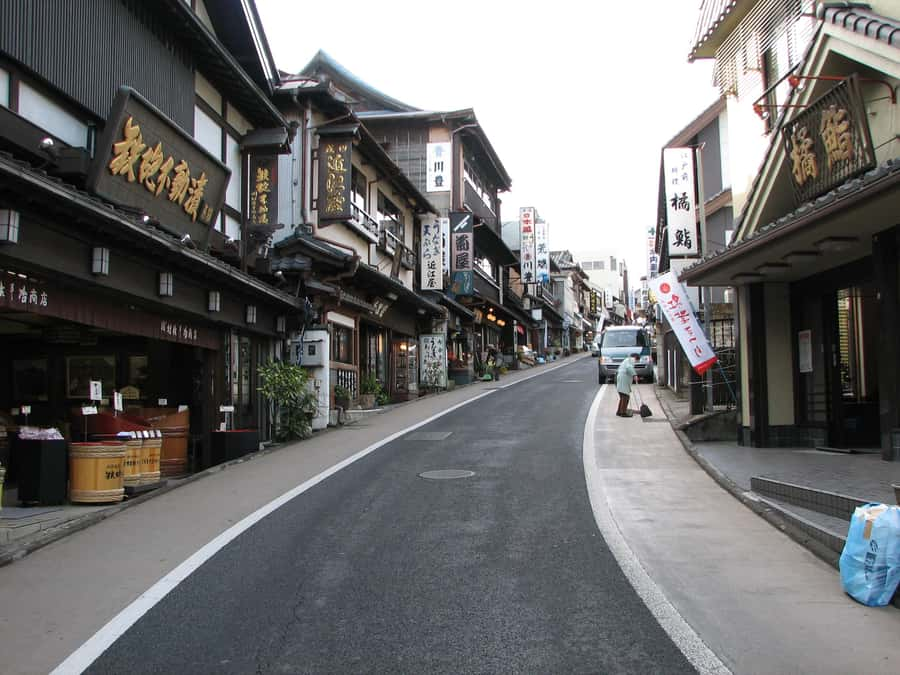
Omotesando Street is more than a path to the temple. It is part of the attraction. You walk through a traditional-looking commercial area filled with small shops, Japanese architecture, food, and souvenirs.
The route gives you time to notice the details. You might find packaged sweets, small craft items, and other local products, while the guide explains what you are seeing. The street is also a good place to ask practical questions about Japanese food and customs before entering the temple grounds.
Narita is especially associated with eel, so this is your chance to try a local specialty. Food and drinks are not included in the $46 price, which gives you control over how much you spend. If you want a full meal, budget separately. If you prefer to keep moving, you can simply sample something small or browse the shops.
I like that the food stop is built into a cultural walk rather than treated as a separate restaurant excursion. You see where local food is sold, learn what the town is known for, and decide for yourself how much time and money to spend.
The drawback is that shopping and eating can stretch the schedule. The formal tour duration is listed as 150 minutes, while the stop plan allows about an hour on Omotesando, 30 minutes at the temple, 30 minutes in the park, and another hour of free time in Narita. Ask the guide how much time is actually available on your chosen start time.
Entering Naritasan Shinshoji Temple
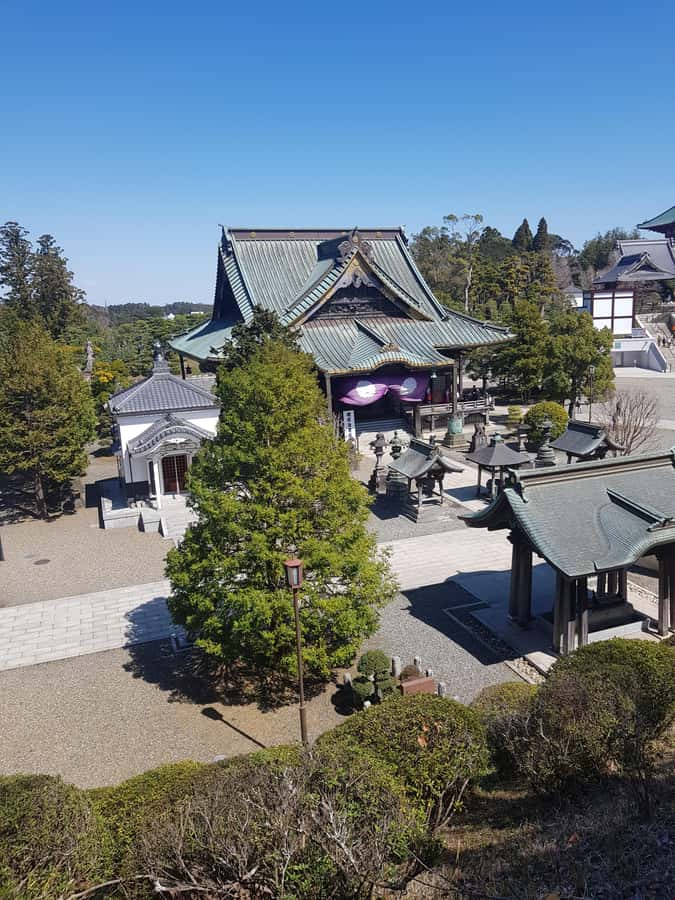
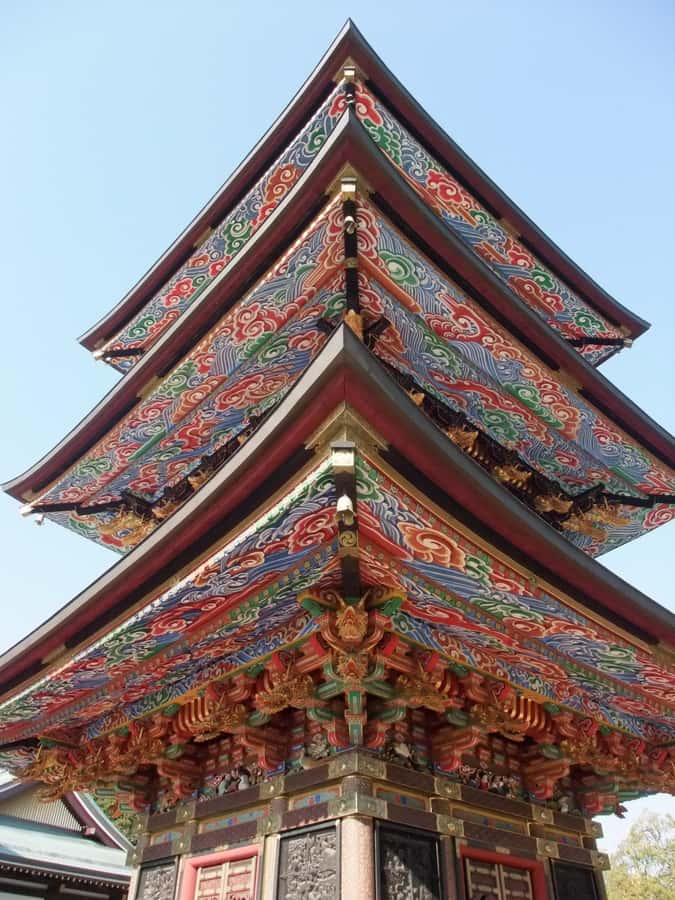
The temple is the central reason to book this walk. Naritasan Shinshoji has been in continuous use for more than 1,000 years, giving the visit a sense of time that a quick photo stop cannot provide.
Your guide introduces the temple grounds and points out what matters. That is valuable because Buddhist buildings and rituals can look unfamiliar if you are seeing them without context. You can ask about the layout, the purpose of the prayer area, and the meaning behind what is taking place.
One possible highlight is the Goma Prayer Ceremony. This is a Buddhist fire prayer service, and the tour is designed to let you watch it as part of the visit. Ceremonies follow their own schedule, so I would confirm the timing when you book rather than assume the service will occur during every departure.
The temple portion is listed as 30 minutes. That is enough for an introduction and a focused visit, but not enough for every building and corner of a large religious complex. If temple architecture is your main interest, use the private format to ask for a slower pace or request more time here.
You should also remember that this is a functioning religious site, not simply an outdoor museum. Keep your voice low, follow the guide’s instructions, and treat ceremonies as worship rather than entertainment. That small bit of care makes the visit more respectful and more rewarding.
Finding calm in Naritasan Park
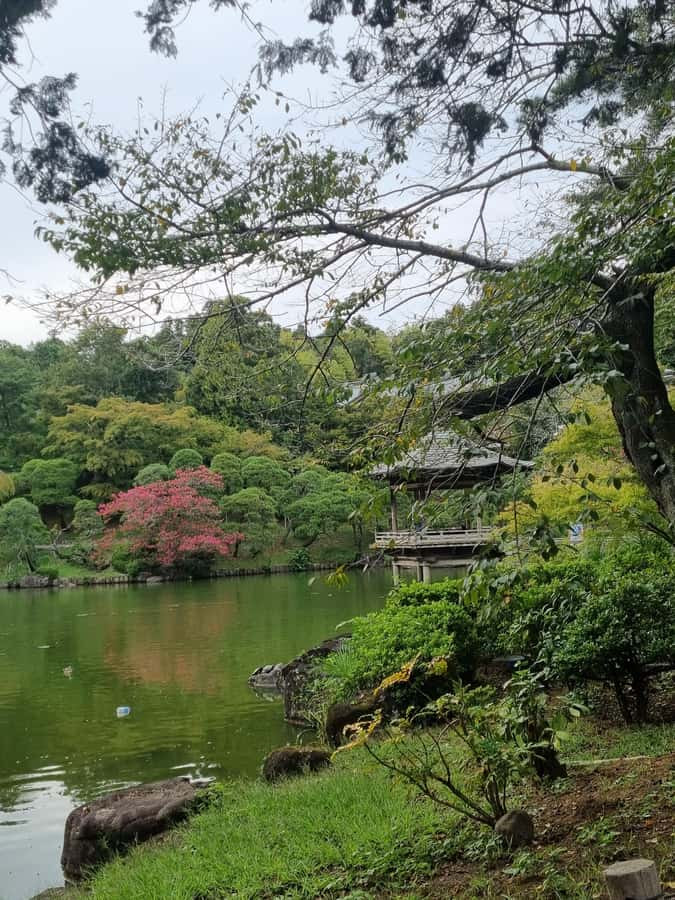
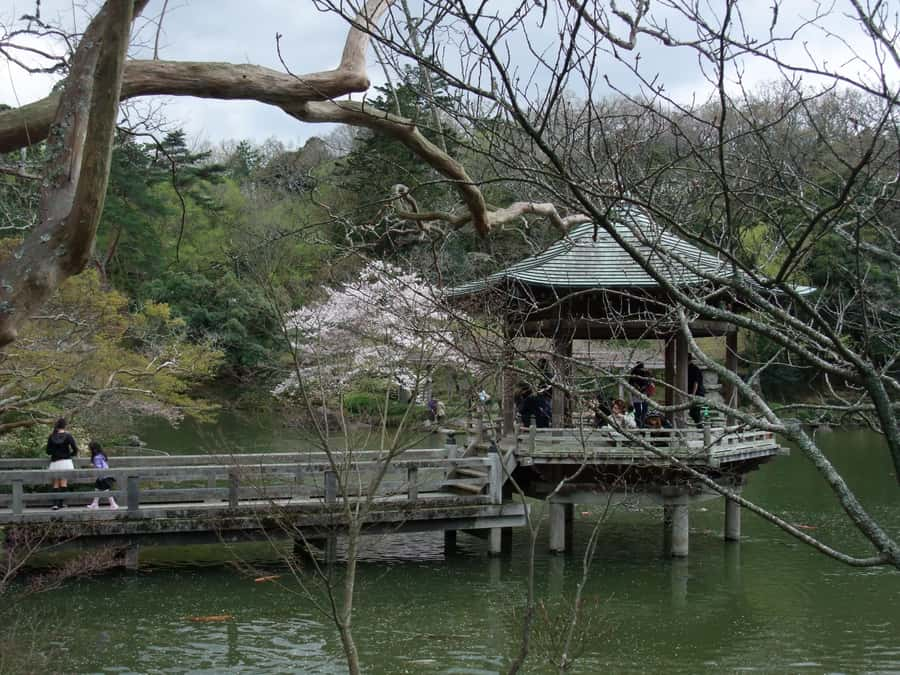
After the street and temple, Naritasan Park changes the mood. The walk moves into a quieter outdoor setting with garden scenery and places to slow down.
The park is listed as a 30-minute stop. Your guide can point out garden features and help you notice the relationship between the paths, water, plants, and temple grounds. One airport visitor particularly valued having the garden features explained instead of simply walking through without context.
I like this part because it gives the tour breathing room. Omotesando is about food, shops, and street life. The temple is about ritual and architecture. The park adds nature and silence, making the experience feel more balanced.
Do not expect a long country walk. This is a short guided visit within a town tour, not a hiking trip. If you want a leisurely garden stay, ask for more time during the private booking. The guide can tailor the outing, but the total time still needs to match your schedule.
Same sacred ground, another way to see it:
- Kyoto: Tea Ceremony Ju-An at Jotokuji Temple
★ 4.9 · 3,207 reviews - Tokyo:Mt.Fuji,Kawaguchiko Oishi Park,Arakurayama Sengen Park
★ 4.4 · 2,682 reviews - Osaka/Kyoto:Kinkakuji,Arashiyama,FushimiInariShrine,NaraPark
★ 4.1 · 1,596 reviews - Nikko: Kegon Falls, Lake Chuzenji & Toshogu Temple
★ 4.6 · 1,577 reviews
What the private format adds
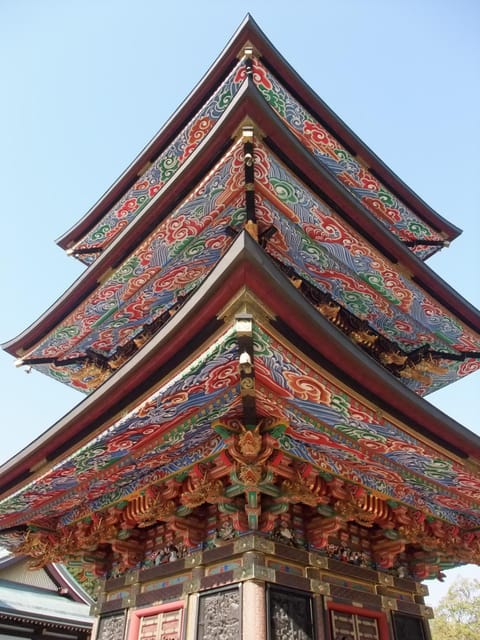
A private guide changes the character of this experience. You are not waiting for a large group to take photos or listening to a fixed script that cannot respond to your questions.
The available guide languages are English, Japanese, and Swedish. The experience is led by a local person, and Yama and Sara have guided this route together. Their role is especially useful for explaining temple details, helping with the practical flow of the walk, and giving you a hand if a small problem comes up.
That last point matters for airport visitors. One person arriving from Narita Airport was delayed by immigration and the train, then needed help storing a backpack at the station. Yama helped with the locker and later helped retrieve it. This is not a promised extra service, but it shows why a local meeting partner can be useful when a layover does not go exactly to plan.
The tour can also be customized. You might ask to spend more time at the temple, give extra attention to food, or adjust the balance between shopping and the park. Ask before booking so the guide can tell you what is practical.
The tradeoff is price. At $46 per person, this costs more than simply walking from Narita Station to the temple on your own. You are paying for a private English-speaking local, explanations, and flexibility. For one person, a couple, or a small group that values personal attention, the cost is reasonable. If you only want to see the main gate and take a few photos, self-guiding will be cheaper.
Using the tour during a Narita layover
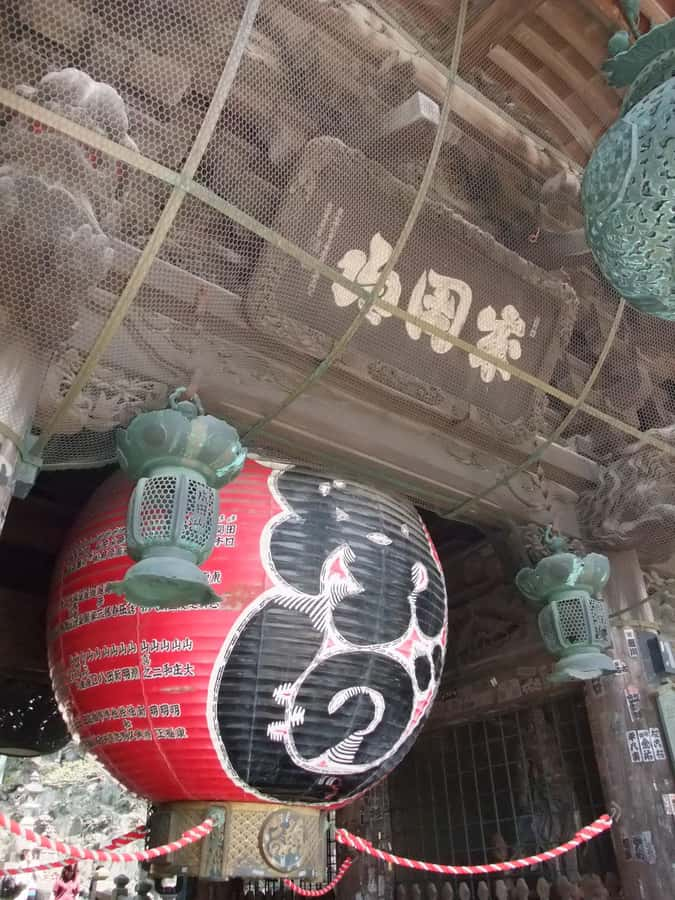
The station meeting point makes this route workable for an airport stop, but you need to be strict with your clock. The tour starts and ends at JR Narita Station, not at the airport terminal. Train or bus fares are not included, and you must allow time for immigration, luggage arrangements, the ride to Narita, and the return journey.
A ten-hour layover can provide enough room in some circumstances, as one person used the tour during such a stop. Still, that is not a guarantee for every flight or immigration queue. I would avoid booking the tightest possible connection and would confirm the planned meeting and return time with the guide.
The station is also useful if you have luggage. The tour does not include luggage storage, but lockers may be available at the station. If you are carrying a backpack, ask before setting off rather than discovering the problem halfway down Omotesando.
The tour returns you to JR Narita Station, which keeps the ending simple. You can then continue to the airport, return to your hotel, or spend extra time in town if your schedule allows. The exact plan depends on your booking and the guide’s agreed timing.
Price, timing, and what you actually receive
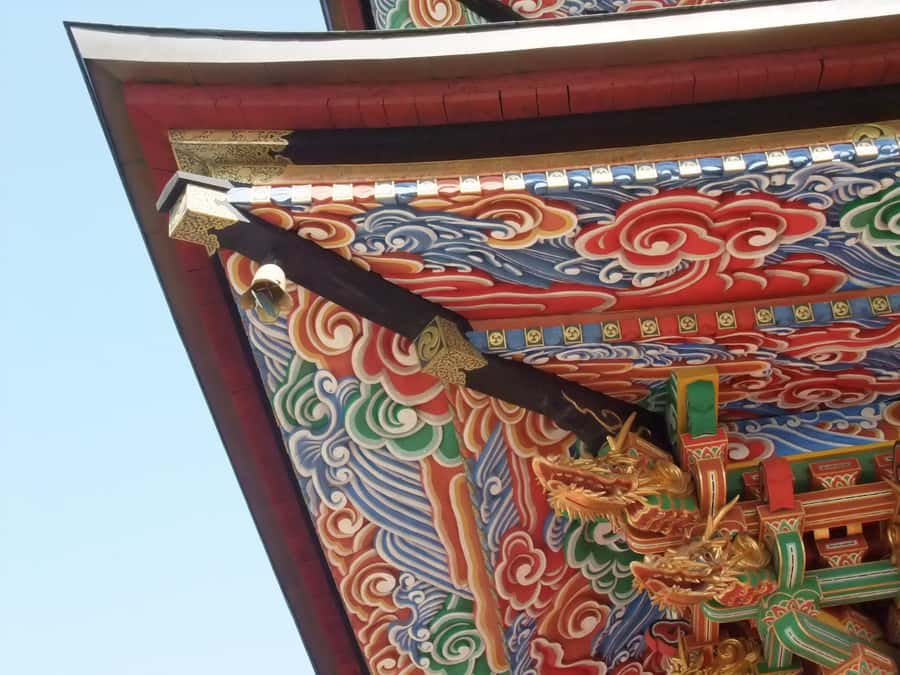
The listed price is $46 per person. It includes an English-speaking local guide and a customized private tour. It does not include food, drinks, trains, or buses.
The value depends on how you travel. A solo visitor who wants help with temple customs, food choices, and local orientation may find the price worthwhile. A couple or family can share the private experience, making the per-person cost easier to justify. A confident independent walker may prefer to save the money and explore Omotesando and the temple alone.
The duration is advertised as 150 minutes. At the same time, the detailed schedule gives one hour for Omotesando, 30 minutes for Shinshoji Temple, 30 minutes for Naritasan Park, and one hour of free time in Narita. Since those blocks do not match the headline duration, get a clear start and finish time before paying.
You can cancel up to 24 hours before the tour for a full refund. The reserve now and pay later option also helps if your Japan plans are still shifting. These terms are useful for a flight-based itinerary, where delays can affect a carefully planned day.
Who will enjoy this Narita walking tour
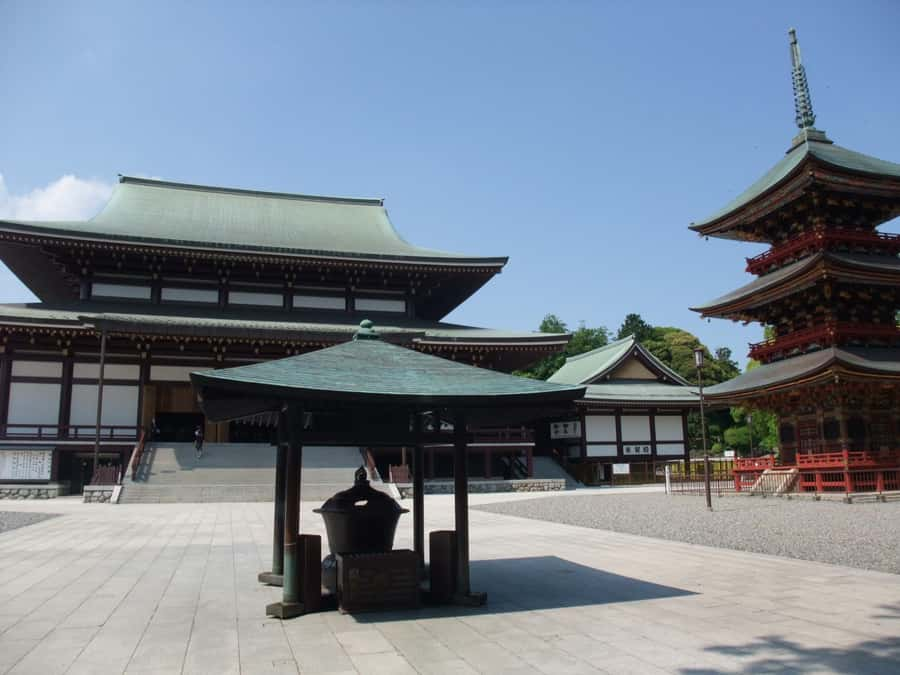
I would recommend this experience to you if you want a gentle introduction to Japanese Buddhist culture without committing to a full day. It suits first-time visitors, people staying near Narita, and anyone who prefers having a local explain what they are seeing.
It is also a good fit for a short airport stop, provided you build in a generous buffer. The station-based route is easier to manage than a distant city excursion, and the return to JR Narita Station keeps the transport plan clear.
Families and small groups may appreciate the private setup. You can move at your own pace, stop for food, and ask questions without worrying about holding up strangers. The walk is also a reasonable option for anyone who enjoys gardens, temples, and traditional shopping streets more than major modern attractions.
I would hesitate if your priority is a long temple study, an extensive food tour, or a major Tokyo sightseeing day. The temple visit is brief, the food costs extra, and the timing needs clarification. This is a compact cultural walk, not an all-day tour of the region.
Should you book it?
Book this tour if you want temple ceremony, local food, and a quiet garden in one private outing. The strongest feature is the mix: Omotesando gives you everyday town life, Shinshoji provides the spiritual focus, and Naritasan Park slows things down.
The private guide is worth the price when you want context or need help handling a layover. I would confirm the actual duration, ask whether a Goma Prayer Ceremony falls within your time, and discuss any special requests before booking.
Skip it if you only want the lowest-cost route to the temple or if your flight schedule leaves no room for delays. For everyone else, this is a practical way to see a less hurried side of Japan close to Narita Airport.
FAQ
Where does the tour meet?
You meet outside JR Narita Station. The guide will hold a sign. The listed meeting point coordinates are 35.7779156, 140.3140825.
How long does the tour last?
The advertised duration is 150 minutes. The detailed schedule includes one hour on Omotesando Street, 30 minutes at Shinshoji Temple, 30 minutes in Naritasan Park, and one hour of free time in Narita, so confirm the exact timing when booking.
What is included in the price?
The $46 per person price includes an English-speaking local guide and a customized private tour.
Are food and drinks included?
No. Food and drinks are separate. You can buy local items along Omotesando Street, including eel, a specialty associated with Narita.
Are train and bus fares included?
No. You pay your own train or bus fees.
Which languages are available?
Guiding is available in English, Japanese, and Swedish.
Is this a private tour?
Yes. It is arranged for a private group rather than a shared group, and the route can be tailored to your requirements.
Can I watch a Goma Prayer Ceremony?
The tour includes the opportunity to watch a Goma Prayer Ceremony at Naritasan Shinshoji Temple. Ask about ceremony timing when booking so it matches your visit.
What is the cancellation policy?
You can cancel up to 24 hours in advance for a full refund. You can also reserve now and pay later.
Temple visits we reviewed lately in Japan
- From Asakusa: Old Tokyo, Temples, Gardens and Pop Culture★ 4.6 · 15 reviews
- Tokyo: Nagano Snow Monkeys and Zenkoji Tour with Temples★ 4.9 · 19 reviews
- Kamakura: Great Buddha, Hase Temple, & Komachi Street Tour★ 5.0 · 11 reviews
- Osaka Temple Head Spa &Matcha Facial – Refresh & Glow〈90min〉★ 5.0 · 24 reviews
- Osaka Temple :Warm Bamboo Oil Massage – Deep Restore〈60min〉★ 4.9 · 19 reviews
- Osaka: Temple Tour and Traditional Calligraphy Lesson★ 4.9 · 24 reviews
- Osaka: Mind & Spirit Balance Temple Reiki Healing★ 5.0 · 41 reviews
- Osaka: Sumiyoshi, Osaka’s Most Iconic Shrine – Private Tour★ 4.7 · 4 reviews
Japan Temple Tours, compared.
Osaka/Kyoto:Kinkakuji,Arashiyama,FushimiInariShrine,NaraPark
Read our review →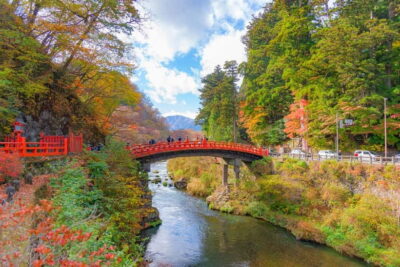
Nikko: Kegon Falls, Lake Chuzenji & Toshogu Temple
Read our review →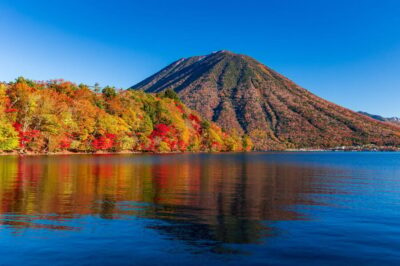
Tokyo: Nikko Toshogu Shrine and Kegon Waterfall Tour
Read our review →
Tokyo Panoramic 1 Day: Meiji Shrine, Asakusa, Odaiba and SKYTREE®
Read our review →
Kyoto Arashiyama Walking Tour: Bamboo, Monkeys, Gardens & Secrets
Read our review →
1-Day Snow Monkeys, Zenko-ji Temple & Sake in Nagano
Read our review →
Arashiyama Bamboo, Temple, Monkeys, or Secret Sake Brewery
Read our review →This tour also ranks in