
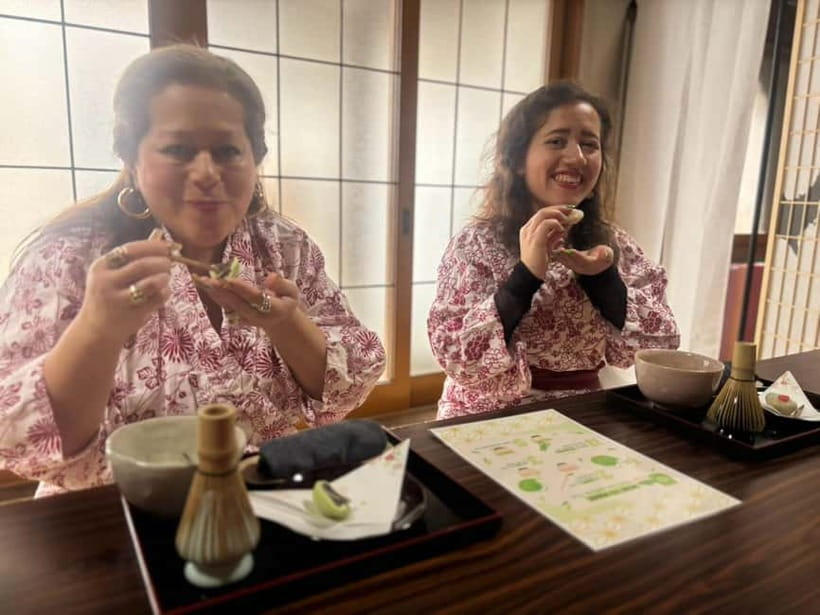
Review · OSAKA
Osaka: Mind & Spirit Balance Temple Reiki Healing
A temple visit in Osaka usually means a quick look, a photo, and a move on to the next sight. This two-hour wellness session asks you to slow down. You change into a yukata, offer incense, meditate with a bell and kneaded incense, then settle into foot care, oil massage, Reiki, and tea.
I like the mix of Japanese customs and hands-on relaxation. The temple setting gives the massage more character than a standard spa room, while the tea ceremony adds real cultural value. I also like the small group limit of three and the complimentary smartphone photos. The main consideration is privacy: treatments are individual, but the tea ceremony may include other people.
- Temple ritual first: Begin with incense, a bell meditation, and an explanation of Japanese worship culture.
- Yukata included: Change into traditional clothing before your temple and tea experiences.
- Several forms of care: The session combines a foot bath, scrub massage, full-body oil massage, and non-contact Reiki.
- Tea with context: Learn about the history and customs of Japanese tea while enjoying wagashi sweets.
- Personal guidance: Arisa and Naomi are named among the staff who lead treatments and welcome visitors.
- Small but not always private: Up to three people join the experience, and the tea portion may be shared.
A Temple Visit That Slows Osaka Down
This experience takes place at a small temple in the middle of Osaka. That contrast matters. Outside, you have the city’s noise and rush. Inside, the program moves at a gentler pace, with incense, quiet sitting, body treatment, and tea.
You are not simply booking a massage with a Japanese decoration added on. The temple visit is part of the activity, and you receive an introduction to the temple’s history and Japanese worship culture. That makes the first part useful for anyone who wants more context around what they are doing.
The setting also helps this work well near the end of a Japan trip. One visitor used it as a final activity after three weeks in the country. I can see why. It gives you a quiet pause before a long train ride or flight, without asking you to spend a full day away from Osaka.
The whole session lasts 120 minutes. That is long enough for several distinct parts, but not so long that it takes over your day. You can fit it between sightseeing plans, though I would avoid scheduling a major attraction immediately afterward if you want to keep the calm mood.
Changing Into a Yukata
You begin with a welcome drink and change into a yukata. This simple step sets the tone. A yukata is lighter and more casual than a formal kimono, so it suits a short cultural activity and lets you move comfortably during the treatment.
The clothing also makes the temple and tea portions feel more connected. You are not just arriving in ordinary sightseeing clothes, taking a quick look around, then returning to the street. The change marks a shift from city sightseeing to a slower Japanese-style ritual.
The complimentary smartphone photos are a practical extra. You receive a keepsake of yourself in the temple setting without needing to arrange a separate photo session. Do not expect a formal studio shoot based on the information available. Think of these as simple phone photos that record the experience.
More Temple Tours around Osaka:
- Osaka: Minoh, Katsuoji Temple, & Minoh Falls Full-day Tour
★ 4.9 · 172 reviews - Full Day Kyoto Tour : Bamboo Forest, Golden Temple, Fushimi Inari
★ 5.0 · 84 reviews - Osaka Temple Cool Foot Bath & Matcha Experience〈45min〉
★ 4.9 · 82 reviews
Incense, Bell, and Temple Etiquette
After changing, you visit the temple and make an incense offering. The guide explains the temple’s background and basic Japanese worship culture, so you do not have to guess what to do or copy people without understanding the gesture.
You also use a bell and kneaded incense during meditation. These details give the opening a clear purpose. Rather than rushing straight into a massage, the session begins by settling your attention.
I especially like this part for first-time visitors to Japan. Temple customs can feel easy to miss when you are moving quickly through a major sightseeing stop. Here, the guide can explain the action in the moment, and the smaller setting should make it easier to ask a question.
The temple visit is cultural, but this is not presented as a religious class. You are introduced to worship customs and invited to take part respectfully. Keep your expectations in that range. The value comes from learning how the ritual fits into Japanese life, not from receiving an academic lecture.
Foot Bath and Scrub Massage
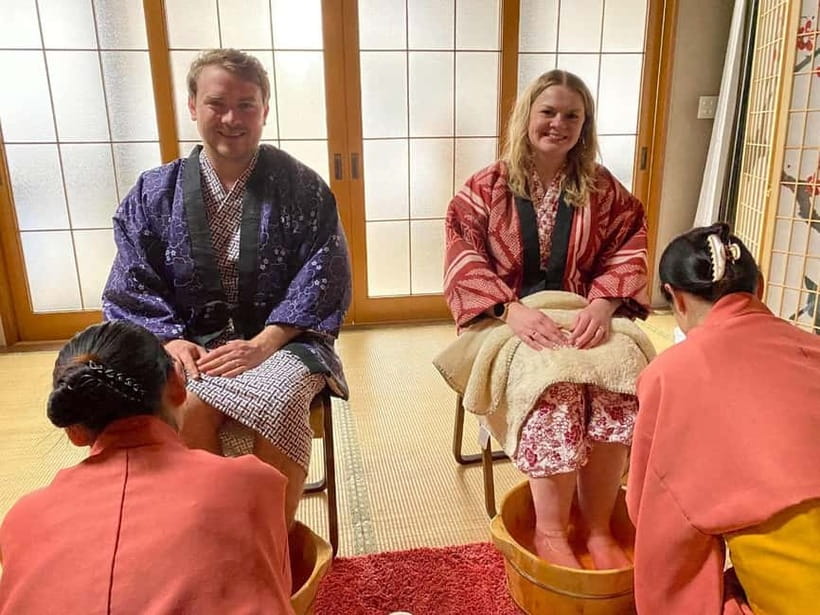
The foot bath follows the temple introduction. This is a welcome transition from standing and walking around Osaka. A warm foot treatment can help you settle before the longer massage and Reiki portion.
The program includes a foot bath and scrub massage. That gives the session a more complete feel than a short foot soak alone. One description of the flow places foot care before the body treatment and tea, though the guide may direct the exact order on the day.
This is also a practical choice for a sightseeing day. Osaka involves plenty of time on your feet, and the foot bath speaks directly to that problem. Still, the treatment is not described as a medical service, so you should view it as comfort and relaxation rather than care for an injury or health condition.
Full-Body Oil Massage With Essential Oils
The full-body oil massage is the main physical treatment. Essential oils add scent and a spa-like element, while the temple setting keeps the experience tied to Japanese wellness and ritual.
The session is described as individual treatment, which is important if you are booking with a friend or family member. You can expect personal attention rather than a group massage format. The names Arisa and Naomi are associated with the staff, and specific visitors singled out Arisa’s professional, caring approach. Naomi also helped create a warm experience for a parent and son.
The available details do not give a precise minute-by-minute breakdown of the massage. That is worth knowing before you book. The advertised 120 minutes covers the entire program, including the welcome, changing, temple visit, meditation, foot bath, Reiki, tea, and photos. It does not mean two full hours on the massage table.
If your main goal is a long, powerful massage, compare this with a dedicated massage clinic before booking. Here, the appeal is the combination of bodywork, temple customs, Reiki, and tea. Several people described the massage as especially strong and relaxing, but individual pressure preferences can vary. Tell the therapist what feels comfortable.
Same sacred ground, another way to see it:
- Kyoto: Full-Day English Guided Tour of Kyoto’s Highlights
★ 4.5 · 656 reviews - Osaka: Minoh Waterfall & Katsuo-ji Temple Half-Day Tour
★ 4.7 · 27 reviews - Osaka Temple Head Spa &Matcha Facial – Refresh & Glow〈90min〉
★ 5.0 · 24 reviews - Osaka: Temple Tour and Traditional Calligraphy Lesson
★ 4.9 · 24 reviews
Reiki as a Quiet, Non-Contact Practice
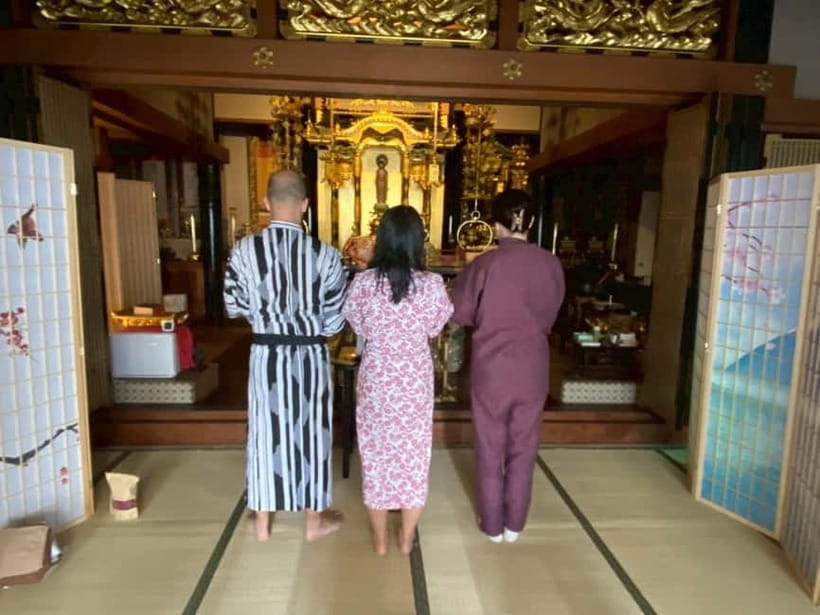
Reiki is described here as a Japanese, non-contact energy healing method. The stated aim is deep relaxation and emotional balance. Since there is no physical contact during Reiki, it offers a different pause after the oil massage.
I would approach this part with an open but sensible mind. Some people connect strongly with the quiet focus and the feeling of being cared for. Others may prefer treatments with a clear physical technique. The activity presents Reiki as a way to relax and restore a sense of balance, not as a replacement for medical treatment.
That distinction helps set fair expectations. You do not need to accept a particular belief system to sit quietly and take part. If you like guided relaxation, temple atmosphere, and time away from screens, Reiki may be the most peaceful part of the session. If you want only physical massage, it may feel less familiar.
The combination is one of the stronger ideas in the program. The oil massage works on the body through touch, while Reiki gives you a non-contact period of stillness. Together, they make this more than a standard spa appointment.
Matcha, Wagashi, and a Shared Tea Ceremony
The traditional tea ceremony closes the experience. You receive matcha and Japanese wagashi, or traditional sweets, while the guide explains the ceremony’s cultural and historical background.
This part gives the session a clear ending. After lying down for treatment, you sit up and take in a small piece of Japanese food culture. The wagashi are not just a snack. Their shape, texture, and sweetness are meant to work with the strong, slightly bitter taste of matcha.
The tea ceremony may be shared with other people, even though your treatment is individual. This is the most important privacy detail in the booking. The group limit is three, but the tea portion is not guaranteed to be one-on-one.
For many visitors, that is not a problem. A shared tea ceremony can feel more natural and gives the activity a social finish. If you want complete privacy for a special occasion, contact the provider before booking and ask about a private arrangement.
The cultural explanation is valuable because it keeps the tea from becoming a quick photo opportunity. You learn why the ceremony is done in a certain way and how it fits into Japanese traditions. The program does not provide a full formal tea school lesson, so expect a welcoming introduction rather than advanced instruction.
What the Small Group Size Really Means
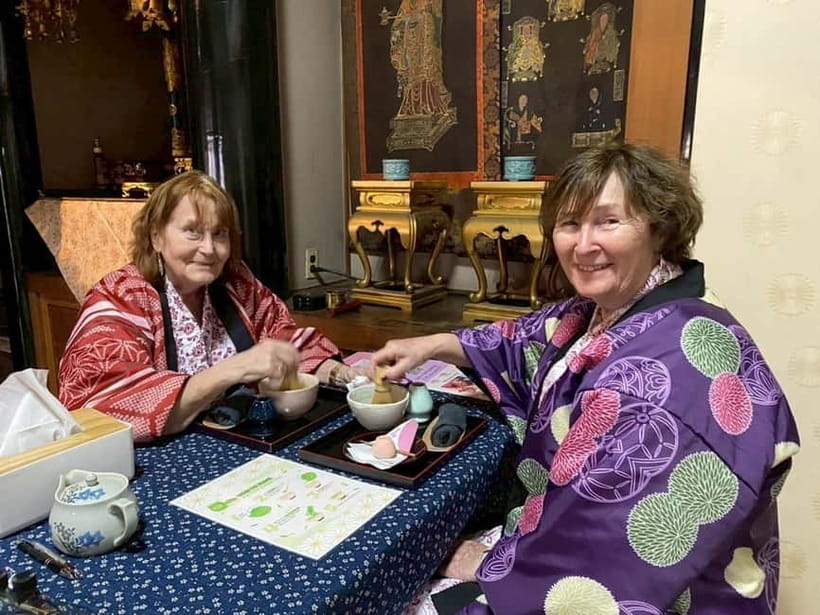
The group is limited to three participants. That is small enough for the guide to keep the session personal and explain the rituals without speaking to a crowd.
The limit also matters during the quieter parts. A bell meditation or temple offering feels different with three people than with a large tour group. You have more room to focus and a better chance to ask for help with customs.
Still, small group does not mean private. The individual treatments are separate, while tea may be shared. I would describe this as a personal wellness appointment within a small cultural group, not as a fully private retreat.
That distinction is especially important for couples, families, and friends. You may book together, but the treatments can be individual. One family booking included a mother and daughter, while another involved a mother and son. The format works for shared time, even if each person receives treatment separately.
Price, Timing, and Overall Value
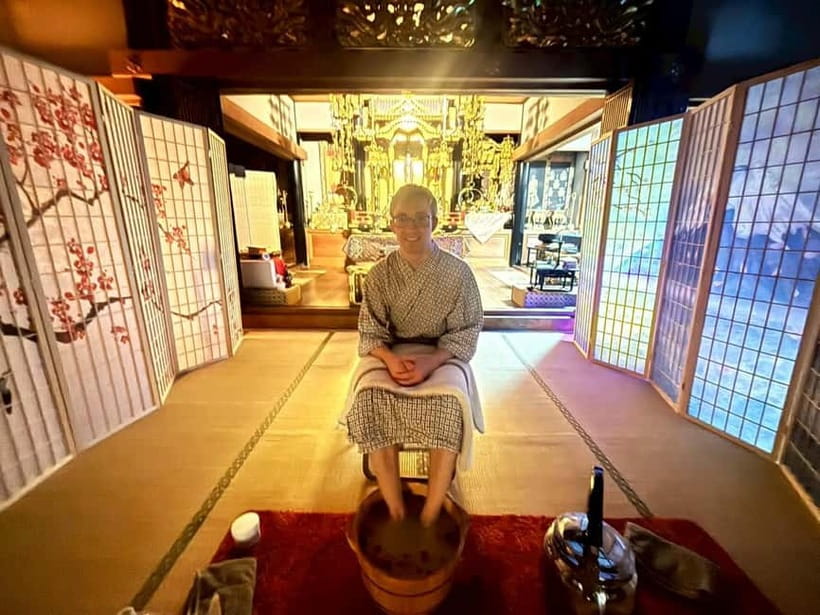
The price is $161 per person for two hours. That is not a cheap massage, but the comparison should not be made against a basic body treatment alone.
Your fee covers a foot bath and scrub, full-body oil massage, Reiki, a welcome drink, yukata use, temple instruction, incense, meditation, a tea ceremony with wagashi, and smartphone photos. You are paying for a package that combines wellness and cultural activities in one place.
I see the best value for someone who would otherwise book both a massage and a separate tea or cultural experience. The temple setting and the guide’s explanations give the activity more substance than a spa treatment with a short tea sample.
The value is weaker if you want one thing only. A person seeking a long massage may find that the two hours are divided among many parts. Likewise, someone mainly interested in a formal tea ceremony may prefer a dedicated tea experience with more time spent on tea practice.
The high rating of 5.0 from 41 reviews supports the idea that the full combination works well for many people. The strongest praise focuses on the massage, the caring staff, the peaceful temple atmosphere, and the sense of leaving refreshed. Those are the parts I would use to judge whether this suits you.
Finding the Correct Meeting Point in Osaka
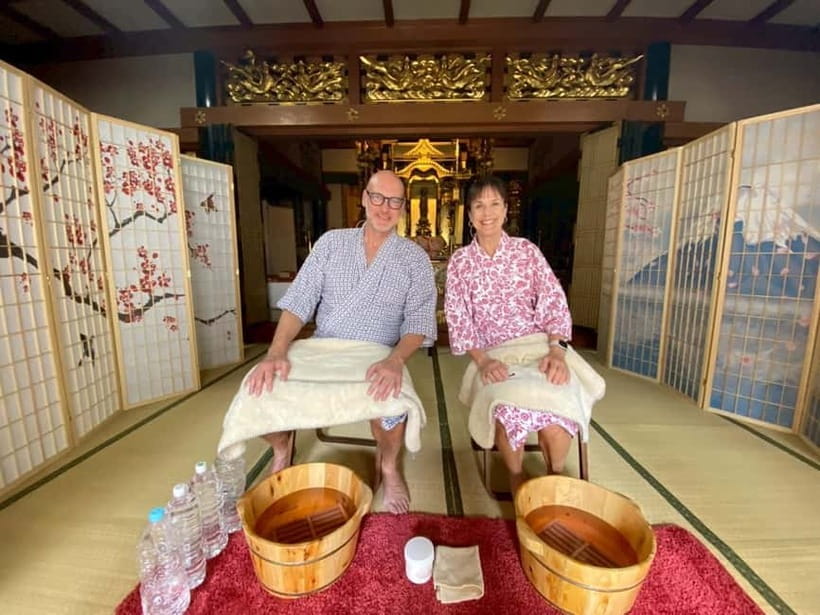
Take the meeting point instructions seriously. When using Google Maps, enter Japanese Massage -the one&only- rather than the temple’s name.
Searching only for the temple can lead you to the back entrance, where it may be difficult to find the correct place. A second useful landmark is the restaurant Tossa de coracao. The meeting point is right next to it.
This is exactly the kind of small detail that can save time and stress. Arrive with the correct map search already loaded, especially if you are coming from another part of Osaka. The provider is listed as japanese massage 唯一無二 -the one&only-.
The activity includes a live guide, but the available information does not specify a single guaranteed guide for every booking. Arisa and Naomi are named among the staff. If meeting a particular person matters to you, ask when you book rather than assuming.
Free cancellation is available up to 24 hours in advance for a full refund. You can also reserve now and pay later, which helps if your Osaka schedule is still changing.
Who Will Enjoy This Most
I would choose this experience for someone who wants a gentle cultural activity with real relaxation built in. It suits a first visit to Osaka, a final day in Japan, or a break from crowded city sightseeing.
It is particularly fitting for:
- You want to experience a temple without rushing through it.
- You enjoy massage but also want Japanese customs and food culture.
- You like quiet activities and do not need an intense sightseeing schedule.
- You are traveling with a partner, friend, or family member and are comfortable with separate treatments.
- You want a yukata photo without arranging a full costume rental session.
- You appreciate a small group but do not require complete privacy.
I would think twice if you dislike oils, prefer a large spa with many treatment choices, or want a completely private tea ceremony. I would also look elsewhere if your priority is a medical massage or a treatment with a strictly defined massage length.
Should You Book the Osaka Temple Reiki Experience?
Book it if you want your wellness time to include culture. The best feature is the sequence: temple customs and incense, meditation, foot care, oil massage, non-contact Reiki, then tea and wagashi. Each part is modest on its own, but together they create a well-shaped two-hour break from Osaka’s busy streets.
The strongest reasons to book are the peaceful temple setting, the individual treatments, the personal guidance from staff such as Arisa and Naomi, and the chance to leave with a yukata photo. The main warning is that the tea ceremony may be shared, and the advertised time includes much more than massage.
At $161, it is best for someone who values the whole package rather than just bodywork. If that sounds like you, this is a thoughtful way to add calm, custom, and a little ceremony to an Osaka itinerary.
FAQ
How long does the experience last?
The experience lasts 120 minutes, or two hours.
What is included in the Reiki session?
The activity includes a Reiki healing session. Reiki is described as a non-contact Japanese energy healing method intended to promote relaxation and emotional balance.
Is the massage private?
The treatments are individual. However, the tea ceremony may be shared with other people.
How many people can join the activity?
The group is limited to three participants.
Is a tea ceremony included?
Yes. The experience includes a traditional Japanese tea ceremony with matcha, wagashi sweets, and cultural and historical explanation.
What should I search for on Google Maps?
Search for Japanese Massage -the one&only-. Searching for the temple name may take you to the back entrance. The restaurant Tossa de coracao is another landmark, as the meeting point is next to it.
Are yukata and photos included?
Yes. You change into a yukata, and complimentary smartphone photos are provided as a keepsake.
Can I cancel for a full refund?
Yes. You can cancel up to 24 hours in advance for a full refund. You can also reserve now and pay later.
Temple visits we reviewed lately in Osaka
- Osaka Temple Head Spa &Matcha Facial – Refresh & Glow〈90min〉★ 5.0 · 24 reviews
- Osaka Temple :Warm Bamboo Oil Massage – Deep Restore〈60min〉★ 4.9 · 19 reviews
- Osaka: Temple Tour and Traditional Calligraphy Lesson★ 4.9 · 24 reviews
- Osaka: Sumiyoshi, Osaka’s Most Iconic Shrine – Private Tour★ 4.7 · 4 reviews
- Osaka Temple :Warm Bamboo Oil Massage – Deep Restore〈90min〉★ 5.0 · 14 reviews
- Osaka: Private Tour of Shitennoji, Osaka’s Oldest Temple★ 4.5 · 6 reviews
- Osaka Morning Tour: Shitennoji Temple, Shinsekai &Doutonbori★ 5.0 · 23 reviews
- Osaka: Japanese Zen Massage and Facial at the Temple/180-min★ 4.8 · 10 reviews
Osaka Temple Tours, compared.
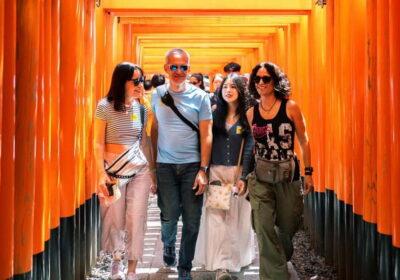
Kyoto: Full-Day English Guided Tour of Kyoto’s Highlights
Read our review →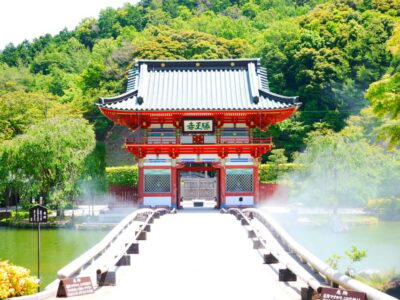
Osaka: Minoh, Katsuoji Temple, & Minoh Falls Full-day Tour
Read our review →Full Day Kyoto Tour : Bamboo Forest, Golden Temple, Fushimi Inari
Read our review →
Osaka Temple Cool Foot Bath & Matcha Experience〈45min〉
Read our review →
Osaka: Minoh Waterfall & Katsuo-ji Temple Half-Day Tour
Read our review →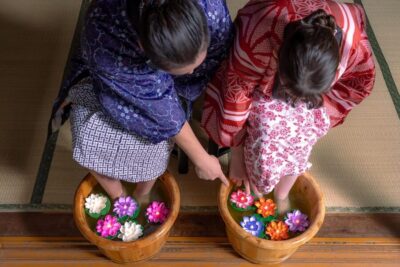
Osaka Temple Head Spa &Matcha Facial – Refresh & Glow〈90min〉
Read our review →
Osaka: Temple Tour and Traditional Calligraphy Lesson
Read our review →
Osaka Morning Tour: Shitennoji Temple, Shinsekai &Doutonbori
Read our review →This tour also ranks in