
Review · NAGANO
Togakushi & Best of Nagano: Snow Monkeys, Obuse and more
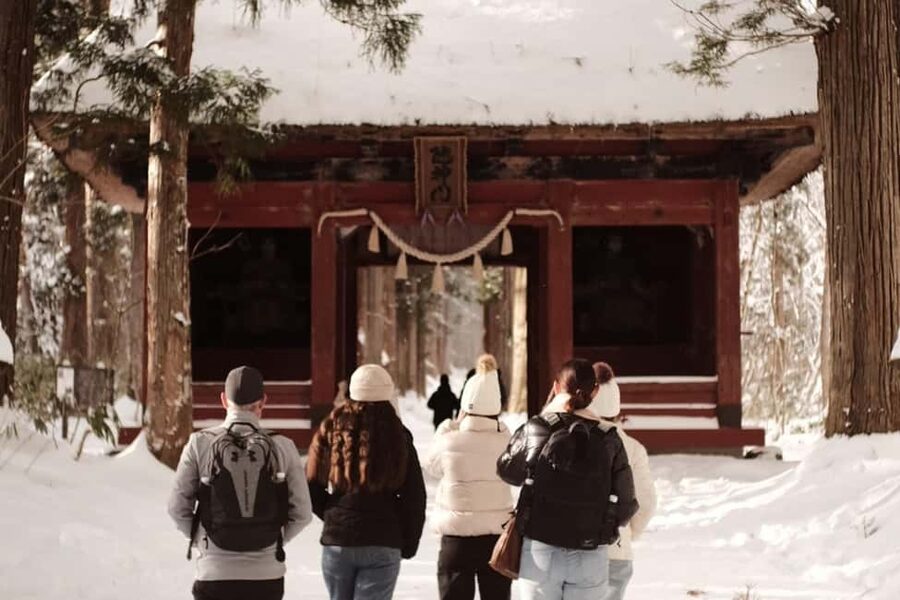
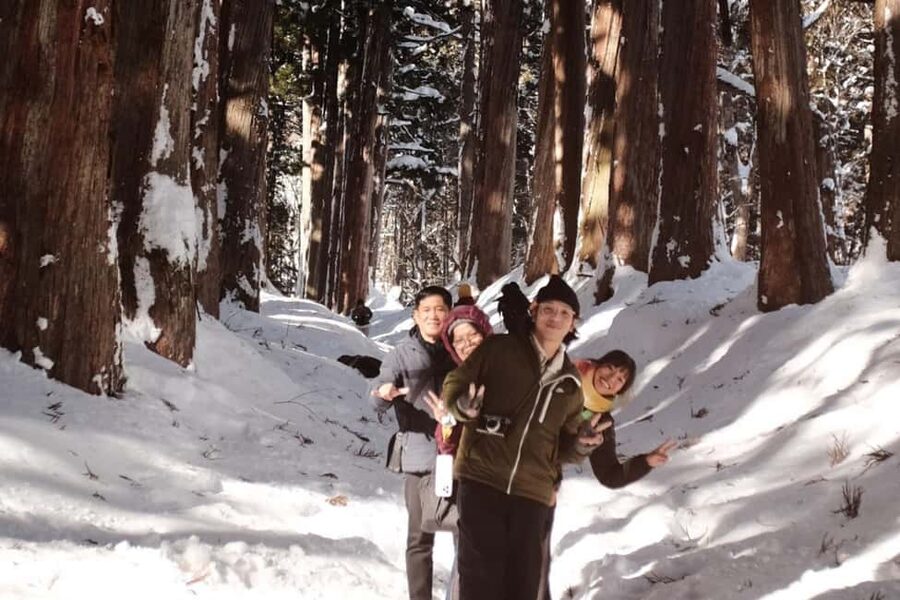
Togakushi’s ancient cedar avenue is the star here: a two-kilometer approach through more than 200 towering trees, leading toward a mountain shrine far from Nagano’s city streets. I like the private car, which frees you from infrequent mountain buses, and the chance to build the day around your interests. A guide such as Dai or Kazuki can also help with a local soba order, a small but useful touch.
I also like the door-to-door flexibility. You can start at your hotel and finish at Nagano Station, Zenkoji, or another listed area, with luggage left in the vehicle. The main caution is the timing: the advertised duration varies from five hours to 510 minutes, and the many possible stops cannot all fit into one short outing. Confirm your exact route before booking.
Key points at a glance
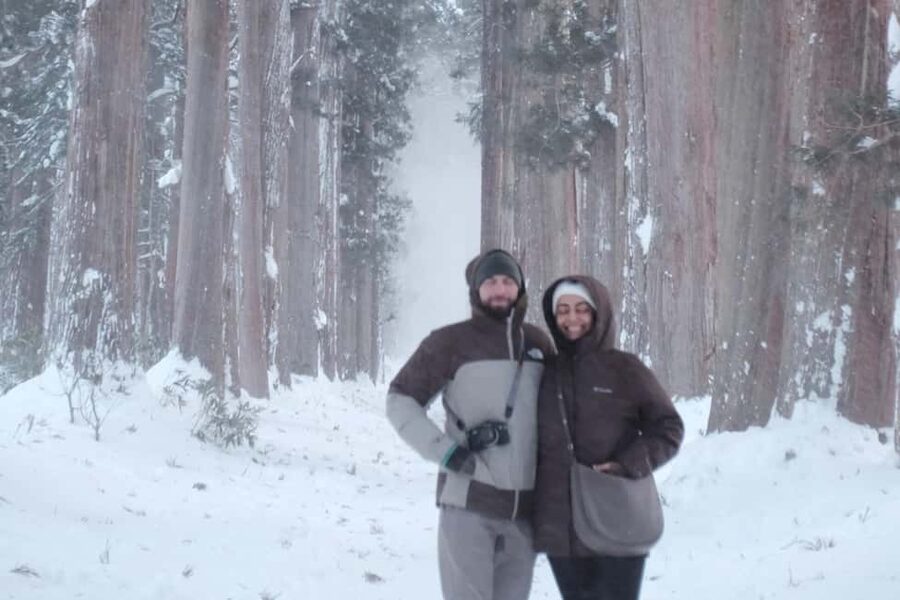
- Walk beneath 400-year-old cedars: The Togakushi approach is the most memorable part of the outing, especially in snow.
- Choose your second stop: Pair Togakushi with Jigokudani Monkey Park, Zenkoji, Obuse, Shibu Onsen, Garyu Park, or April cherry blossoms.
- Ride in a private vehicle: Hotel pickup, station drop-off, and luggage storage turn transport into sightseeing time.
- Eat Togakushi soba: Expect the local bocchi-mori serving style and help with ordering at a family-run restaurant.
- Bring proper winter gear: Warm shoes and clothing matter on the mountain, where snow can change the feel of the day.
- Ask about the photo gift: The guide takes family photos in the forest, though delivery should be confirmed in advance.
Why Togakushi makes a strong Nagano day trip
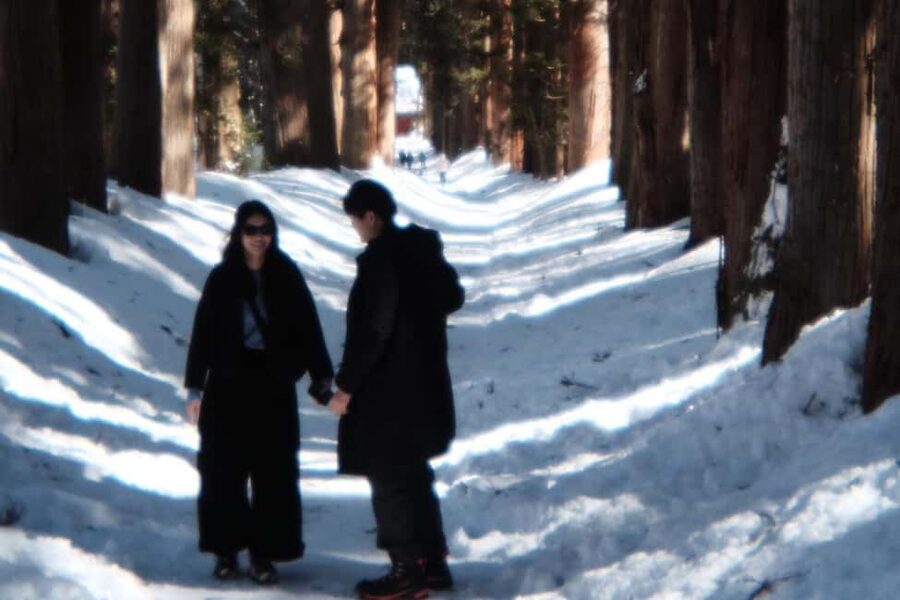
Nagano is best known for Zenkoji and winter monkeys, but Togakushi gives you something quieter. The area links mountain scenery, shrine traditions, ninja lore, and a famous noodle culture in one compact visit.
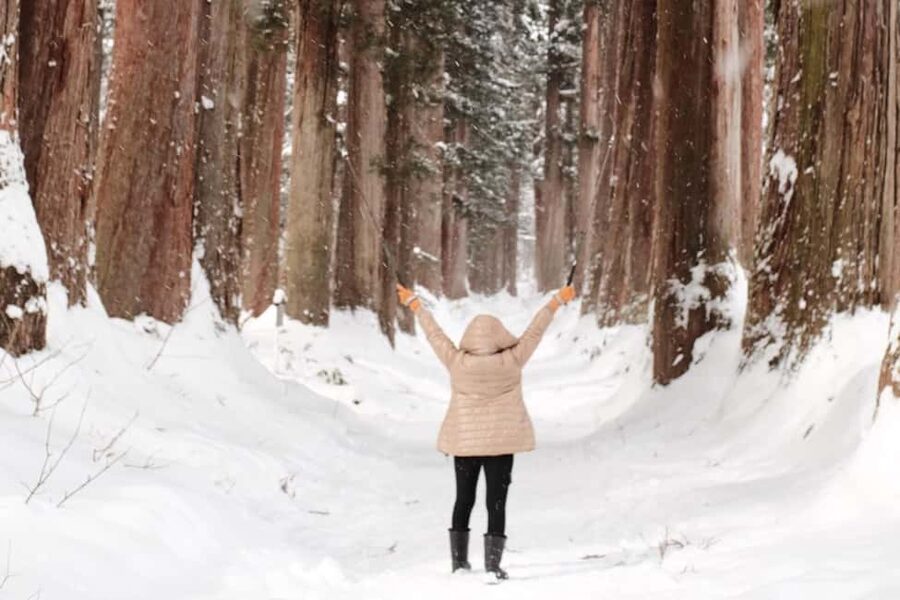
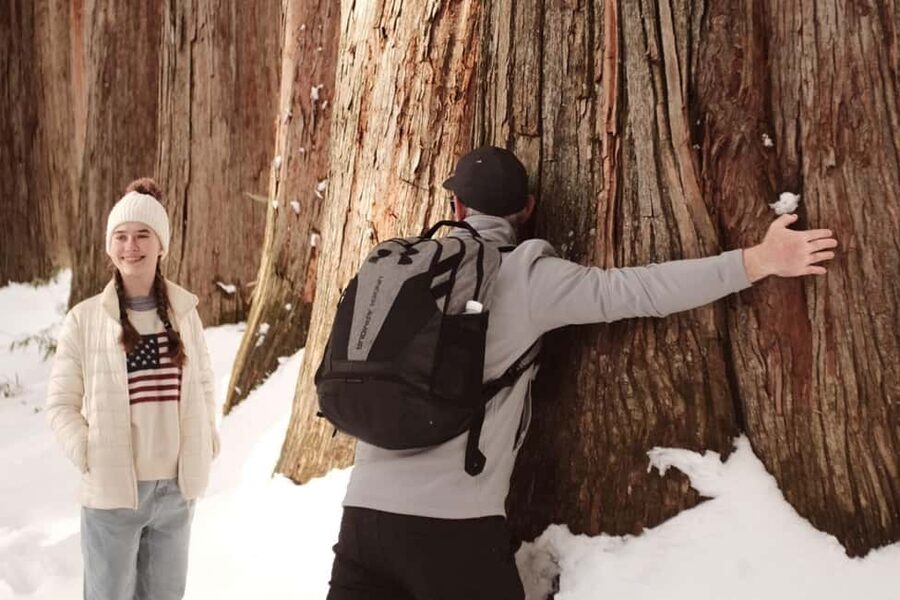
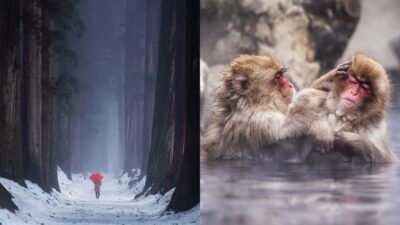
The approach to Togakushi Shrine is the real reason to come. The cedar avenue runs for about two kilometers and is lined with trees planted roughly 400 years ago. Their scale changes the pace of the walk. You are not simply checking off a shrine entrance. You are walking through a long, shaded corridor where the forest itself becomes part of the experience.
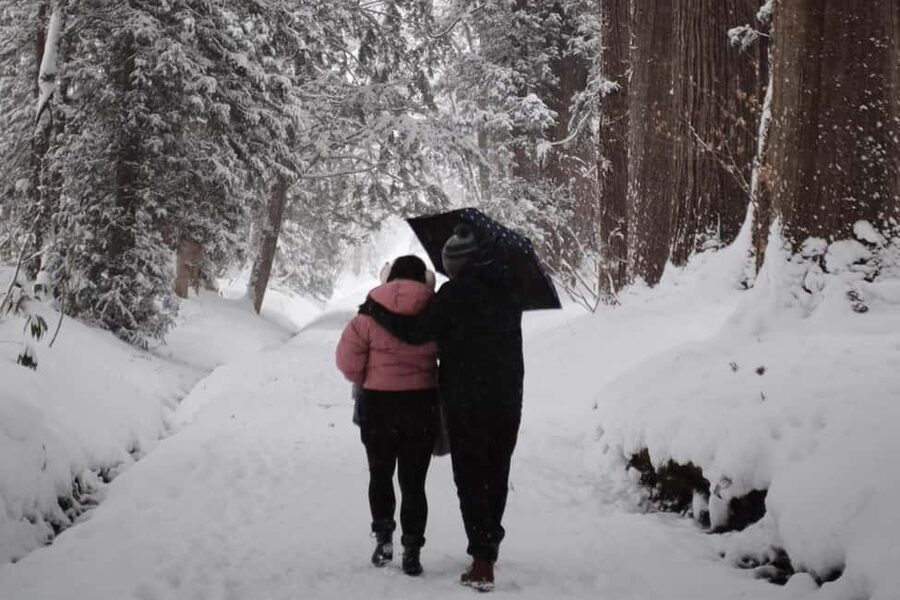
Snow adds another layer. In January and February, the path can feel almost otherworldly, but it can also be slippery and cold. One family found heavy snowfall made the mountain views disappear, yet the walk remained memorable because of the falling snow and quiet surroundings. That is a useful lesson: choose Togakushi for the forest and shrines first, not for guaranteed mountain views.
A private vehicle is especially helpful here. Bus schedules can limit your time, and a car gives you more control over when to stop, eat, or move on. The tradeoff is that this is not a fixed sightseeing circuit. You need to agree on the day’s priorities so you do not spend the outing rushing between too many places.
More temples and shrines worth the early start around Japan:
- Kyoto: Tea Ceremony Ju-An at Jotokuji Temple
★ 4.9 · 3,207 reviews - Tokyo:Mt.Fuji,Kawaguchiko Oishi Park,Arakurayama Sengen Park
★ 4.4 · 2,682 reviews - Osaka/Kyoto:Kinkakuji,Arashiyama,FushimiInariShrine,NaraPark
★ 4.1 · 1,596 reviews
The cedar avenue and Togakushi Shrine
The guided Togakushi portion is listed as about 1.5 hours, while the full approach can extend for two kilometers. Your exact walking distance may depend on weather, energy, and the shrine areas included in your plan.
Wear shoes with good grip. Winter clothing is not just a suggestion here. Warm shoes are particularly important because the ground can be snowy, icy, or wet, and the forest may feel colder than Nagano city.
The shrine complex connects to the Togakure school of ninja tradition. The Ninja House, open from late April through November, offers a more playful stop for families and children. It is not available during the heart of winter, so ask your guide about the seasonal opening before you count on it.
The shrine visit is more rewarding when you allow time to look around rather than treating it as a quick photo stop. Your guide can explain some of the local traditions and answer questions in English. Dai received special praise for giving families time to take photos and allowing children to explore the snowy setting at an easy pace.
That slower rhythm matters. Togakushi is not a place where you want to be pushed from one viewpoint to the next. It works best when you have time to notice the cedars, shrine details, and changes in weather.
Togakushi soba, a practical highlight
Togakushi soba is one of the area’s signature foods and is served in the traditional bocchi-mori style, with small bundles arranged on a tray. The noodles use mountain spring water, and the meal gives the visit a strong local connection.
Guides Dai and Kazuki helped visitors choose dishes and order at local restaurants. That is valuable if you do not read Japanese or want to understand what you are ordering. The supplied information does not include a fixed restaurant, so lunch is part of the flexible planning rather than a guaranteed venue.
The food feedback is mostly strong, with several mentions of hot soba, tempura, and family-run restaurants. One person found the restaurant less impressive than expected, so keep your expectations sensible. The best reason to eat here is not fine dining. It is the chance to try a regional specialty in the place where it belongs.
Winter makes hot soba particularly welcome. After walking through snow, a warm bowl can feel like part of the sightseeing, not merely a meal break.
Choosing the right second stop
The main decision is what you want after Togakushi. The experience offers several possible additions, but the listed stop times show why you should not expect to visit every one in a five-hour outing.
Same sacred ground, another way to see it:
- Tokyo: Asakusa Walking Tour with Sensoji Temple Visit
★ 4.8 · 1,583 reviews - Nikko: Kegon Falls, Lake Chuzenji & Toshogu Temple
★ 4.6 · 1,577 reviews - Tokyo: Nikko Toshogu Shrine and Kegon Waterfall Tour
★ 4.5 · 1,266 reviews - Tokyo Panoramic 1 Day: Meiji Shrine, Asakusa, Odaiba and SKYTREE®
★ 4.5 · 1,222 reviews
Jigokudani Monkey Park
The Snow Monkey Park is the obvious choice if you want Nagano’s most famous wildlife sight. The route combines the cedar forest with Japanese macaques in their natural setting.
The planned visit is listed at about three hours, which makes this a substantial add-on. Allowing enough time is important because the park is not a quick roadside stop. If the monkeys are your priority, choose this pairing and avoid adding several other major sights.
Snow and cold can make the forest walk more demanding. Warm clothing and shoes are essential, and the weather may affect what you see. The reward is the contrast between the quiet shrine forest and the lively macaque area.
Zenkoji Temple
Zenkoji is a good choice if you want a major cultural sight without leaving Nagano’s urban setting. The temple is about 1,400 years old and is a National Treasure.
The visit can extend beyond the main temple. Nearby lanes include renovated warehouse cafes, modern matcha shops, and artisan boutiques. This option works well if you want history, food, and easy wandering after the mountain visit.
It is also a smart ending point. One guide dropped a family at Zenkoji instead of returning them to their hotel, saving them a separate walk later in the day. If you already plan to visit the temple, ask if your private drop-off can be arranged there.
Obuse
Obuse suits you if small-town food and art appeal more than wildlife. The town is known for traditional miso and sake breweries, Hokusai-related art, and chestnut sweets.
The setting is described as carefully preserved, with enough variety for a pleasant afternoon. The planned visit is about 2.5 hours, so this is best paired with Togakushi as the main second stop rather than squeezed between several others.
Obuse also gives you a gentler change of pace. After the mountain walk, you can shift to tastings, shops, and art. Your guide can help you decide how much time to give food stops and cultural sights.
Shibu Onsen
Shibu Onsen offers an old-fashioned hot-spring village atmosphere, with foot baths, local food, and a craft beer brewery. Its appearance may remind you of the mood associated with Spirited Away, though the appeal here is the village itself, not a film attraction.
The listed visit is about 2.5 hours. A local lunch recommended by the guide can make this a satisfying pairing, especially if you want a more relaxed day than the Snow Monkey option.
Foot baths are a pleasant way to warm up, but you should still bring proper shoes for walking between stops. The supplied details do not promise access to private bathing facilities, so think of this choice as a village visit with foot baths rather than a full hot-spring stay.
Garyu Park and April cherry blossoms
Garyu Park is listed as another possible stop, with about 2.5 hours suggested. The available information gives fewer details about what is included there, so ask the guide what the day’s conditions and timing make practical.
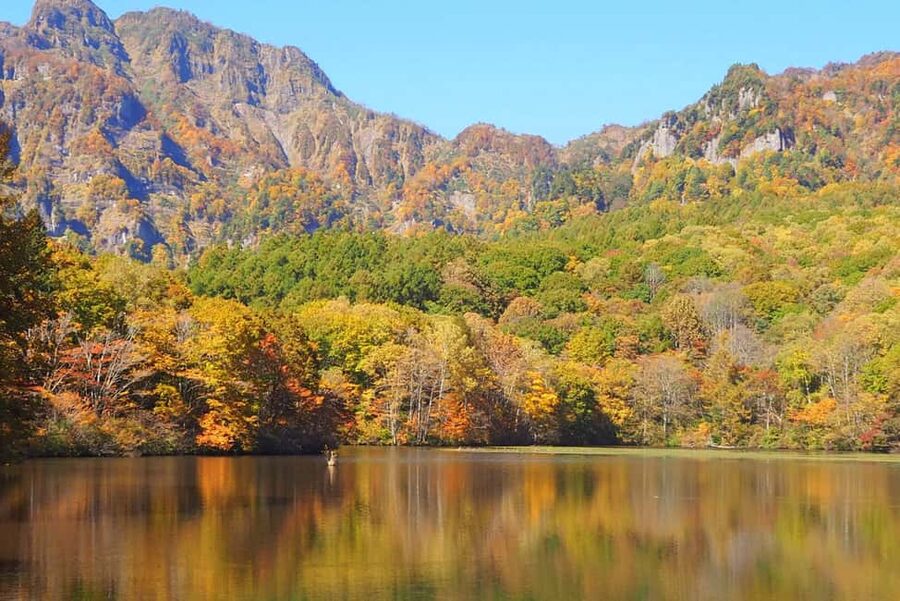
April brings a separate seasonal option called Peak Sakura. The plan may include a lake reflecting 1,000 trees and a four-kilometer tunnel of pink blossoms. This is a strong choice if your visit falls in April, but blossom timing is seasonal and cannot be treated as guaranteed.
Private transport, pickup, and timing
Pickup is available from Nagano and several surrounding areas, including Nakano, Ueda, the Kamiminochi District, and Myoko. Drop-off options cover the same general areas, with Nagano included.
For a booking from Nagano Station, the meeting point is the taxi stand beside the police box at the Zenkoji Exit. Hotel pickup is also available within Nagano City and nearby towns such as Suzaka, Chikuma, and Shinano.
The car is more than a comfortable ride. You can leave luggage inside while sightseeing and turn a transfer into another stop. A hotel to sightseeing to station plan can save you a separate taxi or bus journey.
Communication needs attention. One booking had trouble reaching the host the day before, while another family received prompt notice when snow and traffic delayed pickup. These mixed details suggest you should provide your pickup point by booking time or no later than the day before, then confirm the meeting details yourself.
The private group format is a major benefit for families. The guide can slow down for children, adjust the lunch stop, or change the final drop-off. Dai was especially patient with a 12-year-old who was neurodiverse, which suggests the personal format can be useful when a fixed group schedule would be stressful.
What the $121 price really buys
At $121 per person, this is not priced like a basic bus transfer. You are paying for a private vehicle, an English and Japanese-speaking driver-guide, round-trip transport from Nagano Station, and a guided walk along the sacred cedar path.
For a solo visitor, the price may feel high compared with public transport. For a family or small group, the calculation changes. You share a private car, avoid separate fares, gain help with lunch and directions, and can often arrange a more useful drop-off.
The value is strongest when you use the flexibility. A standard route with several paid rides can become tiring and awkward, especially in winter. Here, your transport, sightseeing, and luggage plan can be handled together.
Personal purchases are not included. That covers things such as food, sweets, drinks, or souvenirs, so leave room in your budget for soba, chestnut treats, matcha, brewery products, or other stops you choose.
Weather, photos, and small practical cautions
Winter weather can change the day quickly. Heavy snow may block mountain views, delay the vehicle, and make paths harder to walk. It can also turn the cedar forest into the most memorable part of the trip, so come prepared rather than expecting perfect visibility.
Warm clothing and warm shoes are specifically advised. I would treat both as essential for a winter departure, not optional extras.
The guide takes photos of your family in the forest as a gift. This is a thoughtful idea, especially because the person holding the camera often misses the group picture. One problem occurred when the photos were not delivered and the host could not be reached afterward.
For that reason, ask how and when the images will be sent. The photo service is a nice extra, but it should not be the main reason you book.
Who should book this Togakushi experience?
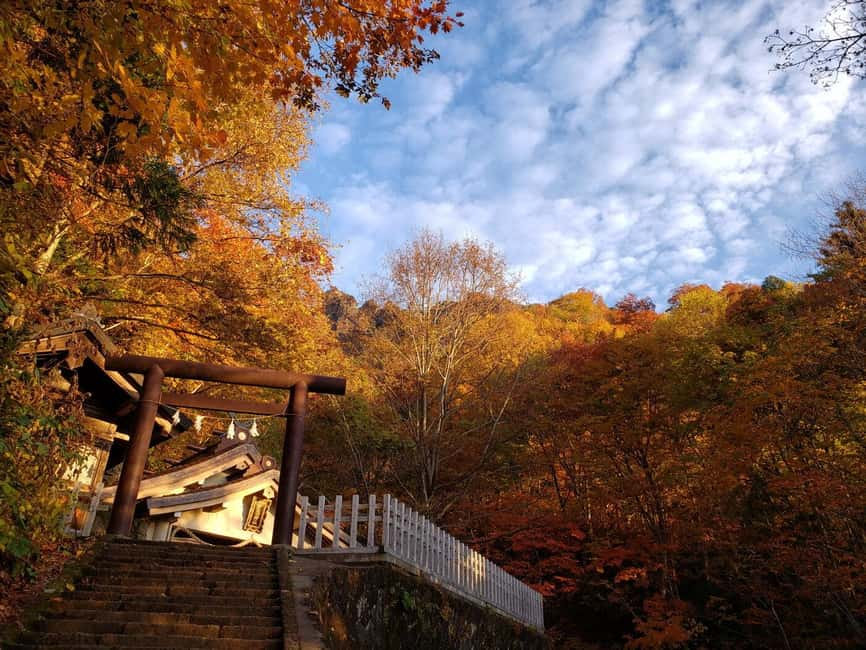
I would choose this trip if you want mountain scenery and shrine culture but do not want to manage rural buses. It is especially well suited to families, couples, and small groups who value a private vehicle and a guide who can adjust the pace.
It is also a good match for a short Nagano stay. You can combine Togakushi with the Snow Monkeys, Zenkoji, Obuse, or Shibu Onsen instead of spending a full day arranging several separate outings.
You may want another option if you prefer a fixed, clearly timed group tour, if you want to visit every listed attraction, or if your budget is built around public transport. The route needs a clear choice of priorities, and the mountain weather will always have the final word.
Should you book it?
Book this experience if the cedar avenue is high on your Nagano list and you want the freedom to add one major sight without dealing with rural transport. The strongest combination for many people is Togakushi plus either Jigokudani Monkey Park, Zenkoji, or Obuse.
Before paying, confirm the exact duration, chosen second stop, pickup time, photo delivery, and final drop-off. With those details settled, the private car and personal guide can make the $121 price good value, especially for a family or small group.
FAQ
How long does the experience last?
The advertised duration is given as five hours to 510 minutes. Because the route is private and customizable, confirm the exact timing and selected stops when booking.
Where can I be picked up?
Pickup is available from Nagano, Nakano, Ueda, the Kamiminochi District, and Myoko. Door-to-door service is available within Nagano City and nearby towns, including Suzaka, Chikuma, and Shinano.
Where is the Nagano Station meeting point?
Meet at the taxi stand beside the police box at Nagano Station’s Zenkoji Exit.
Which sights can be paired with Togakushi?
Possible additions include Jigokudani Monkey Park, Shibu Onsen, Obuse, Garyu Park, Zenkoji Temple, and a seasonal cherry blossom route in April.
Is lunch included?
Lunch is not listed as an included item. You can expect the guide to recommend a local restaurant, and guides have helped with ordering Togakushi soba, tempura, and other dishes.
What should I bring?
Bring warm clothing and warm shoes, especially in winter. The route includes outdoor walking on the Togakushi cedar path.
Temple visits we reviewed lately in Japan
- From Asakusa: Old Tokyo, Temples, Gardens and Pop Culture★ 4.6 · 15 reviews
- Tokyo: Nagano Snow Monkeys and Zenkoji Tour with Temples★ 4.9 · 19 reviews
- Kamakura: Great Buddha, Hase Temple, & Komachi Street Tour★ 5.0 · 11 reviews
- Osaka Temple Head Spa &Matcha Facial – Refresh & Glow〈90min〉★ 5.0 · 24 reviews
- Osaka Temple :Warm Bamboo Oil Massage – Deep Restore〈60min〉★ 4.9 · 19 reviews
- Osaka: Temple Tour and Traditional Calligraphy Lesson★ 4.9 · 24 reviews
- Osaka: Sumiyoshi, Osaka’s Most Iconic Shrine – Private Tour★ 4.7 · 4 reviews
- Osaka Temple :Warm Bamboo Oil Massage – Deep Restore〈90min〉★ 5.0 · 14 reviews
Nagano Temple Tours, compared.

1-Day Snow Monkeys, Zenko-ji Temple & Sake in Nagano
Read our review →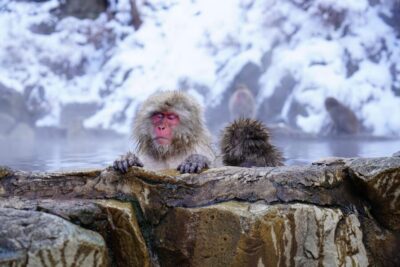
Nagano: Snow Monkeys, Zenkoji Temple & Sake Day Trip
Read our review →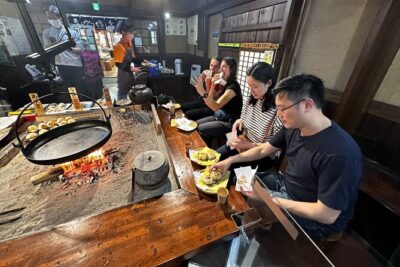
Food & Cultural Walking Tour around Zenkoji temple in Nagano
Read our review →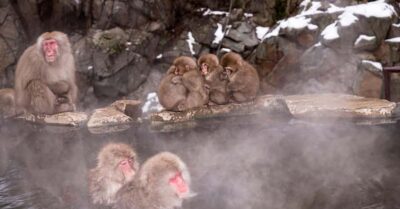
Nagano: Snow Monkeys & Togakushi Shrine Two-Spot in-One Day
Read our review →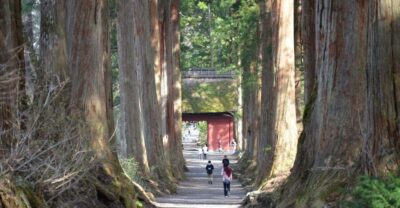
1-Day Togakushi: Soba making, Ninja Town and Hidden Shrines
Read our review →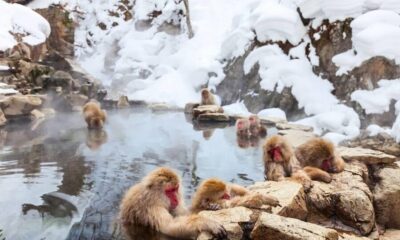
Nagano: Snow Monkeys, Zenko-ji Temple, and Lake Nojiri Tour
Read our review →This tour also ranks in