
Review · NAGANO
Nagano: Snow Monkeys, Zenko-ji Temple, and Lake Nojiri Tour
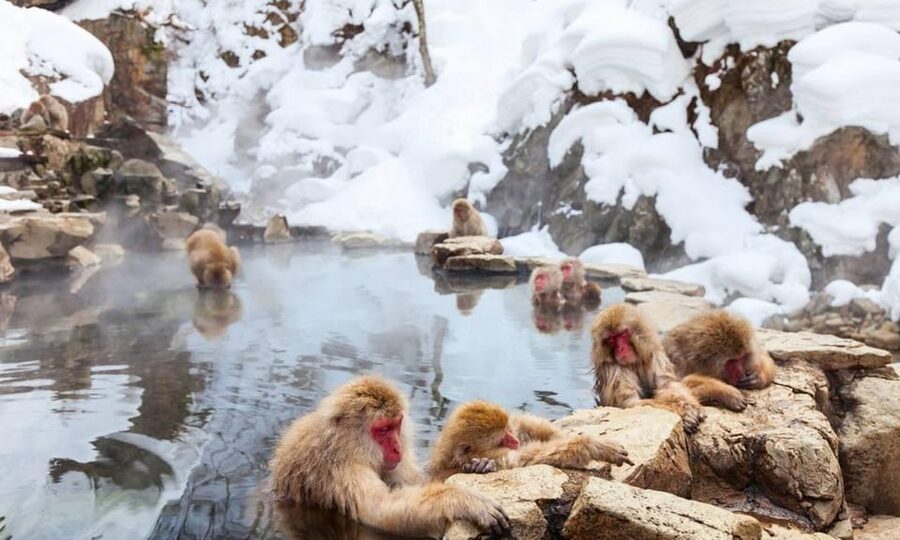
The main event is Jigokudani Snow Monkey Park, where Japanese macaques soak in hot springs with snowy mountains behind them. I like the private car, hotel pickup, and freedom to shape the day. I also like that the route adds Zenko-ji, Obuse, and mountain shrines instead of stopping at the monkeys alone.
The trade-off is simple: the price covers transport, not meals or entrance fees, and the many possible stops could make the day feel rushed. The route is also not suitable for wheelchair users or people with back problems. Drivers Mirza and Muhammad have been praised for being punctual, friendly, and helpful, with one driver even choosing a good local restaurant for the return trip.
At a glance: what makes this Nagano day worthwhile
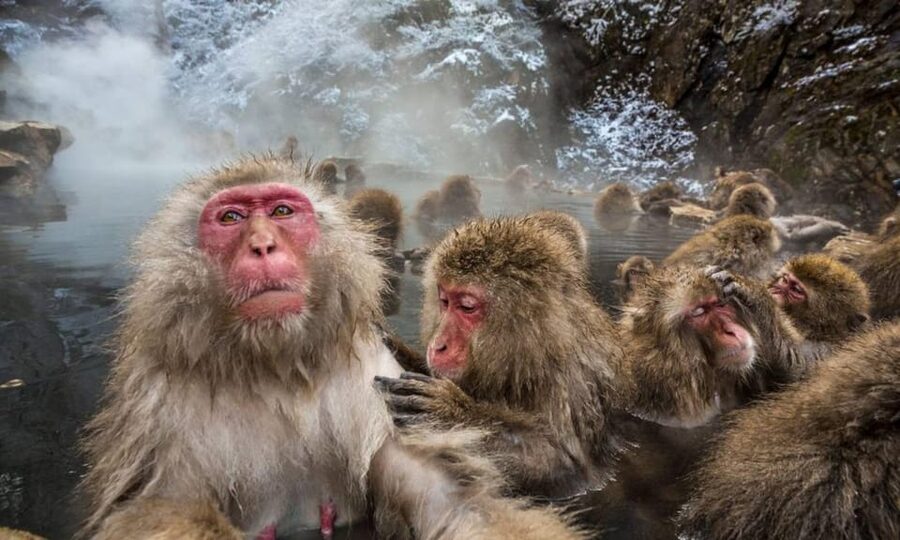
- Wild macaques in hot springs: See Japanese snow monkeys bathing at Jigokudani, especially memorable in winter.
- Private transport for up to six: Share the $593 price across a small group rather than joining a crowded coach.
- A flexible cultural route: Combine Zenko-ji Temple, Shibu Onsen, Obuse, Togakushi, Matsushiro, or Lake Nojiri.
- A driver who handles the road: Hotel pickup, highway fees, fuel, air conditioning, and Wi-Fi are included.
- One hour at each location: Useful for a broad overview, but potentially short for a full shrine, museum, or bathing visit.
- Extra costs to plan for: Food and entry tickets are not included, so keep money and time aside for both.
Why the snow monkeys are the star of the day
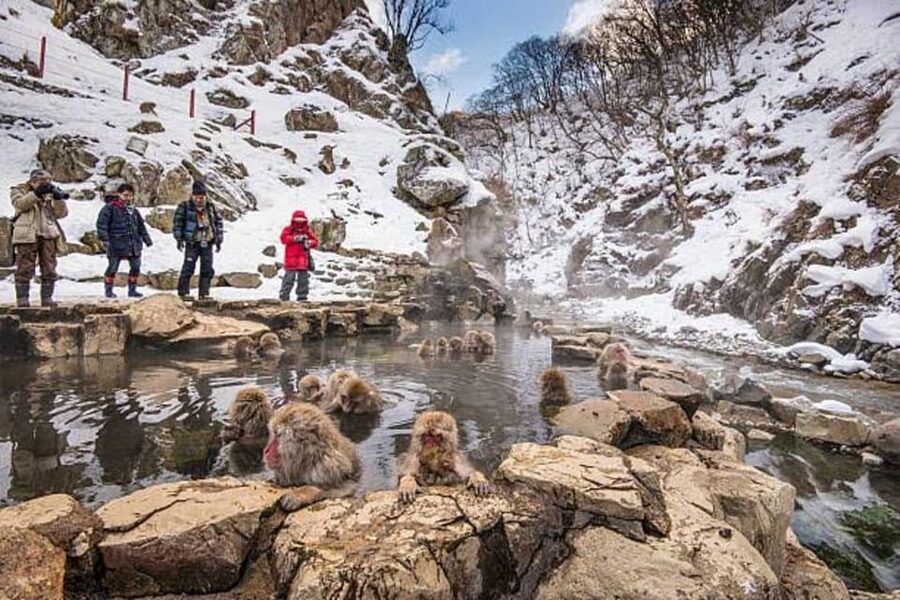
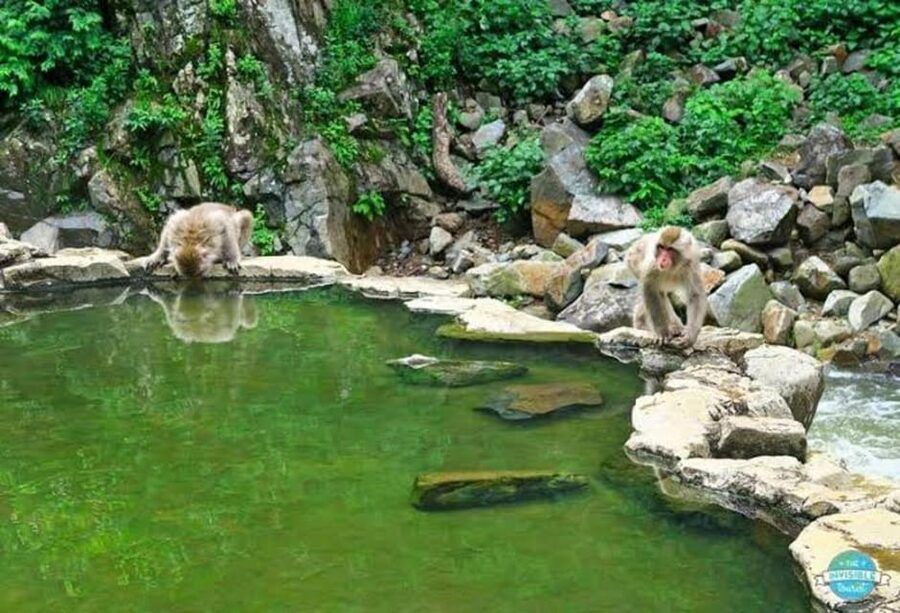
Jigokudani Snow Monkey Park gives you one of Japan’s most unusual wildlife encounters. Japanese macaques come to the natural hot springs, and in winter their pink faces and thick coats contrast sharply with the snow around them.
The attraction is not a zoo show. The monkeys are wild, and the appeal comes from watching their behavior at close range in their natural setting. You may see them sitting quietly in the warm water, grooming one another, or moving around the pools while visitors watch from nearby.
Bring a camera, but also bring patience. The monkeys are the reason to prioritize this tour, and the visit deserves your best hour of the day rather than a hurried stop squeezed between too many other places. The supplied plan allows one hour at each location, which gives you time to see the park but may not leave much room for a slow walk, long photo session, or delays.
Warm clothing and comfortable shoes matter here. The tour specifically advises both, and water is also worth carrying. The experience includes walking, and the park visit is not designed for people with mobility limitations or back problems.
More Temple Tours around Japan:
- Kyoto: Tea Ceremony Ju-An at Jotokuji Temple
★ 4.9 · 3,207 reviews - Osaka/Kyoto:Kinkakuji,Arashiyama,FushimiInariShrine,NaraPark
★ 4.1 · 1,596 reviews - Tokyo: Asakusa Walking Tour with Sensoji Temple Visit
★ 4.8 · 1,583 reviews
Zenko-ji Temple gives the day spiritual weight
Zenko-ji is one of Japan’s most important Buddhist temples, with origins reaching back to the seventh century. Its grand architecture and quiet gardens provide a sharp change from the playful monkeys at Jigokudani.
The temple is also associated with the first Buddhist statue brought to Japan, giving the site importance beyond its appearance. You can take time to look at the building details, pass through the temple grounds, and enjoy a calmer hour after the wildlife stop.
I like this pairing because it gives the day a better rhythm. Jigokudani is lively and unpredictable. Zenko-ji asks you to slow down and pay attention to place, architecture, and religious tradition.
Allow for an entrance fee if you choose to enter areas that charge separately. Entry costs are not included, and the tour description does not specify which temple sections are covered by the one-hour visit. Ask your driver what fits your schedule before paying for an additional admission.
Shibu and Yudanaka Onsen show old Japan in a practical way
Shibu Onsen is a traditional hot spring town with more than 1,300 years of history. Its appeal is not only the baths. You also get narrow town streets, a sense of local routine, and the chance to see how hot springs remain part of daily life.
The experience offers time to stroll and, if you choose, soak in one of the public hot springs. You should confirm the available time with your driver, since an hour passes quickly if you want both a walk and a bath.
Nearby Yudanaka Onsen offers another place to slow down. You can stop for lunch, walk through the town, or relax at a hot spring. This is one of the more flexible parts of the route, since it can fill the gap between the monkey park and the other cultural sights.
Meals are not included. That gives you control over what you eat, but it also means the $593 price is not the final cost for the day. One driver, Mirza, took a group to a good local restaurant on the return route, a useful reminder that the driver can help with local food choices. The restaurant itself is not guaranteed, so treat that as a possible benefit rather than a promised stop.
Obuse is small, scenic, and easy to enjoy without overplanning
Obuse is known for chestnuts, art galleries, and traditional Japanese buildings. It makes a pleasant contrast with Nagano’s large temple and the more remote mountain stops.
You can try chestnut sweets, walk through the town, or visit the Hokusai Museum. The museum is dedicated to Katsushika Hokusai, the famous ukiyo-e artist. If art interests you, Obuse is worth more than a quick photograph. If you mainly want a short town walk and a local snack, one hour may be enough.
The important point is to choose. You probably cannot give every attraction a long visit if you are also fitting in Togakushi, Matsushiro, and Lake Nojiri. The driver can customize the itinerary, so tell the company before the day whether you prefer art, food, temples, or scenery.
Chestnut sweets are a particularly easy local taste to add. They require less time than a museum visit and give you a direct connection to what makes Obuse different from other towns in the region.
Same sacred ground, another way to see it:
- Tokyo:Mt.Fuji,Kawaguchiko Oishi Park,Arakurayama Sengen Park
★ 4.4 · 2,682 reviews - Nikko: Kegon Falls, Lake Chuzenji & Toshogu Temple
★ 4.6 · 1,577 reviews - Tokyo: Nikko Toshogu Shrine and Kegon Waterfall Tour
★ 4.5 · 1,266 reviews - Tokyo Panoramic 1 Day: Meiji Shrine, Asakusa, Odaiba and SKYTREE®
★ 4.5 · 1,222 reviews
Togakushi Shrine brings you into the cedar forests
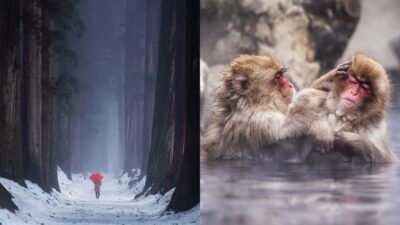
Togakushi Shrine is a series of ancient Shinto shrines in the Togakushi mountains. The shrine complex is surrounded by towering cedar trees, making this one of the quietest and most atmospheric choices on the route.
You are not visiting a single building and leaving. Togakushi is a group of shrine sites, so the one-hour guideline is best treated as an introduction. The exact amount you can see depends on which section you visit and how much walking you choose to do.
Togakushi is also known for soba, or buckwheat noodles. That makes it a sensible place for a meal, especially if you want food tied to the area rather than a generic roadside stop. Since meals are extra, plan to pay separately for lunch.
I would pick Togakushi if you want trees, quiet, and Shinto architecture. I would skip it in favor of Obuse or Lake Nojiri if your group prefers town streets, food, or open water. The value of this private tour is that you do not have to make the same choice as everyone else in a large group.
Matsushiro adds samurai history
The Matsushiro Samurai District preserves traditional samurai residences and includes Matsushiro Castle. This stop gives the route a different kind of historical interest from Zenko-ji and Togakushi.
Here you can walk through a former samurai area and see how the district connects homes, authority, and castle life. The stop is best for anyone interested in Japanese history and old residential architecture.
Matsushiro may feel less essential if your top priority is the snow monkeys. It is an optional-style addition within a very full route, and one hour gives you a taste rather than a detailed visit. Still, it is a useful choice for repeat visitors to Japan or anyone who wants more than temples and hot springs.
Ask the driver to help set the order. The private format means you can focus on the stops that matter most to your group instead of collecting every possible sight in a race.
Lake Nojiri is the quietest option
Lake Nojiri offers mountain views and seasonal outdoor activities such as boating, hiking, and nature walks. The attraction here is space and calm rather than a single famous building.
A stop at the lake can be a welcome break after several cultural sites. You can take a walk, enjoy the scenery, and let the pace drop. It is also a good choice if someone in your group wants a peaceful retreat rather than another temple or museum.
The description does not promise a particular boating activity, equipment rental, or guided walk. Think of Lake Nojiri as a scenic stop with possible outdoor options, not as a fully arranged activity. Weather and the season will affect what makes sense, so keep expectations flexible.
For a first visit focused on Nagano’s signature sights, I would give Jigokudani and Zenko-ji priority. Lake Nojiri works best when you value quiet views and have room in the schedule.
A private car changes the value equation
The price is $593 for a group of up to six people. Shared among six, that is about $99 per person before meals and entrance fees. For two people, the per-person cost is much higher, but you are paying for privacy, hotel pickup and drop-off, and a vehicle dedicated to your party.
The included transport package is useful. You get an air-conditioned vehicle, complimentary Wi-Fi, highway fees, fuel, and taxes. You do not have to arrange trains, compare local bus routes, or work out how to reach several widely separated places in one day.
The driver speaks English or Hindi, and the experience is designed around comfort and flexibility. Muhammad has been praised for keeping the car clean and comfortable, explaining what was happening, and making sure the group felt at ease. Mirza has been described as kind, punctual, accommodating, and efficient.
Still, this is a driver-led tour, not a fully guided museum or temple program. The driver handles transport and can help shape the day, but the information provided does not promise a specialist guide at every stop. If detailed interpretation is your main goal, ask exactly what guiding is included before booking.
How to plan the day without making it frantic
The route lists many possible stops: Jigokudani, Zenko-ji, Shibu Onsen, Yudanaka Onsen, Obuse, Togakushi, Matsushiro, and Lake Nojiri. Spending one hour at each would create a very long day, even before driving between them.
That is why customization matters. Pick the snow monkeys first, then choose two or three additions based on your interests. A sensible culture-and-wildlife day could pair Jigokudani with Zenko-ji and Obuse. A quieter nature-focused route could use Jigokudani, Togakushi, and Lake Nojiri. A history-and-hot-springs plan could combine Zenko-ji, Shibu Onsen, and Matsushiro.
Hotel pickup and drop-off remove some of the day’s friction, but you should still wear shoes made for walking and bring warm layers. Carry water, especially if your plan includes shrine paths or several outdoor stops.
Smoking is not allowed. The tour is not suitable for wheelchair users or people with back problems, so this is important to settle before reserving.
Cancellation is available up to 24 hours in advance for a full refund, and you can reserve now and pay later. Those terms are helpful if your Nagano plans are still shifting, but they do not change the need to budget separately for meals and admission.
Who should book this Nagano tour?
I would recommend it most strongly to a small group that wants the snow monkeys but also wants control over the rest of the day. Families with older children, couples, friends, and Hindi- or English-speaking visitors can all benefit from a private vehicle and hotel pickup.
It is also a good fit if you are uncomfortable navigating rural transport on your own. The included highway fees, fuel, Wi-Fi, and air conditioning make the day easier to manage.
I would hesitate if you want a slow, detailed visit at every stop. The broad list of attractions is appealing on paper, but the one-hour timing means you need to set priorities. I would also hesitate if you need step-free access or have back problems.
Should you book it?
Book this tour if Jigokudani is your must-see and you want to add temples, hot springs, art, or mountain shrines without arranging several separate journeys. The private format becomes good value when six people share the price, and the friendly, punctual service reported from Mirza and Muhammad adds confidence.
Before booking, decide which three or four places matter most and confirm the day’s order with the provider. Budget for meals and entrance fees. If you do that, this can be a comfortable and flexible way to see several sides of Nagano, with the snow monkeys providing the unforgettable centerpiece.
FAQ
What is included in the Nagano private tour?
The tour includes hotel pickup and drop-off, air-conditioned transport, complimentary Wi-Fi, highway fees, fuel, taxes, and a one-hour visit at each listed location.
Are meals included?
No. Meals are not included, so you pay separately for lunch or other food. Togakushi is known for soba, and Yudanaka Onsen is suggested as a place to stop for lunch.
Are entrance fees included?
No. Entrance fees are not included and must be paid separately where required.
How many people can join the private tour?
The price of $593 covers a private group of up to six people.
Which languages are available?
The tour is available with English- or Hindi-speaking driver service.
Can the itinerary be customized?
Yes. The experience allows you to customize the itinerary to suit your preferences. The possible stops include Jigokudani, Zenko-ji, Shibu Onsen, Yudanaka Onsen, Obuse, Togakushi Shrine, Matsushiro, and Lake Nojiri.
How long do you spend at each location?
The listed visit time is one hour at each location. Since the route includes many possible stops, you should choose priorities with the driver.
Is the tour suitable for wheelchair users?
No. The tour is not suitable for wheelchair users.
Can I cancel for a full refund?
Yes. You can cancel up to 24 hours in advance for a full refund.
Temple visits we reviewed lately in Japan
- From Asakusa: Old Tokyo, Temples, Gardens and Pop Culture★ 4.6 · 15 reviews
- Tokyo: Nagano Snow Monkeys and Zenkoji Tour with Temples★ 4.9 · 19 reviews
- Kamakura: Great Buddha, Hase Temple, & Komachi Street Tour★ 5.0 · 11 reviews
- Osaka Temple Head Spa &Matcha Facial – Refresh & Glow〈90min〉★ 5.0 · 24 reviews
- Osaka Temple :Warm Bamboo Oil Massage – Deep Restore〈60min〉★ 4.9 · 19 reviews
- Osaka: Temple Tour and Traditional Calligraphy Lesson★ 4.9 · 24 reviews
- Osaka: Sumiyoshi, Osaka’s Most Iconic Shrine – Private Tour★ 4.7 · 4 reviews
- Osaka Temple :Warm Bamboo Oil Massage – Deep Restore〈90min〉★ 5.0 · 14 reviews
Nagano Temple Tours, compared.

1-Day Snow Monkeys, Zenko-ji Temple & Sake in Nagano
Read our review →
Nagano: Snow Monkeys, Zenkoji Temple & Sake Day Trip
Read our review →
Food & Cultural Walking Tour around Zenkoji temple in Nagano
Read our review →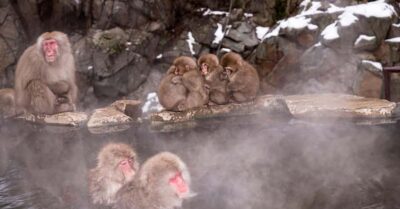
Nagano: Snow Monkeys & Togakushi Shrine Two-Spot in-One Day
Read our review →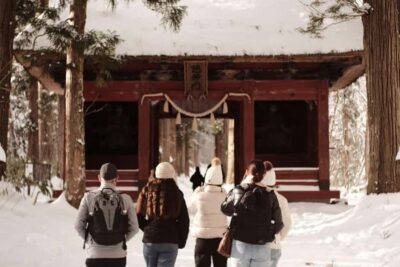
Togakushi & Best of Nagano: Snow Monkeys, Obuse and more
Read our review →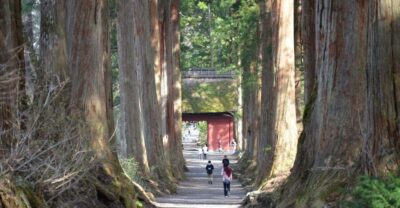
1-Day Togakushi: Soba making, Ninja Town and Hidden Shrines
Read our review →This tour also ranks in