
Review · NAGANO
1-Day Togakushi: Soba making, Ninja Town and Hidden Shrines
Togakushi gives you three very different pieces of rural Japan in one day: handmade soba, a playful look at ninja lore, and a forest walk to a major shrine. I like that you do more than photograph the area. You knead, roll, and cut your own noodles, then eat them for lunch. I also like the way the day moves from a hands-on food workshop to quiet cedar forests.
The main consideration is the walking. The final route to Okusha Shrine takes about 45 minutes each way and includes stone steps, so proper shoes matter. The schedule is also fixed around bus travel and timed activities. You get a well-organized day, but not much freedom to linger.
Key points to know before booking
- Make your own Togakushi soba: You knead, roll, and cut buckwheat noodles with help from local soba specialists, then eat your finished lunch.
- Try the Ninja Trick House: The maze-like Ninja House is designed as a puzzle for adults and children alike.
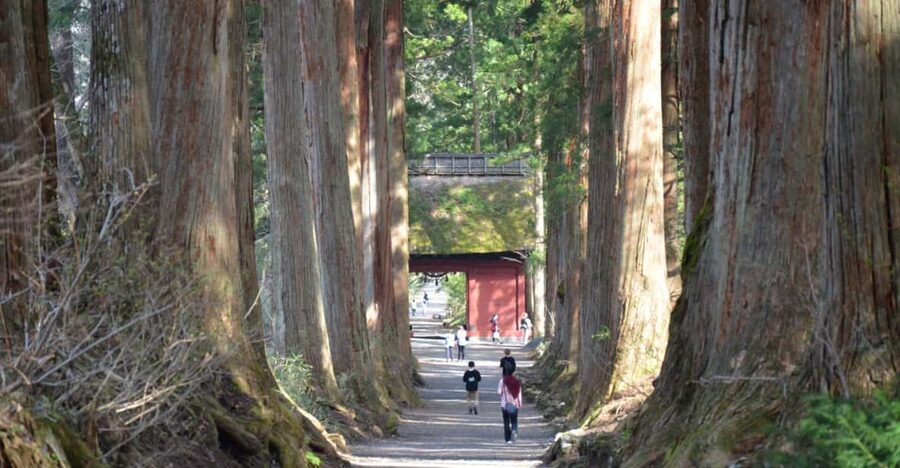
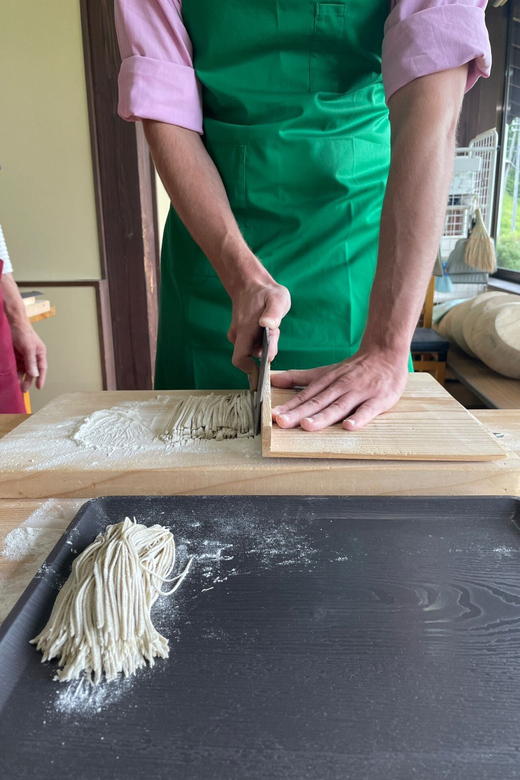
- Walk beneath towering cedars: The path toward Okusha Shrine feels far removed from Nagano city and modern Japan.
- Start and finish at Nagano Station: Transport between Nagano and Togakushi is included, so you do not need to arrange a local bus connection.
- Plan for a full day outdoors: The tour lasts 8 hours and includes a substantial walk, steps, and time outside in the mountain area.
- Good value for a guided day: At $150 per person, the price includes transport, lunch, attraction entry, and an English-speaking guide.
Why Togakushi makes a good day trip from Nagano
Nagano is best known for its temples, mountains, winter sports, and Olympic legacy, but Togakushi gives you a more rural side of the region. The area lies in the Shinshuu Province, where cool weather, mountain terrain, and clean water have helped make soba a local staple.
This tour works well because the stops are not simply three versions of the same sightseeing experience. Soba making gives you a practical taste of local culture. The ninja stop adds a light, family-friendly activity. The shrine walk slows the pace and gives the day its most atmospheric finish.
You meet inside Nagano Station at 9:35, in front of the Information Board directly across from the Shinkansen ticket gates. Look for a guide wearing a Snow Monkey Resorts tour tag. Be early. The group needs to leave by 9:40, and this is not the kind of tour where you can casually wander in several minutes late.
The ride to Togakushi takes about 45 minutes. That transfer is useful because it removes one of the trickier parts of visiting the area independently. You can enjoy the changing scenery and save your energy for the activities instead of worrying about connections.
More Day Trips in Japan:
- Tokyo Panoramic 1 Day: Meiji Shrine, Asakusa, Odaiba and SKYTREE®
★ 4.5 · 1,222 reviews - 1-Day Snow Monkeys, Zenko-ji Temple & Sake in Nagano
★ 5.0 · 1,020 reviews - Nagano: Snow Monkeys, Zenkoji Temple & Sake Day Trip
★ 4.9 · 833 reviews
Making soba from buckwheat flour to lunch
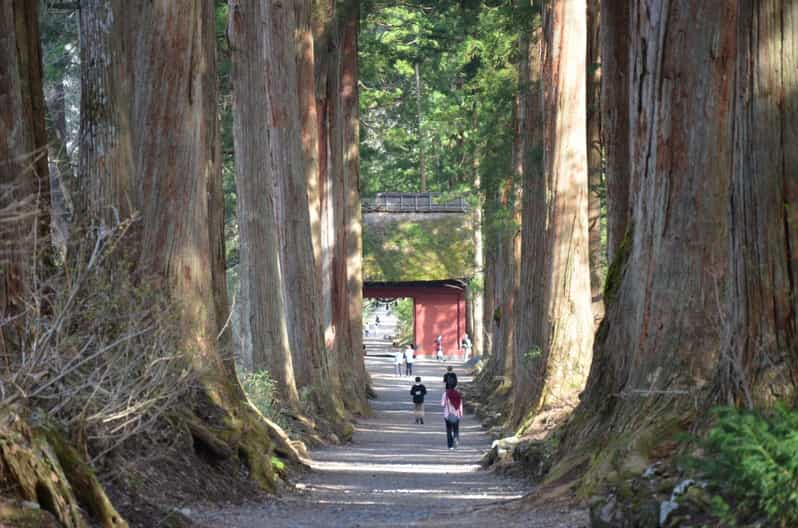
The first major stop is a local soba restaurant, where the workshop lasts about 100 minutes. Soba means buckwheat noodles, and the ingredient suits Togakushi’s cool climate and mountain conditions. The area’s natural water is also an important part of the local noodle tradition.
The process is simple to describe but surprisingly satisfying to do. You knead the soba flour, roll the dough, and cut it into noodles. Soba-making takes some care, so the noodles you produce may not look exactly like the neat bundles served in a restaurant. That is part of the fun. You are not watching a demonstration from the sidelines. You are making the meal you will eat.
You do not need cooking experience. Soba specialists guide you through each stage, making this a reasonable choice even if you rarely cook. The useful point is that the activity has a clear reward at the end: your own noodles become lunch.
You can eat the soba hot or cold, with dipping sauce suited to your taste. The included lunch covers the handmade noodles, but extra food, snacks, and drinks are not included. I would not arrive expecting a large restaurant meal with several courses. The appeal here is the connection between the workshop and the plate.
This is one of the strongest parts of the day for anyone who values local food over a quick photo stop. You learn what makes soba important in Togakushi, handle the ingredients yourself, and taste the result while the process is still fresh in your mind.
If you have dietary requirements, provide them when booking. The tour specifically asks for this information in advance, and it is better to raise the issue before the workshop begins.
Solving the Togakushi Ninja House
After lunch, you visit the Togakushi Ninja Museum and Ninja Trick Mansion for about an hour. Togakushi is linked with the Togakure school of ninja, said to have been founded in the mountains in the 12th century. The area’s difficult terrain and natural defenses helped support its reputation as a place suited to covert activity.
The museum introduces the local ninja story, including the idea of the shinobi, covert agents associated with espionage, concealment, and deception. The attraction is not presented only as a serious historical display. The most memorable part for many people will be the Ninja House itself.
Think of the Ninja House as a physical puzzle. You move through a maze of deceptive spaces and try to find the exit. The design is intended to appeal to adults as well as children, so do not dismiss it as a stop only for families. It gives you something active to do after lunch and breaks up the more formal sightseeing.
The hour includes a guided visit, but the exact amount of free time depends on the pace of the group and the schedule. If you get through the house quickly, you may have time for other ninja activities, such as shuriken throwing and obstacle courses. These optional activities cost extra.
You can also use spare time to look at the architecture and artifacts connected with the village. That choice makes the stop work for different interests. Children may head for the puzzles and activities, while adults may prefer the museum material and historic setting.
The drawback is that the ninja portion is partly playful rather than a long, scholarly museum visit. If you want an extensive study of medieval Japanese warfare, this may feel brief. If you want a lively introduction with a hands-on challenge, the format is much more effective.
Walking the cedar avenue to Okusha Shrine
The final part of the day is the most peaceful. You visit Togakushi Shrine before continuing toward Okusha, the most secluded shrine in the group. The visit to the earlier shrine lasts about 30 minutes, followed by roughly 1.5 hours for the approach to Okusha Shrine and the surrounding sightseeing.
The path through the giant cedar avenue is the visual heart of the tour. Tall trees line the route, and modern conveniences gradually disappear as you walk farther from the road. The setting gives you a strong sense of age without needing a long lecture to explain it.
Togakushi’s name means hidden door. Local legend connects the area with Amaterasu, the Sun Goddess, who hid in a cave after a conflict with her brother Susanoo, the Storm God. Other gods eventually drew her out, and the boulder covering the cave was cast across the heavens before falling to earth and forming Togakushi.
You do not need to treat the story as literal history to appreciate what it adds to the visit. It explains why the area carries a strong connection with concealment, doors, caves, and revelation. That theme also links neatly with the ninja stop earlier in the day.
The walk to Okusha takes about 45 minutes. You pass through the Zuishinmon gate and then continue up stone steps toward the main shrine. This is where the practical advice matters most: wear proper walking shoes, expect an active route, and be prepared for outdoor conditions that may change with the season.
The cedar avenue is not a quick roadside photo opportunity. You need time and energy to reach the shrine. The reward is a slower, quieter experience than you get in Nagano’s city center, with the forest becoming the main feature of the visit.
Once you reach Okusha, the guide provides context and helps you make sense of the shrine complex. Afterward, you return along the cedar avenue for the bus. The final lap means you revisit part of the same route, but it also makes the transport connection straightforward.
More Temple Tours around Japan:
- Kyoto: Tea Ceremony Ju-An at Jotokuji Temple
★ 4.9 · 3,207 reviews - Osaka/Kyoto:Kinkakuji,Arashiyama,FushimiInariShrine,NaraPark
★ 4.1 · 1,596 reviews - Tokyo: Asakusa Walking Tour with Sensoji Temple Visit
★ 4.8 · 1,583 reviews - Nikko: Kegon Falls, Lake Chuzenji & Toshogu Temple
★ 4.6 · 1,577 reviews
What the transport and timing add
The day begins at 9:35 and runs for about 8 hours, with a return to Nagano Station after a bus ride of roughly 50 minutes. The transport between Nagano, Togakushi, and the individual stops is included.
That arrangement is one of the tour’s practical strengths. Togakushi is a rural mountain area, and planning the same sequence by public transport would require more attention to departure times and local connections. Here, the guide manages the movement between the workshop, museum, shrine, and return bus.
The fixed schedule has a tradeoff. You cannot decide to spend an extra hour at the Ninja Museum or stop for an unplanned café visit. The day is built around the soba workshop and return transport, so punctuality matters throughout.
The English-speaking guide also provides continuity. You receive help during the soba activity, a guided visit at the Ninja Museum, and explanations at Togakushi Shrine and Okusha. For visitors who want more than a self-guided walk, that makes the $150 price easier to justify.
Is $150 per person good value?
At $150 per person, this is not the cheapest way to see Togakushi. The value depends on what you would otherwise need to arrange yourself.
The price includes:
- Transport from Nagano to Togakushi and between the stops
- The soba-making workshop
- Lunch made from your own noodles
- Entry to the Togakushi Ninja Museum and Ninja House
- Guided visits at the ninja site and shrines
- An English-speaking guide
You still pay for extra food, snacks, drinks, and optional activities inside the Ninja Museum. Shinkansen tickets and accommodation are also separate, so you need to include those costs if Nagano is not already part of your trip.
I think the price is reasonable for someone who wants a full day with several included elements and does not want to manage rural transport. The lunch and attraction admission add real value, while the guided instruction turns the soba stop into more than a restaurant visit.
For a solo budget traveler who enjoys arranging local buses and has plenty of time, an independent visit may cost less. You would also have more control over how long you spend at each stop. For a short Nagano stay, the organized format saves effort and fits a lot into one day.
Who should book this experience?
I would recommend this tour to first-time visitors to Nagano who want a day beyond the city. It suits people who enjoy food workshops, cultural stories, and moderate walking rather than a day spent entirely on a bus.
Families may like the mix of activities. The Ninja House gives children something to solve, while the soba workshop offers a clear activity with an edible result. Adults can still enjoy the museum context, shrine architecture, and cedar avenue.
Food-minded visitors should pay special attention to the soba portion. You do not just sample a local dish. You take part in the making process and eat what you prepare.
The tour is less suitable if you dislike fixed schedules, cannot manage a 45-minute forest walk, or want a purely historical experience. It is also not ideal for anyone hoping to spend a long, unhurried time at only one shrine or museum.
Cancellation is free up to 24 hours before the tour, and you can reserve now and pay later. Activities depend on availability, so a particular part of the day may need to change. If that happens, the operator says it will contact you about alternatives or amendments.
My recommendation
Book this tour if you want Togakushi to feel like a complete day rather than a list of separate stops. The soba workshop is the most personal part, the Ninja House adds humor and movement, and the cedar path to Okusha provides the quiet finish.
I would skip it only if you prefer independent travel or have difficulty with steps and a long forest walk. For most visitors staying in Nagano, the combination of transport, lunch, admission fees, and English guidance makes this a strong, practical introduction to Togakushi.
FAQ
Where does the tour start?
It starts inside Nagano Station, in front of the Information Board directly across from the Shinkansen ticket gates.
What time should I meet the guide?
The meeting time is 9:35. You should arrive before then because the tour needs to depart by 9:40.
How long does the tour last?
The full experience lasts about 8 hours and returns to Nagano Station.
Is transportation included?
Yes. Transportation from Nagano to Togakushi and between the listed activities and attractions is included.
Is lunch included?
Yes. Lunch includes the soba noodles you make during the workshop.
Do I need cooking experience for the soba activity?
No. Soba specialists guide you through the process of kneading, rolling, and cutting the noodles.
Is the Ninja House suitable for adults?
Yes. The Ninja House is designed as a maze-like puzzle for adults and children.
Are ninja activities such as shuriken throwing included?
Optional activities inside the Togakushi Ninja Museum, including activities such as shuriken throwing and obstacle courses, are not included in the price.
How much walking is involved?
The route to Okusha Shrine takes about 45 minutes and includes stone steps. Proper walking shoes are recommended.
Is the tour conducted in English?
Yes. The tour includes an English-speaking guide.
Can I cancel the booking?
You can cancel up to 24 hours in advance for a full refund.
Are Shinkansen tickets included?
No. Shinkansen tickets, accommodation, extra food, snacks, and drinks are not included.
Temple visits we reviewed lately in Japan
- From Asakusa: Old Tokyo, Temples, Gardens and Pop Culture★ 4.6 · 15 reviews
- Tokyo: Nagano Snow Monkeys and Zenkoji Tour with Temples★ 4.9 · 19 reviews
- Kamakura: Great Buddha, Hase Temple, & Komachi Street Tour★ 5.0 · 11 reviews
- Osaka: Temple Tour and Traditional Calligraphy Lesson★ 4.9 · 24 reviews
- Osaka Temple Head Spa &Matcha Facial – Refresh & Glow〈90min〉★ 5.0 · 24 reviews
- Osaka Temple :Warm Bamboo Oil Massage – Deep Restore〈60min〉★ 4.9 · 19 reviews
- Osaka: Sumiyoshi, Osaka’s Most Iconic Shrine – Private Tour★ 4.7 · 4 reviews
- Osaka Temple :Warm Bamboo Oil Massage – Deep Restore〈90min〉★ 5.0 · 14 reviews
Nagano Temple Tours, compared.

1-Day Snow Monkeys, Zenko-ji Temple & Sake in Nagano
Read our review →
Nagano: Snow Monkeys, Zenkoji Temple & Sake Day Trip
Read our review →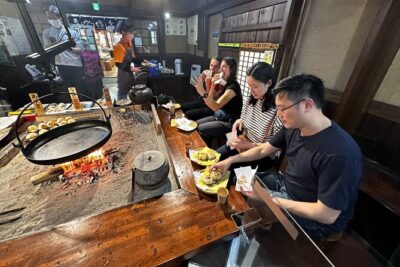
Food & Cultural Walking Tour around Zenkoji temple in Nagano
Read our review →
Nagano: Snow Monkeys & Togakushi Shrine Two-Spot in-One Day
Read our review →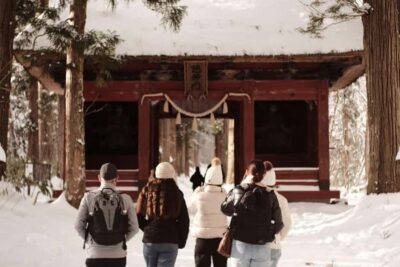
Togakushi & Best of Nagano: Snow Monkeys, Obuse and more
Read our review →
Nagano: Snow Monkeys, Zenko-ji Temple, and Lake Nojiri Tour
Read our review →This tour also ranks in