
Review · JAPAN
From Nagoya: Ise’s Sacred Shrines and Captivating Coastlines
Ise is where Japan’s Shinto faith feels most tangible. This full-day trip takes you from Nagoya to Ise Grand Shrine, then on to the old-fashioned shopping street of Okage Yokocho and the wave-washed Wedded Rocks at Meoto Iwa. You get sacred woods, river walks, coastal views, and local food in one well-planned day.
I like the small group limit of 14, which keeps the shrine visit calmer and makes it easier to ask questions. I also like the guide-led explanations of Shinto customs. Guides such as Kim, Camille, and Shoko have helped visitors connect the rituals and stories to what they are seeing. The main drawback is the long road journey, roughly two hours each way, so you should be happy trading a full day for access to a place that is not especially easy to reach from Nagoya.
Key points
- Ise Grand Shrine gives the day its purpose: Learn why Ise-Jingu is Japan’s most sacred Shinto site while walking among tall cypress trees.
- Okage Yokocho adds flavor and free time: Browse souvenirs and choose lunch, with Ise Udon, fried oysters, and spiny lobster among the local specialties.
- Meoto Iwa brings the coast into the picture: See the famous Wedded Rocks from Futami-Okitama Shrine and receive an omikuji, or lucky fortune.
- A small vehicle keeps the group manageable: The tour accepts no more than 14 people, with transportation provided from Nagoya Station.
- The route needs comfortable clothing: You will spend several hours walking outdoors, in sun, humidity, cold, or rain depending on the season.
- The price buys convenience as much as sightseeing: At $189 per person, the value rests in the guide, transport, entry fees, and a smooth day beyond Nagoya.
Why Ise makes a worthwhile day from Nagoya
Nagoya is an excellent base for central Japan, but its industrial and modern character can leave you wanting older Japan. Ise supplies that change of pace. You move from city rail platforms to forest paths, shrine gates, a traditional food street, and the open shore of Ise Bay.
The appeal is not simply checking off three sights. Ise-Jingu carries a special place in Japanese religious life, while Meoto Iwa gives the day a very different setting. The route lets you compare an inland sacred grove with a coastal shrine tied to natural features.
You should also understand the limits. Nine hours sounds generous, but about four hours go to road travel. The payoff is avoiding the work of planning connections and local transport. If you want a slow, highly flexible day in Ise, an independent visit may suit you better. If you want the key places explained and linked together, this organized trip makes sense.
More Temple Tours around Japan:
- Kyoto: Tea Ceremony Ju-An at Jotokuji Temple
★ 4.9 · 3,207 reviews - Osaka/Kyoto:Kinkakuji,Arashiyama,FushimiInariShrine,NaraPark
★ 4.1 · 1,596 reviews - Tokyo: Asakusa Walking Tour with Sensoji Temple Visit
★ 4.8 · 1,583 reviews
Meeting your guide at Nagoya Station
The meeting point is the base of the silver clock tower inside Nagoya Station, just before the Taiko-Dori exit. Arriving by Shinkansen is simple: the silver clock should be directly ahead as you leave the Shinkansen gates.
Coming from a regular JR line, follow signs for Taiko-Dori Gate. If you enter from outside through Sakura-Dori Gate, the side with the gold clock, walk straight through the station toward Taiko-Dori. The silver clock is inside, just before the exit.
Be early. Nagoya Station is large and crowded, and finding the right clock while watching the time is not a pleasant start to a long day. The guide carries a SNOW MONKEY RESORTS tour sign and the departure time is 9:00 a.m.
The guide language can be English, Chinese, French, or Spanish. Named guides who have led this experience include Kim, Camille, and Shoko. A French-speaking guide such as Camille or Shoko may be useful if you prefer more than basic English, while Kim has been praised for making frequent stops and giving information in manageable pieces. One guide, Kim, even used a translation tool to help Italian-speaking visitors follow the explanations. That sort of flexibility matters at a place where religious terms can be unfamiliar.
Two hours on the road, then the cypress groves of Ise
The first drive takes about two hours. That is the practical tradeoff of this tour. You lose some time to the highway, but you can sit back instead of changing trains, finding a local bus, and working out how the coastal stop fits into your day.
The vehicle is described as comfortable, and the small group format helps the ride feel less like a mass excursion. A driver named Asano has been singled out for a friendly, careful approach. You should still bring water and any small snacks you like, since lunch is not included and the morning road journey is substantial.
The first major stop is Ise Grand Shrine, also called Ise-Jingu. You have about an hour and a half here with a guide. The shrine is surrounded by old trees and natural scenery, and the walk along the Isuzu River adds to the quiet mood. Depending on the season, flowers and foliage bring changing color to the route.
Ise-Jingu is not the kind of place you fully understand by snapping a few pictures at the entrance. The guide helps explain the role of Shinto, the meaning of the grounds, and how to behave respectfully. You will learn more by listening to the small details than by rushing from one gate to the next.
The main shrine buildings are especially important in Shinto tradition, but the grounds also matter. The towering cypress trees, clean paths, river air, and restrained design create a setting where nature is part of the religious experience. I like that this visit is not presented as only an architectural stop. The setting and the customs are treated as part of the same story.
Expect outdoor walking rather than a short stop beside a parking area. Wear shoes you can comfortably use for several hours. The route may feel easy in cool weather, but summer is another matter. Ise can reach about 35°C and above with heavy humidity. A hat, light clothing, sun protection, water, and a parasol are sensible choices. In winter, temperatures around Nagoya and Ise average roughly 0°C to 10°C, so warm layers and suitable footwear are needed.
Okage Yokocho is your lunch and browsing break
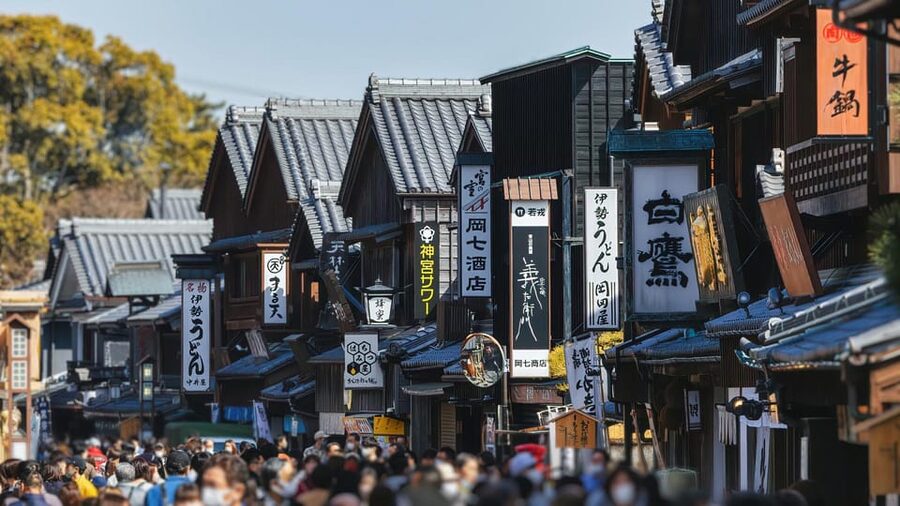
After the shrine, the tour allows about two hours at Okage Yokocho. This is where the day becomes more relaxed and practical. You have time to eat, look for souvenirs, and revisit something that caught your eye near the shrine.
Lunch is not included, so plan to pay for your own meal. That is a drawback for anyone who prefers a fixed package, but I see an advantage here. You can choose how much to spend and what kind of local food suits you.
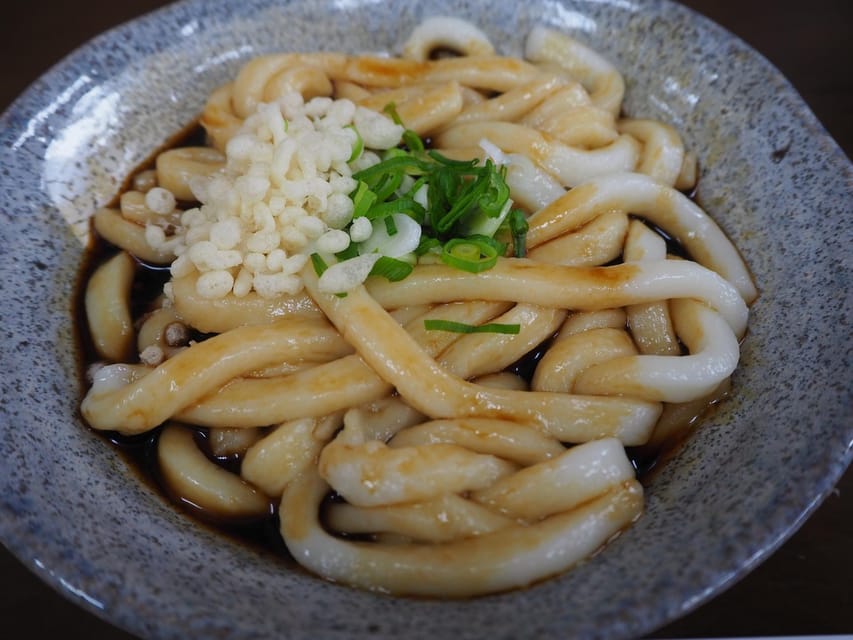
Ise Udon is one obvious choice. Its thick noodles and local character make it a fitting meal after a morning of walking. You might also find fried oysters or spiny lobster, both listed as local specialties for this experience. The food choices give you a chance to taste the region instead of settling for a standard meal selected for an entire busload.
The two-hour pause is also useful because it prevents the day from feeling like one long sequence of guided commentary. Some people will want a proper lunch, others will browse small shops, and others may prefer to slow down with a drink or a snack. Souvenir time is built into the schedule, so you do not need to squeeze every purchase into the final minutes.
Keep an eye on the meeting time. Free time is pleasant only when you return to the group promptly. The guide can offer suggestions about what to see and buy, which helps if you are unsure how to use the break.
Same sacred ground, another way to see it:
- Tokyo:Mt.Fuji,Kawaguchiko Oishi Park,Arakurayama Sengen Park
★ 4.4 · 2,682 reviews - Nikko: Kegon Falls, Lake Chuzenji & Toshogu Temple
★ 4.6 · 1,577 reviews - Tokyo: Nikko Toshogu Shrine and Kegon Waterfall Tour
★ 4.5 · 1,266 reviews - Tokyo Panoramic 1 Day: Meiji Shrine, Asakusa, Odaiba and SKYTREE®
★ 4.5 · 1,222 reviews
Meoto Iwa brings the sea into the day
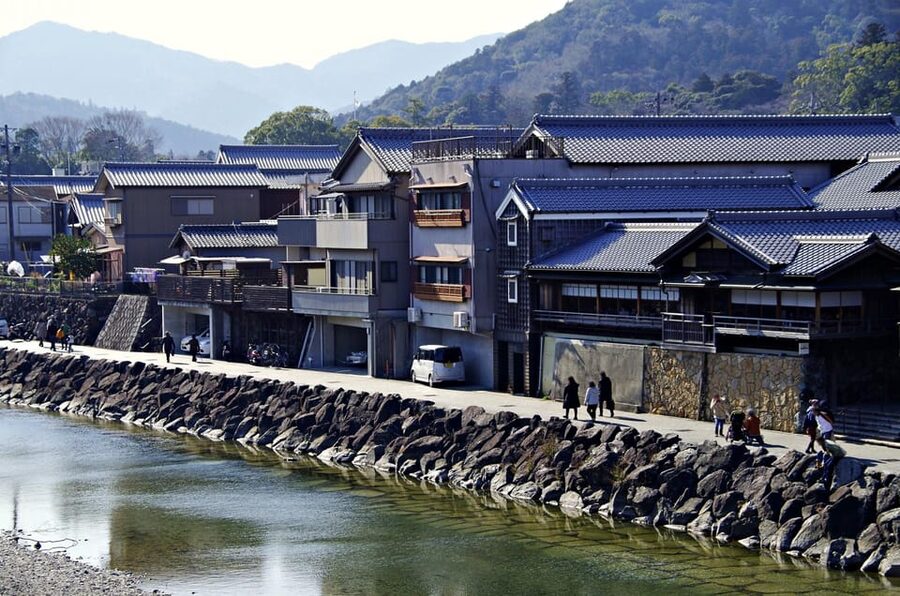
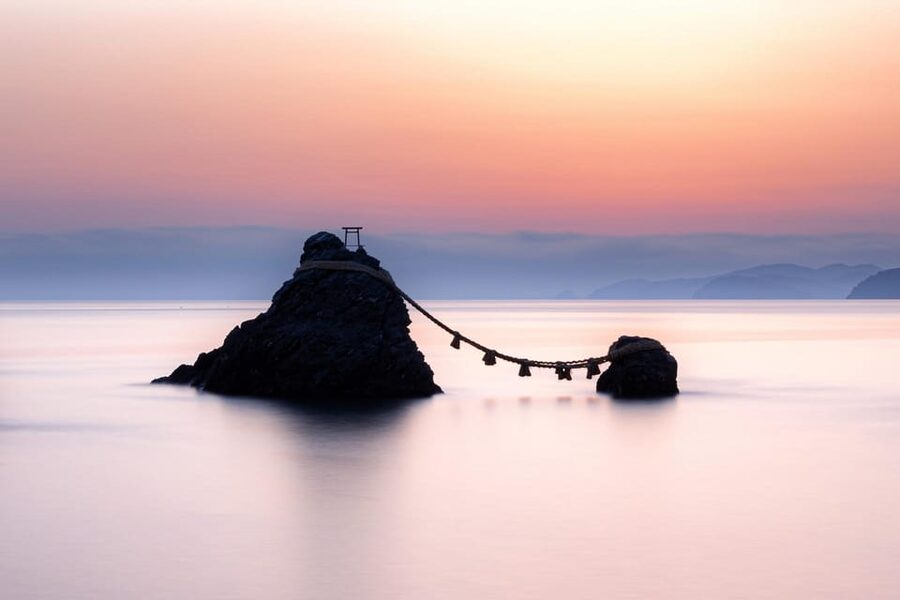
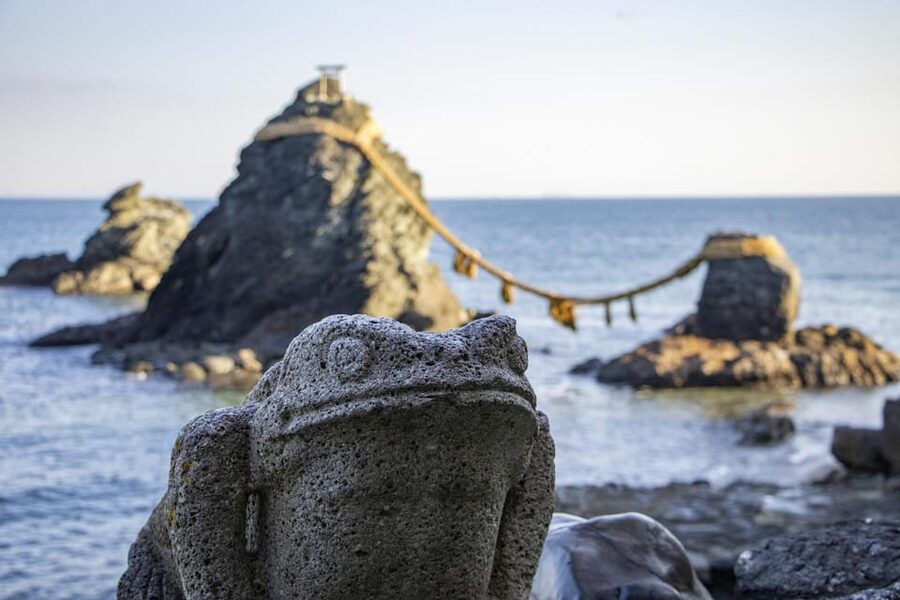
A short drive of about 15 minutes takes you to Meoto Iwa, the Wedded Rocks, at Futami-Okitama Shrine. After the forested setting of Ise-Jingu, the coast gives the afternoon a clear change of mood.
The rocks are linked by a sacred shimenawa rope and are one of the best-known natural sights in the Ise area. From the shrine, you look out toward the water and the paired rocks. The site connects landscape and belief in a simple, visible way, making it easy to appreciate even if you do not know much about Shinto.
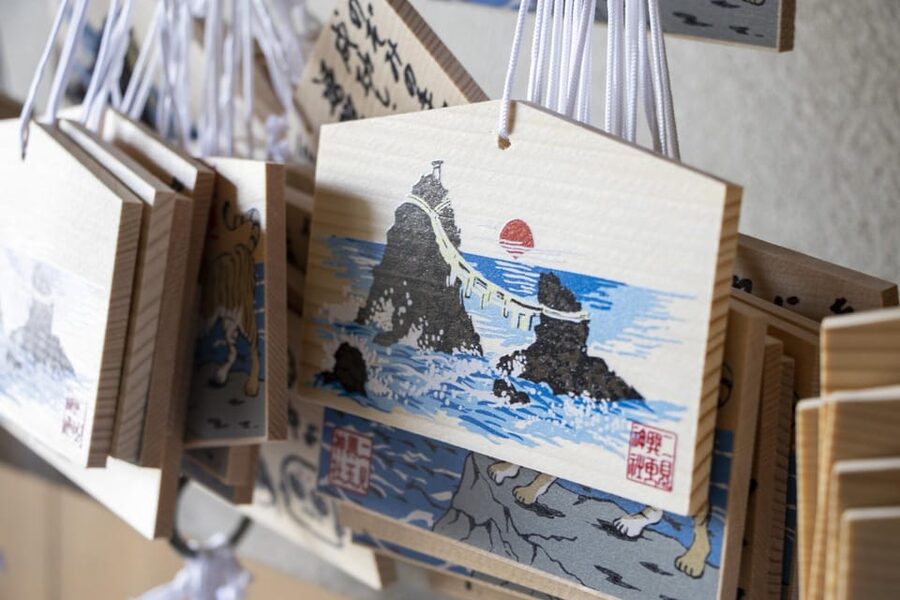
The visit lasts about 45 minutes. That is enough for the guide to explain the shrine and the rocks, allow time for photographs, and let you take in the view without turning the stop into a long coastal walk. The tour includes an omikuji, or lucky fortune, at Futami-Okitama Shrine. It is a small detail, but it gives you a direct part in a familiar Japanese shrine custom.
Weather will shape this stop. On a clear day, the view across Ise Bay should be the main reward. In rain or strong wind, the rocks remain worth seeing, but the coastal part of the day may feel less comfortable. Check the forecast before leaving Nagoya and bring an umbrella or raincoat when needed.
What the guide adds at Ise-Jingu
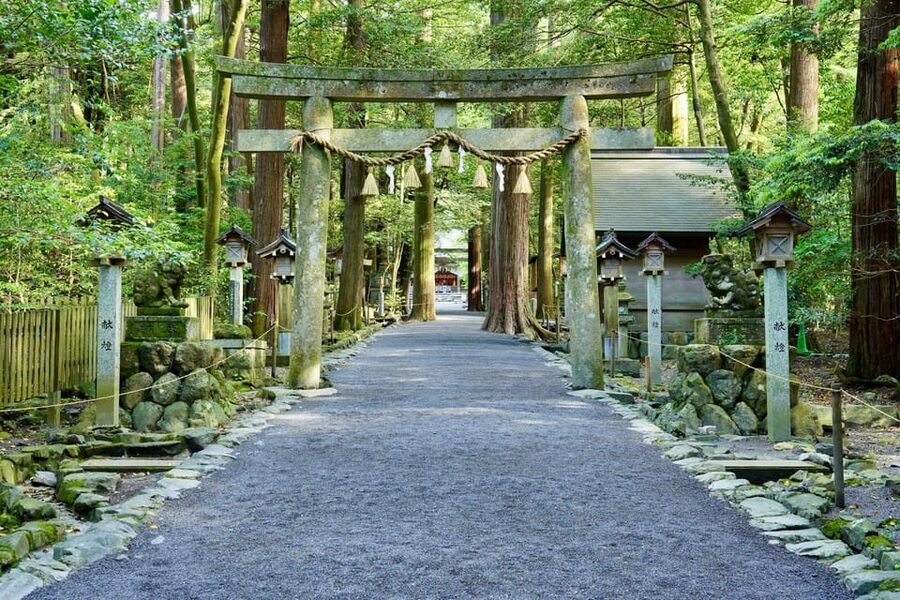
The most important service here is interpretation. Ise-Jingu has a calm, understated appearance, and without context you might simply see gates, gravel, trees, and buildings. The guide explains why the site matters and helps you notice the rituals and layout rather than treating the shrine as a photo stop.
The strongest guide feedback centers on clear storytelling, patience, and regular pauses. Kim has been praised for stopping often enough to explain details without making the walk feel like a lecture. Camille has been described as especially good at connecting history and Shinto belief in an easy-to-follow way. Shoko has answered questions about Shintoism and helped make the visit more meaningful for people interested in Japanese culture.
That does not mean every guide will have the same personality. The languages offered are English, Chinese, French, and Spanish, and the quality of your experience will depend partly on the guide assigned that day. Still, the structure gives the guide time to explain instead of rushing through a checklist.
A useful tip is to ask questions early. If you are curious about shrine etiquette, purification, prayers, or the role of nature in Shinto, this is the right setting. Your guide can make the difference between seeing a beautiful site and understanding why it matters.
Is $189 a fair price?
At $189 per person, this is not a cheap day trip. The price needs to be judged against what it removes from your planning list.
You receive round-trip transport from central Nagoya, transportation between Ise-area stops, entry fees, a multilingual guide, and a small group capped at 14 people. You also receive a planned route that covers Ise-Jingu, Okage Yokocho, and Meoto Iwa in one day. Lunch, accommodation, and your travel to and from Nagoya Station are extra.
For two people, the cost rises quickly, and independent transport may be less expensive if you are comfortable handling trains and local connections. Yet a lower transport price does not provide the same explanation or the same simple link between the three stops. I would see this tour as a convenience purchase with cultural guidance included.
The value is strongest if you have limited time in Nagoya, do not read Japanese confidently, or want a guide to explain Shinto customs. It is weaker if you prefer wandering alone, want to choose every stop yourself, or dislike spending several hours on a coach.
The small group is a real part of the value. A group of four, as happened on one departure, feels very different from a full coach. You can hear the guide, ask questions, and get help with photographs without creating a crowd around each stop.
Preparing for weather, walking, and free time
This is an outdoor day. Comfortable walking shoes are essential, and easy-to-move-in clothing will serve you better than anything formal. The route includes shrine grounds, river scenery, the shopping street, and a coastal shrine, so conditions underfoot and temperatures can change.
Summer deserves special caution. Highs can reach 35°C or more, with extreme humidity. Wear light clothing, protect your skin, carry water, and consider a parasol. Winter can feel cold, with temperatures commonly between 0°C and 10°C, so bring warm layers and shoes that remain comfortable outside.
Rain does not automatically ruin the day, but it can make shrine paths and the coast less pleasant. Check the forecast before meeting the guide. An umbrella or raincoat is recommended, and you may want a small bag that keeps your phone and camera dry.
The schedule also includes free time for souvenirs. Since lunch is on your own, you can use part of the Okage Yokocho break for food and part for shopping. I would avoid using every minute on purchases, though. The old street is one of the easier places to pause and enjoy the local character of the Ise visit.
Who should book this day trip?
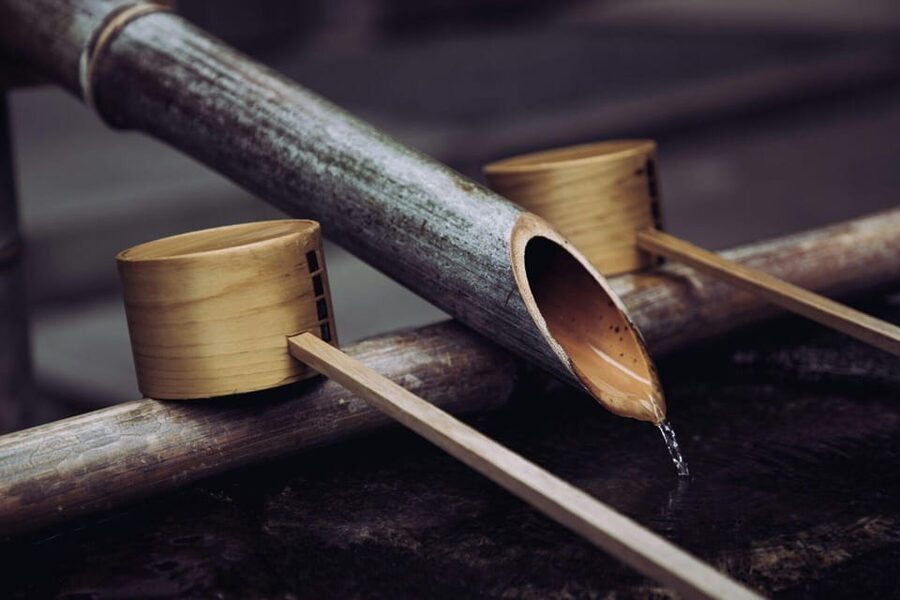
I recommend this trip if you want a clear introduction to Ise without spending time working out the transport. It is especially suitable for first-time visitors to the region, people interested in Shinto, and anyone who wants both a major shrine and a coastal sight in one day.
It also suits solo visitors and couples who like a smaller group. The guide can explain customs, help with photographs, and answer questions in several languages. The 4.9 rating from 12 published ratings points to consistently strong satisfaction, with the guides and organization receiving the most praise.
I would think twice if you want a slow day with long meals or extensive shopping. The two-hour drive each way is fixed, and the stops are carefully timed. You will see the main places, but you will not have unlimited time to explore every corner of Ise.
Should you book From Nagoya: Ise’s Sacred Shrines and Captivating Coastlines?
Book it if Ise-Jingu is high on your Japan list and you want the visit explained rather than simply photographed. The combination of sacred forest, local food, river scenery, and Meoto Iwa gives you a thoughtful day beyond Nagoya, while transport takes care of the awkward parts.
Skip it if the price feels high for a day with four hours of road travel, or if you prefer to make your own schedule. For everyone else, the strongest reason to book is the guide. A good explanation makes Ise-Jingu more than a beautiful place, and the small group gives you a fair chance to hear it.
FAQ
How long is the tour?
The tour lasts about nine hours, beginning at Nagoya Station and returning there later the same day.
Where do I meet the guide?
Meet at the base of the silver clock tower inside Nagoya Station, just before the Taiko-Dori exit. Look for the guide holding a SNOW MONKEY RESORTS tour sign.
What languages are available?
The live guide can speak English, Chinese, French, or Spanish.
How large is the group?
The tour is limited to 14 participants. Some departures may be smaller.
Is lunch included?
No. Lunch is not included, but you have about two hours at Okage Yokocho to buy food and explore. Local choices include Ise Udon, fried oysters, and spiny lobster.
What is included in the price?
Transportation during the tour, entry fees at the tour locations, a multilingual guide, and an omikuji at Futami-Okitama Shrine are included.
What should I wear?
Wear comfortable shoes and clothing suitable for several hours outdoors. In summer, use light clothing and sun protection. In winter, wear warm layers. Bring an umbrella or raincoat if rain is forecast.
Temple visits we reviewed lately in Japan
- From Asakusa: Old Tokyo, Temples, Gardens and Pop Culture★ 4.6 · 15 reviews
- Tokyo: Nagano Snow Monkeys and Zenkoji Tour with Temples★ 4.9 · 19 reviews
- Kamakura: Great Buddha, Hase Temple, & Komachi Street Tour★ 5.0 · 11 reviews
- Osaka Temple Head Spa &Matcha Facial – Refresh & Glow〈90min〉★ 5.0 · 24 reviews
- Osaka Temple :Warm Bamboo Oil Massage – Deep Restore〈60min〉★ 4.9 · 19 reviews
- Osaka: Temple Tour and Traditional Calligraphy Lesson★ 4.9 · 24 reviews
- Osaka: Mind & Spirit Balance Temple Reiki Healing★ 5.0 · 41 reviews
- Osaka: Sumiyoshi, Osaka’s Most Iconic Shrine – Private Tour★ 4.7 · 4 reviews
Japan Temple Tours, compared.
Osaka/Kyoto:Kinkakuji,Arashiyama,FushimiInariShrine,NaraPark
Read our review →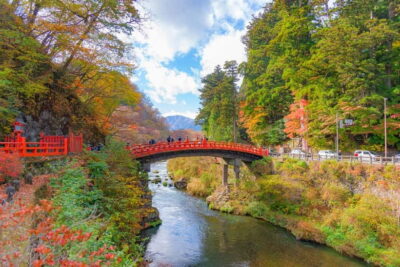
Nikko: Kegon Falls, Lake Chuzenji & Toshogu Temple
Read our review →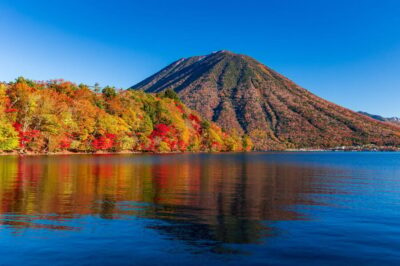
Tokyo: Nikko Toshogu Shrine and Kegon Waterfall Tour
Read our review →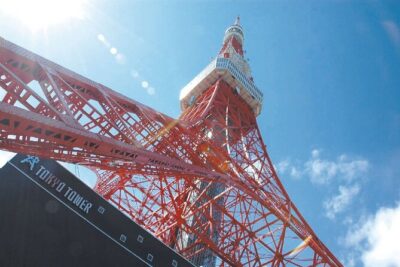
Tokyo Panoramic 1 Day: Meiji Shrine, Asakusa, Odaiba and SKYTREE®
Read our review →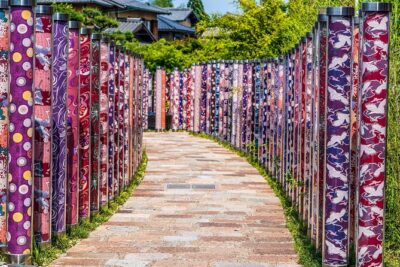
Kyoto Arashiyama Walking Tour: Bamboo, Monkeys, Gardens & Secrets
Read our review →
1-Day Snow Monkeys, Zenko-ji Temple & Sake in Nagano
Read our review →
Arashiyama Bamboo, Temple, Monkeys, or Secret Sake Brewery
Read our review →This tour also ranks in