
Review · JAPAN
From Fukuoka: Miyazaki, Takachiho Gorge and Shrines Day Tour
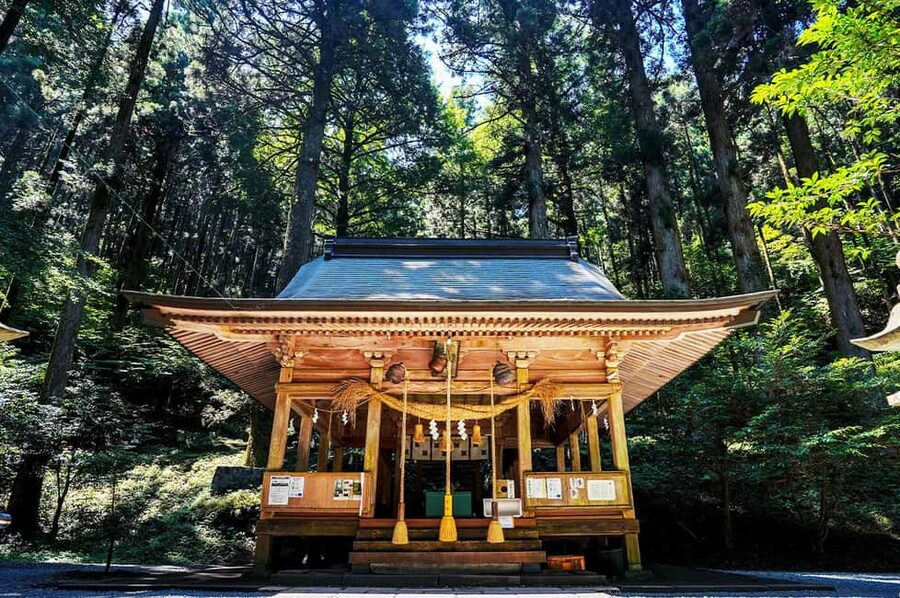
Takachiho Gorge is the star here, but the mythology-filled shrines give this long day trip more depth than a simple scenic drive. You’ll see the Manai Waterfall, walk beneath towering volcanic cliffs, and visit places tied to the story of Japan’s sun goddess, Amaterasu.
I like the excellent value at $50, which covers the bus, guide, tolls, parking, and fuel. I also like having guides such as Sun, Helen, Thomas, and Jyo to explain the sites in English, Japanese, or Traditional Chinese. The drawback is the distance: nearly six hours of bus travel leaves limited time at each stop, and the gorge can feel rushed.
Key points to know before booking
- Takachiho Gorge is the main event: Allow 80 minutes to walk, take photos, and see the 17-meter Manai Waterfall.
- The shrines are tied to Japanese mythology: Amano Iwato is linked to Amaterasu, while Amano Yasugawara is known for wish-making stone towers.
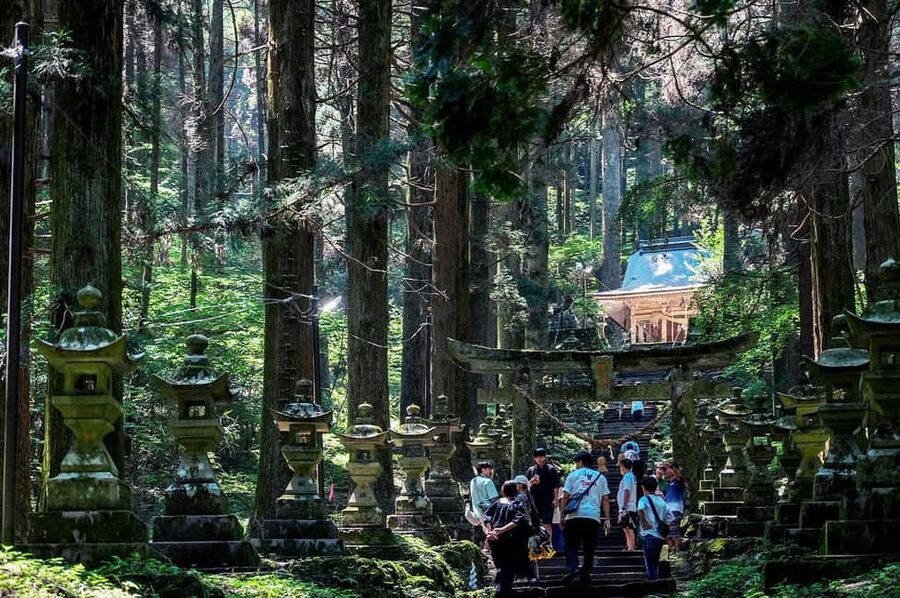
- Kamishikimi Kumanoimasu Shrine feels cinematic: Nearly 100 lanterns lead through the forest to the unusual Tooriwa Rock.
- The bus makes a long day manageable: You avoid driving, tolls, parking, and route planning from Fukuoka.
- Boat rides are not included: Seats may sell out, so book separately in advance if paddling through the gorge matters to you.
- Bring cash and good shoes: The day includes hills, stairs, and places where cards may not be accepted.
Why this Fukuoka day trip works
Kyushu is easy to appreciate from Fukuoka’s food stalls, shopping streets, and station area. But some of the island’s most memorable sights are far from the city. This tour takes you into a quieter part of the region, where shrines sit in forest settings and volcanic cliffs frame a narrow river gorge.
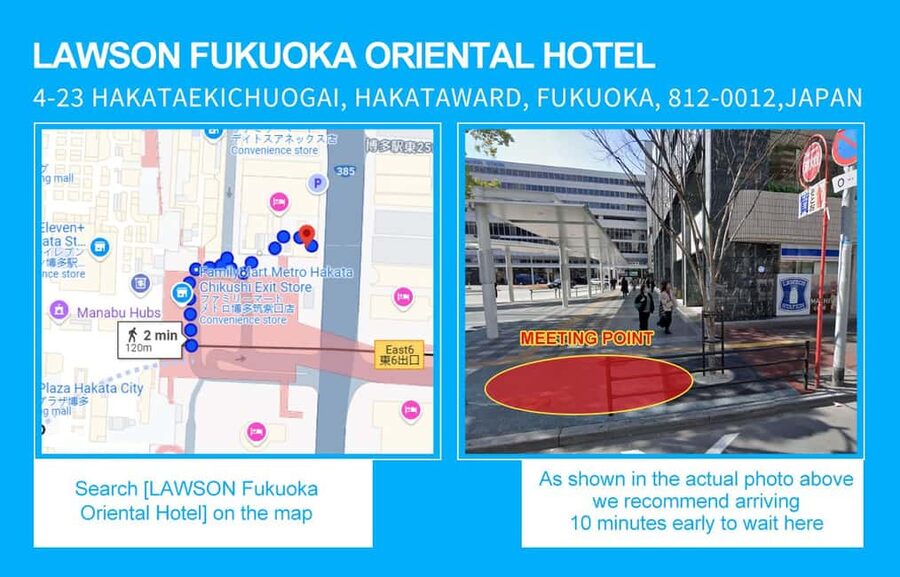
The practical appeal is simple. You meet at 8:00am outside the Lawson Fukuoka Oriental Hotel near Hakata Station, then hand the driving to someone else. The journey to the first stop takes about 2 hours and 50 minutes. After the sightseeing, the return ride takes about three hours.
That adds up to a long day, roughly 10 hours in total. Still, the $50 price is unusually low for a full-day outing with roundtrip transportation, highway tolls, parking, fuel, a professional driver, and a multilingual guide. Renting a car would give you more freedom, but it would also mean navigating rural roads, finding parking, and handling the long drive yourself.
The bus is air-conditioned, though one tall visitor found the seating a little cramped. You should also expect a shared group with several languages in use. Guides switch between English, Japanese, and Traditional Chinese, so explanations may take longer than they would on a private tour.
More Temple Tours around Japan:
- Kyoto: Tea Ceremony Ju-An at Jotokuji Temple
★ 4.9 · 3,207 reviews - Osaka/Kyoto:Kinkakuji,Arashiyama,FushimiInariShrine,NaraPark
★ 4.1 · 1,596 reviews - Tokyo: Asakusa Walking Tour with Sensoji Temple Visit
★ 4.8 · 1,583 reviews
Kamishikimi Kumanoimasu Shrine and its lantern path
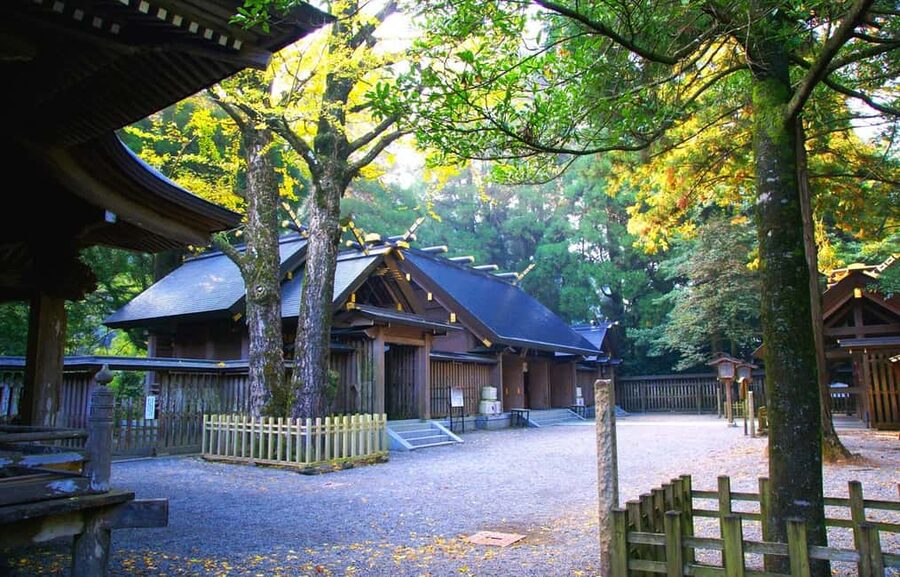
Your first sightseeing stop is Kamishikimi Kumanoimasu Shrine, where you have about 40 minutes. The approach is part of the attraction. A forest path lined with nearly 100 lanterns leads toward the shrine, creating a quiet, almost storybook mood.
The shrine is known for its links to anime, including Hotarubi no Mori e and Natsume’s Book of Friends. If those titles mean something to you, the setting may feel familiar. If not, the appeal is still clear: mossy forest, stone steps, lanterns, and a strong sense of place.
Look for Tooriwa Rock, a huge stone formation with a hole through it. Local belief connects the rock with good luck and success, and couples visit to pray for love and prosperity. It is also one of the more distinctive photo subjects on the route.
Forty minutes is enough to walk the approach, see the shrine, and take pictures. It is not enough for a slow, reflective visit. The path includes steps and uphill walking, so wear shoes with a firm sole rather than smooth city footwear.
Amano Iwato and the story of Amaterasu
The next stop is Amano Iwato Shrine, with about 30 minutes for a guided visit. This is the place tied to one of Japan’s best-known creation stories. Amaterasu, the sun goddess, is said to have hidden in a cave here after a quarrel, leaving the world in darkness.
That story gives the shrine more weight than a quick photo stop. Your guide can explain why the cave and the surrounding area matter in Japanese mythology, while the wooded setting provides a calm contrast to the busy city streets of Fukuoka.
Thirty minutes is tight. You can see the main area and listen to the explanation, but you may wish for another 15 or 20 minutes. If you like to read signs, pray, take careful photographs, and move at an unhurried pace, this is one of the places where the schedule may test you.
The tour information also notes a major choice at booking. If you select an option that includes the boat and lunch, Amano Iwato Shrine and Amano Yasugawara are replaced by Mount Aso Volcano and Kusasenri Grassland. Read the option details closely. The two versions offer different kinds of scenery and culture.
Stacking stones at Amano Yasugawara
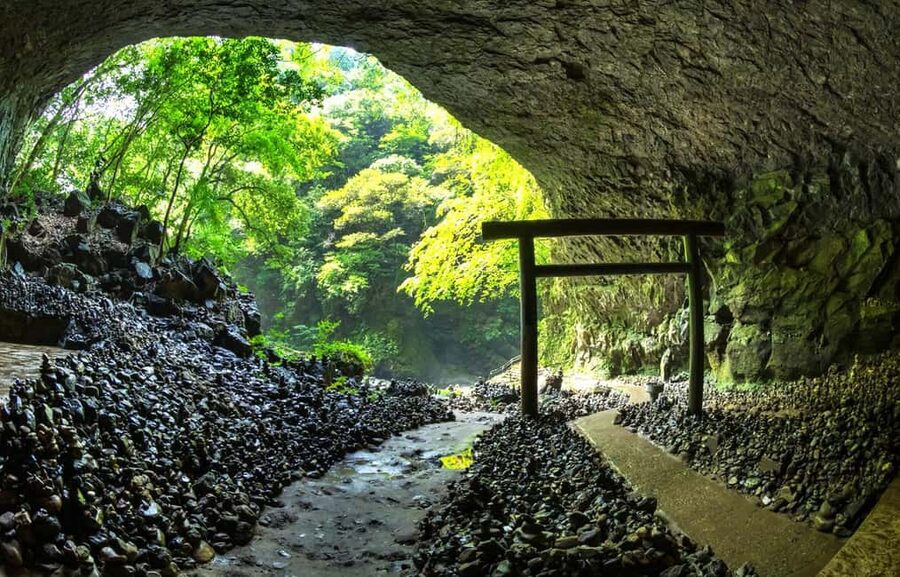
A short trip takes you to Amano Yasugawara, with around 30 minutes for sightseeing. The area is associated with the cave where Amaterasu hid, and visitors stack small stones into towers while making wishes.
These little stone piles give the site its character. You can add your own stone tower, then take a moment to look at the many others built around the area. It is a simple activity, but it makes the stop more personal than simply walking past a shrine gate.
Again, the time is limited. You will want to listen to the guide, see the sacred setting, stack a stone, and take photographs within half an hour. The route also involves walking, so this is not a sit-back-and-watch kind of excursion.
A practical tip is to bring a small amount of cash. Meals and drinks are not included, and some rural locations may not accept credit cards. The guide may point out food options, but you should not expect a long restaurant meal during the scheduled stops.
Same sacred ground, another way to see it:
- Tokyo:Mt.Fuji,Kawaguchiko Oishi Park,Arakurayama Sengen Park
★ 4.4 · 2,682 reviews - Nikko: Kegon Falls, Lake Chuzenji & Toshogu Temple
★ 4.6 · 1,577 reviews - Tokyo: Nikko Toshogu Shrine and Kegon Waterfall Tour
★ 4.5 · 1,266 reviews - Tokyo Panoramic 1 Day: Meiji Shrine, Asakusa, Odaiba and SKYTREE®
★ 4.5 · 1,222 reviews
Takachiho Gorge and the 17-meter Manai Waterfall
Takachiho Gorge receives about 80 minutes of free time, making it the longest sightseeing stop. This is where the tour earns its place on your Kyushu schedule.
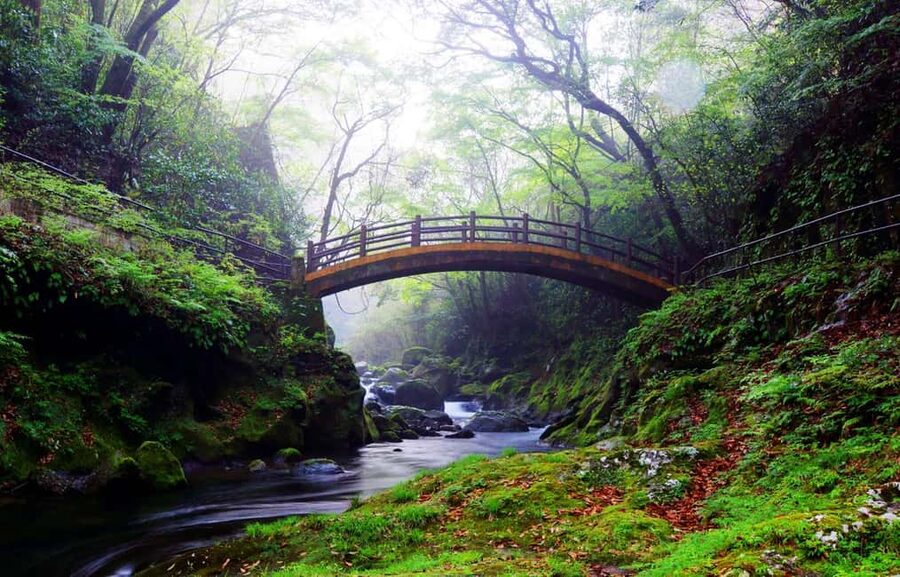
The gorge was formed by ancient volcanic activity. Dark cliffs rise along the river, and the 17-meter Manai Waterfall drops into the water below. Manai is listed among Japan’s top 100 waterfalls, and it is the view most likely to stay with you after the bus ride home.
A walking route of about one kilometer follows the gorge. Along the way, you can photograph the waterfall, cliffs, river, and several notable rock formations. Sennin-no-Byobu Rock rises about 70 meters, while Onihashi Rock is a roughly 200-ton boulder wrapped with sacred ropes.
The Three Bridges of Takachiho are another worthwhile photo stop. Each bridge represents a different era, giving you an unusual way to see how the route has developed over time. Your guide may explain the details before you set off, then leave you to explore at your own pace.
Eighty minutes lets you see a good portion of the gorge, but it does not guarantee a relaxed visit. You may need to choose between walking the full route, waiting for photographs, finding food, and taking a boat ride. Several people found the time sufficient, while others wanted another 15 or 20 minutes.
The boat question at Takachiho
Boat tickets are not included in the $50 tour price. This matters because rowing below the cliffs is one of the most popular ways to experience the gorge, and tickets can sell out.
You should arrange the boat separately before the day of the tour if it is important to you. One practical note from the tour details is that reservations may be available from two weeks to two days before the desired date, with an afternoon time around 2:30 suggested by one visitor. Availability can still depend on water conditions and demand.
High water has canceled boat rides, and full bookings have also left people watching from the walking path instead. Do not assume the boat will be available simply because you are visiting the gorge. Treat it as an optional extra, not part of the standard outing.
If you skip the boat, 80 minutes is more useful. You can focus on the path, waterfall, bridges, and rock formations without watching the clock for a boarding time.
What the guide adds to the day
The guides are a major part of the experience. Names reported for different departures include Sun, Helen, Thomas, Jyo, Lina, Emily, Emy, Koko, Roger, Elvis, and Seki. The guide assigned to your date may be different, but the best departures share the same strengths: clear timing instructions, short explanations before each stop, and practical advice about food and the return meeting point.
Sun received especially warm praise for his humor, local food suggestions, and friendly manner. Helen was noted for handling two languages while keeping the group moving. Thomas was praised for fluent explanations and advice about dinner and shopping around Hakata Station. Jyo was singled out for switching between languages and keeping the day organized.
English ability can vary by guide, and one person wanted clearer English. Since this is a multilingual group, explanations may be simplified or repeated. That can feel slow if you understand every language being used, but it helps keep the group together.
The guide also acts as the day’s traffic controller. You need to return to the bus on time, especially after free time at the gorge. A late arrival can reduce the time available at later stops, so keep an eye on the meeting instructions rather than wandering off for one last photograph.
Walking, weather, and comfort
This is not a physically extreme tour, but it is an active one. Expect stairs, hills, and plenty of walking at the shrines and gorge. One person specifically advised against choosing a hot summer day if climbing is difficult, and another noted that there is quite a bit of walking.
Wear comfortable shoes with good grip. Carry water, especially in warm weather, and check the forecast before leaving. Rain does not erase the beauty of Takachiho Gorge, but wet paths and reduced visibility can change the experience.
Weather, traffic, and holiday congestion can also affect the schedule. The return to Fukuoka may be later than planned, and the operator may reduce time at a stop, alter the route, or cancel in bad conditions. Keep your evening open rather than booking a tight dinner reservation or train connection.
The bus provides a welcome rest after the walking. It also turns the long drive into downtime instead of work. Bring something to read, charge your phone, and keep snacks handy if you prefer not to rely on the available food stops.
Who should book this tour
I would choose this trip if you want to see rural Kyushu without renting a car. It suits first-time visitors based in Fukuoka, photographers who want the gorge and shrine settings, and anyone interested in Japanese mythology.
It is also a good fit if you value convenience over a fully flexible schedule. The driver handles the roads, the guide explains the sites, and the price includes the basic transport costs that can quietly add up on an independent day trip.
I would think twice if you dislike long bus rides or need slow, open-ended sightseeing. Roughly 70 percent of the day can feel like transport, and the main stops operate on a fixed schedule. Families with young children, tall passengers, and anyone with trouble on hills should consider the walking and seating carefully.
If the boat ride is your main goal, book that first and confirm the timing works with the tour. If the mythology stops matter more, avoid the boat and lunch option that replaces Amano Iwato and Amano Yasugawara with Mount Aso and Kusasenri.
Should you book this $50 Kyushu day trip?
Yes, if you want a low-cost, well-organized way to reach Takachiho Gorge and two unusual shrine areas from Fukuoka. The scenery is special, the mythology adds meaning, and the included transportation removes a major headache.
Go in with realistic expectations. This is a long day, not a leisurely countryside retreat. You will spend many hours on the bus, walk uphill and on stairs, and make quick decisions at the most popular sights.
For $50, the combination of transport, guiding, and access to places that are difficult to link by public transport is hard to dismiss. Pack light, wear proper shoes, bring cash, protect your evening schedule, and reserve the boat separately if you want one. With those points understood, this is a strong value for seeing a memorable corner of Kyushu.
FAQ
Where does the tour start?
The pickup point is outside the Lawson Fukuoka Oriental Hotel in front of Hakata Station Chikushiguchi. The address is 4-23 Hakataekichuogai, Hakata Ward, Fukuoka, 812-0012, Japan.
What time should I arrive?
The pickup time is 8:00am. Arrive 15 minutes early, or at least 10 minutes early according to the activity instructions. Late arrivals and no-shows are not refunded.
How long does the tour last?
The advertised duration is 10 hours. The outbound bus ride takes about 2 hours and 50 minutes, and the return trip takes about three hours.
Which languages are available?
Live guide service is available in English, Traditional Chinese, and Japanese. The guide may explain information in more than one language during the day.
Is lunch included?
No. Meals and drinks are not included in the standard tour. Bring cash because some locations may not accept credit cards.
Is a boat ride at Takachiho Gorge included?
No. Takachiho Gorge boat tickets are not included. You need to arrange and pay for a boat ticket separately, and availability may be limited.
What happens if I choose the boat and lunch option?
With that option, Amano Iwato Shrine and Amano Yasugawara are replaced by Mount Aso Volcano and Kusasenri Grassland.
Can I cancel the booking?
You can cancel up to 24 hours in advance for a full refund. The tour also offers a reserve-now, pay-later option.
Temple visits we reviewed lately in Japan
- From Asakusa: Old Tokyo, Temples, Gardens and Pop Culture★ 4.6 · 15 reviews
- Tokyo: Nagano Snow Monkeys and Zenkoji Tour with Temples★ 4.9 · 19 reviews
- Kamakura: Great Buddha, Hase Temple, & Komachi Street Tour★ 5.0 · 11 reviews
- Osaka Temple Head Spa &Matcha Facial – Refresh & Glow〈90min〉★ 5.0 · 24 reviews
- Osaka Temple :Warm Bamboo Oil Massage – Deep Restore〈60min〉★ 4.9 · 19 reviews
- Osaka: Temple Tour and Traditional Calligraphy Lesson★ 4.9 · 24 reviews
- Osaka: Mind & Spirit Balance Temple Reiki Healing★ 5.0 · 41 reviews
- Osaka: Sumiyoshi, Osaka’s Most Iconic Shrine – Private Tour★ 4.7 · 4 reviews
Japan Temple Tours, compared.
Osaka/Kyoto:Kinkakuji,Arashiyama,FushimiInariShrine,NaraPark
Read our review →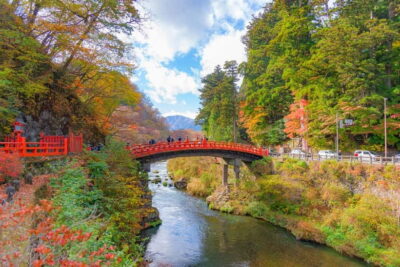
Nikko: Kegon Falls, Lake Chuzenji & Toshogu Temple
Read our review →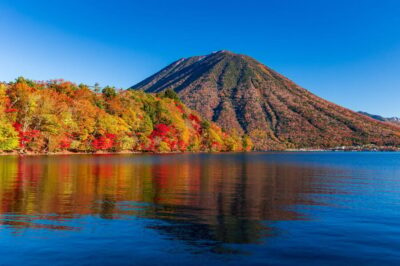
Tokyo: Nikko Toshogu Shrine and Kegon Waterfall Tour
Read our review →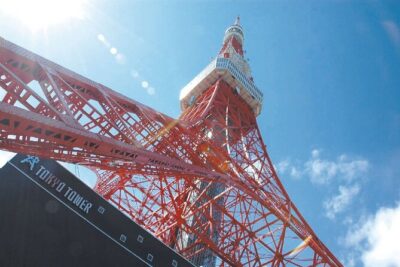
Tokyo Panoramic 1 Day: Meiji Shrine, Asakusa, Odaiba and SKYTREE®
Read our review →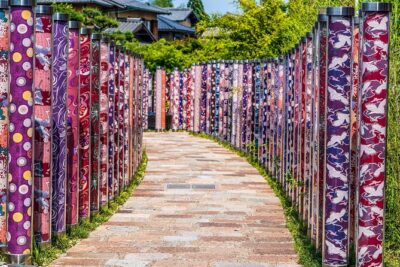
Kyoto Arashiyama Walking Tour: Bamboo, Monkeys, Gardens & Secrets
Read our review →
1-Day Snow Monkeys, Zenko-ji Temple & Sake in Nagano
Read our review →
Arashiyama Bamboo, Temple, Monkeys, or Secret Sake Brewery
Read our review →This tour also ranks in