
Review · JAPAN
Try Mindful Calligraphy Near Kanazawa’s Ninja Temple
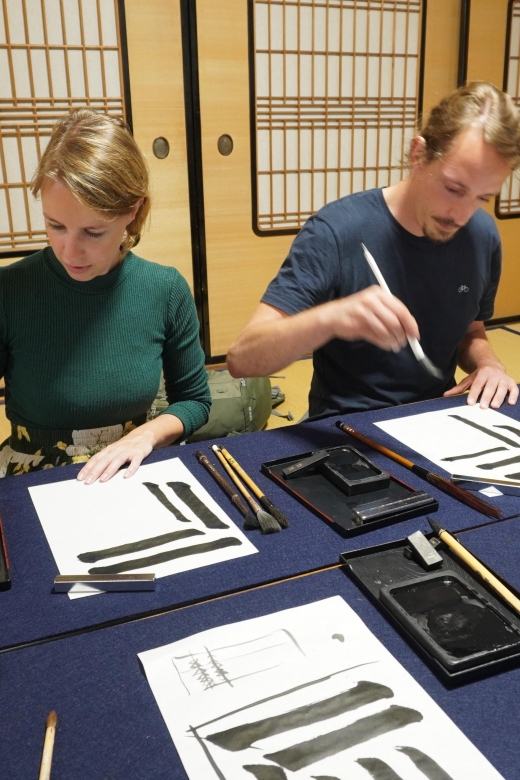
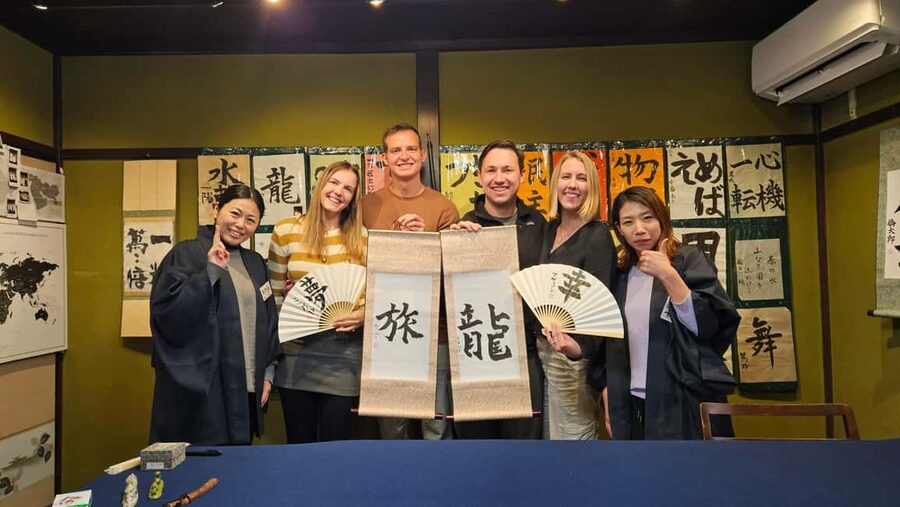
The best part of this Kanazawa experience is its setting: you practice calligraphy in an actual classroom inside a 100-year-old traditional house, not on a stage built for tourists. You learn how the brush, ink, and characters work, then make a piece you can carry home.
I like the patient, personal teaching from instructors such as Naomi and Daiki, and I like the quiet rhythm of the lesson. You practice basic strokes before choosing a word, so the finished scroll or folding fan feels like your own work, not a souvenir stamped out for you. The main limitation is time. One hour goes quickly, especially if you want lots of practice.
Key points to know before booking
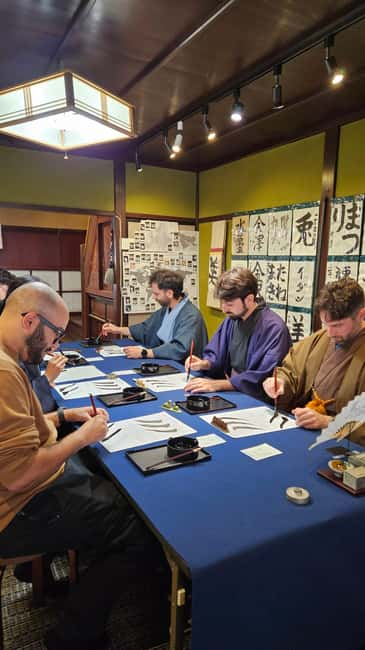
- A real classroom near Kanazawa’s Ninja Temple: Calligraphy takes place in a historic house where local lessons may also be held.
- Choose your own Japanese word: You decide what to write, with help understanding kanji and the two phonetic scripts.
- A finished souvenir is included: Your final work goes directly onto a hanging scroll or folding fan.
- English-friendly instruction: Naomi, Daiki, and the teaching team explain tools, strokes, and cultural details in English or Japanese.
- Quiet and creative: The lesson offers a calm break from sightseeing, with no artistic experience required.
- Check the materials note: Traditional brushes and ink can contain animal-derived materials, so the activity is not suitable for vegans.
A calm hour in Nomachi
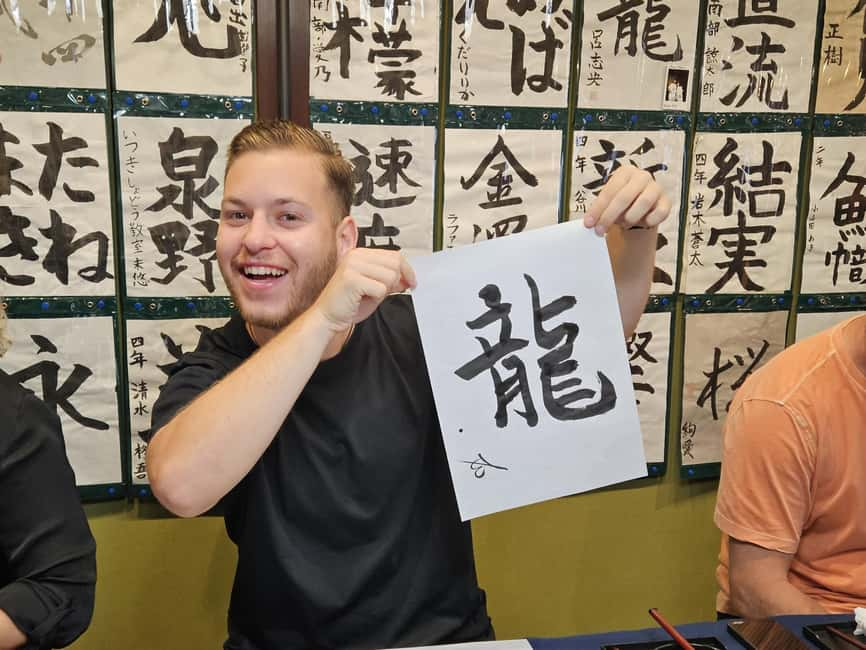
Culture Lab Nomachi sits at 1-1-26 Nomachi, Kanazawa, near the area known for the city’s Ninja Temple. A Kanazawa Loop Bus stop is nearby, and the building is fairly easy to spot because calligraphy works can be seen from outside.
That small visual clue matters. You are not searching for a large attraction or a hotel lobby. You are looking for a working calligraphy place, with examples of the art displayed where passersby can see them.
The activity is a private group experience, so your lesson is not mixed into a large class of strangers. A couple may have the teacher’s full attention, while a small family or group of friends can work together. On Thursdays and Saturdays after 3:00 PM, the local calligraphy school may also be in session, and you might see children studying in the studio. That adds a useful glimpse of calligraphy as a living practice rather than a one-time cultural demonstration.
The atmosphere is best suited to people who enjoy sitting down and concentrating. If your ideal holiday activity involves constant movement, this may feel slow. If you have spent the morning walking Kanazawa’s streets, the quiet change of pace can be exactly right.
More Temple Tours around Japan:
- Kyoto: Tea Ceremony Ju-An at Jotokuji Temple
★ 4.9 · 3,207 reviews - Osaka/Kyoto:Kinkakuji,Arashiyama,FushimiInariShrine,NaraPark
★ 4.1 · 1,596 reviews - Tokyo: Asakusa Walking Tour with Sensoji Temple Visit
★ 4.8 · 1,583 reviews
What happens during the one-hour lesson
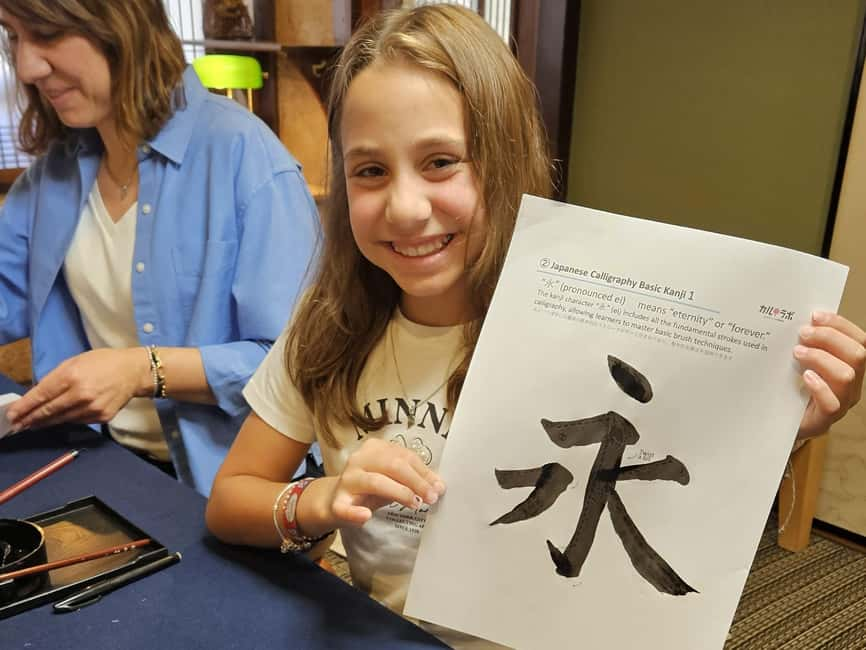
The session begins with an explanation of the main tools. You learn about the brush and ink, along with the basic way to handle them. This is important because Japanese calligraphy is not simply drawing characters with a Japanese-looking brush. The pressure, angle, speed, and direction of each stroke affect the result.
Next comes practice with guide sheets. You work through basic strokes under the teacher’s direction, repeating the movements before attempting a final character. The instructors are patient and encouraging, which helps take the pressure off beginners. You do not need to arrive with an artistic background or prior Japanese study.
The short introduction to Japanese writing gives the brushwork more meaning. Japanese uses three scripts:
- Kanji: Character-based symbols with their own meanings and often several readings.
- Hiragana: A flowing phonetic script used widely in Japanese writing.
- Katakana: Another phonetic script, often used for foreign words and certain names.
The lesson explains these forms in accessible terms. You are not expected to become fluent in Japanese in an hour. Instead, you get a practical look at how writing, sound, meaning, and visual form fit together.
You then choose a favorite word to write. The supplied information does not limit you to a fixed menu, so you can ask about a word that matters to you, though the teacher will need to help with the correct Japanese form. This choice is one of the strongest features of the activity. A word selected for its meaning becomes more personal than a standard character chosen for every participant.
Before making the final piece, you practice again. This stage helps you see how much control the art requires. Your practice sheets are not a test, and the teachers encourage you to keep trying. The goal is not perfect professional calligraphy. It is to understand the movement and produce something you are happy to take home.
At the end, your chosen work is created directly on a hanging scroll or folding fan. The exact option can depend on the activity arrangement, but the finished item is included as part of the experience. It is a useful souvenir because it connects the object to an hour you spent learning, rather than simply buying it in a shop.
Why the teachers make a difference
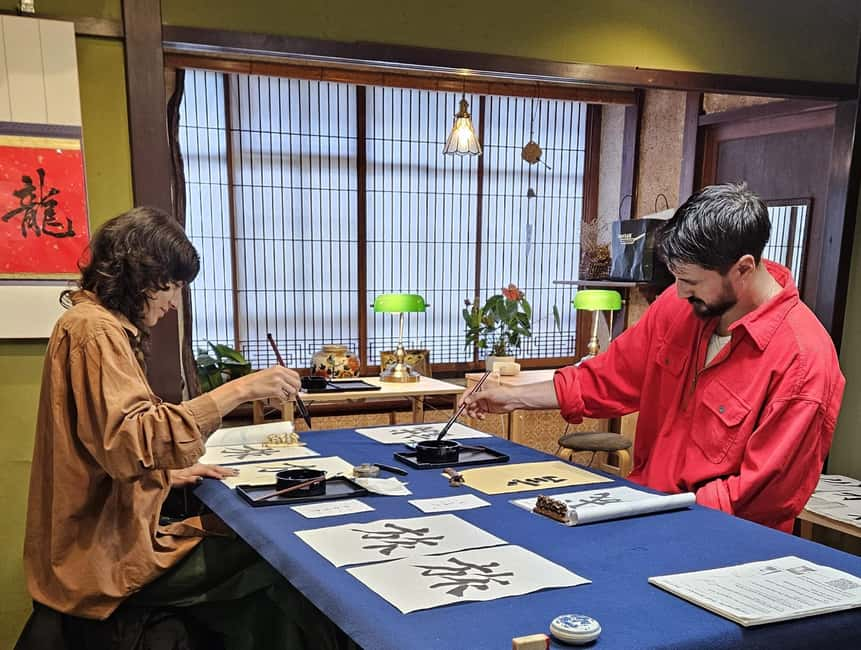
Calligraphy can look simple from across a room. A practiced hand makes one smooth motion, and the finished character appears almost effortless. Beginners quickly discover that the brush has its own habits.
That is why the teacher matters more than fancy equipment. Naomi is repeatedly praised for being kind, patient, and easy to follow. Daiki is also noted for communicating clearly in English and for explaining the cultural side of the lesson. The teaching team has experience working with people from many countries, so you can ask questions without needing Japanese.
Some sessions are taught by more than one member of the family. Daiki’s husband is a master calligrapher and may explain parts of the craft, giving you a closer look at the skill behind the simple-looking strokes. The emphasis is on encouragement. You can make mistakes, try again, and still finish with a piece worth keeping.
The class also works well for a parent and child who are old enough to follow instructions. One parent described having a particularly good experience with a son, with the teacher giving patient guidance throughout. Children under five are not suitable for the activity, so this is better for older children who can sit, listen, and handle the brush carefully.
The meaning behind the characters
The activity gives you more than a basic craft lesson. It introduces the way Japanese characters carry visual and cultural meaning.
Kanji began as symbols connected to ideas and objects, though modern characters are much more complex than simple pictures. A single character can express a concept, but its pronunciation and use depend on the word and context. The teacher helps you understand the character you choose instead of treating it as decoration.
Hiragana and katakana developed from Chinese characters but became Japanese phonetic scripts. Their rounded or angular forms give Japanese writing different visual moods. Even if you cannot read them, you can see that the scripts are not interchangeable styles.
This short language lesson is valuable because it keeps the artwork from becoming empty decoration. You learn what you are writing and why the form looks the way it does. That makes the final piece easier to explain when you show it to friends at home.
The lesson also presents calligraphy as part of everyday Japanese culture. It is not only a museum art form. The local school sessions on Thursday and Saturday afternoons underline that point. You might see children practicing nearby, doing the same kind of focused work that generations of students have learned.
Same sacred ground, another way to see it:
- Tokyo:Mt.Fuji,Kawaguchiko Oishi Park,Arakurayama Sengen Park
★ 4.4 · 2,682 reviews - Nikko: Kegon Falls, Lake Chuzenji & Toshogu Temple
★ 4.6 · 1,577 reviews - Tokyo: Nikko Toshogu Shrine and Kegon Waterfall Tour
★ 4.5 · 1,266 reviews - Tokyo Panoramic 1 Day: Meiji Shrine, Asakusa, Odaiba and SKYTREE®
★ 4.5 · 1,222 reviews
A souvenir that takes some effort
Kanazawa is an excellent city for crafts, but many handmade items still arrive in a shop display ready for purchase. Here, you create the main object yourself.
That does not mean your finished character will look like the teacher’s. It should not. Your piece will show the uneven pressure, small variations, and personal effort of a first lesson. The instructors help you produce something presentable, but they do not turn your work into a professional’s work.
I see that as the right balance. You receive enough support to avoid frustration, while still having a real hand in the result. The completed scroll or folding fan is light and easy to pack compared with larger craft souvenirs.
You also get a souvenir with a story. You can remember the old house, the smell and feel of the materials, the word you selected, and the concentration needed for the last stroke. That personal connection gives the item more value than a generic character printed on a factory-made product.
Is $44 a fair price?
At $44 per person, this is not the cheapest one-hour activity in Kanazawa. The price makes more sense when you count what is included: a private lesson, English or Japanese instruction, practice materials, guidance from an experienced teacher, and a finished artwork to take home.
You are also paying for access to a working family studio in a historic house. This is different from watching a short demonstration and receiving a pre-made souvenir. You get instruction and an object produced during the lesson.
The value is strongest for couples, families, and small groups who want an activity they can share. A group of six can still receive individual attention, according to the way the class is run. Solo visitors should also find the format suitable, though the private-group arrangement means the experience may be most natural when booked with companions.
The price is less convincing if you want a long, technical course. One hour allows for an introduction, guided practice, a word choice, and a final piece. It does not allow for extensive study of Japanese calligraphy. One participant specifically wished for more time, and that is the main tradeoff.
For most visitors, this works best as a focused cultural activity rather than a full workshop. You learn enough to understand the basics and leave with a meaningful result.
Practical details that affect your choice
The activity lasts one hour, with starting times based on availability. If your day includes the Ninja Temple area, this is an easy companion activity because the address is in Nomachi and a Kanazawa Loop Bus stop is nearby.
Look for calligraphy displayed outside the building. That should help you identify the entrance. Using the address, 1-1-26 Nomachi, Kanazawa, Ishikawa 921-8031, with a map application is still sensible, especially if you are arriving on foot.
The class is offered in English and Japanese. You can expect instruction on tools, basic strokes, and the meaning of Japanese scripts, but you should not expect a full language lesson or a long lecture on art history.
The cancellation policy is practical for a changing Japan itinerary: you can cancel up to 24 hours before the activity for a full refund. You can also reserve and pay later, which helps if your Kanazawa plans are not fixed.
There are two important suitability notes. Children under five cannot take part, and the activity is not suitable for vegans because traditional brushes and ink can contain animal-derived materials. If that matters to you, ask before booking rather than assuming modern synthetic supplies are used.
Who will enjoy this most?
I would choose this for you if you want a hands-on cultural activity with a clear result at the end. It suits people who enjoy crafts, language, quiet concentration, and small group teaching.
It is particularly good for:
- Couples looking for a shared souvenir
- Families with children over five
- First-time visitors who want more than a photo stop
- People interested in Japanese writing and character meanings
- Anyone who wants a calm break after sightseeing
- Visitors who prefer a personal class to a large group demonstration
It may not suit you if you dislike seated activities, have very little patience for practice, or want a long technical course. The finished artwork is meaningful because you make it yourself, but that also means you need to accept a beginner’s result.
The activity can also be a good choice in poor weather. You spend the hour indoors, focused on a creative task, rather than rushing between outdoor sights. It gives your Kanazawa schedule some variety.
Should you book the calligraphy class?
Book it if you want a quiet, personal experience in a real local classroom and like the idea of bringing home something you created. The kind teaching, English support, historic house, and choice of your own word give the hour more substance than a quick souvenir activity.
Just keep the limits in mind. One hour is enough for an introduction and a finished piece, not mastery. The materials may contain animal products, and the class is not for children under five or vegans.
For $44, I think the best value is the combination of instruction and personal meaning. You are not only buying a decorative scroll or fan. You are paying for the chance to learn why the writing looks the way it does, practice the movements yourself, and leave Kanazawa with a souvenir that carries your effort.
FAQ
Where does the calligraphy class take place?
It takes place at Culture Lab Nomachi, located at 1-1-26 Nomachi, Kanazawa, Ishikawa 921-8031. The building is near Kanazawa’s Ninja Temple area, and calligraphy works are visible from outside.
How long does the activity last?
The lesson lasts one hour. Starting times depend on availability.
How much does the experience cost?
The listed price is $44 per person.
Is the lesson available in English?
Yes. The instructor languages are English and Japanese. Naomi and Daiki are among the teachers associated with the experience.
What will I learn during the class?
You learn about calligraphy tools, brush and ink use, basic strokes, brush techniques, and the differences among kanji, hiragana, and katakana. You also choose a word and create your own artwork.
What artwork can I take home?
Your completed work is made directly on a hanging scroll or folding fan and can be taken home as a souvenir.
Can young children join?
Children under five are not suitable for this activity.
Is the activity suitable for vegans?
No. Traditional calligraphy brushes and ink can contain animal-derived materials, so the activity is not suitable for vegans.
Temple visits we reviewed lately in Japan
- From Asakusa: Old Tokyo, Temples, Gardens and Pop Culture★ 4.6 · 15 reviews
- Tokyo: Nagano Snow Monkeys and Zenkoji Tour with Temples★ 4.9 · 19 reviews
- Kamakura: Great Buddha, Hase Temple, & Komachi Street Tour★ 5.0 · 11 reviews
- Osaka Temple Head Spa &Matcha Facial – Refresh & Glow〈90min〉★ 5.0 · 24 reviews
- Osaka Temple :Warm Bamboo Oil Massage – Deep Restore〈60min〉★ 4.9 · 19 reviews
- Osaka: Temple Tour and Traditional Calligraphy Lesson★ 4.9 · 24 reviews
- Osaka: Sumiyoshi, Osaka’s Most Iconic Shrine – Private Tour★ 4.7 · 4 reviews
- Osaka Temple :Warm Bamboo Oil Massage – Deep Restore〈90min〉★ 5.0 · 14 reviews
Japan Temple Tours, compared.
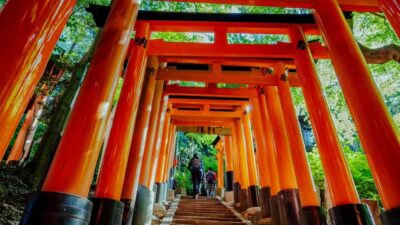
Osaka/Kyoto:Kinkakuji,Arashiyama,FushimiInariShrine,NaraPark
Read our review →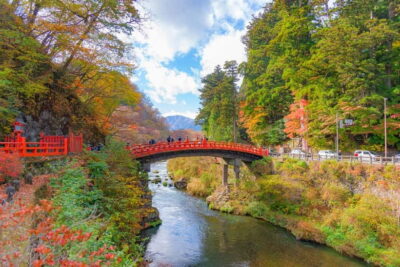
Nikko: Kegon Falls, Lake Chuzenji & Toshogu Temple
Read our review →
Tokyo: Nikko Toshogu Shrine and Kegon Waterfall Tour
Read our review →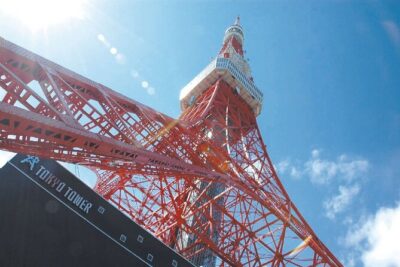
Tokyo Panoramic 1 Day: Meiji Shrine, Asakusa, Odaiba and SKYTREE®
Read our review →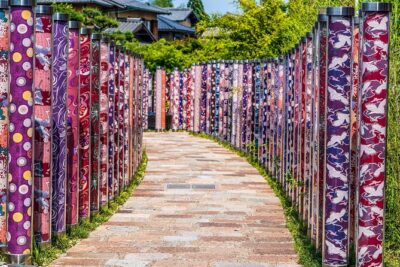
Kyoto Arashiyama Walking Tour: Bamboo, Monkeys, Gardens & Secrets
Read our review →
1-Day Snow Monkeys, Zenko-ji Temple & Sake in Nagano
Read our review →
Arashiyama Bamboo, Temple, Monkeys, or Secret Sake Brewery
Read our review →This tour also ranks in