
Review · JAPAN
Okinawa Explorer: Shrines, Markets & Vibrant Streets
Naha’s best short introduction is on foot, and this tour strings together the city’s strongest contrasts: a hilltop shrine, a waterfront entertainment spot, crowded shopping streets, a food market, and old pottery shops. I like Naminoue Shrine for its calm setting above the sea, and I like the finish on Tsuboya Pottery Street, where the tour shifts from city noise to Okinawa’s handmade craft tradition.
The main concern is pace. Two hours is not long for five stops, and the guide’s quality matters greatly. One guide was described as informative and funny, while another was leading a first tour and required help from a phone map. You should book this as a brisk orientation walk, not a slow food or museum tour.
Key points to know before booking
- The route connects five central Naha sights without requiring a separate sightseeing plan.
- Naminoue Shrine provides the strongest sense of place, with religious importance and ocean views.
- The tour is private for up to four people, making the per-person cost more reasonable for a small group.
- Makishi Public Market gets only about 20 minutes, so food lovers may want extra time on their own.
- Tsuboya Pottery Street is the most distinctive final stop, especially if you want Okinawan ceramics.
- Guide performance may vary, so clear directions and an agreed meeting point matter.
Starting at Naminoue Shrine above the water
The tour begins by Naminoue Shrine, one of the most appealing places in central Naha to start a walk. The shrine sits above the water, giving you a quick sense that Okinawa is more than shops, restaurants, and city traffic.
This is the spiritual heart of the route. You can take in the shrine’s setting, observe its traditional design, and enjoy the contrast between sacred space and the surrounding city. The visit is especially useful early in your Naha stay because it gives context before you enter the busy streets.
I would allow a few quiet minutes here before the walking begins. The exact amount of time at the shrine is not listed, so the guide may keep this opening visit short to stay on schedule. If Naminoue is your main reason for booking, ask at the start how much time you will have there.
From the shrine, the tour moves through the Tsuji area at 3-chōme-1-1 Tsuji. The description gives this stop 30 minutes, though it does not specify a separate attraction at that address. Treat it as part of the route and guided neighborhood walk rather than a major sight with a named interior visit.
More Temple Tours around Japan:
- Kyoto: Tea Ceremony Ju-An at Jotokuji Temple
★ 4.9 · 3,207 reviews - Osaka/Kyoto:Kinkakuji,Arashiyama,FushimiInariShrine,NaraPark
★ 4.1 · 1,596 reviews - Tokyo: Asakusa Walking Tour with Sensoji Temple Visit
★ 4.8 · 1,583 reviews
HARBOR NAHA and the changing face of downtown
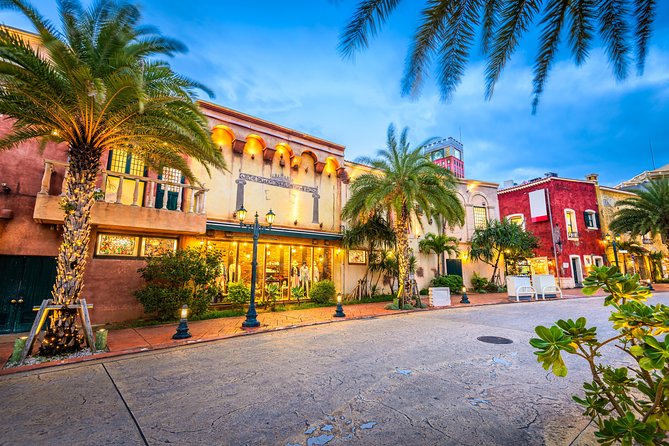
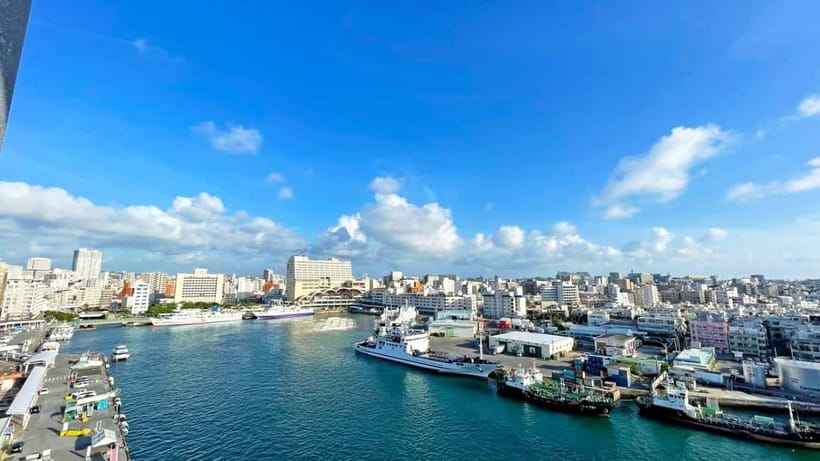
The next stop is HARBOR NAHA, also identified as バーハーバー. Here, the guide points out the exterior and its place in downtown Naha. This is a brief urban stop, not a full attraction visit.
That distinction matters. You are seeing the building from outside, so the value comes from understanding the city around it rather than touring the venue itself. The stop helps show Naha’s modern side before the route turns toward its older commercial streets.
I would not choose this tour mainly for HARBOR NAHA. Its appeal is as a pause in the overall story of the city. The shrine represents tradition and faith, while HARBOR NAHA reflects entertainment and contemporary city life.
Kokusai-dori in a tight 20-minute window
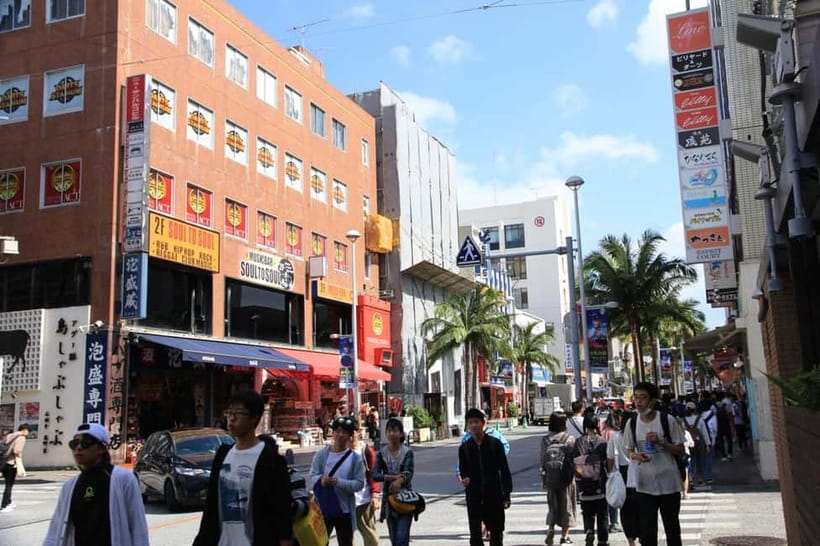
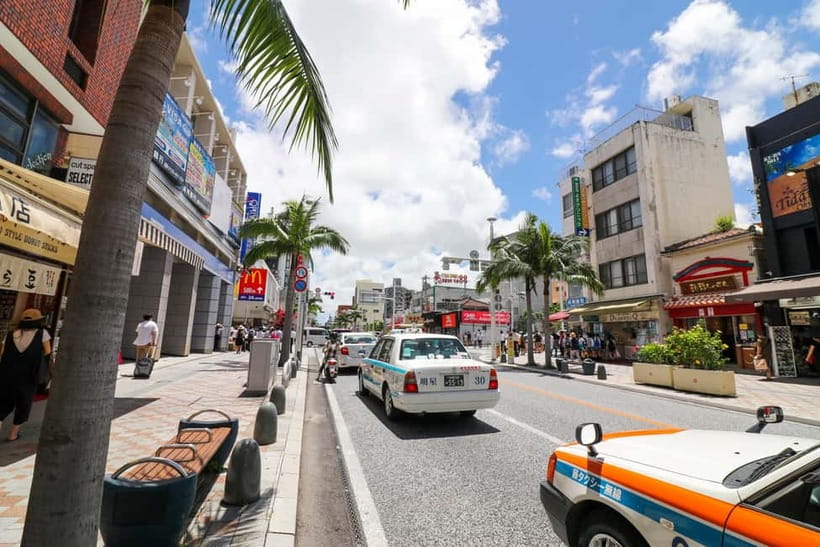
Kokusai-dori is Naha’s best-known shopping artery, lined with shops and places to eat. The tour gives you about 20 minutes here, enough to get your bearings and notice the range of food, souvenirs, and local products.
You will not have time for a relaxed meal and serious shopping during this stop. Instead, use it to mark places you want to return to later. The guide can help you understand the street’s role in daily Naha, but you will need to make your own choices about what deserves a second visit.
This is one reason I see the experience as an orientation walk. You get a guided introduction to several parts of town, then you can return independently to the market or shopping street that interests you most.
The route is walked rather than presented as a vehicle tour. That gives you a better feel for the connections between the sights, but it also means you should be comfortable keeping a steady pace. One account of the experience noted that the route from Naminoue Shrine toward the market was worthwhile, though the guide had to rely on the group’s phone map to find the way. That is a practical warning: confirm the route and meeting point clearly at the beginning.
Makishi Public Market: useful introduction, limited time
Makishi Public Market is the food-focused stop. It is the place to look for fresh Okinawan ingredients and get a taste of Naha’s market culture. The scheduled visit lasts about 20 minutes.
That is enough to see the market and decide if you want to return. It is not enough for an unhurried food exploration, especially if you want to browse carefully, ask questions, or sit down to eat. If food is your top interest, plan extra independent time here after the tour.
The market itself received a mixed assessment in the available feedback. One person found that five minutes was enough, while another found the walk and the broader tour worthwhile. That makes sense because markets appeal differently depending on whether you want a quick look, ingredients, or a full meal.
You might also want to keep your expectations sensible about the guide’s role. The tour promises an English-speaking local guide, but no specific food tastings or meal is included. You are paying for guidance through the area, not a dedicated culinary workshop.
A useful part of the experience is the chance to continue exploring after the formal tour. One person found a small restaurant run by women serving either six or twelve small dishes, describing it as a welcome break from the surrounding activity. That restaurant is not part of the tour and is not guaranteed, but the story points to a good strategy: let the guide show you the area, then choose your own place to eat.
Same sacred ground, another way to see it:
- Tokyo:Mt.Fuji,Kawaguchiko Oishi Park,Arakurayama Sengen Park
★ 4.4 · 2,682 reviews - Nikko: Kegon Falls, Lake Chuzenji & Toshogu Temple
★ 4.6 · 1,577 reviews - Tokyo: Nikko Toshogu Shrine and Kegon Waterfall Tour
★ 4.5 · 1,266 reviews - Tokyo Panoramic 1 Day: Meiji Shrine, Asakusa, Odaiba and SKYTREE®
★ 4.5 · 1,222 reviews
Tsuboya Pottery Street gives the walk its character
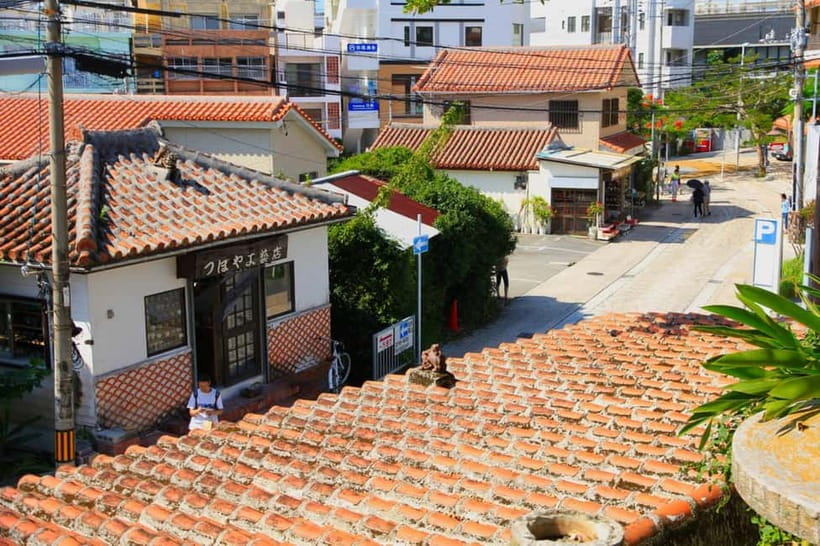
Tsuboya Pottery Street is the final named stop, with about 20 minutes of guided time. This is the most distinctive part of the route for anyone interested in craft, design, or Okinawan traditions.
The street is associated with the island’s ceramics, so you can expect the focus to shift from food and shopping to pottery and artisan work. The tour introduces you to the place where Okinawan ceramics are made and sold, giving the walk a more lasting finish than a string of commercial stops.
Twenty minutes will let you see the street and get a basic introduction. It may not be enough to compare pieces carefully, shop at length, or spend time with every display. If you find a bowl, cup, or other item you like, ask the guide how much time remains and consider returning after the tour.
This stop also received the clearest positive reaction in the feedback. One person said the walk from Naminoue-gu to Tsuboya Pottery Street was time well spent, while another praised the guide’s information and sense of humor. That combination is important. The route works best when the guide adds context as you walk, rather than simply pointing out buildings.
The tour ends back at the meeting point by Naminoue Shrine. Since the route travels across central Naha and returns to where you started, you should not assume that Tsuboya is the final drop-off. The return is part of the activity.
What the two-hour format really means
The listed stops account for roughly two hours: 30 minutes at the Tsuji stop, 30 minutes at HARBOR NAHA, 20 minutes on Kokusai-dori, 20 minutes at Makishi Market, and 20 minutes at Tsuboya Pottery Street. Naminoue Shrine is the starting point, and walking time connects everything.
That schedule is efficient but tight. You are sampling several districts rather than spending deep time at one. I would describe the experience as a guided city walk with cultural and food stops, not a relaxed half-day tour.
The private format helps. Your group can ask questions, adjust the pace where possible, and focus on the places that interest you most. It is offered for up to four people, so the $458 group price works out to about $114.50 each if four people share it. For two people, the cost is $229 per person. For a solo visitor, it is a very expensive way to spend two hours.
The price is easier to justify for a small group that values a private English-language introduction and does not want to build the route alone. It is harder to justify if you mainly want market browsing or pottery shopping, since both stops are short and the guide is the only included service.
Guide quality and the importance of clear directions
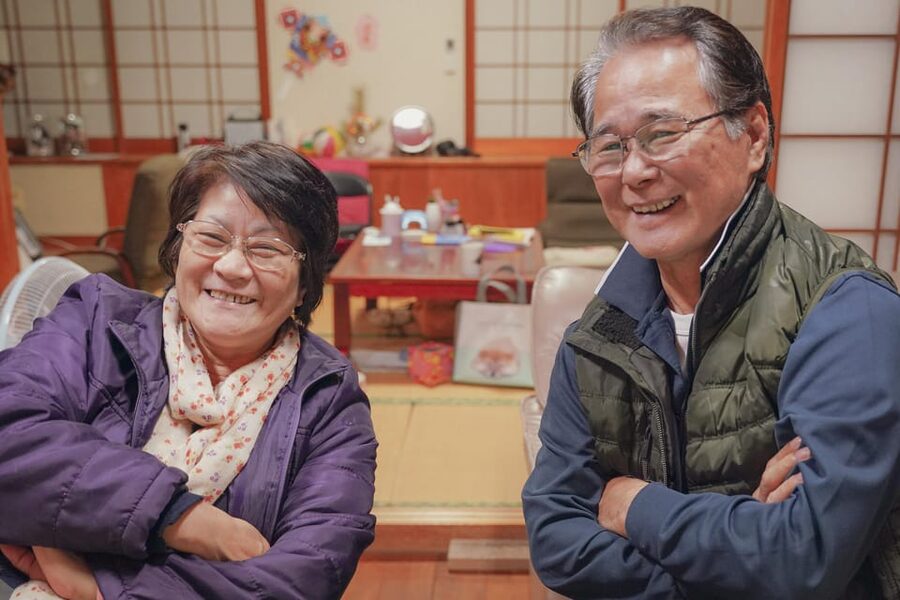
The experience depends heavily on the person leading it. One guide was praised for being informative and having a good sense of humor. That is exactly what this route needs: someone who can explain the shrine, connect the modern and older parts of Naha, and keep the walk moving without making it feel rushed.
At the same time, one guide was leading a first tour and the group had to use phones to locate the route. This does not mean every departure will have the same problem, but it is worth preparing for. Keep the meeting details available, make sure your phone has enough battery, and confirm where the walk ends.
No guide’s name is provided, so you cannot select a particular person in advance. The advertised guiding language is English. Since the tour is private, ask questions early and tell the guide whether you care most about the shrine, food, shopping, or pottery.
Who will enjoy this Naha walk
I would recommend it most to first-time visitors who want a quick introduction to central Naha and prefer a private guide to independent planning. It also suits a small family or group of friends that can share the fixed price.
The route is a good match if you enjoy seeing contrasts in one outing. You move from a sacred site to a modern harbor venue, then through shopping streets, a public market, and a traditional craft district.
You may want another option if you want a long market visit, a guided tasting, detailed pottery shopping, or a slow historical tour. The schedule leaves little room for lingering, and the experience does not list food, drinks, admission tickets, or shopping credits as included.
The activity offers free cancellation up to 24 hours before the start and lets you reserve now and pay later. That gives you useful flexibility, especially if your Naha plans may change. Starting times depend on availability, so check the schedule before arranging meals or other activities.
Should you book Okinawa Explorer?
Book it if you want a private, English-language walking introduction to Naha and you can share the $458 price with a group of four. The strongest parts are the ocean setting at Naminoue Shrine, the city-to-market route, and the closing visit to Tsuboya Pottery Street.
I would book with modest expectations about depth. You will see many places in two hours, but you will not fully explore them. Plan to return to Makishi Market or Tsuboya afterward if either one catches your interest, and confirm the walking directions at the start.
For a compact first look at Naha, this is a useful choice. For serious food, shopping, or pottery time, use it as an introduction and build in a second visit.
FAQ
Where does the Okinawa Explorer tour start?
The tour starts by Naminoue Shrine in Naha, Okinawa.
Where does the tour finish?
The activity ends back at the meeting point by Naminoue Shrine.
How long does the tour last?
The tour lasts two hours. Available starting times depend on the date selected.
Is the tour private?
Yes. It is a private group activity for up to four people.
What language does the guide speak?
The live tour guide speaks English.
Which places does the tour visit?
The route includes Naminoue Shrine, the Tsuji address at 3-chōme-1-1 Tsuji, HARBOR NAHA, Kokusai-dori, Makishi Public Market, and Tsuboya Pottery Street.
Is food included?
No food or tasting is listed as included. The tour visits Makishi Public Market, where you can explore local food offerings.
How much does the experience cost?
The price is $458 per group of up to four people.
Can I cancel the tour?
You can cancel up to 24 hours in advance for a full refund. You can also reserve now and pay later.
Temple visits we reviewed lately in Japan
- From Asakusa: Old Tokyo, Temples, Gardens and Pop Culture★ 4.6 · 15 reviews
- Tokyo: Nagano Snow Monkeys and Zenkoji Tour with Temples★ 4.9 · 19 reviews
- Kamakura: Great Buddha, Hase Temple, & Komachi Street Tour★ 5.0 · 11 reviews
- Osaka Temple Head Spa &Matcha Facial – Refresh & Glow〈90min〉★ 5.0 · 24 reviews
- Osaka Temple :Warm Bamboo Oil Massage – Deep Restore〈60min〉★ 4.9 · 19 reviews
- Osaka: Temple Tour and Traditional Calligraphy Lesson★ 4.9 · 24 reviews
- Osaka: Sumiyoshi, Osaka’s Most Iconic Shrine – Private Tour★ 4.7 · 4 reviews
- Osaka Temple :Warm Bamboo Oil Massage – Deep Restore〈90min〉★ 5.0 · 14 reviews
Japan Temple Tours, compared.
Osaka/Kyoto:Kinkakuji,Arashiyama,FushimiInariShrine,NaraPark
Read our review →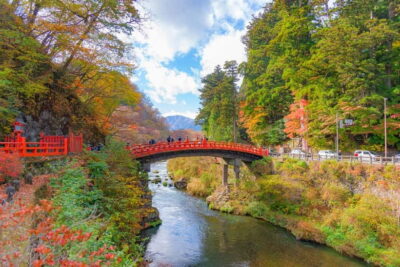
Nikko: Kegon Falls, Lake Chuzenji & Toshogu Temple
Read our review →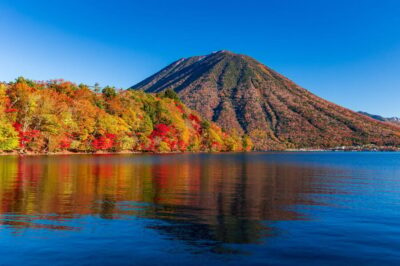
Tokyo: Nikko Toshogu Shrine and Kegon Waterfall Tour
Read our review →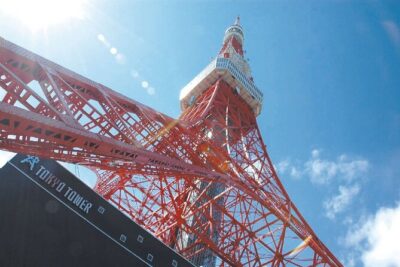
Tokyo Panoramic 1 Day: Meiji Shrine, Asakusa, Odaiba and SKYTREE®
Read our review →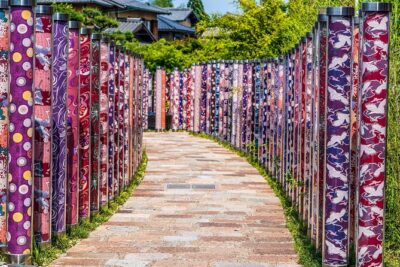
Kyoto Arashiyama Walking Tour: Bamboo, Monkeys, Gardens & Secrets
Read our review →
1-Day Snow Monkeys, Zenko-ji Temple & Sake in Nagano
Read our review →
Arashiyama Bamboo, Temple, Monkeys, or Secret Sake Brewery
Read our review →This tour also ranks in