
Review · JAPAN
Miyajima: Cultural Experience in Zen Temple
Miyajima’s famous torii gate and shrine draw the crowds, but this quiet temple experience gives you a more hands-on look at Japanese tradition. At Tokujuji Temple, you choose a kimono, learn the formal steps of a tea ceremony, practice Japanese calligraphy, or make an amulet from kimono fabric.
I especially like the patient dressing help and the chance to take home something you made yourself. The staff take many photos in the garden, so you can focus on the moment instead of holding your phone. The main consideration is mobility: you must remove your shoes, and the activity is not suited to people with limited mobility or children under six.
Key points
- Choose your own kimono: Staff help you select the kimono, obi, and accessories, then dress you properly.
- Tea ceremony with real structure: You see the tools purified, matcha prepared, utensils cleaned, and the ceremony formally closed.
- Take home Japanese calligraphy: Practice kanji and your name in hiragana or katakana before signing your finished work.
- Make a personal amulet: Pick from more than 300 handmade kimono-fabric bags, then add a kumihimo cord and written wish.
- Photos are part of the experience: Staff photograph you in the temple garden and send the images by email or AirDrop.
- Small-group setting: English or Japanese instruction and a relaxed pace make the session approachable for first-time visitors.
Tokujuji Temple, away from Miyajima’s busiest paths
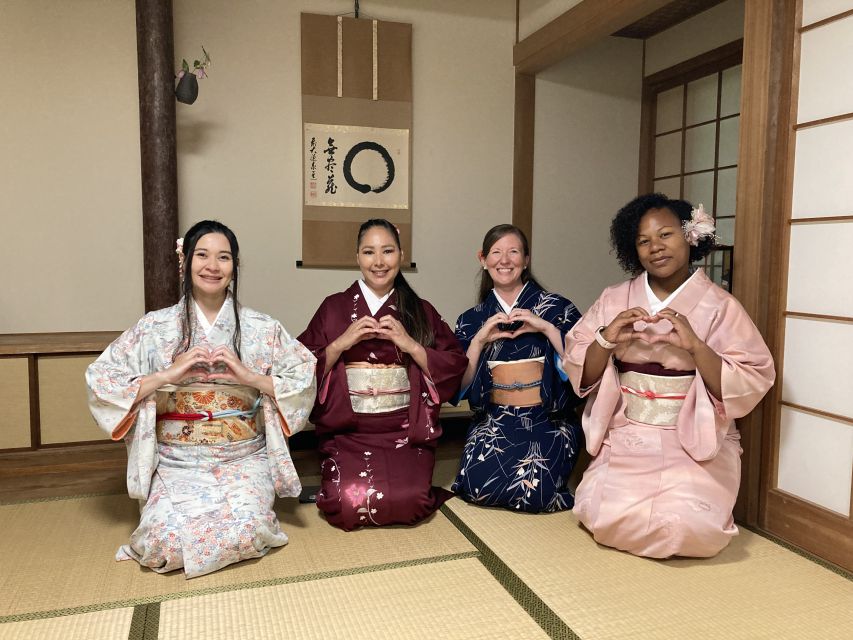
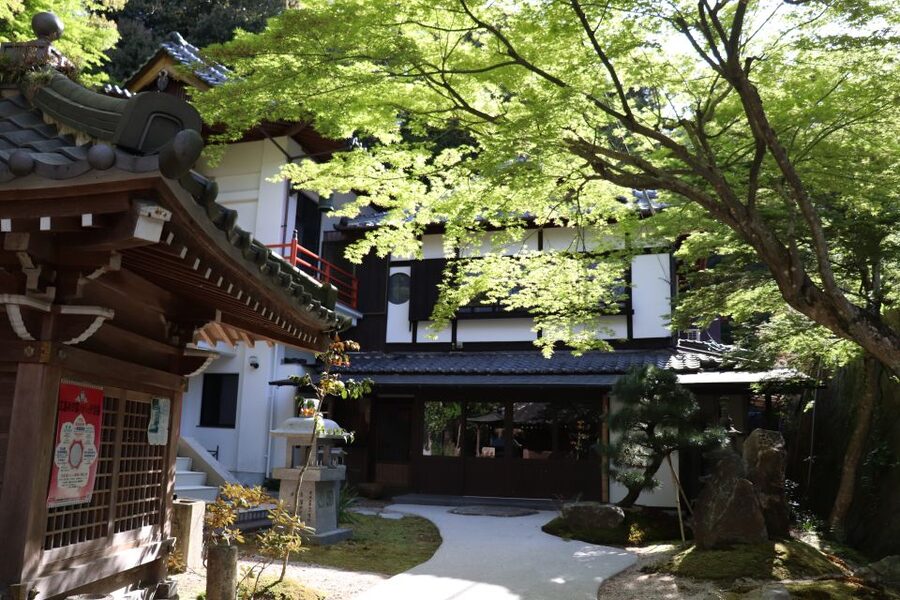
The setting does much of the work here. You leave the busiest part of Miyajima and enter Tokujuji Temple, where the pace becomes calmer and the activity feels connected to the place rather than added on as a quick photo stop.
You remove your shoes before entering, so wear socks you are comfortable being seen in. The exact meeting point depends on the option you book, and the full session lasts about one to two hours. That makes it easy to fit around your time on Miyajima, though I would not schedule it so tightly that a late ferry or crowded sightseeing route leaves you rushing.
The staff speak English and Japanese. Yoko is specifically noted for fluent English, and the instructors explain each stage clearly. Several activities can be combined, but the exact mix depends on the option you select. Check that choice carefully before paying, since tea, calligraphy, and amulet making are not necessarily included in every booking.
More Temple Tours around Japan:
- Kyoto: Tea Ceremony Ju-An at Jotokuji Temple
★ 4.9 · 3,207 reviews - Osaka/Kyoto:Kinkakuji,Arashiyama,FushimiInariShrine,NaraPark
★ 4.1 · 1,596 reviews - Tokyo: Asakusa Walking Tour with Sensoji Temple Visit
★ 4.8 · 1,583 reviews
Choosing and wearing a traditional kimono
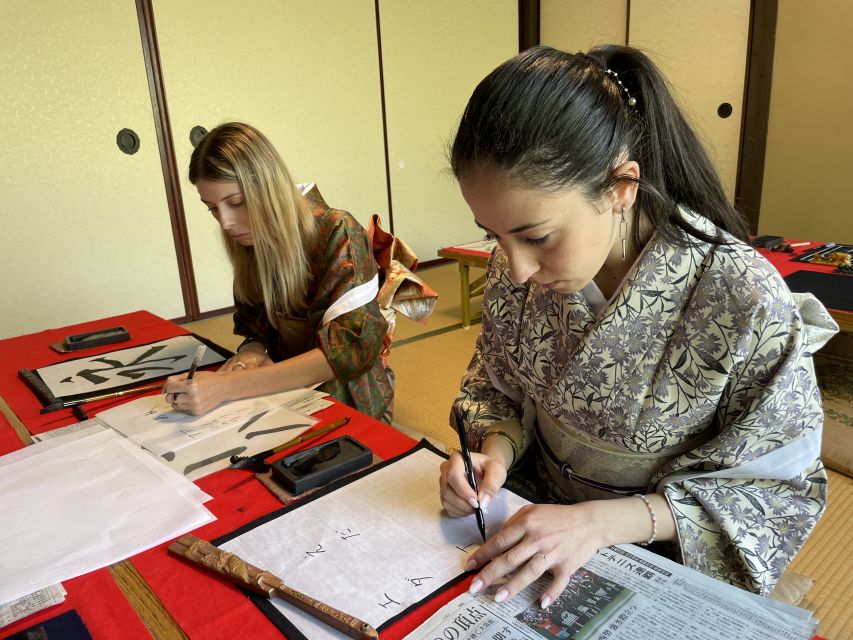
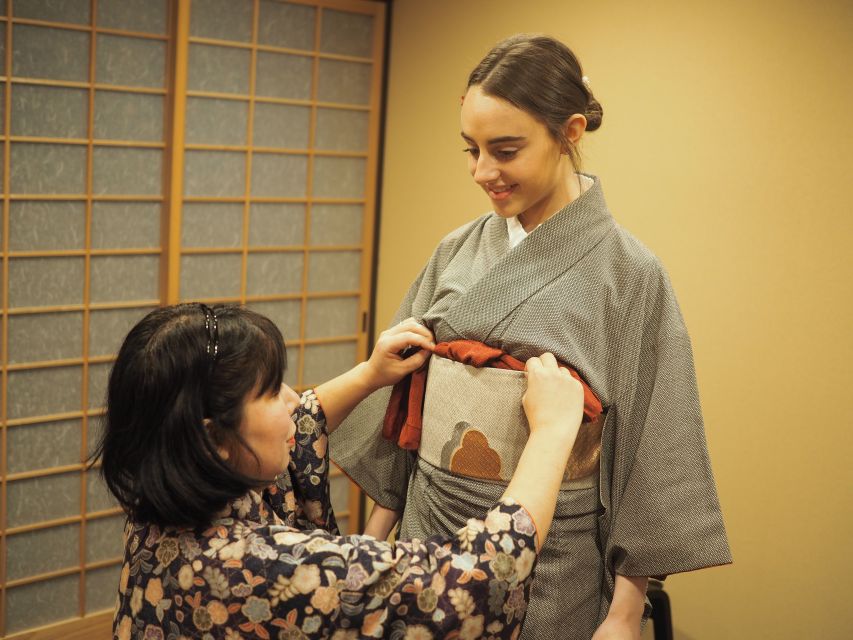
The kimono portion is more involved than simply putting on a colorful robe for a photograph. You choose from the available designs, and the staff help match the kimono with an obi and other pieces. They then dress you and arrange the outfit properly.
This is one of the strongest parts of the experience because you do not have to figure out the clothing alone. The dressing process itself becomes a lesson in how many layers, ties, and adjustments go into wearing traditional Japanese clothing. Several visitors found being dressed surprisingly memorable, especially because the staff were gentle and unhurried.
A kimono is beautiful, but it is not casual clothing. The layers can feel snug, and movement is more restricted than in ordinary clothes. That matters if you plan to walk a long distance afterward or have mobility problems. The activity is also not designed for children younger than six.
The choice of kimono gives the session a personal touch. You are not all placed in an identical outfit, and the final photographs feel more like a record of your own visit. Staff help you look polished without making the dressing process feel intimidating.
A formal tea ceremony with matcha and sweets
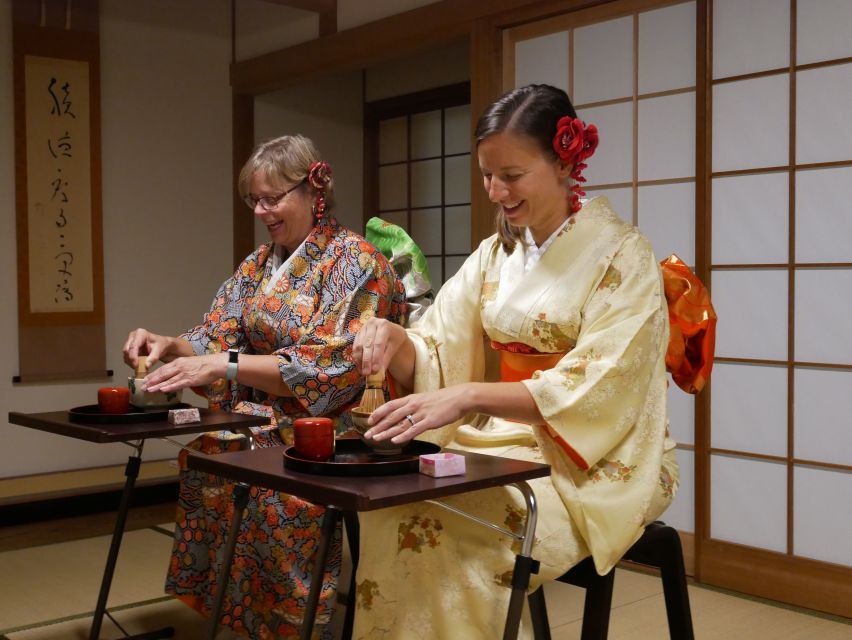
The tea ceremony follows the Ryurei style, which uses a table and chairs rather than requiring you to sit on the floor. That is useful for many international visitors, especially if kneeling is uncomfortable or unfamiliar.
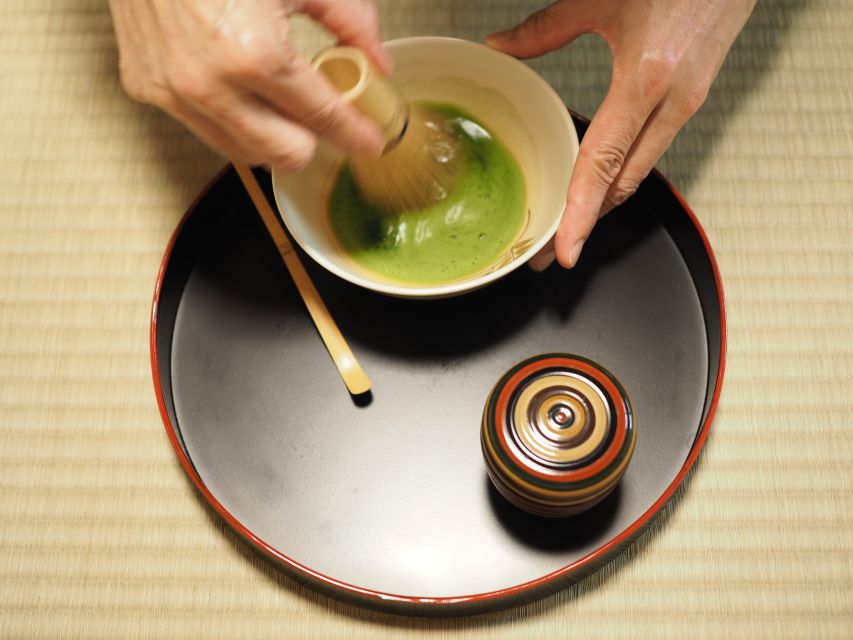
The ceremony is not just a demonstration of whisking green tea. You see a sequence of formal actions: greeting, purification of the tools, preparation of the matcha, cleaning of the utensils, and closing the ceremony. The order and controlled movements show how Japanese tea practice gives purpose to small gestures.
You receive two bowls of matcha tea and two types of sweets. The sweets balance the bitter flavor of the tea, and the instructor explains how to drink it in the correct manner. You also learn how to prepare matcha yourself, so the lesson offers both observation and participation.
I like that the session presents the tea ceremony as a practice of attention rather than a fast tasting. The ceremony can feel quiet and deliberate, which is a welcome change from Miyajima’s more crowded sights. It also gives you a better sense of why the tools, movements, and order matter.
Do not expect a full afternoon tea or a large meal. This is a cultural lesson with small sweets and matcha. If you dislike green tea, the tasting may be less appealing, but the process remains interesting even if you only take a few sips.
Japanese calligraphy you can carry home
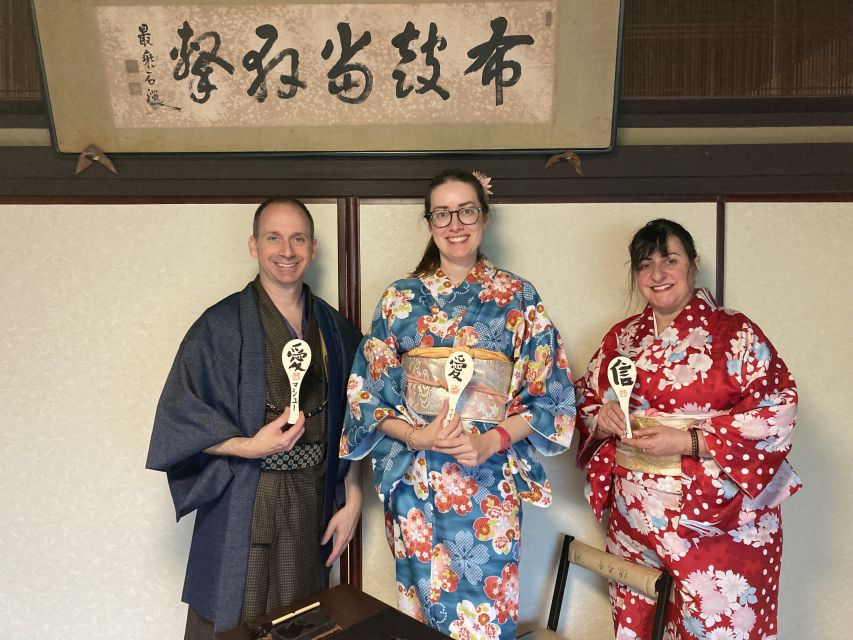
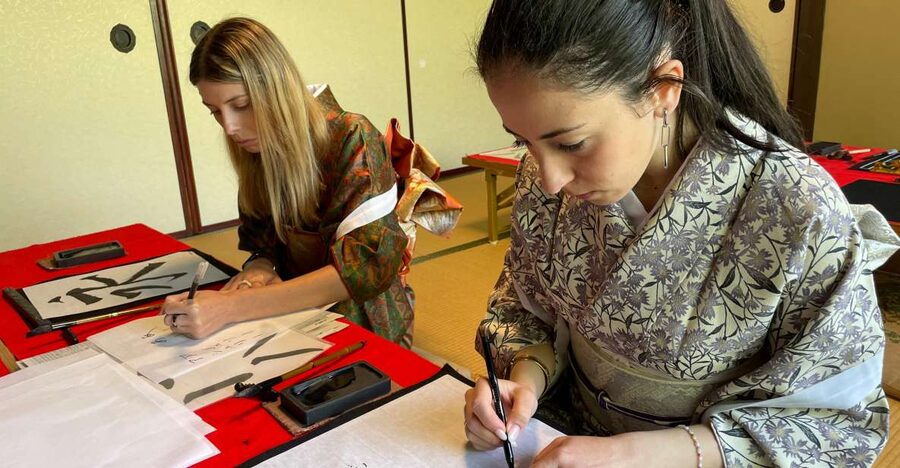
The calligraphy lesson begins with basic line work. Your instructor shows you how to control the brush and draw the strokes step by step. You practice one or more kanji, the Chinese characters used in Japanese writing, before moving on to your name.
The teacher also prepares a sample of your name in Japanese. You then practice writing it in either hiragana or katakana, depending on what suits the lesson. Once you are satisfied, you sign your finished piece in Japanese and wrap it safely for the journey home.
This is more rewarding than buying a ready-made souvenir because the final sheet reflects your own effort. You do not need artistic experience. The point is to slow down, learn the stroke order, and make something personal rather than produce perfect calligraphy on the first attempt.
Families can find this especially useful because the activity gives children a clear task and a finished result. The instructors are patient with beginners and can adjust their guidance as you practice. Still, the lesson requires concentration and controlled movement, so very young children may not get much from it.
Calligraphy also gives the experience a quieter rhythm. After the social energy of choosing clothes and taking photographs, sitting down with the brush asks you to focus. I would choose this option if you want a meaningful souvenir and prefer making something to simply posing for pictures.
Same sacred ground, another way to see it:
- Tokyo:Mt.Fuji,Kawaguchiko Oishi Park,Arakurayama Sengen Park
★ 4.4 · 2,682 reviews - Nikko: Kegon Falls, Lake Chuzenji & Toshogu Temple
★ 4.6 · 1,577 reviews - Tokyo: Nikko Toshogu Shrine and Kegon Waterfall Tour
★ 4.5 · 1,266 reviews - Tokyo Panoramic 1 Day: Meiji Shrine, Asakusa, Odaiba and SKYTREE®
★ 4.5 · 1,222 reviews
Making an amulet from kimono fabric
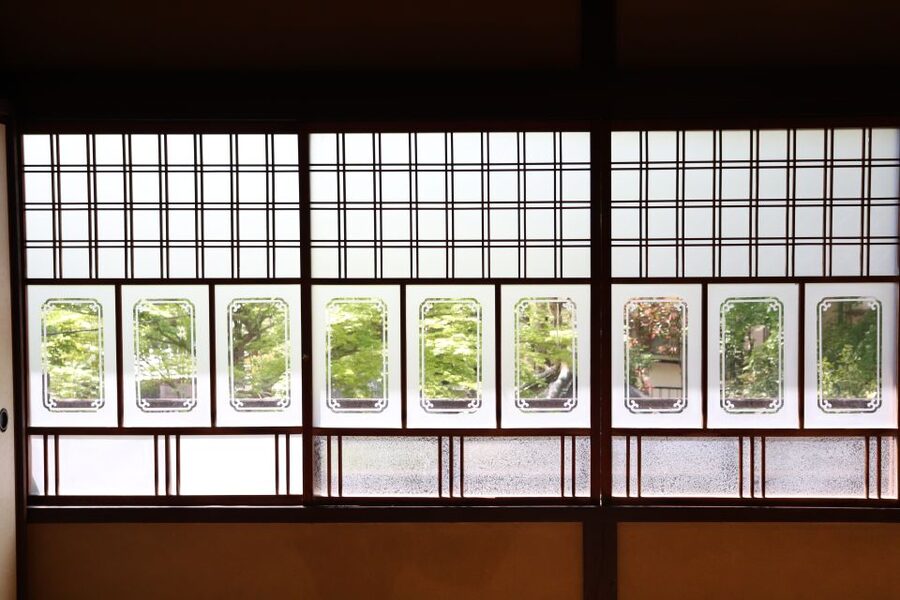
Amulet making offers a different kind of keepsake. You choose from more than 300 handmade amulet bags made from kimono fabric. The large selection means you can spend time finding a color and pattern that feels right for you.
You also choose a kumihimo cord, a braided cord traditionally tied in a special way. Next, you select a wish and write or stamp it onto a miniature rice scoop. The bag, cord, and written wish come together as your own amulet.
The activity takes place in the temple’s main hall. When your amulet is finished, you greet Kinseki Jizou, the temple’s Buddha, to report that you have come to make a wish. That final step gives the craft a clear connection to the temple, rather than leaving you with an attractive object that has no context.
I would pick amulet making if you want a tactile activity or if calligraphy feels too demanding. It is also a good choice for families with older children, since selecting the fabric and wish makes the process easy to understand. The exact time available depends on your booked option and whether you combine it with tea or calligraphy.
The amulet is not presented as a generic craft-store souvenir. Its meaning comes from choosing the wish, assembling the pieces, and bringing it before Kinseki Jizou. You can keep it as a personal reminder of Miyajima.
Garden photographs that do not feel rushed
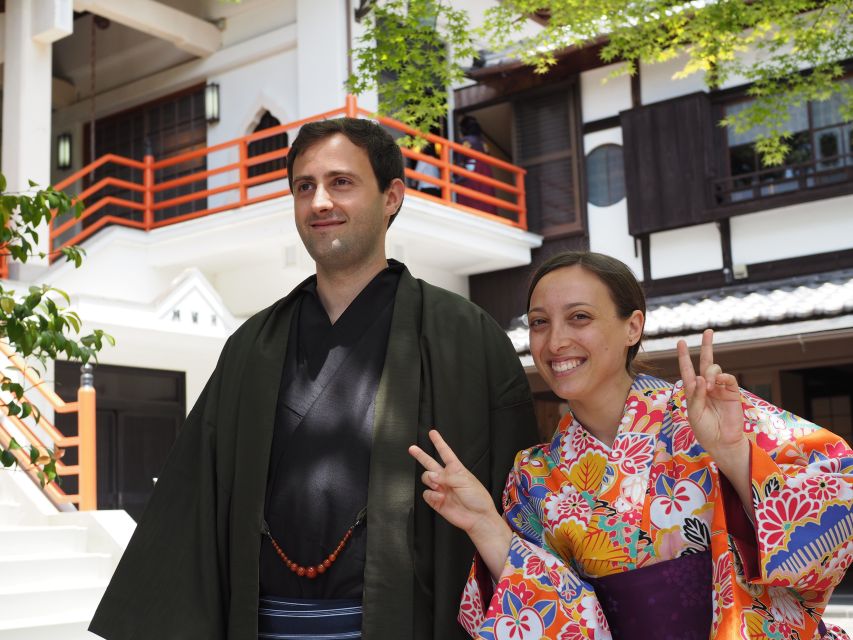
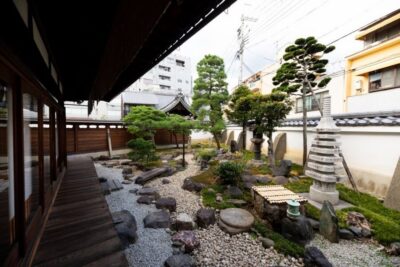
The temple garden provides a natural place to photograph the kimono. Staff take pictures for you and suggest poses or locations, while you are also free to take your own images. The photographs are sent by email or AirDrop, so you do not have to rely only on the shots stored on your phone.
The garden is particularly useful for couples, families, and solo visitors. If you are alone, someone else is available to take photographs. If you are with a group, the staff can help capture everyone together instead of leaving one person behind the camera.
Light can affect the results. Some parts of the garden may photograph better than others at a given time, and not every image will have perfect light on your face. The staff make suggestions, but you should still check the screen and ask to try another position if you want a particular type of portrait.
The important advantage is the time. The photo session is not treated as a quick snap before moving on. You can enjoy the garden in your kimono and let the staff help create several images. Just remember that this is a temple setting, so respectful behavior matters more than dramatic posing.
How much value do you get for $90?
At $90 per person, this is not the cheapest short activity on Miyajima. Its value depends on what you want from your time on the island.
If your booking includes kimono dressing, a tea ceremony, calligraphy, and amulet making, the price covers instruction, clothing assistance, tools, sweets, matcha, garden photography, and several take-home elements. The staff-led photography alone can save you from asking strangers to take pictures or missing group shots.
The experience also avoids the common problem of a dress-up session that lasts only long enough for one photograph. You receive instruction, make something, taste tea, and spend time in the garden. Some sessions run beyond the advertised 90 minutes when the group needs extra time, but you should not depend on that. Plan around the stated one-to-two-hour duration.
The value is lower if you mainly want a quick kimono photo and do not care about tea, calligraphy, or amulet making. In that case, a shorter dress-up option may suit you better. The value is higher if you want several distinct activities in one calm setting and prefer an experience that gives you physical souvenirs to take home.
Free cancellation up to 24 hours before the activity and the reserve-now, pay-later option make planning easier. The meeting point varies by option, so confirm the details carefully and allow time to reach the temple.
Who should book this Miyajima activity?
I would recommend it most strongly to visitors who want to understand Japanese customs through doing, not just watching. It suits couples, families with children over six, solo visitors, and anyone who wants a quieter break from Miyajima’s main sightseeing route.
It is also a strong choice if you want photographs but do not want the entire experience reduced to a costume rental. The tea ceremony adds structure, calligraphy gives you a lasting souvenir, and the amulet activity connects the craft to the temple.
Families should note that not every child will enjoy every part. The staff can encourage children during calligraphy, but the tea ceremony is formal and requires patience. Older children and teenagers may appreciate having a clear activity and their own finished work.
This is not the right pick if you have limited mobility, cannot comfortably remove your shoes, or need a fully accessible activity. You should also consider the clothing if you dislike snug layers or find it difficult to sit, stand, or walk carefully in traditional dress.
The small-group format is another reason to choose it. You receive more direct help with dressing, brush technique, tea preparation, and photographs than you would in a large commercial session. The English instruction is intended to be clear, and the staff welcome questions.
What to know before you arrive
Wear socks you are happy to walk in indoors, since shoes must be removed at the temple. Keep your schedule flexible enough to allow one to two hours, plus the time needed to reach the meeting point for your selected option.
Decide in advance which part matters most to you. If you want a personal souvenir, prioritize calligraphy. If you want a meaningful craft tied to the temple, choose amulet making. If you want the most traditional atmosphere, the tea ceremony and kimono combination is the natural choice.
You can also use the experience as a break in a busy Miyajima day. The island rewards slow wandering, and this session gives you a set time to pause, sit, listen, and pay attention to small details.
Should you book it?
Book this experience if you want a well-rounded introduction to Japanese culture in a peaceful temple setting. The strongest reasons are the kind staff, careful kimono dressing, clear English instruction, generous photo session, and the chance to take home calligraphy or a handmade amulet.
I would choose the tea ceremony plus calligraphy for a first visit. Add amulet making if you want a craft with personal meaning and have enough time. Skip it only if you need accessible facilities, have less than two hours on Miyajima, or want a very simple photo stop rather than a guided cultural activity.
FAQ
Where does the cultural experience take place?
The activity takes place at Tokujuji Temple on Miyajima in Japan’s Chugoku Region. The exact meeting point can vary depending on the option you book.
How long does the activity last?
The stated duration is one to two hours. Starting times depend on availability.
Which languages are available?
Instruction is available in English or Japanese. Yoko is specifically noted as speaking fluent English.
What activities can I choose?
Depending on the option, you can take part in a tea ceremony, Japanese calligraphy, amulet making, and kimono dressing. Check the selected option to confirm which activities are included.
Are photographs included?
Yes. Staff take photographs in the temple garden, and the images are sent to you by email or AirDrop on site.
Can young children participate?
Children under six cannot participate. The activity is also not suitable for people with mobility impairments, and you must remove your shoes before entering.
Temple visits we reviewed lately in Japan
- From Asakusa: Old Tokyo, Temples, Gardens and Pop Culture★ 4.6 · 15 reviews
- Tokyo: Nagano Snow Monkeys and Zenkoji Tour with Temples★ 4.9 · 19 reviews
- Kamakura: Great Buddha, Hase Temple, & Komachi Street Tour★ 5.0 · 11 reviews
- Osaka Temple Head Spa &Matcha Facial – Refresh & Glow〈90min〉★ 5.0 · 24 reviews
- Osaka Temple :Warm Bamboo Oil Massage – Deep Restore〈60min〉★ 4.9 · 19 reviews
- Osaka: Temple Tour and Traditional Calligraphy Lesson★ 4.9 · 24 reviews
- Osaka: Sumiyoshi, Osaka’s Most Iconic Shrine – Private Tour★ 4.7 · 4 reviews
- Osaka Temple :Warm Bamboo Oil Massage – Deep Restore〈90min〉★ 5.0 · 14 reviews
Japan Temple Tours, compared.
Osaka/Kyoto:Kinkakuji,Arashiyama,FushimiInariShrine,NaraPark
Read our review →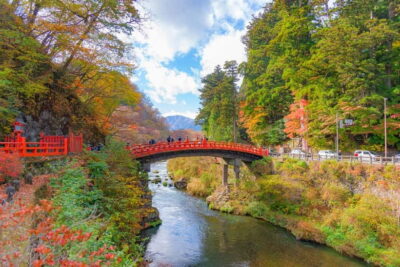
Nikko: Kegon Falls, Lake Chuzenji & Toshogu Temple
Read our review →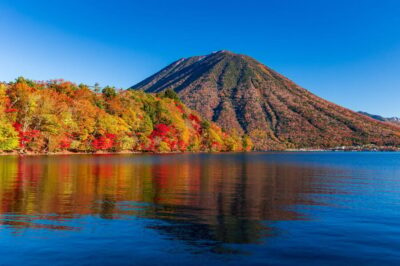
Tokyo: Nikko Toshogu Shrine and Kegon Waterfall Tour
Read our review →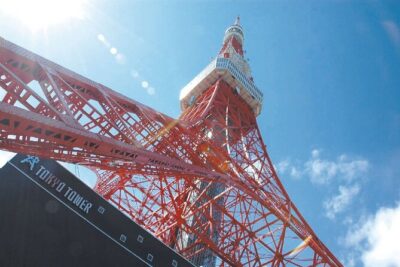
Tokyo Panoramic 1 Day: Meiji Shrine, Asakusa, Odaiba and SKYTREE®
Read our review →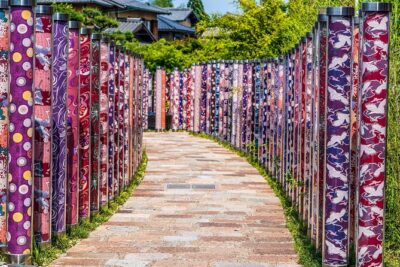
Kyoto Arashiyama Walking Tour: Bamboo, Monkeys, Gardens & Secrets
Read our review →
1-Day Snow Monkeys, Zenko-ji Temple & Sake in Nagano
Read our review →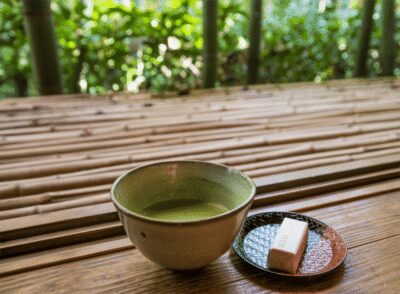
Arashiyama Bamboo, Temple, Monkeys, or Secret Sake Brewery
Read our review →This tour also ranks in