
Review · JAPAN
Kyoto: Ninnaji Temple Entry Ticket
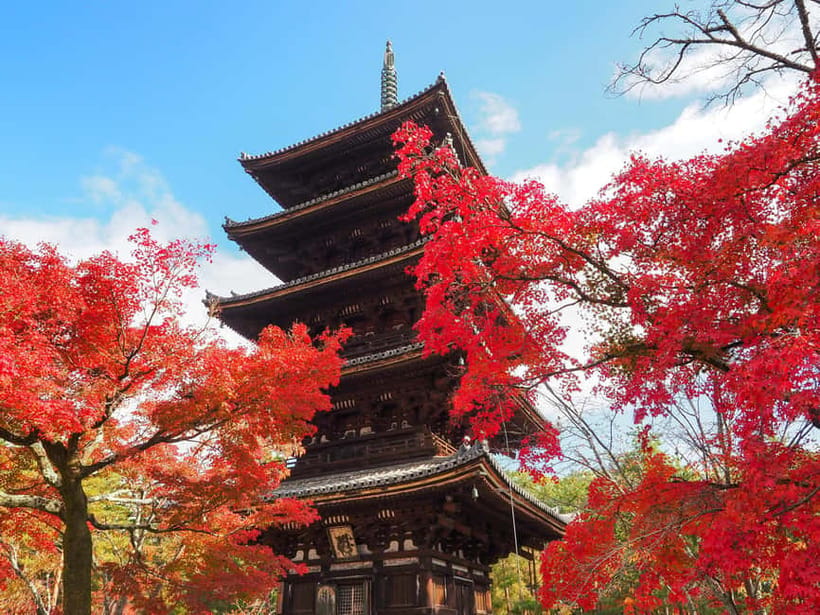
Ninnaji gives you a quieter side of Kyoto, with late-blooming Omuro sakura, a graceful five-story pagoda, and gardens that change character with the seasons. I like the chance to see a major Buddhist temple without rushing through it, and I especially like that the two-hour Omuro Pilgrimage course adds a walk through nature rather than another quick photo stop.
I also like the low $5 price for the Goten Palace and gardens. The main consideration is timing: the cherry blossom area can require an extra fee, and that charge changes with the bloom period. If you arrive expecting one all-inclusive ticket, check the seasonal details first.
Key points to know before you go
- Omuro sakura blooms late: This is one of Ninnaji’s main draws, but the blossom area may require a separate admission fee during peak bloom.
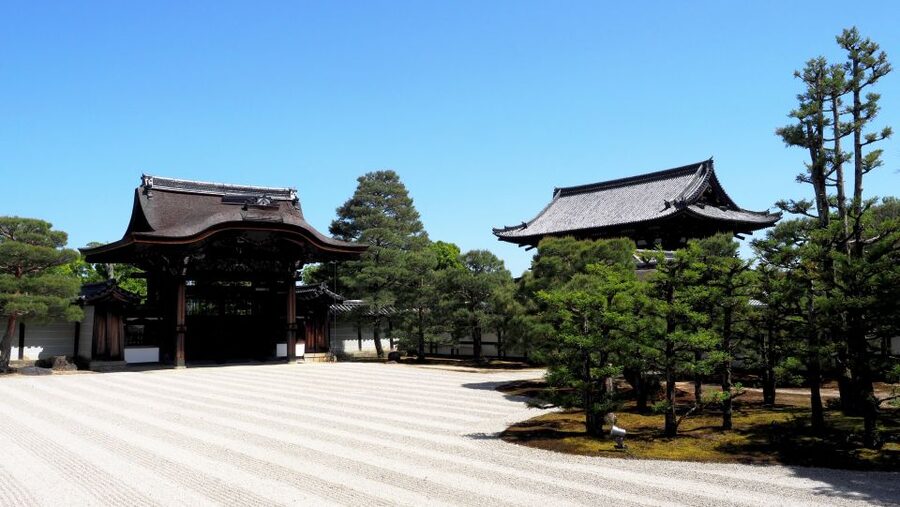
- The Goten Palace and gardens are included: The ticket gives you access to the temple’s palace area, except for special admissions.
- The Omuro Pilgrimage takes about two hours: It offers a shorter version of the famous Shikoku pilgrimage, with seasonal scenery and natural sounds.
- Reihokan Museum requires the right ticket option: Important Ninnaji objects and cultural items are shown there when museum admission is selected.
- Winter changes the mood completely: Snow can give the gardens and Goten Palace a particularly quiet appearance.
- A special Kannon-do guide may be available: One recent booking praised the guide inside Kannon-do as informative, but no guide name or fixed schedule is provided.
Why Ninnaji feels different from a quick temple stop
Ninnaji was founded in 888 and serves as the main temple of the Omuro school of Shingon Buddhism. That age matters, but you do not need to be a student of Japanese religious history to enjoy the visit. The pleasure is in the measured pace: gates, gardens, palace rooms, pagoda, and wooded paths unfold over time.
Many Kyoto temple visits become crowded photo missions. Ninnaji gives you more room to slow down, especially if you visit outside the main cherry blossom period. I would treat the ticket as permission to spend several hours here, not as a pass for a 20-minute look around.
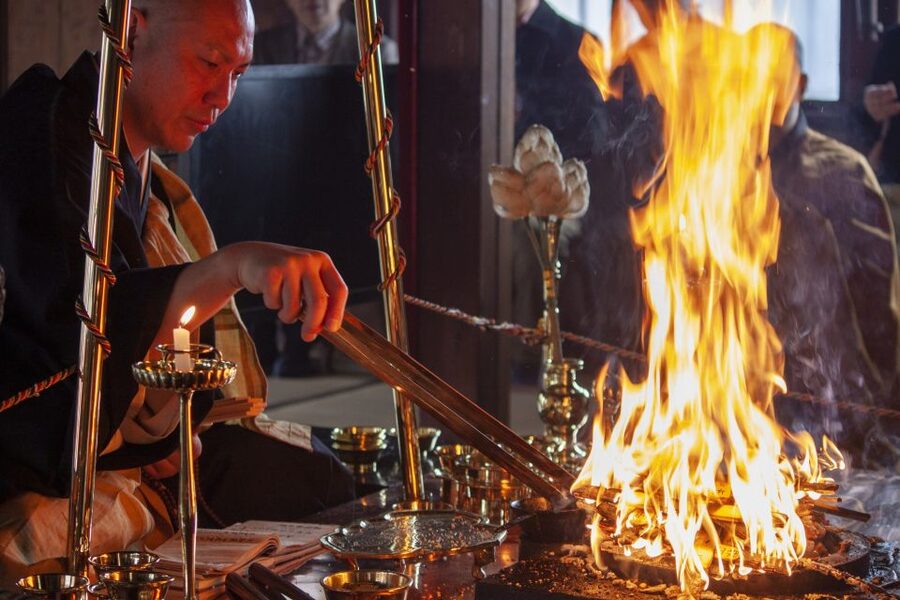
The temple is also a good choice if you want more than architecture. The gardens change with the calendar. Spring brings the famous Omuro sakura, summer brings Buddhist ceremonies and many priests, autumn brings red and yellow foliage, and winter can leave the gardens and palace grounds quiet beneath snow.
That seasonal range is the real reason to return. The same buildings can feel formal and bright in spring, shaded and active in summer, warm-toned in fall, and almost hushed in winter.
More Entry Tickets in Japan:
- Lisbon: Jerónimos Monastery Entrance Ticket
★ 4.1 · 14,164 reviews - Bali: Kecak Fire Dance Show & Uluwatu Temple Entry Ticket
★ 4.2 · 3,023 reviews - Montserrat Museum and Monastery Entry Ticket
★ 4.5 · 1,740 reviews
The Goten Palace and gardens
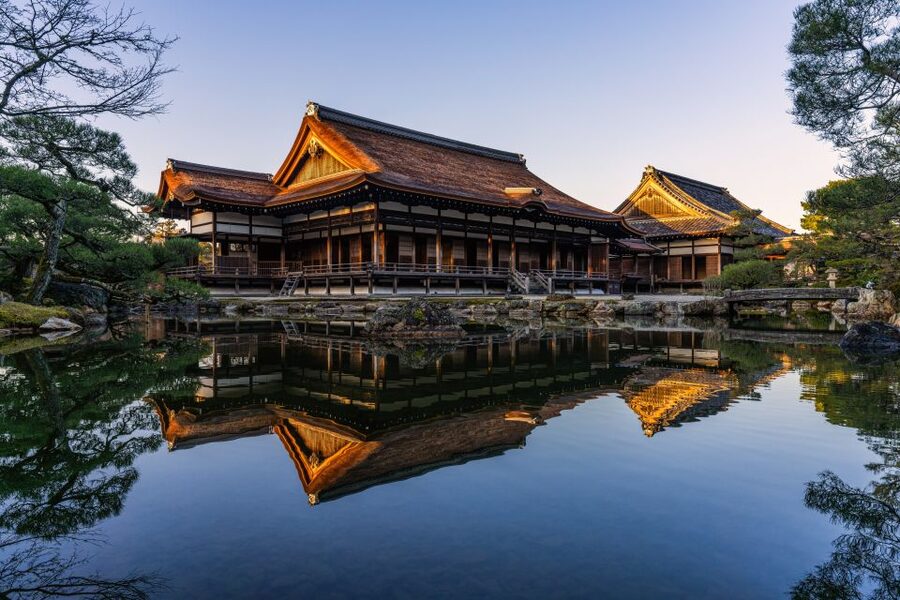
The included Goten Palace and gardens form the heart of this admission. You can expect a more refined, enclosed setting than the broad temple grounds alone suggest. This is the part of the visit to take slowly, with time for the relationship between the buildings, open spaces, and garden views to register.
The palace area is especially appealing if you enjoy Japanese design in small details rather than grand scale. Its value comes from the calm arrangement of rooms and gardens, not from a long list of exhibits or performances. You are looking at a historic religious residence and its setting, so the experience rewards patience.
Special entrance tickets are not included in the basic palace and garden admission. That wording matters. If a seasonal event or special area is operating, you may need to select or purchase the appropriate option separately.
I would begin here before setting off on the longer pilgrimage walk. The palace and gardens give you the clearest introduction to Ninnaji’s formal side. After that, the Omuro route feels like a shift from courtly spaces to a more natural setting.
Omuro sakura and the five-story pagoda
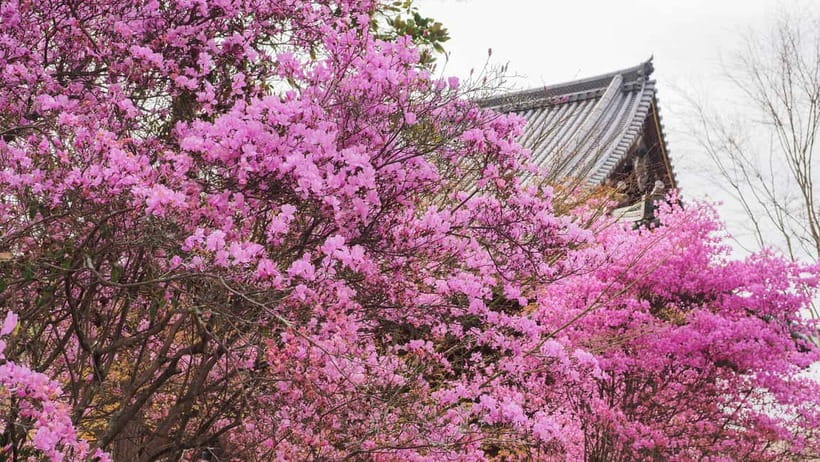
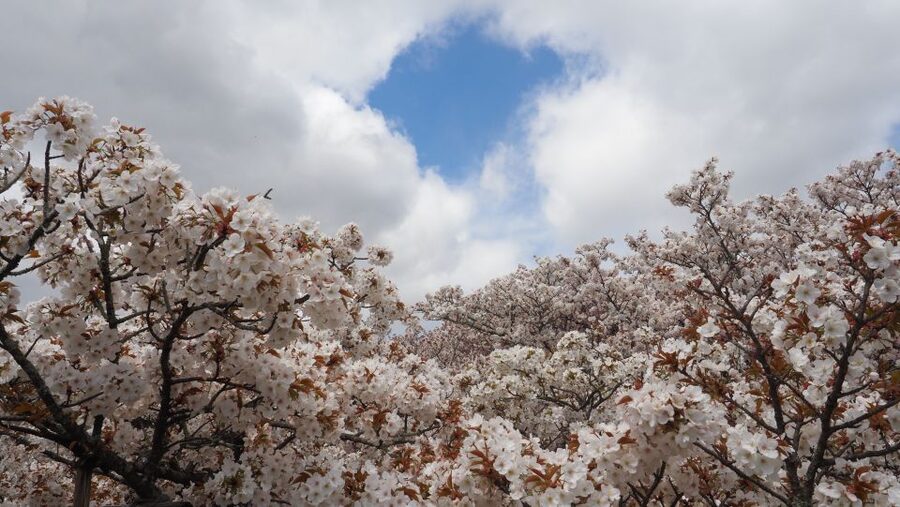
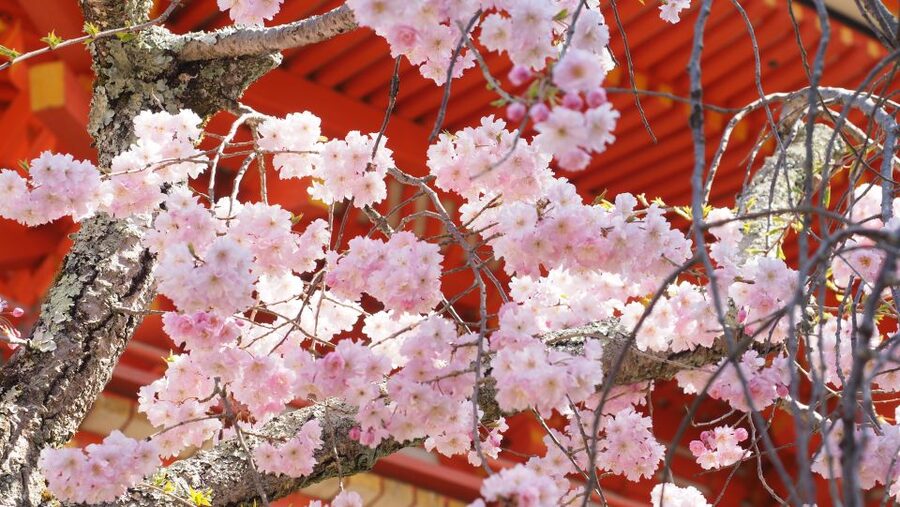
Ninnaji is famous for Omuro sakura, a late-blooming type of cherry tree. This timing can be useful if you miss Kyoto’s earlier blossoms elsewhere, though the exact dates change from year to year. Do not build your entire visit around a guaranteed bloom date.
During the cherry blossom season, an admission fee is required to enter the area beyond the Chumon inner gate when the flowers are in view. The fee period depends on when the trees reach full bloom, and the money goes toward preserving the Omuro sakura. That extra charge is not simply an arbitrary seasonal surcharge. It supports the trees that make the site special.
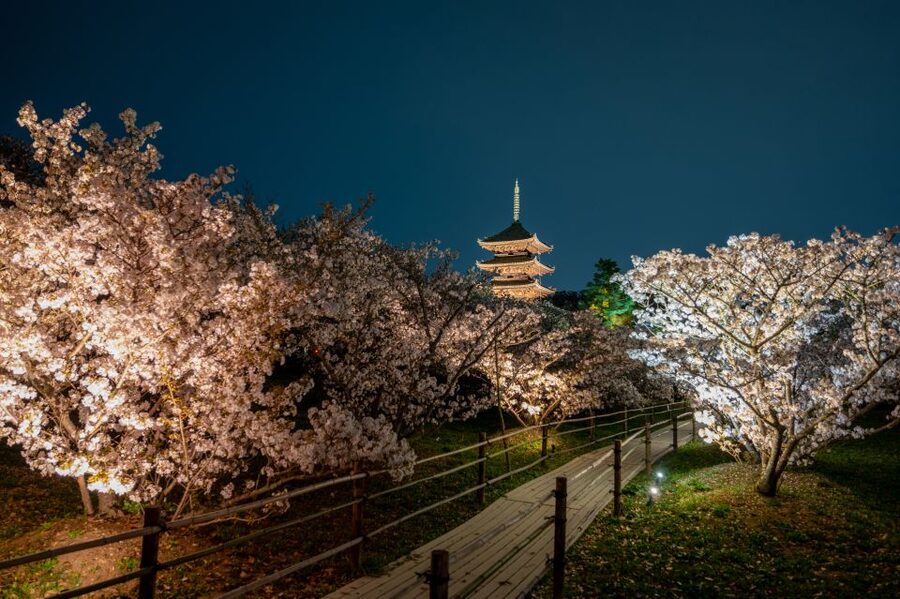
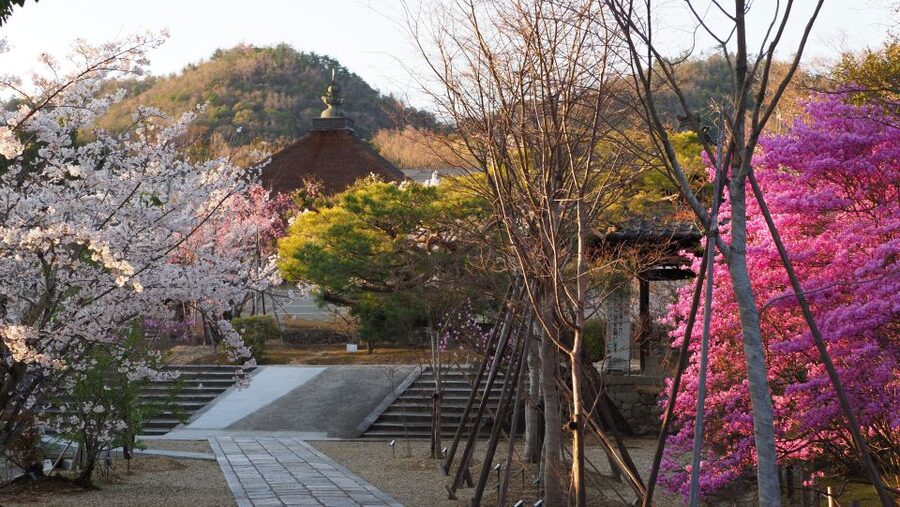
The five-story pagoda provides one of Ninnaji’s most recognizable views. Its height gives the temple grounds a strong visual center, while the cherry trees soften the scene in spring. Outside blossom season, the pagoda remains worth seeing, but the visit feels less like a single iconic view and more like a full temple walk.
If flowers are your top priority, plan around flexibility. The ticket is valid for one day, so you have time to wander, return to a favorite view, and combine the pagoda with the palace and gardens rather than hurrying through all three.
The two-hour Omuro Pilgrimage course
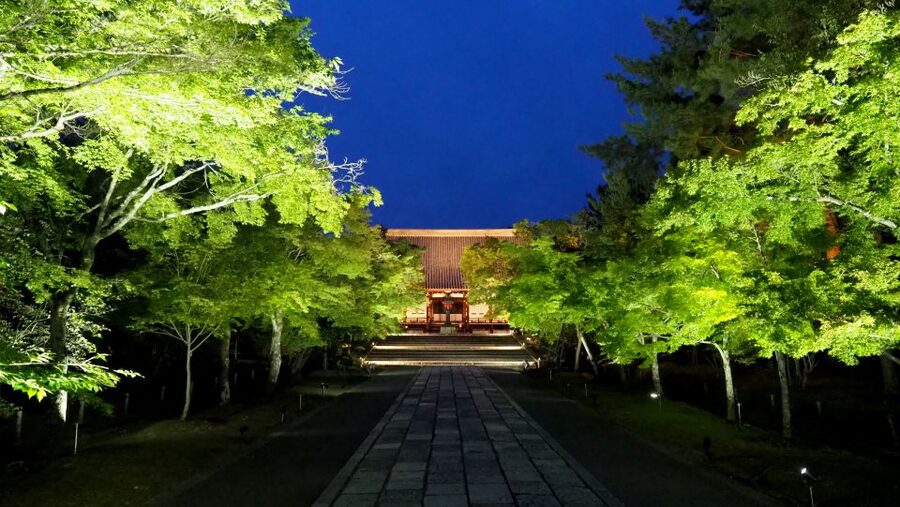
The Omuro Pilgrimage is a shorter version of the Shikoku Pilgrimage. The route takes about two hours and is surrounded by the sounds of nature and seasonal change. It gives you a way to experience the religious setting through movement rather than only through buildings.
You should think of this as a substantial walk, not a small add-on. Comfortable shoes make sense, particularly if you want to complete the course without treating it as a race. The available information does not provide a detailed route map or terrain description, so you should allow the full two hours and avoid squeezing it into a narrow schedule.
The course may suit you if you want a break from Kyoto’s dense city streets. It also helps explain why Ninnaji is more than a set of historic structures. A pilgrimage route connects the temple to a wider tradition of Buddhist travel, devotion, and contact with the natural world.
Spring offers blossom scenery. Summer brings greenery and the activity connected with Buddhist ceremonies. Fall colors the historic buildings and surrounding views in red and yellow. Winter offers a quieter walk, especially after snow.
You do not need to complete the route to justify the ticket, but skipping it means missing one of the most distinctive parts of the visit. I would save it for the middle or end of your time here, after seeing the palace area. That way, you can adjust the walk according to weather and energy.
More Temple Tours around Japan:
- Kyoto: Tea Ceremony Ju-An at Jotokuji Temple
★ 4.9 · 3,207 reviews - Osaka/Kyoto:Kinkakuji,Arashiyama,FushimiInariShrine,NaraPark
★ 4.1 · 1,596 reviews - Tokyo: Asakusa Walking Tour with Sensoji Temple Visit
★ 4.8 · 1,583 reviews - Nikko: Kegon Falls, Lake Chuzenji & Toshogu Temple
★ 4.6 · 1,577 reviews
Reihokan Museum and Ninnaji’s cultural objects
Reihokan Museum displays important cultural items belonging to Ninnaji. Admission is included only if you select the museum option, so check your ticket carefully before arriving.
The museum adds useful depth to the buildings outside. A temple can be beautiful while still leaving you wondering how it functioned over centuries. Objects connected with Ninnaji help give that setting a more direct cultural focus.
Museum hours and display details are not provided here, so do not assume every item is always on view. If Reihokan is important to you, confirm that your selected option includes it and check the current information before setting out.
I would recommend the museum to visitors who enjoy art, religious objects, and the connection between a temple’s daily life and its historic collections. If your priority is gardens and seasonal scenery, the Goten Palace and pilgrimage route may be enough.
How the seasons change the visit
Ninnaji works best when you match your expectations to the month.
Spring is the headline season because of the Omuro sakura. The trees bloom later than many famous Kyoto cherry trees, but the exact period varies. Once the trees reach full bloom, the area beyond the Chumon inner gate requires an additional admission fee.
Summer brings Buddhist ceremonies and many priests at the temple. The experience may feel more active and formal than a quiet winter visit. If you enjoy seeing a religious site in use, this season offers a different kind of interest.
Fall changes the color of the temple setting. Red and yellow foliage surrounds the historic buildings, giving the palace and pagoda a warmer appearance. Autumn is a good choice if you want strong seasonal scenery without making cherry blossoms the central goal.
Winter is the calmest option described here. Snow can transform the Japanese garden and Goten Palace, making familiar spaces appear spare and almost still. Snow is never guaranteed, but if it arrives, Ninnaji can reward an unhurried visit.
Opening hours are 9 AM to 5 PM from March through November. From December through February, the temple closes at 4:30 PM. Ticket booths close 30 minutes before the temple, so arriving near the posted closing time is a poor plan.
What the $5 ticket is worth
At $5 per person, this is an easy admission to justify if you have time for more than a brief look. The ticket covers the Goten Palace and gardens, and the one-day validity gives you room to visit at a comfortable pace.
The value drops if you arrive late, skip the palace and gardens, and leave after seeing the pagoda from outside. You are paying for access to a larger experience, including spaces that require time and attention.
Extra costs can change the calculation. The Omuro sakura area may require a seasonal fee. Reihokan Museum, the flower festival, and other special areas depend on the option you choose. Read the selected ticket details rather than assuming every seasonal feature is included.
For a visitor building a full Kyoto day around several paid sites, Ninnaji is also useful because its base cost is modest. You can spend more only if a particular museum or seasonal event matters to you.
Who should make time for Ninnaji?
I would recommend Ninnaji to you if you enjoy gardens, historic Buddhist buildings, seasonal scenery, or walks with a religious connection. It is particularly well suited to people who want a slower morning or afternoon rather than a tightly packed list of famous sights.
Families and mixed-interest groups can also make it work. One person can focus on the pagoda and gardens, another can choose the museum, and anyone who wants more exercise can take the two-hour pilgrimage course. The wheelchair-accessible status is useful, though the available details do not describe every surface or the full route conditions.
This is less suitable if you want a guided tour with a fixed schedule and constant explanation. The experience is primarily a temple admission, not a standard sightseeing tour with a named guide leading you from stop to stop.
There is one useful exception. A special guide inside Kannon-do has been described as informative, but the guide’s name and schedule are not provided. Treat that as a possible extra feature, not something to build your entire booking around.
Practical timing for a relaxed visit
Give yourself at least several hours if you want to see the palace and gardens, consider the museum, and attempt the Omuro Pilgrimage. The pilgrimage alone takes about two hours, so combining everything requires more than a quick stop.
Arrive early enough to avoid losing time at the ticket counter. Since ticket sales end 30 minutes before closing, the shorter winter hours deserve special attention. A winter arrival at 4 PM leaves very little useful time.
You can visit at any point during the one-day validity period, but availability should be checked for the date you want. The listed hours are seasonal, and blossom or festival access can change the price and the areas open to you.
The temple is wheelchair accessible. If you have a physical disability certificate, admission is free for the person named on the certificate. Ask at the ticket counter, since the policy applies only to that individual.
Should you book Ninnaji Temple?
Book it if you want a flexible, low-cost way to spend real time with one of Kyoto’s historic temple complexes. The strongest reasons are the late Omuro sakura, the Goten Palace gardens, and the two-hour pilgrimage route. The changing seasons give the visit more range than a single famous photo spot.
Think twice if your Kyoto schedule is already packed or if you only want guaranteed cherry blossoms. Bloom dates vary, and the blossom area may cost extra. The museum and flower festival also require the correct ticket option.
For most visitors, I would book the basic admission and allow enough time for the palace, gardens, pagoda, and part of the grounds. Add Reihokan or a special seasonal admission only if that specific feature matches your interests. With a 4.2 rating from 650 ratings and a low base price, Ninnaji offers solid value, especially when you visit at a pace that lets the place be quiet.
FAQ
How much does the Ninnaji Temple ticket cost?
The listed price is $5 per person.
How long is the ticket valid?
The ticket is valid for one day.
What are Ninnaji Temple’s opening hours?
From March through November, opening hours are 9 AM to 5 PM. From December through February, hours are 9 AM to 4:30 PM.
When do the ticket booths close?
The ticket booths close 30 minutes before the temple closes.
Is the Omuro Pilgrimage included?
The Omuro Pilgrimage is part of the Ninnaji experience, and the course takes about two hours. The provided information does not identify a separate fee for the course.
Does the ticket include Reihokan Museum?
Reihokan Museum admission is included if you select the museum option.
Is there an extra fee to see the Omuro sakura?
During cherry blossom season, an admission fee is required to enter the area beyond the Chumon inner gate. The period varies according to when the blossoms reach full bloom.
Can I cancel the booking?
You can cancel up to 24 hours in advance for a full refund. A reserve-now-and-pay-later option is also available.
Temple visits we reviewed lately in Japan
- From Asakusa: Old Tokyo, Temples, Gardens and Pop Culture★ 4.6 · 15 reviews
- Tokyo: Nagano Snow Monkeys and Zenkoji Tour with Temples★ 4.9 · 19 reviews
- Kamakura: Great Buddha, Hase Temple, & Komachi Street Tour★ 5.0 · 11 reviews
- Osaka Temple Head Spa &Matcha Facial – Refresh & Glow〈90min〉★ 5.0 · 24 reviews
- Osaka Temple :Warm Bamboo Oil Massage – Deep Restore〈60min〉★ 4.9 · 19 reviews
- Osaka: Temple Tour and Traditional Calligraphy Lesson★ 4.9 · 24 reviews
- Osaka: Sumiyoshi, Osaka’s Most Iconic Shrine – Private Tour★ 4.7 · 4 reviews
- Osaka Temple :Warm Bamboo Oil Massage – Deep Restore〈90min〉★ 5.0 · 14 reviews
Japan Temple Tours, compared.
Osaka/Kyoto:Kinkakuji,Arashiyama,FushimiInariShrine,NaraPark
Read our review →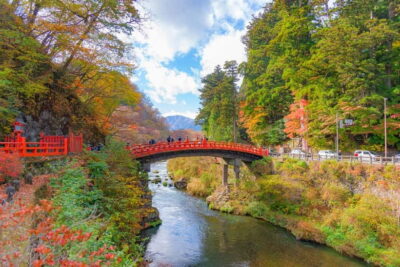
Nikko: Kegon Falls, Lake Chuzenji & Toshogu Temple
Read our review →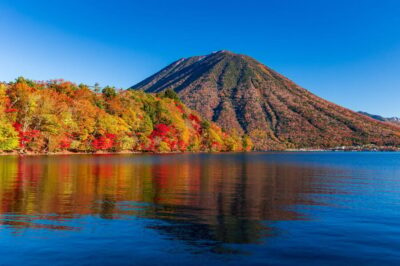
Tokyo: Nikko Toshogu Shrine and Kegon Waterfall Tour
Read our review →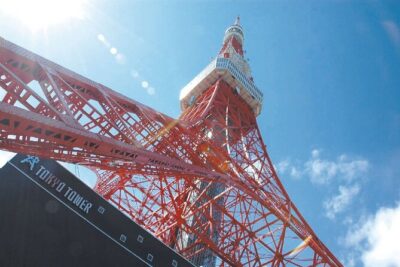
Tokyo Panoramic 1 Day: Meiji Shrine, Asakusa, Odaiba and SKYTREE®
Read our review →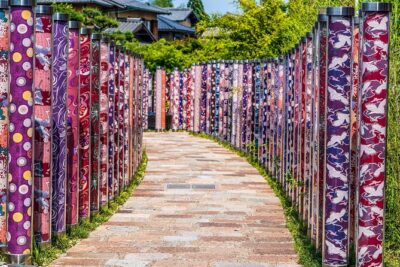
Kyoto Arashiyama Walking Tour: Bamboo, Monkeys, Gardens & Secrets
Read our review →
1-Day Snow Monkeys, Zenko-ji Temple & Sake in Nagano
Read our review →
Arashiyama Bamboo, Temple, Monkeys, or Secret Sake Brewery
Read our review →This tour also ranks in