
Review · JAPAN
Hiroshima & Miyajima 6.5h Guided Tour – Dome, Park & Shrine
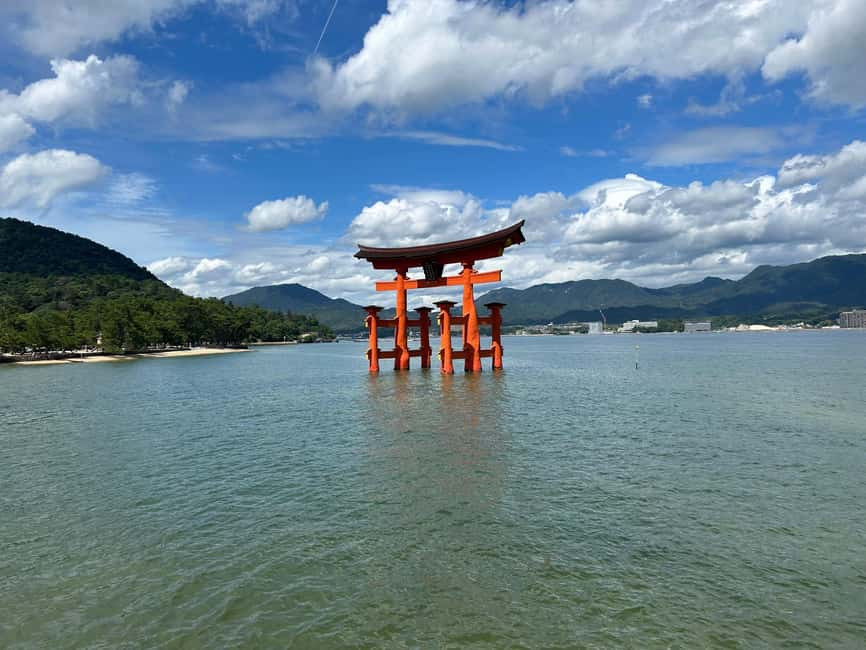
Miyajima’s red torii gate and Hiroshima’s Atomic Bomb Dome make an unusually powerful pair. One is a beautiful island shrine reached by ferry; the other is a reminder of August 6, 1945. This 6.5-hour small-group tour links both places without making you plan the trains, ferry, or order of visits yourself.
I like the local guides, especially the personal touch offered by guides such as Shion, who has family ties to Hiroshima, and the careful help provided by guides including Rie, Bo, and Hayato. I also like the balance between island scenery and serious history. The main drawback is time: Miyajima, the Peace Park, and the museum each deserve longer, and transportation fares and meals cost extra.
Key points at a glance
- Two UNESCO World Heritage Sites: Visit Itsukushima Shrine and the Atomic Bomb Dome in one well-packed day.
- A ferry ride with purpose: The 15-minute crossing gives you a scenic approach to Miyajima and its famous torii gate.
- Strong local storytelling: Guides such as Shion, Bo, Rie, and Hayato have been praised for clear English, personal insight, and practical help.
- Small group, capped at 10: You get more room to ask questions than on a large coach tour.
- A serious final chapter: The Peace Memorial Park and Museum can be emotionally difficult, but they give essential context.
- Bring yen and good shoes: You use public transportation and walk for much of the day.
Hiroshima Station is the right place to begin
Your day starts at Hiroshima Station’s North Exit, also called the Shinkansen Exit, on the second floor. Do not go to the South Exit, which serves the tram and bus side of the station.
The meeting point is on the benches between the JR Green Ticket Office, called Midori no Madoguchi, and the Starbucks opposite it. Your guide carries a bright fluorescent green band on their bag, which makes the meeting easier in a busy station.
This detail matters. Hiroshima Station is large enough to cause a rushed start, especially if you arrive by Shinkansen and are trying to find the correct exit. Give yourself time to get upstairs and locate the benches. The tour begins with public transportation, so arriving late can affect the entire group.
The tour is limited to 10 people and conducted in English. That is a useful size for a day involving several train and ferry movements. You can ask questions without trying to catch a guide’s attention across a crowd, and the group can move more quickly through stations.
More Temple Tours around Japan:
- Kyoto: Tea Ceremony Ju-An at Jotokuji Temple
★ 4.9 · 3,207 reviews - Osaka/Kyoto:Kinkakuji,Arashiyama,FushimiInariShrine,NaraPark
★ 4.1 · 1,596 reviews - Tokyo: Asakusa Walking Tour with Sensoji Temple Visit
★ 4.8 · 1,583 reviews
The train and ferry ride to Miyajima
The first train takes about 25 minutes, followed by a 15-minute ferry ride. Transportation is not included in the $96 tour price, so carry Japanese yen for the fares. The same applies to food, drinks, and purchases on the island.
I like this beginning because Miyajima is not treated as a quick photo stop reached by private vehicle. You use the same basic public transport system that you would use on your own, with a guide helping keep the connections organized.
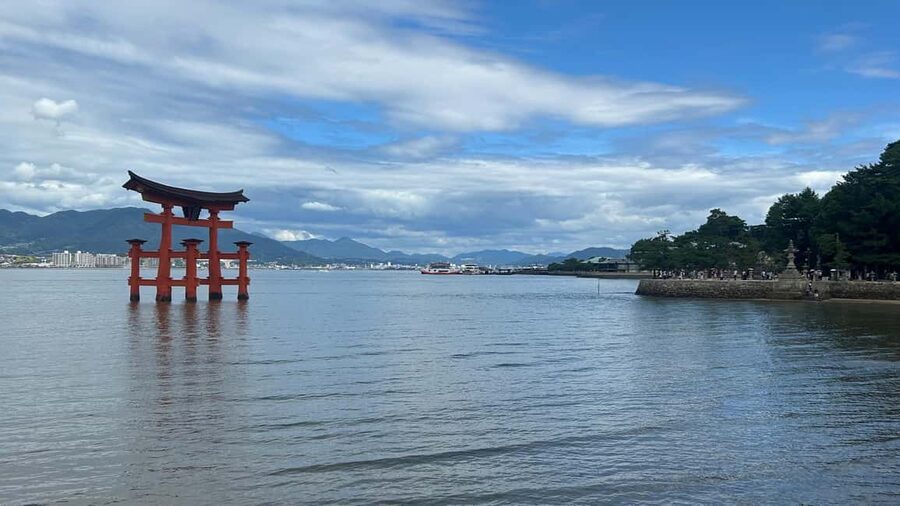
The ferry is short, but it changes the feel of the day. Hiroshima’s city streets give way to open water and an island setting. The approach to the shrine is one of the tour’s visual highlights, although the torii gate will not always look the same. Tide levels affect whether it appears to float in the water or sits on exposed ground.
Bring a rain jacket or other weather protection. The tour operates in rain or shine, and part of the appeal of Miyajima is being outdoors.
Itsukushima Shrine and the famous torii gate
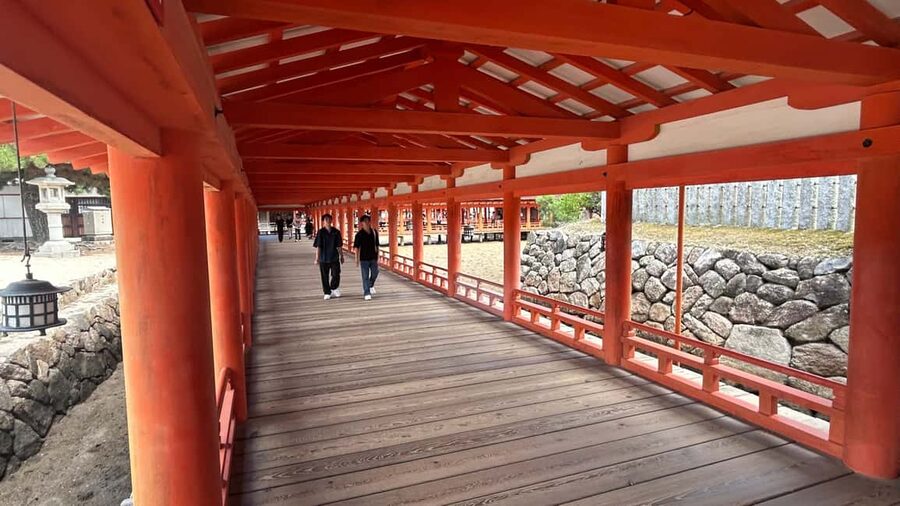
The tour allows about 80 minutes for Itsukushima Shrine, including a guided visit, sightseeing, and time for photographs. The shrine is one of Japan’s best-known sacred sites, and its red torii gate is the image most closely linked with Miyajima.
Your guide can give the setting more meaning than a quick photograph would. You will learn about the shrine’s place on the island and why the gate’s position in the water matters. The visit is also a chance to notice smaller details in the shrine complex instead of focusing only on the large red structure.
Crowds can affect this stop. At busy times, the line to enter the shrine may be long. One recent tour group chose not to wait and instead used the time to see other nearby sights with the guide. That is a sensible option if the queue threatens to consume your limited island time, though it means you may not see every interior area.
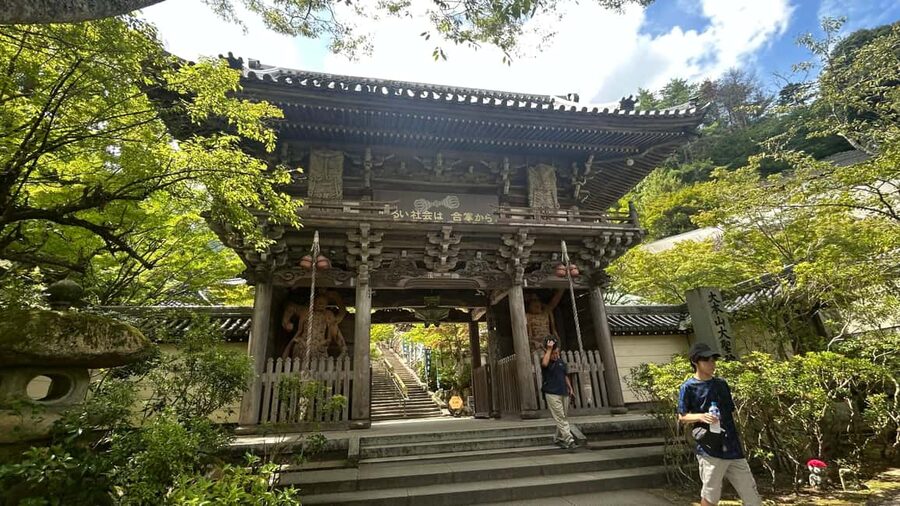
The tour does not include a long stay on Miyajima or time for a mountain hike. If you want to visit every temple, ride the ropeway, or spend a full day on the island, this schedule will feel too short. For a first look, however, the shrine visit gives you the essential experience.
Omotesando Street and the taste of Miyajima
After the shrine, you get about 45 minutes on Omotesando Shopping Street. This is the island’s main commercial area, with food, souvenirs, and a lively pedestrian atmosphere.
You can look for local specialties such as oysters and momiji manju, a maple-leaf-shaped cake with a sweet filling. The tour price does not include meals, so this is a good moment to buy a snack if you wish. Carry cash, since the tour specifically asks you to bring Japanese yen for transportation and purchases.
Forty-five minutes passes quickly. You have enough time to browse and sample something, but not enough for a relaxed meal and extensive shopping. I would decide in advance whether food or souvenirs matter more to you.
The street can also be crowded. That is part of the island’s appeal, but it can make walking slower and reduce the quiet, spiritual mood found near the shrine. I like the contrast, since it shows both sides of Miyajima: a sacred island setting and a popular Japanese day-trip destination.
Same sacred ground, another way to see it:
- Tokyo:Mt.Fuji,Kawaguchiko Oishi Park,Arakurayama Sengen Park
★ 4.4 · 2,682 reviews - Nikko: Kegon Falls, Lake Chuzenji & Toshogu Temple
★ 4.6 · 1,577 reviews - Tokyo: Nikko Toshogu Shrine and Kegon Waterfall Tour
★ 4.5 · 1,266 reviews - Tokyo Panoramic 1 Day: Meiji Shrine, Asakusa, Odaiba and SKYTREE®
★ 4.5 · 1,222 reviews
Returning to Hiroshima for the Atomic Bomb Dome
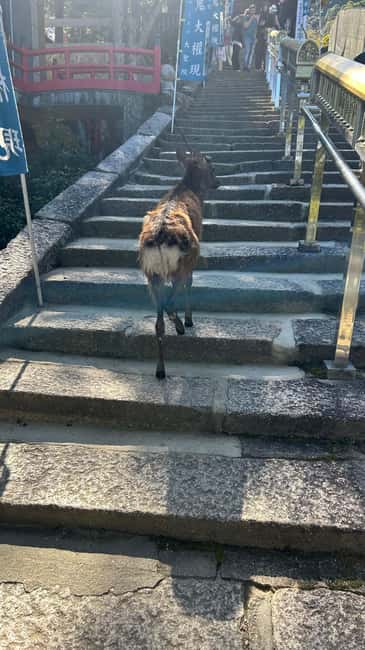
The return journey takes about 15 minutes by ferry and about 45 minutes by train. This is one of the less glamorous sections of the day, but it gives you a useful break before the Hiroshima portion.
The first city stop is the Atomic Bomb Dome, with about 30 minutes for sightseeing, photographs, and guided explanation. The building was close to the atomic bomb’s hypocenter and survived in damaged form. Today, it is one of Hiroshima’s clearest symbols of destruction, remembrance, and the city’s call for peace.
Thirty minutes is enough to look carefully at the structure and hear its story, but not enough for a long independent exploration. Your guide helps you use the time well by pointing out what you are seeing and placing the building within the surrounding park.
This stop can feel stark after Miyajima’s bright colors and food stalls. That change is intentional. The tour does not present Hiroshima only as a scenic destination. It asks you to consider the city’s wartime past before you enter the museum.
Walking through Peace Memorial Park
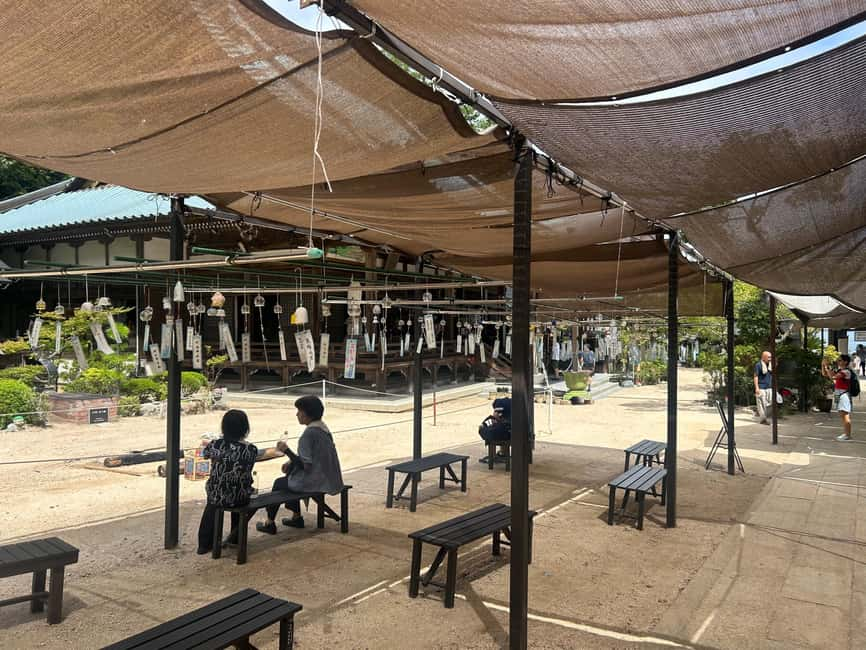
The tour then spends about 40 minutes in Peace Memorial Park. The park contains memorials dedicated to those who died in the bombing, along with spaces for reflection and remembrance.
This is where a local guide can add real value. The park is easy to walk through, but its monuments can seem abstract if you do not understand their purpose. A guide can explain the meaning of the places you pass and answer questions while keeping the group moving toward the museum.
The tone is solemn. You should not expect light sightseeing here, and it is worth giving yourself a moment to absorb what you are seeing. The park provides a bridge between the physical remains of the Atomic Bomb Dome and the detailed accounts inside the museum.
Some people would prefer more time here and less time on Miyajima. That is a fair criticism. If Hiroshima’s wartime history is your main reason for visiting, you may find the schedule too compressed.
The Peace Memorial Museum deserves your full attention
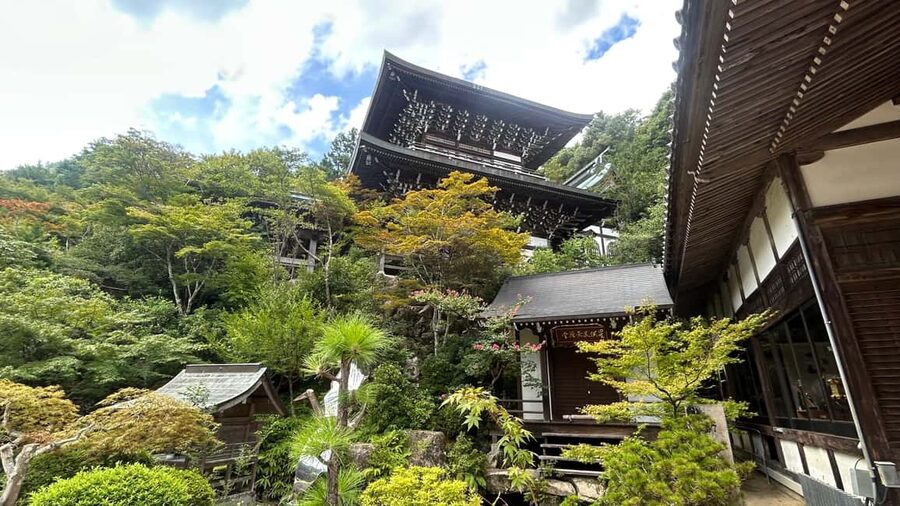
The museum visit is planned for one hour. Its exhibits provide direct insight into the bombing, the people affected, and Hiroshima’s past. This is often the emotional high point of the day, and you should be ready for difficult material.
One hour gives you a meaningful introduction, but it is not enough to read every display slowly. If the museum is busy, you may need to choose which exhibits matter most to you. Several tour participants have wished for more museum time, so keep that in mind when comparing this tour with a private or self-guided visit.
The museum is closed from February 16 through 21. During those dates, the tour skips the museum but continues with the other stops. Check your date carefully before booking, since the value of the tour changes when the museum portion is not available.
The tour finishes at the Peace Memorial Museum rather than returning you to Hiroshima Station. That can work well if you want to continue exploring the park or museum area. If you have a train to catch, plan your own route and allow extra time. One guide, Shion, has helped a participant reach a train back to Kyoto on time, but you should not rely on an escort beyond the advertised ending point.
The guides are a major part of the value
The most praised part of this experience is not simply the list of sights. It is the quality of the guiding.
Shion has been described as a Hiroshima local with family connections to people who survived and people who died in the bombing. That kind of personal link can make the subject feel immediate, though a good guide should also handle such stories with care. Shion has also been praised for strong English, energy, local recommendations, and practical help.
Bo has been praised for clear English and a broad command of Hiroshima’s wartime story. Rie has been noted for warmth and organization, while Hayato has been praised for making the sites easy to understand. Rei has even helped a participant find a pharmacy for medicine, a small example of the useful assistance a local guide can provide.
The guide assigned to your date may be different. Guide quality can vary slightly, especially with language, but the tour is built around live English guidance rather than a recorded explanation. One four-star experience noted that the guide worked hard but struggled at times to express ideas in English. That is worth keeping in mind if detailed historical discussion is your top priority.
What $96 buys you, and what it does not
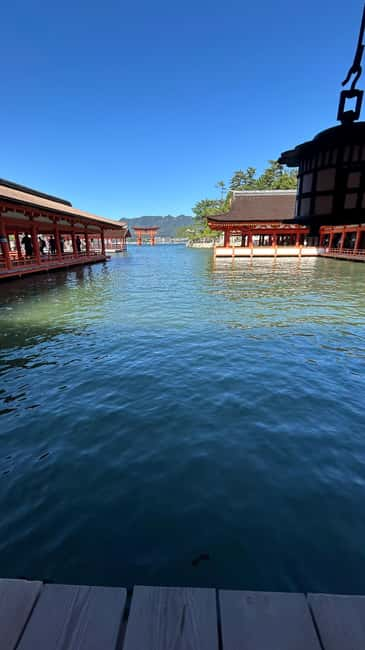
At $96 per person, this is not the cheapest way to see Hiroshima and Miyajima. You still pay for train and ferry transportation, and meals are not included. The advertised inclusions are the local guide and admission fees.
The price makes more sense if you value organization and interpretation. You do not have to work out the sequence of Hiroshima Station, the train, ferry, shrine, shopping street, return train, Atomic Bomb Dome, park, and museum on your own. You also get a small group rather than a large bus tour.
The tour covers a great deal in 390 minutes. That efficiency is its main strength and its main limitation. You get the major sights in one outing, but you give up the freedom to linger at the museum, eat slowly on Miyajima, or explore side streets.
Free cancellation up to 24 hours before departure and the option to reserve now and pay later add useful flexibility. They do not change the basic calculation: book this for structure and local explanation, not for an unhurried day.
Walking, weather, and practical comfort
Wear comfortable walking shoes. The tour includes station transfers, the ferry terminal, shrine grounds, shopping streets, the park, and the museum. It is not suitable for children under six, people with mobility impairments, or wheelchair users, and electric wheelchairs and large luggage are not allowed.
Leave suitcases at your accommodation or in suitable storage before meeting the guide. Oversize luggage will make the trains, ferry, and narrow walking areas harder for everyone.
Carry cash in Japanese yen. You need it for transportation and island purchases. Pack rain gear and dress for the forecast, since the tour continues in wet weather.
The itinerary is best for someone who can walk steadily and stay with a group through several changes of scene. If you prefer slow mornings, long meals, or extensive museum time, a self-guided plan may suit you better.
Should you book the Hiroshima and Miyajima tour?
Book it if you have one day for Hiroshima and want the main sights arranged in a sensible order. It is especially useful for first-time visitors who want help with public transportation, an English-speaking local guide, and a small group capped at 10 people.
The tour suits you if you want both sides of Hiroshima in one day: Miyajima’s shrine, torii gate, food, and island atmosphere, followed by the Atomic Bomb Dome, Peace Memorial Park, and museum. The emotional shift is strong, but it gives the day purpose.
Skip it if you want to spend several hours at the museum, hike on Miyajima, or eat and shop without watching the clock. In that case, stay overnight in Hiroshima or divide the two destinations across separate days.
For most first visits, the $96 fee is fair once you value the guide and the planning help. Just budget extra for fares and food, wear good shoes, check the museum closure dates, and accept that this is a fast, thoughtful introduction rather than a leisurely exploration.
FAQ
Where does the tour meet?
Meet at Hiroshima Station’s North Exit, also called the Shinkansen Exit, on the second floor. Wait on the benches between the Midori no Madoguchi JR Green Ticket Office and the Starbucks opposite it.
How can I identify the guide?
The guide will have a bright fluorescent green band attached to their bag.
What language is the tour conducted in?
The live tour guide speaks English.
How long does the tour last?
The tour lasts 390 minutes, or 6.5 hours.
What transportation does the tour use?
The tour uses public trains and ferries. The first train takes about 25 minutes, the first ferry about 15 minutes, the return ferry about 15 minutes, and the return train about 45 minutes.
Are train and ferry fares included?
No. Transportation fares are not included, so bring Japanese yen in cash.
Are meals included?
No. Meals are not included. You can purchase food on Miyajima, including local specialties such as oysters and momiji manju.
Is the Peace Memorial Museum always included?
The museum is closed from February 16 through 21. On those dates, the museum visit is skipped while the rest of the tour continues.
What should I bring?
Bring cash in Japanese yen, comfortable walking shoes, and suitable clothing for the weather. Rain gear is recommended because the tour operates in rain or shine.
Is the tour suitable for wheelchair users or young children?
The tour is not suitable for wheelchair users, people with mobility impairments, or children under six. Pets, oversize luggage, large bags, and electric wheelchairs are not allowed.
Temple visits we reviewed lately in Japan
- From Asakusa: Old Tokyo, Temples, Gardens and Pop Culture★ 4.6 · 15 reviews
- Tokyo: Nagano Snow Monkeys and Zenkoji Tour with Temples★ 4.9 · 19 reviews
- Kamakura: Great Buddha, Hase Temple, & Komachi Street Tour★ 5.0 · 11 reviews
- Osaka Temple Head Spa &Matcha Facial – Refresh & Glow〈90min〉★ 5.0 · 24 reviews
- Osaka Temple :Warm Bamboo Oil Massage – Deep Restore〈60min〉★ 4.9 · 19 reviews
- Osaka: Temple Tour and Traditional Calligraphy Lesson★ 4.9 · 24 reviews
- Osaka: Sumiyoshi, Osaka’s Most Iconic Shrine – Private Tour★ 4.7 · 4 reviews
- Osaka Temple :Warm Bamboo Oil Massage – Deep Restore〈90min〉★ 5.0 · 14 reviews
Japan Temple Tours, compared.
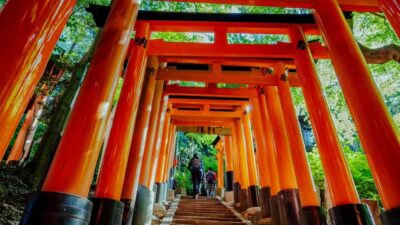
Osaka/Kyoto:Kinkakuji,Arashiyama,FushimiInariShrine,NaraPark
Read our review →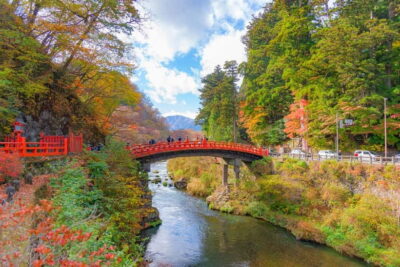
Nikko: Kegon Falls, Lake Chuzenji & Toshogu Temple
Read our review →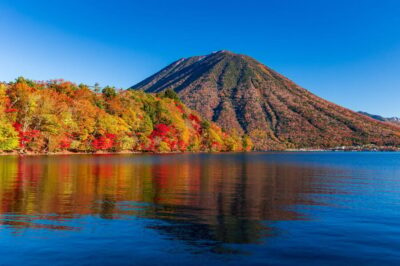
Tokyo: Nikko Toshogu Shrine and Kegon Waterfall Tour
Read our review →
Tokyo Panoramic 1 Day: Meiji Shrine, Asakusa, Odaiba and SKYTREE®
Read our review →
Kyoto Arashiyama Walking Tour: Bamboo, Monkeys, Gardens & Secrets
Read our review →
1-Day Snow Monkeys, Zenko-ji Temple & Sake in Nagano
Read our review →
Arashiyama Bamboo, Temple, Monkeys, or Secret Sake Brewery
Read our review →This tour also ranks in