
Review · JAPAN
From Kanazawa: Eiheiji Buddhist Temple & Fukui Castle Town
Eiheiji is the star here, but the best surprise may be the smaller Fukui stops first. You’ll see original castle walls, enter two rooms moved from Fukui Castle, meet a practicing monk at Zuigenji, then reach a major Zen temple in the mountains.
I like the castle rooms at Zuigenji, where private daimyo spaces preserve the colors and fine details of upper-class life. I also like the easy mix of train, local bus, walking, and guided visits, which lets you see Fukui without sorting out every connection yourself.
The trade-off is a packed day. Eiheiji gets about 110 minutes, and one excellent day can leave you wishing for more time. The return buses run early enough that lingering at the temple is limited.
Key points to know before you go
- A practicing monk at Zuigenji: Hear directly about the temple and its connection to Fukui Castle.
- Original castle walls and a recreated Edo-period bridge: Fukui’s ruins offer a different castle experience from a restored keep.
- Atagozaka’s city view: Climb the short stairway for one of the clearest views of modern Fukui.
- Dinosaur Square at Fukui Station: Start with playful statues linked to the prefecture’s major archaeological discoveries.
- Eiheiji’s cedar-lined Zen complex: See historic buildings, daily monastic life, and prayer in a mountain setting.
- A practical day from Kanazawa: Transport, English guiding, and temple entry fees are included for $143.
Why this Kanazawa day trip feels different
Many day trips from Kanazawa aim straight for a famous sight. This one takes a slower route through Fukui before reaching Eiheiji. That matters because Fukui is not just a transport stop on the way to the temple. You get a look at its castle past, local religious traditions, modern city center, and mountain setting in one day.
The journey begins at Kanazawa Station at 8:30 a.m., near the Information Center by the Shinkansen Ticket Gates. You take the train toward Fukui, with roughly 30 to 40 minutes of travel depending on the exact schedule. The ride gives you views toward the mountains west of the city.
Your guide handles the movement between train and bus, but you still need to be ready for a full day of walking and several changes of scene. This suits you if you like a day with momentum. It is less suitable if you want to sit for long meals or explore one temple at your own pace.
The tour can also begin or end in Fukui, according to the option booked. That makes it useful if you are staying in Fukui rather than returning to Kanazawa.
More Temple Tours around Japan:
- Kyoto: Tea Ceremony Ju-An at Jotokuji Temple
★ 4.9 · 3,207 reviews - Osaka/Kyoto:Kinkakuji,Arashiyama,FushimiInariShrine,NaraPark
★ 4.1 · 1,596 reviews - Tokyo: Asakusa Walking Tour with Sensoji Temple Visit
★ 4.8 · 1,583 reviews
Dinosaur Square gives Fukui an amusing welcome
Fukui Station greets you with dinosaur statues, a fitting introduction to a prefecture known for Japan’s largest archaeological dig. Several dinosaurs are named after Fukui, and the station area has both artistic and comic examples.
You only spend about 10 minutes here, so think of it as a quick orientation rather than a museum visit. It is enough time to look around, take photographs, and understand why dinosaurs appear throughout the city.
I like this opening because it breaks up the historical focus. Fukui is not presented as an old temple town frozen in time. The dinosaur displays give the city a light modern identity before the day moves into castle history and Buddhist practice.
Fukui Castle ruins show power without a keep
From the station, you walk toward the castle ruins. The original walls and moat remain, along with a bridge built to match its Edo-period form. The setting has an unusual modern twist: Fukui’s prefectural office and police headquarters sit within the former castle area.
That contrast is worth noticing. You are not walking through a preserved castle town with every building restored. Instead, old stonework and water defenses share space with working government offices. The result feels more like a living city than a staged historic site.
Fukui Castle also has an unusual defensive story. For many years it had no keep. The gates around the castle were strengthened instead, serving as the final defensive line. Your guide can explain why the walls and gateways mattered even without the tall central tower most people expect from a Japanese castle.
Allow about an hour here. The walk gives you time to study the walls, moat, and bridge, while the guide supplies the political and military context. If you have already seen reconstructed castles in places such as Matsumoto or Hikone, Fukui offers a useful contrast: its appeal comes from surviving foundations and urban history rather than a grand restored keep.
Zuigenji preserves two rooms from Fukui Castle
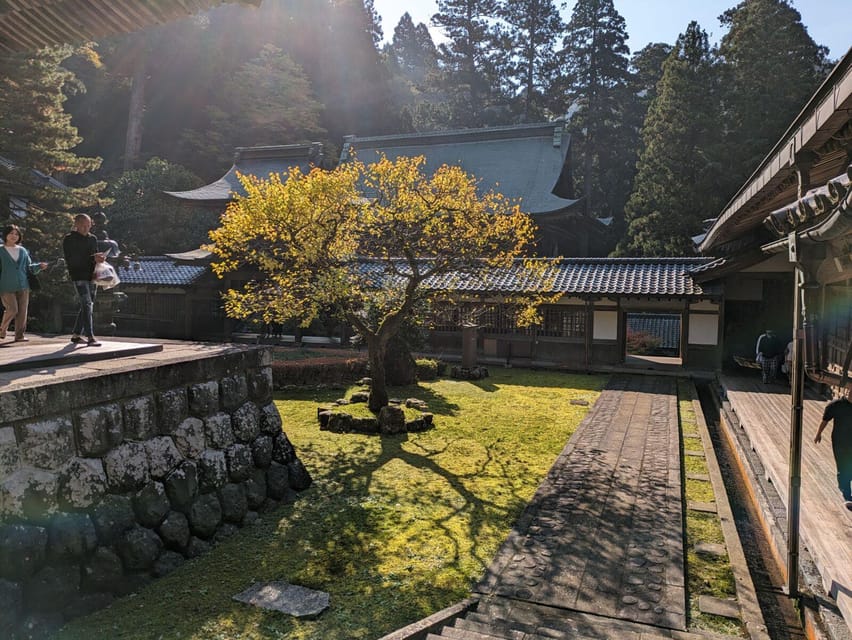
A short ride and walk take you to Zuigenji, a temple with a direct link to the former castle. Two rooms from Fukui Castle were moved here. They were used by the daimyo for private business and sleep, giving you a more personal view of castle life than a general walk around defensive walls.
One room remains preserved as it was. Pay attention to the colors and decorative details. These spaces show the comfort and status of the upper class in a way that bare castle stones cannot.
The visit lasts about 30 minutes, but it can become one of the day’s most memorable sections. The setting is smaller and quieter than Eiheiji, and the subject is specific: how a ruling family lived and worked.
A monk at Zuigenji may also speak with the group about the temple, its history, and the way it came to hold the castle rooms. This direct conversation is a major strength of the experience. It gives you a chance to hear about the temple from someone who practices and manages its religious life, rather than receiving only a prepared explanation from outside.
The exact monk conversation is subject to availability, as are all listed activities. Still, the program is built around a guided visit to the temple and its castle rooms, and the chance to ask questions makes this stop feel personal.
Same sacred ground, another way to see it:
- Tokyo:Mt.Fuji,Kawaguchiko Oishi Park,Arakurayama Sengen Park
★ 4.4 · 2,682 reviews - Nikko: Kegon Falls, Lake Chuzenji & Toshogu Temple
★ 4.6 · 1,577 reviews - Tokyo: Nikko Toshogu Shrine and Kegon Waterfall Tour
★ 4.5 · 1,266 reviews - Tokyo Panoramic 1 Day: Meiji Shrine, Asakusa, Odaiba and SKYTREE®
★ 4.5 · 1,222 reviews
Atagozaka rewards a short climb
The Atagozaka section uses a series of stairways leading up the side of a broad hill. It takes around 30 minutes and includes one of the oldest shrines in Fukui Prefecture.
This is not a major mountain hike, but the steps still add effort to an already active day. Wear shoes you can walk in comfortably, especially if rain or winter conditions make the surfaces slick.
The reward is the view. From the upper area, you look back over Fukui’s modern skyline. After the castle walls and old temple rooms, the city below helps connect the past to present-day Fukui.
I find this kind of short climb worthwhile because it gives you a sense of the city’s shape. You are not only being shown buildings one by one. You are seeing how the old religious and castle districts relate to the newer city around them.
Lunch is your own chance to choose
The schedule leaves about an hour for lunch and free time in Fukui. Lunch is not included, so bring money for your meal and expect to make your own choice.
That arrangement has both good and bad sides. You are not tied to a fixed group meal, and you can choose what suits you. On the other hand, the hour passes quickly, and the tour does not provide a detailed restaurant plan in advance.
Ask your guide for suggestions. Guides such as Garrett and Mike have helped visitors with local orientation and later plans in Kanazawa, so this is a useful moment to ask what else to eat or see during your stay.
Keep an eye on the clock. The afternoon bus to Eiheiji is part of a timed route, and a leisurely lunch can easily become a rushed one.
Eiheiji brings the day into the mountains
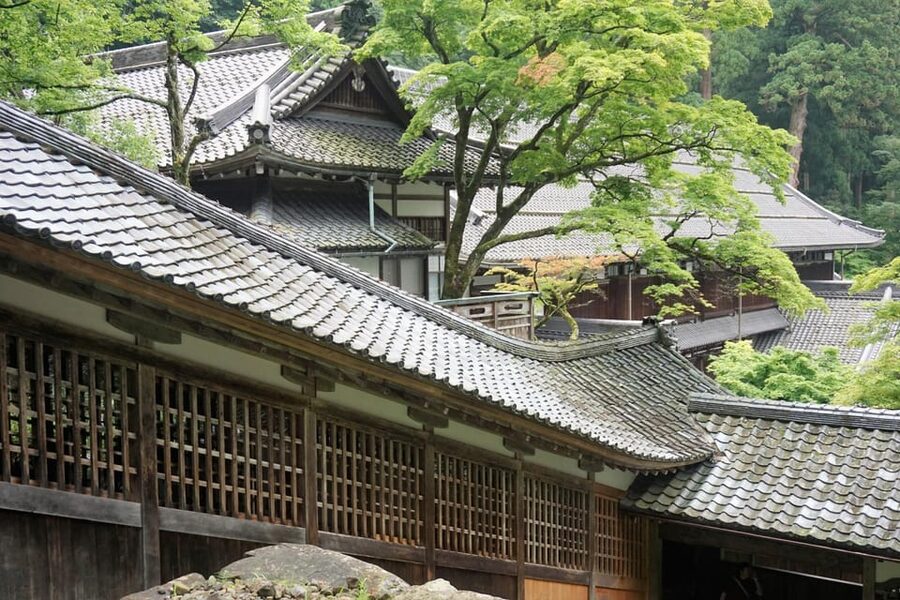
After lunch, a direct bus takes about 30 minutes to Eiheiji. This is the largest and most important stop of the day.
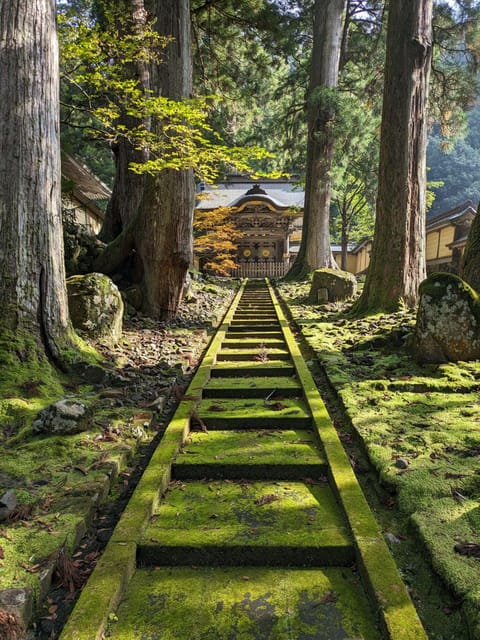
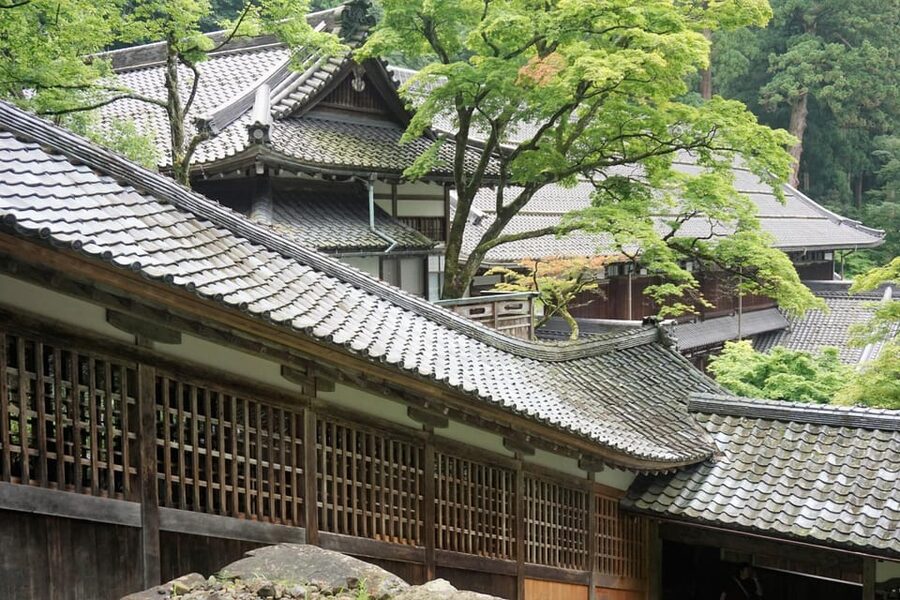
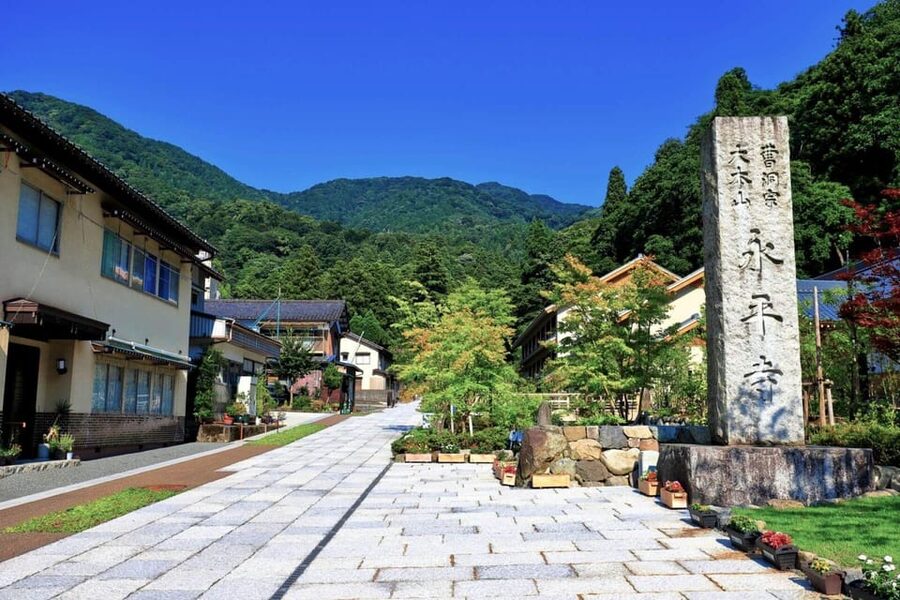
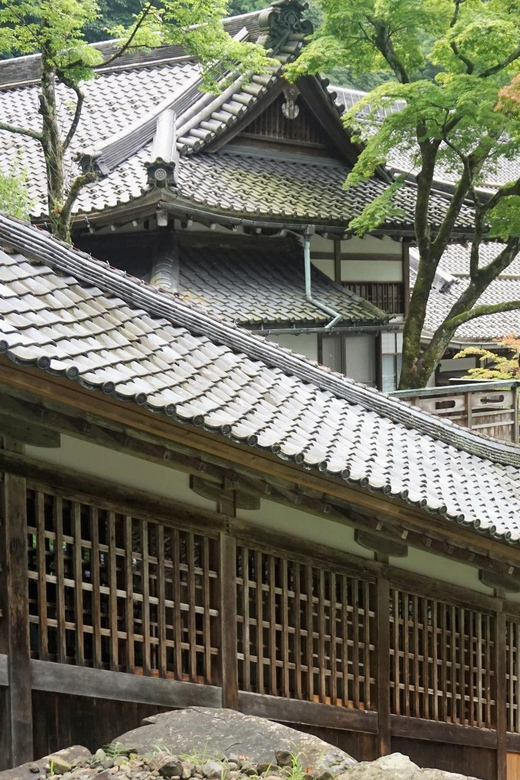
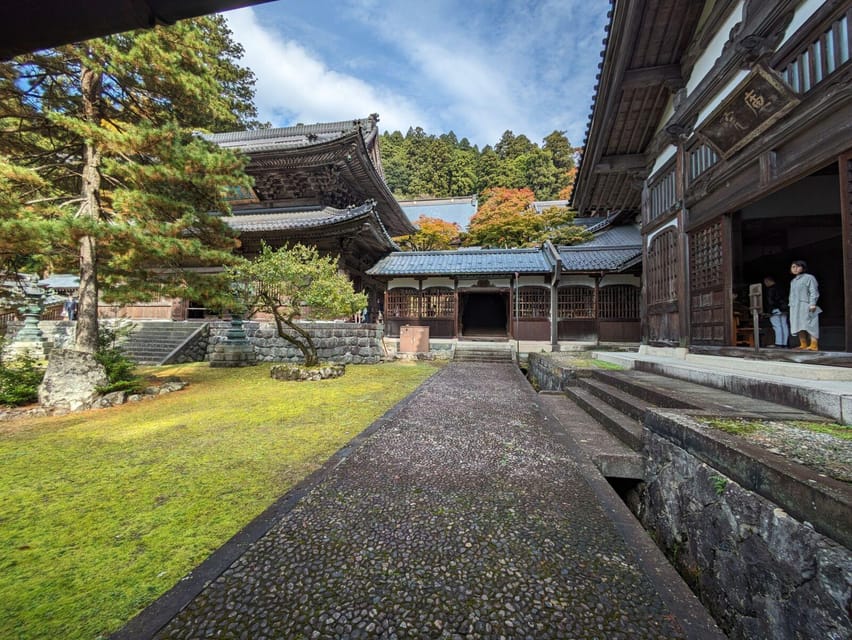
Eiheiji was founded in the 1200s and is one of the head temples of Zen Buddhism. Its buildings and surrounding cedar trees create a powerful setting, with timber halls, stairways, and forested slopes working together as one place of practice.
The temple is not simply a collection of old buildings to photograph. It remains connected to Zen training, and you may see novice monks carrying out daily duties or monks at prayer. That working religious life gives the complex more weight than a historic site that exists only for sightseeing.
You receive about 110 minutes here, including guided time and free time. Your guide explains the history of Eiheiji, Zen Buddhism, and the temple’s role in Japanese history. You also have room to look for your own views of the architecture and cedar trees.
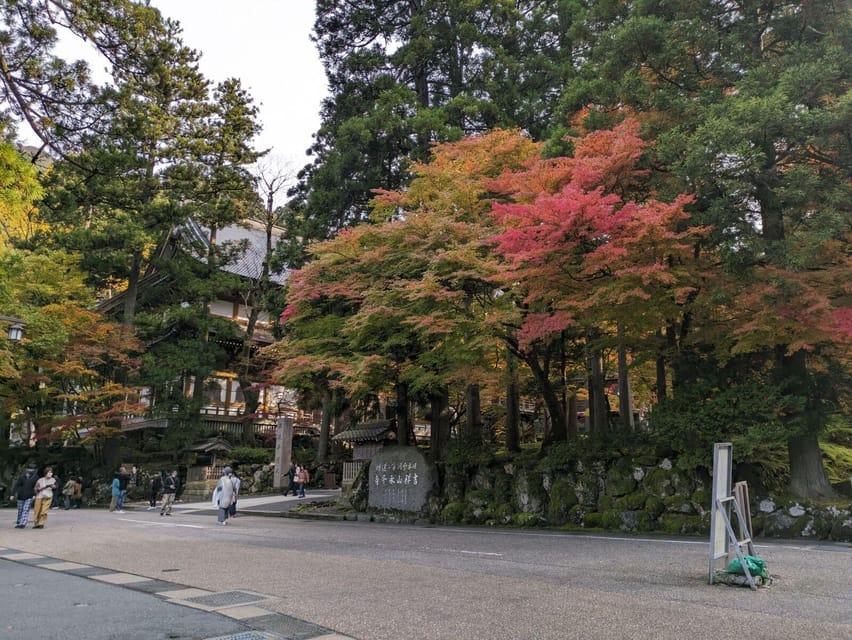
Take your time with the transitions between buildings. The best photographs often come from the relationship between the dark wood, carefully maintained details, and tall trees rather than from one famous hall alone.
The temple can be especially atmospheric in snow. Winter conditions may make the grounds slower to walk, but they also add quiet to the cedar-lined paths. In any season, weather can change the feel of the visit, so bring suitable clothing.
The main limitation is time. Eiheiji is large, and 110 minutes gives you a strong introduction but not a complete exploration. One afternoon is enough to understand why it matters, not enough to see every corner at a relaxed pace.
The transport plan keeps the day moving
The return bus from Eiheiji to Fukui takes just under 30 minutes. From Fukui, the train back to Kanazawa should bring you in around 6 p.m., with the exact timing dependent on the day’s connections.
Transport is one of the clearest reasons to consider the $143 price. The cost includes the train and bus connections for the Kanazawa start, local Fukui transport, the direct bus to Eiheiji, and the return journey. Entry to Eiheiji and Zuigenji is also included, as is an English-speaking guide.
If you arranged every leg alone, you would still need to coordinate train times, the local Fukui bus, the Eiheiji connection, walking routes, and temple admissions. The tour removes that planning work and adds interpretation at places that are easy to pass without context.
Still, the value depends on how you like to travel. Independent visitors who enjoy transport research and want to spend several hours at Eiheiji may prefer to build their own day. You are paying here for guidance, structure, access to the castle rooms, and a smooth connection between several places.
The group leaves friends staying in Fukui at Fukui Station before continuing to Kanazawa. If you are ending in Fukui, the schedule may be more convenient and avoids the final train ride.
What the guide adds to the experience
This day depends heavily on the guide because several stops are more interesting with explanation. Garrett and Garret appear in the guide team, along with Mike, and the strongest qualities are warmth, local pride, and clear explanations of Fukui’s history and Buddhist traditions.
The guide also helps you understand the difference between a small local temple and Eiheiji. At Zuigenji, the story is intimate and tied to one ruling family and two rooms. At Eiheiji, the scale becomes much larger, with centuries of Zen practice and a still-active monastic setting.
That range is the real educational value of the tour. You are not simply collecting temple photographs. You are comparing a castle-linked temple, a city shrine, a hilltop view, and a major Zen center within one day.
Who should book this Fukui and Eiheiji tour
I would recommend it to you if you are staying in Kanazawa and want to see more of the Hokuriku region without arranging a complicated independent trip. It is especially good for people interested in Japanese history, Buddhist practice, architecture, and local city life.
It also suits you if a conversation with a monk sounds more meaningful than another large museum. The Zuigenji visit can be the day’s most personal moment, while Eiheiji supplies the grand setting.
The tour is less ideal for anyone who dislikes early starts, stairs, fixed departure times, or packed schedules. You will walk through castle grounds, climb Atagozaka, transfer between train and bus, and keep moving after lunch.
At $143 per person, I consider it fair value if you use the guide well and appreciate the included transport and entry fees. It is not the cheapest way to reach Eiheiji, but it combines Eiheiji with parts of Fukui you would likely miss on a simple temple visit.
Should you book it?
Book this tour if you want a well-organized introduction to Fukui with more substance than a quick stop at Eiheiji. The most valuable moments are the conversation at Zuigenji, the preserved castle rooms, and the chance to see monks at work in Eiheiji.
Skip it if you want a slow, independent day or several hours inside Eiheiji alone. For everyone else, this is a thoughtful way to add Fukui to a Kanazawa trip, with a good balance of castle history, local religion, city views, and Zen architecture.
FAQ
Where does the tour start?
The Kanazawa option starts at 8:30 a.m. at Kanazawa Station, in front of the Information Center near the Shinkansen Ticket Gates. A Fukui Station starting option is also available.
How long is the tour?
It is a one-day experience. The Kanazawa schedule is expected to return to Kanazawa around 6 p.m.
Is lunch included?
No. Lunch is not included, and the schedule provides about one hour for lunch and free time in Fukui.
Is transportation included?
Yes. The Kanazawa-start option includes transportation to and from Fukui Station, Eiheiji, and the local Fukui bus, along with the train connections described in the schedule.
Are temple entry fees included?
Yes. Entry to Eiheiji Temple and Zuigenji Temple is included.
Is the tour conducted in English?
Yes. The tour has a live English-speaking guide.
Can I visit Eiheiji independently during the free time?
The Eiheiji portion includes guided time and free time, with about 110 minutes at the temple overall. The exact balance depends on the day’s schedule and the guide.
Can I cancel the booking?
You can cancel up to 24 hours in advance for a full refund. A reserve-now, pay-later option is also available.
Temple visits we reviewed lately in Japan
- From Asakusa: Old Tokyo, Temples, Gardens and Pop Culture★ 4.6 · 15 reviews
- Tokyo: Nagano Snow Monkeys and Zenkoji Tour with Temples★ 4.9 · 19 reviews
- Kamakura: Great Buddha, Hase Temple, & Komachi Street Tour★ 5.0 · 11 reviews
- Osaka Temple Head Spa &Matcha Facial – Refresh & Glow〈90min〉★ 5.0 · 24 reviews
- Osaka Temple :Warm Bamboo Oil Massage – Deep Restore〈60min〉★ 4.9 · 19 reviews
- Osaka: Temple Tour and Traditional Calligraphy Lesson★ 4.9 · 24 reviews
- Osaka: Sumiyoshi, Osaka’s Most Iconic Shrine – Private Tour★ 4.7 · 4 reviews
- Osaka Temple :Warm Bamboo Oil Massage – Deep Restore〈90min〉★ 5.0 · 14 reviews
Japan Temple Tours, compared.
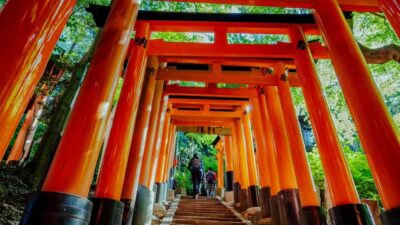
Osaka/Kyoto:Kinkakuji,Arashiyama,FushimiInariShrine,NaraPark
Read our review →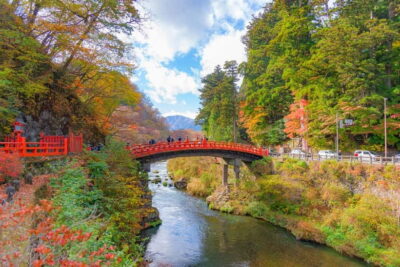
Nikko: Kegon Falls, Lake Chuzenji & Toshogu Temple
Read our review →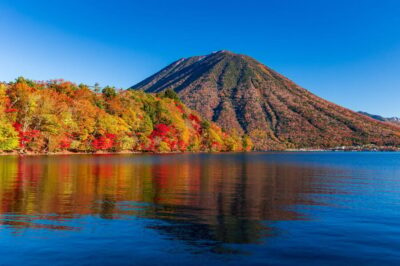
Tokyo: Nikko Toshogu Shrine and Kegon Waterfall Tour
Read our review →
Tokyo Panoramic 1 Day: Meiji Shrine, Asakusa, Odaiba and SKYTREE®
Read our review →
Kyoto Arashiyama Walking Tour: Bamboo, Monkeys, Gardens & Secrets
Read our review →
1-Day Snow Monkeys, Zenko-ji Temple & Sake in Nagano
Read our review →
Arashiyama Bamboo, Temple, Monkeys, or Secret Sake Brewery
Read our review →This tour also ranks in