
Review · JAPAN
A trip to visit Ise Grand Shrine and experience Ama culture
Ise-Shima gives you a rare mix of sacred Japan and working coastal life in one day. You’ll visit Ise Grand Shrine, walk the old-style lanes of Okage Yokocho, then sit down to seafood cooked in the setting of an Ama hut. The day finishes with pearl culture and a traditional Ama demonstration at Mikimoto Pearl Island, when the island is open and the schedule permits.
I like the personal feel of a private car tour, especially because the day can be adjusted for families, heat, or seasonal activities. I also like the chance to hear directly from Ama women, some of whom still work into their later years. The main caution is that lunch, admission fees, and transport costs are extra, and one key stop can change or disappear if Mikimoto Pearl Island closes.
Key points to know before booking
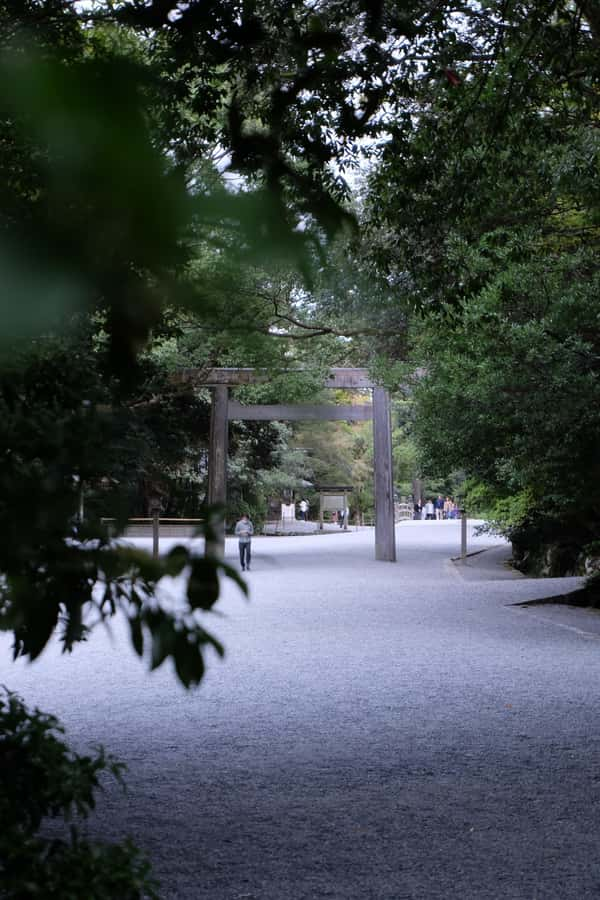
- Ise Jingu gives the day its spiritual center: This is Japan’s best-known Shinto shrine, with a calm, formal setting and customs worth learning about.
- Okage Yokocho adds food and old-town atmosphere: You can stroll, shop, and eat in a traditional-style street near the shrine.
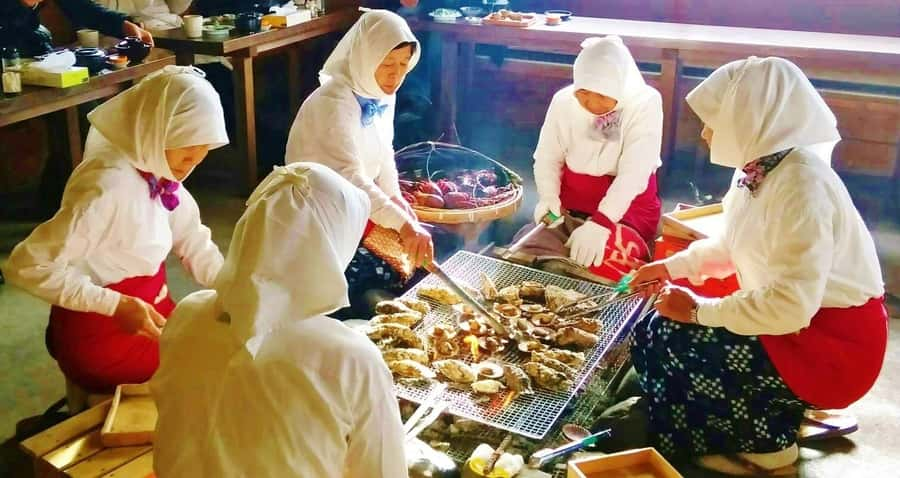
- The Ama lunch is the most personal part: Seafood is cooked at Hachiman Kamado, with stories about the women who work the coast.
- Mikimoto Pearl Island completes the story: You’ll learn about pearls and may see an Ama show, but closures and seasonal changes matter.
- Kyohei and Emiko have earned strong praise: Kyohei is described as punctual, warm, and attentive, while Emiko can explain Shinto customs in fluent English and German.
- The tour suits private groups more than independent budget visitors: You pay extra for flexibility and guiding, while meals, entry, and transport are not bundled into the tour.
Why Ise-Shima makes a memorable day
Ise is not simply another shrine stop on a Japan itinerary. Ise Jingu is closely tied to Shinto practice and is treated as one of the country’s most important sacred sites. The visit gives you a chance to slow down, follow local customs, and see a side of Japan that is quieter than the major city sights.
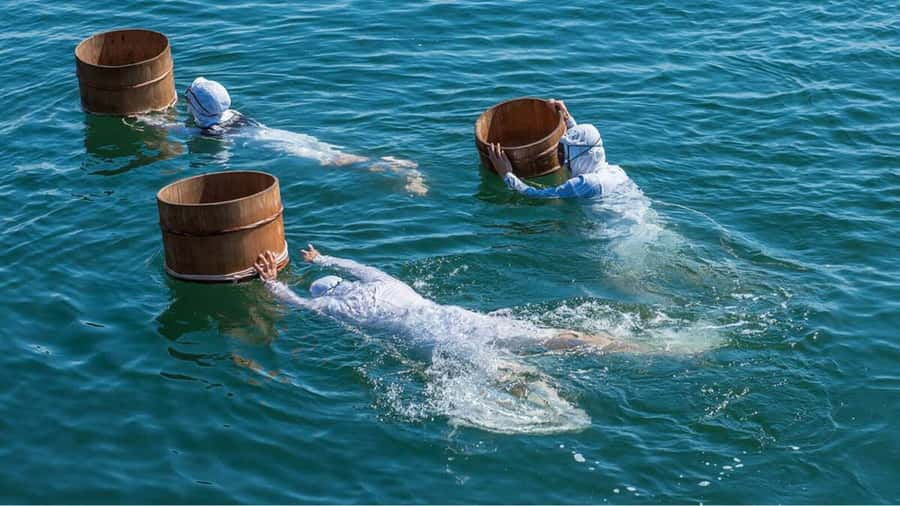
The coastal portion adds a useful counterpoint. Instead of spending the entire day looking at buildings, you’ll learn about the Ama, women who gather seafood from the sea using traditional methods. The connection between the shrine, local food, fishing villages, and pearls gives the day a clear sense of place.
I like that this is a private experience rather than a large coach outing. You can ask questions, set a comfortable pace, and adjust the order of stops with your guide. That matters in summer, when the heat can be punishing, and for families with toddlers who need a more flexible day.
The experience has a rating of 3.9 from six bookings, which reflects a real difference in execution. Several guests had excellent days with Kyohei and Emiko, while one had serious problems involving communication, an unexpected island closure, lunch costs, and the return drop-off. I would treat this as a promising private tour that needs a few details confirmed in advance.
More Temple Tours around Japan:
- Kyoto: Tea Ceremony Ju-An at Jotokuji Temple
★ 4.9 · 3,207 reviews - Osaka/Kyoto:Kinkakuji,Arashiyama,FushimiInariShrine,NaraPark
★ 4.1 · 1,596 reviews - Tokyo: Asakusa Walking Tour with Sensoji Temple Visit
★ 4.8 · 1,583 reviews
Meeting your guide and setting off by car
The tour begins at 9:00 in Ise City, Toba City, or Shima City, with the day ending around 17:00. The activity information also describes it as a nine-hour private tour, while the stated schedule runs for eight hours. Ask for the exact pickup and return times when you book.
The tour moves entirely by car. That is a major advantage in a spread-out area, since you are not piecing together regional trains, buses, and local connections between the shrine, coastal stops, and Toba. Pickup from your accommodation is available, but an extra charge applies outside Ise City.
You may also meet at a hotel, station, or address. If you are not using hotel pickup, confirm exactly where the day ends. One disappointing experience involved a guest being left at a different station far from the original pickup point, creating a long return journey. That should not happen without prior agreement, so make the drop-off plan clear before setting out.
Your guide can make a big difference. Kyohei receives particularly strong praise for being punctual, cheerful, reliable, and attentive. One unusual advantage is his working connection to the sea: he is an active local Ama who gathers abalone and sea cucumber. Emiko has also guided this route and can explain Shinto customs in fluent English and German.
English is the stated tour language, but communication may vary by guide. If you want detailed explanations about theology, food, or local work, send your main questions ahead of time. Simple written notes or translation support on your phone may help if your guide’s spoken English is limited.
Entering Ise Grand Shrine with the right frame of mind
Ise Jingu is the heart of the itinerary. You’ll visit the most famous shrine in Japan, with your guide explaining Shinto customs and the meaning behind what you see. The value here is not just checking off a major sight. It is having someone explain how to behave and what makes the site important.
Expect a walking visit rather than a quick photo stop. The tour includes a walking component, and shrine grounds require a respectful pace. Comfortable shoes are sensible, especially since the day combines shrine paths, town streets, and other stops.
A guide can help you notice the difference between simply looking at a shrine and understanding the ritual setting. You may learn when to bow, how to approach a shrine, and why certain spaces are treated with care. Emiko was praised for explaining Shinto religion and customs clearly, while Kyohei has also been described as informative and attentive.
The shrine will appeal most to you if you enjoy culture, ritual, and quiet observation. If you want a fast-moving list of attractions, this part may feel slower. That is not a flaw, but it is worth knowing: the pleasure comes from atmosphere and context, not from a long list of displays.
Okage Yokocho, where the shrine visit becomes more informal
Near Ise Jingu, Okage Yokocho offers old-style Japanese streets with shops, food, and places to pause. This is where the day loosens up. After the formality of the shrine, you can browse local goods and sample traditional-style snacks.
The stop is useful even if you do not plan to shop. It gives you a more ordinary social setting, with food stalls and storefronts rather than sacred grounds. I would use this time to ask your guide what local products matter and what is worth tasting, since a local can help you avoid buying the first souvenir you see.
The amount of free time may depend on your guide and the rest of the schedule. Since the experience is private, you can ask to spend more time here or move on sooner. Families may appreciate a chance to pause, while food-focused visitors may want to linger.
Do not expect a large modern shopping district. The appeal is the traditional street setting and its connection to the shrine. It works best as a relaxed stroll between the spiritual and coastal parts of the day.
Same sacred ground, another way to see it:
- Tokyo:Mt.Fuji,Kawaguchiko Oishi Park,Arakurayama Sengen Park
★ 4.4 · 2,682 reviews - Nikko: Kegon Falls, Lake Chuzenji & Toshogu Temple
★ 4.6 · 1,577 reviews - Tokyo: Nikko Toshogu Shrine and Kegon Waterfall Tour
★ 4.5 · 1,266 reviews - Tokyo Panoramic 1 Day: Meiji Shrine, Asakusa, Odaiba and SKYTREE®
★ 4.5 · 1,222 reviews
Lunch at Hachiman Kamado and the Ama story
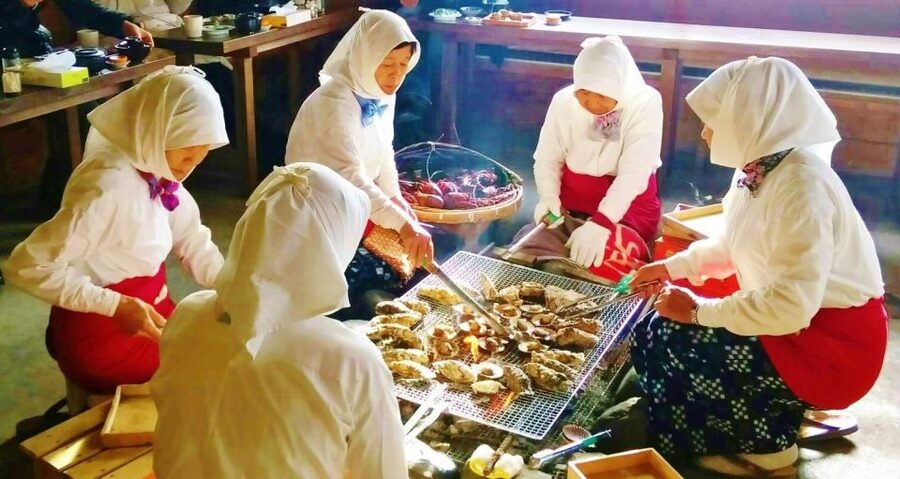
The most distinctive meal is at Hachiman Kamado, described as a traditional Ama hut restaurant. You’ll eat local seafood cooked in a simple coastal setting while hearing stories about Ama work and village life.
This is more than a standard restaurant lunch. The setting connects the food to the people who collect it, and the conversation can give you a better sense of how demanding this work is. One especially moving account described meeting Ama women who are part of the last generation still carrying on the tradition, including women working at close to 80 years old.
The exact setting may vary. One booking described the meal as taking place at a restaurant run by an Ama woman rather than inside a traditional hut, while another described it as a real Ama hut experience. I would confirm the location and format if the hut setting is the main reason you are booking.
The seafood barbecue is not included in the tour price. Food and drinks are paid separately, and you should also ask whether the guide’s meal is covered. One guest was surprised to pay for both their own lunch and the guide’s lunch. That may be normal for the arrangement, but it should be stated clearly before the tour begins.
The meal is best for people who value local contact over polished dining. You may not get a formal restaurant service or a carefully timed tasting menu. You do get a closer look at a coastal tradition, which is the real reason to make room for it.
Mikimoto Pearl Island and the changing Ama show
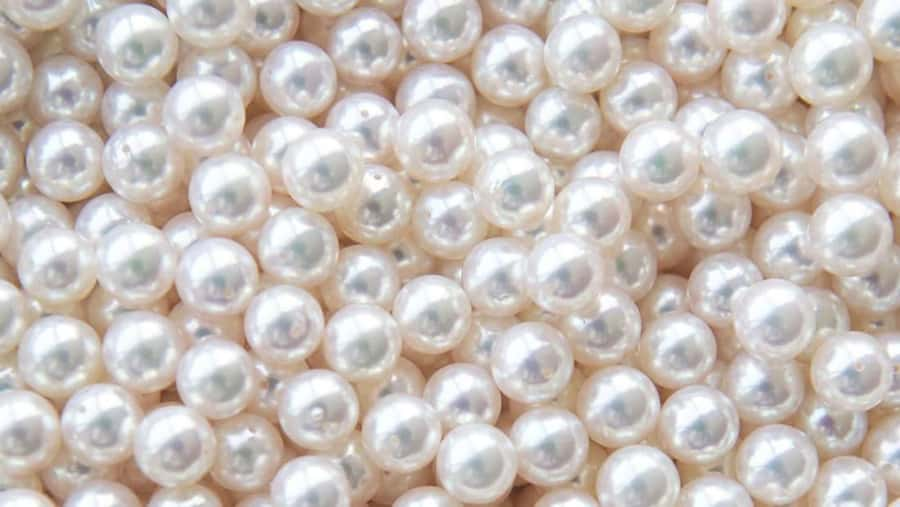
Mikimoto Pearl Island brings together two parts of Toba’s identity: pearls and Ama culture. The visit is intended to include a traditional Ama demonstration, along with a look at the culture surrounding pearl production.
When the show operates, it gives you a direct visual connection to the women you have heard about at lunch. That makes the sequence of the day work well: first the shrine, then local streets, then food and stories, followed by a public demonstration.
You should not assume the show is guaranteed on every date. One booking reached the island when it was closed, and the guide had not confirmed the closure in advance. In another case, the planned Ama show was replaced during wakame season by a visit with local fishermen processing seaweed. The substitute included conversation with village residents and participation in the work.
That kind of change can still be worthwhile, but it is not the same experience. Contact the provider before your tour to confirm that Mikimoto Pearl Island is open and that an Ama demonstration is scheduled. If the show is unavailable, ask what the replacement activity will be and whether the schedule or price changes.
The island also has an admission fee that is not included. Check the current amount directly before booking, since no price is provided here. Include that cost when comparing this tour with a self-guided day.
Private guiding, family needs, and the pace of the day
A private group is the strongest reason to choose this experience over arranging the same sights yourself. You are not locked into the pace of strangers, and the guide can adjust the order or shorten a stop. That flexibility helped one large family with toddlers have a comfortable day.
The heat deserves attention. A summer booking described severe heat, though the guide kept the day moving and helped the group manage it. Carry water, wear a hat, and avoid treating the schedule as fixed if conditions are rough. Your guide can adjust the plan, but you should speak up early.
The tour is not suitable for wheelchair users. The combination of shrine walking, old streets, and activity spaces may be difficult for anyone with limited mobility. The information does not specify how many steps or uneven areas you will encounter, so ask for a detailed route if mobility is a concern.
The day also suits couples and small groups who want a local guide without joining a bus tour. You get more conversation and a better chance to ask about the sea, Shinto customs, food, and nearby restaurants. Kyohei has even recommended places to eat for longer stays in Ise-Shima.
What the price really covers
The value depends on how much you want help with transport and interpretation. The tour includes a private guide, local guiding, the walking visits, and pickup from your accommodation in the stated area, with extra charges outside Ise City. It does not include food, drinks, admissions, or the fees for transport used on the day.
Because the tour moves by car, ask exactly what transport costs you will pay. The listing says transportation fees are not included, even though the day is described as moving entirely by car. That wording needs clarification before you commit.
A private day can be good value for a family or group splitting the guiding cost. It is less attractive if you are a solo visitor trying to keep expenses low and are comfortable arranging trains and visits yourself. You are paying for local planning, a car-based route, and the chance to adjust the day, not for an all-inclusive package.
The free cancellation policy allows cancellation up to 24 hours before the activity for a full refund, and you can reserve now and pay later. Those terms are useful if your Japan schedule is still shifting, but they do not remove the need to confirm closures and extra costs.
Should you book this Ise and Ama experience?
Book this tour if you want Ise Jingu explained in context, prefer a private car, and care more about meeting local people than racing through a checklist. It is especially suitable for families, couples, and small groups who want a flexible day with a guide such as Kyohei or Emiko.
Book with caution if the Ama show is your main goal. Confirm Mikimoto Pearl Island’s opening date and demonstration schedule, and ask what happens if the program changes. Also confirm the lunch setting, whether you pay for the guide’s meal, all transport charges, and the exact return point.
I like the combination of shrine, old streets, seafood, and coastal culture. The day can feel personal and memorable when the right guide is working, but the details matter more than usual. If those practical points are settled in advance, this is a strong way to see the human side of Ise-Shima.
FAQ
How long does the tour last?
The stated schedule runs from 9:00 to 17:00, or about eight hours. The activity information also describes the private tour as lasting nine hours, so confirm the exact timing when booking.
Where can the tour start and finish?
The tour can begin and end somewhere in Ise City, Toba City, or Shima City. You can provide a hotel name, station name, or address for pickup details.
Is hotel pickup included?
Pickup from accommodation is available, but additional charges apply outside Ise City. Pickup and drop-off service from a separate meeting point is not included.
Is transportation included in the price?
The day moves entirely by car, but transportation fees used during the tour are listed as not included. Ask the provider to explain the exact transport charges before booking.
Are lunch and drinks included?
No. Food and drink prices are not included. The seafood barbecue at Hachiman Kamado is paid separately, and you should confirm whether the guide’s meal is also charged to your group.
Is the Mikimoto Pearl Island Ama show guaranteed?
No. The show can be affected by island closures or seasonal changes. The activity may be replaced by another local experience, such as watching fishermen process wakame.
What language does the guide speak?
The stated tour language is English. Emiko has also been described as fluent in German and English. Communication ability may vary by guide.
Is the tour suitable for wheelchair users?
No. The activity is listed as unsuitable for wheelchair users. It includes walking at Ise Jingu, Okage Yokocho, and other stops.
Temple visits we reviewed lately in Japan
- From Asakusa: Old Tokyo, Temples, Gardens and Pop Culture★ 4.6 · 15 reviews
- Tokyo: Nagano Snow Monkeys and Zenkoji Tour with Temples★ 4.9 · 19 reviews
- Kamakura: Great Buddha, Hase Temple, & Komachi Street Tour★ 5.0 · 11 reviews
- Osaka Temple Head Spa &Matcha Facial – Refresh & Glow〈90min〉★ 5.0 · 24 reviews
- Osaka Temple :Warm Bamboo Oil Massage – Deep Restore〈60min〉★ 4.9 · 19 reviews
- Osaka: Temple Tour and Traditional Calligraphy Lesson★ 4.9 · 24 reviews
- Osaka: Sumiyoshi, Osaka’s Most Iconic Shrine – Private Tour★ 4.7 · 4 reviews
- Osaka Temple :Warm Bamboo Oil Massage – Deep Restore〈90min〉★ 5.0 · 14 reviews
Japan Temple Tours, compared.
Osaka/Kyoto:Kinkakuji,Arashiyama,FushimiInariShrine,NaraPark
Read our review →
Nikko: Kegon Falls, Lake Chuzenji & Toshogu Temple
Read our review →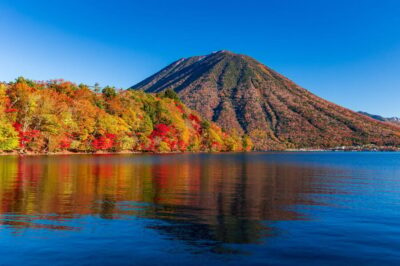
Tokyo: Nikko Toshogu Shrine and Kegon Waterfall Tour
Read our review →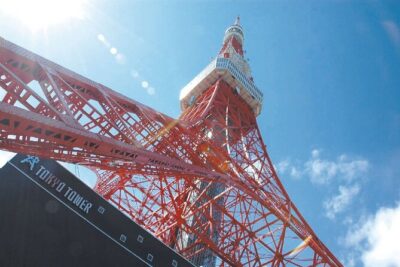
Tokyo Panoramic 1 Day: Meiji Shrine, Asakusa, Odaiba and SKYTREE®
Read our review →
Kyoto Arashiyama Walking Tour: Bamboo, Monkeys, Gardens & Secrets
Read our review →
1-Day Snow Monkeys, Zenko-ji Temple & Sake in Nagano
Read our review →
Arashiyama Bamboo, Temple, Monkeys, or Secret Sake Brewery
Read our review →This tour also ranks in