
Review · JAPAN
Day Trip to Hiroshima & Miyajima with Itsukushima Shrine
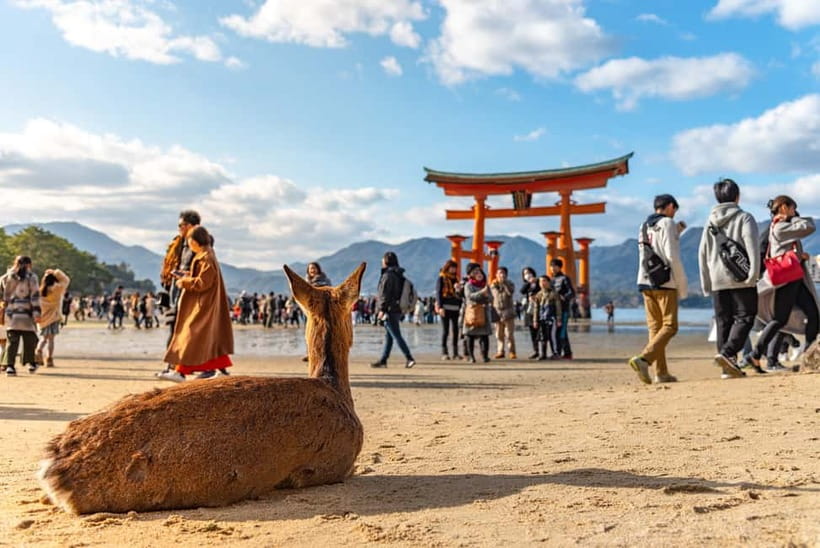
The great draw here is the contrast: Miyajima’s floating torii gate gives you one of Japan’s most graceful views, then Hiroshima asks you to slow down and face one of the 20th century’s hardest stories. The ferry ride links the two in a pleasant, practical way.
I like the efficient mix of guided context and free time. You get admission to Itsukushima Shrine, help from an English and Spanish guide, and room to seek out oysters, momiji manju, deer, or Daishoin Temple on your own. I also like the option of ending with Hiroshima’s Peace Memorial Park, where guides such as Alan, Alex, and Alejandro have been praised for clear and moving explanations.
The main catch is time. Miyajima gets about 100 minutes of free time after the shrine visit, and the full version packs two major destinations into one day. Summer heat, weekend crowds, and a busy museum can make the schedule feel tight.
Key points to know before booking
- Two ways to visit: Choose Miyajima alone or combine the island with Hiroshima’s Peace Memorial Park.
- The ferry is part of the experience: You get coastal views and a water-level look toward the famous torii gate.
- Itsukushima Shrine admission is included: A guide leads the visit, followed by free time on the island.
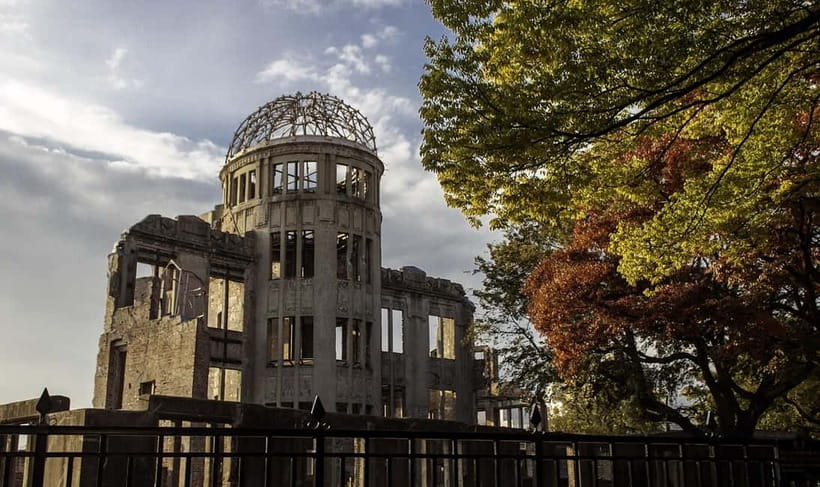
- The Hiroshima portion is serious and reflective: Expect the Atomic Bomb Dome, memorials, and time for the Peace Memorial Museum if open and selected.
- English and Spanish guiding: The bilingual format may mean information is repeated in both languages.
- Bring good shoes and water: You will walk, use public transport, and spend time outside.
Why this pairing works so well
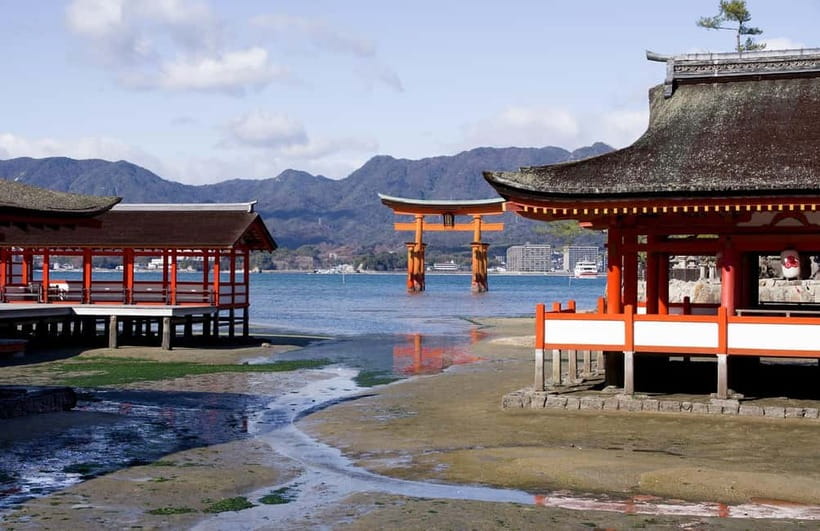
Miyajima and Hiroshima are often visited together, but they offer very different experiences. Miyajima is about sacred buildings, sea views, food, and easygoing island wandering. Hiroshima’s Peace Memorial Park is quiet, stark, and emotionally heavy.
That contrast gives the day a natural shape. You begin with beauty and movement, then finish with reflection. One guide even reversed the usual order, visiting Miyajima first and saving the Peace Memorial Park for the end. That can be a smart choice because the lighter morning gives you time to adjust before the more difficult historical material.
At $39 per person, the tour offers strong value if you want transport, a ferry ticket, shrine entry, and a guide without arranging every connection yourself. The price does not include lunch, and the exact duration depends on the option you book. The Miyajima-only trip is shorter, while the combined version can run up to eight hours.
You should think of this as an efficient introduction rather than a slow, in-depth visit. You will see the essential places and receive useful context, but you will not have unlimited time for shopping, hiking, photography, or museum displays.
More Day Trips in Japan:
- Tokyo Panoramic 1 Day: Meiji Shrine, Asakusa, Odaiba and SKYTREE®
★ 4.5 · 1,222 reviews - 1-Day Snow Monkeys, Zenko-ji Temple & Sake in Nagano
★ 5.0 · 1,020 reviews - Nagano: Snow Monkeys, Zenkoji Temple & Sake Day Trip
★ 4.9 · 833 reviews
Starting from Hiroshima Station or Miyajima-guchi
The meeting point depends on your booking choice, so check it carefully before leaving your hotel.
For the option including Hiroshima and Miyajima, meet outside Hiroshima Station at the Shinkansenguchi Bus Berth. From the station’s North Exit, go down the stairs and walk to the bus area between stops 8 and 9. Look for the Amigo Tours sign.
For the Miyajima-only option, the meeting point is outside Hiroshima Station Hiroden-Miyajimaguchi Station. Again, look for the guide holding an Amigo Tours sign.
This distinction matters. Hiroshima Station and Miyajima-guchi are not the same place, and a rushed morning is a poor time to discover you are waiting at the wrong stop. Give yourself extra time to find the correct exit and bus area.
The coach ride toward the coast takes about 50 minutes in the full schedule. It gives you a chance to rest before the walking begins, though the overall day still involves several transfers.
Crossing to Miyajima by ferry
The ferry ride is one of the most pleasant parts of the outing. It takes about 30 minutes on the outward journey, with views across the water toward the island and its wooded hills. You also get a fresh angle on the torii gate, especially if the tide and route place it clearly in view.
The return ferry is listed as about 10 minutes, followed by transport back toward Hiroshima. The difference in stated times may reflect the exact route or schedule, so do not treat the timing as a promise for every departure.
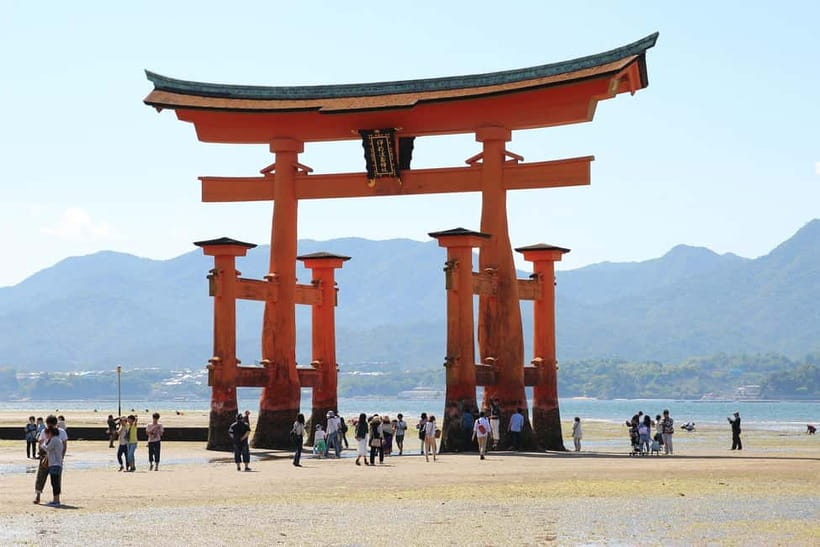
Miyajima is formally known as Itsukushima, and the island has long been associated with sacred coastal scenery. Its fame comes from the shrine complex and the torii gate that appears to float offshore at high tide. Tide levels change the view, so the gate may look surrounded by water or set on exposed ground during your visit.
That changing view is part of the charm, but it is also worth keeping expectations sensible. You are not guaranteed the exact postcard scene you have seen online. Weather, tide, and crowds all affect the photographs.
Inside Itsukushima Shrine
The guided shrine visit lasts about 30 minutes, including the admission covered by the tour. That is enough to introduce the main features, explain the site’s religious importance, and help you understand why the buildings appear to extend over the water.
Itsukushima Shrine is described as dating back to the sixth century and is recognized as a UNESCO World Heritage site. The setting is the star here. Vermilion structures, water, and the offshore gate create a view unlike the usual inland temple visit.
A guide adds useful value because the shrine can otherwise become a quick photo stop. You will hear the basic story of the site and the role of the torii gate, rather than simply walking through and moving on.
The limitation is obvious: 30 minutes is not a long visit. If you want to study every hall, linger for photographs, or explore every corner, a self-guided day may suit you better. The tour gives you orientation, not unlimited time.
More Temple Tours around Japan:
- Kyoto: Tea Ceremony Ju-An at Jotokuji Temple
★ 4.9 · 3,207 reviews - Osaka/Kyoto:Kinkakuji,Arashiyama,FushimiInariShrine,NaraPark
★ 4.1 · 1,596 reviews - Tokyo: Asakusa Walking Tour with Sensoji Temple Visit
★ 4.8 · 1,583 reviews - Nikko: Kegon Falls, Lake Chuzenji & Toshogu Temple
★ 4.6 · 1,577 reviews
Free time for deer, oysters, and momiji manju
After the guided shrine visit, you get about 100 minutes of free time on Miyajima. This is when the trip becomes more personal.
You can stroll through the island’s charming streets, look for local food, and spend time near the waterfront. Miyajima is known for oysters, and they are a natural choice if you want something tied to the local setting. Momiji manju, maple-leaf-shaped cakes, are another easy snack and souvenir.
Free-roaming deer add to the island’s appeal. They are part of the everyday scene, though you should still treat them as animals rather than photo props. The supplied tour information does not specify feeding rules, so follow local signs and guide instructions.
You may also have time for a temple visit. One full-day participant managed to visit Daishoin Temple with a small uphill walk, but you should not assume that every departure will leave enough time for it. The official schedule gives you 100 minutes, and that can disappear quickly if you eat, shop, take photos, and walk between sites.
This is also the point where the tour’s pace matters most. One person found the time at the various places a little short, while another felt the timing was just right. Both reactions make sense. If you prefer a relaxed island day, book Miyajima separately. If you want a broad first look at the island before moving on, the time should work.
Hiroshima Peace Memorial Park after Miyajima
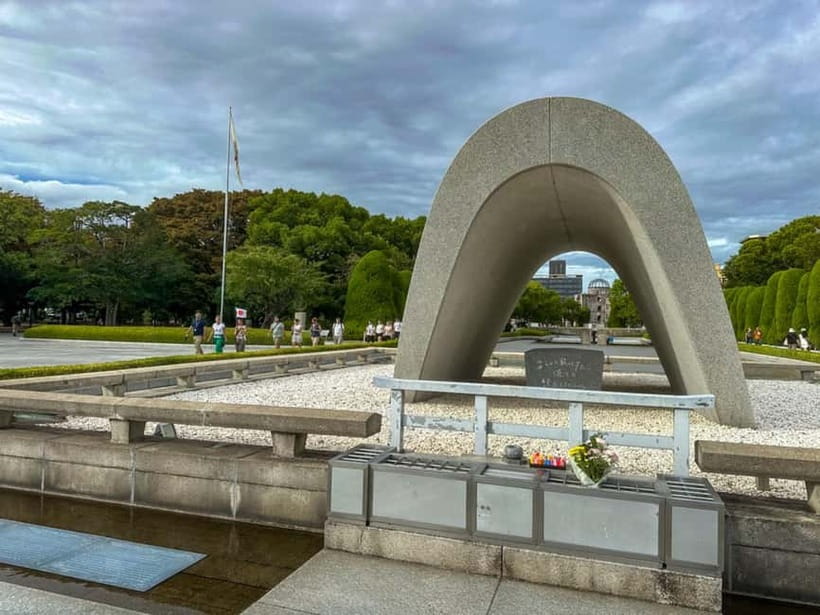
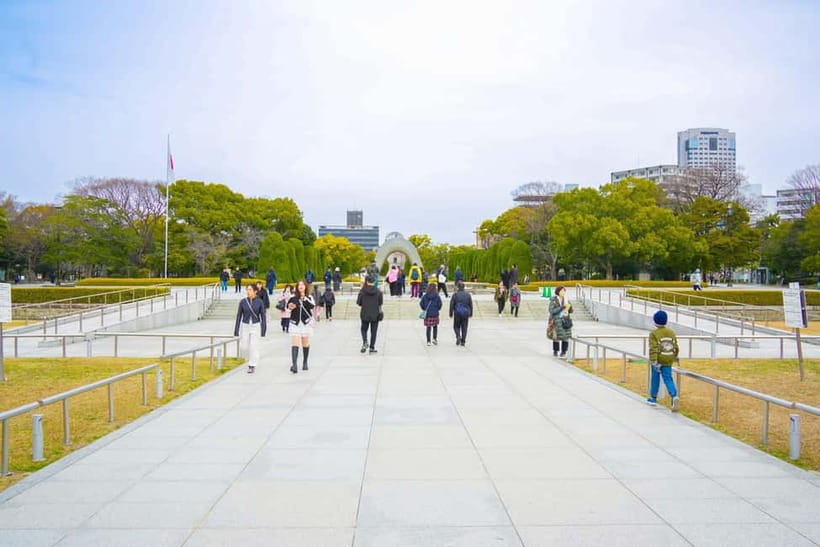
The combined tour returns by ferry and coach before reaching Hiroshima Peace Memorial Park. The schedule allows about two hours here, with roughly an hour of guided walking and additional free time.
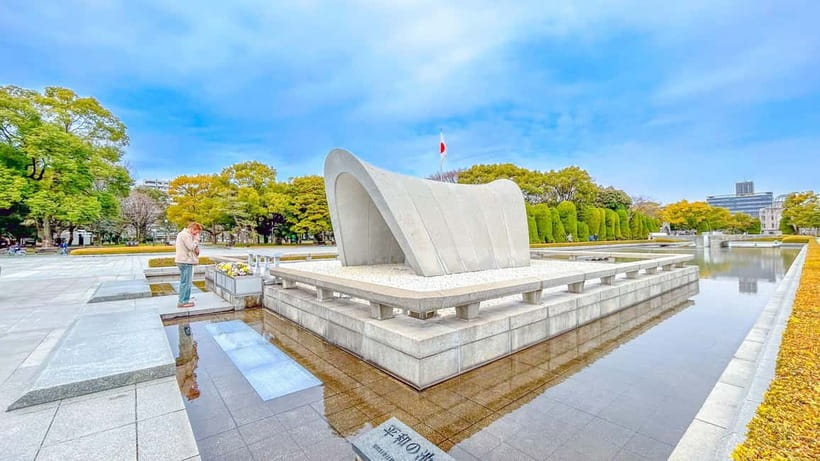
The park includes the Peace Memorial, the Atomic Bomb Dome, and other monuments dedicated to those affected by the 1945 atomic bombing. This is not a sightseeing stop in the usual sense. You will encounter a place built for memory, mourning, and a call for peace.
The guides are especially important here. Alan was praised for explaining the subject with feeling and for presenting information in an engaging way rather than using one flat tone. Alex, Alejandro, Pastor, Ally, and other guides were also singled out for being approachable and clear. The bilingual format means the guide speaks in English and then Spanish, or moves between both languages, so the walking portion may take longer than it would in a single-language group.
That repetition is useful if you speak either language, but it can affect the pace. You may spend less time at individual monuments than you would with a private guide. Still, the benefit is that difficult historical material is explained in a structured way.
The schedule may also give you time for the museum. One participant described about an hour of guided history followed by self-guided museum time. The official information does not promise a fixed museum visit, so treat it as time to explore if the selected option and opening conditions allow.
A thoughtful visit, not a casual photo stop
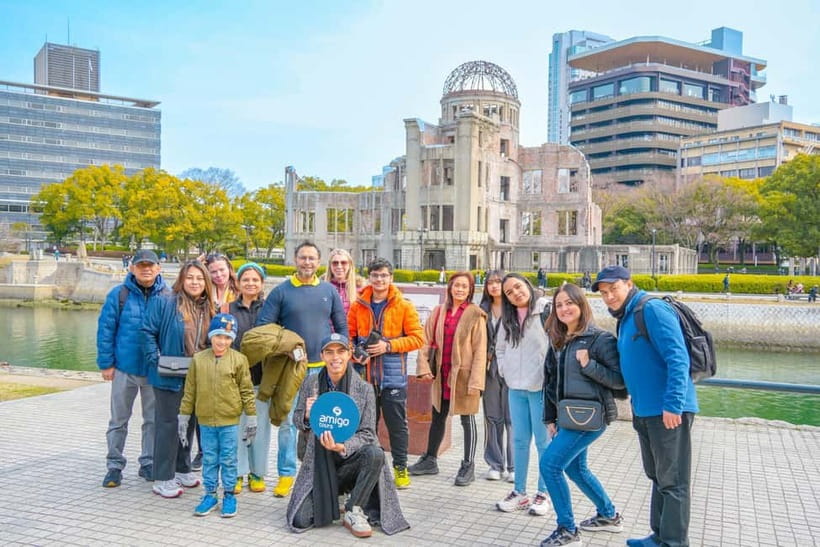
The Hiroshima section can be emotional. That is not a flaw, but you should be prepared for a change in mood after Miyajima’s food stalls, deer, and sea views.
The tour’s order can help. Starting with the island gives you a gentler first half, while the Peace Memorial Park becomes the final major stop. From there, the coach returns to Hiroshima Station in about 40 minutes. You finish the day with the historical weight still fresh, rather than trying to force cheerful sightseeing afterward.
The park also gives context beyond the bombing itself. You will see memorials and public spaces shaped by remembrance and peace. The tour information emphasizes both the impact of the bombing and the resilience of the Japanese people, so expect the guide to connect the physical sites with their wider meaning.
If you already know Hiroshima well, you may find the guided introduction basic. If this is your first visit, the context can make the park much easier to understand.
Transport, pace, and physical demands
The trip uses a coach, ferry, and walking route. The transport score is high, and several guides and drivers were praised for careful, safe driving. That matters on a long day because you can focus on the places rather than changing trains or working out ferry tickets yourself.
The schedule is active but not extreme. You need comfortable shoes, water, and a camera. You should also expect outdoor exposure, especially on Miyajima, where summer heat and humidity can be intense. One July visit reached about 35 degrees Celsius and coincided with a weekend and school holidays, making both the shrine and museum especially crowded.
The experience is not suitable for wheelchair users. The combination of coach boarding, ferry travel, uneven walking routes, and time pressure may also be difficult for anyone who needs frequent rest, though the supplied information only directly excludes wheelchair users.
The bilingual format deserves a clear note. If your guide speaks in English and Spanish, explanations are repeated, which is helpful for both language groups but can make the day feel longer or reduce time at some stops. The guides have generally been praised for handling this well.
Who gets the most from this tour
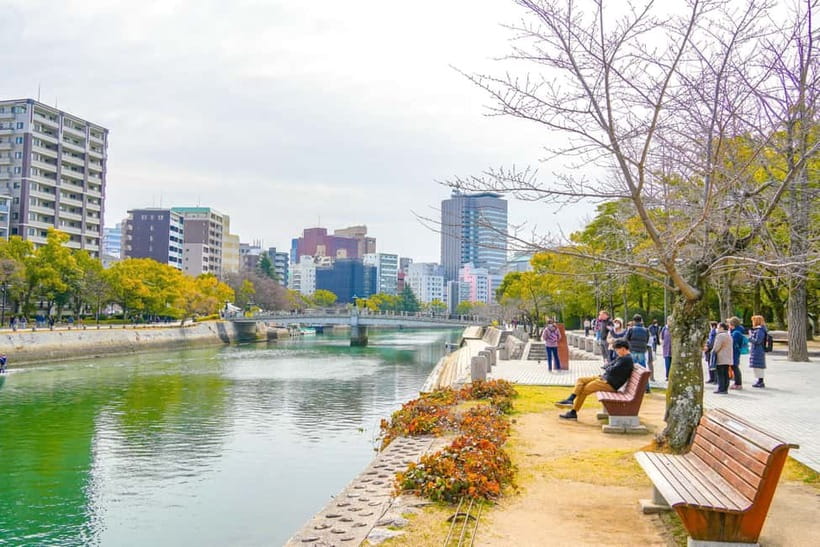
This trip suits you if you have one day for Hiroshima and want both Miyajima and the Peace Memorial Park. It is particularly useful if you are arriving by Shinkansen, unfamiliar with the local transport system, or prefer a guide to explain the history as you go.
It also works well for first-time visitors who want a clear introduction without booking separate tickets and transfers. The ferry, shrine admission, coach transport, and bilingual guide are all bundled into one plan.
You may want a different arrangement if your priority is slow travel. Independent visitors can give Miyajima more time for Daishoin Temple, shopping, food, and photography. A separate Hiroshima visit would also let you spend longer at the museum and memorials.
Families and mixed-interest groups may appreciate the balance between nature, food, culture, and history. The Hiroshima portion is serious, so younger children may find it difficult, but the supplied information does not specify a minimum age or child policy. You will need to judge that for your own group.
Practical value at $39
The $39 price is attractive because several key costs are covered: transport from the meeting point, the ferry ticket, admission to Itsukushima Shrine, and a live guide in English and Spanish. Lunch is not included, so plan to pay separately for oysters, momiji manju, or another meal on Miyajima.
The value is strongest when you want convenience. You do not need to coordinate the ferry, find the shrine entrance, or work out how to combine the island with Hiroshima in one day.
The value is weaker if you dislike fixed schedules or want long museum time. You are paying for an organized route, and that means accepting the group’s departure times and limited free periods.
Free cancellation is available up to 24 hours before the activity for a full refund, and you can reserve now and pay later. Those terms make it easier to hold a place while your Japan plans are still changing.
Should you book it?
Book this tour if you want the easiest way to see Miyajima and Hiroshima in one day, especially if you value clear historical explanation and included transport. The combination of the floating torii, ferry views, Itsukushima Shrine, and Peace Memorial Park gives you a strong first look at the region.
Choose the Miyajima-only version if you want a shorter day with more focus on the island. Choose the combined option if Hiroshima is a major reason for visiting Japan and you are comfortable with a full, emotionally demanding schedule.
I would book it for first-time visitors, Shinkansen day-trippers, and anyone who wants a bilingual guide. I would skip it in favor of independent visits if you need wheelchair access, dislike group pacing, or want several hours inside the museum and more time on Miyajima.
FAQ
How long does the tour last?
The activity options range from about 210 minutes to eight hours. The exact duration depends on whether you select Miyajima only or the combined Hiroshima and Miyajima option.
Where does the tour start?
The meeting point depends on the option booked. The combined tour meets at Hiroshima Station’s Shinkansenguchi Bus Berth, between bus stops 8 and 9. The Miyajima-only option meets outside Hiroshima Station Hiroden-Miyajimaguchi Station.
What languages are available?
The live guide is available in English and Spanish. The tour is bilingual, so information may be repeated in both languages.
Is the ferry included?
Yes. The ferry ticket is included in the activity price.
Is admission to Itsukushima Shrine included?
Yes. Admission to Itsukushima Shrine is included.
Is lunch included?
No. Lunch is not included, so you should budget separately for food on Miyajima.
What should I bring?
Bring comfortable shoes, water, and a camera. You will spend time walking and outdoors.
Is the tour suitable for wheelchair users?
No. The activity is listed as unsuitable for wheelchair users.
Can I cancel the booking?
You can cancel up to 24 hours in advance for a full refund. The activity also offers a reserve-now, pay-later option.
Temple visits we reviewed lately in Japan
- From Asakusa: Old Tokyo, Temples, Gardens and Pop Culture★ 4.6 · 15 reviews
- Tokyo: Nagano Snow Monkeys and Zenkoji Tour with Temples★ 4.9 · 19 reviews
- Kamakura: Great Buddha, Hase Temple, & Komachi Street Tour★ 5.0 · 11 reviews
- Osaka Temple :Warm Bamboo Oil Massage – Deep Restore〈60min〉★ 4.9 · 19 reviews
- Osaka: Temple Tour and Traditional Calligraphy Lesson★ 4.9 · 24 reviews
- Osaka Temple Head Spa &Matcha Facial – Refresh & Glow〈90min〉★ 5.0 · 24 reviews
- Osaka: Sumiyoshi, Osaka’s Most Iconic Shrine – Private Tour★ 4.7 · 4 reviews
- Osaka Temple :Warm Bamboo Oil Massage – Deep Restore〈90min〉★ 5.0 · 14 reviews
Japan Temple Tours, compared.
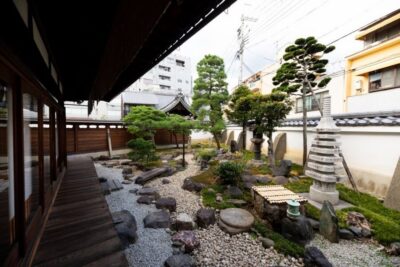
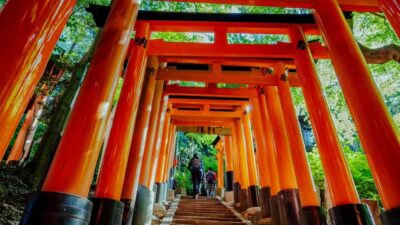
Osaka/Kyoto:Kinkakuji,Arashiyama,FushimiInariShrine,NaraPark
Read our review →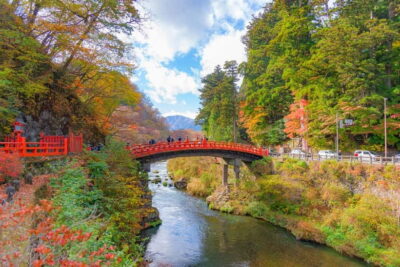
Nikko: Kegon Falls, Lake Chuzenji & Toshogu Temple
Read our review →
Tokyo: Nikko Toshogu Shrine and Kegon Waterfall Tour
Read our review →
Tokyo Panoramic 1 Day: Meiji Shrine, Asakusa, Odaiba and SKYTREE®
Read our review →
Kyoto Arashiyama Walking Tour: Bamboo, Monkeys, Gardens & Secrets
Read our review →
1-Day Snow Monkeys, Zenko-ji Temple & Sake in Nagano
Read our review →
Arashiyama Bamboo, Temple, Monkeys, or Secret Sake Brewery
Read our review →This tour also ranks in