Review · TOKYO
Tokyo: Meiji Jingu Shrine and Shinto Culture Walking Tour
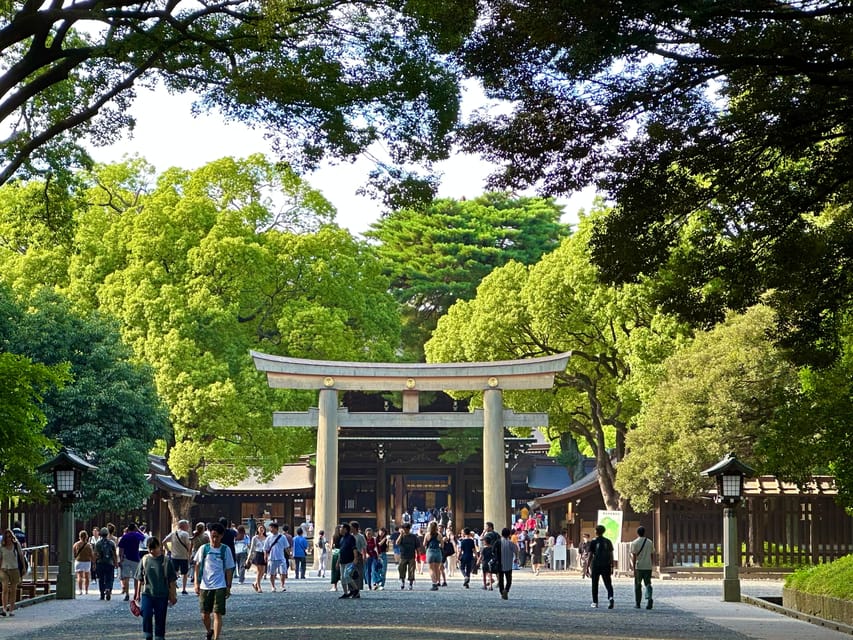
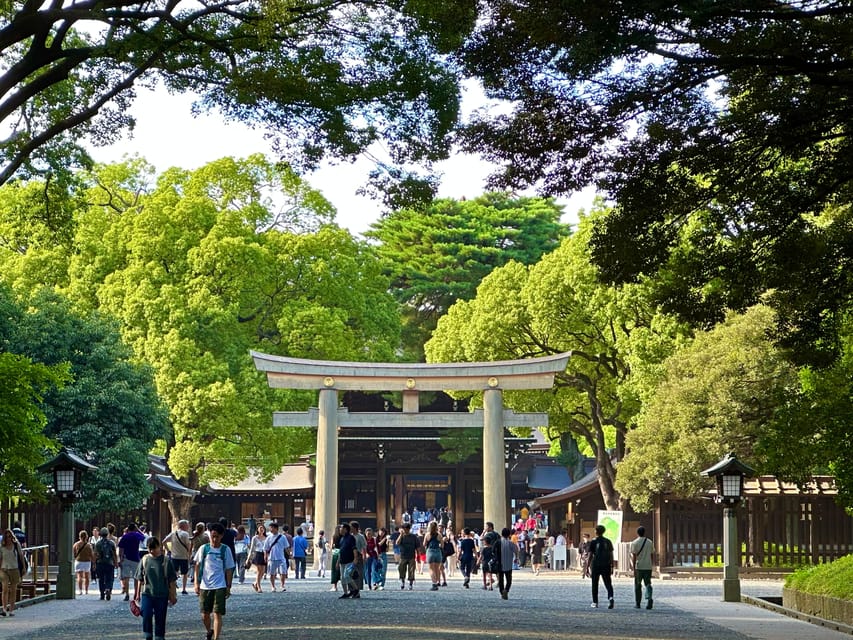
Meiji Shrine feels remarkably far from Tokyo’s neon streets. Within minutes of Harajuku, you’re walking beneath a canopy of about 100,000 trees, following a broad forest path toward one of Japan’s best-known Shinto shrines. The guide gives the setting meaning, explaining how to behave, how to pray, and why nature matters in Shinto.
I especially like the small-group format, which makes it easier to ask direct questions. I also like the mix of landmarks and quiet details, from the giant torii gate to the sake and wine barrels donated to the shrine. The main consideration is time: two hours gives you a good introduction, but not an unhurried look at every corner of the grounds.
Key points
- A forest walk in central Tokyo: Leave Harajuku behind and enter a sacred grove of roughly 100,000 trees.
- Practical Shinto guidance: Learn shrine etiquette, prayer customs, and the difference between Shinto and Buddhism.
- Four memorable stops before the shrine: See the Imperial Garden, Big Torii, sake barrels, and consecrated wine barrels.
- Small groups with room for questions: Groups may reach about 12 people, but some departures are much smaller or even private.
- A useful first Tokyo activity: Guides such as Maya, Yota, Andres, Minori, and Ryota also share area tips and take photos.
- Strong value at $19: The fee includes a two-hour English tour, shrine and garden admission, historical context, and photos.
From Harajuku to Meiji Shrine’s forest
The meeting point is in front of the Starbucks closest to Meiji Shrine, at coordinates 35.6705208, 139.7031067. That detail matters in Harajuku, where several Starbucks locations can make a simple rendezvous less simple than it sounds, so check the map pin before setting out.
From there, the tour moves toward Meiji Jingu Gyoen, the Imperial Garden associated with the shrine. The first 30 minutes are set aside for a guided visit and photo stop. This opening section helps you slow down before the main shrine approach, and your guide can put the surrounding district into context.
I like this beginning because it avoids treating Meiji Shrine as one quick photo stop. You get time to notice the change from shops and traffic to trees, open paths, and a quieter pace. The tradeoff is that a guided walk is not the same as free time. If you want to stop for long photo sessions, read every sign, or sit in silence, you may need to do that after the tour.
More Temple Walking Tours in Japan
- Tokyo: Asakusa Walking Tour with Sensoji Temple Visit
★ 4.8 · 1,583 reviews - Tokyo: Meiji Shrine Walking Tour — Shinto & Imperial System
★ 4.9 · 266 reviews - Tokyo: Meiji Shrine and Shinto Culture Walking Tour
★ 5.0 · 225 reviews
The Imperial Garden and the sacred forest
The forest is the emotional center of the outing. The tour describes roughly 100,000 trees surrounding the shrine, and that scale explains why Meiji Jingu can feel separate from the city even though Harajuku is nearby.
Your guide connects the natural setting with Shinto ideas. Rather than presenting the shrine as only a historic building, the tour explains how trees, space, ritual, and respect fit together. That context is useful because a first visit can otherwise become a walk through impressive gates without much understanding of what you are seeing.
The path is part of the experience, not just a way to reach the next stop. You should expect a walking tour through extensive grounds, with time outdoors and no long vehicle transfers. The activity is listed as wheelchair accessible, though the available details do not describe the exact surfaces or route conditions, so you may want to confirm those points if they matter for your mobility needs.
The Big Torii sets the tone
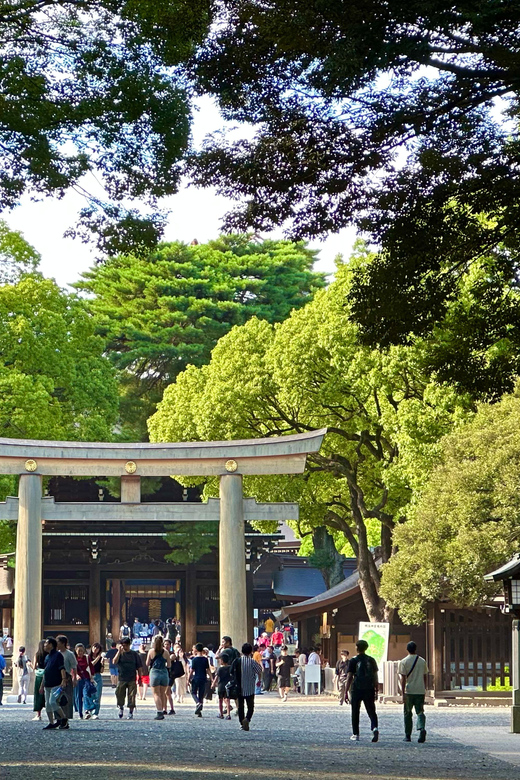
The Big Torii receives about 10 minutes of guided attention. It is an obvious landmark, but the guide turns it into a lesson in shrine etiquette and visual symbolism rather than a quick stop for a group photograph.
This is a good place to ask basic questions. How should you approach a shrine? What behavior is respectful? How is a Shinto shrine different from a Buddhist temple? Guides including Hoshi, Haydn, Minori, and Andres have been praised for answering questions clearly and for explaining Japanese customs to people visiting Japan for the first time.
You will not get a full religious studies course in 10 minutes. You will get a practical framework that helps you make sense of other shrines and temples during the rest of your trip. That is one reason I see this as a strong early-Tokyo activity.
Sake barrels and consecrated wine barrels
The next two stops are short, about 10 minutes each, but they add character to the walk. First come the consecrated sake barrels, followed by the consecrated wine barrels. These displays are easy to pass without a guide, yet they give your guide a chance to explain offerings, sponsorship, and the way modern Japan and older religious customs meet at the shrine.
The sake barrels are especially photogenic, with their patterned fronts arranged in rows. The wine barrels are a useful reminder that the shrine is not limited to one narrow image of Japanese tradition. Your guide can explain why these offerings appear here and point out details you might otherwise miss.
Do not expect a tasting. These are sightseeing and interpretation stops, not food-and-drink activities. Their value comes from the story behind them and from the way they make the shrine feel connected to Japanese life beyond the main buildings.
Same sacred ground, another way to see it:
- Tokyo:Mt.Fuji,Kawaguchiko Oishi Park,Arakurayama Sengen Park
★ 4.4 · 2,682 reviews - Nikko: Kegon Falls, Lake Chuzenji & Toshogu Temple
★ 4.6 · 1,577 reviews - Tokyo: Nikko Toshogu Shrine and Kegon Waterfall Tour
★ 4.5 · 1,266 reviews - Tokyo Panoramic 1 Day: Meiji Shrine, Asakusa, Odaiba and SKYTREE®
★ 4.5 · 1,222 reviews
One hour inside Meiji Shrine
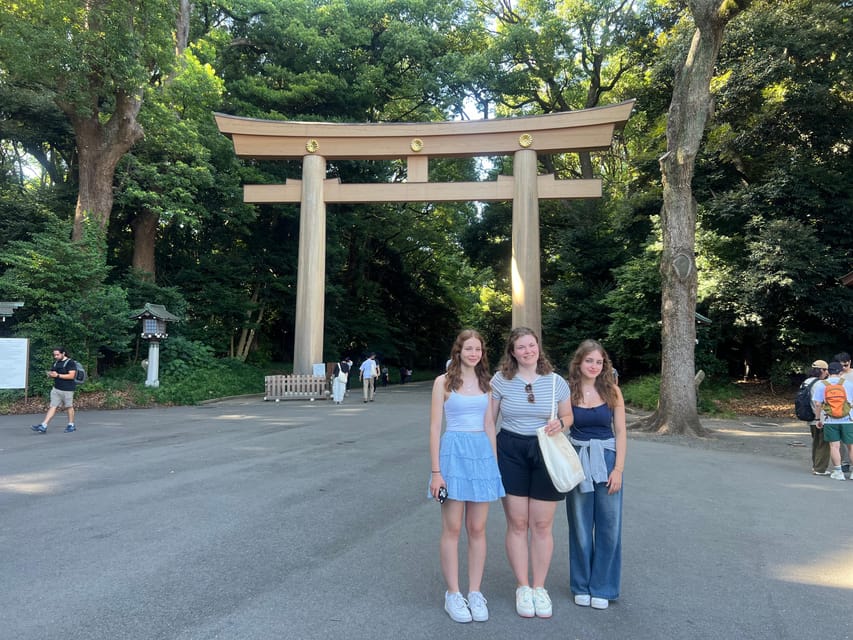
The main shrine receives about an hour of guided sightseeing. This is where the tour’s earlier lessons come together. You learn about the shrine’s establishment, the Meiji period, its cultural role, and the customs expected of visitors.
Several guides have been singled out for making this part accessible without flattening the subject. Maya is described as friendly and thorough. Yota has led personal tours with plenty of time for questions, while Ryota has been praised for explaining the sites and taking photos. Minori has been noted for clearly discussing the relationship between Shinto and Buddhist teachings, and Andres has helped first-time visitors understand both shrine etiquette and wider Japanese history.
Guide assignments vary, so you cannot book a specific person based on this information. Still, the repeated pattern is useful: the experience depends heavily on the individual guide, and this tour appears designed around conversation rather than a memorized speech delivered at a distance.
You may learn how to pray at the shrine, where to place your attention, and why certain gestures matter. The tour also helps you avoid the common mistake of treating a sacred place like a theme park. You can take photographs where appropriate, but the guide gives you a better sense of when to pause, watch, and show respect.
Small groups make a real difference
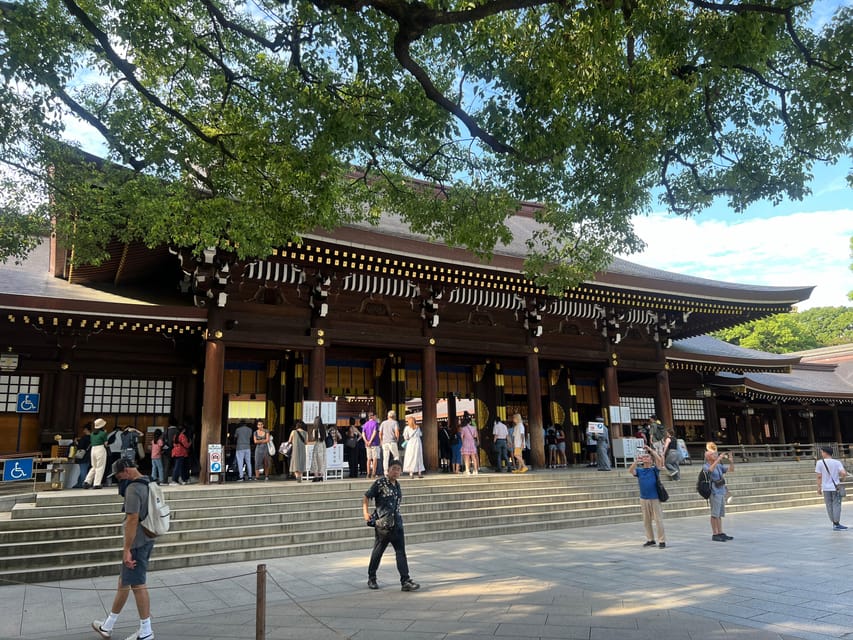
The usual maximum is described as about 12 people, though some departures are much smaller. One booking became a private tour when the other participant did not arrive, and other groups included only two or four people.
That flexibility changes the feel of the walk. In a group of four, you can stop your guide with a question without holding up a crowd. A private departure can also allow more attention to personal interests, such as photography, religion, architecture, or Japanese history.
You should not assume every departure will be private. The sensible expectation is a small guided group, with the chance of a more personal experience if numbers are low. Even with a fuller group, the two-hour route is compact enough for the guide to keep everyone together.
The guides also take photos during the tour. That is handy if you are traveling alone or want pictures showing you at the main stops. It is a thoughtful extra, but the main reason to book remains the explanation and conversation.
What the English guide adds
The tour is conducted in English, and the guide roster has included people such as Maya, Nicholas, Minori, Hoshi, Haydn, Jim, Aska, Sara, Matt, Yota, Ryota, Rio, and Andres. You cannot choose among them from the details provided, but the range of guides means the tone may vary from one departure to another.
The strongest part of the guiding is practical cultural translation. You are not simply told that Meiji Shrine is important. You learn how to move through it respectfully, how Shinto differs from Buddhism, and how the Meiji period shaped the site.
Good questions are welcome. Several departures have been especially personal because the guide took time to answer detailed questions and adjust the pace. If you enjoy asking why a ritual works a certain way, what a symbol means, or how Japanese religious customs fit daily life, this format should suit you.
The guides also offer Tokyo suggestions beyond the shrine. Those tips can help you choose restaurants and places to visit later in your trip. Treat them as local ideas, not part of the formal route, since food and additional sightseeing are not included in the stated itinerary.
Is $19 a good price?
At $19 per person, this is inexpensive for a two-hour guided walk in central Tokyo. The price includes an English-speaking guide, photos taken during the tour, historical information about the districts, and admission to Meiji Shrine and the Imperial Garden.
The real value is the interpretation. You can enter the shrine grounds on your own, but the torii, barrels, forest, and prayer area will not explain themselves. If this is your first visit to Japan, a guide can prevent basic etiquette mistakes and give you a useful foundation for later temple and shrine visits.
The price is less compelling if you prefer to wander alone or already have a strong grasp of Shinto customs and Meiji-era history. You may find the fixed two-hour route too structured, especially if your main goal is quiet photography.
I would still rate it as good value for first-time visitors. It combines admission, a clear route, local context, and the chance to ask questions without taking half a day. Reserve now and pay later is available, and cancellation is free up to 24 hours before the start time, which helps if your Tokyo plans are still shifting.
Who should take this walk?
I would choose this tour for your first or second day in Tokyo. The setting gives you a calm introduction after the intensity of arrival, while the explanations help you understand customs you will encounter across Japan.
It also suits families. One family visit included children writing on ema, the wooden prayer plaques, and having shrine books stamped. Another guide kept children engaged while explaining the shrine’s past. These details suggest the tour can work well when younger visitors need an activity rather than a long formal lecture.
Solo visitors should also consider it. The guide takes photos, the group setting makes conversation easy, and a small departure can feel almost private. Couples and friends who want a quick cultural stop before continuing around Harajuku will find the two-hour length convenient.
You may want to skip it if you dislike guided pacing, have limited tolerance for walking, or mainly want shopping time in Harajuku. The tour is about the shrine and its meaning, not fashion, cafés, or pop culture.
Practical tips for a better visit
Meet at the correct Starbucks and allow enough time to identify it. The stated coordinates are the safest reference because the neighborhood has more than one café with a similar name.
Wear comfortable shoes and bring weather protection. A previous group continued in heavy rain and still found the tour worthwhile, but a forest walk is more pleasant when you are prepared. The activity lasts two hours, with stops ranging from 10 minutes to an hour, so you should expect steady movement rather than a long indoor break.
Early departures may offer a quieter mood. One guide specifically recommended visiting early in the morning for more peace and stillness. Starting times vary, so check availability when booking.
Use the guide as a resource. Ask about shrine etiquette, Shinto and Buddhism, the Meiji period, or places to eat after the tour. The small format is most useful when you treat it as a conversation, not just a route between photo stops.
Should you book the Meiji Shrine walking tour?
Book it if you want more than a quick look at a famous shrine. For $19, you get a focused walk through the Imperial Garden and sacred forest, clear help with Shinto customs, time at the main shrine, and a chance to ask questions in English.
I would especially recommend it for first-time visitors, families, solo travelers, and anyone who wants a gentle start to Tokyo. The main limitation is its short length and guided pace, so independent wanderers may prefer to visit alone and linger.
For most people, the combination of low price, small groups, and strong cultural context makes this a sensible way to meet Meiji Shrine. Go early if you can, bring comfortable shoes, and leave room in your schedule to continue exploring Harajuku afterward.
FAQ
Where does the Meiji Shrine tour meet?
The meeting point is in front of the Starbucks closest to Meiji Shrine. The listed coordinates are 35.6705208, 139.7031067.
How long does the tour last?
The tour lasts two hours.
What language is the tour conducted in?
The live tour guide speaks English, and English is the listed tour language.
What places are included?
The route includes Meiji Jingu Gyoen, the Big Torii, the consecrated sake barrels, the consecrated wine barrels, and Meiji Shrine.
Is admission included?
Yes. Entry to Meiji Shrine and the Meiji Shrine Imperial Garden is included.
How large is the group?
Groups may have as many as 12 people, though some departures are much smaller. Some bookings have operated with only one or a few participants.
Can I cancel or pay later?
You can cancel up to 24 hours in advance for a full refund. You can also reserve your place and pay later.
More Temple Walking Tours in Tokyo
- Bangkok: City Highlights Temple and Market Walking Tour
★ 4.5 · 3,990 reviews - Bangkok: Grand Palace and Wat Phra Kaew Guided Walking Tour
★ 4.4 · 2,417 reviews - Bangkok: Wat Pho and Wat Arun Guided Walking Tour
★ 4.6 · 1,720 reviews - Chiang Mai: 3 Hour Old City and Temples Guided Walking Tour
★ 4.6 · 1,568 reviews
More Meiji Shrine and Senso-ji Tours in Tokyo
- Tokyo: Asakusa and Tokyo’s Oldest Temple Senso-ji Tour
★ 4.9 · 352 reviews - Tokyo History: Sensoji Temple & Asakusa District Private Tour
★ 5.0 · 28 reviews - Full Tokyo: Meiji Shrine, Imperial Palace, Asakusa & Skytree
★ 4.7 · 16 reviews - From Asakusa: Old Tokyo, Temples, Gardens and Pop Culture
★ 4.6 · 15 reviews
Temple visits we reviewed lately in Tokyo
- From Asakusa: Old Tokyo, Temples, Gardens and Pop Culture★ 4.6 · 15 reviews
- Tokyo: Nagano Snow Monkeys and Zenkoji Tour with Temples★ 4.9 · 19 reviews
- Nagano: Snow Monkeys, Zenkoji Temple & Sake Day Trip★ 5.0 · 4 reviews
- From Tokyo: Nagano, Zenkoji Temple, Snow Monkeys Day Trip.★ 4.3 · 4 reviews
- Tokyo/Nagano: private Tour with Snow Monkey Park & Temples★ 4.8 · 13 reviews
- Make a temple stamp book with artist★ 4.9 · 10 reviews
- Kamakura Temples Private Guided Tour from Tokyo★ 4.8 · 21 reviews
- Join a Unique Cultural Ceremony at Tokyo’s Meiji Shrine★ 5.0 · 9 reviews
Tokyo Temple Tours, compared.
Nikko: Kegon Falls, Lake Chuzenji & Toshogu Temple
Read our review →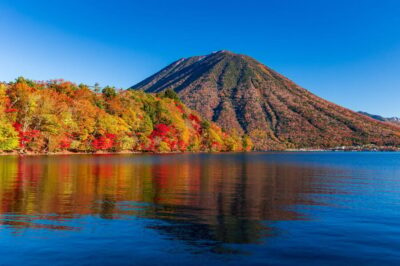
Tokyo: Nikko Toshogu Shrine and Kegon Waterfall Tour
Read our review →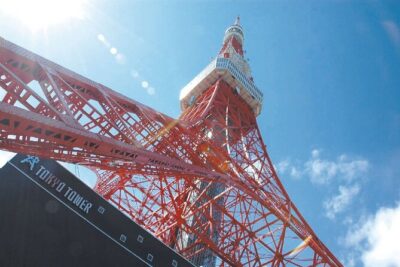
Tokyo Panoramic 1 Day: Meiji Shrine, Asakusa, Odaiba and SKYTREE®
Read our review →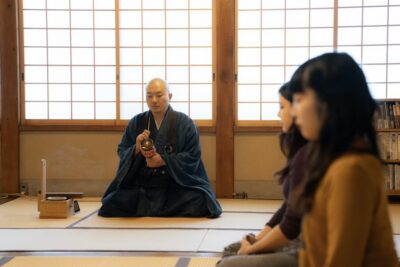
Tokyo: Zen Meditation at a Private Temple with a Monk
Read our review →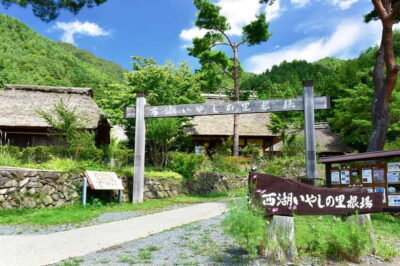
Mt. Fuji Heritage Tour: Traditional Villages, Lakes & Shrine
Read our review →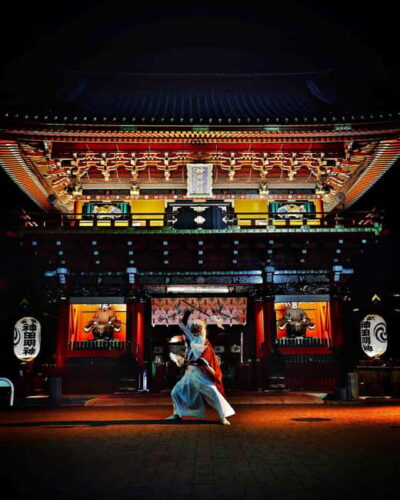
Tokyo: Samurai Entertainment Night Show in Kanda Shrine
Read our review →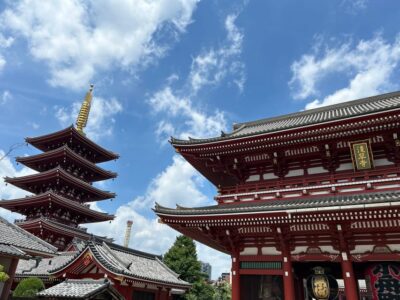
Tokyo: Asakusa and Tokyo’s Oldest Temple Senso-ji Tour
Read our review →