Review · TOKYO
Tokyo: Meiji Shrine and Shinto Culture Walking Tour
Meiji Jingu is one of Tokyo’s best places to see how an active Shinto shrine fits into modern city life. One minute you are near Harajuku shops and train lines, and soon you are walking beneath tall trees toward a huge wooden torii. The tour makes that change of mood easier to understand, not just admire.
I like the small-group format, which gives you room to ask about customs without turning the visit into a lecture. I also like the practical explanations, such as when to bow, how the cleansing ritual works, and what the shrine’s symbols mean. The main drawback is that two hours can feel short if you want a slow, quiet visit or more time to explore the grounds on your own.
Key points at a glance
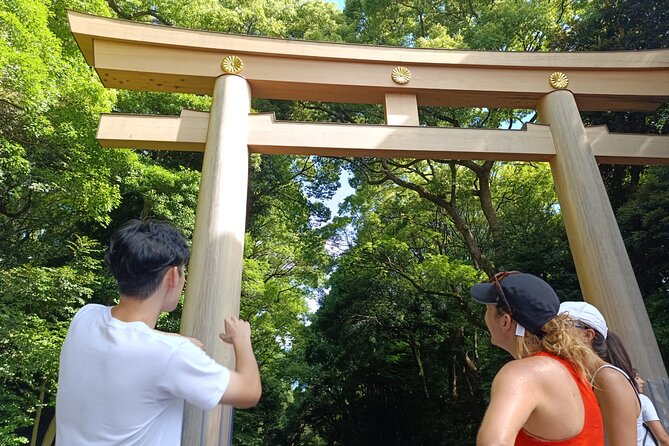
- A 12-meter wooden torii: Enter beneath one of Japan’s largest myojin-style shrine gates, measuring 17.1 meters across.
- A forest in central Tokyo: Meiji Jingu sits inside a 70-hectare artificial forest, a striking setting beside Harajuku.
- Shinto customs made clear: Your guide explains bowing, ritual cleansing, shrine etiquette, and other details easy to miss alone.
- Guides with different strengths: Yumi, Sara, Haydn, Matt, and Benjamin have each received specific praise for clear explanations and considerate guiding.
- A compact two-hour visit: The pace suits a first look at Meiji Jingu and leaves time for other Tokyo plans.
- Good value at $18: Admission and a guide are included, though gratuities are not.
Why Meiji Jingu makes a good first Shinto visit
Meiji Jingu is dedicated to the deified spirits of Emperor Meiji and Empress Shoken. The shrine opened in 1920, after the emperor and empress had become important symbols of Japan’s transformation into a modern nation.
You do not need a background in Japanese history to enjoy the visit. Still, the setting can seem puzzling if you arrive alone. Why is there a forest here? What is the purpose of the water basin? When should you bow? Is this a place of worship, a historic monument, or both?
A guide gives you a useful frame for those questions. You are not simply walking from one gate to another. You are learning how Shinto customs shape the visit, and how a shrine can be both a sacred place and a major part of Tokyo’s public life.
I especially like that the tour focuses on customs people can observe right away. You learn about bowing at the gates and ritual cleansing before entering the main shrine area. Those small actions help you behave respectfully and notice what is happening around you.
The experience is not designed as an advanced religious studies class. It is a practical introduction for someone seeing a Shinto shrine for the first time, with historical context added along the way.
More Temple Walking Tours in Japan
- Tokyo: Asakusa Walking Tour with Sensoji Temple Visit
★ 4.8 · 1,583 reviews - Tokyo: Meiji Shrine Walking Tour — Shinto & Imperial System
★ 4.9 · 266 reviews - Tokyo: Meiji Jingu Shrine and Shinto Culture Walking Tour
★ 5.0 · 245 reviews
Meeting in Harajuku and entering the forest
The tour begins at Starbucks Coffee With Harajuku, at 1-chome 14-30 Jingumae in Shibuya. That meeting point is near public transportation and easy to connect with a visit to Harajuku.
Arrive with enough time to find the café and identify your guide. The tour provider uses a mobile ticket, and confirmation arrives when you book. Since the activity returns to the same meeting point, you do not need to plan around a distant drop-off.
From the meeting area, the walk leads toward Meiji Jingu. The contrast is part of the appeal. Harajuku is associated with fashion, cafés, and busy streets, while the shrine approach quickly becomes quieter and more wooded.
The forest is not an untouched patch of old Tokyo woodland. Meiji Jingu’s 70-hectare forest was created for the shrine. That fact makes the setting more interesting, not less. The trees were planted as part of a long-term plan, and today they create a broad green buffer around the shrine.
You may notice that the approach itself takes time. This is not a shrine squeezed beside a road. The walk through the trees prepares you for the sacred area and gives the guide space to explain the meaning of the gates and the route.
The itinerary assigns about an hour to Meiji Jingu, within a tour lasting roughly two hours. The exact balance depends on the guide and the group, but you should expect a walking tour rather than a quick photo stop.
The giant torii sets the tone
One of the first major sights is the large wooden torii gate. It is about 12 meters tall and 17.1 meters wide, making it the largest wooden myojin-style torii of its kind in Japan according to the tour information.
The scale is easy to appreciate in person. A torii marks the transition from ordinary space into a shrine precinct, so this gate does more than frame a nice photograph. It signals that you are crossing into a place with different customs and expectations.
This is where a guide can prevent a common mistake: walking straight through without noticing the etiquette. The tour explains the appropriate bowing custom at the gate, giving you a simple way to show respect without worrying that you are doing something wrong.
The gate is also a useful place to hear about the shrine’s design. Its size gives the approach a formal feel, while the surrounding trees keep the mood calm. I would not rush this part. Look up, notice the woodwork and proportions, then pay attention to how the city fades behind you.
Because the group can include up to 15 people, the guide needs to keep everyone together on the approach. That is still a fairly manageable number, but it is not a private walk. If you want a completely quiet, unhurried visit, the group setting may feel more structured than exploring alone.
Learning the rituals you might miss
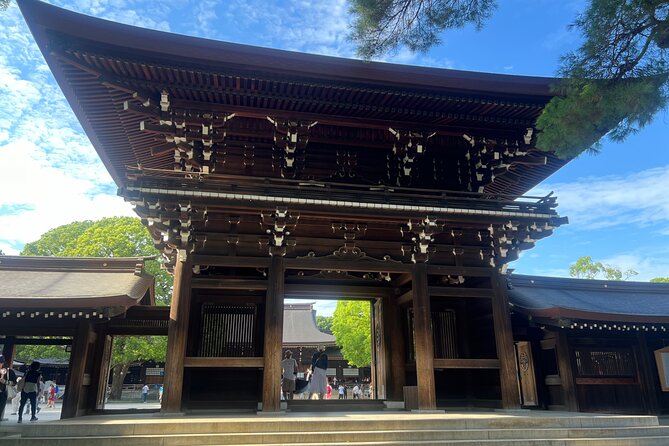
A central benefit of this tour is that it explains what to do, not just what to look at. Shinto shrine etiquette can be subtle if you have never visited Japan. A guide can explain the purpose of bowing, the role of ritual cleansing, and the respectful way to approach the shrine.
The cleansing ritual is one of the details often lost on an independent visit. You may see people use the water basin and copy them, but copying is not the same as understanding. With an explanation, the action becomes part of the religious practice rather than a photo opportunity.
The guide also helps separate Shinto customs from general Japanese manners. That distinction matters because visitors often group all Japanese traditions together. This tour gives you a clearer sense of what belongs specifically to a Shinto shrine.
The guides named in the feedback each bring a slightly different style. Yumi is described as accommodating and helpful with Tokyo navigation. Sara is noted for making the tour interactive and friendly, including a family visit in June 2025. Haydn is praised for explaining Shinto culture in detail, while Matt handled a rainy walk with thoughtful explanations of the Meiji Restoration and Emperor Meiji’s achievements. Benjamin is described as calm and patient when explaining customs.
Those comments point to an important feature of the experience: the guide matters. This is not a recorded audio walk with a fixed script. You can ask questions, and the quality of the visit depends partly on how clearly your assigned guide communicates.
Same sacred ground, another way to see it:
- Tokyo:Mt.Fuji,Kawaguchiko Oishi Park,Arakurayama Sengen Park
★ 4.4 · 2,682 reviews - Nikko: Kegon Falls, Lake Chuzenji & Toshogu Temple
★ 4.6 · 1,577 reviews - Tokyo: Nikko Toshogu Shrine and Kegon Waterfall Tour
★ 4.5 · 1,266 reviews - Tokyo Panoramic 1 Day: Meiji Shrine, Asakusa, Odaiba and SKYTREE®
★ 4.5 · 1,222 reviews
Emperor Meiji, Empress Shoken, and modern Japan
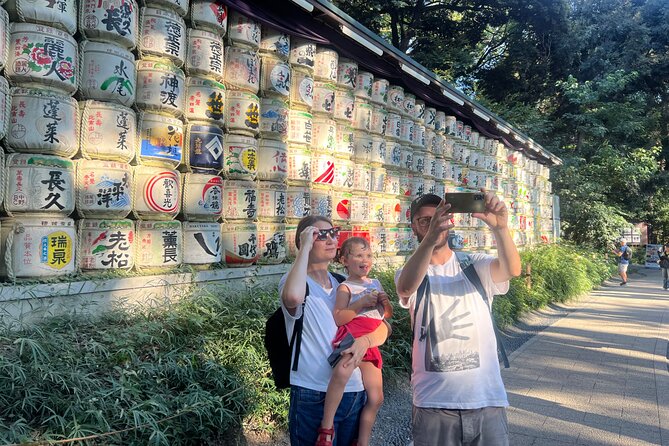
Meiji Jingu is not just a beautiful shrine in a forest. Its subject is Emperor Meiji and Empress Shoken, figures closely tied to Japan’s move into the modern era.
Emperor Meiji ruled during the Meiji period, a time associated with major political, social, and industrial change. The tour uses the shrine to connect those national changes with the people honored here. That gives the visit more depth than a basic explanation of gates and rituals.
You will hear about the emperor’s achievements and the role of the imperial couple. The guide also places the shrine within the story of modern Tokyo, helping you see why this particular site became so important.
I like this historical layer because it keeps the walk from becoming a generic introduction to Shinto. You are learning about religious practice, but you are also learning why Meiji Jingu exists and why its location matters.
At the same time, do not expect an exhaustive account of the Meiji period in two hours. The historical material is meant to support the shrine visit. If you want a full political history of nineteenth-century Japan, you will need another source and more time.
The main shrine area and the value of a guide
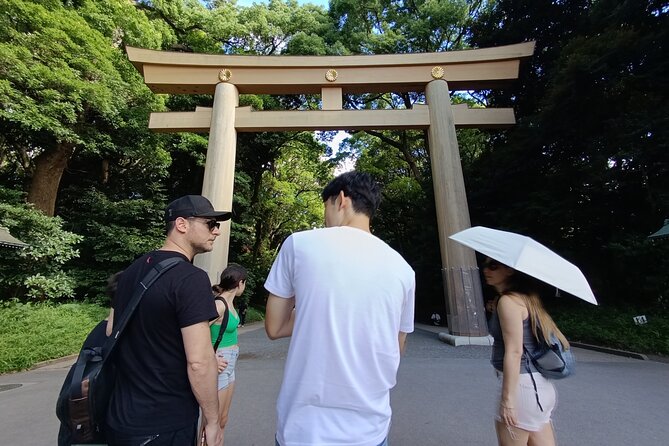
The main shrine area is the focus of the visit. Here, the guide helps you connect the physical setting with the customs you have already discussed.
You can expect to see worshippers following shrine etiquette, which gives the explanations a real setting. Rather than hearing a list of rules in the abstract, you can watch how people approach and take part in the rituals.
This is also the point where group size matters. A maximum of 15 people allows for questions and discussion, but the group still needs to stay aware of people who are there to worship. A good guide will balance explanation with respect for the site, and the supplied feedback describes guides using a calm and considerate approach.
The tour includes admission, so you do not need to budget a separate entrance charge for the activity. Tips are not included. At $18 per person, the price is low for a guided cultural visit in central Tokyo, especially if you value context more than a long list of stops.
The value is strongest for first-time visitors. If you already know Shinto etiquette, the Meiji Restoration, and the story of Meiji Jingu, you may find the tour less essential. You could walk through the grounds independently and spend your time at your own pace.
How the two-hour timing works
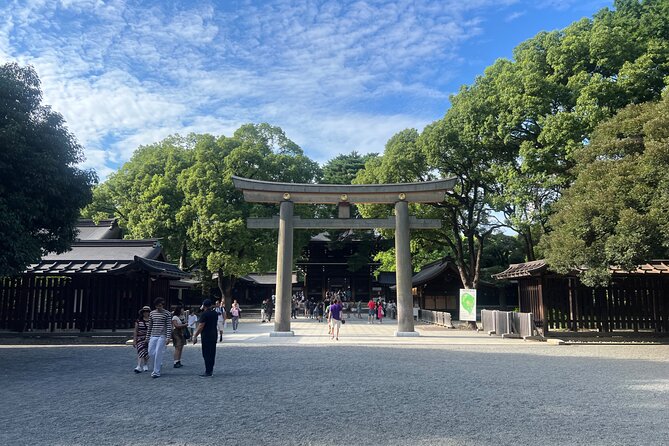
Two hours is a sensible length for this visit. It gives you enough time to reach the shrine, hear the main explanations, and see the important areas without taking up half a day.
The itinerary lists about one hour at Meiji Jingu itself. The rest allows for meeting, walking, explanations, and movement through the grounds. You should wear comfortable shoes because this is a walking experience, not a seated talk.
The route ends back at the original meeting point. That makes it easy to continue with Harajuku, Shibuya, or another Tokyo plan afterward, though the exact timing of your next activity should allow some flexibility.
Rain does not automatically ruin the experience. One guide successfully led a useful visit in rainy weather, and the forest can still be atmospheric under gray skies. Still, weather can make a long walk less comfortable, so bring suitable protection rather than counting on a quick indoor tour.
The activity is described as suitable for most people, and it is near public transportation. Specific accessibility details are not provided, so anyone with mobility concerns should confirm the route with the provider before booking.
Is $18 good value?
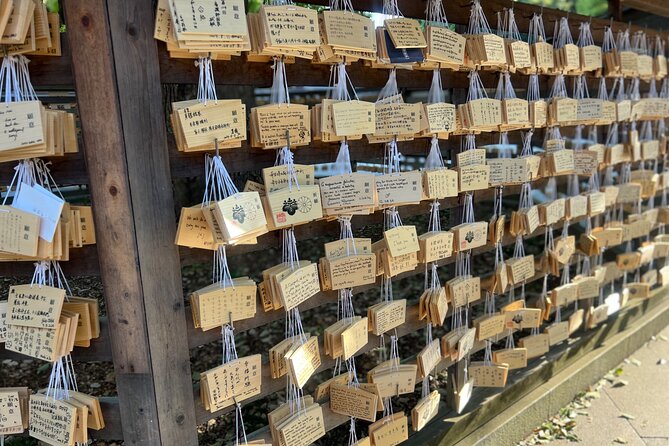
At $18, this is an inexpensive way to add structure to a visit that many people would otherwise make alone. The price includes the guide and admission, while tips are extra.
You are paying mainly for interpretation. The torii, forest, and shrine can be seen without a tour, but the meaning behind the bowing, cleansing, and layout is harder to pick up on your own.
The best value comes from asking questions. Bring up anything that seems unclear, such as the difference between a shrine and a Buddhist temple, the purpose of the forest, or the connection between the shrine and Emperor Meiji. The small group gives you a better chance to get an answer than a large coach tour would.
The price is less compelling if you want only photographs or a private experience. Groups can reach 15 people, and the tour follows a shared pace. Still, the combination of a central location, a two-hour duration, admission, and cultural explanation makes the cost reasonable for most first visits.
Free cancellation is available if you cancel at least 24 hours before the start time. Changes or cancellations made inside that window are not accepted for a refund.
Who should book this Meiji Jingu walk?
I would choose this tour if you are visiting a Shinto shrine for the first time and want to understand what you are seeing. It is also a good fit if you enjoy asking questions, prefer a short cultural activity, or want a useful introduction before exploring more of Tokyo.
Families can benefit from the interactive approach described by Sara’s guide style. The walk also suits visitors who want historical background but do not want a full-day museum or lecture.
You may want to skip it if you prefer complete independence, already know the basic shrine rituals, or want to linger at every stop. The tour has a set duration and a shared route, so it cannot match the freedom of going alone.
Should you book it?
Yes, if you want more than a quick look at Meiji Jingu. For $18, you get a guide, admission, historical context, and a clear explanation of Shinto customs in one of Tokyo’s most important settings.
Book it especially early in your Tokyo stay if you want to learn shrine etiquette before visiting other sites. Skip it only if you are certain you would rather move slowly on your own. For most first-time visitors, the forest, enormous torii, and practical guidance make this a well-priced two-hour introduction to Japanese spirituality.
FAQ
How long does the Meiji Shrine walking tour last?
The tour lasts approximately two hours. About one hour is assigned to Meiji Jingu Shrine, with the remaining time used for walking and explanations.
Where does the tour begin?
The meeting point is Starbucks Coffee, With Harajuku, at 1-chome 14-30 Jingumae, Shibuya, Tokyo 150-0001.
Where does the tour end?
The activity ends back at the original meeting point.
Is admission to Meiji Jingu included?
Yes. Admission to Meiji Jingu Shrine is included in the tour price.
How large is the group?
The activity has a maximum of 15 people.
What does the guide explain?
The guide explains Meiji Jingu’s history, the connection to Emperor Meiji and Empress Shoken, Shinto beliefs and customs, bowing at shrine gates, and ritual cleansing.
What is included in the $18 price?
The price includes the tour guide and historical insights into the district. Tips are not included.
More Temple Walking Tours in Tokyo
- Bangkok: City Highlights Temple and Market Walking Tour
★ 4.5 · 3,990 reviews - Bangkok: Grand Palace and Wat Phra Kaew Guided Walking Tour
★ 4.4 · 2,417 reviews - Bangkok: Wat Pho and Wat Arun Guided Walking Tour
★ 4.6 · 1,720 reviews - Chiang Mai: 3 Hour Old City and Temples Guided Walking Tour
★ 4.6 · 1,568 reviews
More Meiji Shrine and Senso-ji Tours in Tokyo
- Tokyo: Asakusa and Tokyo’s Oldest Temple Senso-ji Tour
★ 4.9 · 352 reviews - Tokyo History: Sensoji Temple & Asakusa District Private Tour
★ 5.0 · 28 reviews - Full Tokyo: Meiji Shrine, Imperial Palace, Asakusa & Skytree
★ 4.7 · 16 reviews - From Asakusa: Old Tokyo, Temples, Gardens and Pop Culture
★ 4.6 · 15 reviews
Temple visits we reviewed lately in Tokyo
- From Asakusa: Old Tokyo, Temples, Gardens and Pop Culture★ 4.6 · 15 reviews
- Tokyo: Nagano Snow Monkeys and Zenkoji Tour with Temples★ 4.9 · 19 reviews
- Nagano: Snow Monkeys, Zenkoji Temple & Sake Day Trip★ 5.0 · 4 reviews
- From Tokyo: Nagano, Zenkoji Temple, Snow Monkeys Day Trip.★ 4.3 · 4 reviews
- Tokyo/Nagano: private Tour with Snow Monkey Park & Temples★ 4.8 · 13 reviews
- Make a temple stamp book with artist★ 4.9 · 10 reviews
- Kamakura Temples Private Guided Tour from Tokyo★ 4.8 · 21 reviews
- Join a Unique Cultural Ceremony at Tokyo’s Meiji Shrine★ 5.0 · 9 reviews
Tokyo Temple Tours, compared.
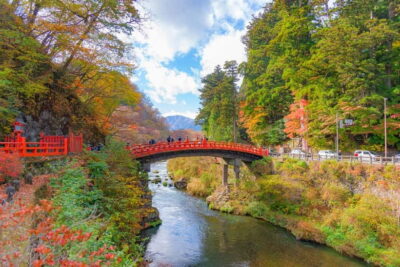
Nikko: Kegon Falls, Lake Chuzenji & Toshogu Temple
Read our review →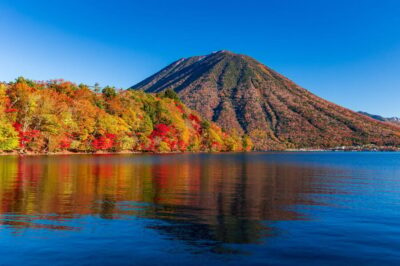
Tokyo: Nikko Toshogu Shrine and Kegon Waterfall Tour
Read our review →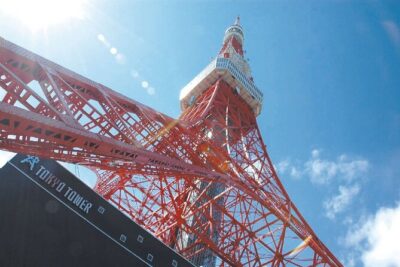
Tokyo Panoramic 1 Day: Meiji Shrine, Asakusa, Odaiba and SKYTREE®
Read our review →
Tokyo: Zen Meditation at a Private Temple with a Monk
Read our review →
Mt. Fuji Heritage Tour: Traditional Villages, Lakes & Shrine
Read our review →
Tokyo: Samurai Entertainment Night Show in Kanda Shrine
Read our review →
Tokyo: Asakusa and Tokyo’s Oldest Temple Senso-ji Tour
Read our review →