
Review · TOKYO
Join a Unique Cultural Ceremony at Tokyo’s Meiji Shrine
The unusual part of this Meiji Shrine visit is not the forest walk or the grand shrine entrance. It is the chance to sit inside a wooden ceremonial hall and watch a traditional gokito prayer ritual, with priests chanting as flutes and drums fill the room. Most visitors see only the main grounds. This experience takes you a little farther into the shrine’s spiritual life.
I like two things right away. First, the walk through the forest gives you a quiet break from Tokyo’s traffic and crowds. Second, the guide helps explain customs that are easy to miss, from shrine etiquette to the meaning of the ceremony. Guides such as Alex and Kohei have been praised for clear English and thoughtful explanations. The main consideration is that Meiji Shrine requires plenty of walking, and the $121 price is high if you only want a quick look at the grounds.
Key Points to Know Before You Book
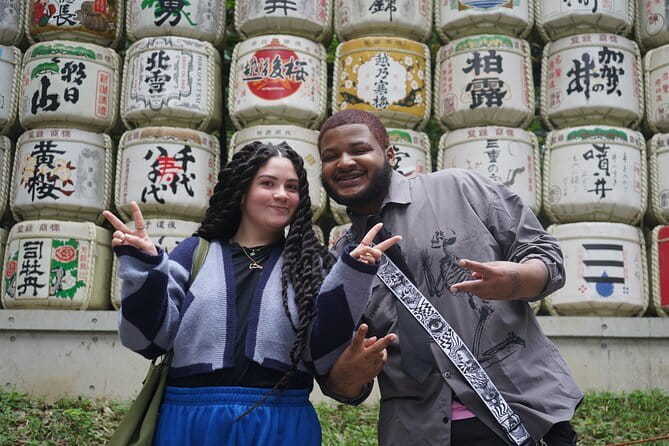
- Rare access to a gokito ceremony: Sit in a ceremonial hall while Shinto priests perform chants, prayers, flutes, and drum music.
- A peaceful forest setting: The approach through Meiji Shrine’s wooded paths feels far removed from central Tokyo.
- Strong English guidance: Alex and Kohei are named guides associated with especially clear explanations and warm, attentive hosting.
- More than a standard shrine visit: You learn how to approach and understand Japanese shrines, which can help during later visits in Kyoto and elsewhere.
- Bring cash and comfortable shoes: Coins for the offering box and any purchases are extra, and the walking is substantial.
- A calm first-day choice: The pace is reflective rather than rushed, making it useful at the start of a Japan trip.
Why the Gokito Ceremony Is the Main Event
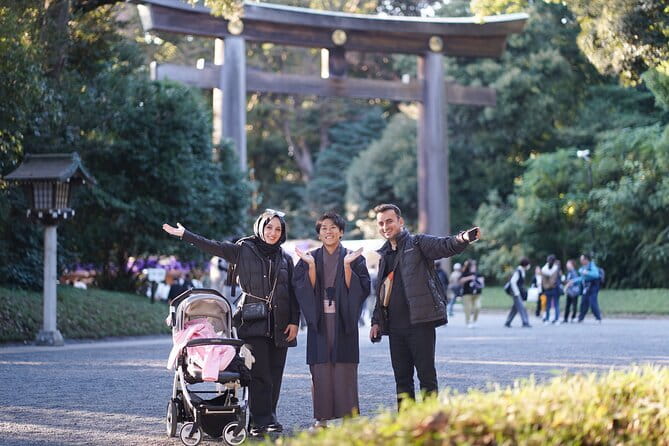
Many Meiji Shrine visits follow a familiar pattern: walk under the torii gate, pass through the forest, take a few photos, and leave. This experience adds a private-feeling cultural moment that ordinary sightseeing does not provide.
The gokito ceremony is a traditional Shinto prayer service. You enter a wooden hall with high ceilings, polished floors, and the scent of cypress. Priests in formal robes carry out the ritual while chants, flutes, and drums sound through the room.
You do not need to understand every word to appreciate what is happening. The ceremony works through sound, movement, silence, and setting. It is less about a lecture and more about sitting still long enough to notice the atmosphere.
That makes this a good choice if you want to experience Japanese culture with your senses, not just collect facts. The ritual is also a respectful chance to observe a living religious practice. You are not being asked to become religious or pretend to understand everything. You are there to watch quietly and follow the guide’s instructions.
The ceremony can feel powerful, but the experience is not presented as a theatrical show. That distinction matters. You should approach it with the same quiet respect you would use in any active place of worship.
More Meiji Shrine and Senso-ji Tours in Tokyo:
- Tokyo: Asakusa Walking Tour with Sensoji Temple Visit
★ 4.8 · 1,583 reviews - Tokyo Panoramic 1 Day: Meiji Shrine, Asakusa, Odaiba and SKYTREE®
★ 4.5 · 1,222 reviews - Tokyo: Asakusa and Tokyo’s Oldest Temple Senso-ji Tour
★ 4.9 · 352 reviews
Walking Into Meiji Shrine’s Forest
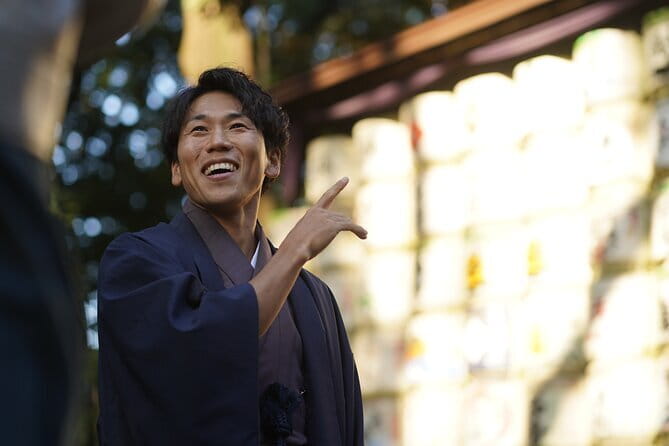
You meet the staff at JR Yoyogi Station, outside the West Gate, near the map. Look for a member of the Legit Japan staff wearing Japanese-style clothing. This meeting point is practical, but pay close attention to the station exit. Yoyogi is a busy area, and the West Gate detail matters.
From there, the route leads toward Meiji Jingu through its forested grounds. The greenery is the first major change in mood. Tokyo is loud and fast just beyond the shrine, but the paths inside are quieter and shaded by trees.
I like this part because it gives the tour room to breathe. You are not pushed straight to a photo stop. The walk helps you shift from city mode to shrine mode, and the guide can explain what you are seeing along the way.
Meiji Shrine is one of Tokyo’s best-known spiritual sites, so it is not an obscure corner of the city. The value comes from how you visit it. With a guide, you can ask questions about Japanese customs and get help noticing details that might otherwise pass without meaning.
Wear comfortable shoes. The tour requires a good deal of walking, and anyone who has trouble walking should think carefully before booking. Wheelchair and pram access is available, but the activity is still described as unsuitable for people who find extended walking difficult.
Entering the Wooden Ceremonial Hall
The tour’s mood changes again when you step indoors. The wooden hall, polished floors, tall ceiling, and cypress scent create a setting that feels formal without being showy.
Your guide stays with you and helps you understand how to behave. That support is useful because Shinto rituals may be unfamiliar, and you do not want to guess your way through a sacred space.
Inside, priests perform the prayer service in traditional robes. You may hear chanting along with flute and drum music. The combination of sound and stillness is a major part of the experience. At some points, the ritual may feel calming. At others, the unfamiliar rhythm and setting may give you chills.
This is also the point where expectations matter. The ceremony is not a performance designed for entertainment, and you cannot treat it like a normal photo stop. Audio recording is not allowed. Follow the guide’s instructions, keep quiet, and let the ritual happen without trying to capture every second.
The ceremony fee is included in the $121 price, so you do not have to pay an extra charge to take part. Coins for an offering box are not included, so bring some cash if you want to make an offering. Cash is also useful for shrine goods and other purchases.
A Guide Who Connects Customs to Everyday Japan
A strong guide makes a large difference here. Meiji Shrine is easy to walk through on your own, but its customs are not always easy to read from signs.
Alex has been praised for fluent English, engaging slides, and a friendly manner. Kohei is also singled out for adding depth through thoughtful explanations. The guides have lived abroad or worked across cultures, which helps them explain Japanese ideas in terms that make sense to people from outside Japan.
That matters most before and after the ceremony. You can ask about what you just witnessed rather than simply moving on to the next stop. The goal is not to memorize a list of Shinto terms. It is to understand why people bow, make offerings, pray, and behave quietly in certain areas.
This background can improve the rest of your Japan trip. A visit to a shrine in Kyoto, Nara, or another city becomes easier to understand once you know how to approach the space. You may notice purification areas, offering boxes, gates, and prayer gestures in a new way.
The guide also helps make the activity feel personal. This is not only a historical talk. It is a conversation about Japanese sensibilities, respect, quiet, and the role of ritual in daily life.
More Temple Tours around Tokyo:
- Nikko: Kegon Falls, Lake Chuzenji & Toshogu Temple
★ 4.6 · 1,577 reviews - Tokyo: Nikko Toshogu Shrine and Kegon Waterfall Tour
★ 4.5 · 1,266 reviews - Tokyo: Zen Meditation at a Private Temple with a Monk
★ 5.0 · 510 reviews - Mt. Fuji Heritage Tour: Traditional Villages, Lakes & Shrine
★ 4.5 · 509 reviews
A Japanese Snack and Photographs
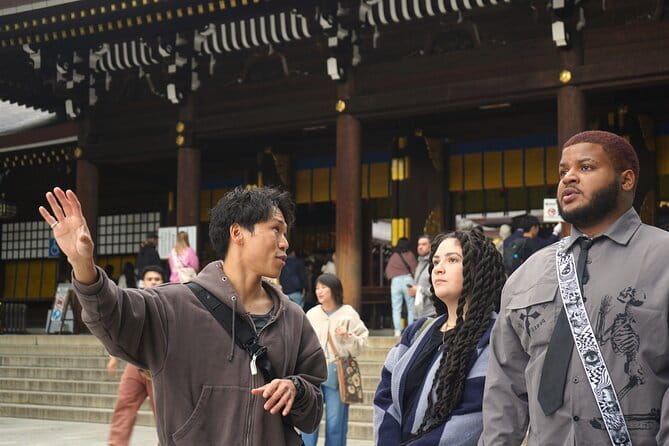
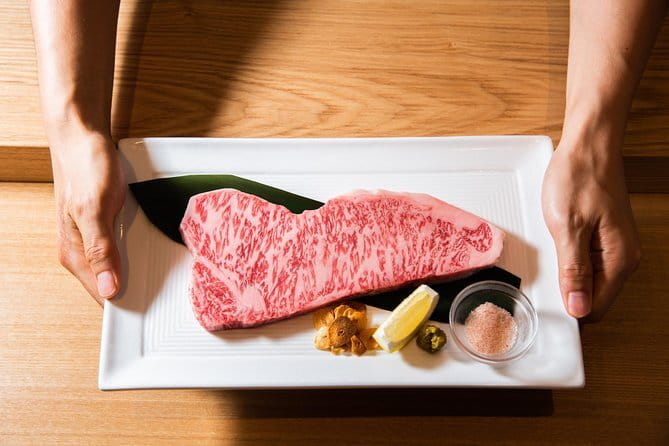
The supplied details say the experience may finish with a Japanese snack. One guide even shared a recipe for the snack, which adds a small but welcome human touch after the formal ceremony.
Do not book this mainly for food. The snack is an extra, not the central promise of the outing, and it is not listed among the official inclusions. Still, a simple bite at the end can give the tour a friendly finish after the more serious ritual.
A professional photographer has also been part of at least one reported experience. That could be valuable if you want a keepsake, especially since photography during the ceremony is restricted. However, photography is not listed among the included items, so you should confirm exactly what is provided when booking rather than assume a photo package is part of the standard price.
The most important memory will likely come from the ceremony itself, not from a posed image. Still, the possibility of well-made photographs may appeal to couples, families, or anyone marking a first trip to Japan.
Is $121 a Fair Price?
At $121 per person, this is not a budget way to see Meiji Shrine. You can walk through the public grounds for far less, or simply include the shrine in an independent Tokyo day.
The price makes more sense if you place value on access and interpretation. The ceremony fee is included, and you have an English-speaking guide who explains the setting, customs, and ritual. You are paying for a structured cultural experience, not just transportation to a famous landmark.
I would compare it with the cost of a typical guided city tour. Standard sightseeing may cover more places, but it often gives you less time to focus on one cultural site. This activity does the opposite. It spends its energy on a single shrine and one rare ritual.
That focus will suit you if you want a meaningful introduction to Japan. It may not suit you if you prefer to explore independently, take photographs freely, or keep your day packed with major Tokyo sights.
The perfect value also depends on your trip timing. Early in a Japan visit, the explanations can help you understand later shrine visits. If you already have strong knowledge of Shinto customs or have attended similar ceremonies, the extra cost may feel less worthwhile.
Who Will Enjoy This Experience Most?
This is best for first-time or second-time visitors who want a calmer start to Tokyo. It works especially well for people who enjoy history, religion, architecture, local customs, or quiet observation.
Families may appreciate the clear structure, though young children must be able to manage a long walk and behave quietly during the ceremony. The activity is also a good match for couples and solo visitors who want a thoughtful experience rather than a busy group outing.
You should be comfortable entering a religious space and following local etiquette. The experience is not presented as a conversion or a religious lesson, but it does involve an active Shinto prayer ceremony. Respectful participation and quiet attention are essential.
People with colds should not book. This is a close, quiet indoor ceremony, and the activity specifically says it is not suitable for people who are ill.
You should also skip it if you strongly dislike walking. Meiji Shrine has wheelchair and pram availability, but the route itself requires substantial movement through the grounds.
Practical Details That Affect Your Day
The tour begins at JR Yoyogi Station and ends back at the meeting point. Since no duration is provided, leave enough flexibility around the booking rather than scheduling a tight lunch, train, or timed attraction immediately afterward.
Bring comfortable shoes, a drink, and cash. You will need to pay separately for offerings and any shrine goods. The ceremony fee and taxes are included, so the extra cash is mainly for optional spending.
Alcohol, drugs, and intoxication are not allowed. Audio recording is also prohibited. Keep your phone quiet and use it only as permitted by the guide.
The activity is offered in English and Japanese. You can reserve and pay later, which helps if your Tokyo plans are still shifting. Cancellation is allowed up to 24 hours before the activity for a full refund.
My Take: Book It If You Want More Than a Shrine Photo
I would book this Meiji Shrine experience if you want to understand what you are seeing, not simply pass through the grounds. The forest walk is peaceful, the ceremony is unusual, and the guide adds the cultural context that makes the visit useful beyond this one morning or afternoon.
The strongest reasons to go are the gokito ritual, the chance to sit inside the ceremonial hall, and the practical explanations from guides such as Alex and Kohei. The main reasons to hesitate are the price, the walking, and the need to observe strict quiet during part of the visit.
Choose it early in your Japan trip if you want a foundation for later shrine visits. Choose an independent visit instead if your priority is speed, flexibility, or saving money. For a calm and culturally focused start to Tokyo, this offers something you are unlikely to get from a standard stroll through Meiji Shrine.
FAQ
Where does the tour begin?
Meet at JR Yoyogi Station, outside the West Gate, near the map. Legit Japan staff will be waiting in Japanese-style clothing.
Where does the tour end?
The activity ends back at the meeting point.
What is the main feature of the experience?
The main feature is access to a traditional Shinto gokito prayer ceremony, including priestly chants, flutes, and drums inside a wooden ceremonial hall.
Is the ceremony fee included?
Yes. The fee to experience the traditional Japanese prayer ritual, along with all fees and taxes, is included.
Do I need to bring cash?
Yes. Bring cash for coins placed in the offering box and for any goods you may wish to buy. These costs are not included.
Can I record the ceremony?
No. Audio recording is not allowed.
What should I wear or bring?
Wear comfortable shoes and bring a drink and cash.
Is the tour suitable for people with walking difficulties?
Meiji Shrine requires a lot of walking, so the activity may not suit people who have difficulty walking. Wheelchair and pram availability is noted, but the walking requirement still applies.
What languages are available?
The experience is offered in English and Japanese.
What is the cancellation policy?
You can cancel up to 24 hours in advance for a full refund. Reserve and pay later is also available.
Temple visits we reviewed lately in Tokyo
- From Asakusa: Old Tokyo, Temples, Gardens and Pop Culture★ 4.6 · 15 reviews
- Tokyo: Nagano Snow Monkeys and Zenkoji Tour with Temples★ 4.9 · 19 reviews
- Nagano: Snow Monkeys, Zenkoji Temple & Sake Day Trip★ 5.0 · 4 reviews
- From Tokyo: Nagano, Zenkoji Temple, Snow Monkeys Day Trip.★ 4.3 · 4 reviews
- Tokyo/Nagano: private Tour with Snow Monkey Park & Temples★ 4.8 · 13 reviews
- Make a temple stamp book with artist★ 4.9 · 10 reviews
- Kamakura Temples Private Guided Tour from Tokyo★ 4.8 · 21 reviews
- Full Tokyo: Meiji Shrine, Imperial Palace, Asakusa & Skytree★ 4.7 · 16 reviews
Tokyo Temple Tours, compared.
Nikko: Kegon Falls, Lake Chuzenji & Toshogu Temple
Read our review →
Tokyo: Nikko Toshogu Shrine and Kegon Waterfall Tour
Read our review →
Tokyo Panoramic 1 Day: Meiji Shrine, Asakusa, Odaiba and SKYTREE®
Read our review →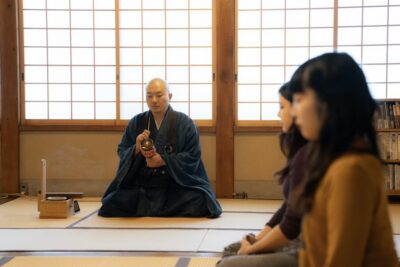
Tokyo: Zen Meditation at a Private Temple with a Monk
Read our review →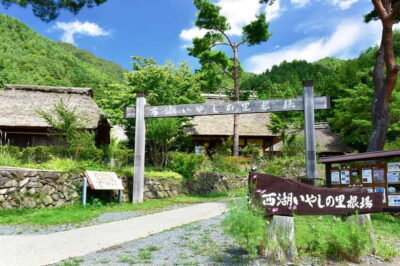
Mt. Fuji Heritage Tour: Traditional Villages, Lakes & Shrine
Read our review →
Tokyo: Samurai Entertainment Night Show in Kanda Shrine
Read our review →
Tokyo: Asakusa and Tokyo’s Oldest Temple Senso-ji Tour
Read our review →
Tokyo: Imperial Palace, Sensō-ji Temple, & Tokyo Tower Tour
Read our review →This tour also ranks in