
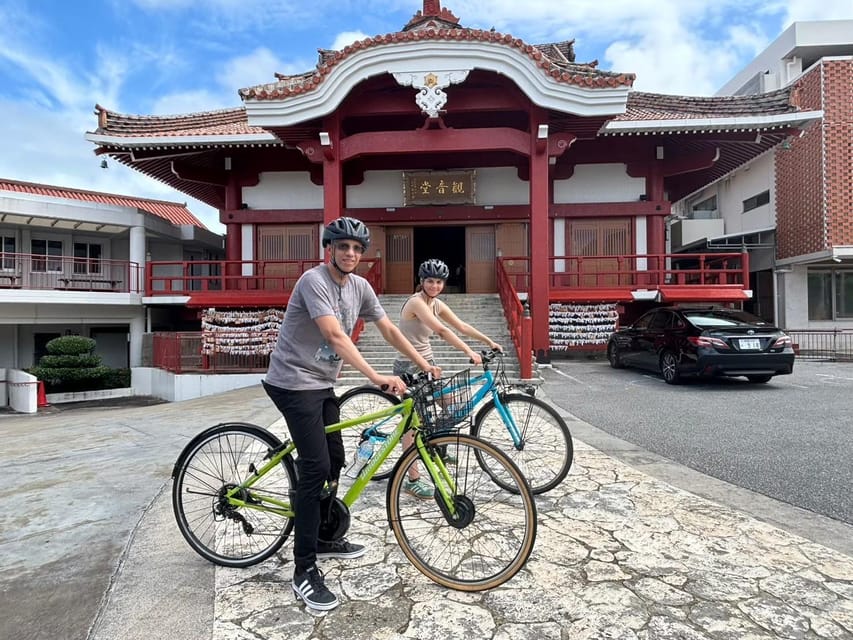
Review · JAPAN
Naha: Guided E-Bike Tour of the 12 Zodiac Temples
The best part of this three-hour Naha tour is not simply seeing famous Shuri sights. It is reaching the quiet temples and side streets that are easy to miss on foot or by car, then hearing how they connect to Okinawa’s royal and spiritual past. An electric bike makes Shuri’s hills manageable, while the helmet intercom keeps you in touch with your guide as you ride.
I like the small group limit of five, the excellent mix of major sights and tucked-away stops, and the chance to see places such as Saki Kasahigawa, a spring flowing from the forest. The main consideration is simple: you must already be able to ride a bike, and sandals are not allowed. Sun, traffic, and hills still make this an active outing, even with motor assistance.
Key points at a glance
- Shuri beyond the castle: Reach smaller temples and backstreets that are easy to overlook.
- Electric help for Okinawa’s hills: The e-bikes make the ride more comfortable, but you still need basic cycling ability.
- A useful helmet intercom: Talk with your guide while riding instead of trying to shout over traffic.
- A small, personal group: With no more than five participants, the guide can check your riding and adjust explanations.
- A strong mix of culture and scenery: See temple carvings, royal gates, gajumaru trees, Jizo statues, and a historic spring.
- Three hours well spent: The tour begins and ends near Makishi Station, making it easy to fit into a Naha day.
Why this e-bike tour reveals a quieter side of Shuri
Shuri is best known for Shurijo and the bright red Shureimon Gate, but the area is more than a collection of postcard sights. Its lanes rise and fall around temples, older homes, stone gates, trees, and small religious sites. On foot, you can cover the area, but the hills take time. By car, you pass too much.
This tour gives you a middle ground. You move quickly enough to cover several parts of Shuri, but slowly enough to stop at places where the details matter. The electric motor is especially useful on uphill stretches. It does not remove the need to pedal or pay attention, but it takes much of the strain out of the ride.
The small group format also matters. A guide can keep an eye on how you are handling the bike, explain a gate or statue without giving a speech to a crowd, and answer questions as you go. Guides named in past bookings include Maki, Maria, Hiro, Reiji, Jojo, Sally, and Tiny. The experience can depend on who leads your outing, but the guiding style consistently focuses on local history, temple customs, safety, and friendly conversation.
More Cycling Tours in Japan:
- E-Bike Nara Highlights – Todaiji, Knives, Deer, Shrine
★ 4.8 · 186 reviews - Kyoto: Fushimi Inari Shrine and Tofukuji Temple E-Bike Tour
★ 5.0 · 75 reviews - Kyoto: Hidden Gems E-Bike Tour Through Backstreets & Temples
★ 4.9 · 54 reviews
Starting near Makishi Station and getting set up
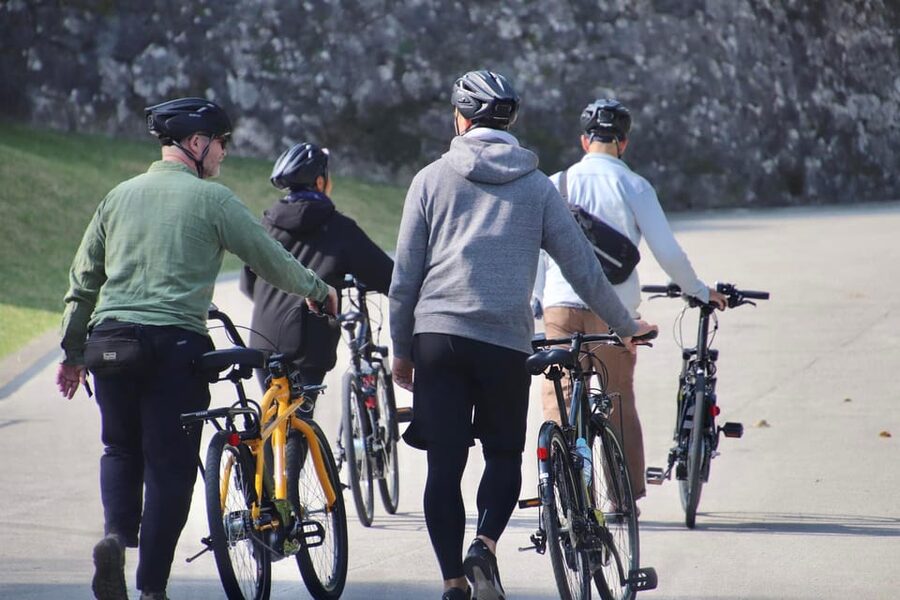
You meet at the bike shop in Daisho Building, about a five-minute walk from Monorail Makishi Station and next to the post office. The tour starts and finishes at this same location, which keeps the day simple if you are staying around Kokusai Street or using the monorail.
At the shop, you are fitted with an electric bicycle and helmet. The helmet includes an intercom system, one of the most practical features of the tour. Your guide can give directions while you ride, and you can communicate without stopping every few minutes.
Wear comfortable clothing and closed shoes. Sandals and flip-flops are not allowed, and that rule makes sense for a cycling tour. Bring water, sunscreen, and a hat. Okinawa can feel hot even when the ride itself is not strenuous.
The route includes cycling sections listed at roughly 15 to 20 minutes at a time, along with stops at temples and shrines. The pace is not meant to be a race. Still, you should be comfortable starting, stopping, steering, and riding around traffic. This is not suitable for anyone who cannot ride a bicycle.
Shuri Kannon Temple and views from the red temple
Shuri Kannon Temple is one of the main cultural stops. It served as a guardian temple during the Ryukyu Kingdom, the former kingdom that ruled Okinawa before it became part of modern Japan. The temple’s carvings and decorations give you something to study rather than simply photograph.
The building’s strong red color also creates a fine contrast with the quieter streets around it. From the temple, you can look out over Shuri, giving the visit a sense of place. Your guide can help explain how the temple fits into Okinawa’s religious traditions and royal past.
I like this as an early stop because it sets the tone for the tour. You are not just collecting temple names. You are seeing how religious sites were placed within the old capital and how they remain part of the neighborhood today.
Ankokuji Temple, an old gate, and a gajumaru tree
The stop at Ankokuji Temple is brief, listed at about five minutes, but it adds a different mood. Here you see a traditional gate and a large gajumaru tree, the broad-rooted banyan associated with Okinawa.
The setting includes traditional houses, which makes the stop feel more local than a large, formal attraction. This is the kind of place you might pass without realizing its importance if you were following a standard sightseeing route.
Because the visit is short, do not expect a long exploration. The value comes from the contrast with the larger landmarks. Your guide’s explanation helps you notice the gate, the tree, and the relationship between the temple and surrounding homes.
More temple runs by e-bike in Japan:
- Hiroshima: Peace Park, Castle, and Mitaki Temple E-Bike Tour
★ 4.8 · 11 reviews - Kanazawa Ninja Temple Half Day E-bike tour
★ 5.0 · 4 reviews - From Siem Reap: Angkor Wat Sunrise and Temples E-Bike Tour
★ 5.0 · 52 reviews - e-Bike Cycling Tour to Arkadi Monastery Full Lunch included
★ 5.0 · 26 reviews
Shureimon Gate, Okinawa’s most recognizable photo stop
Shureimon Gate is the tour’s most famous sight. With its red pillars and ornate roof, it is one of the clearest symbols of Okinawa and a natural place for a photograph.
The tour adds a fun detail here: you can pose with your e-bike in front of the gate. That gives your photograph a more personal record of the day than a standard gate portrait.
This is also the stop where the tour may feel most crowded or familiar, simply because Shureimon is well known. Its inclusion is still worthwhile. The smaller temples carry the quiet atmosphere, while the gate connects your ride to the image of Okinawa most people recognize before arriving.
Daruma Temple and prayers for health
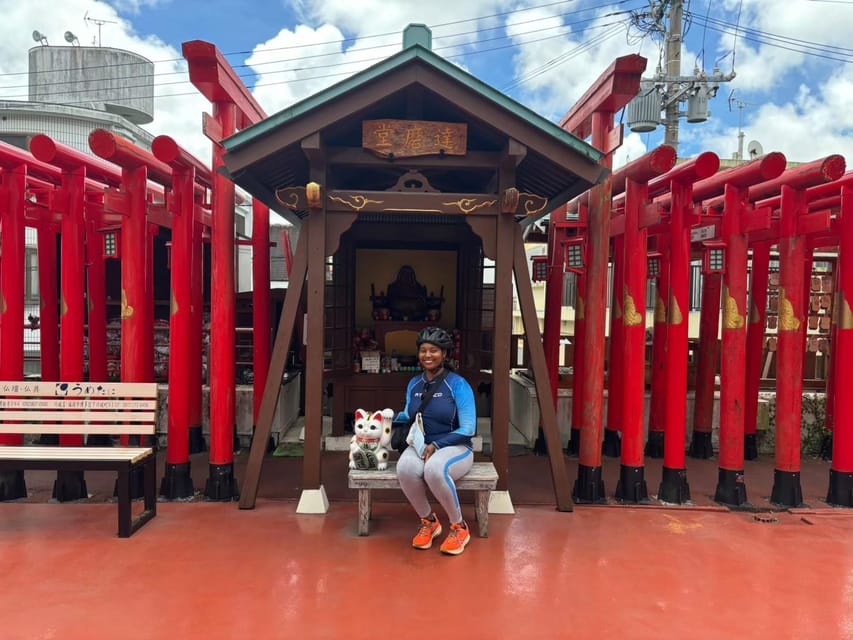
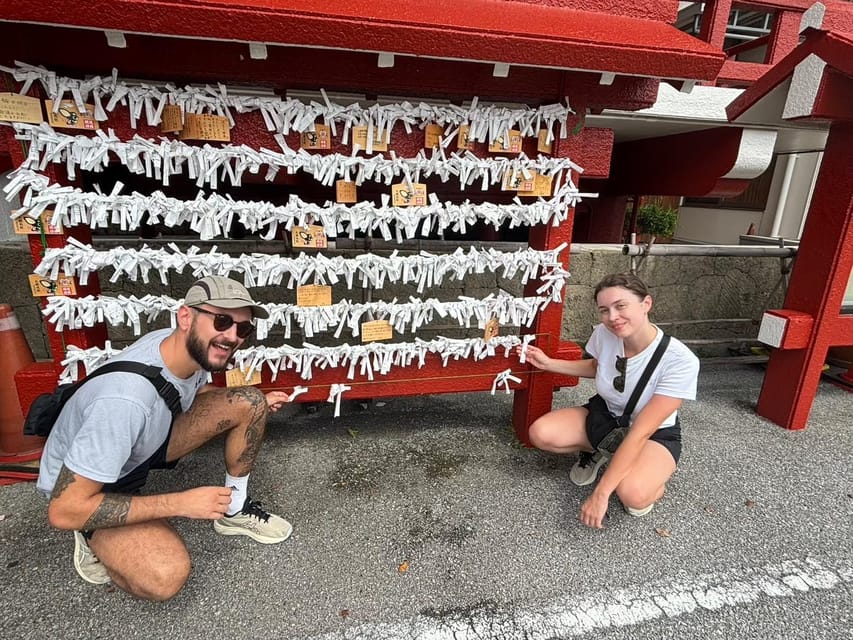
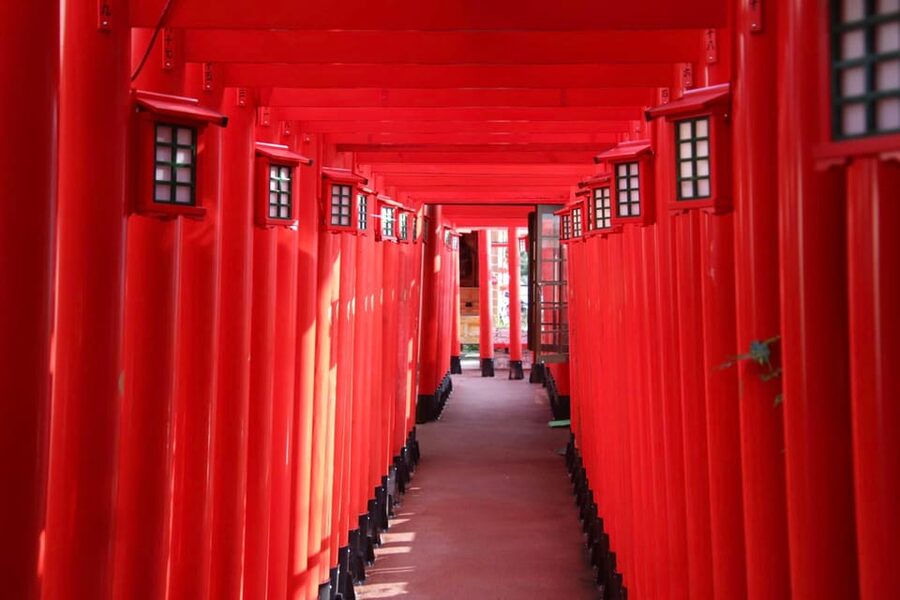
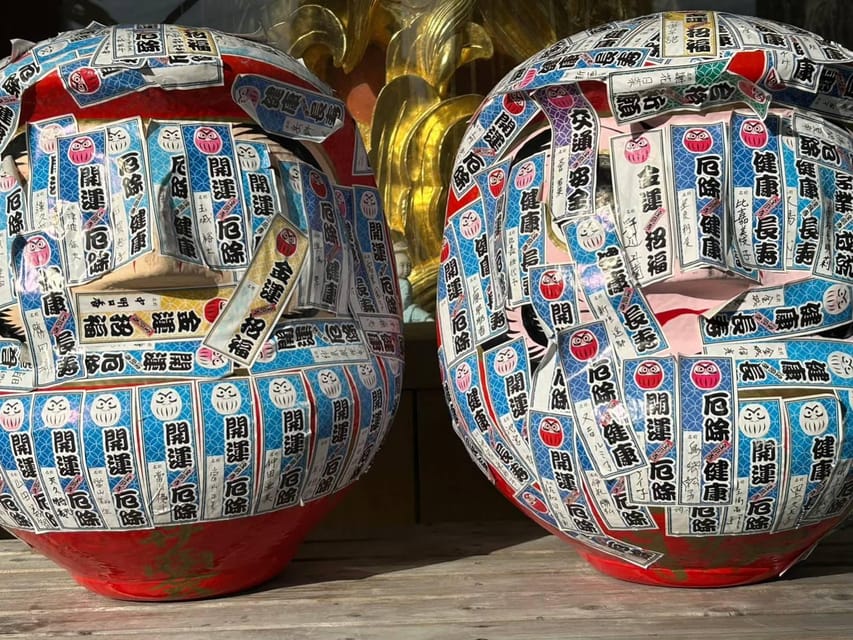
Daruma Temple is associated with prayers for health and pregnancy. Its red daruma dolls and torii gate give the stop a strong visual identity.
The visit lasts about 20 minutes, enough time to look at the dolls and hear about the customs connected with the temple. Your guide can explain the meaning behind the site, but remember that offerings, meals, and drinks are not included. If you wish to offer money at a temple or shrine, bring your own yen.
This stop is especially useful if you are interested in how religious practice remains part of ordinary life. You are not only seeing architecture. You are learning what people come here to ask for and why particular objects, colors, and gates matter.
Seikoji Temple, Jizo statues, and a quieter pause
Seikoji Temple offers a calmer break in the route. The site has a peaceful atmosphere, Jizo statues, and a modern building. That combination is interesting because it shows that religious places do not all preserve the same architectural style.
The visit is listed at about ten minutes. It is long enough to take in the statues and listen to the guide, but not so long that the tour loses its rhythm. After several red gates and bright decorations, Seikoji gives you a quieter visual pause.
The Jizo figures are worth looking at closely. Your guide can provide the cultural context that a quick photograph would miss. I find stops like this one valuable because they slow the ride down and give the day some balance.
Saki Kasahigawa, the spring from the forest
Saki Kasahigawa is described as a miracle spring flowing from the deep forest. The sound and movement of water offer a clear change from the temples and streets.
This stop brings the area’s older sense of place into focus. Water sources often carry practical and spiritual meaning, and the flowing spring gives you a tangible link to the past. You do not need a major monument to feel that a location matters.
The tour information does not promise swimming, drinking, or a long nature walk, so treat this as a brief cultural and scenic stop. You are there to see the spring and hear its story, not to turn the outing into a separate hiking trip.
Sogenji Temple and the former royal mausoleum
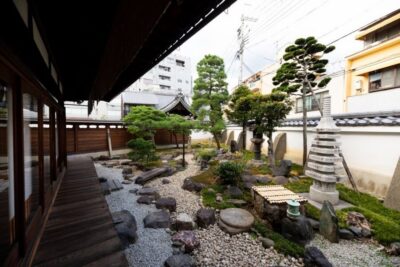
Sogenji Temple was once a royal mausoleum. The site’s park, gate, and gajumaru tree provide a quiet final chapter before you return to the shop.
The phrase pure air in the park fits the mood described for this stop. After riding through streets and visiting several religious sites, the open setting gives you a chance to pause. The large tree and gate are simple details, but they help you understand the scale and age of the place.
Sogenji also rounds out the history of the route. Shuri was not only a royal center with grand buildings. It included temples, burial places, springs, homes, and neighborhood paths. The ride lets you see those pieces together.
What the three-hour schedule feels like
The activity lasts three hours, including riding and visits. Several cycling sections take around 15 to 20 minutes, while stops range from a quick look at Ankokuji to longer visits at Daruma Temple and the other major sites.
You should expect an active sightseeing experience, not a long temple lecture at every stop. The bike keeps the route moving. The guide supplies the context, points out details, and manages the road sections.
The intercom is a real benefit. It lets your guide offer directions and comments while you ride, and it makes it easier for the group to stay connected. Past participants have singled out the system as a fun and useful feature.
The tour is available in English, Chinese, and Japanese. Guide quality can vary by individual, but names such as Maki, Maria, Hiro, and Reiji are associated with clear explanations, warmth, and careful support. Maria has also been praised for suggesting extra sights when time allowed, while Hiro was noted for checking hydration and bike comfort.
Price, group size, and overall value
At $95 per person, the tour is not the cheapest way to see Shuri. You are paying for three hours of bike rental, a helmet with communication equipment, a guide, and a route that links several stops. The value improves if you want cultural explanation and do not want to plan the temples yourself.
The group limit of five is important here. A larger bus or walking group might cost less per person, but it would not offer the same easy communication or individual attention. If you are visiting Naha for a short stay, the tour also saves research time. You get a ready-made route through places that can be difficult to find on your own.
The price does not cover food, drinks, or temple offerings. There is no meal break built into the stated route, so eat beforehand and carry water. One past guide added a bakery stop when time allowed, but you should not count on that as a fixed part of the tour.
Free cancellation is available up to 24 hours before the start, and you can reserve without paying immediately. If the chance of rain is over 70 percent or severe weather is expected, plans may change and the operator will contact you the day before.
Who should book this ride
I would choose this tour if you want to combine light exercise with culture and prefer small local sites to a long list of major attractions. It is a good fit for couples, friends, and families with older children who can ride confidently.
It also works well for first-time visitors who want a guide to explain Okinawan customs. The route includes Buddhist and Shinto-related sites, religious statues, royal connections, local architecture, and natural features. You get more out of the day if you enjoy asking questions.
I would hesitate if you dislike cycling, struggle with hills, or want a completely relaxed transport-free sightseeing trip. The e-bike reduces effort, but it does not turn the experience into a vehicle tour. You still need to ride, follow directions, and pay attention around traffic.
Hot weather is another consideration. Comfortable shoes, water, sunscreen, and a hat are not optional extras in practice. Smoking is not allowed during the tour.
Final call: a strong choice for active culture seekers
Book this Naha e-bike tour if you want to see Shuri’s smaller religious sites, not only its famous gate. The route is well balanced, the electric bikes make the hills realistic, and the small group gives the guide room to look after you.
Skip it if you cannot ride a bike or would rather spend three hours inside major museums and formal attractions. For everyone else, $95 buys more than transportation. It buys a well-planned route, local context, and access to the quieter side of Shuri that is easy to miss on your own.
FAQ
Where does the Naha e-bike tour meet?
It meets at the bike shop in Daisho Building, about a five-minute walk from Monorail Makishi Station and next to the post office.
Where does the tour finish?
The tour returns to the same shop where it begins.
How long does the experience last?
The guided ride lasts three hours, including cycling and visits to the temples and other stops.
How many people can join?
The tour is limited to five participants.
Which languages are available?
Guiding is available in English, Chinese, and Japanese.
Do I need to know how to ride a bicycle?
Yes. People who cannot ride a bike are not suitable for this experience.
What should I wear and bring?
Wear comfortable cycling clothing and shoes. Bring water, sunscreen, and a hat. Sandals and flip-flops are not allowed.
Is food or drink included?
No. Meals, drinks, and money for temple or shrine offerings are not included.
What happens in bad weather?
If the chance of rain is above 70 percent or severe weather is expected, the plans may change. The operator will contact you the day before.
Temple visits we reviewed lately in Japan
- From Asakusa: Old Tokyo, Temples, Gardens and Pop Culture★ 4.6 · 15 reviews
- Tokyo: Nagano Snow Monkeys and Zenkoji Tour with Temples★ 4.9 · 19 reviews
- Kamakura: Great Buddha, Hase Temple, & Komachi Street Tour★ 5.0 · 11 reviews
- Osaka Temple :Warm Bamboo Oil Massage – Deep Restore〈60min〉★ 4.9 · 19 reviews
- Osaka: Temple Tour and Traditional Calligraphy Lesson★ 4.9 · 24 reviews
- Osaka Temple Head Spa &Matcha Facial – Refresh & Glow〈90min〉★ 5.0 · 24 reviews
- Osaka: Sumiyoshi, Osaka’s Most Iconic Shrine – Private Tour★ 4.7 · 4 reviews
- Osaka Temple :Warm Bamboo Oil Massage – Deep Restore〈90min〉★ 5.0 · 14 reviews
Japan Temple Tours, compared.
Osaka/Kyoto:Kinkakuji,Arashiyama,FushimiInariShrine,NaraPark
Read our review →
Nikko: Kegon Falls, Lake Chuzenji & Toshogu Temple
Read our review →
Tokyo: Nikko Toshogu Shrine and Kegon Waterfall Tour
Read our review →
Tokyo Panoramic 1 Day: Meiji Shrine, Asakusa, Odaiba and SKYTREE®
Read our review →
Kyoto Arashiyama Walking Tour: Bamboo, Monkeys, Gardens & Secrets
Read our review →
1-Day Snow Monkeys, Zenko-ji Temple & Sake in Nagano
Read our review →
Arashiyama Bamboo, Temple, Monkeys, or Secret Sake Brewery
Read our review →This tour also ranks in