
Review · JAPAN
E-Bike Nara Highlights – Todaiji, Knives, Deer, Shrine
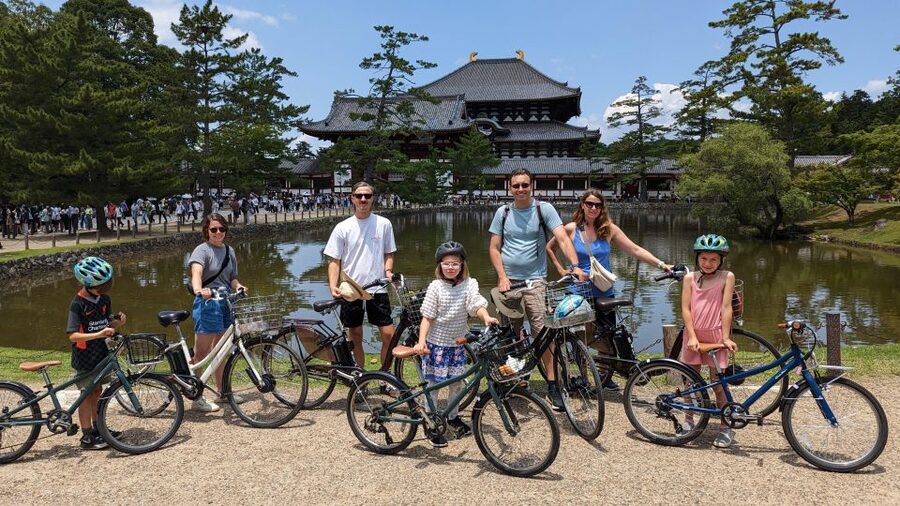
Nara Park is much larger than it first appears, and this e-bike tour lets you connect its deer, temples, shrine paths, ponds, and mountain views without spending the whole day on foot. You ride from Kintetsu Nara Station to Nandaimon Gate, Todaiji, Mt. Wakakusa, Kasuga Taisha, and Ukimido, with a guide handling the route and the historical context.
I especially like two things here: the efficient route, which packs a lot into 3.5 hours, and the stop at a traditional knife shop linked to generations of sword makers. Guides such as Chris, Remi, Robert, Melody, and Elodie have earned praise for being friendly, patient, and good at answering questions. The main drawback is pace. This is active riding, not a slow bicycle stroll, and one rider noted that the bike was not ideal for a taller person.
Key points to know before booking
- Ride across Nara Park instead of walking the full circuit, saving time and energy in hot or crowded weather.
- See Todaiji, Nandaimon Gate, Kasuga Taisha, Mt. Wakakusa, and Ukimido in one carefully linked outing.
- Learn the proper way to feed Nara’s deer, with deer crackers included.
- Visit Kikuichimonjushirokanenaga, a respected cutlery shop with a connection to traditional sword making.
- Expect a forward-moving ride, so basic cycling confidence matters.
- Meet near Kintetsu Nara Station, less than a five-minute walk from the station and not at JR Nara Station.
Why an e-bike makes sense in Nara Park
Nara’s famous sights are close on a map, but the park spreads across a broad area. Todaiji sits beyond the main shopping streets, Kasuga Taisha lies farther into the wooded eastern side, and Ukimido adds another pleasant stop near the pond. Walking between all of them can take much of a day.
The electric assistance changes the calculation. You still pedal and get the pleasure of being outdoors, but hills and longer stretches are less tiring. One 60-year-old rider who described being out of shape still managed the tour comfortably, while another family used the bikes to keep younger children interested in sightseeing.
I would not call the riding leisurely from start to finish. One detailed account described the biking portions as generally moving at a forward pace. You need to control a bicycle properly, pay attention to the guide, and stay comfortable riding around other people. Bicycle insurance is not included, so take the operator’s warning seriously if you are an uncertain cyclist.
The bikes have generally been praised for their condition, but there is one useful caution: fit and maintenance may vary. A rider found the bike less suitable for a taller frame. Ask about sizing when you arrive, especially if you are tall or have particular seating needs.
More Cycling Tours in Japan:
- Kyoto: Fushimi Inari Shrine and Tofukuji Temple E-Bike Tour
★ 5.0 · 75 reviews - Kyoto: Hidden Gems E-Bike Tour Through Backstreets & Temples
★ 4.9 · 54 reviews - Naha: Guided E-Bike Tour of the 12 Zodiac Temples
★ 4.9 · 50 reviews
Starting near Kintetsu Nara Station
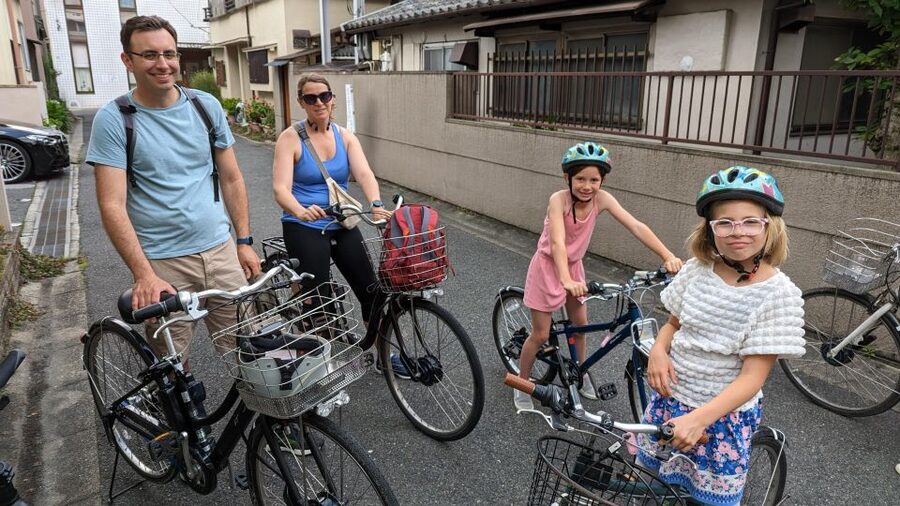
The meeting point is at 16-1 Takamaichicho, in front of the LIFE 21 Building, at the operator’s bicycle base. It is less than a five-minute walk from Kintetsu Nara Station, which makes this a smart choice if you are arriving from Kyoto or Osaka on the Kintetsu line.
Do not confuse Kintetsu Nara Station with JR Nara Station. They are separate stations, and the meeting point is by Kintetsu. Arrive 15 minutes early so the guide can get you fitted to the bike and avoid delaying the group.
Look for the guide in a navy cap and red polo shirt marked JTA. English and French are offered, although French cannot be guaranteed on a shared tour. If French matters to you, contact the operator before booking.
Deer etiquette before the crackers disappear
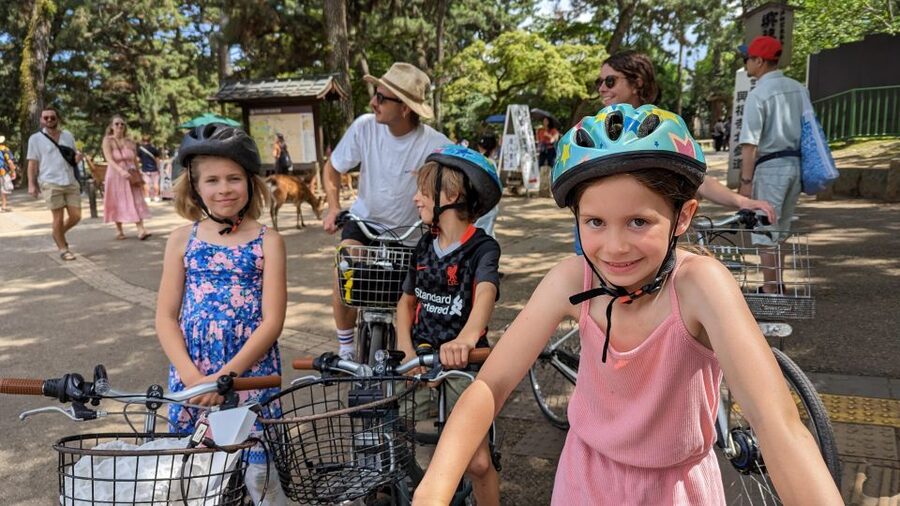
The first park section gives you a chance to see Nara’s famous deer in their familiar setting. Deer crackers are included, and your guide explains how to feed them in the local way.
The basic lesson is simple but useful. Offer the crackers in small pieces, keep your hands clear once the food is gone, and make the empty-handed gesture so the deer understand there is nothing left. A guide can also help you avoid the common mistake of waving food around while several deer gather close.
This is one of the most enjoyable parts for families, but it is still a wildlife encounter, not a petting zoo. The deer are accustomed to people, yet you should follow the guide’s instructions and keep your movements calm. Extra crackers cost more, so the included portion is best treated as a short activity rather than an all-day supply.
The bikes also help you see the deer in different parts of the park instead of staying around the busiest approach to Todaiji. You pass through open areas and scenic routes, with time to stop for pictures.
Nandaimon Gate and the scale of Todaiji
Nandaimon Gate is an impressive first major stop. Its massive wooden structure and guardian statues give you a sense of Todaiji’s scale before you even enter the temple grounds. The guide leads a visit and allows time for photographs and sightseeing.
From there, you continue to Todaiji Temple, where about 45 minutes is set aside. Admission is included, which keeps the visit simple and makes the $90 price easier to assess. You have time to enter, see the temple’s great interior, and explore at your own pace rather than being hurried through every room.
Todaiji is the centerpiece of the route, and the timing here is sensible. Forty-five minutes is enough for a proper first visit, though not enough for an exhaustive study of every detail. The stop is partly guided and partly self-directed, so ask questions before the guide releases you to look around.
The temple can be crowded, especially during the middle of the day and in high season. A morning departure may help you avoid some of the pressure. One couple specifically chose the morning outing for that reason. Still, the tour’s value is not only about crowd levels. The bike lets you reach other important sites in the same half-day, something that is harder to do on foot.
More temple runs by e-bike in Japan:
- Hiroshima: Peace Park, Castle, and Mitaki Temple E-Bike Tour
★ 4.8 · 11 reviews - Kanazawa Ninja Temple Half Day E-bike tour
★ 5.0 · 4 reviews - From Siem Reap: Angkor Wat Sunrise and Temples E-Bike Tour
★ 5.0 · 52 reviews - e-Bike Cycling Tour to Arkadi Monastery Full Lunch included
★ 5.0 · 26 reviews
Mt. Wakakusa and the ride between major sights
The route passes Mt. Wakakusa for about 15 minutes. This is mainly a scenic cycling section and photo stop rather than a climb. The hill gives the park a wider sense of place, and the electric bikes are helpful on the route’s undulations.
One parent traveling with a 14-year-old specifically appreciated that the e-bikes made the hills manageable. That is a good indication of who benefits most: people who want to see more than a walking tour allows, but who do not want a strenuous cycling day.
You will spend much of the tour moving between stops, so wear comfortable clothes and shoes. In summer, heat can make any outdoor activity tiring, even with electric assistance. In winter, bring enough layers for the exposed stretches. The tour has operated in rain and cold, but good weather will make the cycling more pleasant.
Japanese knives at Kikuichimonjushirokanenaga
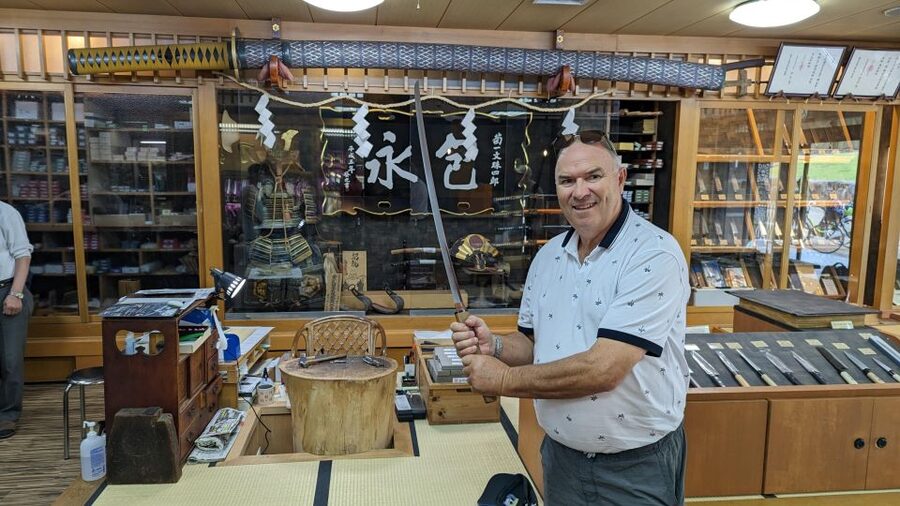
The knife stop is what gives this tour more character than a standard Nara highlights circuit. At Kikuichimonjushirokanenaga, you receive an introduction to Japanese cutlery and its connection to traditional blade-making. The visit lasts about 30 minutes and includes time for shopping and local snacks.
This is not simply a retail stop. The historical link to sword makers gives you a window into a Japanese craft tradition that many visitors would miss while moving between temples. The guide can help explain the products and assist with purchases, which is useful if you are unsure about styles, uses, or what can be taken home.
The shopping part is optional, but you may want to set aside some cash. One rider began with no intention of buying a knife and ended up wishing they had bought a set or several gifts. That is a fair warning: the stop can test your souvenir budget.
A Japanese snack called Kanoko is included for each person. Extra food and drinks are not included, so bring cash if you want more during the outing. Your passport is also listed among the items to bring, which may be useful for shopping or identification.
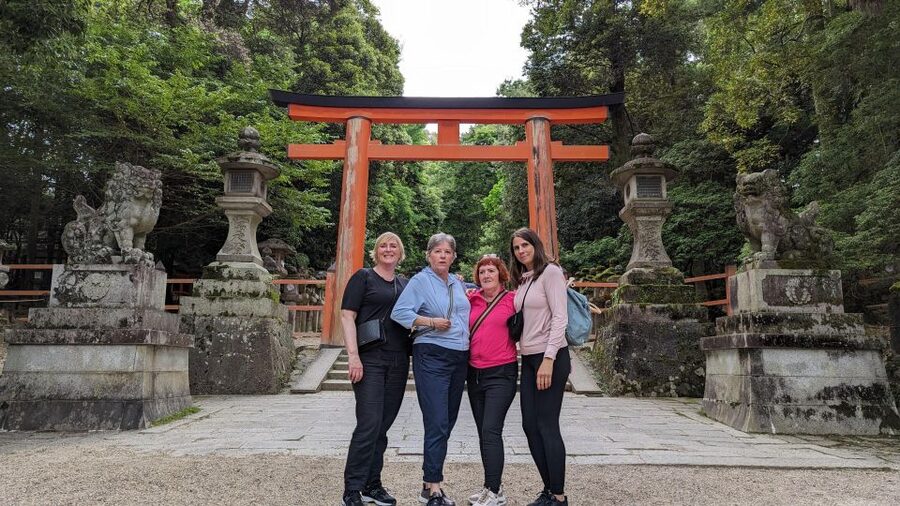
Kasuga Taisha and the lantern-lined paths
Kasuga Taisha receives about 30 minutes. The shrine is known for its rows of stone and bronze lanterns, and the approach feels different from the grand temple setting at Todaiji. Here, the emphasis shifts toward Shinto worship, forest paths, and carefully placed shrine buildings.
Your guide can help explain the difference between the Buddhist temple and Shinto shrine you are seeing in the same afternoon. That context adds real value, because Nara’s religious sites are not just a set of beautiful structures. Their customs, symbols, and roles differ, and a good guide helps you notice those distinctions.
You have time for photographs and a walk, with deer still appearing around the grounds. The stop is not long enough for an extended visit to every corner, but it gives you the main atmosphere and the most important features without making the day drag.
Ukimido and the final park loop

The route then returns through Nara Park and stops at Ukimido for about 15 minutes. This is a scenic pause by the water, a welcome change after the temple and shrine visits. It also gives you a quieter photo setting before the final cycling section.
The last 10 minutes through the park bring you back toward the bicycle base. In total, the schedule includes riding, walking, free time, shopping, wildlife viewing, and temple visits. That mix is why the tour can feel like a full day of Nara sightseeing compressed into 210 minutes.
The schedule is a guide rather than a stopwatch. One rainy-day group ran longer, and everyone accepted the extra time. I would avoid booking a tight train connection immediately after the scheduled finish. Give yourself a buffer, especially if you want to browse at the knife shop or if weather slows the ride.
Guide quality and the value of local help
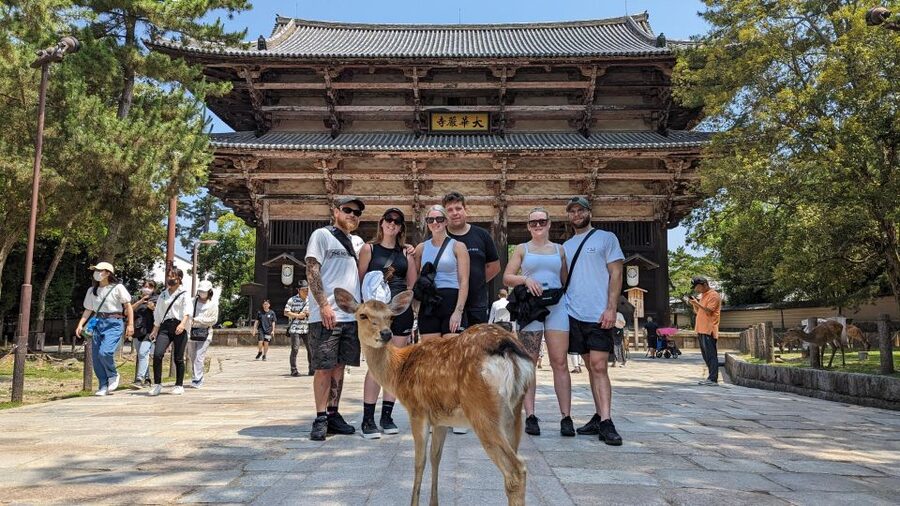
The guide can make or break a short tour, and this experience has a strong record in that area. Chris has been praised for being flexible and good-humored, Remi for his broad understanding of Japanese culture, and Robert for detailed explanations of temples, Shinto, Buddhism, Zen, and gardens. Melody, Elodie, Jean-Yves, and other guides have also been described as patient, helpful, and attentive to safety.
That variety matters because the experience is not built around a single script. You can ask questions about Japan, the sites, the knife shop, or the practical details of getting around Nara. Some guides also take photographs during the ride and share them afterward, though this should not be treated as a guaranteed inclusion.
Shared tours may include several nationalities, and English becomes the main language if a group is mixed. Private or small-group arrangements are available, which may be worth considering for families or anyone wanting more time at specific stops.
Is $90 a fair price?
At $90 per person, this is not the cheapest way to see Nara. You are paying more than you would for a self-guided walk through the park, and the tour does not include all food or drinks. One person also felt that comparable options could cost less.
The value comes from what the fee bundles together: the e-bike, guide, deer crackers, Todaiji admission, the knife introduction, and the Kanoko snack. It also saves you the time and effort of planning a route across a large park. If you have only one day in Nara, that efficiency can matter more than the lowest possible price.
I see the strongest value for first-time visitors, families, older riders, and anyone arriving in Nara for a short stay. If you enjoy wandering slowly, spending hours inside temples, or stopping whenever you like, a self-guided day may suit you better. If you want the major sights, local explanation, and a little shopping without constant map checking, the price is easier to justify.
Cancellation is free up to 24 hours before the activity, and you can reserve now and pay later. A single person can book, but the tour requires at least two participants to operate. If no second participant joins, the operator may cancel and offer a new date or a full refund.
Who should book this Nara e-bike tour?
Book it if you can ride a bicycle confidently and want to cover Nara Park efficiently. It is especially useful in hot weather, when walking from Todaiji to Kasuga Taisha can wear you down, and for families whose children need movement between cultural stops.
It is also a good fit if you want more than the standard deer photograph. The knife-making visit, the explanation of deer etiquette, the contrast between Todaiji and Kasuga Taisha, and the stop at Ukimido give the afternoon more variety.
Think twice if you dislike riding near other people, need a very slow pace, or are particularly tall and concerned about bike fit. Helmets are available if requested, subject to availability, but bicycle insurance is not included. Children under 10 can use a child seat, with up to one seat per e-bike.
Should you book it?
I would book this tour if your Nara schedule is short and you want to see the city’s main sights without walking every kilometer. The combination of electric cycling and a strong local guide gives you access to more of the park in less time, while the knife shop adds an authentic craft experience beyond the usual temple circuit.
Choose a morning start if crowds and heat worry you. Leave room after the 210-minute schedule, arrive early at the Kintetsu meeting point, and ask about bike fit before setting off. For confident riders, this is a lively and efficient introduction to Nara. For slow walkers or non-cyclists, the price and pace may not be the right match.
FAQ
Where does the Nara e-bike tour meet?
Meet at 16-1 Takamaichicho, in front of the LIFE 21 Building at the bicycle base. It is less than a five-minute walk from Kintetsu Nara Station. It is not at JR Nara Station.
How long does the activity last?
The scheduled duration is 210 minutes, or 3.5 hours. The route includes riding, temple and shrine visits, deer viewing, a knife shop, and scenic stops.
What languages are available?
The tour is offered in English and French. French is not guaranteed on a shared tour because groups may include people of different nationalities. Contact the operator ahead of time if you need a French-speaking guide.
Is Todaiji admission included?
Yes. The entrance fee for Todaiji Temple is included in the tour price.
Are deer crackers included?
Yes. Deer crackers are included for feeding the deer in Nara Park. Extra crackers, along with additional food and drinks, cost extra.
Can children under 10 join?
Yes. Child seats can be provided for young riders, with up to one child seat per e-bike.
Do I need to bring a helmet?
A helmet can be requested, but availability is limited. Comfortable shoes and clothes, cash, and a passport are listed as recommended items to bring.
What happens if I book alone?
Single travelers can book, but at least two participants are required for the tour to operate. If a second participant does not join, the operator may cancel and offer rescheduling or a full refund.
Temple visits we reviewed lately in Japan
- From Asakusa: Old Tokyo, Temples, Gardens and Pop Culture★ 4.6 · 15 reviews
- Tokyo: Nagano Snow Monkeys and Zenkoji Tour with Temples★ 4.9 · 19 reviews
- Kamakura: Great Buddha, Hase Temple, & Komachi Street Tour★ 5.0 · 11 reviews
- Osaka Temple Head Spa &Matcha Facial – Refresh & Glow〈90min〉★ 5.0 · 24 reviews
- Osaka Temple :Warm Bamboo Oil Massage – Deep Restore〈60min〉★ 4.9 · 19 reviews
- Osaka: Temple Tour and Traditional Calligraphy Lesson★ 4.9 · 24 reviews
- Osaka: Sumiyoshi, Osaka’s Most Iconic Shrine – Private Tour★ 4.7 · 4 reviews
- Osaka Temple :Warm Bamboo Oil Massage – Deep Restore〈90min〉★ 5.0 · 14 reviews
Japan Temple Tours, compared.
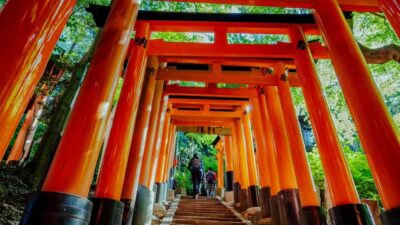
Osaka/Kyoto:Kinkakuji,Arashiyama,FushimiInariShrine,NaraPark
Read our review →
Nikko: Kegon Falls, Lake Chuzenji & Toshogu Temple
Read our review →
Tokyo: Nikko Toshogu Shrine and Kegon Waterfall Tour
Read our review →
Tokyo Panoramic 1 Day: Meiji Shrine, Asakusa, Odaiba and SKYTREE®
Read our review →
Kyoto Arashiyama Walking Tour: Bamboo, Monkeys, Gardens & Secrets
Read our review →
1-Day Snow Monkeys, Zenko-ji Temple & Sake in Nagano
Read our review →
Arashiyama Bamboo, Temple, Monkeys, or Secret Sake Brewery
Read our review →This tour also ranks in