
Review · JAPAN
Miyajima: Private Rickshaw Tour to Itsukushima Shrine
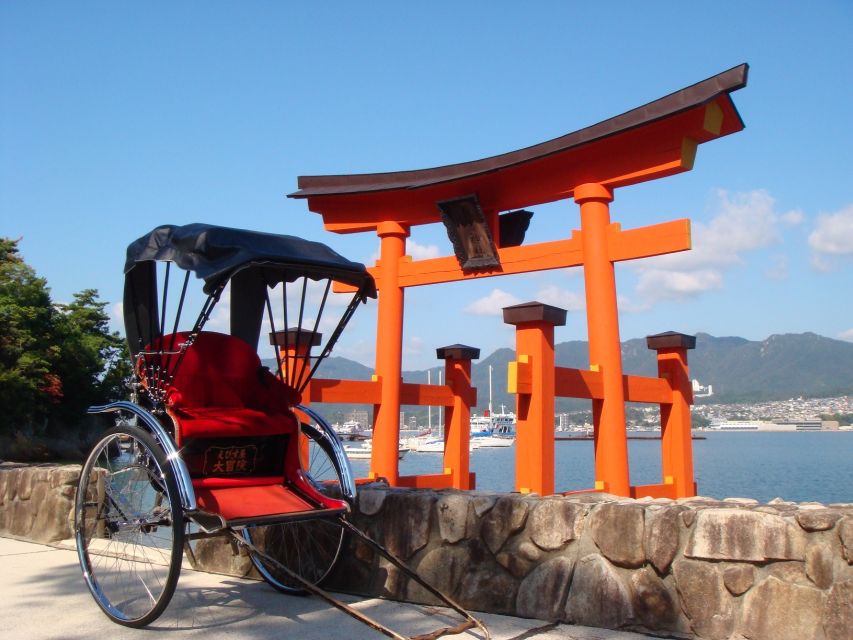
Miyajima’s famous floating torii gate is best appreciated from the water’s edge, and a private rickshaw gives you a quick, comfortable way to reach the view. Your guide pedals through the old shopping arcade, town streets, and waterfront, adding local stories while you watch the island roll past.
I like the personal format, with room for questions and a route shaped around your interests. I also like the longer choices: Daishoin Temple brings broad sea views, while the 190-minute ride adds quieter park and seaside roads. The main drawback is the language setup. The listed tour language is Japanese, though guides such as Kim, Jose, and Shinemasa have used English and Google Translate to help international visitors.
Key points to know before booking
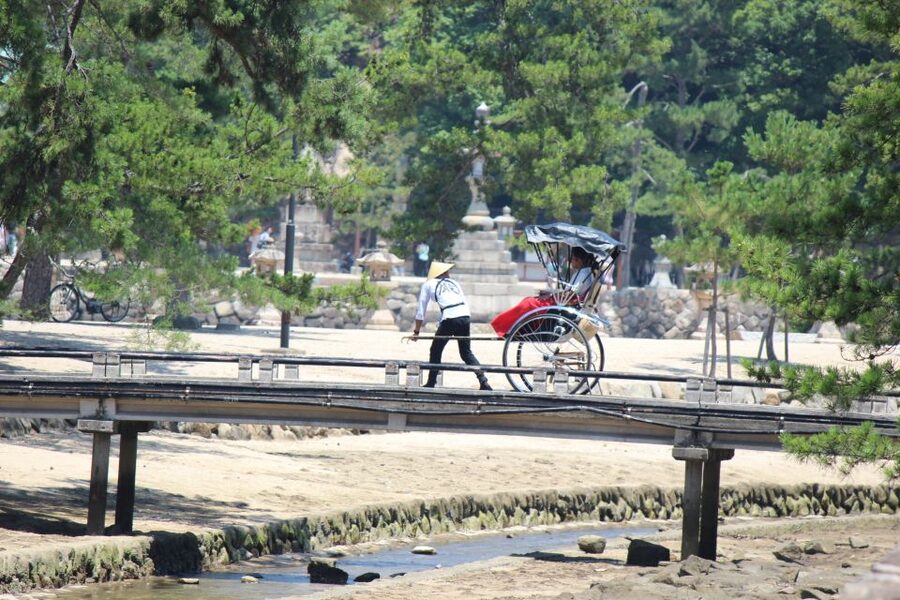
- Private ride for up to two adults: One rickshaw has two seats, each together measuring about 74 centimeters wide.
- The 70-minute option adds Daishoin Temple: You get a temple visit and a high view across Miyajima.
- The 130-minute option includes Senjokaku Shrine: Entry costs an extra 100 yen.
- High tide changes the torii view: The gate appears to float only when the water is high enough.
- Routes can be adjusted: The longest option can include parks, seaside roads, and a chosen endpoint.
- This is sightseeing, not just transport: Guides point out local customs, old buildings, photo spots, and deer along the way.
Why a rickshaw works well on Miyajima
Miyajima is easy to explore on foot, but its most famous sights are spread along streets, temple approaches, and the waterfront. A rickshaw lets you cover more ground without turning your visit into a march between stops.
The ride begins outside the Miyajima Ferry Terminal, which is practical after the short crossing from the mainland. Your guide should be waiting with a map and a photograph of the exact meeting point sent after booking. That detail matters because the area near the terminal can feel busy when ferries arrive.
From there, the route heads toward the center of town. You pass traditional townhouses and the old-fashioned shopping arcade, where food shops and souvenir stalls line the pedestrian streets. The rickshaw gives you a raised seat and a slow pace, so you can look above the passing crowd instead of seeing the island only at street level.
I like this opening because it gives you a sense of Miyajima as a lived-in place. The shrine and torii gate are the headline sights, but the wooden buildings, narrow lanes, and small local details make the island feel like more than a day-trip photo stop.
More Temple Tours around Japan:
- Kyoto: Tea Ceremony Ju-An at Jotokuji Temple
★ 4.9 · 3,207 reviews - Osaka/Kyoto:Kinkakuji,Arashiyama,FushimiInariShrine,NaraPark
★ 4.1 · 1,596 reviews - Tokyo: Asakusa Walking Tour with Sensoji Temple Visit
★ 4.8 · 1,583 reviews
The waterfront and Itsukushima Shrine
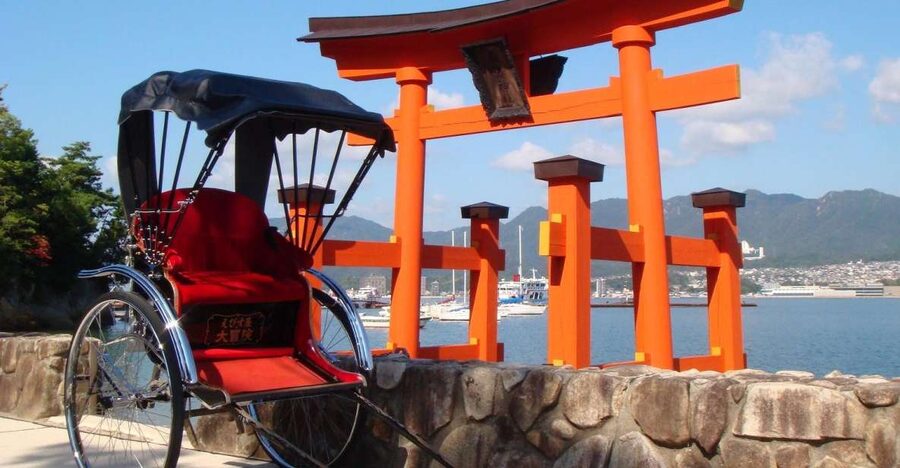
The rickshaw continues along the waterfront toward Itsukushima Shrine. The orange torii gate sits in the sea in front of the shrine, creating Miyajima’s signature view.
Timing matters here. At high tide, the gate appears to float, which is the classic image most people hope to see. At lower water, the shoreline changes and the gate may look less magical, so check the tide schedule if this view is your main reason for booking.
Your guide can stop so you can take photos and explain what you are seeing. The private format helps because you are not sharing the rickshaw with a large group or following a fixed bus schedule. You can ask for a little more time at a view, subject to the route and tour length.
Cute deer are another part of the ride. They wander around Miyajima and often appear near the town and shrine area. They are charming subjects for photos, but remember that they are wild animals. Keep food and paper items out of reach.
Choosing the 45-minute or 70-minute ride
The shortest available tours are useful if you want an introduction to Miyajima rather than a full sightseeing program. A short ride can help you get oriented after arriving by ferry, show you the main streets, and take you to the waterfront.
One Italian-language booking comment suggested that 30 minutes was enough. That is a useful warning for anyone with a packed schedule. If you already know the island and mainly want the rickshaw experience plus the torii view, a shorter option may do the job.
The 70-minute option is the first major step up because it includes Daishoin Temple. This 1,200-year-old temple is described as a power spot, meaning a place associated with renewing energy and good fortune. You do not need to share that belief to appreciate the setting and the view.
Daishoin is also valuable because it changes the mood of the outing. The waterfront gives you the iconic image of Miyajima, while the temple offers a quieter spiritual setting and a broad view back across the island and sea. If you have only a little time, this option gives you more than a simple drive through town.
Daishoin Temple and the high view
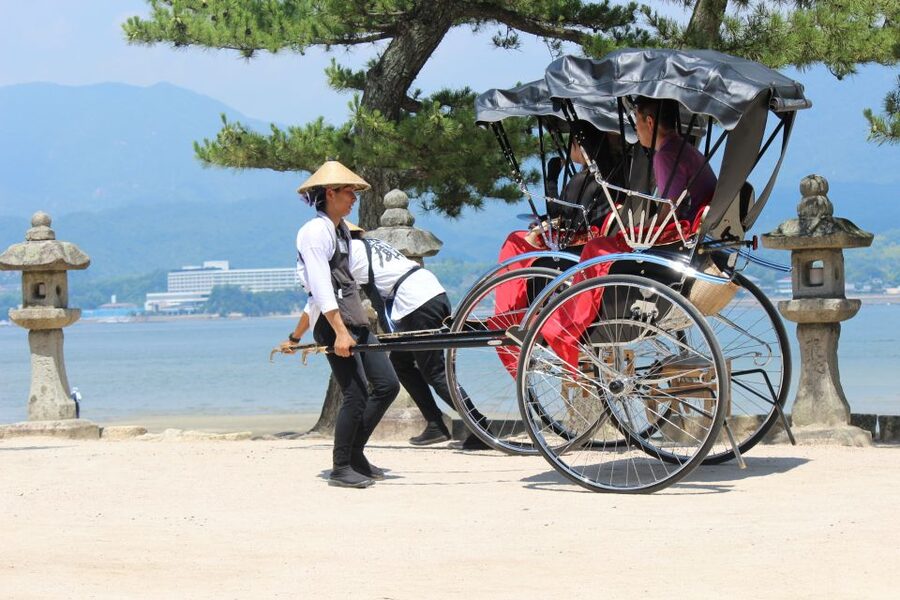
Daishoin Temple is one of the strongest reasons to choose the 70-minute ride instead of the shortest option. You get a visit to a major religious site without having to work out the approach on your own.
The temple is around 1,200 years old, and the tour presents it as a special place for positive energy. Your guide can add context about customs and the role of the temple, though the listed tour language is Japanese. English ability varies by guide, and some guides have used Google Translate when they need help explaining a point.
Expect some walking during the temple stop. A rickshaw can carry you along the road, but it does not replace every step at a shrine or temple. Admission fees are not included, so confirm the current cost at any site before entering.
For me, the view is the real payoff. From Daishoin, you can look back toward Miyajima and the water, giving you a wider sense of the island than the torii photo alone. Bring your camera, but do not let the photo stop turn the whole visit into a race.
Same sacred ground, another way to see it:
- Tokyo:Mt.Fuji,Kawaguchiko Oishi Park,Arakurayama Sengen Park
★ 4.4 · 2,682 reviews - Nikko: Kegon Falls, Lake Chuzenji & Toshogu Temple
★ 4.6 · 1,577 reviews - Tokyo: Nikko Toshogu Shrine and Kegon Waterfall Tour
★ 4.5 · 1,266 reviews - Tokyo Panoramic 1 Day: Meiji Shrine, Asakusa, Odaiba and SKYTREE®
★ 4.5 · 1,222 reviews
Senjokaku Shrine on the 130-minute route
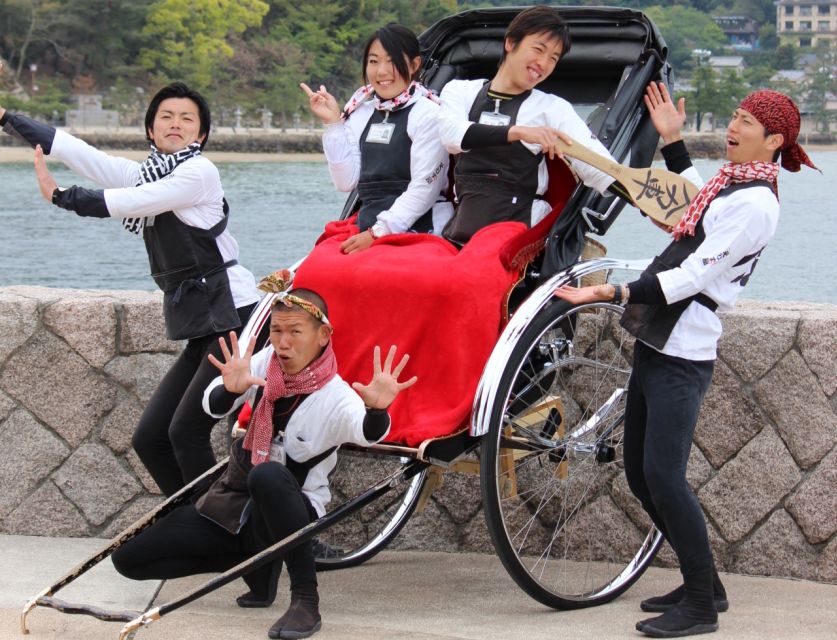
The 130-minute option adds Senjokaku Shrine, a large wooden hall built on the orders of Toyotomi Hideyoshi, the former shogun. It gives you another side of Miyajima’s religious architecture and a chance to hear more about the island’s past.
The hall is associated with Hideyoshi’s plans, and the guide explains its background during the stop. You can also take in sea views from the site. That combination makes the longer route a better choice if you want history and scenery rather than only a quick ride.
Entry to Senjokaku Shrine is not included and costs 100 yen. It is a small extra charge, but you should carry some Japanese cash so it does not slow down the visit.
The longer time also makes the pace less hurried. You have room for the waterfront, town, a shrine stop, and photos. If your Miyajima visit is limited to a few hours, this option may offer a useful framework for seeing the main sights without having to plan every turn yourself.
What the 190-minute tour adds
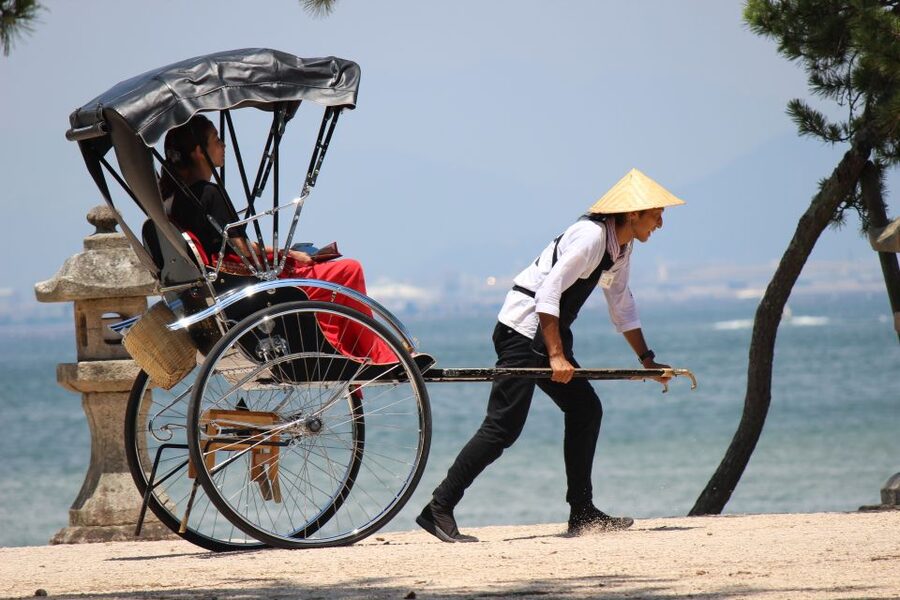
The 190-minute option is the fullest version. Along with the temples and shrines, you travel on scenic routes through parks and beside the sea. These roads give you a different view of Miyajima, away from the main shopping streets and the busiest shrine approaches.
This is the option I would consider for a slow island visit or for anyone who has already seen the standard sights. The route can be adjusted around your interests, and you can choose your endpoint. That could be useful if you want to finish near a particular area rather than return to the ferry terminal.
The flexibility is also helpful for photography. You can ask to spend more time on a scenic section or focus on temples, town streets, deer, or the waterfront. The exact route depends on your discussion with the guide, so treat the 190-minute tour as a flexible private outing rather than a fixed list of stops.
The tradeoff is time and cost. At $51 per person, the ride is not the cheapest way to see a small island, especially if you choose the shortest option. Its value improves when two adults share the rickshaw and use the longer time for several sights, local explanation, and a chosen route.
Guides, communication, and the private format
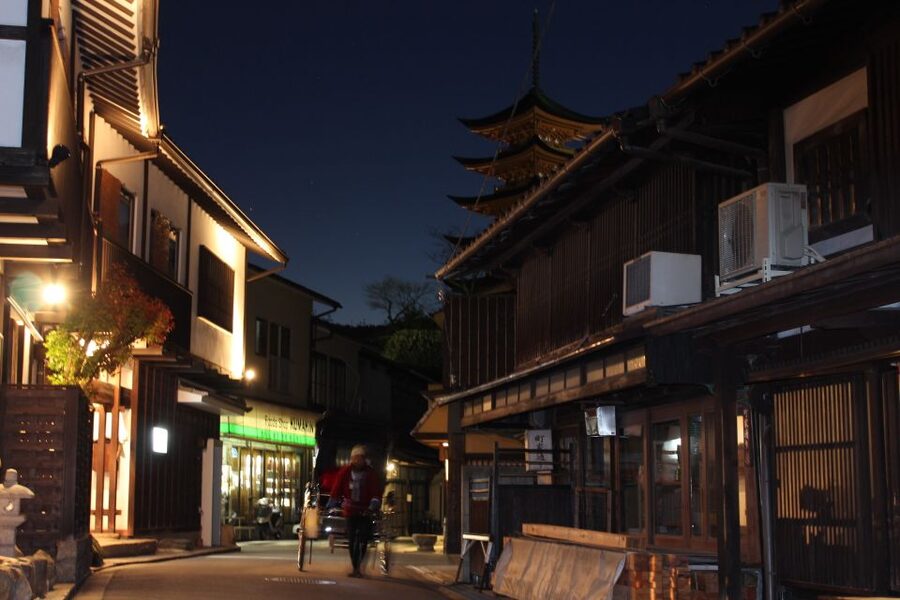
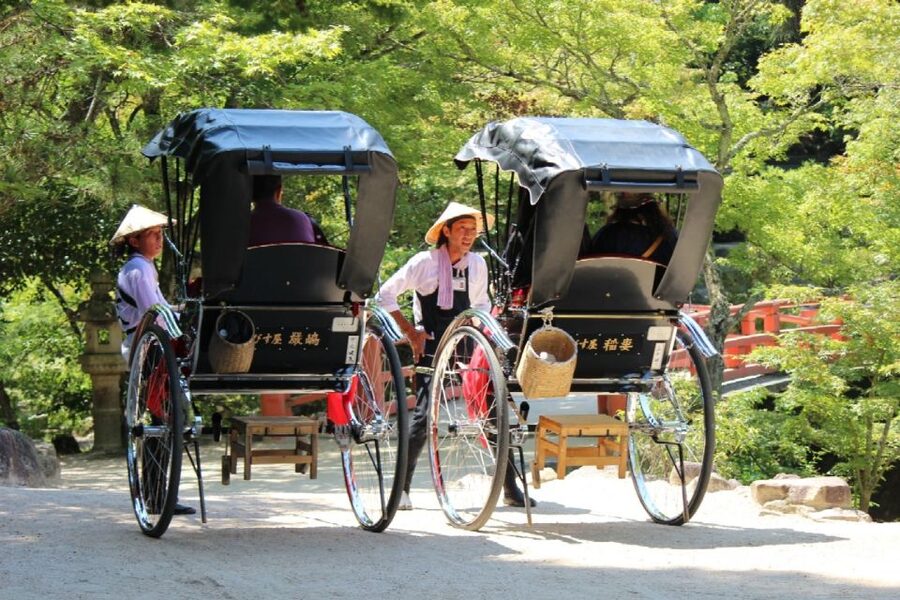
The experience is operated by Ebisuya Rickshaw, with a local Japanese-speaking guide. Several guide names appear in the booking feedback: Kim, Jose, and Shinemasa. Kim was praised for enthusiasm, humor, island stories, customs, and taking photos. Jose was described as friendly and good at bringing the island’s history to life. Shinemasa was noted for listening closely and sharing local secrets.
You should not assume fluent English for every guide. The official language is Japanese, but some guides speak useful English and can use Google Translate for harder explanations. If precise historical detail in English is essential to you, this is worth considering before booking.
The private setup is a real advantage. You can ask questions, request a photo stop, and discuss what interests you without holding up a large group. It also creates a more relaxed setting for families and couples.
There is one practical seating issue. Each rickshaw holds a maximum of two adults, with a seat width of about 74 centimeters. Two adults can sit side by side, but some people may find separate rickshaws more comfortable. Children aged six and under can ride free on an adult’s lap, with one child per adult and a maximum of two adults and two children per rickshaw. Children aged six or older using a seat must book as adults.
Is $51 per person good value?
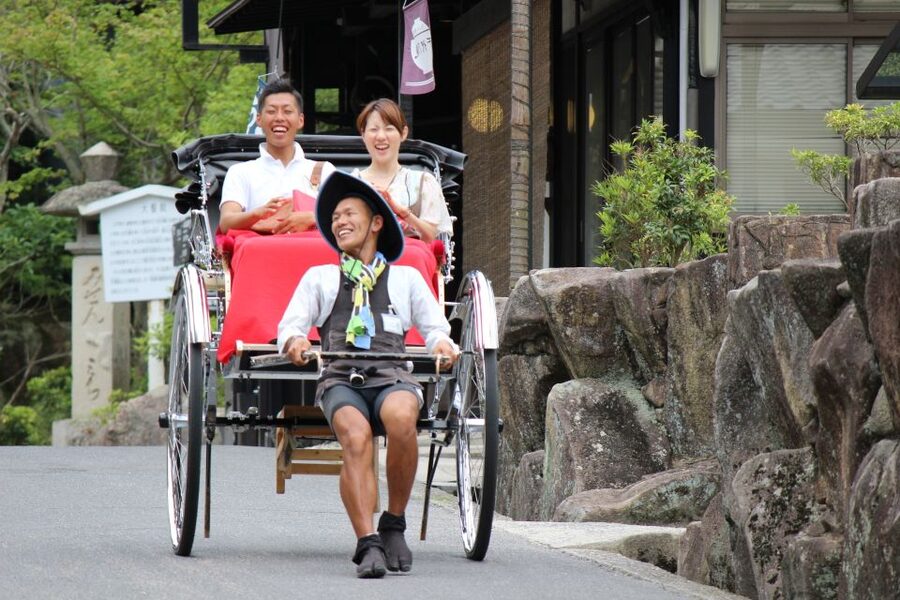
The price makes the most sense when you value a private guide, local interpretation, and a comfortable way to cover several parts of Miyajima. You are not simply paying for a ride. You are paying for the rickshaw, the guide’s time, route planning, photo help, and the ability to adjust the outing.
The value is strongest for two adults sharing one rickshaw on a longer tour. A 45-minute ride may feel expensive if you only want to move between the ferry and the shrine area. The 130-minute or 190-minute choices give the price more room to work because they include additional sites and scenic roads.
Temple and shrine admission fees are extra. Senjokaku costs 100 yen, and other entry charges are not included. Food and drinks are also your responsibility, which is easy to manage because the town has a shopping arcade and food stops.
A postcard and sticker are included as small souvenirs. They will not determine the booking decision, but they are a pleasant touch.
Who should book this Miyajima ride?
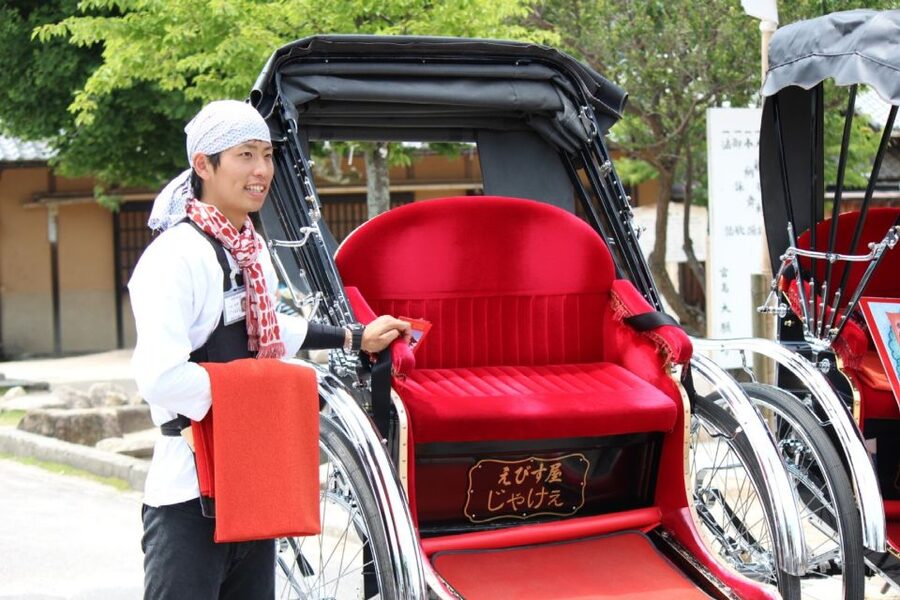
I would recommend it to first-time visitors who want a clear introduction to the island without planning every street and temple stop. It also suits couples, families, and anyone who wants a personal guide rather than a large group tour.
The 70-minute choice works well if Daishoin and its view appeal to you. Pick 130 minutes if you want Senjokaku as well. Go for 190 minutes if you want park and seaside roads, a flexible endpoint, and time to slow down.
I would be more cautious if you have back problems or are pregnant. The experience is specifically not recommended for people with back problems or for pregnant women, especially during the first 16 weeks. Selfie sticks are not allowed.
Book only if the seating sounds comfortable for you. Two adults share a narrow 74-centimeter seat, and separate rickshaws may be a better choice for extra room.
My verdict on the best option
The private rickshaw is a smart way to get more personality from a Miyajima visit. The ride through town and along the waterfront is pleasant on its own, but the guide is what gives it value. Good guides such as Kim, Jose, and Shinemasa add humor, local customs, photos, and stories that you might miss while walking alone.
If you have limited time, choose 70 minutes for Daishoin and the sea view. If Miyajima is a major part of your Japan trip, I would spend more time and choose 130 or 190 minutes. Skip it if you only need basic transport or prefer to explore every lane at your own pace.
Free cancellation is available up to 24 hours before the start, and you can reserve now and pay later. Those terms help if your ferry or wider Japan itinerary is still changing.
FAQ
Where does the rickshaw tour meet?
Your guide waits just outside the Miyajima Ferry Terminal at the scheduled time. After booking, the local partner sends a map and photograph showing the meeting place.
How long does the tour last?
Available options range from 45 to 190 minutes. The specific choices described include 70 minutes, 130 minutes, and 190 minutes.
How many people can ride in one rickshaw?
A maximum of two adults can ride in one rickshaw. The seat is about 74 centimeters wide.
Can children ride for free?
Children aged six and under can ride free when seated on an adult’s lap. One child can sit with each adult, with a maximum of two adults and two children per rickshaw.
Does a child aged six or older need a ticket?
Yes. If a child aged six or older uses one of the two rickshaw seats, that child must book a seat as an adult.
Is the torii gate always floating in the water?
No. The floating effect depends on the tide. It is best seen during high tide.
Is Daishoin Temple included?
Daishoin Temple is included in the 70-minute tour option and longer choices described in the itinerary. Admission fees to temples and shrines are not included.
Is Senjokaku Shrine included?
The 130-minute option includes a stop at Senjokaku Shrine, and the 190-minute option includes it as part of the longer route. Entry costs 100 yen and is not included.
What language is the tour in?
The listed live tour language is Japanese. Some guides speak English, and Google Translate may be used when needed.
Can I cancel the booking?
You can cancel up to 24 hours in advance for a full refund. A reserve-now, pay-later option is also available.
Temple visits we reviewed lately in Japan
- From Asakusa: Old Tokyo, Temples, Gardens and Pop Culture★ 4.6 · 15 reviews
- Tokyo: Nagano Snow Monkeys and Zenkoji Tour with Temples★ 4.9 · 19 reviews
- Kamakura: Great Buddha, Hase Temple, & Komachi Street Tour★ 5.0 · 11 reviews
- Osaka Temple Head Spa &Matcha Facial – Refresh & Glow〈90min〉★ 5.0 · 24 reviews
- Osaka Temple :Warm Bamboo Oil Massage – Deep Restore〈60min〉★ 4.9 · 19 reviews
- Osaka: Temple Tour and Traditional Calligraphy Lesson★ 4.9 · 24 reviews
- Osaka: Sumiyoshi, Osaka’s Most Iconic Shrine – Private Tour★ 4.7 · 4 reviews
- Osaka Temple :Warm Bamboo Oil Massage – Deep Restore〈90min〉★ 5.0 · 14 reviews
Japan Temple Tours, compared.
Osaka/Kyoto:Kinkakuji,Arashiyama,FushimiInariShrine,NaraPark
Read our review →
Nikko: Kegon Falls, Lake Chuzenji & Toshogu Temple
Read our review →
Tokyo: Nikko Toshogu Shrine and Kegon Waterfall Tour
Read our review →
Tokyo Panoramic 1 Day: Meiji Shrine, Asakusa, Odaiba and SKYTREE®
Read our review →
Kyoto Arashiyama Walking Tour: Bamboo, Monkeys, Gardens & Secrets
Read our review →
1-Day Snow Monkeys, Zenko-ji Temple & Sake in Nagano
Read our review →
Arashiyama Bamboo, Temple, Monkeys, or Secret Sake Brewery
Read our review →This tour also ranks in