
Review · KYOTO
Kyoto: Fushimi Inari Shrine and Tofukuji Temple E-Bike Tour
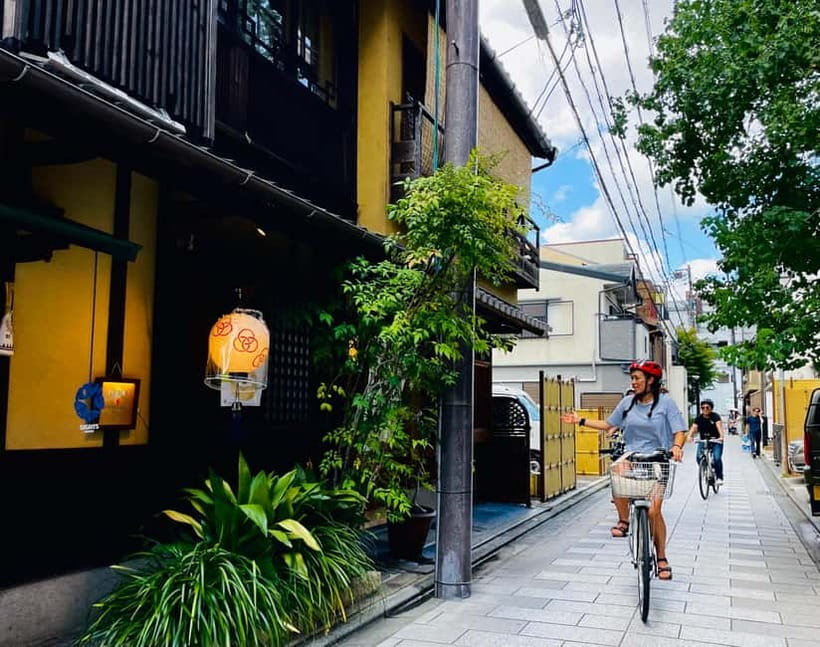
Kyoto is easier to understand from a bicycle seat than from a crowded bus. This four-hour ride links Gion, Fushimi Inari Shrine, and Tofukuji Temple while slipping through quieter streets and riverside routes between them. Guide Maki gives the day its character, mixing clear explanations of religion and customs with personal stories, jokes, and practical help on the road.
I like the small group of no more than eight and the simple e-bikes, which make the route manageable for ordinary riders. I also like the balance between famous sights and everyday Kyoto, including residential lanes and less visited shrines. The main caution is time: Fushimi Inari is a major stop, but a four-hour route with different cycling speeds may leave you wanting longer there.
Key points at a glance
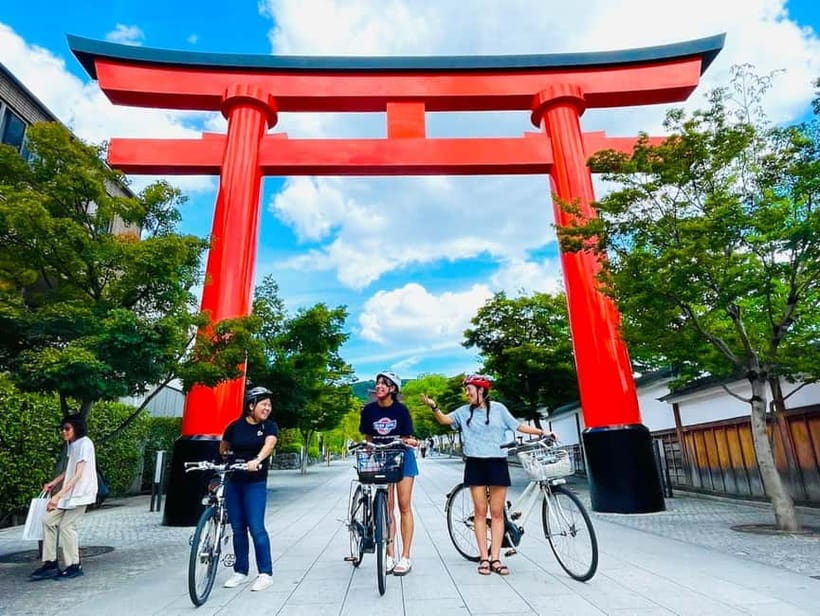
- A three-part Kyoto route: Ride through Gion, visit Fushimi Inari Shrine, and pause at Tofukuji Temple.
- Maki’s personal guiding style: Expect history, religion, geisha customs, local stories, humor, and help with photos.
- Easy electric bicycles: The motor assists on steeper sections and helps you keep going late in the tour.
- Quiet Kyoto between major sights: The route includes residential streets, riverside paths, and less visited religious sites.
- Useful first-day orientation: You learn how to ride in Japan and how to look at shrines, temples, and customs during the rest of your stay.
- Good half-day value: At $83, the price covers the bike, helmet, insurance, water, snack, and entrance fees for two places.
Why an e-bike is a smart way to see Kyoto
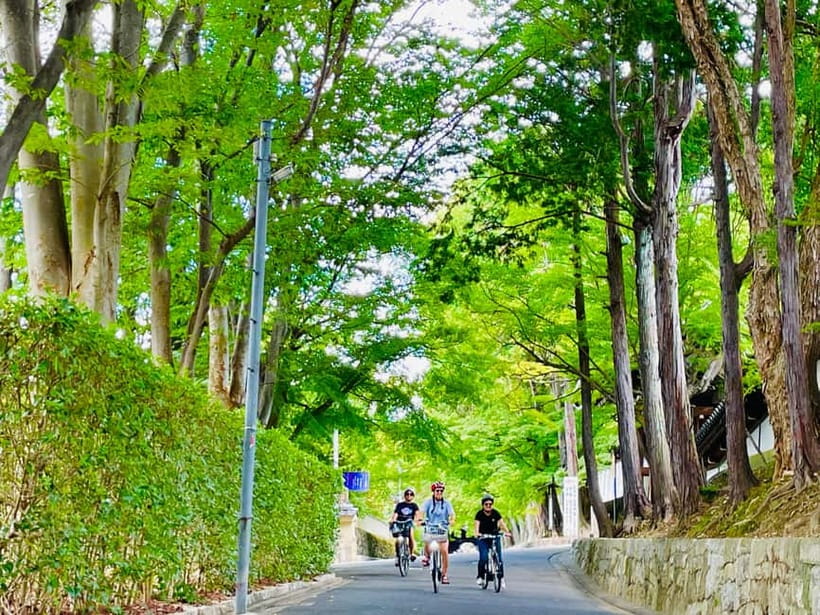
Kyoto’s main sights are spread across a wide area, and walking between them can eat up much of a day. Public transport gets you close, but it does not show you the quieter streets between districts. This tour uses the bicycle as both transport and sightseeing platform.
You begin near Higashiyama-Sanjyo at Pedal Adventure Kyoto. Before setting off, Maki gives you an orientation to riding in Japan and explains how the e-bike works. That matters if you are nervous about roads or have not used an electric bicycle before.
The motor is especially useful on uphill sections and when your legs begin to tire. You still pedal, but you do not need to treat the outing like a serious athletic event. Several families, older adults, and teenagers found the pace manageable, with regular stops for explanations and drinks.
You should still be comfortable on a bicycle. The route includes roads shared with traffic, busy areas, and a mix of cycling and walking. Maki’s approach is to use quieter lanes when possible, then guide the group carefully through unavoidable busier sections.
More Fushimi Inari Shrine Tours in Kyoto:
- Osaka/Kyoto:Kinkakuji,Arashiyama,FushimiInariShrine,NaraPark
★ 4.1 · 1,596 reviews - Osaka/Kyoto: Arashiyama, Nara & Fushimi Inari Shrine w/Lunch
★ 4.4 · 754 reviews - Kyoto: 3-Hour Fushimi Inari Shrine Hidden Hiking Tour
★ 4.9 · 270 reviews
Starting in Gion and seeing everyday Kyoto
Gion gives the tour a strong opening because it connects Kyoto’s famous image with the city people actually live in. You ride through the district while learning about geisha culture, local customs, and the way traditional Kyoto is presented to visitors.
The value here is not just taking photographs of old-looking streets. Maki helps explain what you are seeing and how local traditions fit into modern Kyoto. Her discussions cover geisha, Japanese customs, religion, infrastructure, and daily life, so the ride becomes a moving introduction to the city.
After Gion, the route shifts toward quieter parts of Kyoto. You may pass through residential streets, along small waterways, and beside the river. This is one of the best reasons to choose the bicycle: you notice the change from sightseeing district to ordinary neighborhood without wasting time on a long transfer.
I particularly like this section for your first or second day in Kyoto. It gives you a map in your head. Later, when you walk around the city on your own, you have a better sense of how the districts connect and what kind of place you are looking at.
Reaching Fushimi Inari Shrine
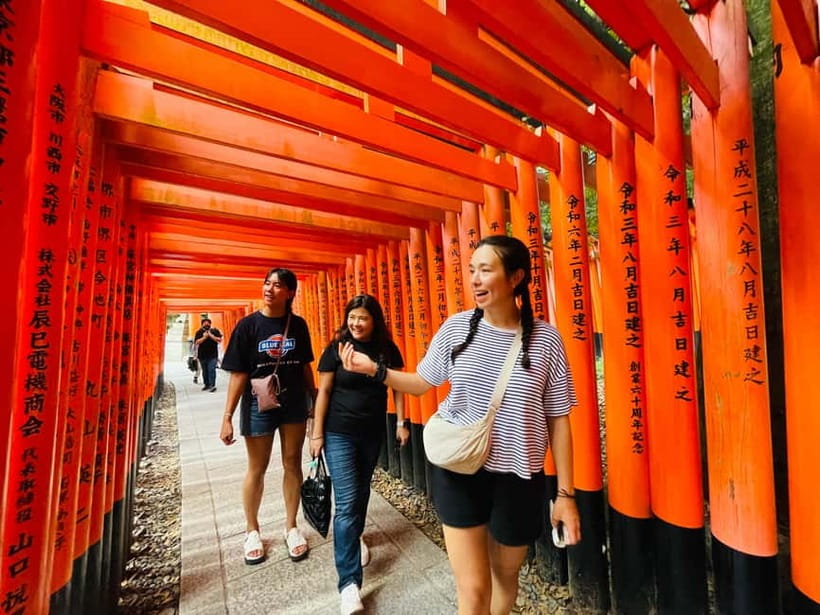
Fushimi Inari is the headline stop, and for good reason. It is one of Japan’s most recognizable religious sites, and the tour gives you a guide to explain its history, cultural role, and connection to Shintoism.
You are not simply dropped at the entrance and left to work things out. Maki explains how to understand the shrine and the customs associated with it. That background helps you approach the site with more respect and curiosity instead of treating it as a line of attractive photo spots.
The practical tradeoff is time. A four-hour tour must cover the ride back, Tofukuji, and the other stops, so this is not a full morning devoted only to Fushimi Inari. If you want to walk a long way up the mountain, explore every side path, or spend hours taking photographs, plan a separate visit.
For many people, that limitation is also a benefit. You get an introduction to Fushimi Inari without giving up most of the day. The tour lets you see the famous shrine as part of a wider Kyoto experience rather than as your only destination.
Go in with comfortable shoes and clothing suitable for cycling. You may spend part of the stop walking, and the day includes both riding and time on foot. Sunscreen is sensible in warm weather, and a camera is worth bringing.
A calmer pause at Tofukuji Temple
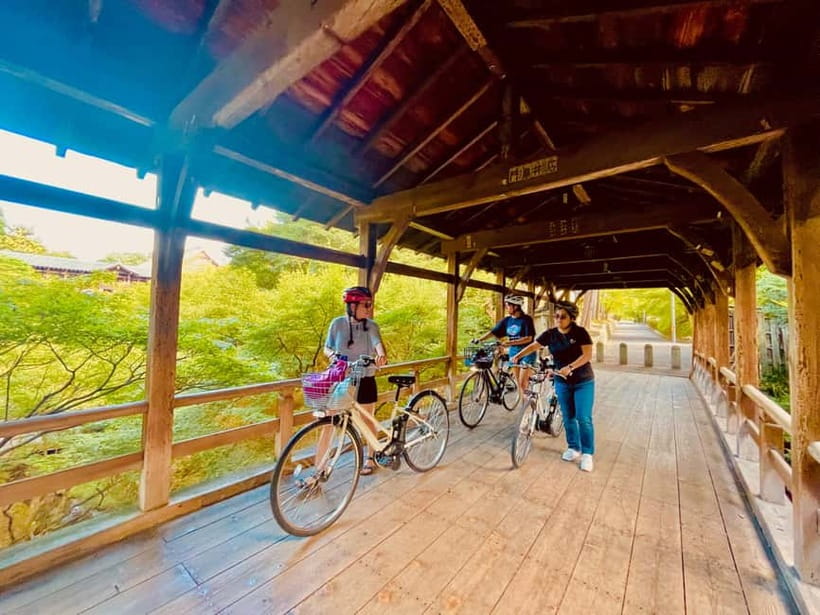
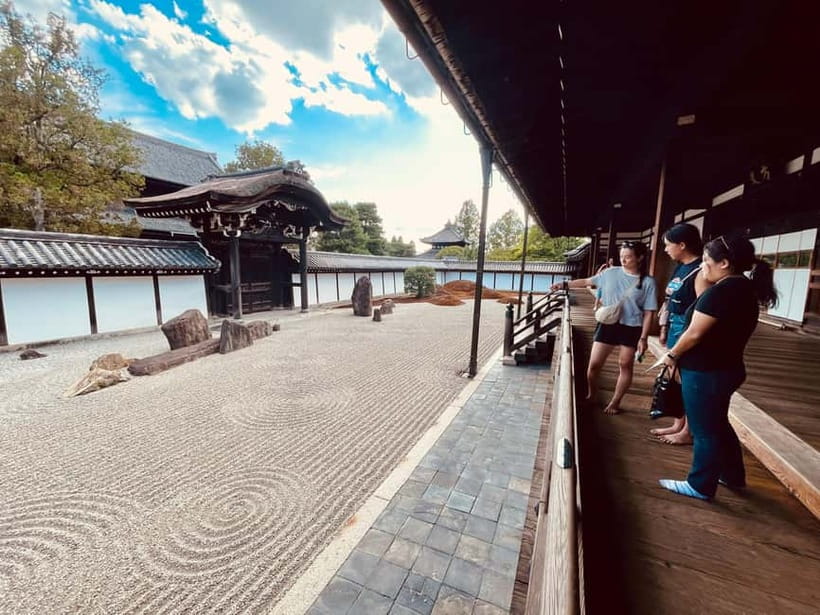
Tofukuji provides a useful change of mood after the activity and crowds around Fushimi Inari. Here, the tour slows down and gives you time to sit with the atmosphere of a Zen garden.
That pause is important. A packed sightseeing schedule can turn temples into a blur of roofs, gates, and photographs. At Tofukuji, Maki allows time for quiet reflection while also explaining the religious and cultural ideas behind the place.
The tour also helps you compare Shinto shrines and Buddhist temples. The distinction can seem confusing when you first arrive in Japan, especially when both appear in a single day. Maki’s explanations, supported by personal stories and visual material, give you a working framework for understanding what you see.
Tofukuji is not presented as a rushed checkbox. It is the contemplative part of the route, and a good counterweight to the movement of the bicycle. If you prefer a tour that keeps every minute busy, this slower pause may feel less active. I think it improves the day.
More Cycling Tours in Kyoto:
- Kyoto: Hidden Gems E-Bike Tour Through Backstreets & Temples
★ 4.9 · 54 reviews - Bangkok: Temples, Canals & Local Life Bike Tour
★ 4.9 · 3,511 reviews - Bangkok: Night Bike Tour with Temples & Flower Market Visit
★ 4.8 · 751 reviews - Siem Reap: Bike the Angkor Temples – Full-Day 30km Tour
★ 5.0 · 463 reviews
Maki’s guiding style and what you learn
The guide can make or break a bicycle tour, and Maki is the clear strength here. She speaks English well, keeps the group involved, and explains difficult subjects without turning the day into a lecture.
Her subjects range widely. You can ask about Japanese history, Shinto, Buddhism, samurai, geisha culture, customs, city life, and local traditions. She also shares personal stories, which gives the information a human scale.
Maki uses humor and a binder with pictures to support her explanations. That is useful when discussing a historic figure, a religious practice, or a custom that may be hard to understand from a quick verbal explanation. She also takes photographs for groups and families, a small service that can make the day easier.
Her energy is warm and informal, but she also pays close attention to safety. She explains the road rules at the start, watches the group while riding, and makes frequent stops. The result feels social rather than stiff, especially when the group is made up of families or people meeting for the first time.
One practical point is that a bicycle group does not always hear every word while moving. The stops are where the explanations happen, and the group gathers around Maki before she speaks. One rider suggested a microphone and earpiece as a possible improvement, so if you have hearing difficulties, keep that in mind.
What the four hours feel like
The schedule has a natural rhythm:
- You meet near Higashiyama-Sanjyo and learn the e-bike, basic riding rules, and route expectations.
- You cycle through Gion and hear about geisha culture and Kyoto customs.
- You leave the main sightseeing streets for residential areas and quieter routes.
- You visit Fushimi Inari Shrine and learn about Shintoism and the site’s cultural importance.
- You continue to Tofukuji Temple for its Zen garden and a slower moment.
- You ride back toward the city, with the riverside route providing a pleasant finish.
The exact amount of time at each stop can change with the group. A family with confident cyclists may move differently from a mixed group with first-time e-bike riders. The tour is designed to accommodate that range, but anyone hoping for long, unhurried visits at both major sites should consider booking separate sightseeing time.
The return ride along the river is a fitting end. It gives you space to enjoy Kyoto without another formal explanation at every corner. After four hours, you come away with both a set of sights and a better sense of how to continue exploring on your own.
Is $83 good value?
At $83 per person, this is not the cheapest way to see Fushimi Inari. It is a strong value if you want transport, a local guide, cultural context, and several stops in one half-day.
The price includes the electric bicycle, helmet, insurance, water bottle, snack, live English-speaking guide, and entrance fees for two places. You do not pay extra for the basic sightseeing elements that make the route work.
The bigger value is time. You avoid planning a route between Gion, Fushimi Inari, and Tofukuji yourself. You also get help with roads, directions, and the cultural questions that rarely have clear answers on a map.
Lunch is not included, and hotel pickup and drop-off are not provided. You need to reach Pedal Adventure Kyoto on your own and arrange food separately. That is easy enough to manage, but it is worth allowing time before or after the tour rather than expecting a meal during the four-hour outing.
If you already know Kyoto well, prefer long museum visits, or dislike group cycling, the price may not suit your style. If you want a guided introduction with movement and variety, it is a fair spend.
Who should book this ride?
I would choose this tour for first-time visitors who want orientation without spending a full day on formal sightseeing. It also fits families with teenagers, couples, friends, and active adults who enjoy seeing a city from street level.
The minimum age is 12, and children under 12 cannot join. Pregnant women and people with mobility impairments should not book this activity. You also need to be comfortable with a mix of cycling, walking, city streets, and occasional busier sections.
It is a particularly good match for you if:
- You want a half-day activity instead of a seven or eight-hour temple tour.
- You like asking questions rather than reading signs on your own.
- You want famous sights plus quieter streets and smaller religious sites.
- You are uneasy about cycling in an unfamiliar city and want a guide to lead the way.
- You enjoy local stories, humor, and cultural explanation.
- You want an efficient first look at southern and eastern Kyoto.
It is less suitable if your priority is serious cycling, extensive shrine photography, or complete independence. The e-bike makes the route easier, but it does not turn the tour into a private car outing or an athletic challenge.
What to bring and how to prepare
Wear comfortable shoes and clothes that let you pedal easily. You should bring sunscreen, especially on a sunny day, and use the supplied water bottle or carry extra water if you tend to get thirsty.
Alcohol and smoking are not allowed in the vehicle, and this is a cycling activity rather than a drinking excursion. Bring a camera, but keep your attention on the road when riding and on the site when listening.
You do not need to be an expert cyclist. You do need to listen to Maki’s safety guidance, keep your place in the group, and accept that the pace is shared. The small group limit helps, but riders still have different abilities.
The tour runs in English. If you have questions about Japanese religion, customs, or daily life, ask them. That conversational part is one of the main reasons to choose a guided ride instead of renting a bicycle alone.
Should you book the Fushimi Inari e-bike tour?
Yes, if you want a well-paced introduction to Kyoto that combines famous sights with ordinary streets. The strongest reasons are the small group, easy e-bikes, careful route leadership, and Maki’s ability to connect history and religion with personal stories and humor.
Keep your expectations sensible. You will not have unlimited time at Fushimi Inari, and the route includes city traffic, walking, and group pacing. But for $83, the tour gives you four useful hours, two major cultural stops, a ride through Gion and local neighborhoods, equipment, entrance fees, and a guide who helps you understand what you are seeing.
I would book it early in a Kyoto stay. You will leave with a clearer sense of the city, and Maki’s practical suggestions can help shape the rest of your visit. If your ideal Kyoto day includes movement, conversation, and a mix of famous and quieter places, this is a very sensible choice.
FAQ
How long is the Kyoto e-bike tour?
The tour lasts four hours. The route includes cycling, walking, guided visits, and time in the Zen garden at Tofukuji Temple.
Where does the tour meet?
The meeting point is Pedal Adventure Kyoto, near Higashiyama-Sanjyo.
Which places are included?
The route includes Gion, Fushimi Inari Shrine, and Tofukuji Temple, along with quieter Kyoto streets and local areas.
Is the tour conducted in English?
Yes. The live tour guide language is English.
What does the price include?
The $83 price includes a local guide, electric bicycle rental, helmet, insurance, snack, water bottle, and entrance fees for two places.
Is the tour suitable for children?
Children under 12 cannot join. The activity may suit older children and teenagers who are comfortable cycling, and the group limit is eight participants.
What should I bring?
Bring comfortable shoes, comfortable cycling clothes, sunscreen, and a camera if you want to photograph the route. You should also stay hydrated and be ready for both cycling and walking.
More temple runs by e-bike in Kyoto
- E-Bike Nara Highlights – Todaiji, Knives, Deer, Shrine
★ 4.8 · 186 reviews - From Siem Reap: Angkor Wat Sunrise and Temples E-Bike Tour
★ 5.0 · 52 reviews - Naha: Guided E-Bike Tour of the 12 Zodiac Temples
★ 4.9 · 50 reviews - e-Bike Cycling Tour to Arkadi Monastery Full Lunch included
★ 5.0 · 26 reviews
Temple visits we reviewed lately in Kyoto
- Kyoto: Zen Meditation at a Private Temple with a Monk★ 5.0 · 202 reviews
- Kyoto:Kiyomizu-dera Temple Rent a kimono and ride a rickshaw★ 4.8 · 7 reviews
- KYOTO: Tempio Kiyomizu Pagode Gion “Geisya” (Guida Italiana)★ 4.7 · 17 reviews
- Kyoto: Kiyomizudera, Sanjusangendo, Ginkakuji and Higashiyama.★ 5.0 · 3 reviews
- Kyoto: Samurai Sword & Kimono Action Filming Experience★ 4.8 · 78 reviews
- Kyoto:Quiet Arashiyama and Sagano Temples★ 4.8 · 5 reviews
- Kyoto: Shakyo & Matcha in Historic Temple Garden★ 5.0 · 4 reviews
- Kyoto: Nara, Todaiji, Kasuga Taisha Shrine Private Full Day★ 4.9 · 18 reviews
Kyoto Temple Tours, compared.
Osaka/Kyoto:Kinkakuji,Arashiyama,FushimiInariShrine,NaraPark
Read our review →
Kyoto Arashiyama Walking Tour: Bamboo, Monkeys, Gardens & Secrets
Read our review →
Arashiyama Bamboo, Temple, Monkeys, or Secret Sake Brewery
Read our review →
Kyoto: Arashiyama Bamboo Forest, Monkeys, Matcha & Temple Tour
Read our review →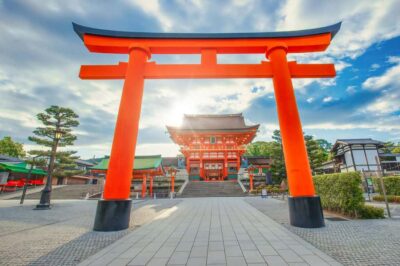
Osaka/Kyoto: Arashiyama, Nara & Fushimi Inari Shrine w/Lunch
Read our review →
Kyoto Zen Meditation & Garden Tour at a Zen Temple with Lunch
Read our review →This tour also ranks in