
Review · KYOTO
Kyoto: Nara, Todaiji, Kasuga Taisha Shrine Private Full Day
Nara’s appeal is wonderfully simple: deer wander through open parkland, temple roofs rise beyond the trees, and one of Japan’s great bronze Buddhas waits inside Todaiji. This private full-day tour gives you a clear route through the city without asking you to solve the train system or piece together the sights yourself.
I like the mix of major landmarks and everyday old-town streets. I also like the guide-led travel, especially because guides such as Akiko, Naoki, Gustavo, Vincent, and Alex have been praised for clear explanations, warmth, and flexibility. The main catch is cost: at $183 per person, you still pay separately for train tickets, lunch, and personal expenses.
Key points to know before booking
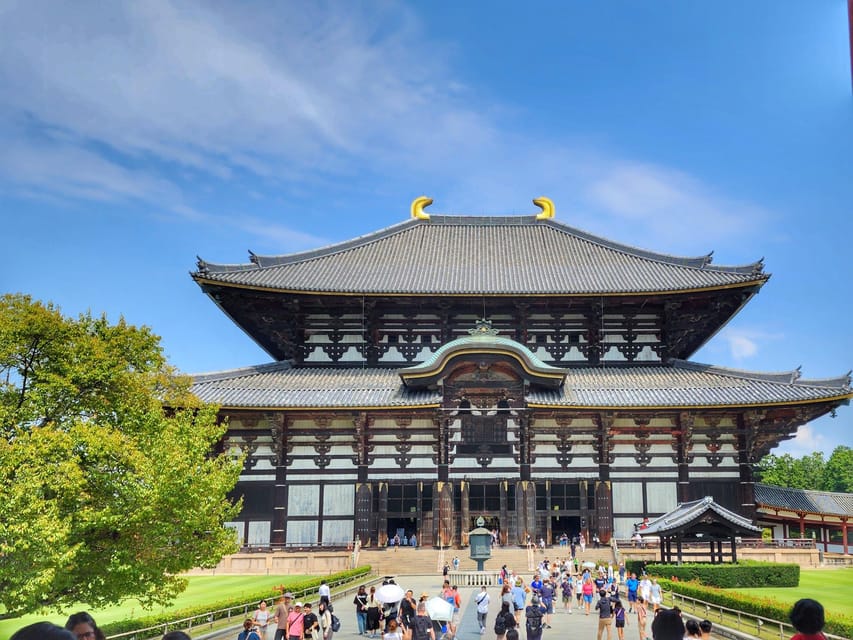
- The Great Buddha at Todaiji is the day’s main sight, with an entrance fee included.
- Nara’s free-roaming Sika deer are close to the walking route and give the park its unusual character.
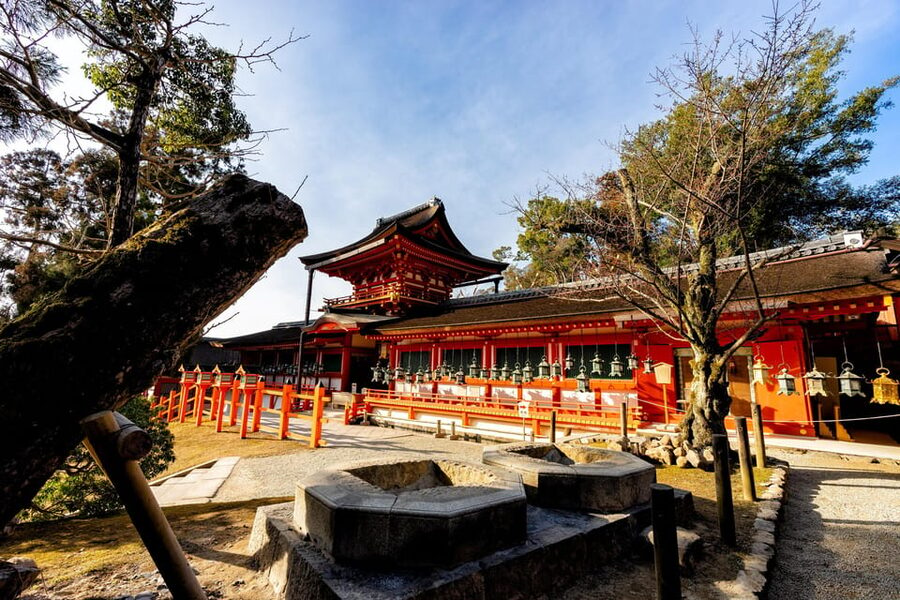
- Kasuga Taisha brings you into a quieter shrine setting filled with hanging lanterns.
- Naramachi adds narrow lanes and preserved merchant houses after the main temple visits.
- Lunch is optional, costing about JPY 2,500 at Kotoya Restaurant, or you can bring your own.
- Train fare is extra, at about JPY 1,280 each way, though a JR Pass can be used.
Why this Kyoto to Nara day works
Nara makes an easy companion to Kyoto, but it is not simply Kyoto with more deer. It was the seat of Japan’s imperial government before the capital moved to Kyoto, and its temple and shrine grounds feel broad, green, and open compared with Kyoto’s tighter urban streets.
This tour covers the main cultural sights in one eight-hour outing. You meet at the 7-Eleven Heart-In beside the Central Entrance of Kyoto Station, then travel by express train for about an hour. Your guide helps you purchase the Nara ticket on the day, which is useful if you do not want to work out the fare or platform details alone.
I like that the day begins with public transport rather than a long private vehicle transfer. You get a sense of the distance between Kyoto and Nara, and the train keeps the route straightforward. The tradeoff is that the tour price does not include transport, so you should add about JPY 2,560 for a return journey unless your JR Pass covers it.
The group is private, and live guiding is available in English, French, or Spanish. Guides named in the feedback include Akiko, Naoki, Gustavo, Vincent, and Alex. Their praise centers on friendly manner, clear explanations, flexibility, and the ability to answer wider questions about Japan. That matters here because Nara’s sights are more rewarding when you understand why they were built, not just what they are called.
More Full-Day Tours in Kyoto:
- KYOTO-NARA: Giant Buddha Deer Pagoda “Geisya” (Italian, full day)
★ 4.7 · 15 reviews - Siem Reap: Full-Day Angkor Wat Guided Tour with Sunset
★ 4.9 · 3,803 reviews - Full-Day Angkor Wat Sunrise Private Tour with Guide from Siem Reap
★ 5.0 · 2,920 reviews
Kofukuji and the first look at Nara
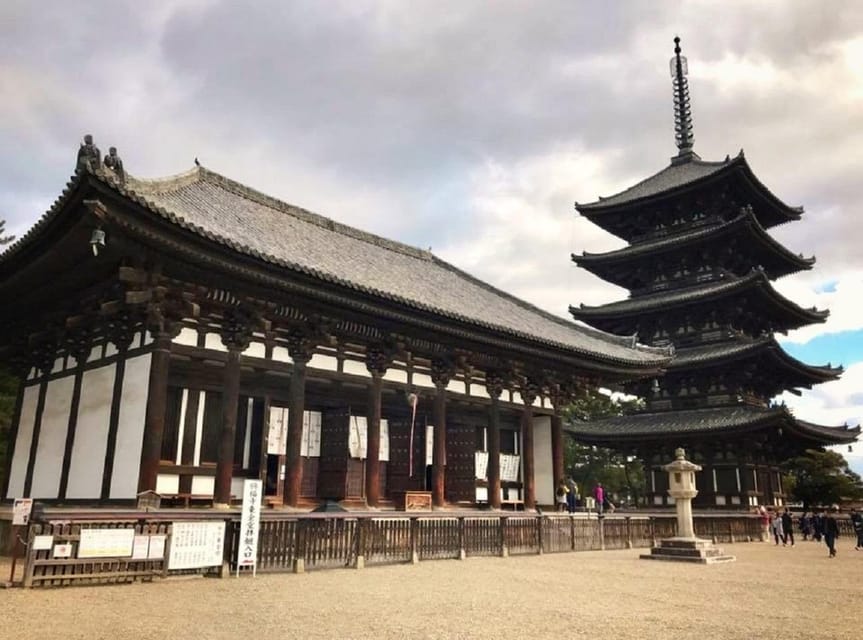
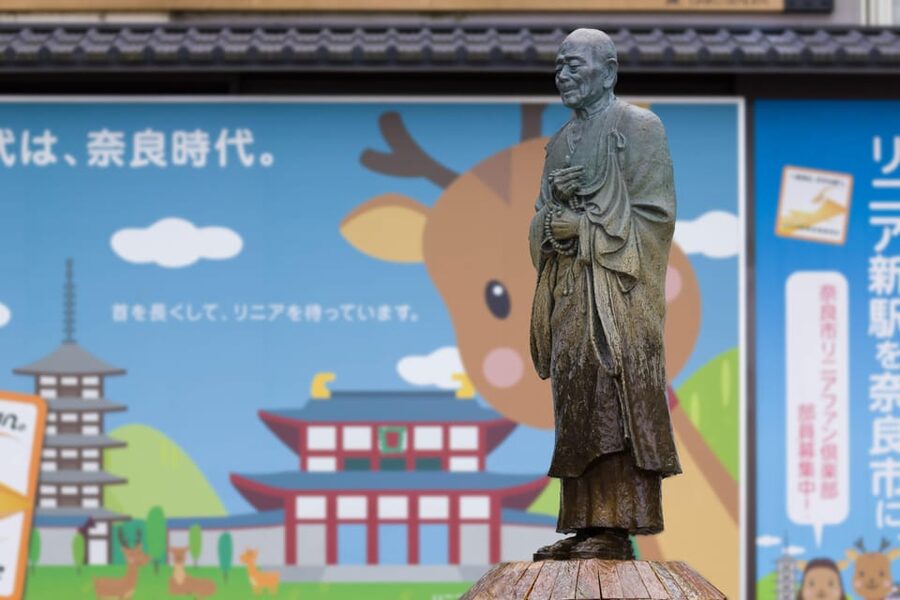
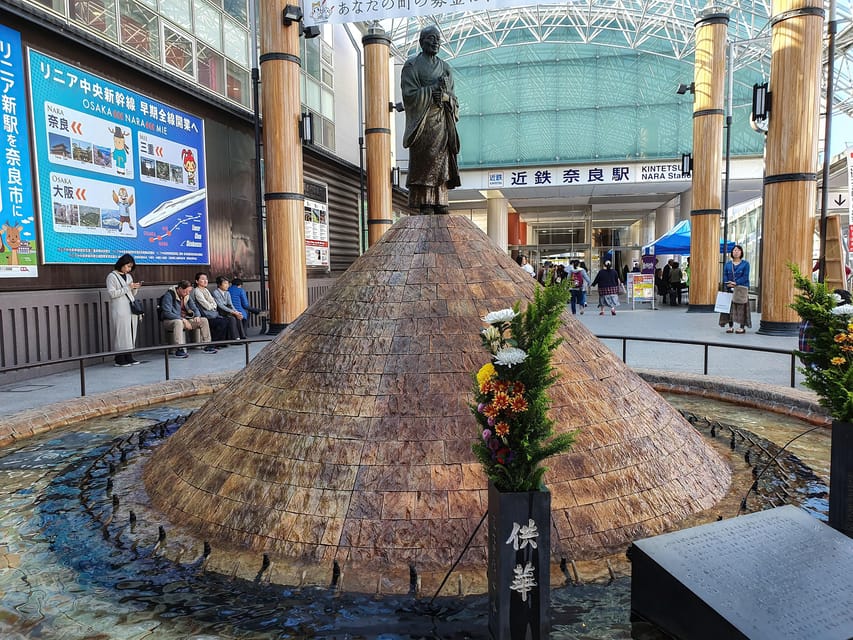
After arriving, the route takes you past the Gyoki Statue and into the grounds of Kofukuji Temple for about 30 minutes. This is a short opening visit, but it gives your guide a useful place to explain Nara’s role in the early imperial capital and the establishment of Heijo-kyo.
Kofukuji helps set the context for everything that follows. You are not only looking at an old temple complex. You are seeing part of the religious and political center that grew around Nara when it served as Japan’s capital.
Do not expect a long, slow temple study at this point. Thirty minutes passes quickly, and the day has several major stops ahead. I see this as an orientation visit rather than the tour’s main event. Your guide’s commentary is especially valuable here, since the schedule leaves little time for you to stop and read every detail on your own.
Meeting Nara’s deer in the park
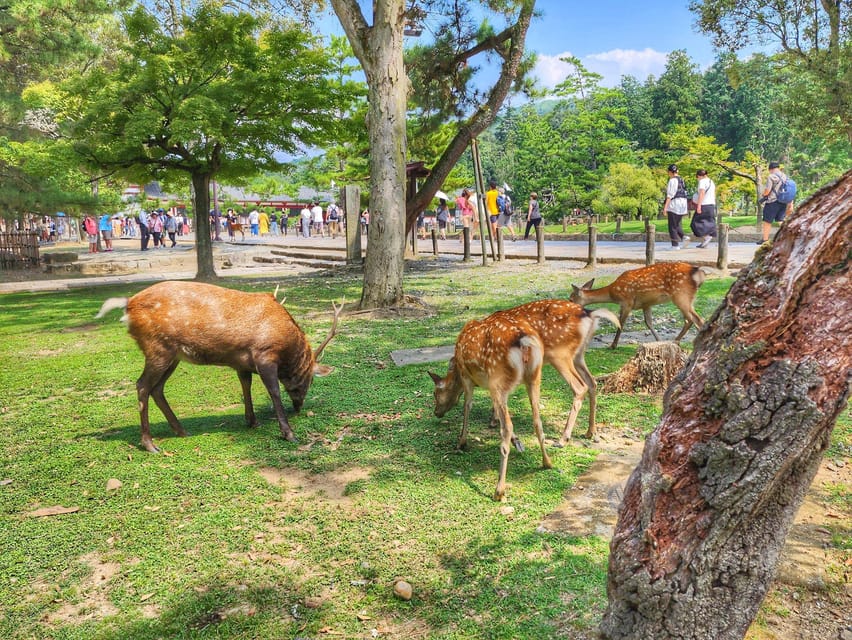
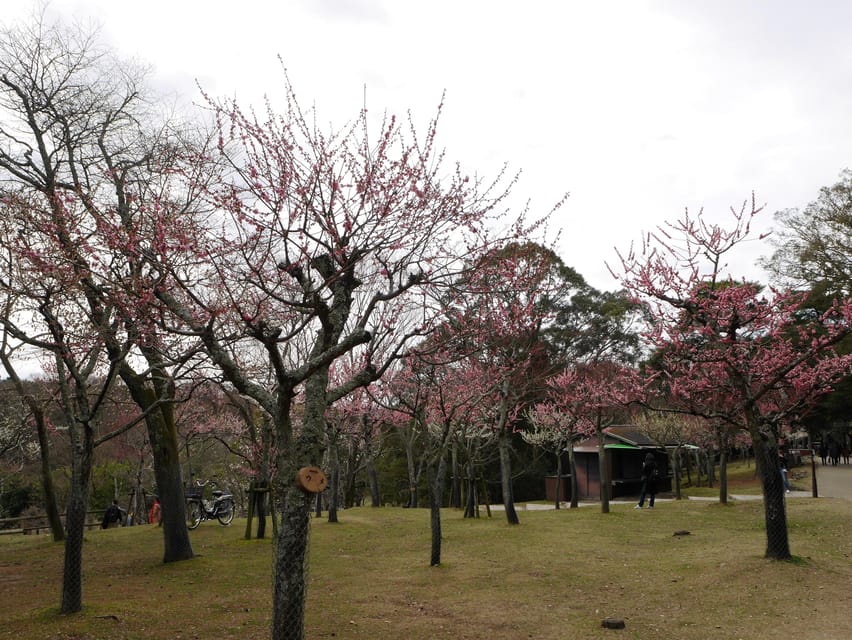
From Kofukuji, you walk into Nara Park for a short visit of about 15 minutes. The park’s wide spaces and greenery provide a welcome change after Kyoto’s denser streets, and the Sika deer are the city’s most memorable surprise.
In Shinto tradition, these deer were regarded as sacred messengers of the gods. Today, they roam freely through the park and have become Nara’s symbol. You can take photographs, but keep your attention on the animals and your surroundings rather than treating them like tame pets. They are accustomed to people, but they remain living animals.
The scheduled park stop is brief, especially if you want relaxed photographs. The route continues to Todaiji, so you should think of this as a first encounter rather than a long wildlife visit. Your guide can help you understand the cultural meaning of the deer and keep the stop moving so the day does not lose its rhythm.
Comfortable shoes matter here. The day involves walking between temple, shrine, park, restaurant, and old-town streets, with no hotel pickup or drop-off to reduce the walking at either end.
Entering Todaiji and seeing the Great Buddha
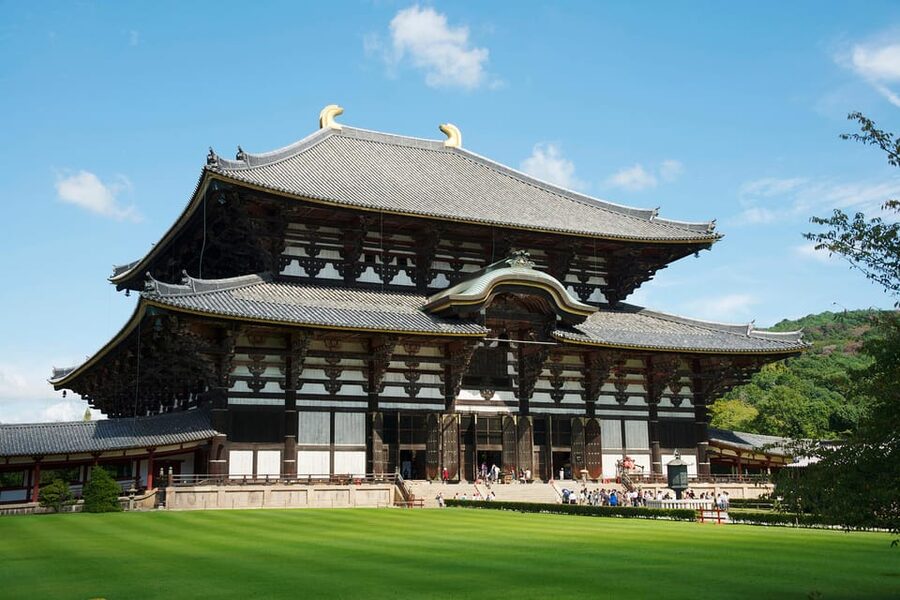
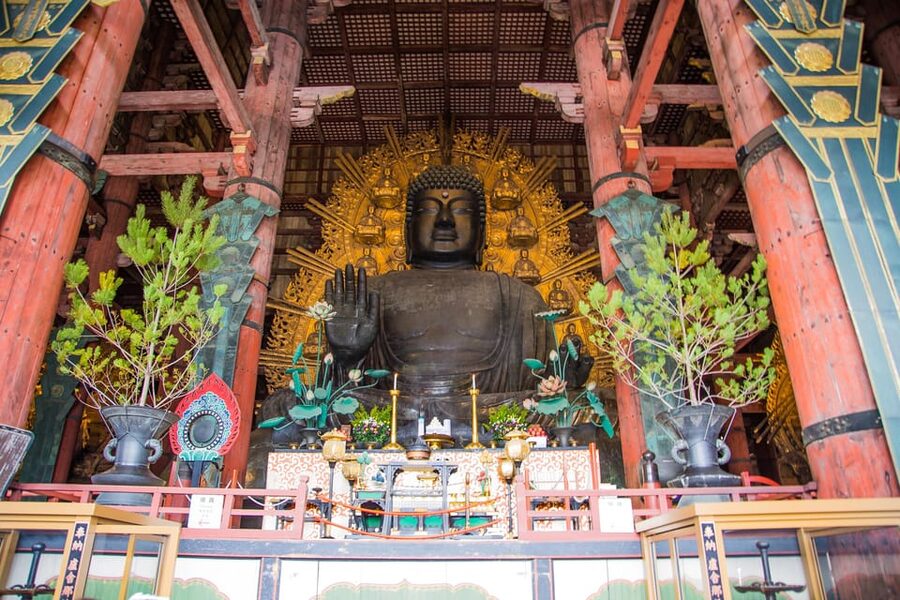
Todaiji receives about an hour of guided attention, and this is the heart of the excursion. The temple is a UNESCO World Heritage Site and home to the Daibutsu, one of Japan’s largest bronze Buddha statues.
The scale is the point. The Great Buddha is not something you glance at between two smaller rooms. Its size changes the feeling of the interior, and the temple itself gives you room to take in the setting. Your guide can explain the place’s religious and historical importance while you look at the statue and the surrounding hall.
The entrance fee to Todaiji is included, which helps the tour’s value. You also avoid the uncertainty of arriving without knowing which entrance or route makes sense. Still, one hour is a fixed window. If you prefer to study temple architecture slowly, linger in silence, or take many photographs, you may wish for more time.
I like the balance here: the tour gives Todaiji enough time to feel substantial without allowing one sight to consume the entire day. Nara has more than one important story, and the later shrine and merchant quarter keep the visit from becoming a single-temple outing.
More Temple Tours around Kyoto:
- Kyoto: Tea Ceremony Ju-An at Jotokuji Temple
★ 4.9 · 3,207 reviews - Osaka/Kyoto:Kinkakuji,Arashiyama,FushimiInariShrine,NaraPark
★ 4.1 · 1,596 reviews - Arashiyama Bamboo, Temple, Monkeys, or Secret Sake Brewery
★ 4.8 · 886 reviews - Kyoto: Arashiyama Bamboo Forest, Monkeys, Matcha & Temple Tour
★ 5.0 · 759 reviews
Choosing lunch at Kotoya Restaurant
Lunch at Kotoya Restaurant is scheduled for about an hour, but it is not included in the $183 price. A traditional Japanese lunch costs around JPY 2,500 per person, or you can bring your own food.
This arrangement gives you some control over the budget. If you want to sample local Nara specialties in a sit-down setting, the restaurant option is convenient. If you have dietary needs, a limited budget, or a strong preference for your own food, bringing lunch avoids an added cost.
You should carry cash, since it is listed among the recommended items and may be useful for lunch, train tickets, snacks, or personal purchases. The included snacks are a small comfort, but they are not a substitute for lunch.
The one-hour break also gives your feet a rest. After the morning train ride, Kofukuji, the park, and Todaiji, that pause helps the second half of the day feel more manageable.
Finding calm at Kasuga Taisha
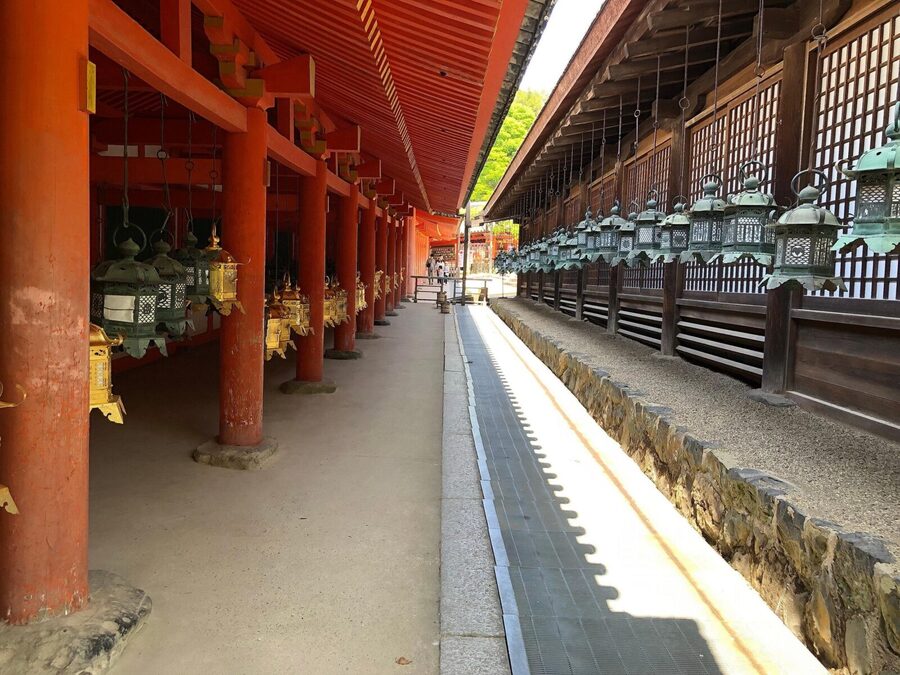
Kasuga Taisha is given about an hour, with your guide leading the visit. The shrine is known for its picturesque setting and thousands of hanging lanterns, which create a strong visual contrast with the open park and monumental temple hall.
This stop brings you into a different part of Japanese religious tradition. Todaiji is associated with a vast Buddhist image and a monumental temple interior. Kasuga Taisha offers a Shinto shrine atmosphere, with lanterns and a more wooded route. Seeing both in one day helps you understand that Nara’s spiritual identity is not built around one faith or one style of architecture.
The shrine visit can also be the most atmospheric part of the day, but you should expect walking rather than a quick photo stop. The route’s suitability notes exclude people with mobility impairments, and the tour is also not recommended for pregnant women or people with heart or respiratory problems. Those restrictions are worth taking seriously because the day includes several hours on foot and time outdoors.
Old merchant streets in Naramachi
The final major stop is Naramachi, where you spend about an hour. This old quarter is known for narrow lanes and well-preserved traditional merchant houses that reflect the character of the Edo period.
After the grand scale of Todaiji and the shrine setting of Kasuga Taisha, Naramachi offers a more human view of Nara. You are looking at streets where the interest comes from doors, facades, lanes, and the shape of the neighborhood rather than one giant monument.
I especially like this inclusion because many day trips stop after the deer and Great Buddha. Naramachi gives you a chance to see how the city feels beyond its formal religious sites. It also gives your guide room to answer practical questions about daily life, traditional homes, and Nara’s place in Japan.
The hour is enough for a measured walk, but not for an extensive independent exploration of every lane. If you want to shop, eat, and wander without a schedule, an independent Nara day may suit you better.
What the $183 price really covers
At $183 per person, this is not the cheapest way to visit Nara. You also need to budget roughly JPY 2,560 for return train fare, unless you use a JR Pass, plus about JPY 2,500 if you choose the Kotoya lunch. That puts the real outlay above the advertised tour cost.
The value comes from the private format and the guide’s time. You receive guiding at Kofukuji, Todaiji, Kasuga Taisha, and Naramachi, rather than only a meeting point and a map. The entrance fees for Todaiji and Kasuga Shrine are included, and the guide assists with buying the train ticket.
For two or more people who value structure and explanation, the price can make sense. You are paying to link several sights smoothly and to ask questions along the way. Solo visitors need to think harder about the cost, since the per-person price remains high even though the group is private.
The strongest case for booking is not transport alone. Nara is easy to reach, but understanding the religious symbols, capital-city history, deer tradition, and difference between temple and shrine can turn a pleasant outing into a much more meaningful one.
Timing, languages, and practical comfort
The full day lasts about eight hours, including two train journeys of roughly one hour each. You return to the same meeting point at the 7-Eleven Heart-In beside Kyoto Station’s Central Entrance.
The tour is offered with an English, French, or Spanish-speaking guide. The guide may be one of the named leaders associated with past departures, including Akiko, Naoki, Gustavo, Vincent, or Alex, but the assigned person can vary.
Wear comfortable shoes and bring a camera and cash. Since hotel pickup and drop-off are not provided, you must reach Kyoto Station on your own and return there at the end. The meeting point is specific, so allow enough time to find the Central Entrance and locate a guide wearing a TripGuru shirt or holding a TripGuru sign.
The schedule is a guide rather than a guarantee. It may change, so you should avoid booking a tight evening plan immediately after the return time.
Who should book this Nara tour?
I would choose this tour if you want to see Nara’s main sights in one day and prefer a human guide to an audio guide or printed notes. It suits first-time visitors, couples, families who appreciate a planned route, and anyone who wants to ask questions about Japanese culture along the way.
It is also a good fit if you want more than the deer and Great Buddha. Kofukuji, Kasuga Taisha, and Naramachi create a fuller picture of Nara, while the private group format gives the day a more personal feel.
I would hesitate if you dislike fixed schedules, need a slow pace, have mobility concerns, or want to keep costs as low as possible. Independent travelers can reach Nara by train and visit the major sights without paying the tour fee, though they will need to arrange their own route and explanations.
The cancellation terms are useful for uncertain plans: you can cancel up to 24 hours in advance for a full refund, and reserve now while paying later. Just remember that this flexibility does not change the extra cost of trains, lunch, or personal spending.
Should you book it?
Book this experience if you want a well-organized private day that connects Nara’s sacred deer, major temple, shrine lanterns, and old merchant streets. The guide is the main reason to choose it, and the warm, clear style associated with leaders such as Akiko, Naoki, Gustavo, Vincent, and Alex is a strong sign of what the format can offer.
Skip it if you want unlimited time at each sight or are watching every yen. For most visitors who have only one Nara day from Kyoto, the route is thoughtful, the cultural range is strong, and the added guidance can justify the higher price.
FAQ
Where does the tour begin and end?
It begins and ends at the 7-Eleven Heart-In beside the JR Kyoto Station Central Entrance.
How long does the experience last?
The tour lasts about eight hours, including the train journeys between Kyoto and Nara.
Is transportation included in the tour price?
No. Train tickets are extra and cost about JPY 1,280 each way. A JR Pass can be used.
Does the guide help purchase the train ticket?
Yes. The guide assists with buying the Nara train ticket on the day of travel.
Is lunch included?
No. You can choose a traditional lunch at Kotoya Restaurant for around JPY 2,500 per person or bring your own food.
Which entrance fees are included?
Entrance fees for Todaiji Temple and Kasuga Shrine are included.
What languages are available?
Live guiding is available in English, French, and Spanish.
Is this a private group experience?
Yes. The experience is operated as a private group.
What should I bring?
Bring comfortable shoes, a camera, and cash. Snacks are included.
Can I cancel for a full refund?
Yes. You can cancel up to 24 hours in advance for a full refund.
Temple visits we reviewed lately in Kyoto
- Kyoto:Kiyomizu-dera Temple Rent a kimono and ride a rickshaw★ 4.8 · 7 reviews
- Kyoto: Zen Meditation at a Private Temple with a Monk★ 5.0 · 202 reviews
- KYOTO: Tempio Kiyomizu Pagode Gion “Geisya” (Guida Italiana)★ 4.7 · 17 reviews
- Kyoto: Kiyomizudera, Sanjusangendo, Ginkakuji and Higashiyama.★ 5.0 · 3 reviews
- Kyoto:Quiet Arashiyama and Sagano Temples★ 4.8 · 5 reviews
- Kyoto: Shakyo & Matcha in Historic Temple Garden★ 5.0 · 4 reviews
- Kyoto: Samurai Sword & Kimono Action Filming Experience★ 4.8 · 78 reviews
- KYOTO: Tour guidato tra i tesori della città (in italiano)★ 5.0 · 5 reviews
Kyoto Temple Tours, compared.
Osaka/Kyoto:Kinkakuji,Arashiyama,FushimiInariShrine,NaraPark
Read our review →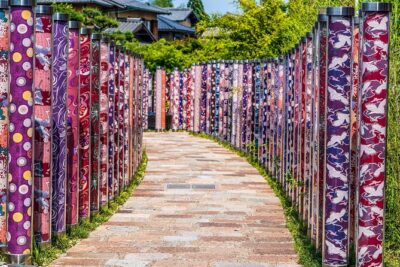
Kyoto Arashiyama Walking Tour: Bamboo, Monkeys, Gardens & Secrets
Read our review →
Arashiyama Bamboo, Temple, Monkeys, or Secret Sake Brewery
Read our review →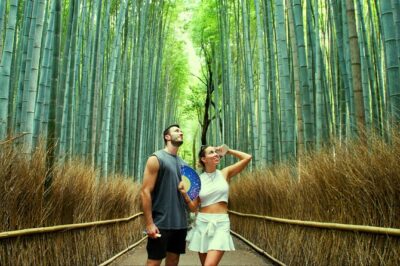
Kyoto: Arashiyama Bamboo Forest, Monkeys, Matcha & Temple Tour
Read our review →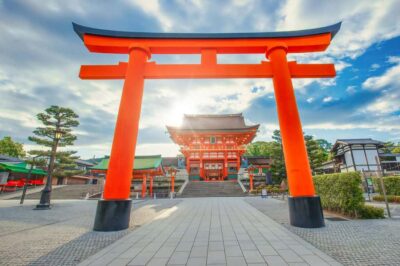
Osaka/Kyoto: Arashiyama, Nara & Fushimi Inari Shrine w/Lunch
Read our review →
Kyoto Zen Meditation & Garden Tour at a Zen Temple with Lunch
Read our review →This tour also ranks in