
Review · KYOTO
Osaka/Kyoto: Arashiyama, Nara & Fushimi Inari Shrine w/Lunch
Arashiyama’s bamboo, Nara’s deer, and Fushimi Inari’s endless red gates give you three of the Kansai region’s most recognizable sights in one long day. I like the smart route and the included shabu-shabu lunch, especially at $61, and I like having an air-conditioned bus between Osaka, Kyoto, Nara, and Arashiyama. The main catch is time: Fushimi Inari can feel rushed, and each stop is largely self-guided once you leave the bus.
I also like the practical help from guides such as Gary, Nick, Eric, and Mike, who explain the plan, keep track of the group, and offer useful tips for photos and shrine customs. But this is a sightseeing sampler, not a slow cultural tour. Arrive early at the exact meeting point, because the bus leaves on time and cannot wait for late arrivals.
Key points to know before booking
- Three major sights in one day: Arashiyama, Nara Park with optional Todaiji Temple, and Fushimi Inari Shrine.
- Lunch is part of the price: Choose Kobe beef shabu-shabu, Kyoto pork shabu-shabu, or vegetarian curry rice.
- Expect about nine hours: Traffic and crowd levels can change the schedule.
- The tour is mostly self-guided at each stop: Your guide gives directions and context, then you explore independently.
- Fushimi Inari needs efficient walking: The parking area is not right beside the shrine entrance, and the lower gates can be crowded.
- Osaka and Kyoto are both possible: You begin at Osaka Villa Namba or the Kyoto VIP Lounge, depending on your booking, and return by bus.
Why this day trip works for first-time visitors
This tour solves a common Kansai problem: Kyoto and Nara are close on a map, but fitting several famous places into one day takes planning, train changes, and careful timing. Here, one air-conditioned vehicle carries you between the main stops, while the guide handles meeting instructions and departure times.
At $61 per person, the value is easy to understand. You are paying for transport, a guide in English or Chinese, lunch, and access to a full day of sightseeing. The optional entrance fee for Todaiji Temple is extra, but the deer park and shrine visits do not require a separate tour charge.
You should think of the tour as a well-organized introduction. It gives you a look at four important places, but it cannot give every site the attention it deserves. If you want quiet temple time, a long bamboo walk, or a full climb up Mount Inari, plan separate visits on another day.
The guide’s role matters here. Gary, Nick, Eric, Mike, Tracy, Kevin, and others have led different departures, so you will not know the exact guide in advance. The strongest guides explain the day clearly on the bus, add cultural background, point out good photo locations, and keep everyone on schedule. Once you step off the bus, though, you generally explore on your own and return at the assigned time.
More Fushimi Inari Shrine Tours in Kyoto:
- Osaka/Kyoto:Kinkakuji,Arashiyama,FushimiInariShrine,NaraPark
★ 4.1 · 1,596 reviews - Kyoto: 3-Hour Fushimi Inari Shrine Hidden Hiking Tour
★ 4.9 · 270 reviews - Kyoto Tea Ceremony & Kiyomizu-dera Temple Walking Tour
★ 5.0 · 115 reviews
Arashiyama Bamboo Forest: beautiful, brief, and crowded
Arashiyama is the soft opening to the day. The bamboo path gives you tall green stalks, filtered light, and an unusual feeling of walking through a narrow natural corridor. It is one of Kyoto’s most photographed sights, and you will have an obvious chance to take the classic picture beneath the bamboo.
The visit is less about a strenuous walk than about atmosphere. You stroll through the main grove, take pictures, and enjoy a cooler pocket of shade if the weather is hot. One guide may point out nearby sights or help you get a photo, but the stop is not a long guided walk through the entire Arashiyama district.
Set your expectations properly. The grove is popular, so do not expect solitude, especially during a busy season or clear weather. Your time is also limited. If you want to visit more of Arashiyama, browse shops, or see additional temples, this tour will not leave room for much extra exploring.
That limitation is also part of the appeal. You can see the bamboo without working out local bus routes or train connections, then return to the vehicle and continue. For a first visit, the stop delivers the essential view without asking you to spend half a day in one neighborhood.
Kyoto Wasabi lunch in a 120-year-old townhouse
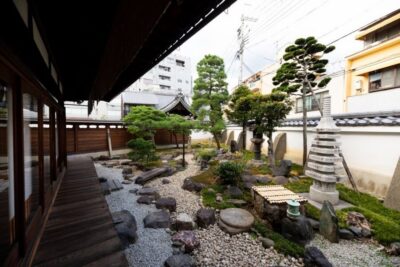
Lunch at Kyoto Wasabi adds more character than an ordinary roadside meal. The restaurant is set in a traditional Kyo-Machiya townhouse that has welcomed diners for more than 120 years. The building gives you a taste of old Kyoto design while you take a proper break from the road.
The main choice is Kobe beef shabu-shabu. Thin slices of wagyu are cooked at the table in a savory broth, so you control how long the meat stays in the pot. It is a special meal for the price, though the portion may feel modest if you arrive very hungry.
The pork shabu-shabu follows the same basic format, with tender pork and tofu in broth. It is a good choice if you want a warm, filling Japanese meal without paying extra for beef. The vegetarian option is curry rice, a simpler plate that gives non-meat eaters a clear choice.
Kobe beef aburi sushi can be ordered separately on site for an additional charge. Since it is not part of the stated meal, treat it as an optional extra rather than something included in the $61 price.
Lunch is also a useful pause in a packed schedule. You get time to sit, eat, and cool down before the afternoon stops. Still, the day moves on a fixed timetable, and one or two people have found the meal period shorter than ideal. Eat promptly and keep an eye on the guide’s return instructions.
Nara Park and the deer
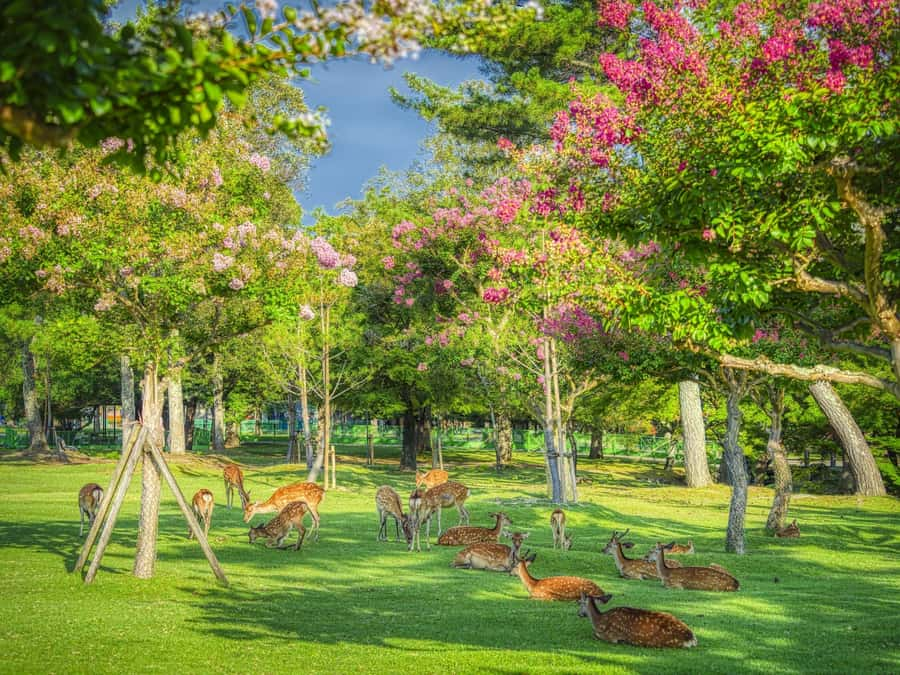
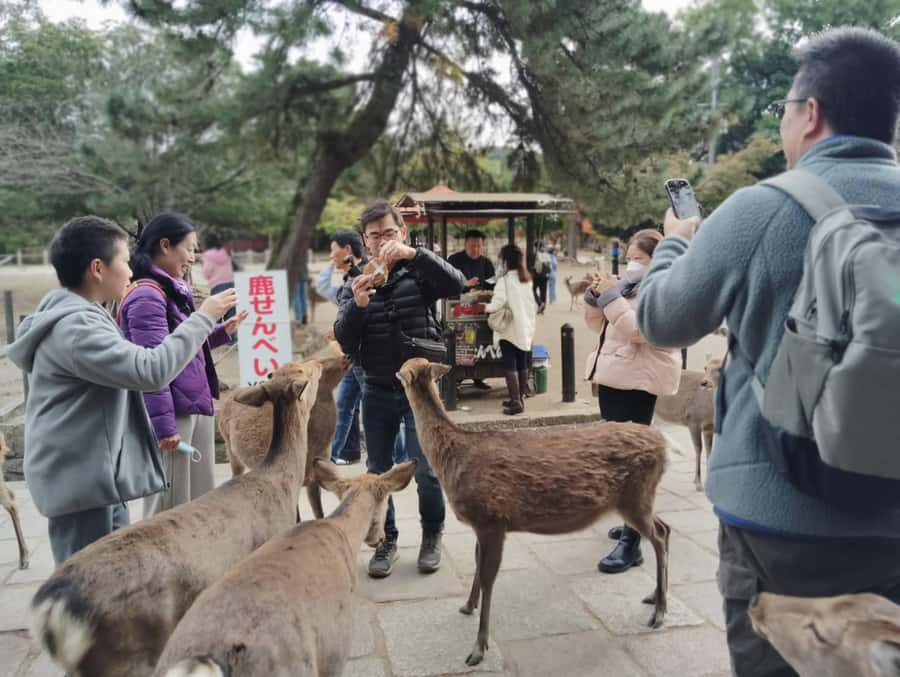
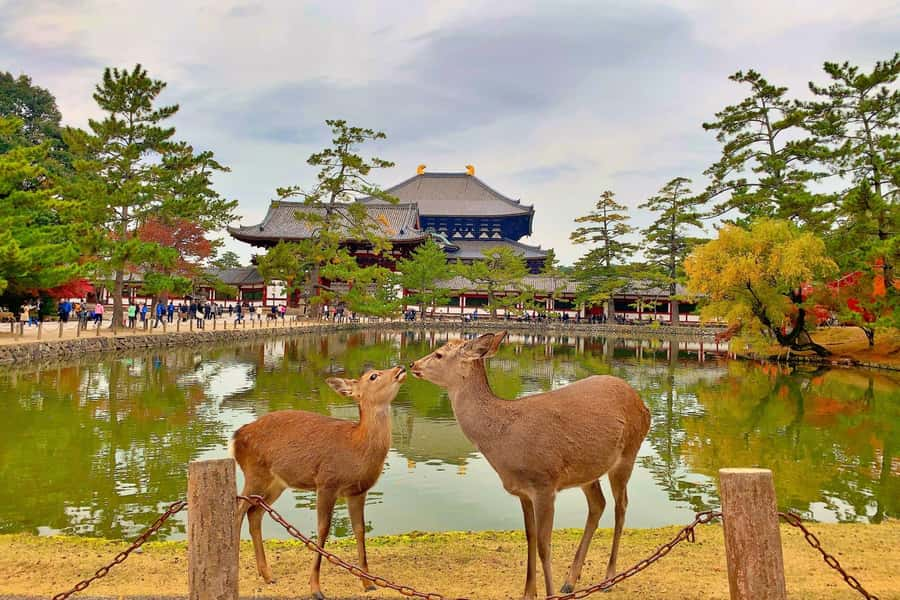
Nara Park brings a different mood. Instead of a shrine tunnel or a bamboo path, you get open parkland, old religious buildings, and free-roaming deer. The animals are accustomed to people, but they are still wild, so you should not chase, corner, or disturb them.
The deer are the star attraction for many families. You can watch them move through the park and interact with them carefully. Keep your attention on your belongings and follow the guide’s safety advice. A friendly animal can still be pushy, especially when food is involved.
The schedule usually gives you enough time to see the main park area, but not enough for every corner of Nara. The walk from the bus parking area to the sights also uses part of your stop, so wear comfortable shoes and avoid treating the time as a leisurely park afternoon.
The park is valuable because it connects the city’s living culture with its religious past. You are not just looking at a single monument. You are walking through a public space where deer, visitors, temples, and local customs overlap. It is one of the most memorable parts of the day, particularly if this is your first time in Japan.
More temple visits with lunch in Kyoto:
- Kyoto Zen Meditation & Garden Tour at a Zen Temple with Lunch
★ 5.0 · 441 reviews - Teotihuacan, Guadalupe Shrine & Tlatelolco Day Tour with Lunch
★ 5.0 · 11,603 reviews - From Bangkok: Ayutthaya Temples Guided Tour with Lunch
★ 4.7 · 10,535 reviews - Baku: Gobustan, Mud Volcano, Fire Mount, Temple Lunch Entry
★ 4.9 · 3,246 reviews
Todaiji Temple and the great Buddha
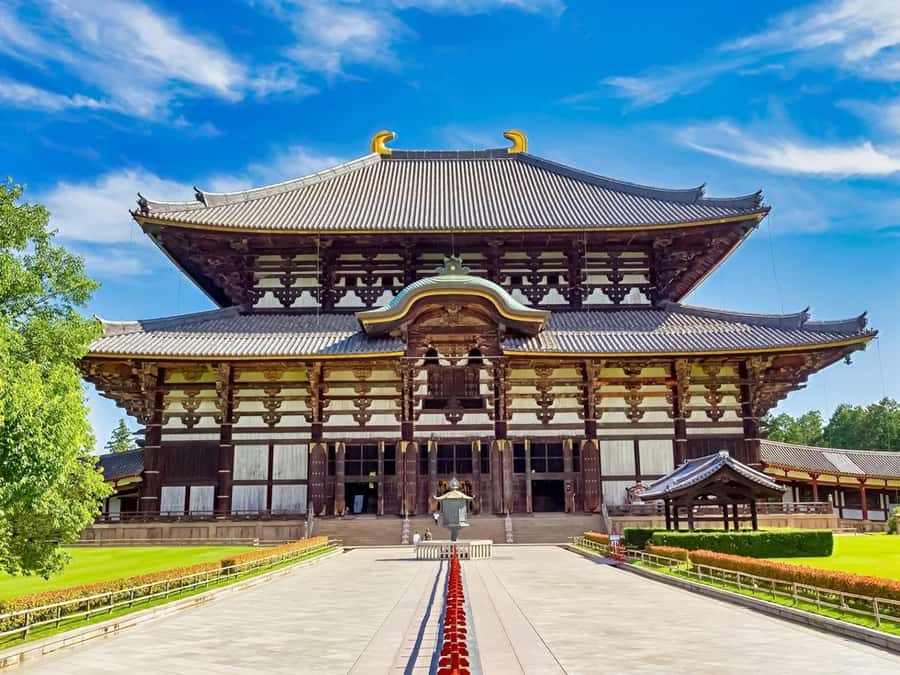
Todaiji is the major optional cultural stop in Nara. The temple is famous for its huge wooden structure and its 15-meter Buddha statue. The temple building is recognized as a UNESCO World Heritage site, and its scale is difficult to appreciate from a picture alone.
The entrance fee is not included, so decide at the site if you want to go inside. If you are interested in Buddhist art, historic architecture, or Japan’s major religious landmarks, the extra cost is likely worthwhile. If you mainly want the deer and outdoor views, you can remain in the surrounding area and save the fee.
Time is the key issue. The tour has to serve people with different interests, so a temple visit, deer viewing, and a walk back to the bus can compete for the same block of time. Go directly to the entrance if Todaiji is your priority, then return to the meeting point before the stated departure.
A guide may explain the temple’s importance before you enter, but do not expect a private guided tour inside. This stop works best if you read a little about Todaiji beforehand or listen closely to the information given on the bus.
Fushimi Inari and the red torii gates
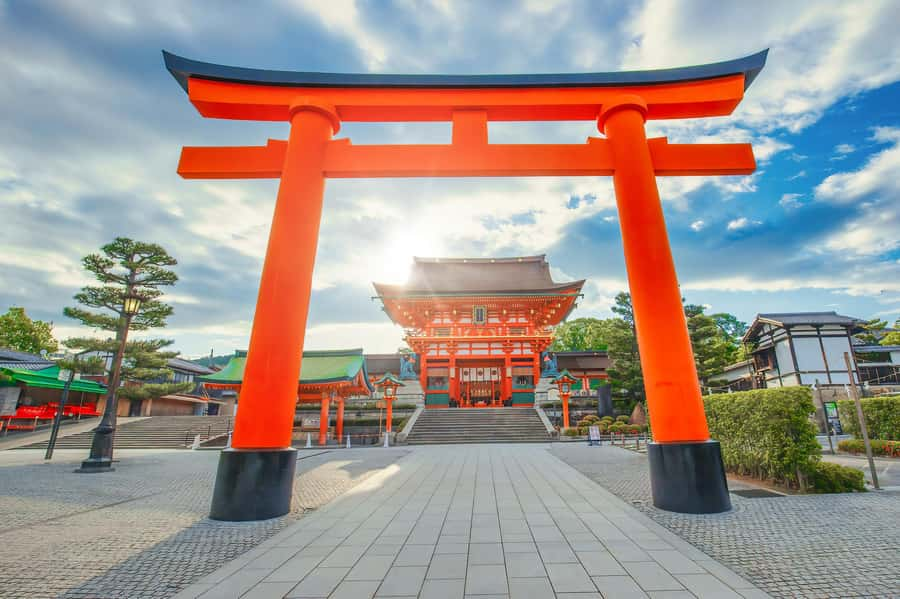
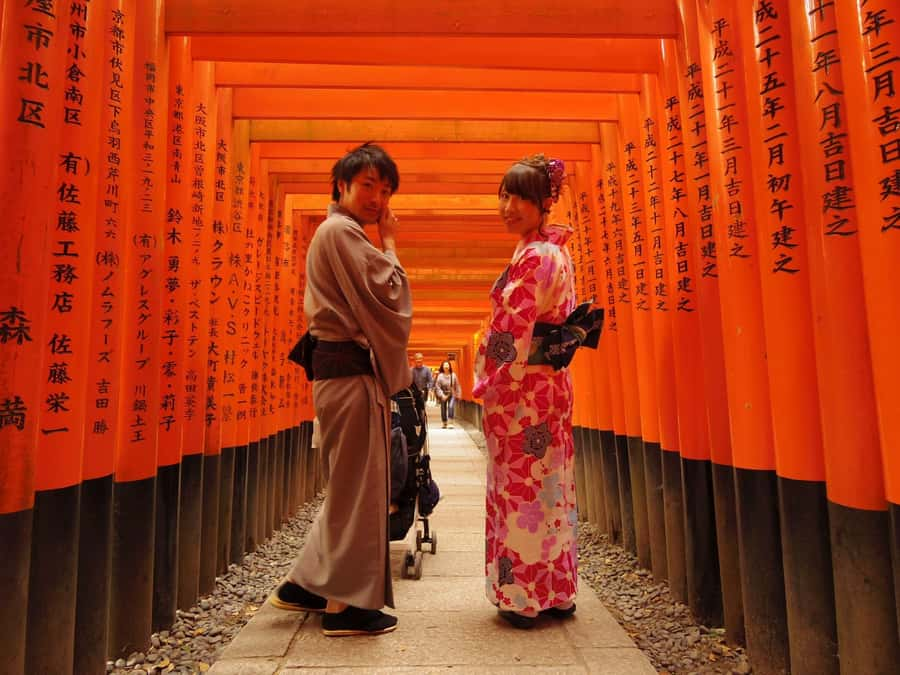
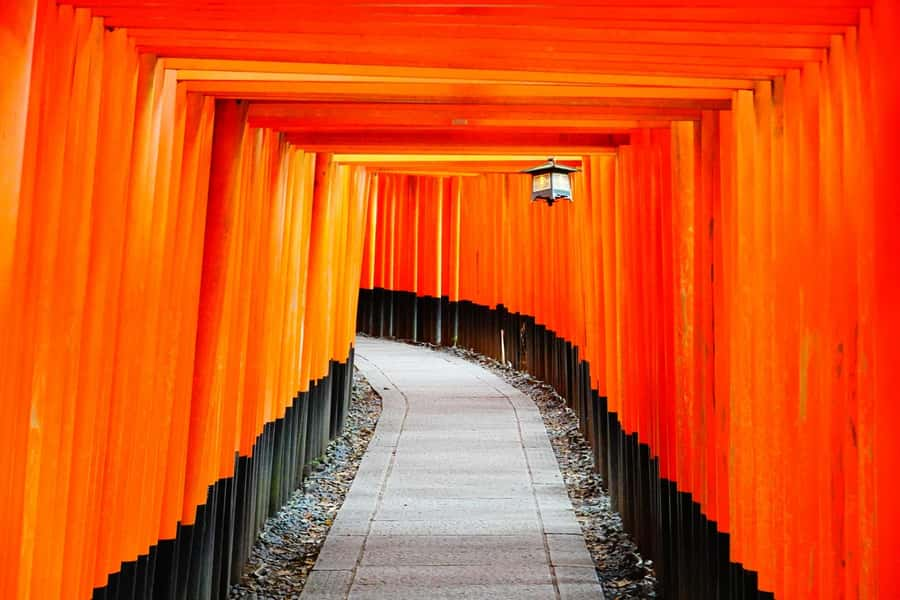
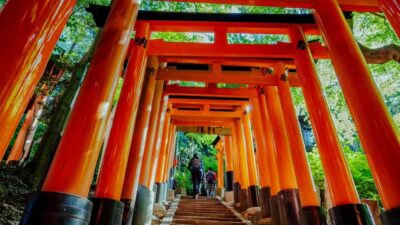
Fushimi Inari is the final major sight, and it is perhaps the most visually striking. Thousands of vermilion torii gates form paths up Mount Inari, creating the famous tunnel effect seen in photographs. The shrine honors Inari Okami, associated with business success, household safety, and prosperity.
You do not need to hike all the way up the mountain to enjoy the shrine. The lower section contains the most recognizable gates and is the practical target during a timed tour. Move at a steady pace, pause for pictures when you can, and keep track of the route back to the bus.
This is where the schedule can feel tight. The parking area is some distance from the shrine entrance, and the lower paths may be crowded. An hour and 20 minutes can be enough for a brisk visit, but it leaves little room for slow photography, repeated stops, or a long climb.
If Fushimi Inari is your main reason for booking, consider returning independently on another day. If your goal is to see the famous gate tunnel and understand why the shrine matters, the tour gives you a useful first look without the stress of arranging transport.
The bus, meeting points, and schedule
You may begin at Osaka Villa Namba or the Kyoto VIP Lounge, depending on the option you select. Your exact meeting point matters. The bus and guide are assigned to that location, and arriving at a different pickup point may mean missing the tour without a refund.
The bus returns to the meeting point area, with the option to finish in Kyoto or Osaka as provided by the departure arrangement. Confirm your chosen start and return details before the day begins, especially if you are staying in one city and departing from the other.
The full outing takes about nine hours, though traffic or unexpected conditions can alter the timing. Extra stops may be needed to keep the planned visits possible. The bus has air conditioning, which is a real comfort in the heat of summer, but charging ports are not noted as available, so start with a full phone battery.
The guide usually gives a clear outline at the beginning. Several guides, including Nick and Mike, have been praised for humor, cultural explanations, and careful head counts. That organization is useful because you need to remember only one thing at each stop: the exact time and location for the return bus.
Heat, crowds, and what to bring
Summer can be tough. The walk through Arashiyama may offer some shade, but Nara Park and Fushimi Inari involve outdoor walking and limited relief from the sun. Bring water, use sun protection, and wear shoes that can handle several stops on foot.
Guides have sometimes offered cooling wipes, fans, or reminders to refill water bottles during hot departures. That kind of care depends on the individual guide and conditions, so do not rely on it as equipment supplied with every booking.
Crowds are another variable. Rain or poor weather can make famous sights quieter, but it can also reduce comfort. If extreme weather or a natural disaster forces cancellation, a full refund is provided. Normal heat, rain, or crowded paths do not turn this into a private tour, so prepare for changing conditions.
The deer deserve respect at all times. Do not disturb them, and give them room if they become excited or persistent. This simple rule makes the park safer and more pleasant for you, the animals, and everyone nearby.
Who should book this tour?
I would choose this tour if you are based in Osaka or Kyoto and want to cover the region’s headline sights without planning several train journeys. It suits first-time visitors, families that prefer a set schedule, and anyone who values a guide’s explanations but is comfortable exploring independently at each stop.
It is also a good fit if lunch matters to you. The townhouse setting and choice of beef, pork, or vegetarian curry give the day more substance than a transport-only excursion. The Kobe beef shabu-shabu is the strongest value feature, while the vegetarian curry makes the meal workable for people who do not eat meat.
I would hesitate if you dislike fixed departure times or want long, quiet visits. The day is packed, Fushimi Inari may feel short, and Todaiji’s entrance fee is extra. Independent visitors can spend more time at each sight, but they must arrange the transport and timing themselves.
The overall rating is 4.4 from 754 ratings, which fits the experience: strong organization, appealing stops, good lunch value, and occasional complaints about the pace. At $61, I think the tradeoff is fair. Book it for breadth and convenience, not for a slow examination of Kyoto or Nara.
FAQ
How long does the tour last?
The tour takes approximately nine hours, though traffic and unforeseen conditions can change the schedule.
Where does the tour begin?
The starting point depends on the option booked. Departures use Osaka Villa Namba or the Kyoto VIP Lounge.
Can I finish in either Osaka or Kyoto?
The return bus offers the option to disembark in Kyoto or Osaka, according to the tour arrangements.
Is lunch included?
Yes. Lunch is included, with a choice of Kobe beef shabu-shabu, Kyoto pork shabu-shabu, or vegetarian curry rice.
Is the Todaiji Temple entrance fee included?
No. Entrance to Todaiji Temple is optional and requires a separate fee.
What languages are available?
The tour is offered in English and Chinese. Depending on group size, commentary may be given in both languages.
Is hotel pickup and drop-off included?
No. Hotel pickup and drop-off are not included. You must reach the assigned meeting point.
What happens if I arrive late or at the wrong meeting point?
The bus leaves promptly and cannot wait for late arrivals. The guide may not be able to accommodate you at a different meeting point, and a refund is not issued for missing the tour because of lateness or going to the wrong location.
Temple visits we reviewed lately in Kyoto
- Kyoto: Zen Meditation at a Private Temple with a Monk★ 5.0 · 202 reviews
- Kyoto:Kiyomizu-dera Temple Rent a kimono and ride a rickshaw★ 4.8 · 7 reviews
- KYOTO: Tempio Kiyomizu Pagode Gion “Geisya” (Guida Italiana)★ 4.7 · 17 reviews
- Kyoto: Kiyomizudera, Sanjusangendo, Ginkakuji and Higashiyama.★ 5.0 · 3 reviews
- Kyoto:Quiet Arashiyama and Sagano Temples★ 4.8 · 5 reviews
- Kyoto: Shakyo & Matcha in Historic Temple Garden★ 5.0 · 4 reviews
- Kyoto: Samurai Sword & Kimono Action Filming Experience★ 4.8 · 78 reviews
- KYOTO: Golden Pagoda, Bamboo Forest, Arashiyama (Italian)★ 4.9 · 5 reviews
Kyoto Temple Tours, compared.
Osaka/Kyoto:Kinkakuji,Arashiyama,FushimiInariShrine,NaraPark
Read our review →
Kyoto Arashiyama Walking Tour: Bamboo, Monkeys, Gardens & Secrets
Read our review →
Arashiyama Bamboo, Temple, Monkeys, or Secret Sake Brewery
Read our review →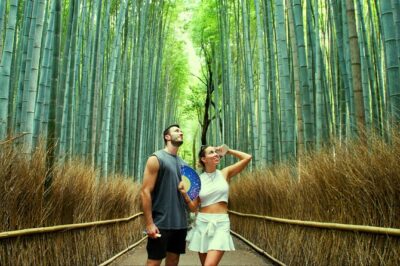
Kyoto: Arashiyama Bamboo Forest, Monkeys, Matcha & Temple Tour
Read our review →
Kyoto Zen Meditation & Garden Tour at a Zen Temple with Lunch
Read our review →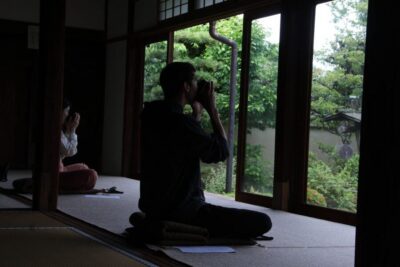
This tour also ranks in