
Review · JAPAN
Itsukushima Shrine: Guided Tour with a Local
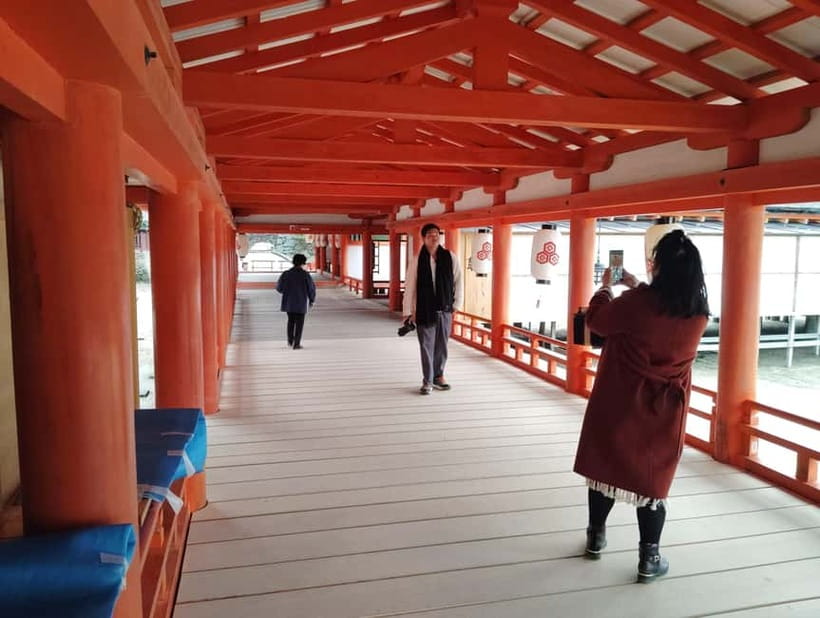
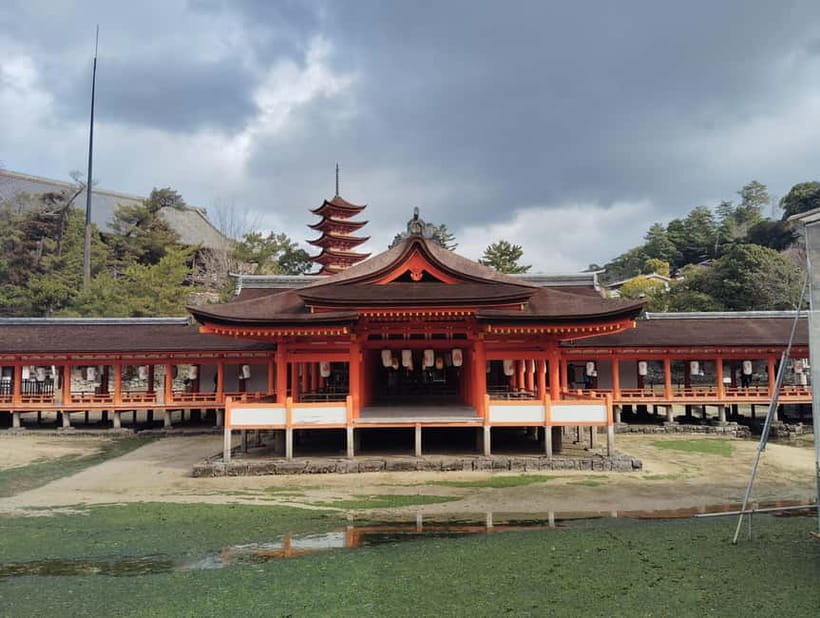
Itsukushima Shrine is built to appear as if it floats above the sea, a bold design shaped by the island’s religious traditions. I like that this tour explains both the sea goddess beliefs behind the shrine and the practical building choices that made its World Heritage status possible. I also like the private format, which gives guides such as Gordon and Jochy room to answer questions and adjust the pace.
The main consideration is its short 90-minute length. You’ll see the key sites, but you won’t have much time for a slow, detailed exploration of every corner. The shrine is also not suitable for wheelchair users, and summer visitors should expect sun exposure, so comfortable shoes and sunscreen matter.
Key points at a glance
- A shrine designed to float: Learn why the main buildings were placed above the water instead of directly on the island.
- Sea goddess traditions: Connect the shrine’s architecture with the three goddesses of the sea and Miyajima’s sacred identity.
- Three compact stops: See Itsukushima Shrine, Senjokaku Pavilion, and the five-story pagoda within 90 minutes.
- Private guided format: Ask questions freely and set a pace that works for your group.
- Guides with a personal touch: Gordon and Jochy are among the guides who have led this experience, with an emphasis on clear explanations and patience.
- Simple meeting point: Find your guide by the Taira no Kiyomori statue, holding a yellow DeepExperience sign.
Why Itsukushima Shrine feels unlike other Japanese temples
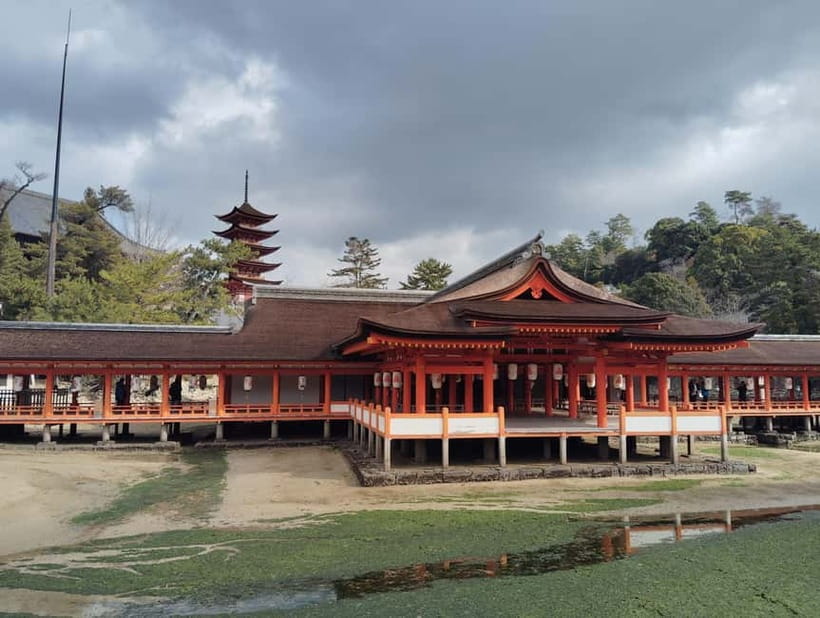
Many Japanese religious sites sit firmly on land. Itsukushima Shrine asks you to look at the meeting point between land and water. Its buildings were designed to sit above the sea, creating the impression that the shrine floats in front of Miyajima.
That design was not just for appearance. The island was treated as sacred, and the shrine’s position helped protect the island behind it from ordinary human intrusion. The result is an unusual blend of faith, engineering, and visual drama.
I find this is the sort of place that can be beautiful at a glance but confusing without context. You see red-painted structures, walkways, and water around the buildings, but the meaning behind that arrangement is not always obvious. A guide helps connect the physical site with the beliefs that shaped it.
The shrine is dedicated to the goddesses of the sea. Your guide explains how those religious roots influenced the shrine’s location and form. You also learn why its construction is considered an architectural innovation, rather than simply an attractive arrangement of buildings over the water.
That explanation gives the visit more weight. Instead of taking a few photographs and moving on, you can understand why the shrine belongs on Miyajima and why its design is considered important on a world scale.
More Temple Tours around Japan:
- Kyoto: Tea Ceremony Ju-An at Jotokuji Temple
★ 4.9 · 3,207 reviews - Osaka/Kyoto:Kinkakuji,Arashiyama,FushimiInariShrine,NaraPark
★ 4.1 · 1,596 reviews - Tokyo: Asakusa Walking Tour with Sensoji Temple Visit
★ 4.8 · 1,583 reviews
Meeting at the Taira no Kiyomori statue
The tour begins in front of the statue of Taira no Kiyomori on Miyajima. Your guide waits with a yellow sign marked DeepExperience, making the meeting point easier to spot.
This is useful because Miyajima’s religious sites can feel busy and visually similar once you reach the shrine area. Look for the statue and the yellow sign rather than trying to identify your guide from a name alone.
The published languages are English and Japanese. Guides include Gordon and Jochy, though the person assigned to your tour may differ. Gordon is described as having clear English and a strong grasp of the history and culture connected with the shrine, the torii gate, and Miyajima. Jochy is described as patient, enthusiastic, and willing to answer questions.
One practical detail is worth noting. A Japanese participant praised the guide for providing explanations even during a major train delay before reaching the area. That suggests the service can include useful communication and support around the visit, although the stated tour meeting point itself is on Miyajima.
The 50-minute visit to Itsukushima Shrine
Most of the tour is spent inside Itsukushima Shrine, with 50 minutes set aside for guided sightseeing. This is the heart of the experience and the part that gives the $59 price its value.
You’ll learn about the shrine’s history, architecture, and religious purpose rather than simply walking through the grounds. The guide focuses on the choice to build above the sea and on the connection between the shrine and the goddesses of the sea.
The unusual structure is the main attraction. Its elevated design gives the shrine a floating appearance and separates the sacred buildings from the island itself. Your guide can point out how that arrangement reflects the island’s spiritual importance and why the buildings were designed in this way.
The tour also addresses the innovations that helped the shrine earn World Heritage recognition. This matters if you want more than a scenic stop. You are learning why the site is important, not just that it is old or famous.
You should still keep your expectations realistic. Fifty minutes is enough for an introduction and a focused walk, but it is not a full architectural study. If you like to linger at each structure, take many photographs, or read every sign, you may want additional time before or after the guided portion.
The guide-led format helps with questions. You can ask about the religious symbolism, the construction, or the island’s connection to the gods instead of waiting for a standard speech to cover everything. For a private group, this is particularly useful because the conversation can follow your interests.
The pace can also suit mixed-age groups. One guide made sure older members of a group took breaks during hot weather, allowing them to continue comfortably. That does not mean every tour will follow the same schedule, but it shows why a private guide can be useful when your group includes people who need more time.
Senjokaku Pavilion and its open sense of space
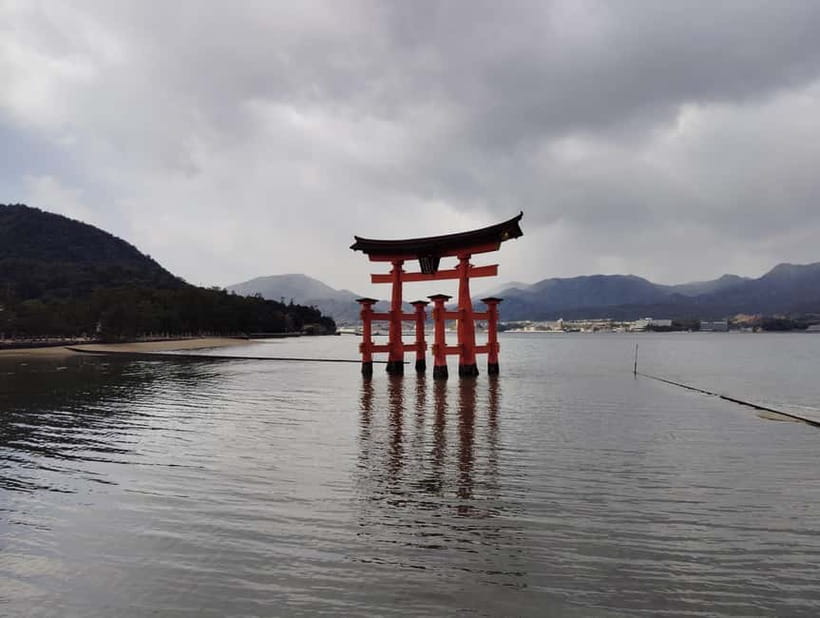
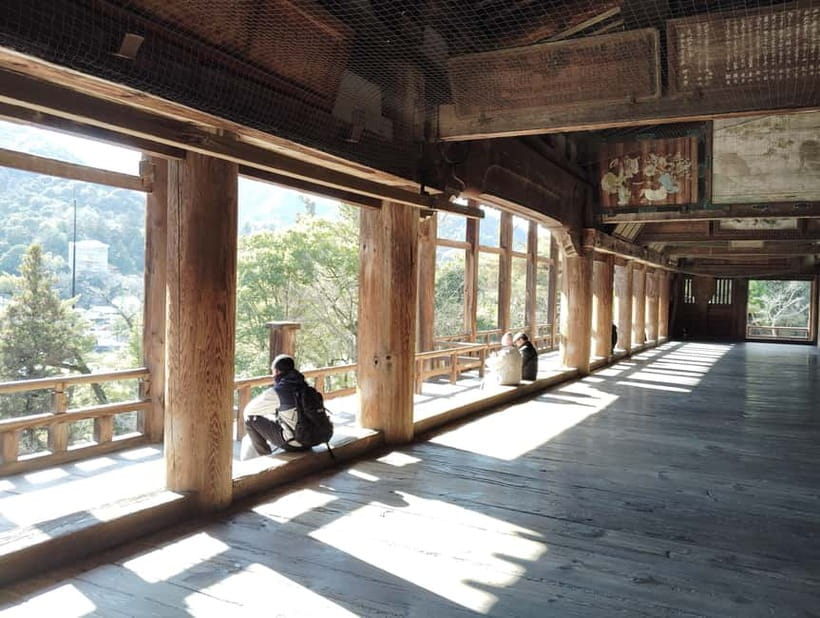
The second stop is Senjokaku Pavilion, with about 20 minutes for a guided visit and sightseeing. The name refers to a hall large enough to suggest a thousand tatami mats, giving you an idea of the pavilion’s broad scale.
The pavilion offers a change from the more carefully arranged shrine buildings. It is a place to consider Miyajima’s religious and architectural setting from a wider angle. Your guide can help explain how it fits into the group of important sites around Itsukushima Shrine.
Twenty minutes is a sensible amount of time here. You get enough space to see the pavilion and hear its significance without using up the entire tour. If you want long pauses for photos, the schedule may feel tight, so keep your camera ready and listen while moving.
This stop also helps prevent the visit from becoming one-note. The main shrine gives you the floating-over-water concept, while Senjokaku adds another architectural setting and a broader sense of the sacred area.
Same sacred ground, another way to see it:
- Tokyo:Mt.Fuji,Kawaguchiko Oishi Park,Arakurayama Sengen Park
★ 4.4 · 2,682 reviews - Nikko: Kegon Falls, Lake Chuzenji & Toshogu Temple
★ 4.6 · 1,577 reviews - Tokyo: Nikko Toshogu Shrine and Kegon Waterfall Tour
★ 4.5 · 1,266 reviews - Tokyo Panoramic 1 Day: Meiji Shrine, Asakusa, Odaiba and SKYTREE®
★ 4.5 · 1,222 reviews
The five-story pagoda in five minutes
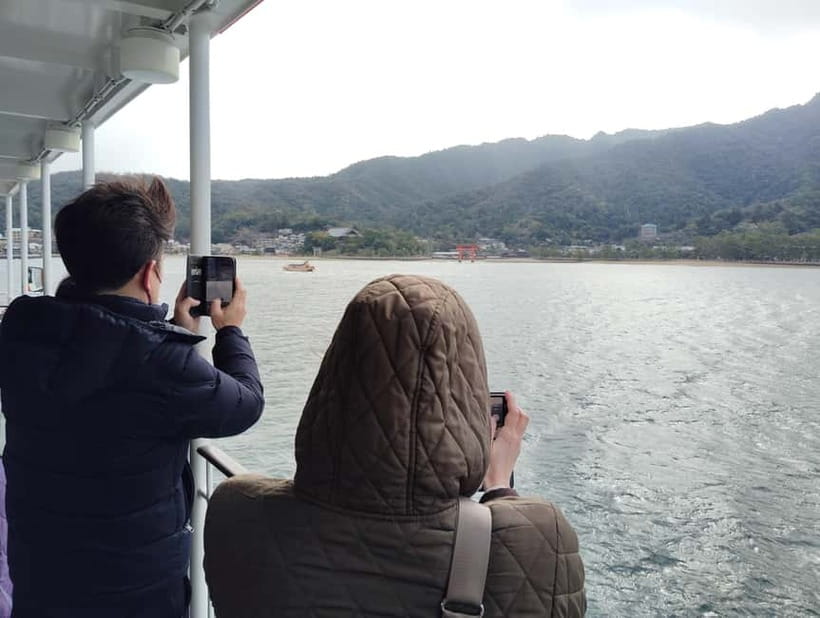
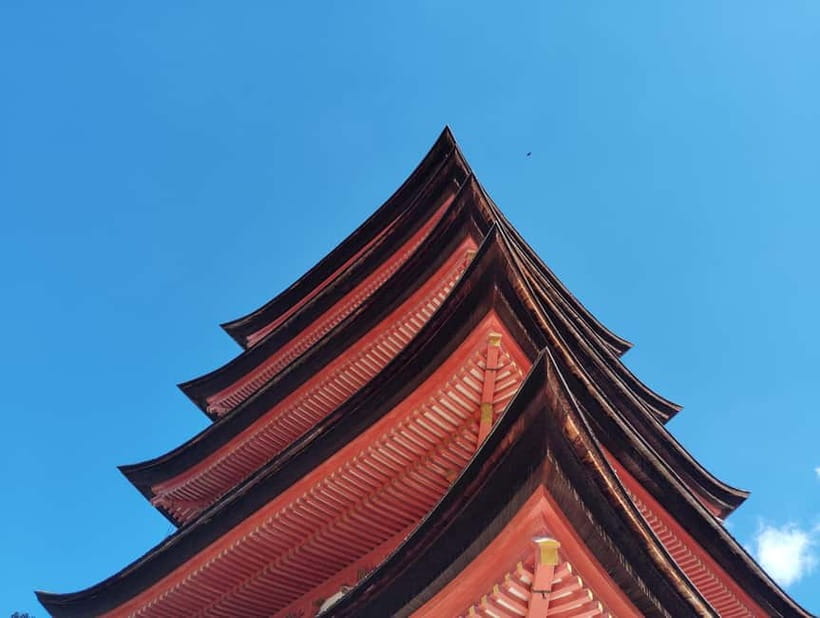
The final guided stop is Itsukushima Jinja Gojunoto, the five-story pagoda, with about five minutes allocated for sightseeing. The tour ends at the pagoda.
Five minutes is brief, but the pagoda works well as a final landmark. You can see its distinctive vertical form and hear how it relates to the shrine complex. The stop is best treated as a focused look and photo opportunity, not a long visit inside or around the building.
Ending at the pagoda gives the route a clear finish. You begin with the shrine’s history and sea-based design, continue to Senjokaku Pavilion, and then close with one of Miyajima’s most recognizable structures.
If you want extra time at the pagoda, plan to stay after the tour if possible. The stated schedule gives only a short guided visit, and the tour officially finishes there.
What $59 means in practical value
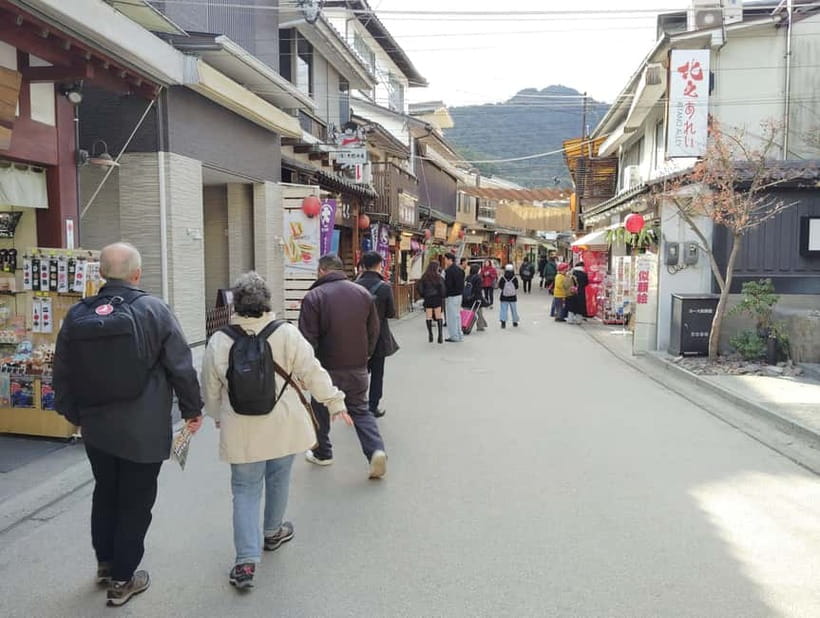
At $59 per person, the price includes admission to Itsukushima Shrine and a 90-minute private guided tour. That makes the cost easier to judge than a simple admission ticket. You are paying for access, interpretation, and the chance to ask questions in English or Japanese.
I see the strongest value for first-time visitors who want to understand the shrine rather than only photograph it. The design can seem obvious at first, but the reason it floats above the sea, the importance of the goddesses, and the architectural choices are not details everyone will pick up alone.
The value is also stronger for families or small groups with different interests. One person can ask about the religious traditions, another can focus on construction, and the guide can adjust the conversation. A private group can also make it easier to take breaks or pause for photographs.
The price may feel less worthwhile if you already know the shrine’s history or prefer to explore at your own pace. Ninety minutes is focused and efficient, but it does not give you an entire day of island sightseeing. You are buying a guided introduction to the shrine area, not a full Miyajima tour.
Admission is included, which removes one extra expense and keeps the visit straightforward. The experience is offered with free cancellation up to 24 hours in advance and a reserve-now, pay-later option, useful if your schedule around Miyajima is still changing.
Guide quality and the human side of the visit
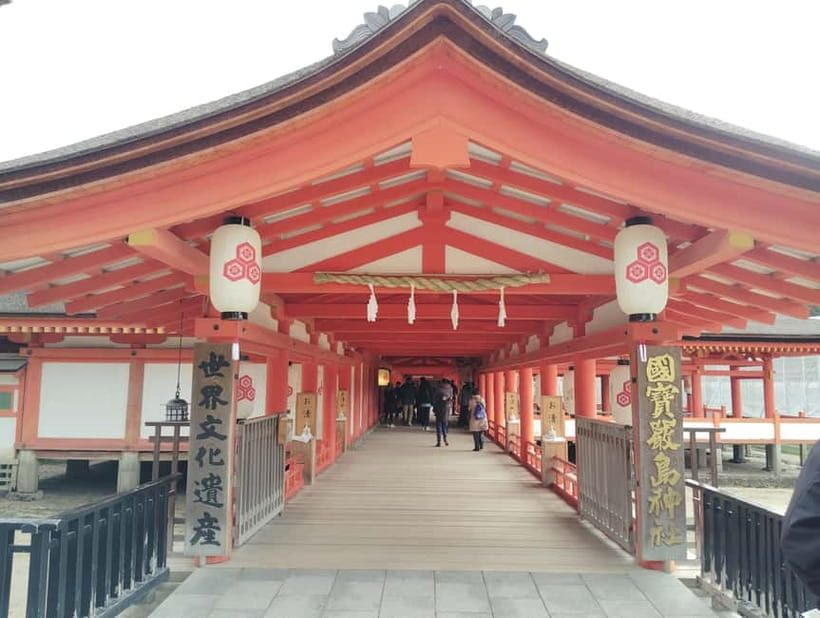
The strongest pattern in the available feedback is the quality of the guiding. Gordon is praised for explaining the history and culture behind the shrine, its torii gate, and Miyajima in clear English. He also adjusted the pace for older members of a group during hot weather.
Jochy is described as enthusiastic and patient. That matters at a place where you may have several questions about architecture, religion, and local customs. A guide who welcomes questions can make a short tour feel more personal.
The experience also allows room for small personal moments. One participant appreciated that the guide joined in with photographs featuring a favorite character display. That detail suggests the tour does not have to feel stiff or overly formal.
At the same time, guide assignments can change. You should book this for the structure and subject matter, not on the assumption that you will receive a particular person. English and Japanese are the listed languages, and the tone may vary slightly with your guide.
Timing, comfort, and what to bring
The full experience lasts 90 minutes. It includes 50 minutes at Itsukushima Shrine, 20 minutes at Senjokaku Pavilion, and five minutes at the five-story pagoda, with the remaining time used for movement and transitions.
Wear comfortable shoes. The tour involves walking between several sites, and footwear that feels fine for a short stroll may become irritating during a guided visit with several stops.
Bring a camera, but do not use flash photography. Sunscreen is also recommended, especially in warmer weather when the open areas around the shrine can feel exposed.
Smoking is not allowed during the activity. The tour is not suitable for wheelchair users, so anyone with mobility concerns should consider this before booking.
The private format can help with rest breaks, but the published schedule remains compact. Tell your guide early if someone in your group needs a slower pace. One guide has already shown flexibility with older participants, but it is sensible to make your needs clear at the start.
Who should book this Miyajima tour?
I would recommend it to a first-time visitor who wants the shrine explained in plain terms. You get the main religious ideas, the unusual floating design, the World Heritage context, and three important landmarks without committing to a long day of guided sightseeing.
It also suits families, couples, and private groups that value conversation. The English option is useful for international visitors, and the guide can respond to questions rather than delivering only a fixed route.
It is a good choice for travelers who care about architecture and religious history. The shrine’s design is not just decorative, and the tour gives you a way to understand why its position above the sea matters.
I would hesitate if you need wheelchair access, dislike scheduled walks, or want extensive free time at every stop. The five-story pagoda visit is particularly short, and the whole experience is designed as a concise introduction.
Should you book the Itsukushima Shrine guided tour?
Book it if you want the meaning behind Miyajima’s most famous shrine, not just a quick look at its red buildings and sea setting. The combination of admission, a private guide, English or Japanese commentary, and a focused 90-minute route makes $59 reasonable for a first visit.
The best reason to choose it is the explanation of how faith shaped architecture. You’ll learn why the shrine seems to float, how the sea goddesses fit into its identity, and why the site earned World Heritage status.
Skip it if you already know the history or want a slow, independent afternoon. For everyone else, especially groups with questions or older members who benefit from a flexible pace, this is a practical way to make the shrine more than a photo stop.
FAQ
Where does the tour meet?
The meeting point is in front of the Taira no Kiyomori statue on Miyajima. Your guide will hold a yellow sign marked DeepExperience.
How long does the tour last?
The tour lasts 90 minutes. It includes 50 minutes at Itsukushima Shrine, 20 minutes at Senjokaku Pavilion, and five minutes at the five-story pagoda, with time for walking between stops.
Which languages are available?
The tour is offered in English and Japanese.
Is admission to Itsukushima Shrine included?
Yes. Admission to Itsukushima Shrine is included in the activity price.
Is this a private tour?
Yes. The group type is listed as a private group.
Can I cancel the booking?
You can cancel up to 24 hours in advance for a full refund. A reserve-now, pay-later option is also available.
Temple visits we reviewed lately in Japan
- From Asakusa: Old Tokyo, Temples, Gardens and Pop Culture★ 4.6 · 15 reviews
- Tokyo: Nagano Snow Monkeys and Zenkoji Tour with Temples★ 4.9 · 19 reviews
- Kamakura: Great Buddha, Hase Temple, & Komachi Street Tour★ 5.0 · 11 reviews
- Osaka Temple Head Spa &Matcha Facial – Refresh & Glow〈90min〉★ 5.0 · 24 reviews
- Osaka Temple :Warm Bamboo Oil Massage – Deep Restore〈60min〉★ 4.9 · 19 reviews
- Osaka: Temple Tour and Traditional Calligraphy Lesson★ 4.9 · 24 reviews
- Osaka Temple :Warm Bamboo Oil Massage – Deep Restore〈90min〉★ 5.0 · 14 reviews
- Osaka: Mind & Spirit Balance Temple Reiki Healing★ 5.0 · 41 reviews
Japan Temple Tours, compared.
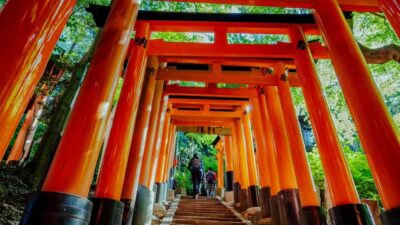
Osaka/Kyoto:Kinkakuji,Arashiyama,FushimiInariShrine,NaraPark
Read our review →
Nikko: Kegon Falls, Lake Chuzenji & Toshogu Temple
Read our review →
Tokyo: Nikko Toshogu Shrine and Kegon Waterfall Tour
Read our review →
Tokyo Panoramic 1 Day: Meiji Shrine, Asakusa, Odaiba and SKYTREE®
Read our review →
Kyoto Arashiyama Walking Tour: Bamboo, Monkeys, Gardens & Secrets
Read our review →
1-Day Snow Monkeys, Zenko-ji Temple & Sake in Nagano
Read our review →
Arashiyama Bamboo, Temple, Monkeys, or Secret Sake Brewery
Read our review →This tour also ranks in