
Review · SEOUL
Seoul: Vegan Temple Food Class, Jogyesa & Changdeokgung Tour
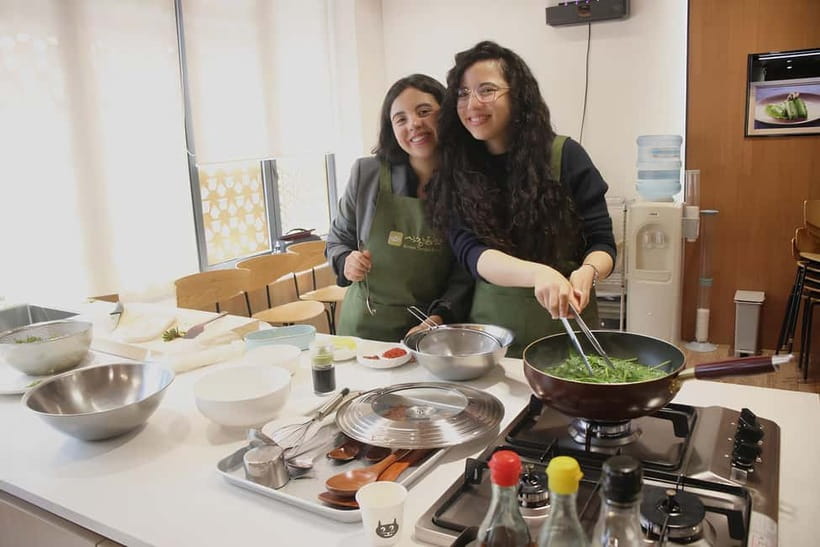
Korean temple food is the heart of this Seoul experience. You cook plant-based dishes with a Buddhist monk, then eat what you made while learning why monastic cooking avoids meat and values seasonal ingredients. The class is not just a recipe lesson. It connects food with Buddhist ideas about balance, restraint, and mindful living.
I like the pairing of the quiet cooking studio with Jogyesa Temple and Insadong, where Buddhist practice, tea culture, crafts, and everyday Seoul sit close together. I also like the final stop at Changdeokgung Palace, a UNESCO World Heritage site with a calmer feel than many palace visits. Guides named Bruce, Gina, Ron, and BJ have been praised for clear explanations and helpful translation.
The main drawback is the amount of walking. You cook standing, spend the day on foot, and continue through several busy central Seoul areas. The menu changes with the season, and one useful booking note says the English cooking class is offered on Saturdays, so confirm the class language before reserving another day.
Key points to know before booking
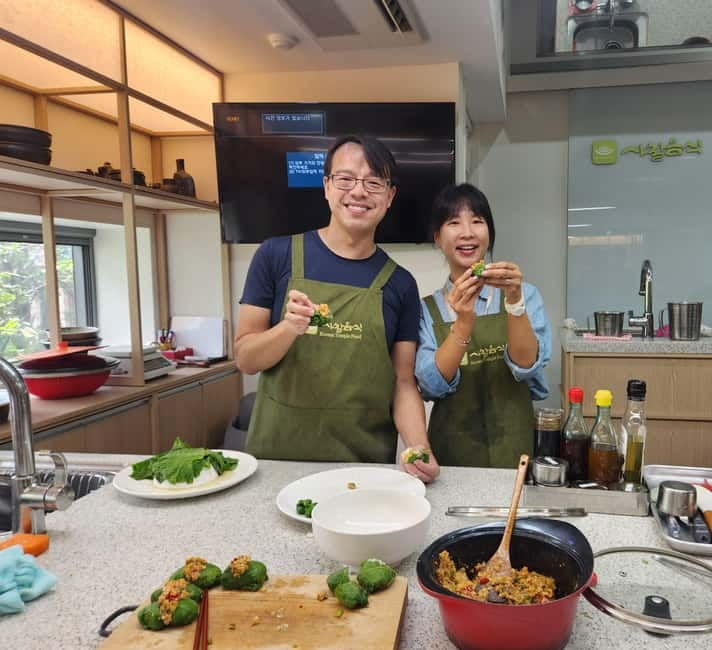
- Cook with a practicing Buddhist monk: Learn the purpose behind Korean temple food, not just how to prepare it.
- Eat your own plant-based meal: The food contains no meat, and you are asked to finish it on site to avoid waste.
- See several sides of central Seoul: The route links Jogyesa Temple, Insadong, a medicinal herb and ginseng market, and Changdeokgung Palace.
- Expect a flexible seasonal menu: Dishes change according to available ingredients, so the class is not built around one fixed recipe.
- Plan for a full walking day: Cooking is done standing, and pickup and drop-off are not included.
- Pay $73 for a culture-focused day: The price includes the guide, cooking class, and Changdeokgung admission, but not transportation between stops.
What makes the temple food class special
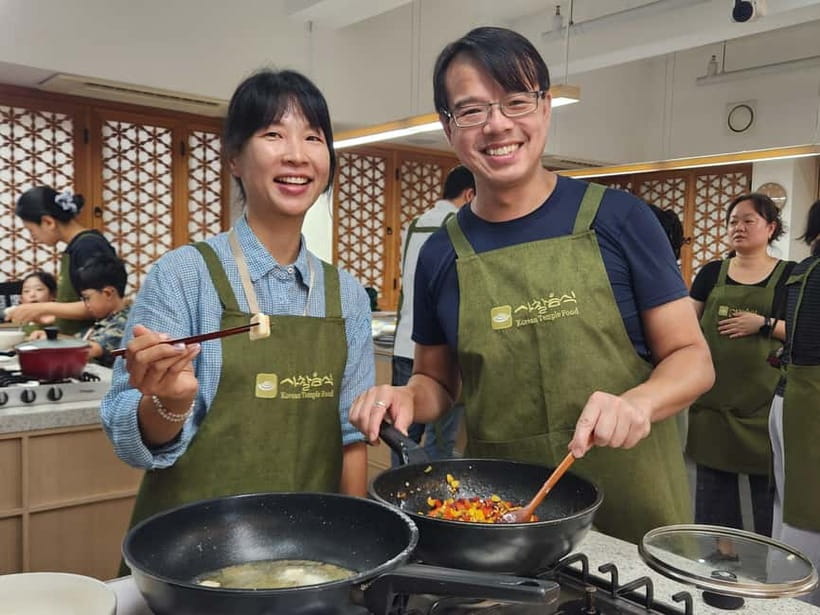
Many Korean cooking classes focus on popular dishes and home-style flavors. This one takes a quieter route. You work with a Buddhist monk and learn how temple cuisine reflects a monastic way of life.
The food is fully plant-based, with no meat. Its central ideas are simplicity, seasonality, and harmony. The menu changes, so you should not book this expecting one guaranteed dish. That uncertainty is part of the appeal: the class follows the ingredients available at the time rather than treating food as a fixed performance.
You prepare the food yourself, then taste it at the cooking location. The hands-on element matters. You are not simply watching a demonstration and receiving a plate at the end. You learn through chopping, mixing, preparing, and eating.
The cooking class also gives context that is easy to miss in a restaurant. Your instructor explains why Korean Buddhist cuisine treats ingredients with care and how mindful eating fits into temple life. Several guides have also explained connections between food and traditional Korean medicine, including the idea that certain foods may suit different body types or physical needs.
You should bring a reusable container if you want to take food away. The class asks you to finish the meal at the location because temples aim to avoid waste. Since the food is plant-based, this part of the experience works well for vegetarians and for anyone curious about Korean cuisine beyond barbecue and fried chicken.
Cooking is done standing. If you have difficulty standing for a long period, the class may be tiring even before the walking begins.
More temples and shrines worth the early start around Seoul:
- Seoul: Palace, Temple and Market Guided Foodie Tour at Night
★ 4.9 · 750 reviews - Seoul: Mt Seorak + Naksansa Temple or Nami Island Group Tour
★ 4.7 · 422 reviews - Seoul Night Palace & Market Food Tour with Vehicle
★ 5.0 · 275 reviews
Jogyesa Temple and the Buddhist center of Seoul
After the meal, the tour visits Jogyesa Temple, the spiritual center of Korean Zen Buddhism. This gives the cooking lesson a physical setting and helps explain why the monk’s approach to food matters.
Jogyesa is especially pleasant for a short walk beneath old trees and colorful lanterns. The temple sits in central Seoul, close to busy streets, yet its grounds offer a noticeable change of pace. You can pause to look at the lanterns, observe visitors at prayer, and connect the morning’s cooking lesson with an active place of worship.
Your guide adds useful background about Buddhist influence in Korea and how it continues to shape daily life. That context is more valuable than simply checking a temple off a list. You begin to see the food, the temple, and the idea of mindful living as parts of the same subject.
This is not presented as a long religious ceremony. It is a guided visit and walk, making it suitable for someone who wants cultural context without committing to a formal retreat or extended temple stay.
Insadong’s tea houses, crafts, and old Seoul character
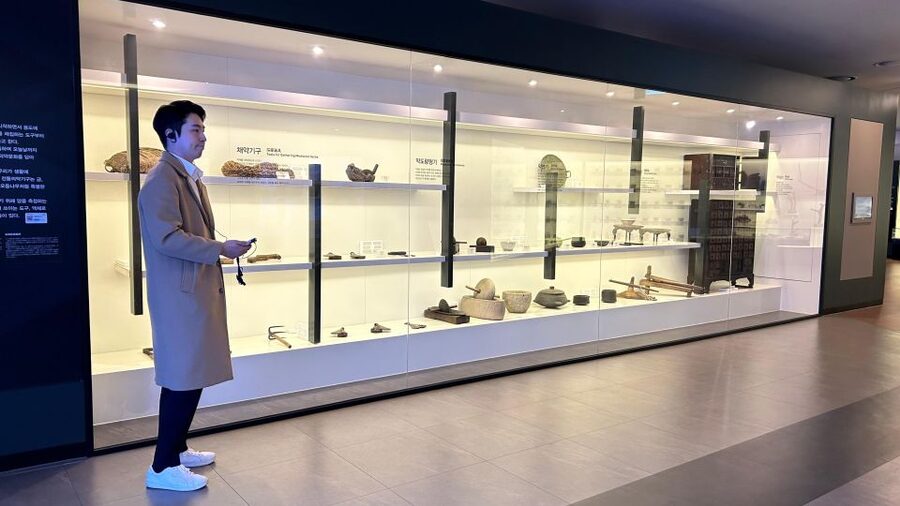
The route continues through Insadong, one of Seoul’s best areas for traditional art and culture. Its streets are lined with teahouses, craft shops, calligraphy studios, and small businesses tied to Korean artistic traditions.
Insadong works well after Jogyesa because it broadens the picture. The temple shows Buddhist practice, while Insadong shows how traditional design, tea, writing, and handicrafts remain part of the city’s public life.
Allow your guide to point out details you might otherwise walk past. The district can feel busy and commercial in places, but that is part of its character. You are not visiting a preserved village with no modern life. You are seeing traditional culture adapted to a working city.
Some accounts of the experience also describe tastings of tea and local market foods. The exact tastings may depend on the day and route, so treat them as possible additions rather than guaranteed menu items. The main included food experience is the temple cooking class.
The medicinal herb and ginseng market
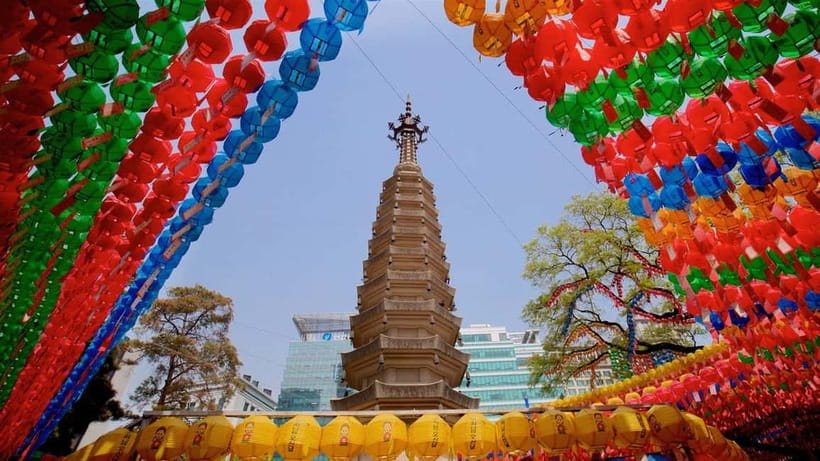
A particularly unusual part of this experience is the visit to Korea’s large medicinal herb and ginseng market. This stop adds a subject that many general Seoul tours skip.
The market gives you a look at traditional Korean medicine through its ingredients. Your guide can explain how herbs are used and how traditional medicine connects food, health, and body composition. That makes a useful link back to the morning class, where ingredients are also discussed as more than simple flavor.
One account of the day describes visiting a museum connected with traditional medicine and seeing displays while dressed in traditional clothing. It also describes time in a local market, with tea and food tastings. These details may vary by schedule, but they show the kind of cultural material the guide may add around the medicinal market visit.
This stop will appeal most to you if you enjoy markets, food traditions, and everyday culture. It may be less interesting if you want only major monuments and polished royal architecture. The market is practical and sensory, not a grand sightseeing site.
There is also an important transport detail. The official meeting information places the start and finish at Anguk Station Exit 1, and the activity is described as a walking tour. One account mentions taking a taxi to the medicinal market. Since the route can involve transfers or a changed sequence, ask your guide how transportation works on your date. Pickup and drop-off are not included.
More temple trips with food stops in Seoul:
- Seoul Sunrise & Sunset Hike + Temple & K-Food Adventure
★ 4.8 · 6 reviews - Bangkok by Night: Temples, Markets and Food Tuk-Tuk Tour
★ 5.0 · 3,752 reviews - Bangkok: Markets, Temples and Food Night Tour by Tuk Tuk
★ 4.9 · 2,371 reviews - 1-Day Snow Monkeys, Zenko-ji Temple & Sake in Nagano
★ 5.0 · 1,020 reviews
Changdeokgung Palace and Joseon royal life
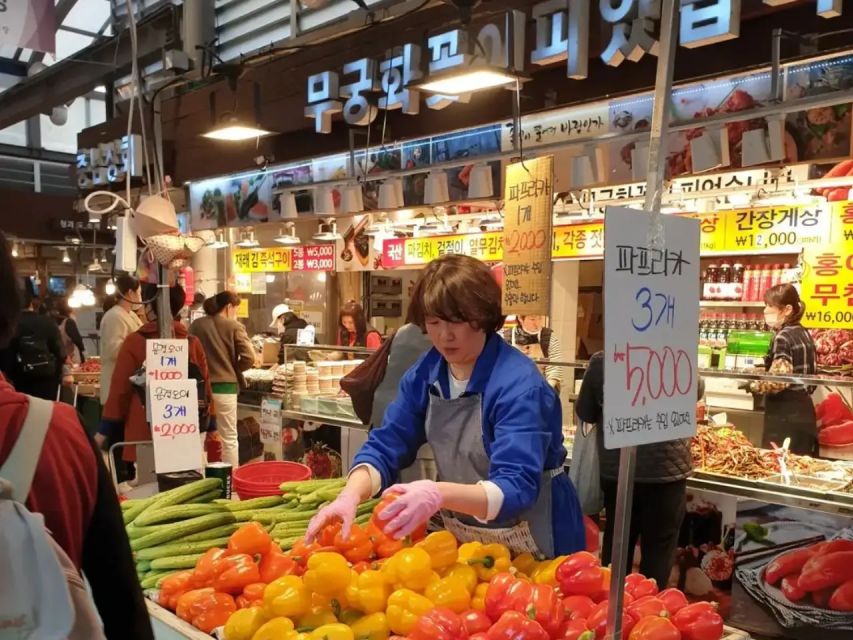
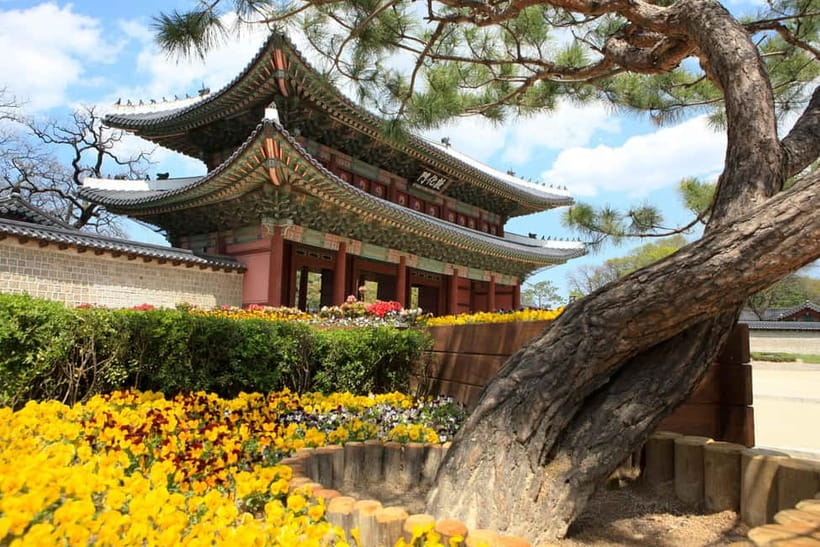
The final major sight is Changdeokgung Palace, one of Seoul’s finest royal complexes and a UNESCO World Heritage site. Admission is included, which adds real value to the $73 price.
Changdeokgung is known for graceful architecture and quieter garden areas. The palace gives the tour a different mood from the temple and market. Jogyesa is a living Buddhist center, the medicinal market is tied to traditional health, and Changdeokgung brings you into the world of Joseon royalty.
Your guide explains the palace and its connection to the Joseon dynasty. That guidance matters because palace courtyards can otherwise blur together. With some historical framing, you can better understand the relationship between royal buildings, court life, and the careful design of the grounds.
Do not expect a private palace visit or a slow, silent stroll through every corner. This is one section of a wider day, and the walking route covers several subjects. Still, Changdeokgung is a strong finish because it gives the day a clear sense of place and historical range.
The contrast between the palace and the morning cooking lesson is one of the tour’s best features. You begin with humble, plant-based food shaped by monastic discipline and finish among the formal spaces of Korea’s royal court.
What the $73 price includes
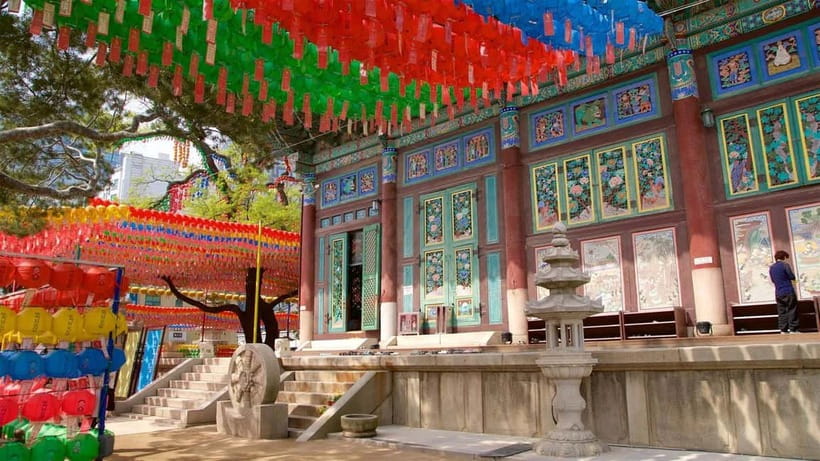
At $73 per person, the experience is priced above a simple palace visit but below what you might pay for several separate activities with a private guide. The fee includes:
- An English-speaking licensed guide
- The temple food cooking class
- Instruction from a Buddhist monk
- Admission to Changdeokgung Palace
The price does not include pickup, drop-off, or any transportation that may be needed between stops. It also does not promise every market tasting or an additional museum visit.
I think the value is strongest if you want interpretation rather than independent sightseeing. You are paying for the cooking instruction, the monk’s perspective, translation help, palace explanation, and a route that connects food, religion, medicine, art, and royal culture.
The value is weaker if your main goal is simply to enter Changdeokgung or walk through Insadong. You could visit those areas independently for less. The added cost makes sense when you want one guide to tie the pieces together and help you navigate Korean cultural customs.
Some bookings may feel private or nearly private, depending on the date. One participant described booking a single slot and receiving a private experience, but group size is not stated as a fixed feature. Do not assume every departure is private. If that matters to you, confirm before paying.
Practical details that affect your day
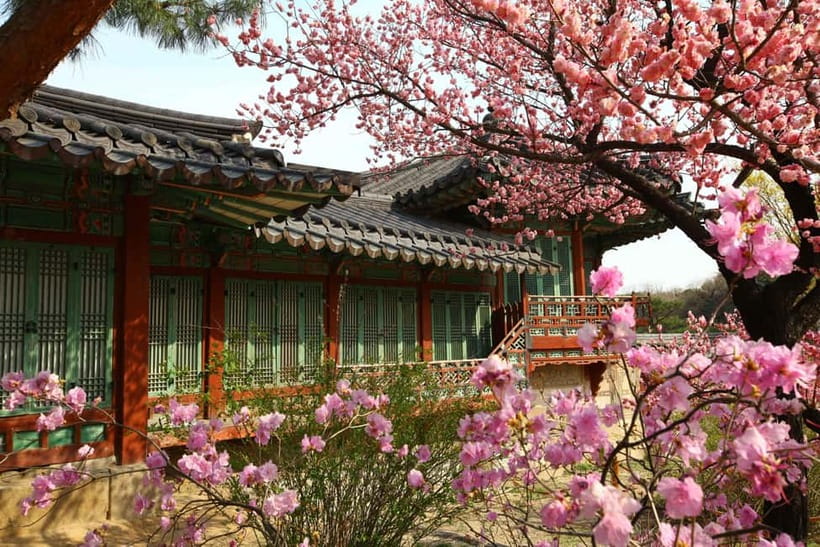
The meeting point is Anguk Station Exit 1. Look for the guide holding a Tripper sign. The tour ends back at the same meeting point.
The entire activity is conducted in English, but the cooking class schedule deserves special attention. A booking note indicates that Saturday classes are conducted in English. If you are reserving another day, confirm that the monk-led class will be taught with English support.
Wear comfortable shoes and clothing suitable for standing and walking. The route links several central Seoul sights, and the activity operates in rain or snow unless the weather makes it impossible to continue.
You should also plan to eat the prepared food at the class location. Bring a reusable container only if you specifically want to carry food away. Since the menu changes with seasonal ingredients, ask about the day’s dishes if you have allergies or dietary concerns before cooking begins.
The tour has a 24-hour cancellation policy for a full refund, and you can reserve now and pay later. Those options are useful if your Seoul plans are still shifting.
Who will enjoy this Seoul experience most
I would choose this tour if you like food with a story behind it. The cooking class is more meaningful than a standard recipe lesson because it explains how Buddhist values shape what goes into the bowl and how the meal is eaten.
It also suits you if you want a broad cultural day without arranging several separate visits. The mix is unusually wide: vegan cooking, Buddhist practice, traditional arts, medicinal ingredients, market life, and royal architecture.
Vegetarians will find the food straightforward, since the temple cuisine contains no meat. Anyone interested in plant-based cooking will also get ideas to take home, especially because the dishes are described as simple enough to reproduce.
You should think twice if you dislike walking, standing, changing neighborhoods, or uncertain menus. The experience is not ideal for people with mobility issues or difficulty covering long distances. It is also not the best choice if you want a relaxed half-day with lots of free time.
Should you book it?
Book this experience if the idea of cooking with a Buddhist monk interests you more than simply taking photos at another Seoul landmark. The class is the feature that gives the day its identity, while Jogyesa, Insadong, the medicinal market, and Changdeokgung add useful context.
I would especially recommend it for a first visit to Seoul when you want an organized introduction to several sides of Korean culture. Confirm the English class day, ask whether any taxi transfer is needed, and prepare for a full day of standing and walking.
Skip it if you need a low-effort itinerary or want guaranteed dishes and a fixed route. For the right person, though, $73 buys more than a meal and a palace ticket. It gives you a connected way to understand how Korean food, faith, medicine, art, and royal tradition meet in central Seoul.
FAQ
Where does the tour start?
The tour starts at Anguk Station Exit 1. The guide will be holding a Tripper sign.
Where does the tour end?
The activity ends back at the meeting point at Anguk Station Exit 1.
Is the food completely vegan?
Yes. The temple food contains no meat and is fully plant-based.
Can I take the food home after the cooking class?
You are asked to finish the meal at the cooking location to help avoid food waste. If you want to take food with you, bring your own reusable container.
Does the cooking menu stay the same?
No. The menu changes according to seasonal ingredients.
Is admission to Changdeokgung Palace included?
Yes. Admission to Changdeokgung Palace is included in the price.
Is transportation included?
Pickup and drop-off are not included. The activity is described as a walking tour, although a taxi transfer may be used between some areas depending on the route.
Can I cancel for a full refund?
Yes. You can cancel up to 24 hours in advance for a full refund.
More temple visits with a hands-on workshop in Seoul
- Kyoto: Calligraphy class at Buddhist temple in city center
★ 5.0 · 167 reviews - Chinese Kungfu class in old temple beside Forbidden Ci
★ 4.8 · 53 reviews - Bali: Full-Day Private Water Temple Ritual & Yoga Class
★ 4.6 · 31 reviews - My Son Hindu Temples & Terracotta Workshop PRIVATE TOUR
★ 5.0 · 25 reviews
More temple and food outings in Seoul
- Bangkok: Tuk Tuk Adventure Chinatown Michelin Food & Temples
★ 4.3 · 725 reviews - Old Delhi Food-Spice Market-Temples Tour Soon Featured on NETFLIX
★ 5.0 · 304 reviews - Takua Pa: Food Market, Tsunami Museum, Temple, & Old Town
★ 4.9 · 165 reviews - Bangkok Night Tour: Food, Temple & Tuk-Tuk
★ 4.7 · 94 reviews
Temple visits we reviewed lately in Seoul
- Seoul: UNESCO Sites tour: Palace, Shrine & Bukchon Village★ 4.8 · 26 reviews
- Seoul: War Memorial, Jogyesa Temple & Tapgol Park Tour★ 4.8 · 56 reviews
- Seoul Sunrise & Sunset Hike + Temple & K-Food Adventure★ 4.8 · 6 reviews
- Seoul: Temple & Starfield COEX Mall Gourmet Tour in Gangnam★ 4.7 · 22 reviews
- Seoul: Night Bongeunsa Temple Guided Tour★ 5.0 · 11 reviews
- Seoul: 4-Hour Guided Tour to Palace, Bukchon, Jogyesa Temple★ 5.0 · 3 reviews
- Gyeongbokgung Palace, Jogyesa Temple and Bukchon village★ 5.0 · 12 reviews
- Danyang Tour:Guinsa Temple & Bobaljae & Cheongpung Cable Car★ 5.0 · 15 reviews
Seoul Temple Tours, compared.
Seoul: Palace, Temple and Market Guided Foodie Tour at Night
Read our review →
Seoul: Mt Seorak + Naksansa Temple or Nami Island Group Tour
Read our review →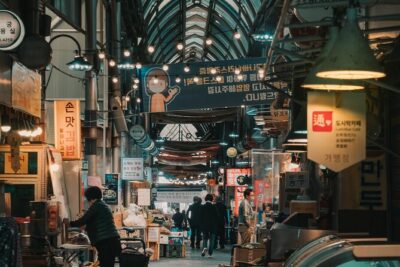
Seoul Night Palace & Market Food Tour with Vehicle
Read our review →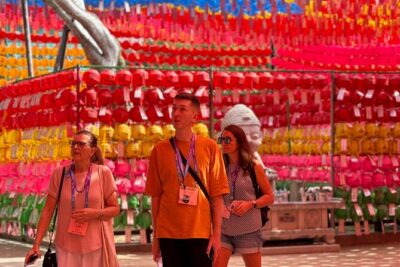
Best Things to Do – Half Day Seoul Trip (Seoul Palace & Temple)
Read our review →
Seoul: War Memorial, Jogyesa Temple & Tapgol Park Tour
Read our review →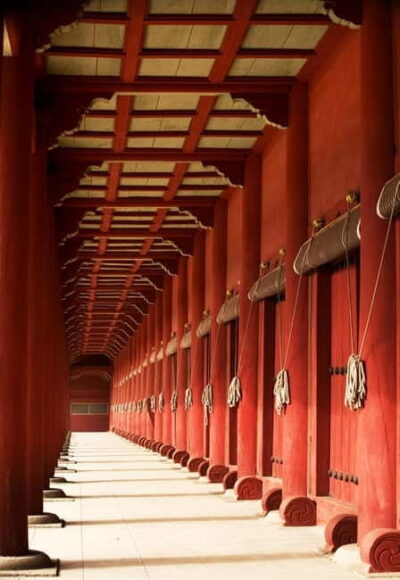
Seoul: UNESCO Sites tour: Palace, Shrine & Bukchon Village
Read our review →
Seoul: Temple & Starfield COEX Mall Gourmet Tour in Gangnam
Read our review →
Danyang Tour:Guinsa Temple & Bobaljae & Cheongpung Cable Car
Read our review →This tour also ranks in