
Review · SEOUL
Seoul: UNESCO Sites tour: Palace, Shrine & Bukchon Village
Seoul’s royal past comes into focus on this tour through Changdeokgung Palace and Jongmyo Shrine, two UNESCO sites with very different moods. One feels graceful and open, the other solemn and ceremonial. Bukchon Hanok Village adds a more everyday side of old Seoul, with traditional homes now serving as cafés and cultural centers. I like the friendly guiding style, with guides such as Stella, Park, Leo, Chloe, and Orota praised for clear explanations, photos, and practical help. I also like the van transport, which saves you from stitching together several subway and taxi rides. The main drawback is that the schedule can change by weekday, and the full-day version adds Suwon, so you should confirm exactly which format you are booking.
Key points at a glance
- Changdeokgung’s 600-year royal setting: See one of Seoul’s finest palace compounds and learn how royal design worked with its gardens.
- Jongmyo’s quiet ceremonial mood: Visit the shrine built for royal ancestral rites, a place very different from a palace.
- Bukchon’s traditional streets: Photograph hanok homes, cafés, and cultural centers while learning how the old neighborhood fits into modern Seoul.
- Suwon option for a longer day: The full-day route continues to Suwon Hwaseong Fortress and Hwaseong Haenggung Palace.
- Strong personal guiding: Guides including Park, Leo, Chloe, Stella, and Orota are noted for history talks, warm manners, and taking photos.
- Simple Myeong-dong logistics: Meet outside subway Exit 10 at 8:30 am and finish back near the station.
Three layers of old Seoul in one morning
This experience works because it does not treat Korean history as one grand palace stop. You see three different settings: a lived-in traditional neighborhood, a sacred royal shrine, and a working palace compound.
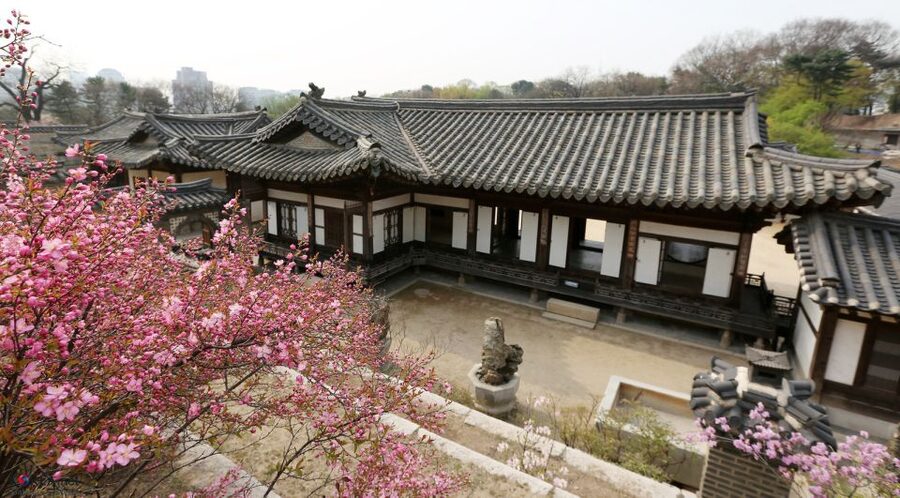
Bukchon Hanok Village is the most approachable opening. Its traditional Korean houses, called hanok, line sloping streets near the old royal center. Some homes now hold cafés, galleries, or cultural centers. That gives you a useful contrast: the architecture is historic, but the neighborhood is not frozen behind glass.
Your guide introduces the route while you walk and points out details you might miss on your own. This is also the best early chance for photos. The narrow streets and tiled roofs make attractive pictures, though the village is a real neighborhood, not simply an open-air museum. Keep your voice low and respect signs asking people not to photograph private homes.
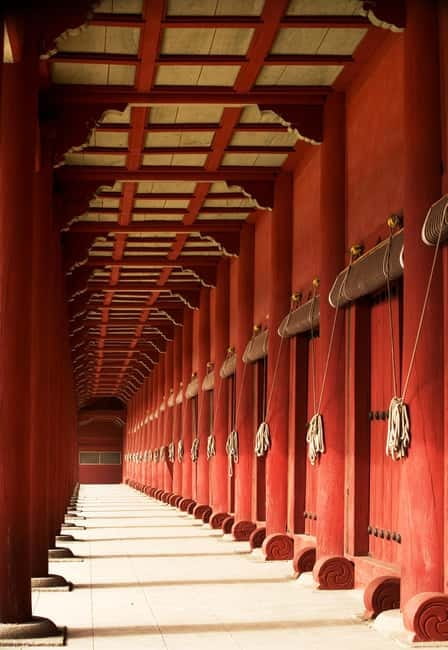
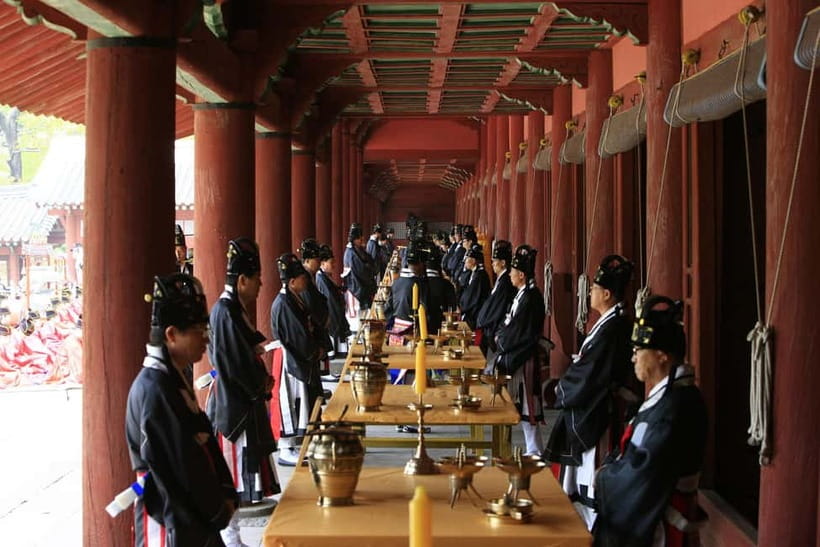
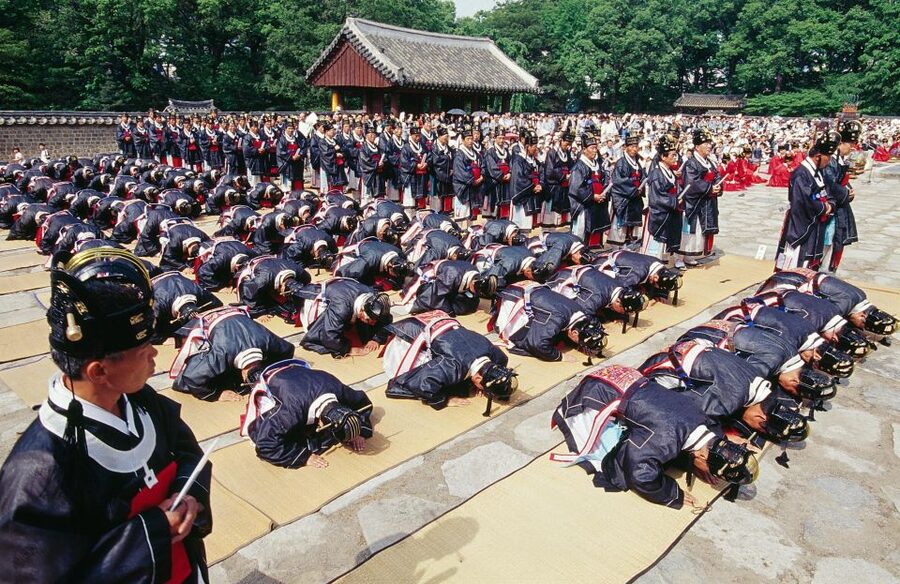
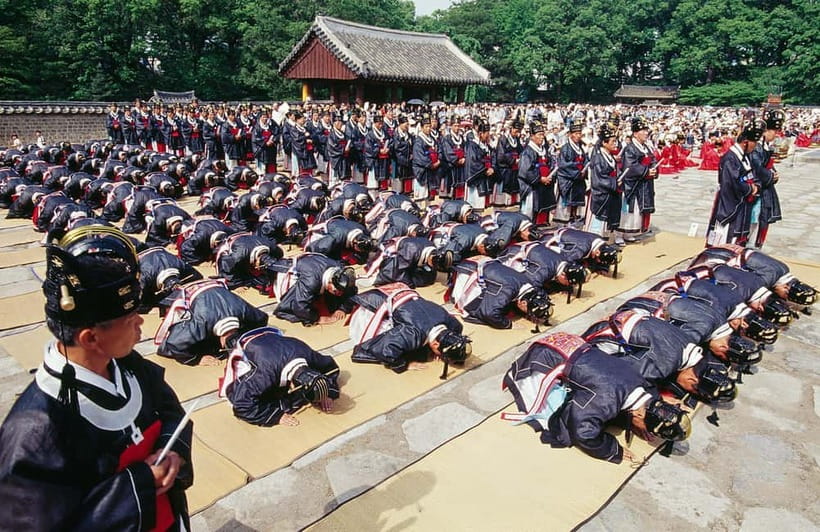
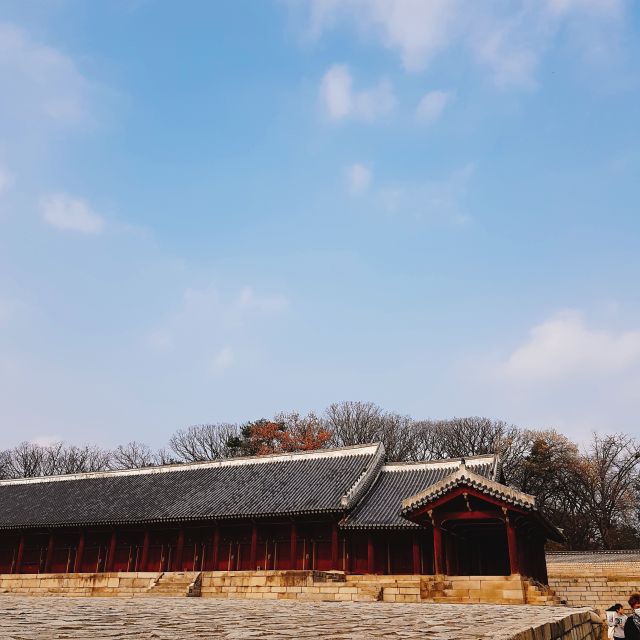
The tour then moves into a more serious setting at Jongmyo Royal Shrine. This was built nearly 600 years ago for royal ancestral rites. Korean kings came here to honor earlier monarchs, and traditional memorial ceremonies and court music performances still take place on occasion.
I like the change in pace. Bukchon is about streets, homes, and daily culture. Jongmyo is about duty, memory, and ceremony. A guide adds value here because the shrine can otherwise seem plain compared with Seoul’s ornate palaces. The meaning is in the rituals and the layout, not in flashy decoration.
More Temple Tours around Seoul:
- Seoul: Palace, Temple and Market Guided Foodie Tour at Night
★ 4.9 · 750 reviews - Seoul: Mt Seorak + Naksansa Temple or Nami Island Group Tour
★ 4.7 · 422 reviews - Best Things to Do – Half Day Seoul Trip (Seoul Palace & Temple)
★ 5.0 · 190 reviews
Jongmyo Shrine and its careful weekday change
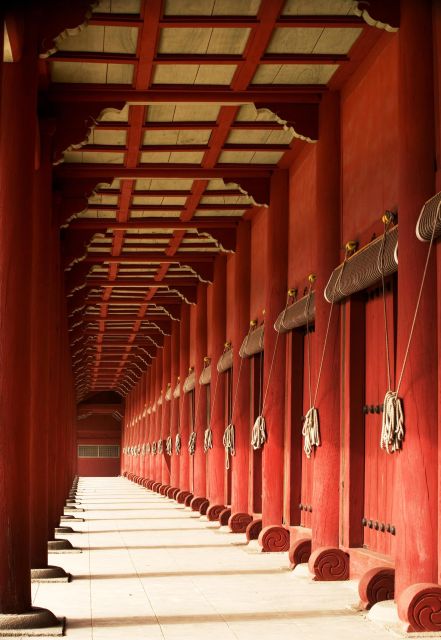
Jongmyo is closed on Tuesdays. On that day, the tour replaces it with Insa-dong Culture Street, an old Seoul neighborhood known for antique shops, galleries, and traditional tea houses.
That replacement is not a minor detail. If Jongmyo is the main reason you want this tour, avoid Tuesday. If you enjoy shops, art, tea houses, and a traditional urban atmosphere, Insa-dong may suit you well, but it is a different sort of stop. You will be exploring a commercial street rather than a royal ceremonial site.
The tour also runs in rain or shine, so dress for the forecast. You will be walking outdoors in Bukchon and across palace and shrine grounds. Comfortable shoes matter more than dressing up, and an umbrella is sensible on wet days.
Changdeokgung Palace, Seoul’s elegant royal residence
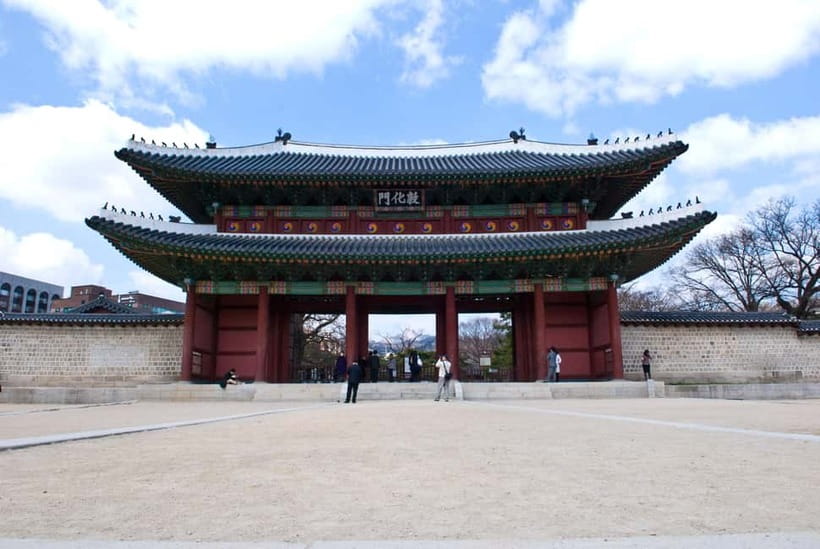
Changdeokgung Palace is the centerpiece for many people. It was once a royal residence and is recognized by UNESCO for its cultural value. The palace is admired for architecture that works with traditional Korean design rather than trying to overpower its surroundings.
Your guide helps turn a series of gates, courtyards, halls, and garden views into a story about royal life. The site has nearly 600 years of history, but the best visit is not about memorizing dates. Pay attention to how the buildings are arranged and how the gardens shape the experience.
The palace feels different from Jongmyo. Jongmyo asks for quiet attention and respect. Changdeokgung gives you more to look at, from painted details to open courtyards and landscaped garden areas. The combination makes the two UNESCO sites a good pair.
On Mondays, Changdeokgung is replaced with Gyeongbokgung Palace. Gyeongbokgung is another important royal site, but you should not book this tour expecting Changdeokgung on that day. The substitution keeps the itinerary running while changing the palace experience.
Bukchon can also close. If that happens, the tour uses Namsangol Hanok Village instead. This still gives you traditional Korean houses and cultural context, but it is not the same neighborhood walk.
What the guides add to the palace visit
The strongest feature here is the human side of the tour. Guides named in the supplied information include Stella, Park, Leo, Chloe, Orota, and Heidi. The exact guide depends on the departure, but the pattern is clear: expect the guide to do more than point at buildings.
Park is noted for teaching Korean history and culture in a friendly way. Leo is described as passionate about the subject and attentive to the group’s needs. Chloe has helped with practical requests such as finding a hanbok shop and taking photos. Orota is praised for interesting explanations at both the palace and shrine, along with taking pictures for the group.
Those details matter. A guide who can explain a custom, help with a photo, or adjust to your needs makes a walking tour feel easier. Several guides are also described as warm and funny, which helps during a day that includes a lot of historical information.
You should still keep your expectations realistic. Guide quality can vary by assignment, and the tour is in English. The experience is best for someone who wants context and conversation, not for someone who prefers to wander silently at their own pace.
Same sacred ground, another way to see it:
- Seoul Night Palace & Market Food Tour with Vehicle
★ 5.0 · 275 reviews - Seoul: War Memorial, Jogyesa Temple & Tapgol Park Tour
★ 4.8 · 56 reviews - Seoul: Vegan Temple Food Class, Jogyesa & Changdeokgung Tour
★ 4.6 · 34 reviews - Seoul: Temple & Starfield COEX Mall Gourmet Tour in Gangnam
★ 4.7 · 22 reviews
The ginseng stop and what it means for the schedule
After the historic sites, the route stops at Cheongha Korea Ginseng. You learn about the long place of ginseng in East Asian medicine and the particular reputation of Korean ginseng.
The product presentation is part of the tour, so shoppers should know what to expect. You may find it interesting if you want to understand a familiar Korean specialty, especially if you are curious about traditional remedies and local products. If you are focused only on palaces and UNESCO sites, this stop may feel less essential.
The tour material describes ginseng as an adaptogen, a substance associated with helping the body respond to stress. Treat that as cultural and commercial background rather than medical advice. The important practical point is that this stop takes time, and it is included in the sightseeing flow.
The full-day route adds Suwon’s fortress walls
The full-day version continues into Gyeonggi-do Province to Suwon. There you visit Suwon Hwaseong Fortress, a UNESCO World Heritage Site known for its well-preserved structure and advanced military engineering from the late 18th century.
This is a worthwhile addition if you want more than Seoul’s central royal sites. The fortress shows a different side of Korean history: defense, city planning, and engineering rather than court ceremony. The setting also changes from central Seoul streets to a broader historic complex.
You also visit Hwaseong Haenggung Palace, a temporary residence used by kings when they traveled outside the capital. That makes a useful link with Changdeokgung. One palace shows a principal royal home in Seoul, while the other shows how the court functioned during trips away from the capital.
A lunch break is provided, but the meal is not included. Bring money for lunch and do not assume the midday stop is covered by the $36 price. Since the full-day route includes several major sites and a transfer to Suwon, it will feel much more demanding than a short city walk. You get more history for your money, but you also spend more of the day on the road and on your feet.
Is $36 good value?
At $36 per person, the tour offers solid value if you want several admission-based sights in one organized outing. Entrance fees, a professional guide, a van, and a driver are included. You avoid working out separate routes between Bukchon, Jongmyo, Changdeokgung, and, on the full-day version, Suwon.
The value is strongest for a first visit to Seoul. You get a useful introduction to royal history, traditional architecture, and cultural customs without having to research every site beforehand. The guide also gives you a chance to ask about Korean food, hanbok, restaurants, and neighborhoods.
The price does not include meals, pickup, or hotel drop-off. You must reach the starting point yourself and return to Myeong-dong at the end. That is easy enough if you are staying near central Seoul or can reach Myeong-dong by subway, but it is less convenient if you are staying far away.
The group size is not specified. Some departures may feel small, and one reported experience was especially personal, with only the participants and guide. Do not assume every departure will be private. If a small group is important to you, ask the local operator before booking.
Meeting at Myeong-dong and getting back afterward
The stated meeting point is outside Exit 10 of Myeong-dong Subway Station at 8:30 am. The tour ends back at the meeting point, near the station. You are responsible for reaching the start, and the exact meeting details and time are confirmed by email from the local partner.
Check your spam folder if the message does not appear. That small step can prevent a stressful start, especially in a busy station area. I would also arrive early enough to find Exit 10 without rushing.
The return to Myeong-dong is useful. You can continue with dinner, shopping, or another Seoul neighborhood after the tour. It also gives you a simple base for returning by subway.
There is no hotel drop-off. The van transfer is for the tour route, not door-to-door service.
Who should book this experience?
I would choose this tour if you want a guided introduction to Seoul’s royal sites and prefer a planned route over arranging tickets and transport yourself. It suits history enthusiasts, first-time visitors, and anyone who wants a cultural day with clear explanations.
It is also a good fit if you care about photos. Guides such as Chloe, Park, and Orota are specifically noted for helping with pictures. You can ask for a photo at the palace or village rather than trying to frame yourself with a timer.
You may want another option if you dislike scheduled group travel, commercial stops, or weekday substitutions. Independent visitors who want to spend hours in one palace will have more freedom on their own. The ginseng stop may also feel like a distraction if your only goal is architecture.
The tour is not suitable for wheelchair users, according to the provided information. It takes place in all weather, includes walking, and may become a long day if you select the Suwon route.
My practical verdict
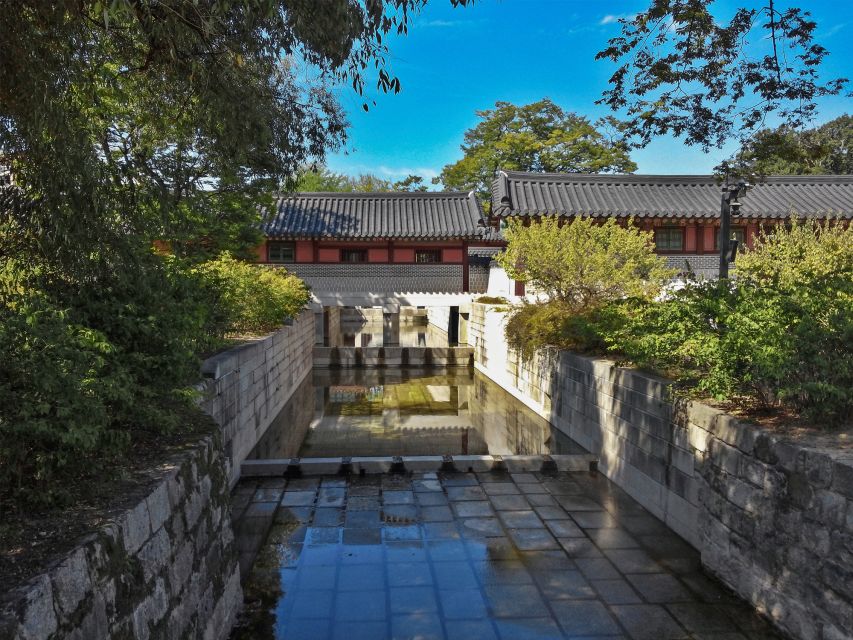
I like this experience because it connects sites that are easy to misunderstand when visited alone. Bukchon shows traditional homes in a modern neighborhood. Jongmyo explains royal ceremony and ancestor worship. Changdeokgung presents palace life and design. Suwon, on the full-day route, adds military history and an out-of-town royal residence.
The guides are the biggest reason to book rather than simply buy separate tickets. Park, Leo, Stella, Chloe, Orota, and Heidi are all named among the guides associated with the experience, and their strengths include history, warmth, photos, and practical help.
Book it if you want an efficient, reasonably priced cultural introduction, especially early in your Seoul stay. Before paying, confirm whether you are choosing the shorter Seoul route or the full-day Suwon option, and check the weekday substitutions. If those details fit your plans, $36 is a sensible way to see several major sites without spending your first days in Seoul solving the transport puzzle yourself.
FAQ
Where does the tour start?
Meet outside Exit 10 of Myeong-dong Subway Station at 8:30 am. The local partner will confirm the exact meeting point and time by email.
Where does the tour end?
The tour ends back at the Myeong-dong meeting point, near the subway station. Hotel drop-off is not included.
Are entrance fees included?
Yes. Entrance fees, a professional English-speaking guide, van transport, and a driver are included.
Is lunch included?
No. A lunch break is provided, but you pay for your own meal.
What happens on Mondays?
Changdeokgung Palace is replaced by Gyeongbokgung Palace on Mondays.
What happens on Tuesdays?
Jongmyo Royal Shrine is closed on Tuesdays, so the tour visits Insa-dong Culture Street instead.
Can wheelchair users join the tour?
No. The tour is not suitable for wheelchair users.
Temple visits we reviewed lately in Seoul
- Seoul Sunrise & Sunset Hike + Temple & K-Food Adventure★ 4.8 · 6 reviews
- Seoul: War Memorial, Jogyesa Temple & Tapgol Park Tour★ 4.8 · 56 reviews
- Seoul: Vegan Temple Food Class, Jogyesa & Changdeokgung Tour★ 4.6 · 34 reviews
- Seoul: Temple & Starfield COEX Mall Gourmet Tour in Gangnam★ 4.7 · 22 reviews
- Seoul: Night Bongeunsa Temple Guided Tour★ 5.0 · 11 reviews
- Seoul: 4-Hour Guided Tour to Palace, Bukchon, Jogyesa Temple★ 5.0 · 3 reviews
- Gyeongbokgung Palace, Jogyesa Temple and Bukchon village★ 5.0 · 12 reviews
- Danyang Tour:Guinsa Temple & Bobaljae & Cheongpung Cable Car★ 5.0 · 15 reviews
Seoul Temple Tours, compared.
Seoul: Palace, Temple and Market Guided Foodie Tour at Night
Read our review →
Seoul: Mt Seorak + Naksansa Temple or Nami Island Group Tour
Read our review →
Seoul Night Palace & Market Food Tour with Vehicle
Read our review →
Best Things to Do – Half Day Seoul Trip (Seoul Palace & Temple)
Read our review →
Seoul: War Memorial, Jogyesa Temple & Tapgol Park Tour
Read our review →
Seoul: Vegan Temple Food Class, Jogyesa & Changdeokgung Tour
Read our review →
Seoul: Temple & Starfield COEX Mall Gourmet Tour in Gangnam
Read our review →
Danyang Tour:Guinsa Temple & Bobaljae & Cheongpung Cable Car
Read our review →This tour also ranks in