
Review · SEOUL
Seoul: Mt Seorak + Naksansa Temple or Nami Island Group Tour
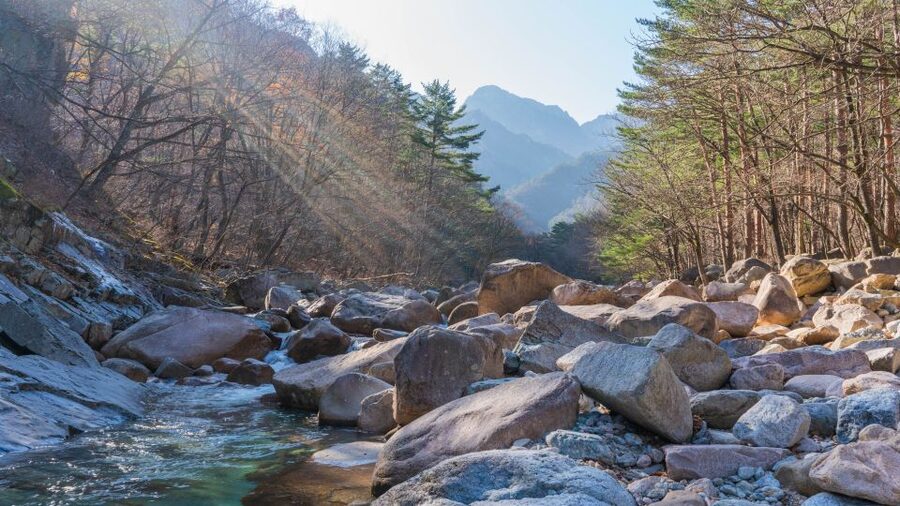
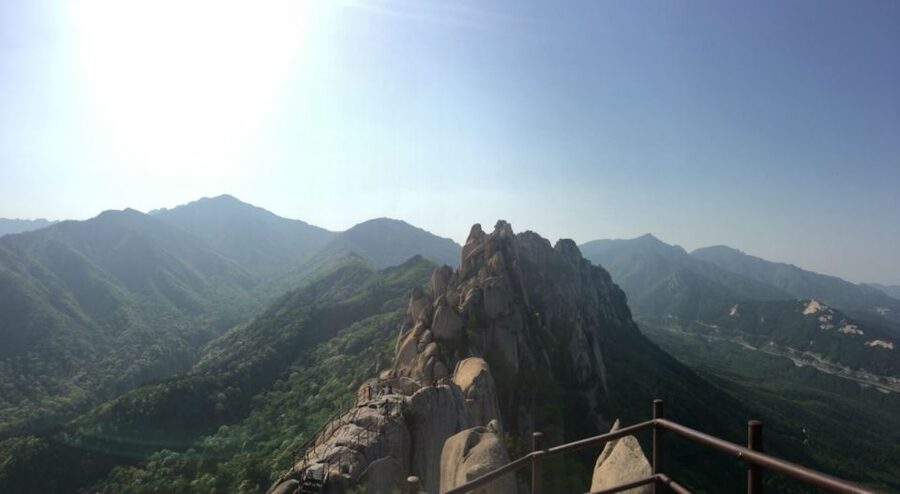
Seoraksan is the star here: a rugged mountain park with well-kept trails, sharp peaks, cable-car access, and enough route choices to suit both casual walkers and serious hikers. From Seoul, this tour gives you a practical way to reach a distant corner of Gangwon Province without wrestling with buses, transfers, and Korean timetables.
I like the freedom at Seoraksan, where you can choose a short walk, a longer trail, or a cable-car ride. I also like the choice between Naksansa Temple and Nami Island. The temple brings history and dramatic sea views, while Nami offers easy tree-lined paths and a gentler, more playful outing.
The tradeoff is the clock. This is a 13 to 14 hour day with nearly six hours on the road, and the most ambitious hikes can use nearly all your mountain time. It is a smart sightseeing day, but not a slow one.
Key points to know before you book
- Choose your second stop carefully: Naksansa gives you a historic temple and sea views; Nami Island offers tree walks, wildlife, and Korean pop-culture appeal.
- Plan your Seoraksan route before arrival: Three hours is enough for a good outing, but not for every trail, lunch, the cable car, and a long summit hike.
- The Ulsanbawi hike is possible but demanding: The steep route rewards fit hikers with striking views, though you may need to skip other stops inside the park.
- Expect a long but comfortable road day: The ride from Seoul takes about 2 hours and 50 minutes each way.
- Cable-car tickets cost extra: Bring cash if you want that option, and remember that bad weather or maintenance can stop the cable car from running.
- Guides add practical value: Staff such as Han, Sally, Jiwon, Lucia, and Eric help with directions, trail choices, lunch, group timing, and local context.
Why Seoraksan makes this day trip worthwhile
If you have only seen Seoul, Seoraksan shows you a very different side of South Korea. The park is known for some of the country’s tallest peaks, and the approach from the city takes you from urban streets to forested mountain scenery.
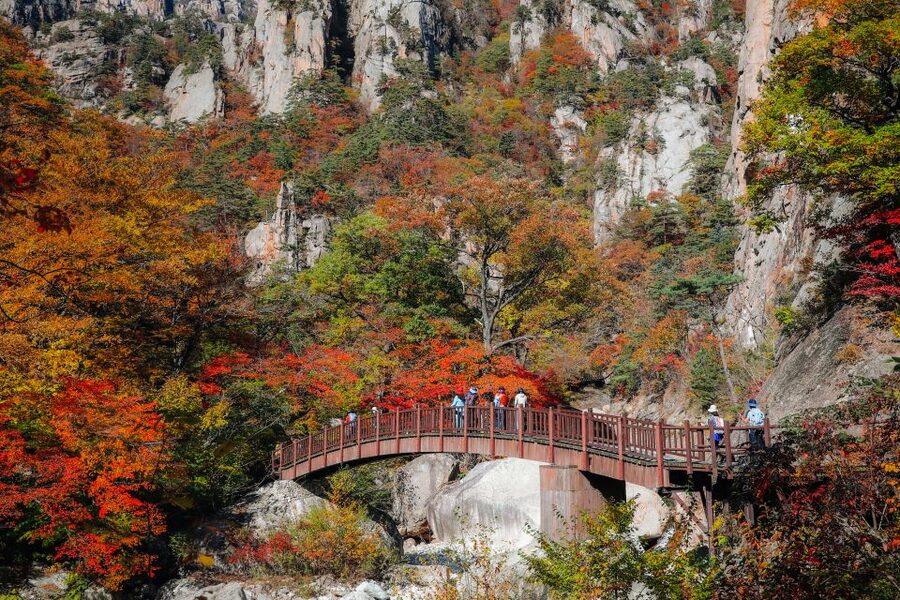
The park works well for a mixed group because it offers several ways to spend your time. You might take an easier path, walk toward a temple or grotto, choose the Biseondae route, or attempt the steeper climb toward Ulsanbawi. A cable car is another option, though it is not included in the tour price.
I would decide your priorities before the bus arrives. If your goal is Ulsanbawi, head there promptly and keep your stops short. If you prefer a relaxed walk, photos, food, and a cable-car ride, you can build a satisfying visit without attempting the hardest climb.
The trails are well maintained, but that does not make every route easy. The steeper sections require a good level of fitness, and the climb toward the upper rock formations can be sharp. Comfortable shoes are essential, not just a nice extra.
More Temple Tours around Seoul:
- Seoul: Palace, Temple and Market Guided Foodie Tour at Night
★ 4.9 · 750 reviews - Best Things to Do – Half Day Seoul Trip (Seoul Palace & Temple)
★ 5.0 · 190 reviews - Seoul: War Memorial, Jogyesa Temple & Tapgol Park Tour
★ 4.8 · 56 reviews
The long ride from Seoul
The journey takes about 2 hours and 50 minutes each way, so the bus is a major part of the experience. The comfortable coach matters here. You are covering a lot of ground, and a reliable ride turns a complicated independent trip into a straightforward day out.
Pickup points depend on the option you choose. Return drop-offs include central Seoul locations such as Hongik University Station Exit 4, Myeongdong, the area near The North Face, Lotte Department Store Main Store, and Dongdaemun History and Culture Park Station Exit 10.
Traffic and weather can affect the schedule. That is especially important on weekends, during peak foliage periods, and in spring when cherry blossoms draw more people toward the east coast. Keep your evening plans flexible rather than booking a tight dinner reservation.
The group can range from one person to a maximum of 43. That is a wide range. A smaller departure may feel easy to manage, while a full coach requires more care at meeting points and return times. Guides count people after stops, but you should still keep an eye on the clock and know where your bus is parked.
How to use your three hours at Seoraksan
The mountain stop is usually around three hours, with some schedules allowing about three and a half. That sounds generous until you factor in walking from the bus, choosing a trail, possible queues, food, photos, and the return meeting point.
For an easy outing, use one of the shorter routes and leave time to look around the park area. The Biseondae trail is one option mentioned by visitors who wanted a manageable walk with time left for lunch and the cable car.
For a more serious outing, Ulsanbawi is the main goal. One person completed it by sacrificing rest stops, which gives you a clear idea of the pace required. Other hikers chose shorter routes or reached the grotto and nearby temple area instead. Your guide can explain the options, but you will need to pick one main plan.
A good approach is:
- Decide between a serious hike, a gentle trail, or the cable car.
- Ask your guide where to meet the group again.
- Carry water and wear shoes with a firm sole.
- Leave more time than you think you need for the return walk.
- Do not assume you can complete every route in one visit.
The cable car fee is not included and must be paid in cash on site. It may also stop operating because of maintenance or bad weather. If the cable car is your main reason for booking, check its current status before committing and keep a hiking route in mind as a backup.
Naksansa Temple and the East Coast
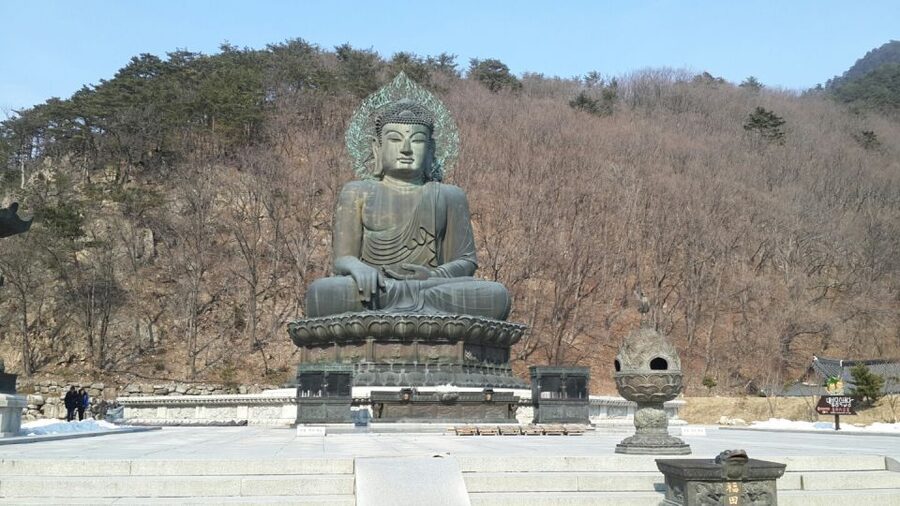
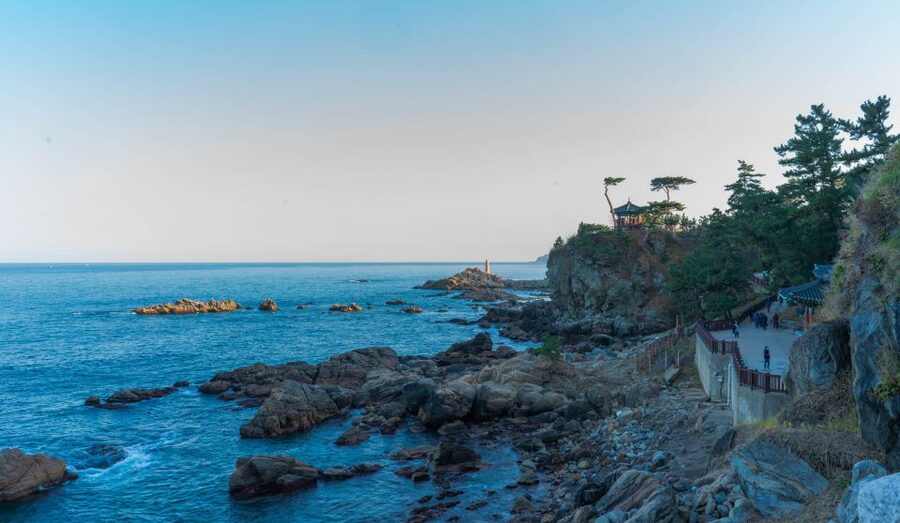
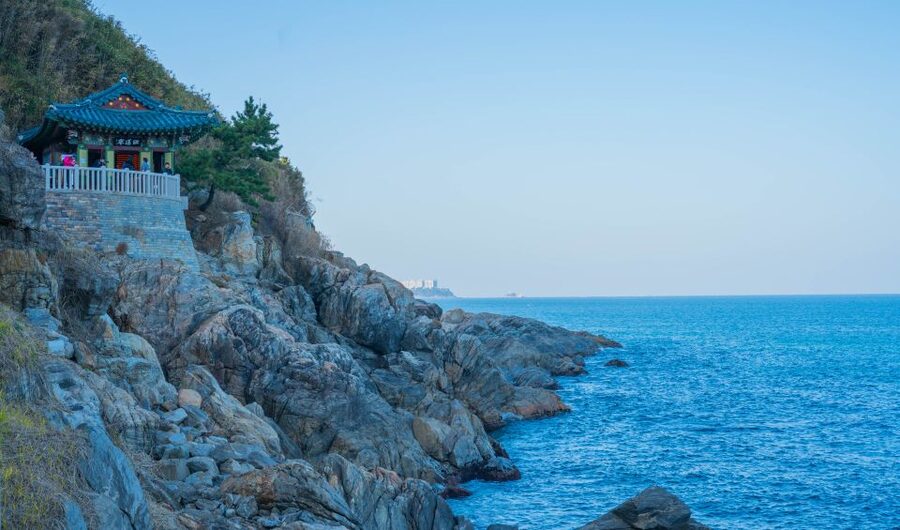
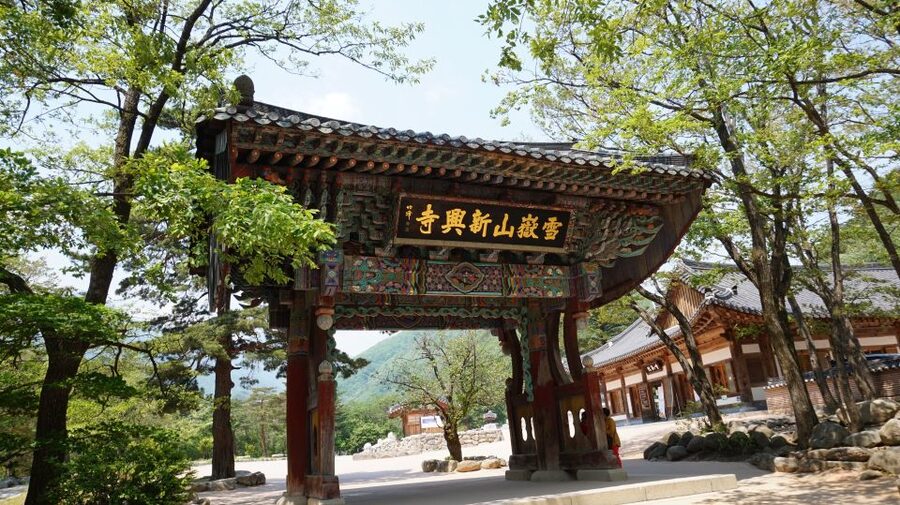
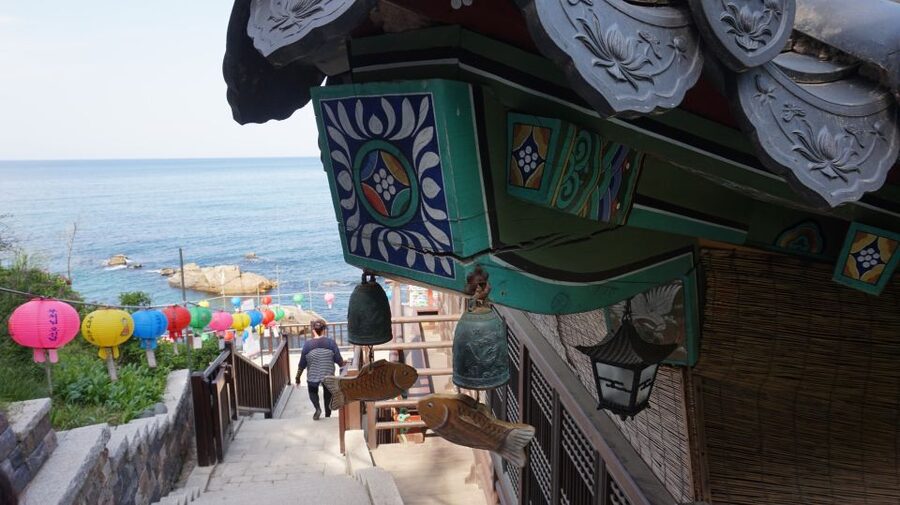
The Naksansa option adds a historic temple complex with a very different mood from Seoraksan. The site is more than 1,300 years old and includes the Seven-Story Stone Tower and Uisangdae Pavilion.
The approach through Hongyaemun Gate sets the tone, with black bamboo and tiled earthen walls. Inside, the complex spreads across a hilly coastal setting. The best reward is the broad view toward the sea, especially from the cliffside areas around the pavilion.
This stop usually receives about 1.5 hours, though exact timing can shift. That is enough to see the main buildings, enjoy the coastal outlook, and take photos. It is not enough for a leisurely study of every corner, especially if the group takes time to gather after getting off the bus.
Spring adds another reason to choose Naksansa. The road leading to the temple can be lined with cherry blossoms, creating a seasonal walk that changes the feel of the stop. Flower timing depends on conditions, so treat it as a possible bonus rather than a guarantee.
Naksansa is the better pairing if you want Korean culture, old architecture, and ocean scenery. It also makes sense after an active mountain morning because the temple visit offers a slower second half, though the complex itself has hills and steps.
One practical point: a larger group can make the arrival feel untidy, particularly where the bus parks. Stay close to the guide until you know the meeting place. Once inside, the visit becomes easier to manage.
Same sacred ground, another way to see it:
- Seoul Night Palace & Market Food Tour with Vehicle
★ 5.0 · 275 reviews - Seoul: Vegan Temple Food Class, Jogyesa & Changdeokgung Tour
★ 4.6 · 34 reviews - Seoul: UNESCO Sites tour: Palace, Shrine & Bukchon Village
★ 4.8 · 26 reviews - Seoul: Temple & Starfield COEX Mall Gourmet Tour in Gangnam
★ 4.7 · 22 reviews
Nami Island for an easier, more playful afternoon
Nami Island is the alternate second stop, with about three hours set aside. The half-moon-shaped island is known for tree-lined walks, forest paths, and the connection to Korean film and television.
The appeal is simple. You can stroll without tackling a serious climb, take photos beneath tall rows of trees, and explore at your own speed. Ostriches, rabbits, deer, and other animals may roam through the wooded areas, giving the stop a light, family-friendly feel.
Nami is also a seasonal choice. Its famous tree walks can look especially attractive at certain times of year, but the appearance changes with the season. In September, for example, the setting may not resemble the most polished promotional photographs. Go for the paths and atmosphere, not a promise of one perfect view.
I would choose Nami if you want an easy walk, more free time, and a gentler contrast to Seoraksan. It is a weaker match if your main interest is traditional architecture or a demanding outdoor day. Some people find the island a little polished and tourist-oriented, while others enjoy its pleasant paths and film connections.
The Nami Island ticket is included with that version of the tour. Food is not included, so use your free time to find a meal or snack on the island, depending on the schedule.
Guides, languages, and the balance of freedom
The tour includes live staff in English, Chinese, and Korean. The guide’s role is less about leading every step and more about making a complicated day workable.
Guides named in the supplied details include Han, Sally, Jiwon, Lucia, Eric, David, Younghee, John, Gina, Coby, Brenda, and others. The exact guide depends on the departure. Their most useful tasks are giving trail choices, explaining meeting points, suggesting lunch, sharing local background, and keeping the group moving.
That balance is important. At Seoraksan, you are generally free to choose your own route rather than being marched along one fixed path. The guide gives instructions and time limits, then lets you explore. This works well for independent hikers, families with different interests, and people who do not want a constant stream of commentary.
It also means you must take responsibility for returning on time. The tour is carefully timed because it has a long drive and a second major stop. If you wander too far or underestimate the return walk, the schedule becomes stressful for everyone.
The staff can make a real difference. Han has been singled out for clear information and a relaxed approach to independent exploring. Sally has helped people choose trails and lunch, while Eric has been praised for interesting stories and calm driving. Those details point to the service you should expect, though no company can promise a particular guide on your date.
Price, group size, and what you actually get
At $68 per person, the value comes mainly from transport and access. You get round-trip coach travel from Seoul, a Seoraksan ticket, and the ticket for either Naksansa or Nami Island, depending on your choice.
That is a strong price for reaching places that are far less simple to visit independently in one day. You avoid arranging separate intercity buses, local connections, attraction tickets, and a return route after a tiring hike.
The price does not include meals, insurance, or the cable car. Those extras are worth planning for. Bring cash for the cable car, and budget for food at one of the stops. Since the day lasts 13 to 14 hours, skipping meals is not a good way to protect your schedule.
The tour is good value if you want several major sights in one day and accept the long ride. It is less appealing if you want a quiet mountain retreat, a slow temple visit, or the freedom to stay at Seoraksan until sunset.
Who should book this day trip
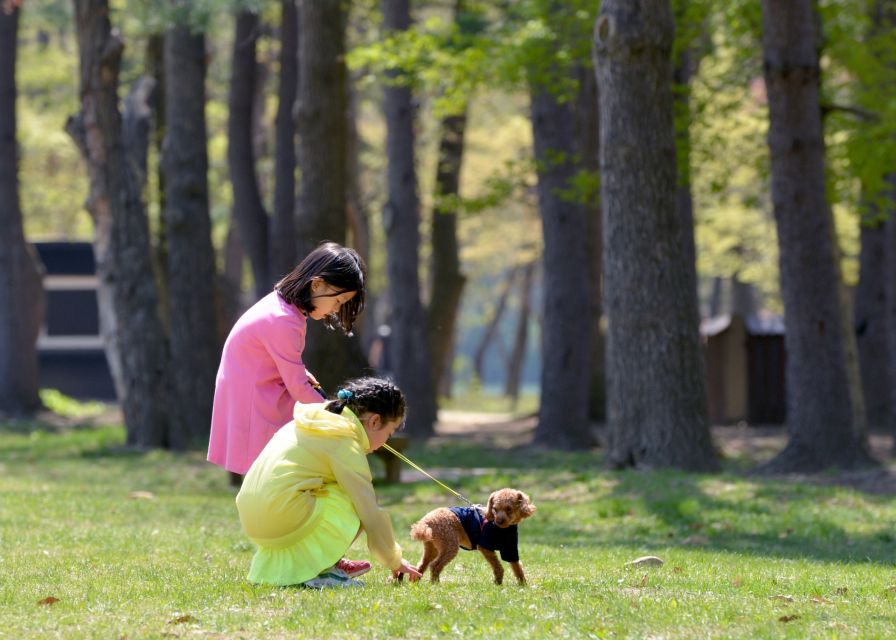
I would recommend it to first-time visitors who want to see beyond Seoul but have limited time. It is also a good fit for people who like to walk independently but do not want to handle the transport planning.
Choose the Naksansa version if you care about temples, old Korean culture, coastal views, and spring blossoms. Choose Nami Island if you prefer easy paths, tree-lined scenery, animals, and a more casual afternoon.
Fit hikers can use Seoraksan as the main event, but they should treat Naksansa or Nami as a second stop rather than expect a full mountain day. Casual walkers can still enjoy the park, provided they choose a shorter route and accept that the cable car is extra.
Families should note that infants ride free but do not receive a seat. If you are bringing a stroller or wheelchair, tell the operator in advance. The information provided does not promise that every trail or attraction will suit every mobility need, so ask before booking.
What to pack and how to manage the day
Wear comfortable shoes with good grip. Even the easier routes involve walking, and the park’s steeper paths call for more support than casual city sneakers.
Pack a light layer, water, and cash for the cable car. Weather can change the mountain experience, and the cable car may close because of rain, wind, or maintenance.
Keep your phone charged. You will need the meeting point, time reminders, and possibly a way to contact the guide if your group separates near a busy parking area.
Most of all, choose one main goal at Seoraksan. A short trail plus lunch is realistic. A long hike plus the cable car is possible only with efficient timing. Trying to do everything is the fastest route to spending the day watching the clock.
Should you book it?
Book this tour if you want efficient access to Seoraksan from Seoul, appreciate a comfortable coach, and like having free time inside a guided framework. The $68 price is fair because it covers transport and key admission tickets, not just commentary.
Pick Naksansa for the stronger cultural and coastal experience. Pick Nami Island for an easier, more relaxed walk. If your dream is a long Ulsanbawi hike, book with a clear plan and accept that you may have to skip the cable car, lunch, or other trails.
I would not choose this for a slow holiday day. I would choose it for a full, active outing that shows you mountains, forests, and either a historic seaside temple or one of Korea’s best-known scenic islands in a single trip.
FAQ
How long does the tour last?
The tour lasts about 13 to 14 hours, including transportation from Seoul and the return journey.
How long is the bus ride?
The coach ride takes about 2 hours and 50 minutes each way, though traffic can affect the timing.
What are the two tour options?
You can choose Mt. Seorak with Naksansa Temple, or Mt. Seorak with Nami Island.
Is transportation included?
Yes. Round-trip transportation from Seoul is included.
Are attraction tickets included?
The Seoraksan ticket is included. The Naksansa ticket is included with the Naksansa option, and the Nami Island ticket is included with the Nami Island option.
Is the cable car included?
No. The cable-car fee is extra and must be paid in cash on site.
Can the cable car close?
Yes. It may not operate because of bad weather or maintenance.
Are meals included?
No. Meals are not included in the tour price.
What languages are available?
Live tour staff may provide service in English, Chinese, or Korean.
What should I bring?
Bring comfortable shoes. Cash is also useful if you plan to take the cable car.
Temple visits we reviewed lately in Seoul
- Seoul Sunrise & Sunset Hike + Temple & K-Food Adventure★ 4.8 · 6 reviews
- Seoul: UNESCO Sites tour: Palace, Shrine & Bukchon Village★ 4.8 · 26 reviews
- Seoul: War Memorial, Jogyesa Temple & Tapgol Park Tour★ 4.8 · 56 reviews
- Seoul: Temple & Starfield COEX Mall Gourmet Tour in Gangnam★ 4.7 · 22 reviews
- Seoul: Vegan Temple Food Class, Jogyesa & Changdeokgung Tour★ 4.6 · 34 reviews
- Seoul: Night Bongeunsa Temple Guided Tour★ 5.0 · 11 reviews
- Seoul: 4-Hour Guided Tour to Palace, Bukchon, Jogyesa Temple★ 5.0 · 3 reviews
- Gyeongbokgung Palace, Jogyesa Temple and Bukchon village★ 5.0 · 12 reviews
Seoul Temple Tours, compared.
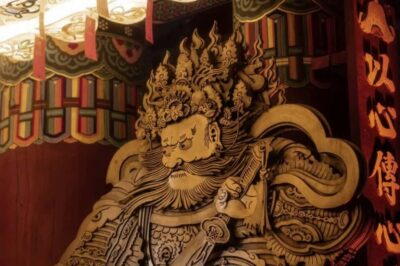
Seoul: Palace, Temple and Market Guided Foodie Tour at Night
Read our review →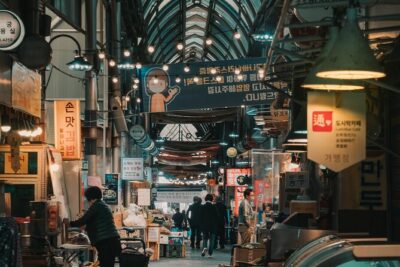
Seoul Night Palace & Market Food Tour with Vehicle
Read our review →
Best Things to Do – Half Day Seoul Trip (Seoul Palace & Temple)
Read our review →
Seoul: War Memorial, Jogyesa Temple & Tapgol Park Tour
Read our review →
Seoul: Vegan Temple Food Class, Jogyesa & Changdeokgung Tour
Read our review →
Seoul: UNESCO Sites tour: Palace, Shrine & Bukchon Village
Read our review →
Seoul: Temple & Starfield COEX Mall Gourmet Tour in Gangnam
Read our review →
Danyang Tour:Guinsa Temple & Bobaljae & Cheongpung Cable Car
Read our review →This tour also ranks in