
Review · SEOUL
Gyeongbokgung Palace, Jogyesa Temple and Bukchon village
Seoul’s royal past, Buddhist present, and traditional neighborhoods come together on this walk. You begin near Jogyesa Temple and continue through Gwanghwamun Square, Gyeongbokgung Palace, and Bukchon village. I like the route because it gives first-time visitors a clear sense of Seoul without requiring a complicated day of subway changes.
I also like the small cultural touches: a traditional herbal tea at the palace and, when guide Lee leads the walk, the chance to learn a Korean board game during the break. The main consideration is pace. This is a walking tour through streets, palace grounds, and a hilly traditional village, so comfortable shoes matter, and some readers may want more time in Bukchon.
Key points at a glance
- Four major stops in one walk: Visit Jogyesa Temple, Gwanghwamun Square, Gyeongbokgung Palace, and Bukchon village.
- A useful first-day introduction: The route connects religion, royal history, language, architecture, and modern Seoul.
- Guide Lee adds personal touches: Expect clear explanations, patient answers, and sometimes a Korean board game during the palace break.
- Palace admission and herbal tea are included: You do not need to arrange the main entrance ticket yourself.
- A moderate village walk: Bukchon offers fine views and old-style architecture, but its streets can be tiring.
- Simple meeting point: Meet at Anguk Station Exit 6 and finish back at the meeting point.
Why this walk works for a first day in Seoul
This tour gives you a useful framework for the city. Instead of seeing isolated sights, you move through places that explain different parts of Korean life: Buddhist practice at Jogyesa, royal power at Gyeongbokgung, national figures at Gwanghwamun, and traditional homes in Bukchon.
That order also keeps the day varied. You are not spending three straight hours inside a museum or palace courtyard. One moment you are looking at a temple, then a broad public square, then royal buildings, and finally a residential district with a very different feel.
The experience lasts about three hours, which is long enough for an introduction without taking over your whole day. You can use the afternoon for another Seoul sight, shopping, a meal, or a slower return to one of the places that caught your attention.
The tour is in English. Guide Lee is specifically associated with this walk and is described as patient, friendly, well organized, and good at explaining historical details. She also makes room for questions and discussion, which helps if you want more than a string of dates and names.
More Temple Tours around Seoul:
- Seoul: Palace, Temple and Market Guided Foodie Tour at Night
★ 4.9 · 750 reviews - Seoul: Mt Seorak + Naksansa Temple or Nami Island Group Tour
★ 4.7 · 422 reviews - Best Things to Do – Half Day Seoul Trip (Seoul Palace & Temple)
★ 5.0 · 190 reviews
Starting near Jogyesa Temple
The practical meeting point is Anguk Station Exit 6. That is useful because Anguk is close to several traditional districts, and you avoid arranging a hotel pickup. You should arrive ready to walk, since the tour ends back at the meeting point rather than at your hotel.
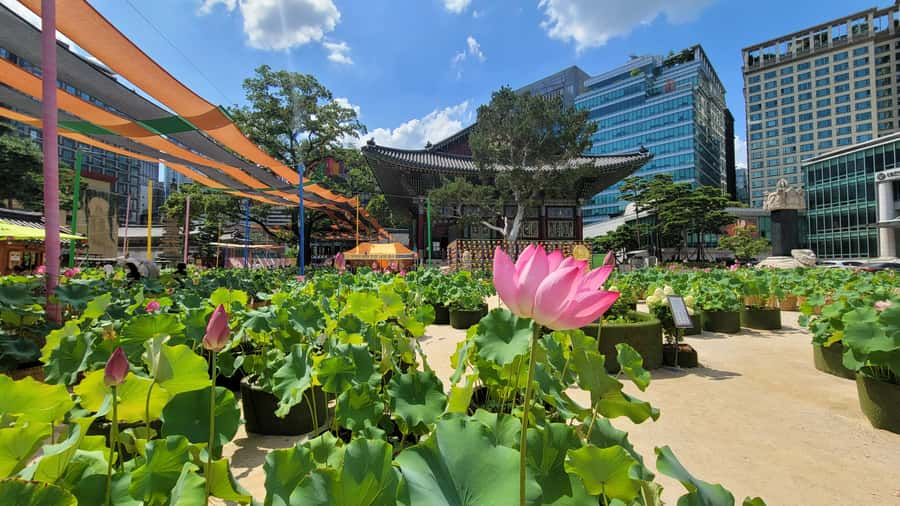
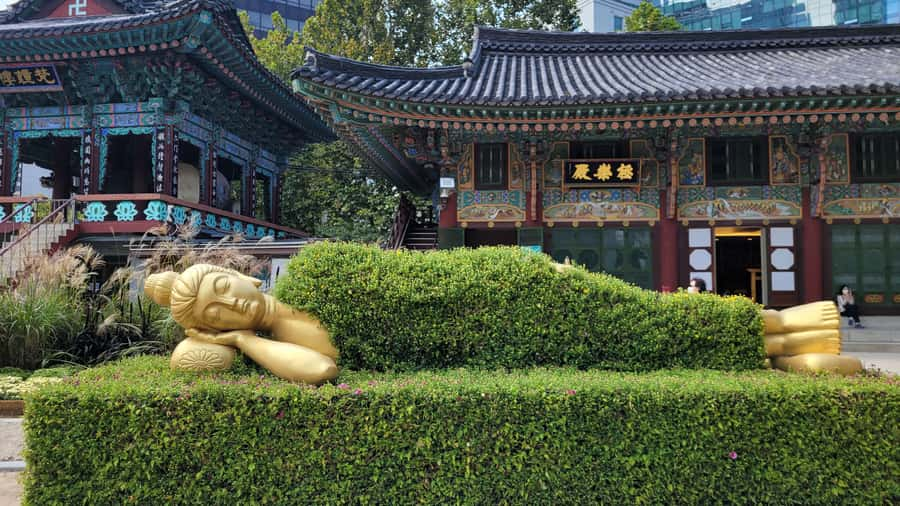
The route begins around Jogyesa Temple in Insadong. This is the head temple of the Jogye Order of Korean Buddhism and gives the tour a calm opening. You can look around the temple grounds and get a first look at Korean Buddhist traditions before moving into the more public parts of central Seoul.
Insadong is also a helpful setting for the start. The area has traditional tea houses and restaurants, so you can return later if you want a meal or another cup of tea. Food is not included, but the neighborhood gives you easy options after the walk.
Jogyesa is not simply a quick photo stop. It introduces a living religious tradition, while the palace later shows the power and ceremony of the Joseon court. That contrast is one of the best features of the route. You see Seoul as a place of worship and daily practice, not only as a collection of old buildings.
Gwanghwamun Square and King Sejong
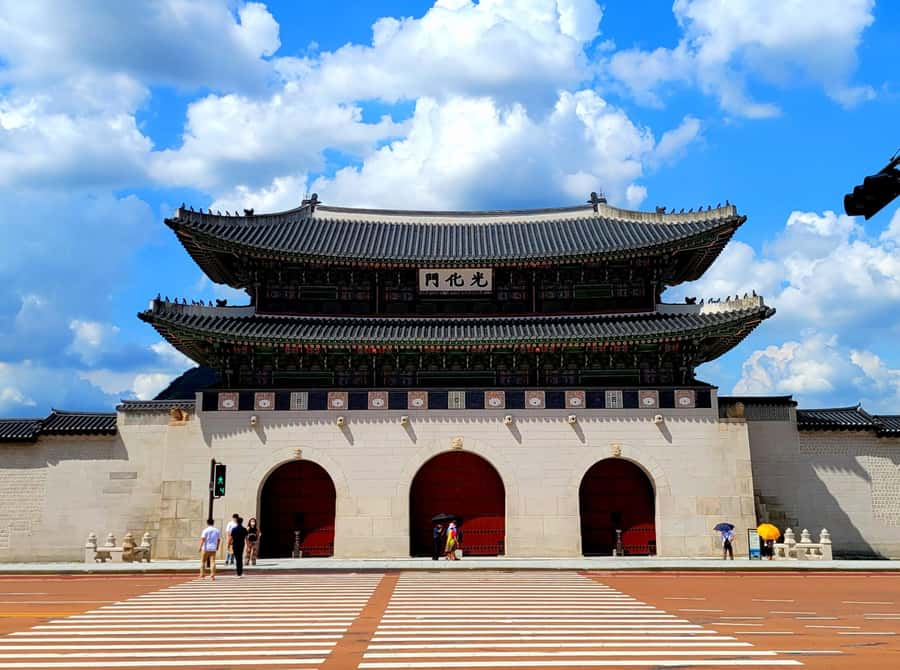
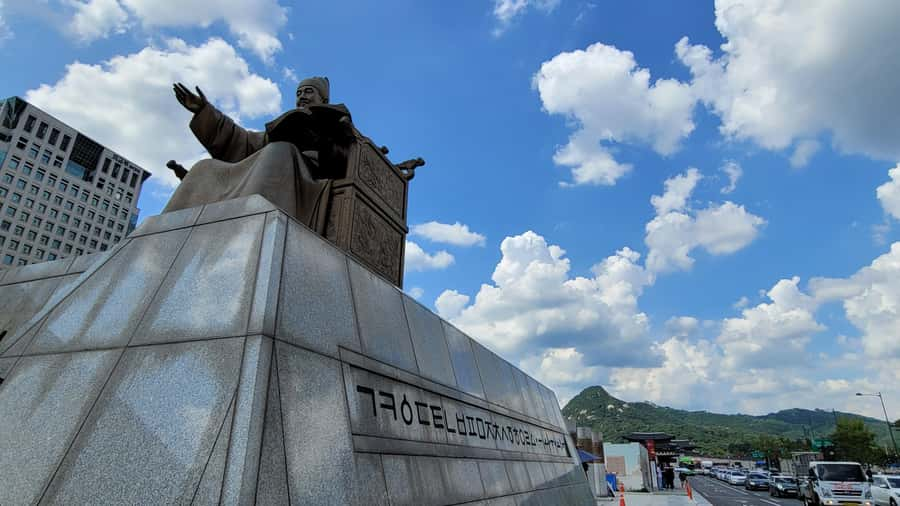
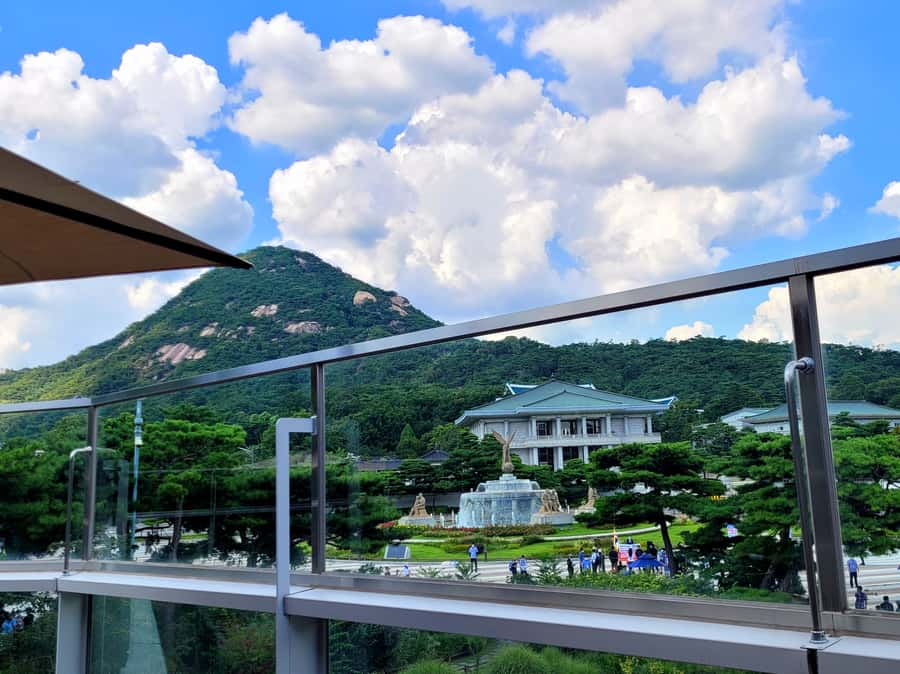
From Jogyesa, the walk continues toward Gwanghwamun Square. The square is known for its statue of King Sejong, an important figure in Korean history and language.
This is where the tour’s language and culture theme becomes especially useful. The walk includes discussion of the Korean language, and King Sejong gives the guide a natural point for explaining why language matters to Korean identity. You are not just passing a statue. You are given context for the person represented there and his place in the country’s story.
Gwanghwamun also changes the scale of the walk. After the temple’s quieter setting, the broad square makes Seoul feel open and civic. It helps you understand the city’s central axis before you enter the palace grounds.
Do not expect a long stop devoted only to the square. The main focus is the connected route, and time is shared among several important sites. If King Sejong or Korean writing interests you especially, note your questions and ask the guide while you are there.
Walking through Gyeongbokgung Palace
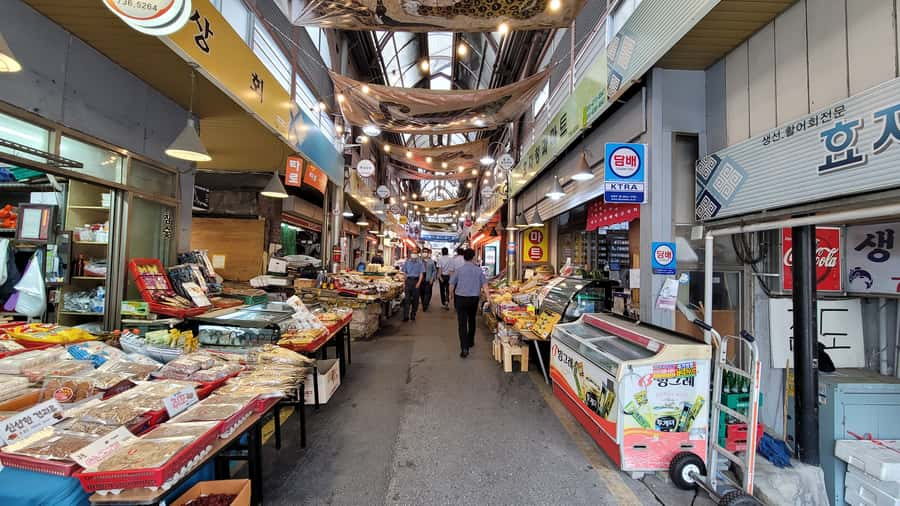
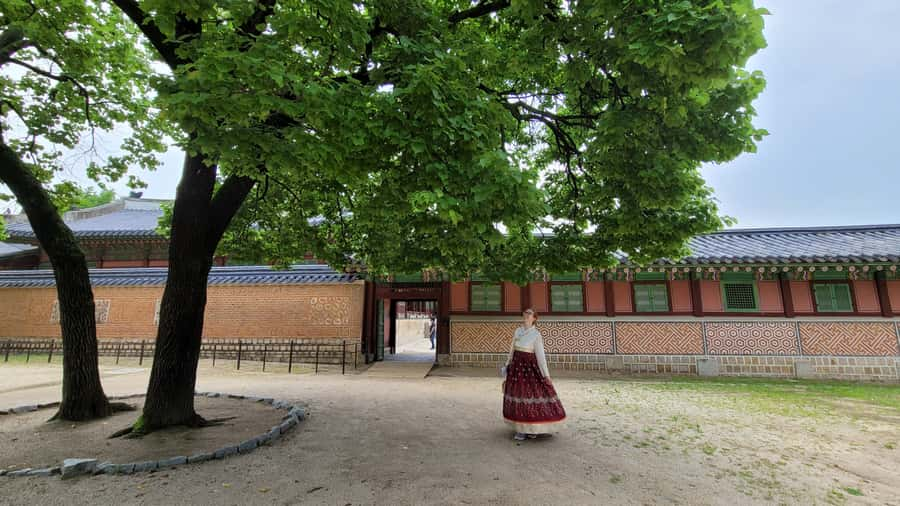
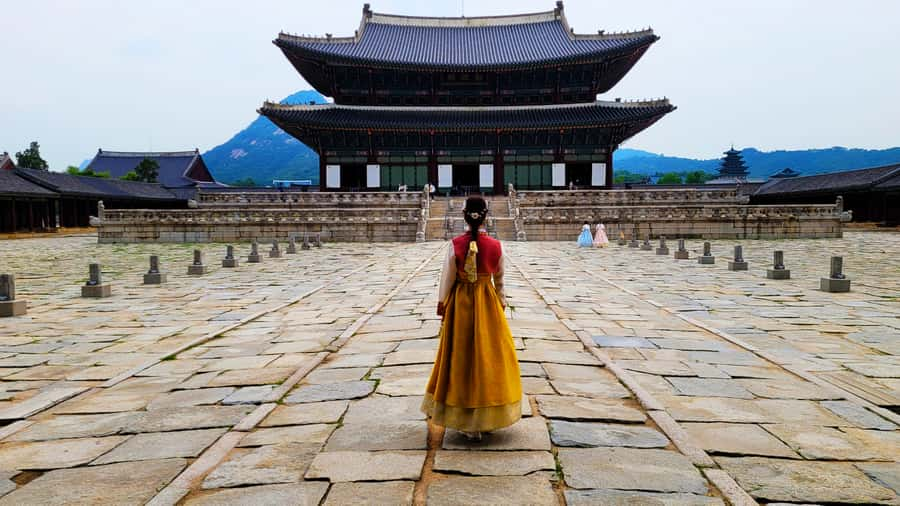
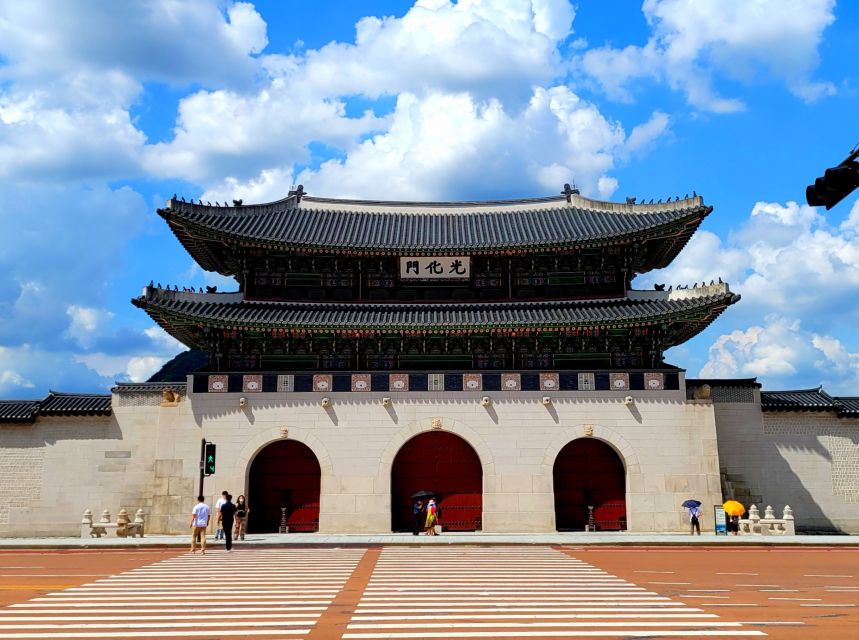
Gyeongbokgung is the centerpiece of the tour. Established in 1395, it was the main palace of the Joseon Dynasty. Its courtyards and formal buildings offer the clearest sense of royal Seoul on this route.
The palace is more enjoyable when you understand what you are seeing. A guide can point out how the spaces were arranged and explain the role of the palace in Joseon government and court life. Without that background, you may still admire the architecture, but the buildings can feel like a series of similar courtyards.
The included entrance ticket is a practical benefit. You do not need to purchase admission separately, and the guide can take you directly into the palace portion of the itinerary.
The palace grounds are also the place where the walk slows down for a traditional herbal tea. This is a modest detail, but it improves the rhythm of the tour. You get a break from walking and a chance to talk with the guide instead of rushing from one landmark to the next.
When Lee leads the tour, the break may include a Korean board game. That is an unusually good touch because it gives you a hands-on way to connect with local culture. It also makes the pause more social and relaxed, especially for families or groups with children.
You should keep your expectations realistic. The tea is included, but food is not, and this is not a meal stop. If you need lunch, plan to eat before or after the tour, or arrange your own food in the surrounding area.
Same sacred ground, another way to see it:
- Seoul Night Palace & Market Food Tour with Vehicle
★ 5.0 · 275 reviews - Seoul: War Memorial, Jogyesa Temple & Tapgol Park Tour
★ 4.8 · 56 reviews - Seoul: Vegan Temple Food Class, Jogyesa & Changdeokgung Tour
★ 4.6 · 34 reviews - Seoul: UNESCO Sites tour: Palace, Shrine & Bukchon Village
★ 4.8 · 26 reviews
Bukchon village and its traditional homes
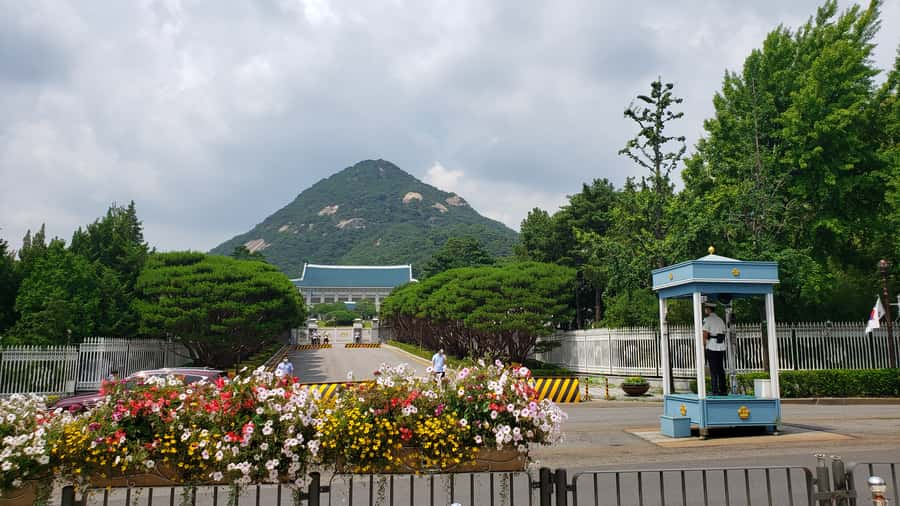
The final major section takes you into Bukchon village. This district is known for traditional Korean architecture and narrow streets lined with old-style homes. It feels quite different from the palace grounds and wide central square.
The walk through Bukchon is described as moderate, with attractive views along the way. You will likely enjoy the change from formal royal buildings to a neighborhood setting where architecture is the main attraction.
Bukchon is also the part of the route where good manners matter most. It is a residential area, not an open-air museum. Keep your voice down, stay aware of the people who live there, and follow the guide’s directions about where to walk and stop.
The village section is not designed as a long architectural lecture at every corner. One useful criticism of the route is that some people may want one additional stop in Bukchon and more background on the neighborhood. If traditional houses are your top interest, you may want to return later and explore at a slower pace.
That said, finishing in Bukchon gives the tour a strong visual ending. The palace shows official architecture and royal order. Bukchon shows how traditional design appears in a neighborhood setting. You leave with a better sense of how old Seoul fits within the modern city.
The guide makes the difference
The strongest part of this experience is the guiding. Lee is described as friendly, punctual, patient, and able to explain historical facts without making the walk feel stiff. She also leaves room for conversation, which is important if you want to ask about customs, language, or daily life.
That patience matters for families. One booking included communication by email for the meeting arrangements even without a Korean phone number, and the guide was able to help keep the details clear. You should still follow the meeting instructions closely, but the experience is designed to be approachable.
The guide also recommends places to visit after the tour. That can be useful because the route ends in an area where you may want to continue exploring. Think of the walk as both a sightseeing experience and a way to get your bearings for the rest of your Seoul stay.
The tour is not a private cultural seminar, and the exact amount of discussion will depend on the guide and the group. Still, the emphasis on questions, stories, and small cultural details makes it more personal than simply walking behind someone from one landmark to another.
What $82 includes, and what it does not
At $82 per person, this is not the cheapest way to see these sights. You are paying for a guided introduction, the Gyeongbokgung entrance ticket, and the traditional herbal tea. The value depends on how much help you want with context and orientation.
I think the price makes more sense for a first visit, especially if you would otherwise spend time figuring out the route and the meaning of each stop. An English-speaking guide can connect Jogyesa, King Sejong, the Joseon palace, and Bukchon into one story.
The value is less obvious if you prefer exploring alone, already know Seoul’s main cultural sites, or want to spend most of a day inside Gyeongbokgung. In that case, you may prefer paying individual entrance costs and setting your own pace.
Hotel pickup and drop-off are not included. That is not a serious problem for most visitors who can reach Anguk Station, but it is worth planning for. Food is also separate, so allow time for a meal before or after the walk.
You can reserve now and pay later, which helps if your Seoul plans are still shifting. Cancellation is available up to 24 hours before the activity for a full refund, giving you some flexibility.
Who should book this experience
I would choose this walk for a first-time visitor who wants a clear introduction to Seoul’s traditional core. It suits people who like history but do not want a full-day lecture, and it works well for families because the guide can explain things patiently and add playful cultural details.
It is also a good fit if you want help connecting the sights. Jogyesa, Gwanghwamun, Gyeongbokgung, and Bukchon are all popular, but seeing them with context makes the day more meaningful.
You should think twice if walking is difficult or if you use a mobility scooter, which is not allowed on this activity. Pets, alcohol, and drugs are also not allowed. Wear comfortable shoes, and be prepared for the moderate walk through Bukchon.
The tour is less suited to someone seeking an intensive palace study, a food tour, or a long free period in each neighborhood. Its strength is range: several important Seoul sights, tied together by one guide in about three hours.
Should you book the Jogyesa, Gyeongbokgung, and Bukchon walk?
Book it if you want an efficient first look at Seoul and value a guide who can explain the connection between religion, language, royal history, and traditional architecture. The included palace ticket, herbal tea, and friendly guidance from Lee make the experience more than a basic walk between photo stops.
Skip it if you prefer complete independence or want to spend much longer in Bukchon or Gyeongbokgung. For most first-time visitors, though, the route offers a sensible introduction, with enough variety to keep the three hours moving and enough cultural detail to help you explore Seoul with more confidence afterward.
FAQ
Where does the tour start?
Meet your guide at Anguk Station Exit 6.
Where does the tour end?
The activity ends back at the meeting point.
How long does the tour last?
The walk takes about three hours.
What language is the tour offered in?
The tour is offered in English.
Is the Gyeongbokgung Palace entrance ticket included?
Yes. The palace entrance ticket is included in the price.
Is a drink included?
Yes. A traditional herbal tea is included.
Is food included?
No. Food is not included.
Can I cancel for a full refund?
Yes. You can cancel up to 24 hours in advance for a full refund.
Temple visits we reviewed lately in Seoul
- Seoul: UNESCO Sites tour: Palace, Shrine & Bukchon Village★ 4.8 · 26 reviews
- Seoul: War Memorial, Jogyesa Temple & Tapgol Park Tour★ 4.8 · 56 reviews
- Seoul Sunrise & Sunset Hike + Temple & K-Food Adventure★ 4.8 · 6 reviews
- Seoul: Vegan Temple Food Class, Jogyesa & Changdeokgung Tour★ 4.6 · 34 reviews
- Seoul: Temple & Starfield COEX Mall Gourmet Tour in Gangnam★ 4.7 · 22 reviews
- Seoul: Night Bongeunsa Temple Guided Tour★ 5.0 · 11 reviews
- Seoul: 4-Hour Guided Tour to Palace, Bukchon, Jogyesa Temple★ 5.0 · 3 reviews
- Danyang Tour:Guinsa Temple & Bobaljae & Cheongpung Cable Car★ 5.0 · 15 reviews
Seoul Temple Tours, compared.
Seoul: Palace, Temple and Market Guided Foodie Tour at Night
Read our review →
Seoul: Mt Seorak + Naksansa Temple or Nami Island Group Tour
Read our review →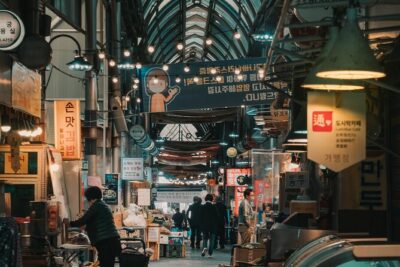
Seoul Night Palace & Market Food Tour with Vehicle
Read our review →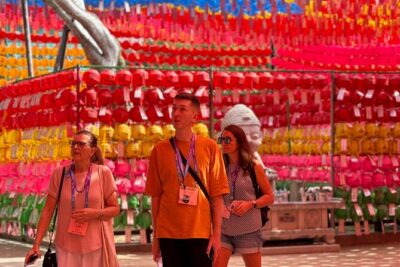
Best Things to Do – Half Day Seoul Trip (Seoul Palace & Temple)
Read our review →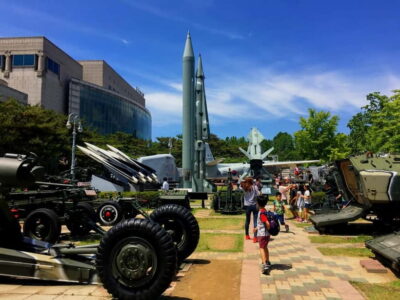
Seoul: War Memorial, Jogyesa Temple & Tapgol Park Tour
Read our review →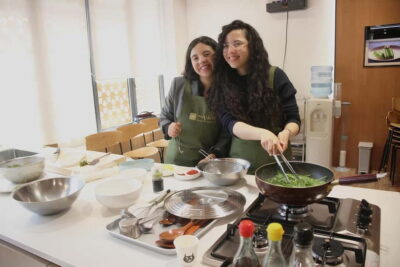
Seoul: Vegan Temple Food Class, Jogyesa & Changdeokgung Tour
Read our review →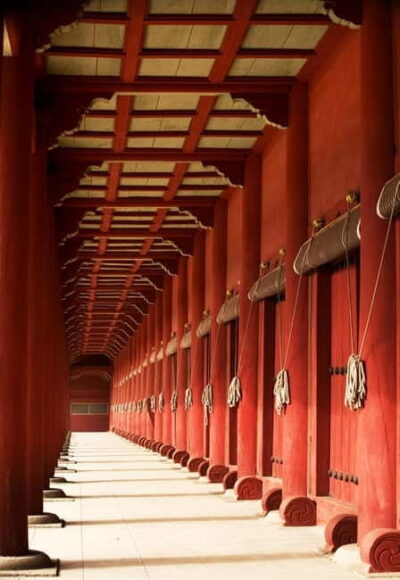
Seoul: UNESCO Sites tour: Palace, Shrine & Bukchon Village
Read our review →
Seoul: Temple & Starfield COEX Mall Gourmet Tour in Gangnam
Read our review →This tour also ranks in