
Review · KYOTO
Arashiyama Bamboo, Temple, Monkeys, or Secret Sake Brewery
Arashiyama’s bamboo grove is the hook, but the best part of this tour is how much more you see after the famous path. You move from towering bamboo and quiet gardens to a Zen temple, a koi pond, a shopping street, and a hilltop view above the Katsura River.
I like the included visit to Okochi Sanso Garden, where your admission also brings a drink at the former tea-house rest area. I also like the flexible feel created by guides such as Karim, Tom, Francis, Toru, and Alice, who are praised for setting a sensible pace and helping with photos, snacks, and cultural questions.
The catch is simple: this is a real walking tour, not a sightseeing bus. The climb to Iwatayama Monkey Park takes about 15 to 20 minutes on a steep path, and summer heat or rain can make the five-hour outing much harder.
Key points to know before booking
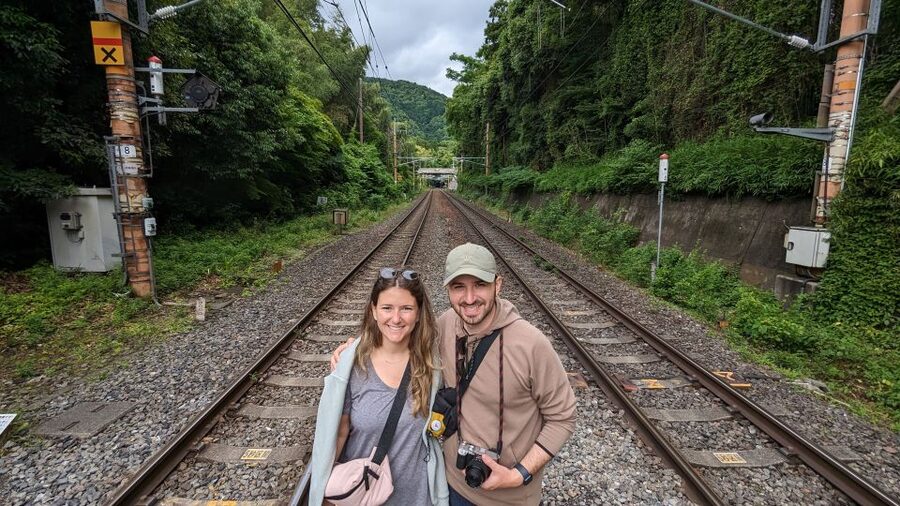
- The bamboo grove is only the beginning: You also visit Nonomiya Shrine, Okochi Sanso Garden, Tenryuji Temple, and several Arashiyama sights.
- The monkey park requires a climb: Expect a steep 15 to 20 minute walk before reaching the macaques and the Kyoto view.
- You get two different tour styles: Choose the classic route with the bridge and monkey park, or the brewery option with a local lunch and sake tasting.
- The guide makes a big difference: Guides including Karim, Tom, Francis, Toru, and Alice are known for clear explanations, friendly conversation, and good pacing.
- Admission is bundled: Okochi Sanso Garden, Tenryuji Temple, and Iwatayama Monkey Park are included, along with green tea and souvenir photos.
- Allow five hours and wear proper shoes: The route covers a lot of ground, with breaks for drinks, snacks, photos, and facilities.
Starting at Saga-Arashiyama Station
The meeting point is easy to find if you follow the instructions closely. After leaving the JR Saga-Arashiyama Station gates, turn right, go downstairs, and look near the map and vending machines on the north side of the station.
Your guide wears a red polo shirt or jacket with the JTA, or Japan Tour Adventure, logo. Arrive 15 minutes early. Missing the official departure time counts as a no-show, with no refund, so this is not the place to arrive at the last minute.
The tour begins on foot. That matters because you spend the next several hours moving through Arashiyama’s streets, temple grounds, paths, and hills rather than riding between isolated sights. The station is also a practical starting point for the district, since you do not have to arrange a hotel pickup.
More temple outings with a drinks stop in Kyoto:
- 1-Day Snow Monkeys, Zenko-ji Temple & Sake in Nagano
★ 5.0 · 1,020 reviews - Nagano: Snow Monkeys, Zenkoji Temple & Sake Day Trip
★ 4.9 · 833 reviews - Bangkok: Historical Temples Tour & Hidden Bar at Sunset
★ 4.8 · 29 reviews
The bamboo grove before the crowds wear you down
From the station, it is about 15 minutes on foot to Arashiyama Bamboo Forest. The guided portion of the grove lasts about 25 minutes, enough time to look up at the tall bamboo, take photos, and hear about the setting instead of simply walking through with your phone raised.
The grove is beautiful, but it is also one of Kyoto’s most photographed places. It can feel crowded, especially along the best-known stretch. A guide helps by pointing out good photo positions and keeping the group moving without turning the visit into a rushed checkpoint.
The most useful mindset is to treat the bamboo as one part of a larger morning. If you expect a long, empty forest walk, you may be disappointed. If you want the grove paired with gardens, temples, food, and a view, the tour makes better sense.
Nonomiya Shrine and the small details of shrine etiquette
A short walk brings you to Nonomiya Shrine for about 15 minutes. This is a compact stop, but it gives the guide a chance to explain how to behave at a Shinto shrine and how to pray.
That cultural context is one of the tour’s main benefits. You can certainly visit the shrine alone, but it is easy to copy other people without understanding what you are doing. Guides such as Francis and Toru have been praised for explaining shrine and temple traditions in a clear, practical way.
Do not expect a long visit here. The stop works as a brief cultural pause between the bamboo grove and the gardens.
Okochi Sanso Garden and a well-timed green tea break

Okochi Sanso Garden is one of the strongest reasons to choose this tour instead of simply following the main Arashiyama shopping route. The private garden takes about 40 minutes and offers quieter paths, carefully arranged views, and a break from the busiest streets.
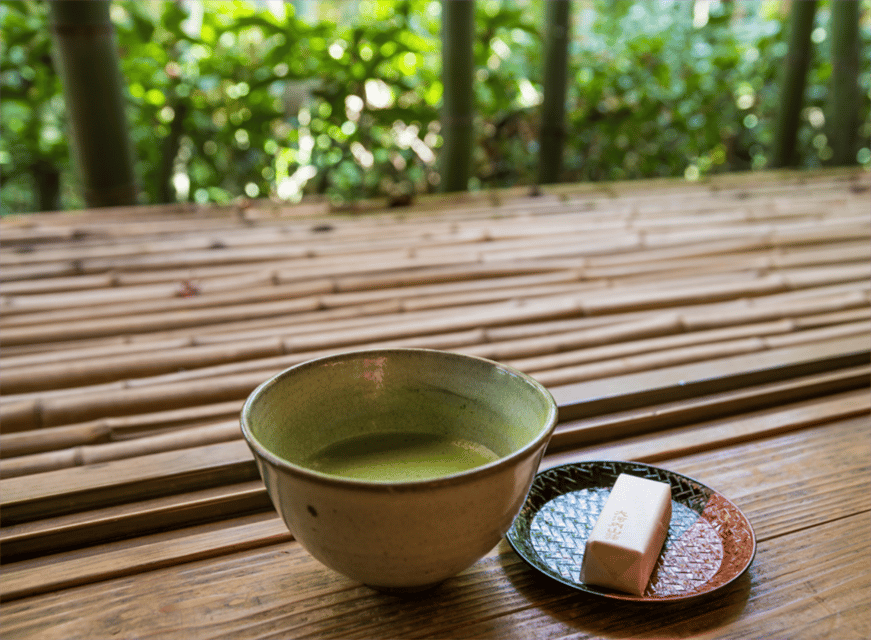
Your admission ticket is included. You also receive a beverage at the rest area, a former tea house. The included green tea gives the stop a welcome pause, especially on a warm day when the walking begins to catch up with you.
This is also where a guide can add useful background about Japanese garden design and the way the garden relates to its setting. The route includes scenic views along the way, but the real value is the change of pace. You move from a famous public attraction into a more controlled, peaceful garden visit.
The garden is not a completely effortless stop. You are still walking, and paths may not suit every person with mobility limitations. If you need frequent seating or have trouble with uneven ground, ask about the pace before booking.
Same sacred ground, another way to see it:
- Kyoto: Tea Ceremony Ju-An at Jotokuji Temple
★ 4.9 · 3,207 reviews - Osaka/Kyoto:Kinkakuji,Arashiyama,FushimiInariShrine,NaraPark
★ 4.1 · 1,596 reviews - Kyoto Arashiyama Walking Tour: Bamboo, Monkeys, Gardens & Secrets
★ 5.0 · 1,216 reviews - Kyoto: Arashiyama Bamboo Forest, Monkeys, Matcha & Temple Tour
★ 5.0 · 759 reviews
Tenryuji Temple, koi ponds, and Zen surroundings
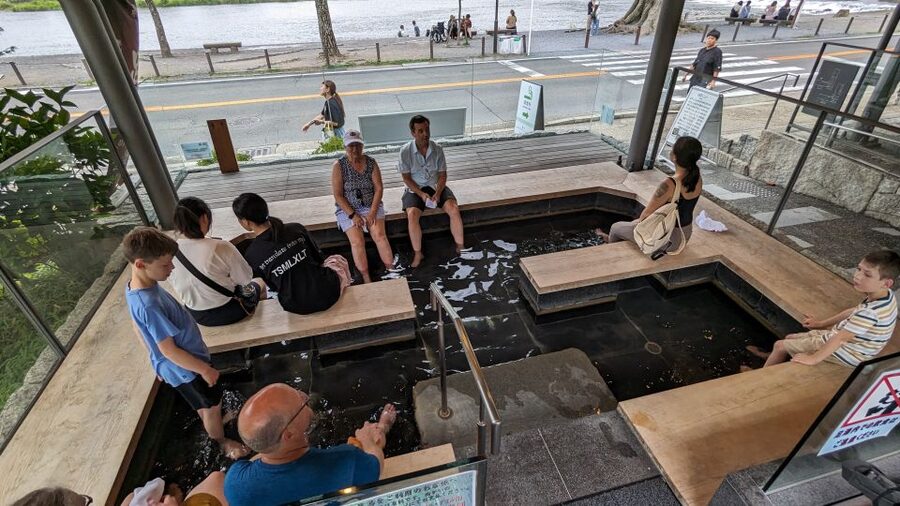
Tenryuji Temple follows after a short walk, with about 30 minutes set aside for the grounds. This is one of Arashiyama’s essential temple visits, and the tour includes admission.
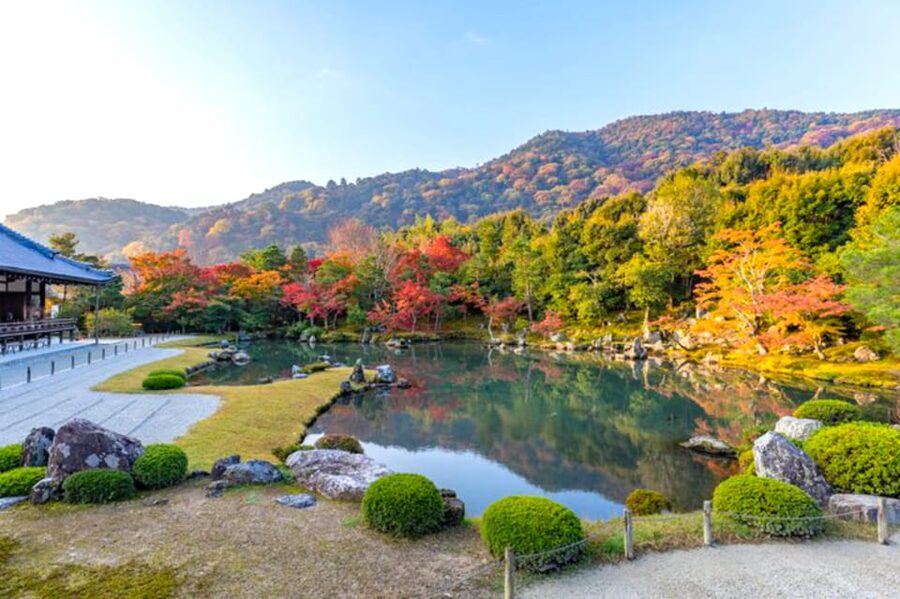
You have some free time here, including time for a self-guided look around and possible shopping. The pond with koi is a simple but memorable feature, especially after the crowded bamboo grove. The temple grounds provide room to slow down and take in the connection between religious buildings, water, trees, and mountain views.
A guide can explain the Zen setting and the temple’s cultural importance, but you are not expected to stay shoulder to shoulder with the guide for every minute. That balance works well. You receive context, then get a little space for photos and quiet observation.
Thirty minutes is enough for an introduction, not a full study of every building and garden. If Tenryuji is your top priority, you may want extra time on another visit.
Arashiyama Shopping Street and the Kimono Forest
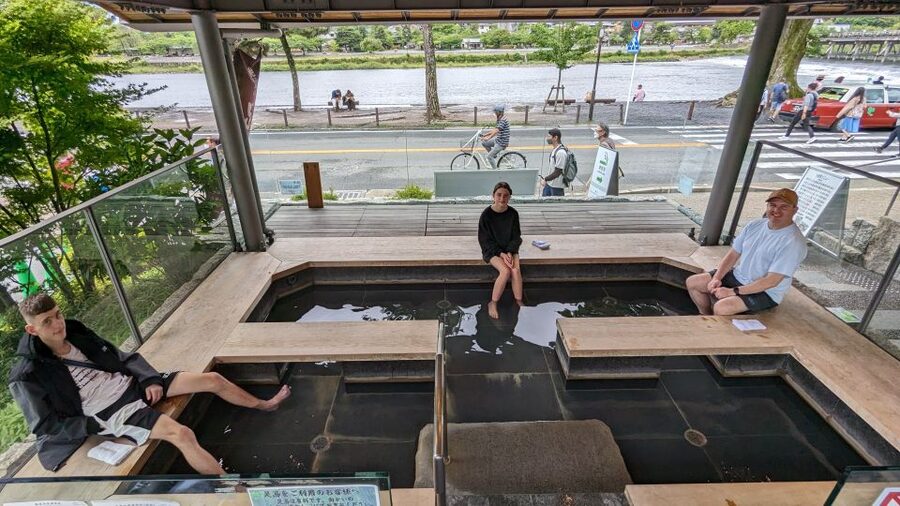
The tour then reaches Arashiyama’s shopping area for around 30 minutes. This is the place to sample a regional snack, browse small shops, and use the facilities. Lunch is not included, so this stop may be your chance to buy something light unless you choose the brewery option.
Guides are useful here because they can suggest places to eat and help you avoid wasting time on an unsuitable stop. Several guides, including Karim, Kevin, and Alice, have been praised for giving practical advice about food, drinks, and nearby facilities.
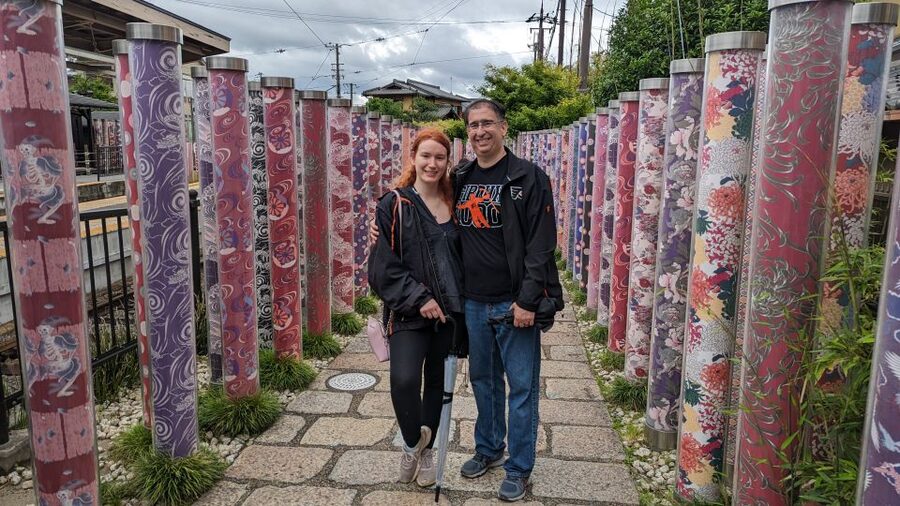
Next comes the Kimono Forest, a short 10-minute stop. The colorful fabric-covered pillars make an easy photo subject and add a playful contrast to the temple and garden visits. It is not a major historical attraction, but it breaks up the walking route nicely.
Togetsukyo Bridge and the road to the monkey park
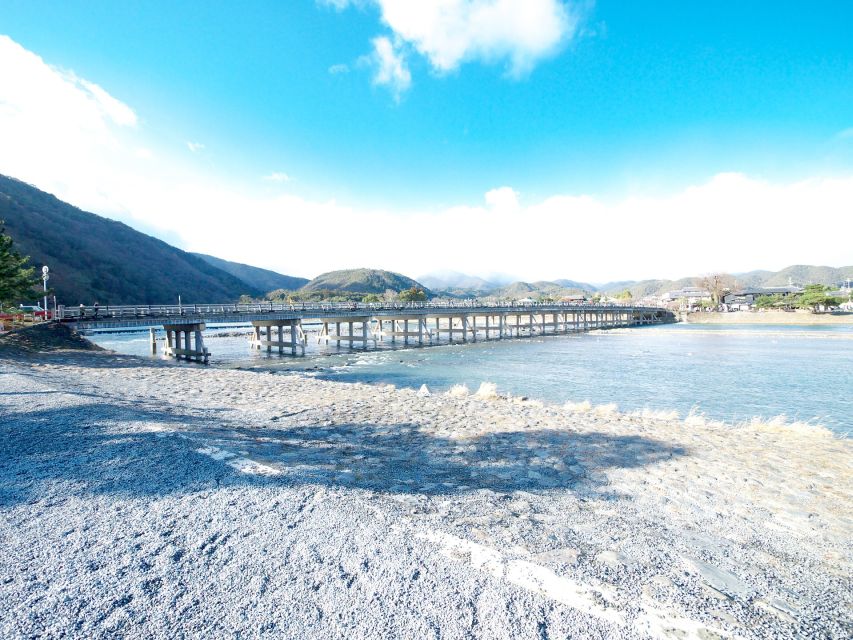
Togetsukyo Bridge takes only about five minutes as a formal stop, followed by roughly 10 minutes of walking toward Iwatayama Monkey Park. The bridge is one of Arashiyama’s defining views, with the Katsura River and surrounding hills providing a broad change of scenery after the enclosed bamboo grove.
The bridge visit is brief. You will have time for photos, but not a long riverside pause unless the group’s pace allows it. That is typical of a tour covering so many sights in one morning.
The final approach is the most physically demanding part. The access path to the top of Iwatayama includes a steep 15 to 20 minute hike. Comfortable shoes are essential, and you should be in reasonable physical condition. Summer heat can be intense, while rain can make the walk less pleasant. The tour operates rain or shine.
Iwatayama Monkey Park and Kyoto from above
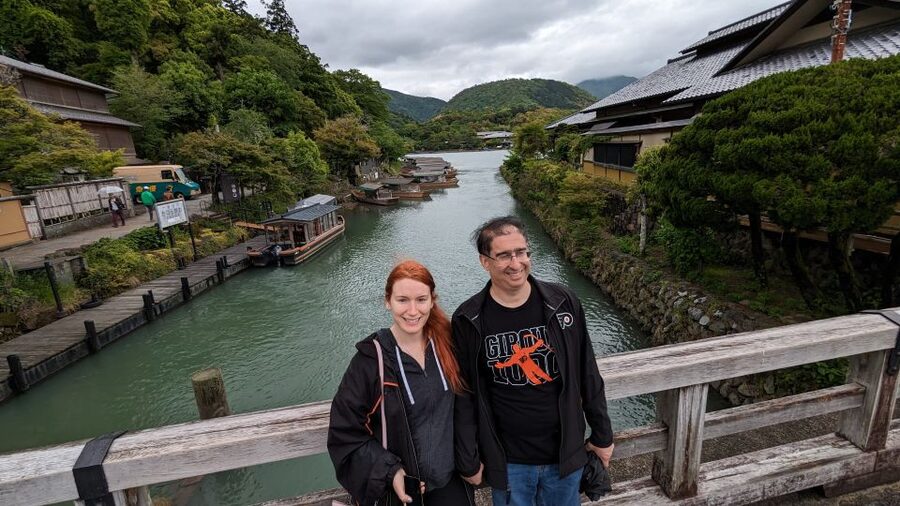
The monkey park receives about an hour, including the visit, wildlife viewing, and time for the panoramic view. The macaques live in their own setting rather than appearing in a conventional zoo display, which makes the stop more interesting than a quick animal photo opportunity.
You should follow the guide’s instructions around the monkeys. The park is also a chance to catch your breath after the climb and look across Kyoto from the hilltop. The view over the Katsura River is one of the strongest visual payoffs of the day.
The official tour ends at the monkey park. Your guide gives you the ticket and explains the short hike before you continue upward. You can leave the park whenever you want, and the final listed drop-off points are the monkey park or Saga-Arashiyama Station.
That ending gives you some freedom, but it also means you should pay attention to directions. The group portion finishes before you have necessarily finished exploring the park.
The sake brewery alternative
The tour description offers a second route instead of the shopping street, Kimono Forest, bridge, and monkey park sequence. With Option B, you return to the station, take a short train ride through the mountains, have lunch among local diners, and visit Tanzan Brewery for a sake tasting.
This choice suits you if food and drink matter more than seeing the macaques. The lunch is not included, but the sake tasting is. The route is described as a way to eat with fewer tourists, which gives the day a different feel from the classic Arashiyama circuit.
There is an important tradeoff. Option B means you should not expect the monkey park’s hilltop view as part of that version. Confirm the exact option and timing when you book, since the detailed stop-by-stop schedule provided for the tour follows Option A.
What the $87 price includes
At $87 per person, the tour is not the cheapest way to walk through Arashiyama. You are paying for a guide, several admissions, organization, and the ability to connect sights that are easy to visit badly on your own.
Included admissions cover Okochi Sanso Garden, Tenryuji Temple, and Iwatayama Monkey Park. Green tea and souvenir photos are also included. Lunch, extra drinks, hotel transport, and personal purchases are not included.
I see the price as reasonable if you want cultural explanation and a structured route. The value is strongest for a first visit, a family that wants help with pacing, or anyone who would otherwise spend time finding each entrance and deciding where to stop for food.
It is less compelling if you are a confident independent visitor who wants to linger for hours at Tenryuji, shop slowly, or photograph the bamboo grove at your own pace. The five-hour schedule gives you a broad introduction, not unlimited time at each sight.
Group size, guide quality, and the walking pace
A shared tour can have up to about 12 people, though smaller groups are possible. A private group is also available. A smaller group usually makes it easier to ask questions, adjust the pace, and hear explanations in busy areas.
The guides named in the feedback include Karim, Tom, Francis, Toru, Alice, Kevin, Remi, Elodie, Agustin, and others. Their strongest qualities are practical rather than theatrical: good English, cultural explanations, help with photos, food suggestions, and the ability to slow down for heat or tired children.
That flexibility matters. Families with teenagers have found the route manageable when guides allow breaks, while people who joined in very hot weather appreciated shade, water stops, and a slower pace. One guide even kept a child engaged with Pokémon conversation. Small touches like that can rescue a long walking day.
Language requires care. English is the reliable shared-tour language. French, German, and Spanish may be available, but you must contact the operator before booking to confirm a preferred language for your date. Do not assume a non-English guide is guaranteed.
Who should book this Arashiyama tour?
I would choose this tour if you have one day for Arashiyama and want the major sights arranged into a sensible route. It is especially useful for first-time Kyoto visitors, families, and anyone who wants help understanding shrine customs, temple spaces, Japanese gardens, and local food choices.
You should also consider it if you like a day with variety. The route changes character often: bamboo, shrine, garden, tea, temple, shopping, bridge, wildlife, and a hilltop view.
I would hesitate if you dislike hills, have mobility issues, or want a slow photography-focused visit. The monkey park climb is short but steep, and the full route is long. Summer can be hot and humid, while bad weather will not automatically cancel the outing.
Bring comfortable shoes, cash, an ID or passport, and protection from sun or rain. You may also want your own water, since additional drinks are not included.
Final verdict: a strong first look at Arashiyama
Book this tour if you want more than a quick bamboo grove photo. The combination of Okochi Sanso Garden, Tenryuji Temple, green tea, the monkey park, and a guide who can explain what you are seeing gives the day real substance.
Choose the classic route for the hilltop Kyoto view and macaques. Choose the brewery route if a local lunch and sake tasting sound more appealing. Either way, allow five hours, accept that you will walk a lot, and arrive early.
For most first-time visitors who want structure without spending the day on a bus, this is a good-value introduction to Arashiyama. It is not effortless, but the scenery and range of stops make the work worthwhile.
FAQ
Where does the tour meet?
Meet by the map near the vending machines on the north side of JR Saga-Arashiyama Station. After leaving the gates, turn right and go downstairs. Look for a guide wearing a red polo shirt or jacket with the JTA logo.
How long does the experience last?
The tour lasts about five hours, or 330 minutes. Check the available starting times when booking.
Is this a walking tour?
Yes. This is a walking tour, not a bus tour. The route includes streets, temple grounds, gardens, and a steep path to the monkey park.
How difficult is the monkey park walk?
The climb to Iwatayama Monkey Park takes about 15 to 20 minutes on a steep path. Comfortable shoes and reasonable physical condition are required.
Is the monkey park included?
Yes. Entry to Iwatayama Monkey Park is included. The tour officially ends at the park, and you may leave whenever you want after reaching the monkeys and viewpoint.
Are the temple and garden admissions included?
Yes. Admission to Okochi Sanso Garden and Tenryuji Temple is included, along with entry to the monkey park.
Is food included?
Lunch is not included. The main route includes time for snacks and shopping in Arashiyama. The alternative brewery route includes a sake tasting, but lunch remains separate.
What is the sake brewery option?
Option B includes a short train ride through the mountains, lunch among local diners, and a visit to Tanzan Brewery with sake tasting. Confirm the selected option and schedule before booking.
What languages are available?
The tour is offered with a live guide in English, French, German, or Spanish. English is the language you can rely on for a shared tour. Contact the operator to confirm another language for your chosen date.
Can one person book the tour?
Single travelers can book, but the tour requires at least two guests to operate. A solo booking may be canceled, rescheduled, or refunded if the minimum is not met.
What happens in bad weather?
The tour runs rain or shine. Bring suitable clothing and shoes for the forecast.
Can I cancel the booking?
You can cancel up to 24 hours in advance for a full refund. The reserve-now, pay-later option lets you book without paying immediately.
More shrine visits with sake tasting in Kyoto
- Nagano: Snow Monkeys, Zenkoji Temple & Sake Day Trip
★ 5.0 · 4 reviews
More temple trips with food stops in Kyoto
- Bangkok by Night: Temples, Markets and Food Tuk-Tuk Tour
★ 5.0 · 3,752 reviews - Bangkok: Markets, Temples and Food Night Tour by Tuk Tuk
★ 4.9 · 2,371 reviews - Bangkok: Tuk Tuk Adventure Chinatown Michelin Food & Temples
★ 4.3 · 725 reviews - Old Delhi Food-Spice Market-Temples Tour Soon Featured on NETFLIX
★ 5.0 · 304 reviews
Temple visits we reviewed lately in Kyoto
- Kyoto: Zen Meditation at a Private Temple with a Monk★ 5.0 · 202 reviews
- Kyoto:Kiyomizu-dera Temple Rent a kimono and ride a rickshaw★ 4.8 · 7 reviews
- KYOTO: Tempio Kiyomizu Pagode Gion “Geisya” (Guida Italiana)★ 4.7 · 17 reviews
- Kyoto: Kiyomizudera, Sanjusangendo, Ginkakuji and Higashiyama.★ 5.0 · 3 reviews
- Kyoto:Quiet Arashiyama and Sagano Temples★ 4.8 · 5 reviews
- Kyoto: Shakyo & Matcha in Historic Temple Garden★ 5.0 · 4 reviews
- Kyoto: Samurai Sword & Kimono Action Filming Experience★ 4.8 · 78 reviews
- Kyoto: Nara, Todaiji, Kasuga Taisha Shrine Private Full Day★ 4.9 · 18 reviews
Kyoto Temple Tours, compared.
Osaka/Kyoto:Kinkakuji,Arashiyama,FushimiInariShrine,NaraPark
Read our review →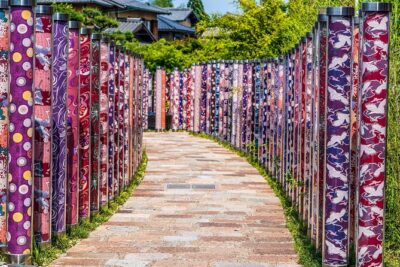
Kyoto Arashiyama Walking Tour: Bamboo, Monkeys, Gardens & Secrets
Read our review →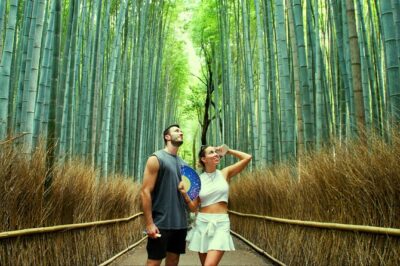
Kyoto: Arashiyama Bamboo Forest, Monkeys, Matcha & Temple Tour
Read our review →
Osaka/Kyoto: Arashiyama, Nara & Fushimi Inari Shrine w/Lunch
Read our review →
Kyoto Zen Meditation & Garden Tour at a Zen Temple with Lunch
Read our review →
This tour also ranks in