Review · KYOTO
Kyoto Tea Ceremony & Kiyomizu-dera Temple Walking Tour
Kyoto’s best moments often come in small pieces: a sun-dried food shop, a bright cluster of wish balls, clear water from a temple spring, and the careful whisking of matcha. This three-hour walking tour ties those details together with Kiyomizu-dera, one of Japan’s most famous temples, as its main event. I like the route for two reasons: you get a hands-on tea ceremony rather than just a demonstration, and your guide introduces local snacks along the way.
The tour also gives you a useful first look at Kyoto’s religious culture, with stops at Yasaka Koshin-do and Kiyomizu-dera. The main drawback is its tight schedule. One participant missed the tea ceremony after a timing misunderstanding, so arrive early, stay close to the guide, and speak up at once if anything seems unclear.
Key points at a glance
- Make your own matcha: Learn the basic steps of traditional tea preparation, then drink it with Japanese sweets.
- Walk through Kiyomizuzaka: Browse old teashops, sweet shops, and traditional food stores on the approach to Kiyomizu-dera.
- See Yasaka Koshin-do: Look up at the many colorful balls carrying written wishes in Kyoto’s most photogenic small temple.
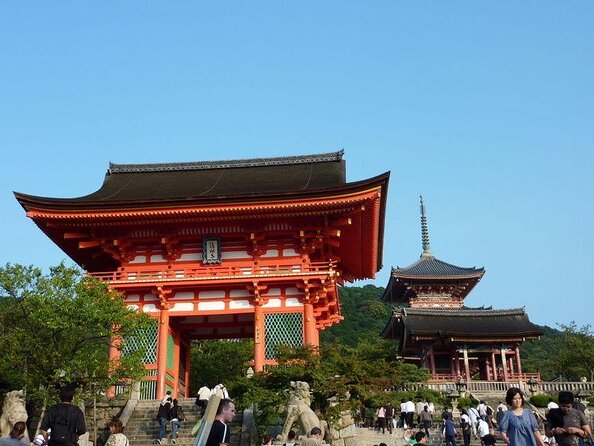
- Visit Kiyomizu-dera: Walk onto the famous wooden platform for views across trees and toward Kyoto.
- Try local bites: Your guide points out several street foods, with some samples included and extra purchases available.
- Plan for a brisk route: Hills, steps, heat, crowds, and a possible line at Otowa Waterfall all affect the pace.
Starting at Yasaka Shrine and entering old Kyoto
You meet your English-speaking guide in front of the statue at Yasaka Shrine, near the Nishiromon Gate. Look for a guide holding a MagicalTrip sign, and arrive at least 10 minutes early. The tour starts promptly, which matters here because the tea ceremony is scheduled as part of a three-hour route.
Yasaka Shrine gives you a fitting starting point. You are not simply being dropped at a famous temple and shown a platform for a quick photograph. The walk begins in an area where Kyoto’s religious traditions and everyday shopping streets sit side by side.
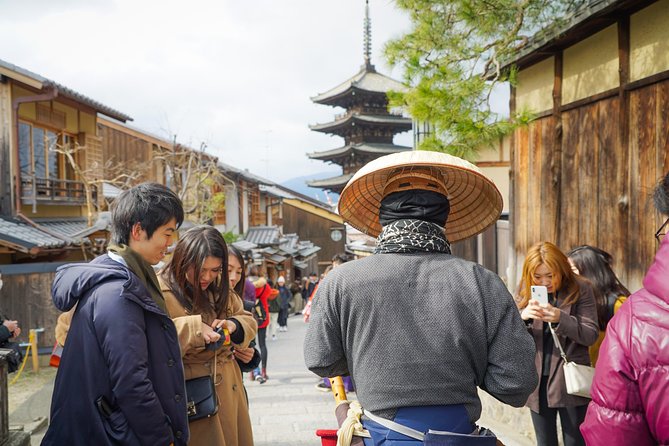
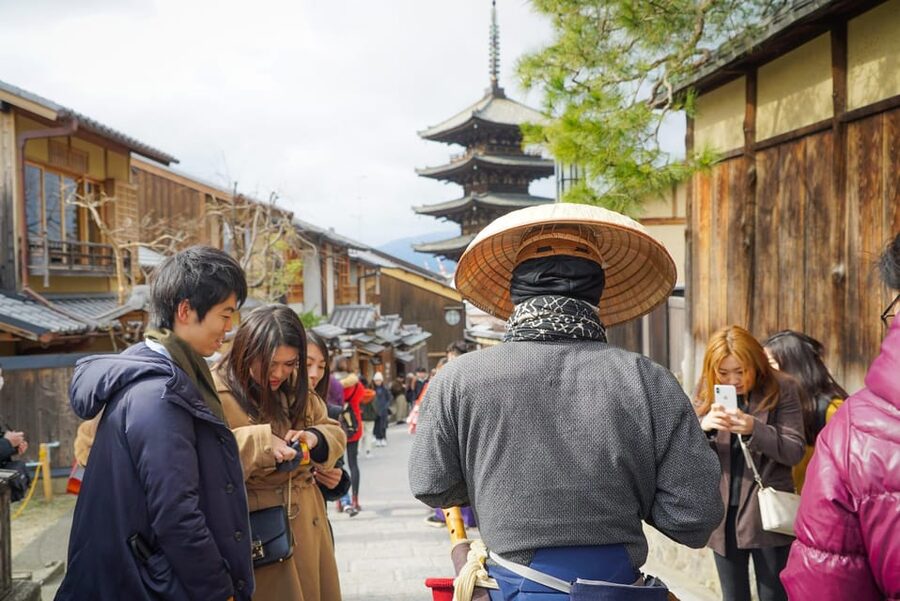
From the shrine, the route heads toward Kiyomizuzaka, the old approach to Kiyomizu-dera. This is a pedestrian-friendly shopping stretch with traditional teashops, sweet shops, and stores selling Japanese sun-dried foods. You may also see Maiko and Geisha moving through the area, though their appearance is never guaranteed and should not be treated as part of the show.
I like having a guide here because the street can feel like a line of souvenir shops if you rush through it. A local guide can explain what you are looking at and suggest foods to try. The supplied samplings help you taste without committing to every snack, while your own cash lets you buy more if something catches your eye.
More Temple Walking Tours in Japan
- Kyoto Arashiyama Walking Tour: Bamboo, Monkeys, Gardens & Secrets
★ 5.0 · 1,216 reviews - Kyoto Tea Ceremony & Kiyomizu-dera Temple Walking Tour
★ 5.0 · 115 reviews - Kyoto: Fushimi Inari Shrine Walking Tour
★ 5.0 · 72 reviews
Yasaka Koshin-do and Kyoto’s most colorful photo stop
One of the tour’s more unusual stops is Yasaka Koshin-do. It is known for the colorful balls hanging from the ceiling, many carrying written wishes. The display gives the temple a playful look, but the visit also connects neatly with the tour’s wider focus on Japanese religious customs.
This is a small stop, not a full temple complex that takes hours to explore. That works in the itinerary’s favor. After the busy approach streets, you get a short pause to look closely, take photographs, and ask your guide what the objects mean.
The temple is often described as one of Kyoto’s most colorful photo spots. Bring your camera, but remember that the appeal is not only visual. The written wishes show how religious places in Japan can be part of ordinary personal life. People come with hopes, worries, and simple requests, then leave those thoughts in a public spiritual setting.
Your guide can also help you understand the difference between the shrines and temples you see during the walk. That context is useful because Japanese religious customs can otherwise blur together for first-time visitors. You do not need prior knowledge to enjoy this stop, but you should listen closely if you want to take more from it than a colorful photograph.
Street food between the temples
After Yasaka Koshin-do, the group stops at several eateries along the streets. A few samplings are included, and you can purchase additional food and drinks. The exact selection may vary, so think of this as a guided tasting of Kyoto’s local street foods rather than a fixed meal.
This part adds welcome flavor to a temple visit. You get to see how the neighborhood feeds people passing through, not just how it preserves old buildings for sightseeing. I also like that the guide can point out foods you might otherwise walk past, especially in shops where the displays and ingredients are unfamiliar.
Do not arrive expecting lunch. Extra food costs money, and you should bring cash for snacks, drinks, and souvenirs. If you have allergies or dietary restrictions, tell the operator at least one day before the tour. Food comes from kitchens outside MagicalTrip’s control, so allergy-free preparation and substitutions cannot be guaranteed. The guide will try to make adjustments at other stops, but you should be realistic about the limits.
Summer requires extra care. Kyoto can be very hot and humid, and this walk includes uphill streets and temple grounds. Carry water and wear a hat. Comfortable shoes matter more than stylish ones.
Kiyomizu-dera, Kyoto’s great wooden platform
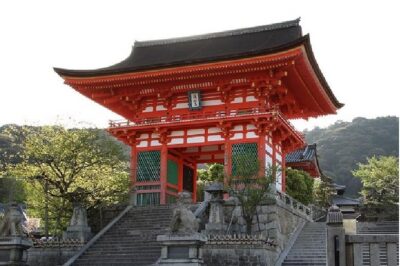
Kiyomizu-dera is the main temple visit, and it earns the time. Its name means Water Temple, and the site was built above the Otowa Waterfall. The temple is also a UNESCO World Heritage Site, but the designation is less important once you are on the wooden platform looking over the trees and city.
From the platform, you can see cherry trees, maple trees, and Kyoto in the distance. The view changes with the season, so you may find soft spring blossoms or autumn color, though the tour cannot promise either. Even without seasonal displays, the height and wooden construction give the visit a strong sense of place.
Your entrance fee is included, which makes the $63 price easier to assess. You are paying for more than entry to a famous temple. The fee also covers the guide, the tea ceremony, several food samples, and photographs taken during the tour. For someone who wants a short, organized introduction to Kyoto, that is a fair package.
The tradeoff is pace. Kiyomizu-dera is popular, and the route can feel crowded. A three-hour tour cannot give you unlimited time for every building, corner, and shop. If you want a slow architectural study of the entire temple complex, you should return independently. If you want a well-planned first visit with cultural explanation, the shorter format is useful.
More Temple Walking Tours in Kyoto
- Kyoto: Fushimi Inari Taisha Shrine Walking Tour with Guide
★ 4.8 · 18 reviews - Kyoto: Private Walking Tour with Kiyomizu Temple & Gion
★ 5.0 · 7 reviews
Drinking from Otowa Waterfall
The route continues to Otowa Waterfall, whose clear water is traditionally said to bring good luck. You can drink from it, though there may be a line. This is one of those small rituals that makes a visit feel connected to local custom rather than just sightseeing.
The line is worth factoring into your expectations. If many people are waiting, the waterfall stop may take longer than planned, leaving less time elsewhere. Stay aware of the guide and the group, especially because the tea ceremony follows as a scheduled part of the afternoon.
The waterfall also gives your guide a natural opening to discuss the beliefs tied to the temple. Ask questions here. The value of this stop is not only the water itself, but the explanation of why people come to drink it and how the ritual fits into the temple visit.
A hands-on matcha ceremony with Japanese sweets
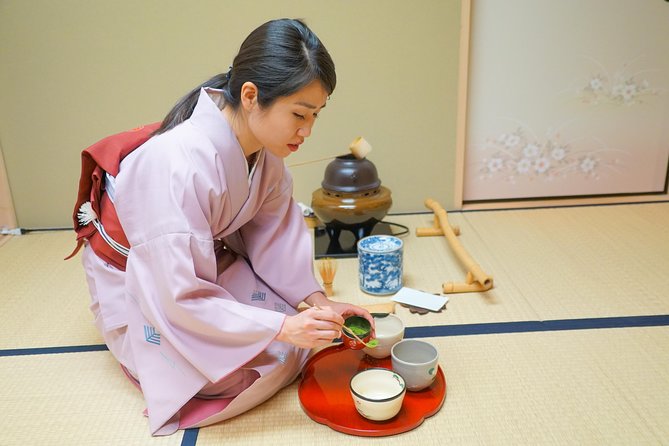
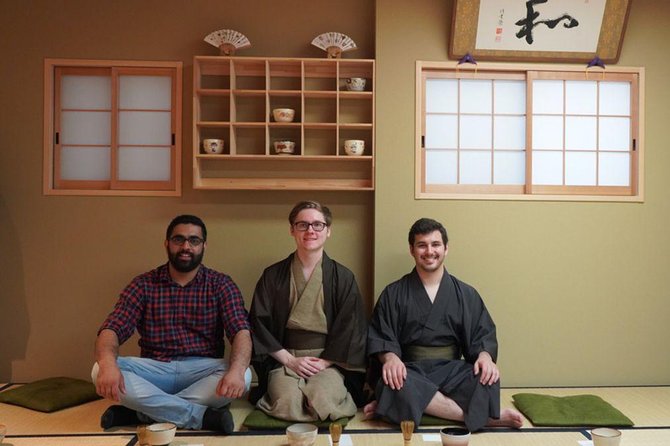
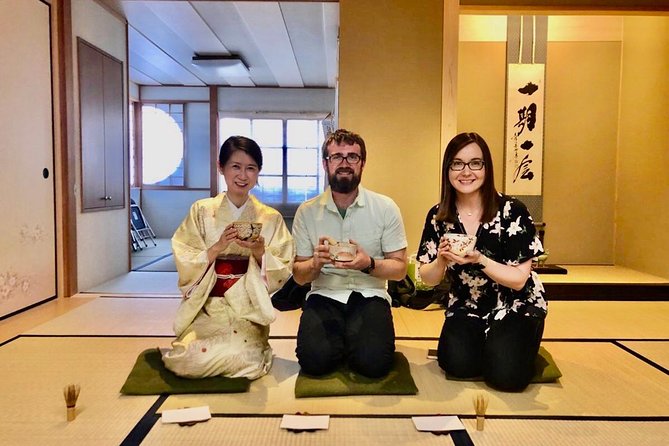
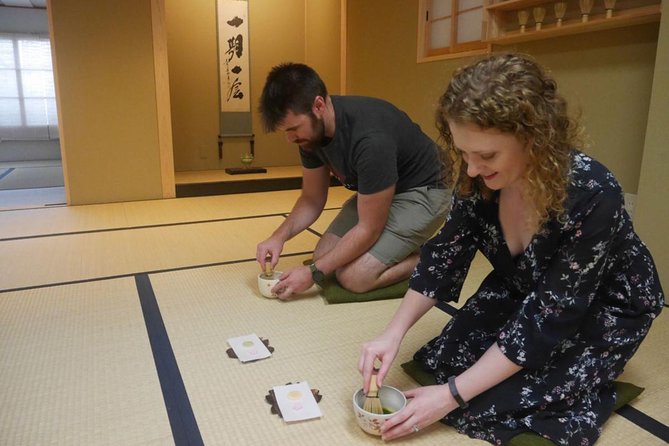
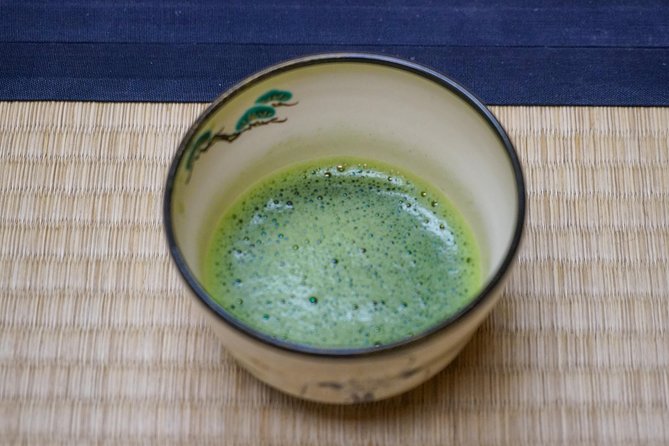
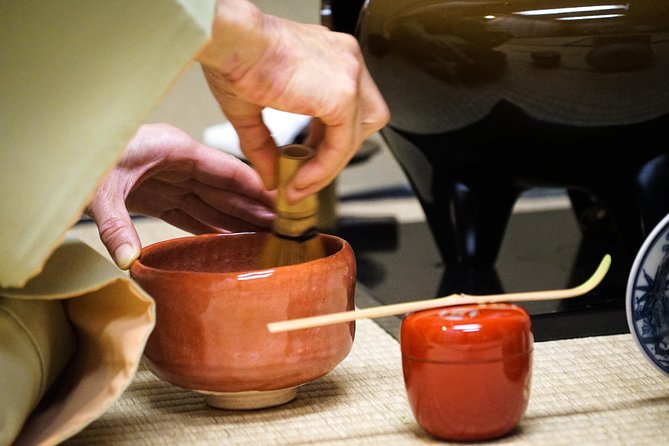
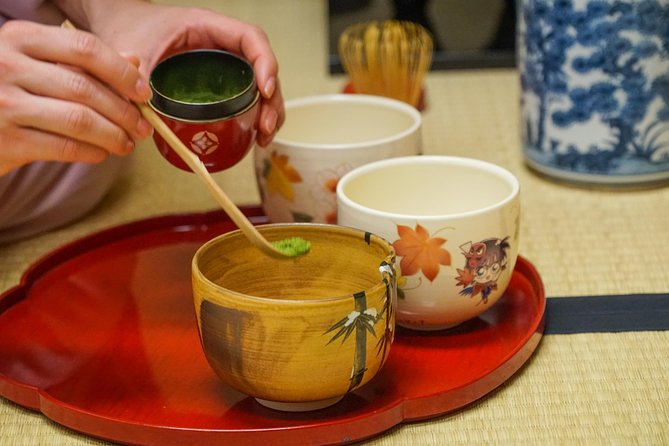
The tea ceremony is the most participatory part of the experience. You enter a sophisticated room surrounded by tea utensils, including bamboo whisks and distinctive tea bowls. Rather than only watching someone prepare tea, you learn the steps and make your own green tea.
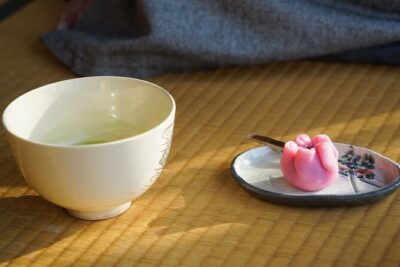
That hands-on element makes the ceremony suitable for first-time visitors. You learn some Japanese phrases, hear about the history connected to tea, and practice preparing matcha. Japanese sweets are served with the tea, giving you a traditional pairing and a small break from the walking route.
You should not expect a lengthy formal ceremony with hours of silent observation. The experience is designed for visitors and fits within a three-hour walking tour. Its strength is access: you can try the process yourself, handle the whisk, and leave with a clearer idea of the care built into a simple bowl of tea.
Pay attention to the timing. A previous participant missed the tea ceremony after a misunderstanding about the schedule, though the guide, Akiko, made a serious effort to arrange another visit or refunds for those leaving Kyoto. That story points to a practical lesson rather than a flaw in the ceremony itself: confirm the tea stop with your guide at the start and remain with the group.
What the guide adds to the experience
The guide is important because this tour covers several different subjects in a short time: shrines, temples, food, street customs, and tea. One guide named Akiko received particular praise for making the temple and tea portions interesting and fun. Another participant found a newer guide a little nervous, but still appreciated the explanations of the shrines, temples, and local history.
That balance is worth keeping in mind. Guide quality can vary, especially on a walking tour where much of the value comes from conversation. The available information suggests that the guides work hard to help when timing problems arise, but you should still ask direct questions and make your needs clear.
The main gap is Gion. The walking route passes through or near the area, yet detailed explanation of Gion’s culture and history may not be a major part of the tour. If Gion is your main interest, you may want a separate focused walk. Here, it is part of a broader route leading toward Kiyomizu-dera and the tea ceremony.
Is $63 a good value?
At $63 per person, I consider this a reasonable price for a compact Kyoto introduction. The Kiyomizu-dera entrance fee, tea ceremony, Japanese sweets, several samples, local guide, and tour photographs are included. You also receive the convenience of moving between several highlights without planning the route yourself.
The value is strongest if you want cultural explanation and a guided tasting, not just temple admission. You are paying for the connections between the stops: how the old shopping street leads to a religious site, how local snacks fit into the neighborhood, and how tea preparation reflects Japanese customs.
The value is weaker if you dislike fixed schedules or prefer to spend a full morning at Kiyomizu-dera. Additional food and drinks cost extra, and the tour does not include every possible snack or meal. Bring cash so you can make your own choices.
Who should book this Kyoto walk?
I would choose this tour for a first visit to Kyoto, especially if you want several well-known sights in a short window. It suits adults and children aged six and older who can manage a hilly walking route and temple steps. The mix of photographs, food, religious sites, and a practical tea lesson keeps the pace varied.
It is also a good choice for anyone who feels unsure about Japanese temple etiquette or tea ceremony customs. A guide can explain what you are seeing and help you avoid walking through the area without context.
I would think twice if you use a wheelchair or stroller, since parts of the itinerary are not accessible. I would also reconsider it if heat, hills, or crowds are a major concern. The tour runs in English, starts on time, and ends back at the meeting point, so build your later plans around a firm three-hour block.
Should you book it?
Book this tour if you want a guided introduction to Kyoto that combines Kiyomizu-dera, local snacks, and a hands-on matcha lesson. The unusual Yasaka Koshin-do stop and the Otowa Waterfall ritual give it more character than a simple temple walk.
Skip it if you want a slow, private visit or a detailed tour devoted only to Gion. Arrive early, wear good walking shoes, carry water and cash, and confirm the tea ceremony timing at the beginning. With those precautions, the $63 package offers a practical way to meet several sides of Kyoto in one morning or afternoon.
FAQ
Where does the Kyoto tea ceremony and Kiyomizu-dera tour begin?
Meet in front of the statue at Yasaka Shrine, near the Nishiromon Gate. Your guide will hold a board marked MagicalTrip.
How early should I arrive?
Arrive 10 minutes before the scheduled start. The tour begins promptly.
How long does the tour last?
The experience lasts three hours and ends back at the meeting point.
Is the Kiyomizu-dera entrance fee included?
Yes. The Kiyomizu-dera entrance fee is included in the tour price.
Do I make my own green tea?
Yes. The tea ceremony teaches you the steps for preparing traditional matcha, and Japanese sweets are served with it.
Are food and drinks included?
A few samplings are included. Additional food and drinks are available for purchase, so bring cash.
Is the tour suitable for children and wheelchair users?
Children under six are not allowed. Some parts of the itinerary are not accessible by wheelchair or stroller.
More Fushimi Inari Shrine Tours in Kyoto
- Osaka/Kyoto:Kinkakuji,Arashiyama,FushimiInariShrine,NaraPark
★ 4.1 · 1,596 reviews - Osaka/Kyoto: Arashiyama, Nara & Fushimi Inari Shrine w/Lunch
★ 4.4 · 754 reviews - Kyoto: 3-Hour Fushimi Inari Shrine Hidden Hiking Tour
★ 4.9 · 270 reviews - Kyoto: Fushimi Inari Shrine and Tofukuji Temple E-Bike Tour
★ 5.0 · 75 reviews
Temple visits we reviewed lately in Kyoto
- Kyoto: Zen Meditation at a Private Temple with a Monk★ 5.0 · 202 reviews
- Kyoto:Kiyomizu-dera Temple Rent a kimono and ride a rickshaw★ 4.8 · 7 reviews
- KYOTO: Tempio Kiyomizu Pagode Gion “Geisya” (Guida Italiana)★ 4.7 · 17 reviews
- Kyoto: Kiyomizudera, Sanjusangendo, Ginkakuji and Higashiyama.★ 5.0 · 3 reviews
- Kyoto:Quiet Arashiyama and Sagano Temples★ 4.8 · 5 reviews
- Kyoto: Shakyo & Matcha in Historic Temple Garden★ 5.0 · 4 reviews
- Kyoto: Samurai Sword & Kimono Action Filming Experience★ 4.8 · 78 reviews
- Kyoto: Nara, Todaiji, Kasuga Taisha Shrine Private Full Day★ 4.9 · 18 reviews
Kyoto Temple Tours, compared.
Osaka/Kyoto:Kinkakuji,Arashiyama,FushimiInariShrine,NaraPark
Read our review →
Kyoto Arashiyama Walking Tour: Bamboo, Monkeys, Gardens & Secrets
Read our review →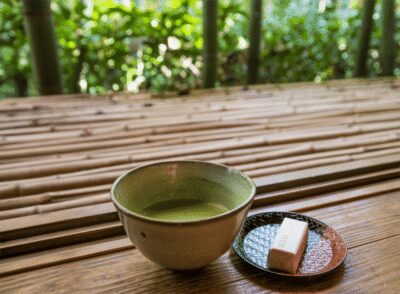
Arashiyama Bamboo, Temple, Monkeys, or Secret Sake Brewery
Read our review →
Kyoto: Arashiyama Bamboo Forest, Monkeys, Matcha & Temple Tour
Read our review →
Osaka/Kyoto: Arashiyama, Nara & Fushimi Inari Shrine w/Lunch
Read our review →