
Review · KYOTO
Kyoto: Kifune Shrine and the Sacred Kifune Valley Day Trip
Kifune Valley gives you a rare change of pace from Kyoto’s busy temples and crowded lanes. The trip brings you into a cool mountain setting of clear streams, tall trees, and the sacred Kifune Shrine, where the famous Mizu-ura water fortune adds a memorable local ritual.
I like the scenic Eizan train ride and the private format. You get a calm route into the hills and a guide who can explain customs in either Japanese or English. Guides Yoshi and Kisho Hasegawa have been praised for their kindness and clear knowledge of Japanese culture.
The main caution is the meeting point. It can vary by booking option, and one guest lost time after going to the wrong place. Check the exact instructions carefully before setting out, especially since the advertised duration ranges from 90 minutes to four hours.
Key details at a glance
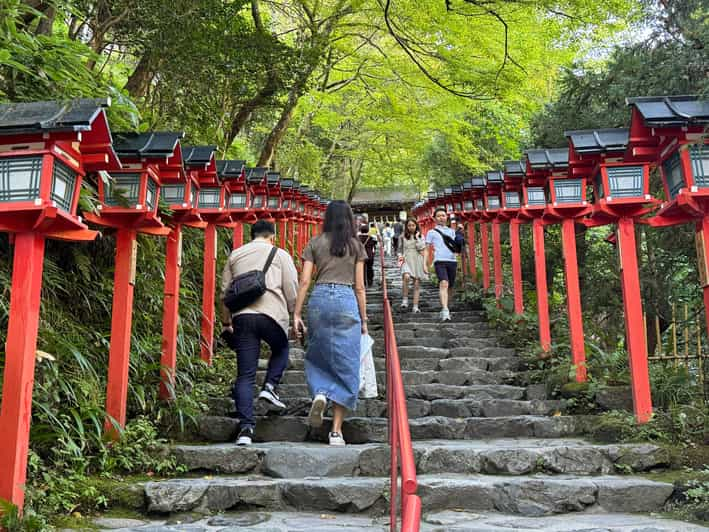
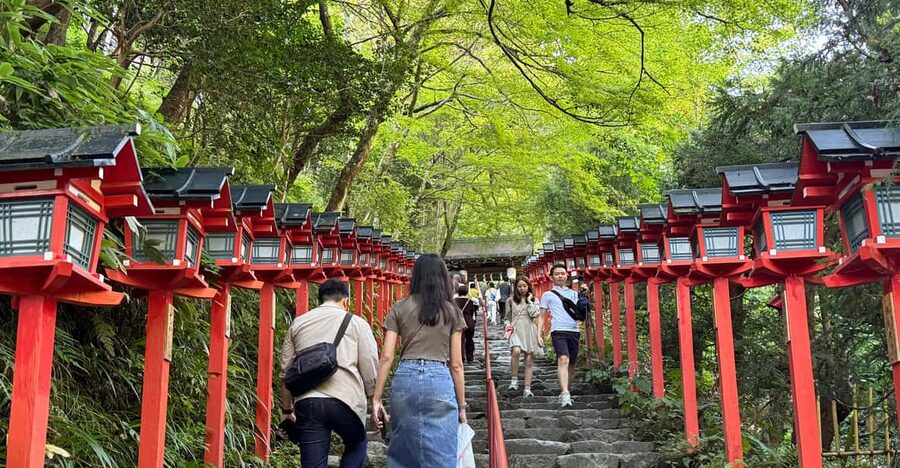
- Kifune Shrine’s forested grounds: Spend about 30 minutes to 1.5 hours around the main shrine, mountain streams, and stone paths.
- A scenic Eizan Railway ride: Travel from the Kyoto area toward Kifune Valley by train before continuing to the shrine.
- The Mizu-ura fortune ritual: Try a rare water-based divination custom at Kifune Shrine.
- Nakamiya, the middle shrine: Visit a quieter sacred site for more context and time for reflection.
- Private guiding in two languages: Tours are offered in Japanese or English, with guides such as Yoshi and Kisho Hasegawa.
- A flexible but variable schedule: The experience lasts 90 minutes to four hours, depending on the option and availability.
Why Kifune makes a good Kyoto escape
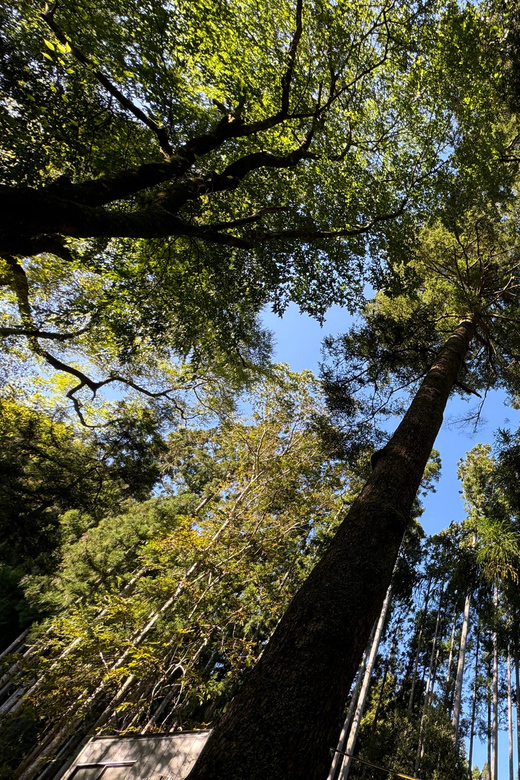
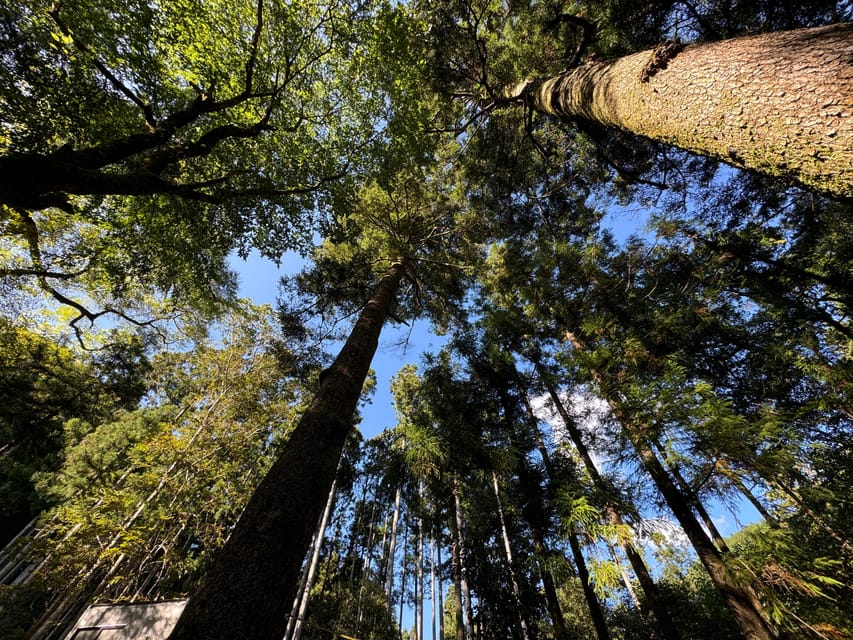
Kyoto is famous for grand temple gates and polished gardens. Kifune feels different. Here, the setting does much of the work. The shrine sits in a forested mountain valley, close to clear streams and steep green slopes. The sound is softer, the air feels cooler, and the visit has a more rural character.
I like this outing because it does not try to pack in a long list of unrelated sights. You go for one sacred place, its surrounding valley, and the journey to reach it. That focused plan gives you time to notice the setting instead of rushing from one photo stop to the next.
The trip also works well for visitors who have already seen central Kyoto. Kifune offers a look at the city’s mountain edge and at a religious site tied closely to nature and water. It is still a guided experience, but it leaves room for quiet observation.
Do not expect a full-day tour with a long meal or several major attractions. The stated duration can be as short as 90 minutes or as long as four hours. That makes the tour easy to fit into a Kyoto schedule, but you should check the chosen departure time and route before booking.
More Day Trips in Kyoto:
- Kyoto 1 Day Tour from Kyoto
★ 4.0 · 582 reviews - Kyoto to Arashiyama Day Trip – Private & Personalized
★ 4.2 · 22 reviews - Athens: Cape Sounion & Poseidon Temple Sunset Half-Day Trip
★ 4.8 · 8,241 reviews
The train ride toward Kifune Valley
The journey begins in the Kyoto area, with directions referring to Kyoto Station’s JR West Exit and onward travel to Demachiyanagi Station. From there, you board the Eizan Railway for the scenic run toward Kifune.
The train is part of the appeal. Instead of arriving at the shrine by a plain road transfer, you watch the city give way to the countryside. The ride sets up the contrast that makes Kifune special: urban Kyoto first, mountain valley later.
The available details do not specify every transfer step, ticket arrangement, or exact train schedule. For that reason, read your confirmation closely. The meeting point may vary, and the starting options include Kifune Ichinotani sightseeing toilet and Kurama Mountain’s Great Tengu. Those are not interchangeable places for a first-time visitor.
This is the point where you should be practical. Save the meeting location on your phone, allow extra time, and confirm which starting option you selected. One booking went wrong because the meeting point was misunderstood, which cut into the experience. A few minutes of preparation can prevent that problem.
Entering Kifune Shrine
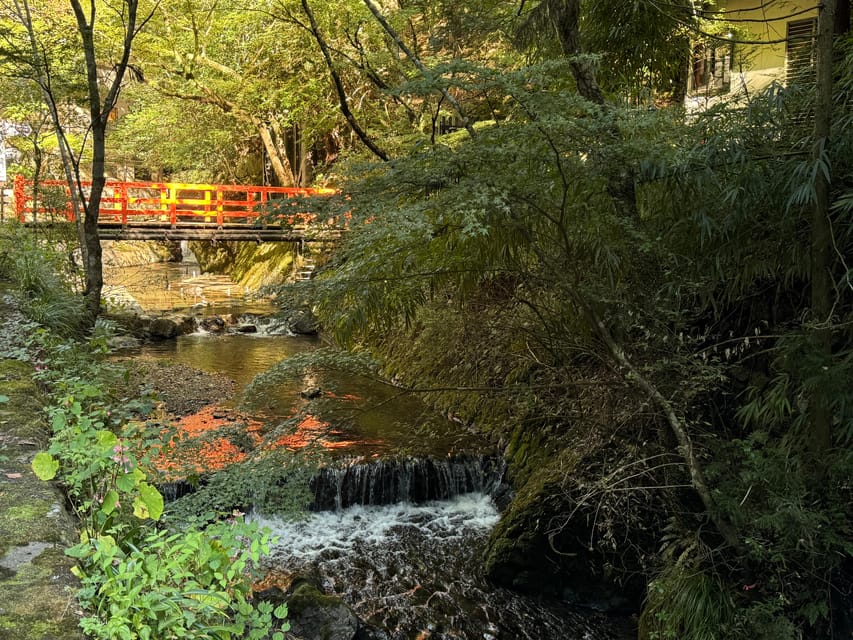
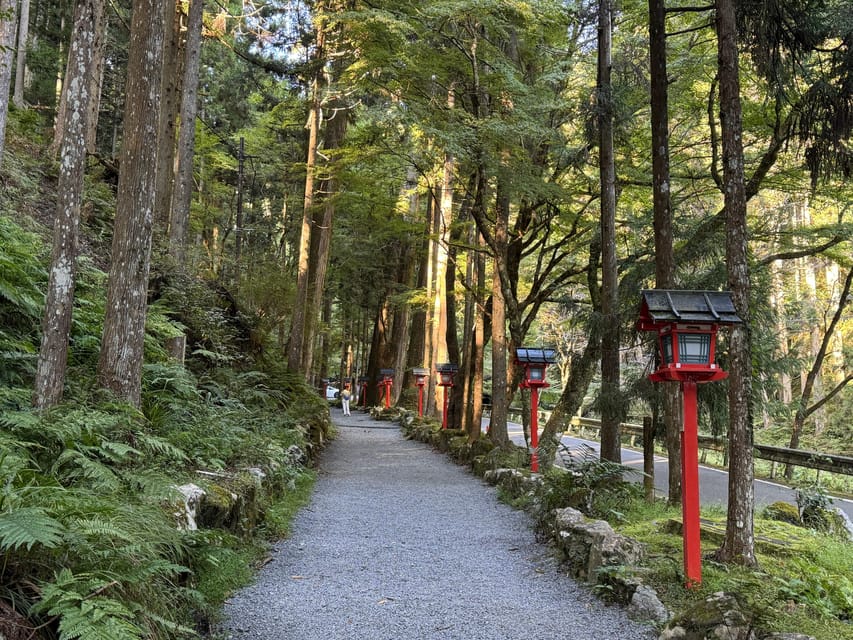
Once you reach the main shrine area, the pace becomes slower. You walk among dense trees, mountain air, and clear streams before reaching the sacred grounds. The visit to Kifune Shrine is listed as a guided sightseeing walk lasting about 1.5 hours, while the main site itself is described as a roughly 30-minute stop.
That difference likely reflects the selected tour format and the time spent walking between locations. Ask your guide how much time is planned at the main hall, how the Nakamiya visit fits in, and where the tour ends.
The main hall is the central point of the visit. The setting is as important as the building itself. Trees surround the shrine, while water runs through the valley nearby. You are not simply checking off a religious site. You are seeing how the shrine’s location shapes its atmosphere.
A guide adds useful context here. Shinto customs can be easy to miss if you are unfamiliar with them, and a private guide can explain what you are seeing without turning the visit into a long lecture. Yoshi is described as kind and well informed about Japan’s past and customs. Kisho Hasegawa also receives strong praise for his friendly manner and cultural explanations.
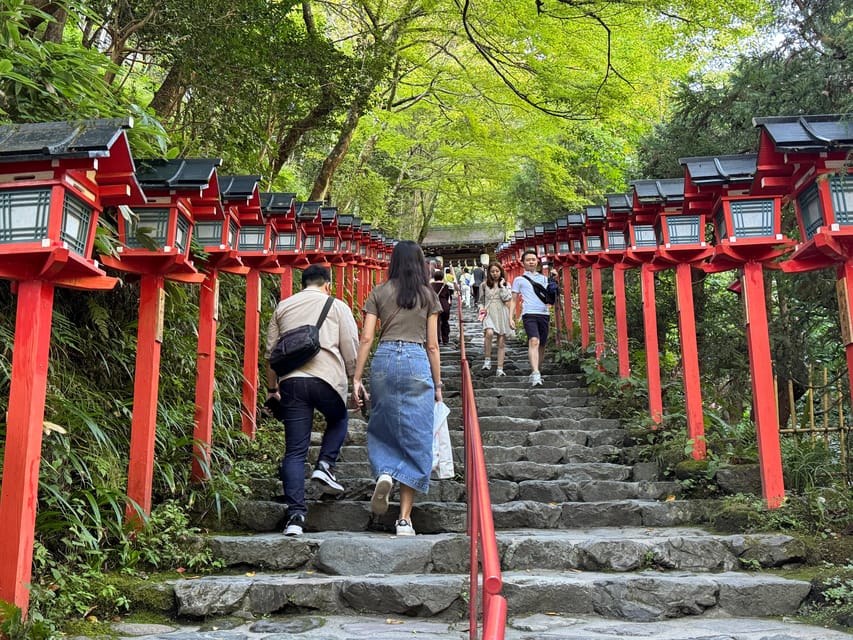
The tour is not designed as a strenuous mountain trek, but you will walk on uneven paths and possibly steps. Comfortable shoes matter. This is not a good choice for wheelchair users, and anyone with walking concerns should ask for exact route details before booking.
Trying the Mizu-ura water fortune
One of the most distinctive parts of the visit is the Mizu-ura fortune ritual. You place a fortune paper on water, allowing the message to appear through the water’s effect. It is a small activity, but it gives the visit a direct connection to Kifune’s water-centered identity.
I like this more than a standard fortune slip because the ritual makes you pause. You are not just picking up a paper and moving on. You interact with the shrine’s water and wait for the result, which gives the custom a quiet sense of ceremony.
The supplied details call this a rare water divination experience. They do not state whether a fortune paper or any related fee is included, so check with the guide or provider if this matters to your budget. Meals and beverages are not included, and no food stop is promised.
Bring a camera if you enjoy small visual details. The shrine’s wooded approach, flowing water, and traditional structures give you plenty to photograph, but remember that this is an active sacred place. Keep your camera use respectful and follow your guide’s instructions.
More Temple Tours around Kyoto:
- Kyoto: Tea Ceremony Ju-An at Jotokuji Temple
★ 4.9 · 3,207 reviews - Osaka/Kyoto:Kinkakuji,Arashiyama,FushimiInariShrine,NaraPark
★ 4.1 · 1,596 reviews - Arashiyama Bamboo, Temple, Monkeys, or Secret Sake Brewery
★ 4.8 · 886 reviews - Kyoto: Arashiyama Bamboo Forest, Monkeys, Matcha & Temple Tour
★ 5.0 · 759 reviews
Visiting Nakamiya, the middle shrine
After the main shrine, the tour includes a visit to Nakamiya, or the middle shrine. This second stop adds a little more meaning to the outing. Instead of seeing only the most recognizable hall, you get a broader look at the sacred site and its layout.
The visit is also useful for pacing. The main shrine can feel like a short photo stop if you arrive without context. Adding Nakamiya gives your guide a chance to explain the spiritual importance of the area and lets you spend more time in the mountain surroundings.
The information provided does not give a separate duration for Nakamiya or spell out the exact walking distance between the shrine areas. You might find that the route feels longer than a simple shrine visit because of the paths, slopes, and stops for explanation. Plan for walking rather than a quick curbside arrival.
This is likely the most rewarding part for visitors who want more than scenery. The mountain setting is pleasant on its own, but the second shrine helps connect the natural surroundings with the religious purpose of the place.
A private tour with a human pace
The private-group format is a strong point. You are not tied to the needs of a large coach group, and you can ask questions about the shrine, the fortune ritual, or Japanese culture as you go.
A private tour does not automatically mean a long or highly customized program. The available options still control the meeting point, duration, and drop-off. But it does mean the guide can speak directly with your party, which is useful at a place where customs and etiquette may not be obvious.
The guide language options are Japanese and English. Past bookings have highlighted Yoshi and Kisho Hasegawa by name, both for their friendly approach and their explanations of Japanese culture. Guide assignments can change, so do not assume one particular person is guaranteed unless your confirmation says so.
The rating information is positive overall, at 4.4 from four ratings, but the small sample deserves a sensible reading. The strongest pattern is guide quality. The one serious complaint concerns a confusing meeting point, not the shrine itself. That makes the experience a good example of why clear logistics matter as much as a beautiful destination.
How the $81 price measures up
At $81 per person, this is not the cheapest way to see Kifune. You are paying for a private guided outing, help with the route, cultural explanation, and the chance to travel by scenic railway rather than arranging every step yourself.
The value depends on how comfortable you are with Kyoto transport. If you can manage Demachiyanagi Station, the Eizan Railway, and the onward route without help, you may prefer to visit independently. You would have more control over your timing, though you would lose the private guide’s explanations and route support.
For a first visit to Japan, the price can make sense. Kifune is outside central Kyoto, the meeting options are not entirely simple, and the tour combines transport with a guided shrine visit. You also receive a more personal format than a large group excursion.
Meals and drinks are not included, so budget separately for refreshments. The information does not promise a meal stop, and the duration may be too short for one anyway. I would view the $81 as a fee for access, transport guidance, and interpretation rather than as an all-inclusive day package.
Timing, meeting points, and drop-offs
The advertised length ranges from 90 minutes to four hours. Check availability for the exact starting time and duration attached to your selected option. The general plan described for the longer version returns to Kyoto in the late afternoon, with the tour ending around 16:00.
The listed starting options are Kifune Ichinotani sightseeing toilet and Kurama Mountain’s Great Tengu. The drop-off options are Kifune Shrine and the Lantern Stairway. These details suggest that the route can vary, so do not rely on a generic map pin or an older message.
The meeting point may vary by option. This deserves more attention than it usually gets because Kifune is outside Kyoto’s central core. If you start at the wrong place, the lost time can be hard to recover.
Keep your confirmation open on your phone, check the Japanese name if provided, and ask the provider for clarification before the day if anything looks unclear. The guide may meet you at one of the listed locations rather than at Kyoto Station itself.
Who should book this Kifune outing?
I would recommend it to you if you want a quiet counterpoint to central Kyoto and prefer cultural explanation over a simple self-guided photo stop. It suits couples, families with mobile older children, and small private parties that value a flexible conversation with a guide.
It is also a good pick for visitors interested in Japanese religious customs. The Mizu-ura fortune ritual, main hall, and Nakamiya visit give the outing more substance than a basic ride into the hills.
You should think twice if you want a full day of sightseeing, a meal included, or a route with no walking. The experience is not suitable for wheelchair users, and the exact duration varies. It may also frustrate independent travelers who would rather set their own train times and stop as long as they wish.
Pack water and a camera. Wear comfortable walking shoes, and expect a mountain route rather than a flat city stroll.
Should you book it?
Book this tour if Kifune’s calm setting, a private guide, and the Mizu-ura ritual appeal to you more than a packed list of Kyoto landmarks. The scenic train ride and the visit to Nakamiya give the outing a clear sense of place, while guides such as Yoshi and Kisho Hasegawa add cultural context.
I would not book until the meeting point is confirmed. That is the one practical weakness that could spoil an otherwise pleasant trip. Once the start location, duration, and drop-off are clear, the $81 price is reasonable for a private, guided escape into Kyoto’s mountain country.
FAQ
Where does the Kifune tour begin?
The meeting point depends on the option booked. Listed starting locations include Kifune Ichinotani sightseeing toilet and Kurama Mountain’s Great Tengu. Check your confirmation carefully.
How long does the experience last?
The stated duration ranges from 90 minutes to four hours. Check availability for the exact departure time and length of your selected option.
Is transportation from Kyoto included?
The described route begins in the Kyoto area, continues to Demachiyanagi Station, and uses the Eizan Railway toward Kifune. Check your booking details for the exact transport arrangements.
What language does the guide speak?
Guides are available in Japanese and English.
Is this a private tour?
Yes. The activity is offered for a private group.
What is the Mizu-ura fortune ritual?
It is a water-based fortune ritual at Kifune Shrine. The fortune paper is placed on water as part of the divination experience.
Are meals and drinks included?
No. Meals and beverages are not included.
What should I bring?
Bring comfortable walking shoes, water, and a camera.
Is the tour suitable for wheelchair users?
No. The activity is not suitable for wheelchair users.
Temple visits we reviewed lately in Kyoto
- Kyoto: Zen Meditation at a Private Temple with a Monk★ 5.0 · 202 reviews
- Kyoto:Kiyomizu-dera Temple Rent a kimono and ride a rickshaw★ 4.8 · 7 reviews
- KYOTO: Tempio Kiyomizu Pagode Gion “Geisya” (Guida Italiana)★ 4.7 · 17 reviews
- Kyoto: Kiyomizudera, Sanjusangendo, Ginkakuji and Higashiyama.★ 5.0 · 3 reviews
- Kyoto:Quiet Arashiyama and Sagano Temples★ 4.8 · 5 reviews
- Kyoto: Shakyo & Matcha in Historic Temple Garden★ 5.0 · 4 reviews
- Kyoto: Samurai Sword & Kimono Action Filming Experience★ 4.8 · 78 reviews
- Kyoto: Nara, Todaiji, Kasuga Taisha Shrine Private Full Day★ 4.9 · 18 reviews
Kyoto Temple Tours, compared.
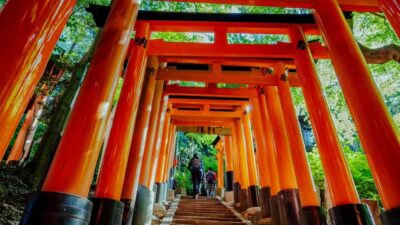
Osaka/Kyoto:Kinkakuji,Arashiyama,FushimiInariShrine,NaraPark
Read our review →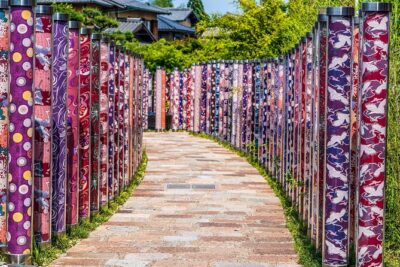
Kyoto Arashiyama Walking Tour: Bamboo, Monkeys, Gardens & Secrets
Read our review →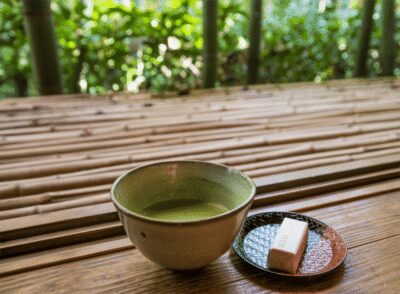
Arashiyama Bamboo, Temple, Monkeys, or Secret Sake Brewery
Read our review →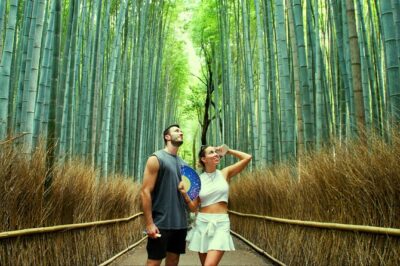
Kyoto: Arashiyama Bamboo Forest, Monkeys, Matcha & Temple Tour
Read our review →
Osaka/Kyoto: Arashiyama, Nara & Fushimi Inari Shrine w/Lunch
Read our review →
Kyoto Zen Meditation & Garden Tour at a Zen Temple with Lunch
Read our review →This tour also ranks in