
Review · KYOTO
Candlelit Zen: Evening Meditation at Kyoto’s Secret Temple
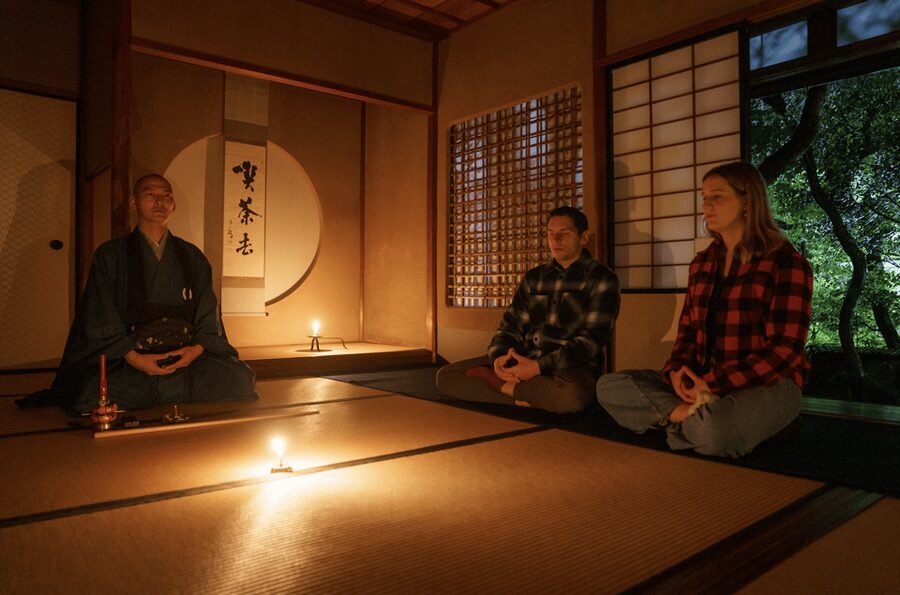
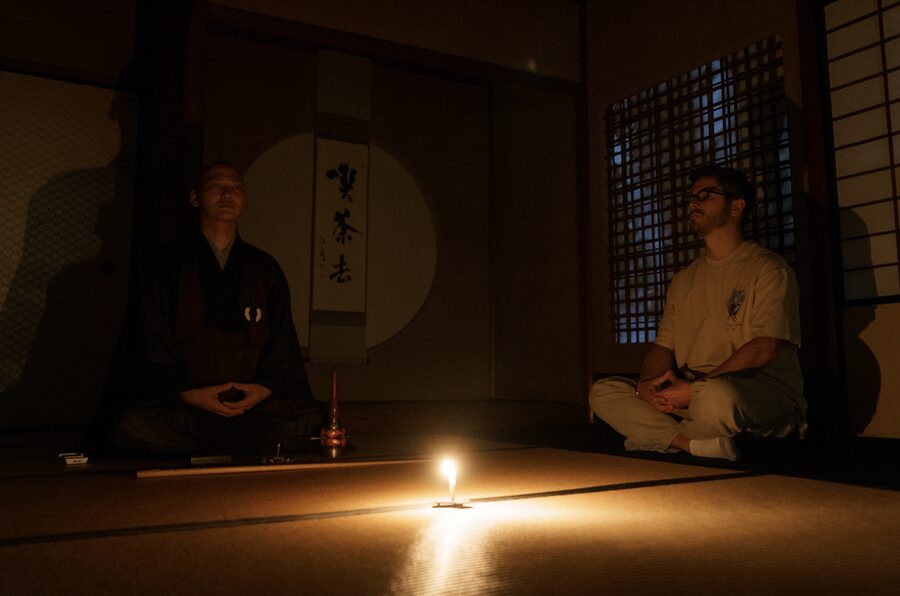
Kyoto has plenty of temples, but few let you sit inside one after dark with a monk guiding your breathing. This candlelit Zazen session takes place at a temple not open to the general public, with a quiet garden and a gentle evening mood. I like the private format and the chance to ask questions over tea rather than simply walk through a temple, take a photo, and leave.
I also like the clear focus. You learn the basic ideas behind Zen seated meditation, then practice instead of just hearing a talk. The main consideration is the price: $774 for the group, so it makes the most sense for a larger party. At nine people, it comes to about $86 per person. At four, it is about $194 each.
Key points to know before booking
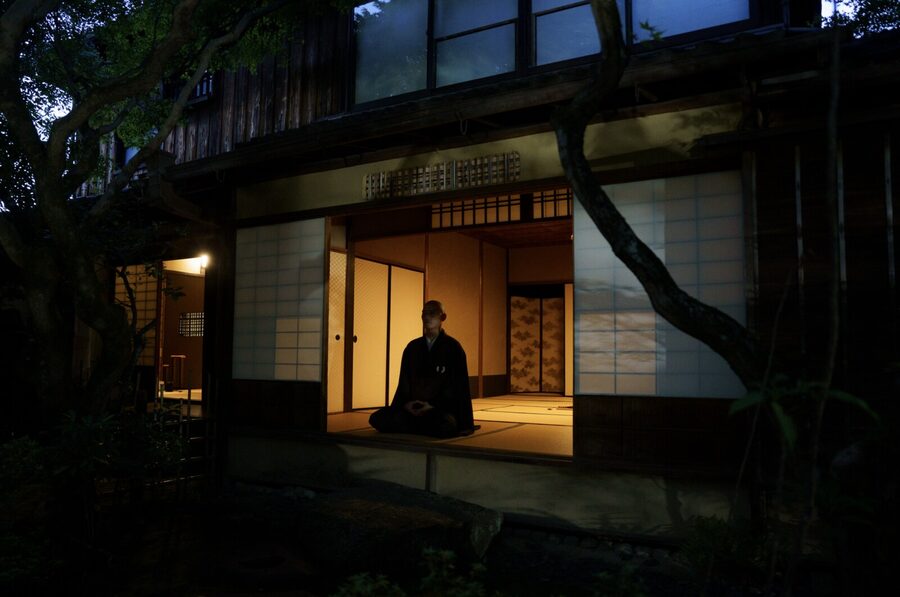
- Candlelight changes the mood: The evening setting, soft candles, and moss garden make this feel different from a standard daytime temple visit.
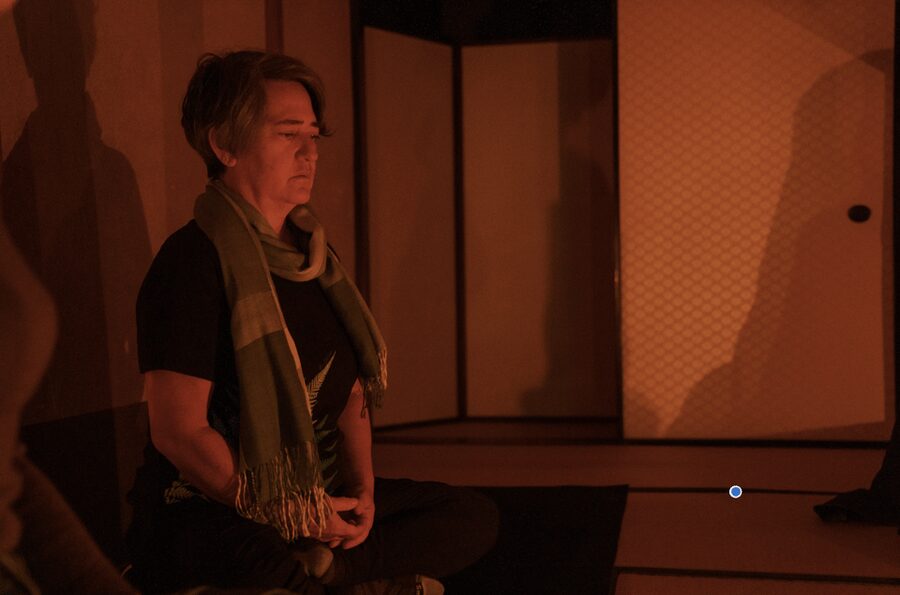
- A monk leads the meditation: You receive an explanation of Zazen principles and techniques, followed by a practical session.
- Private groups get room to ask questions: The booking covers up to nine people, and the experience is conducted in English.
- Guide Soma may help with the arrival: Clear WhatsApp communication has been useful for finding the meeting point.
- Tea closes the visit: You finish with tea, a view of the temple gardens, and time to discuss Zen with the monk.
- Plan around temple rules: Photography is allowed without flash, but food and drinks are not permitted inside the temple.
Entering a Kyoto temple after sunset
The experience begins at Kodaiji Park, where you meet at the toilet on the northern side. That meeting point is specific, but it is not a grand landmark, so allow yourself enough time to find it. Your English-speaking guide waits there and leads you onward.
Guide Soma has been praised for being friendly and helpful, and clear WhatsApp communication can make the meeting easier. That is useful in Kyoto, where a small park entrance or side path may be less obvious than the name on your map suggests.
From there, you enter a temple that is not open to the general public. The separate entrance also lets you skip the usual line, though the main value is privacy rather than speed. You are not being rushed through a crowded hall. You have a set place and a guide who can explain what you are seeing.
The temple setting matters here. This is not meditation in a hotel room or a generic studio. You sit in a working religious space, with candlelight and a garden nearby. The atmosphere is part of the lesson, but keep your expectations sensible. A 70-minute visit gives you an introduction and a taste of practice, not a full course in Zen Buddhism.
More Temple Tours around Kyoto:
- Kyoto: Tea Ceremony Ju-An at Jotokuji Temple
★ 4.9 · 3,207 reviews - Osaka/Kyoto:Kinkakuji,Arashiyama,FushimiInariShrine,NaraPark
★ 4.1 · 1,596 reviews - Arashiyama Bamboo, Temple, Monkeys, or Secret Sake Brewery
★ 4.8 · 886 reviews
A short introduction to Japanese culture and Zen
Before sitting down, the guide gives a brief explanation of Japanese culture and Zen. This opening helps place the practice in context, especially if you know little about Buddhism or have never visited a Zen temple.
You will also hear about different Buddhist sects. One participant specifically valued learning how the sects differ, which shows that the conversation is not limited to posture and breathing. Still, the presentation is brief. If you want a detailed study of Japanese religious history, this is not the right format.
The strength is its simplicity. You do not need to arrive with background reading. The guide and monk explain enough for you to understand why the sitting practice matters, then move into the actual technique.
That approach suits first-time visitors. You are not expected to use special language or already understand Zen ideas. The focus is on paying attention, breathing, and noticing what happens when you stop chasing every passing thought.
Learning the basic practice of Zazen
The monk then explains Zazen, the seated meditation practice central to Zen Buddhism. The lesson covers the principles and techniques before you try them yourself.
The exact posture and length of the meditation are not specified, so you should think of this as a guided introduction rather than an intensive retreat. The monk leads you through the process, helping you focus on rhythmic breathing and self-awareness.
That distinction is important. Meditation is not a performance, and you do not need to force your mind to become perfectly empty. The useful part is having a monk show you how to sit, breathe, and turn your attention back to the present when your thoughts wander.
The language about confronting yourself and detaching from ego may sound grand, but the practical idea is easier to grasp. For a few minutes, you set aside sightseeing plans, messages, shopping lists, and daily concerns. You notice your breath and your state of mind.
I like that the activity includes both explanation and practice. A talk alone can feel abstract. Sitting alone without guidance can feel confusing. Here, the monk provides a bridge between the two.
Candlelight, silence, and the moss garden
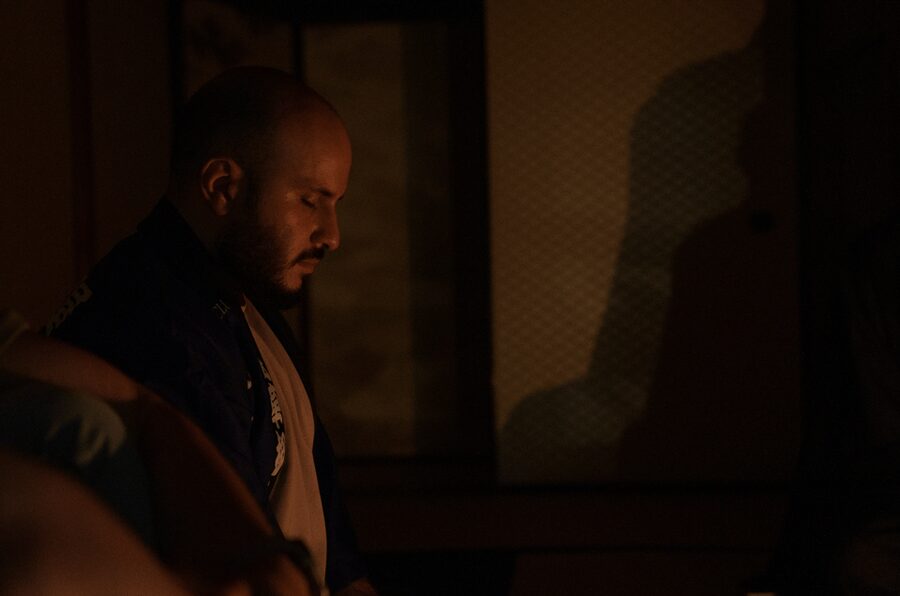
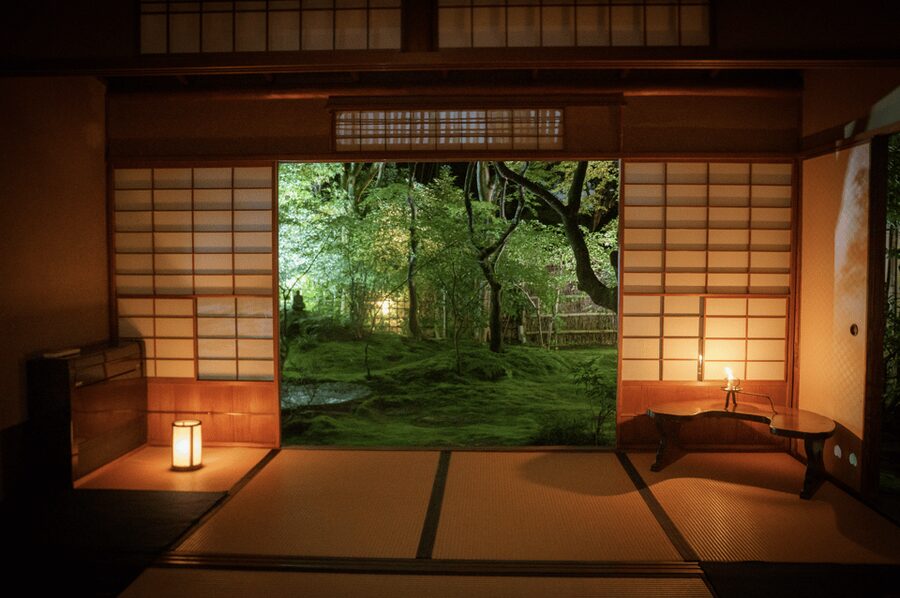
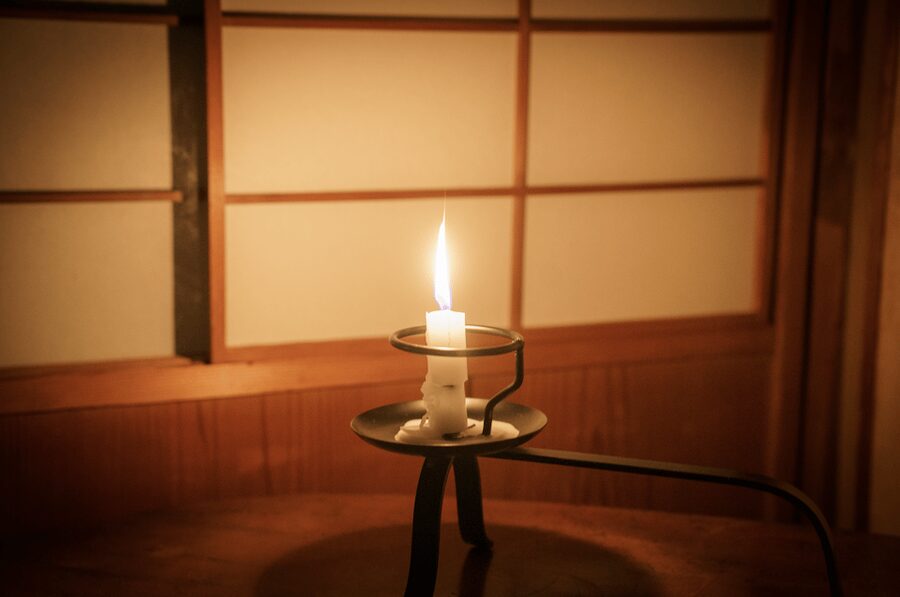
The visual setting is one of the strongest reasons to choose this experience at night. The candlelight gives the temple a soft glow, and the moss garden adds a quiet natural view once the meditation ends.
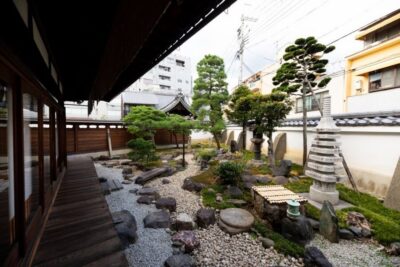
The garden is not just a photo stop. It gives you something calm to look at after sitting, when you may want to let the experience settle. Several groups have especially appreciated the moss, and it is easy to see why it adds texture and color without taking over the visit.
Photography is allowed, but flash photography is not. That rule protects the mood and prevents bright flashes from disturbing the meditation. You can take photos inside the temple and with the monk, but use a light touch. The best memory may be the atmosphere you notice while you are there, not a long series of pictures.
Food and drinks are not allowed inside the temple. This is worth remembering if you are coming straight from dinner or carrying a snack. The tea at the end is part of the arranged experience and takes place as the visit closes.
Same sacred ground, another way to see it:
- Kyoto Arashiyama Walking Tour: Bamboo, Monkeys, Gardens & Secrets
★ 5.0 · 1,216 reviews - Kyoto: Arashiyama Bamboo Forest, Monkeys, Matcha & Temple Tour
★ 5.0 · 759 reviews - Osaka/Kyoto: Arashiyama, Nara & Fushimi Inari Shrine w/Lunch
★ 4.4 · 754 reviews - Kyoto 1 Day Tour from Kyoto
★ 4.0 · 582 reviews
Tea and a conversation with the monk
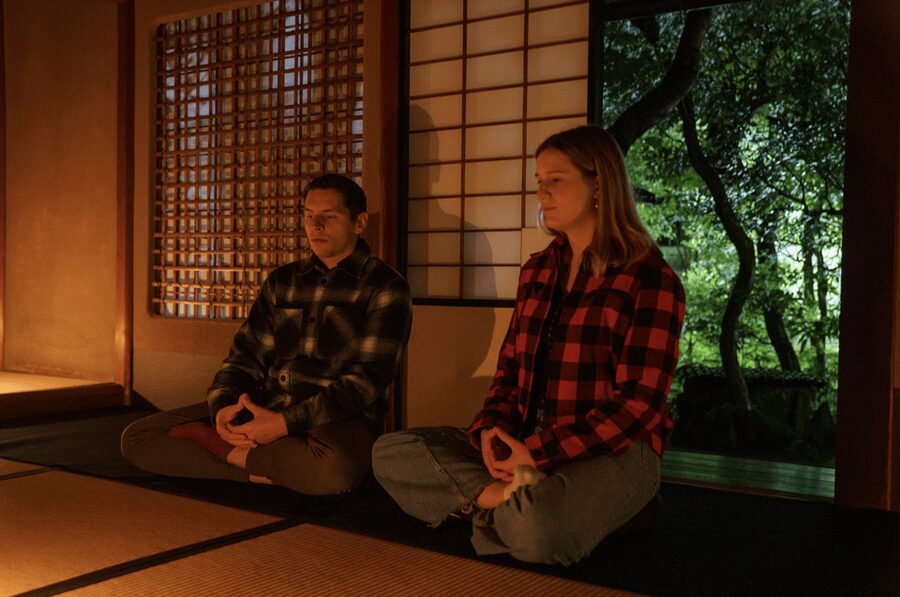
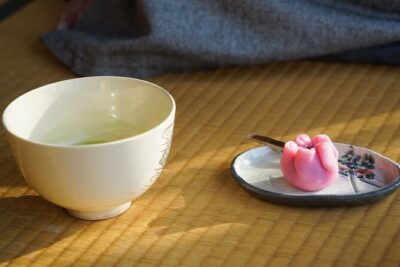
After the seated practice, you drink tea while looking toward the temple gardens. This gives the visit a natural ending. Instead of leaving the moment you finish meditating, you have time to shift back into ordinary conversation.
The discussion with the monk is a major part of the value. You can ask about Zen, meditation, Japanese culture, or what you have just practiced. The supplied details do not promise a long private lecture on any particular topic, so come with a few questions if you want to make the conversation more personal.
You can also take photographs with the monk and within the temple. That is a nice option for families and small groups, but the visit should not become a photo session. The temple setting and the monk’s time deserve respect.
This tea period also helps different age groups connect with the activity. One private group included four young people between 12 and 18, along with three adults, and everyone found something worthwhile in the session. That suggests the experience can work for families with older children and teenagers, provided they are comfortable sitting quietly and following temple rules.
Why the private group format matters
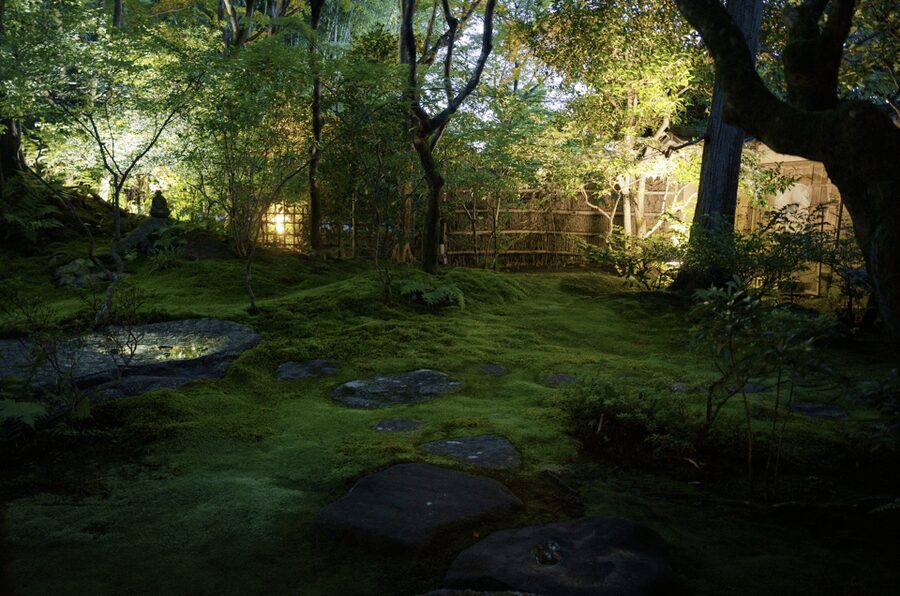
The booking is for a private group of up to nine people. That is a useful advantage if you are traveling with family or friends. You do not have to share the meditation with a large mixed crowd, and you can ask questions that fit your group.
The price is fixed at $774 per group, not listed per person. The value changes sharply with group size:
- Nine people: about $86 per person
- Seven people: about $111 per person
- Four people: about $194 per person
- Two people: $387 per person
For a full group, the cost is easier to justify because it buys private access, an English-speaking guide, temple entry, instruction from a monk, meditation practice, and tea. For a couple, it is a serious splurge. You need to care about the private setting and the chance to speak with the monk, not simply want a low-cost introduction to meditation.
The four-person format can be especially comfortable. It is small enough for personal questions but large enough to share the experience. A group of nine may feel more social, while a couple may receive a quieter evening. The experience is private, but the amount of individual attention can still vary with group size.
Timing your evening in Kyoto
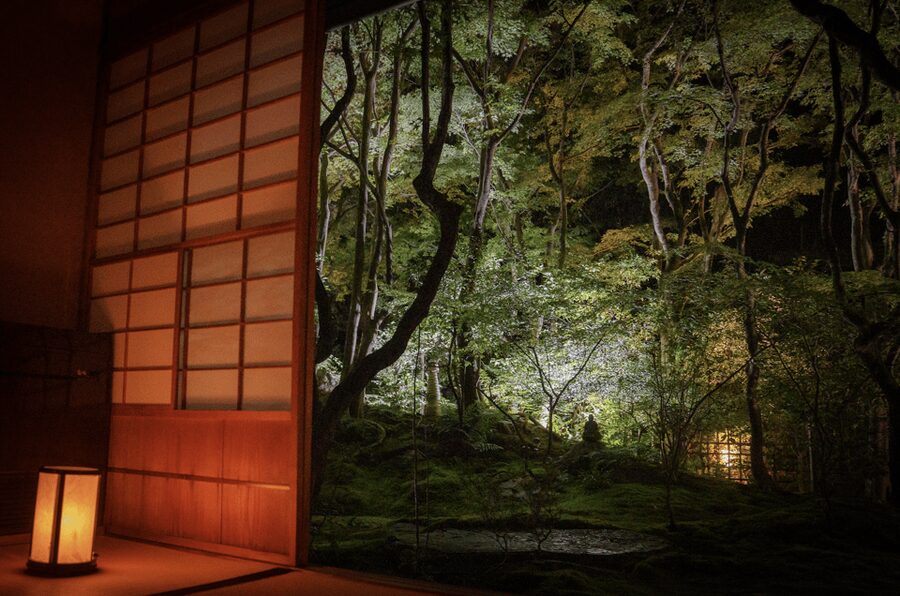
The activity lasts 70 minutes and takes place in the evening. That makes it easy to pair with a day of temple visits, shopping, or sightseeing, but you should check the starting time before planning dinner or another timed activity.
The nighttime schedule is not a minor detail. Candlelight and quiet gardens are central to the mood, so choosing this instead of a daytime temple visit gives you a different view of Kyoto. At the same time, the evening setting means you should not expect to see every garden detail as clearly as you would in daylight.
There is no hotel pickup or drop-off. You are responsible for reaching Kodaiji Park and returning afterward. The meeting point is at the park toilet, on its northern side, which you should save in your phone before leaving. The guide will meet you there.
The activity includes a separate entrance, so you do not need to plan for a long public line. Still, the meeting location and the fact that the temple is not generally open to the public make punctuality important. If you arrive late, you may miss the group entering together.
Who will get the most from this experience
I would choose this for someone who wants a quieter, more personal Kyoto activity. It suits first-time meditation students, couples marking a special evening, families with older children, and small groups looking for something beyond the usual sightseeing route.
It is also a good fit if you want cultural context without committing to a full day of study. You learn about Zen and Buddhist sects, practice Zazen, and talk with a monk, all within 70 minutes.
Families should judge their group honestly. The activity worked for teenagers from 12 to 18, but young children who cannot sit quietly may find the meditation difficult. The listing does not set a minimum age, so ask the provider if age is a concern.
You may want to skip it if your main goal is a long meditation retreat, an extensive temple tour, or a low-cost activity. The session is short, and its purpose is an introduction. You will not spend hours in silence or receive advanced instruction.
Practical details that can affect your visit
The activity is conducted in English, with a live guide. The monk’s instruction is part of the experience, and your guide helps with the visit and cultural explanation.
Free cancellation is available until 24 hours before the start time, with a full refund. You can also reserve now and pay later, which helps if your Kyoto schedule is still shifting.
The overall rating is 5 out of 5 from 10 ratings, with repeated praise for the peaceful setting, candlelight, monk, garden, and guide Soma. Those are also the features I would use to judge the booking. The meditation itself is simple, but the setting and personal contact give it more substance than a standard sightseeing stop.
Should you book the candlelit Zen session?
Book it if you want a private, calm evening in Kyoto and are willing to pay for access that most temple visitors do not receive. The best parts are the closed-to-the-public temple, the monk-led Zazen practice, the candles, the moss garden, and the tea conversation afterward.
For the best value, bring a group of six to nine people. At that size, the fixed $774 price becomes much easier to accept. If you are booking for two, choose it only if speaking with a monk and practicing in a private temple matter more to you than visiting several temples for the same money.
Arrive ready to sit quietly, leave food and drinks outside, and keep your camera flash off. If you do that, this can give your Kyoto trip a rare pause: less sightseeing, more attention to where you are.
FAQ
Where does the experience meet?
Meet at the toilet in Kodaiji Park. The guide waits on the northern side of the toilet.
How long does the Zen experience last?
The experience lasts 70 minutes.
What time of day does it take place?
It takes place in the evening. Starting times vary, so check availability when booking.
Is the temple open to the general public?
No. The experience takes place at a temple that is not open to the general public.
Is the activity private?
Yes. It is a private group experience for up to nine people.
Is the experience available in English?
Yes. A live English-speaking guide leads the activity.
Is hotel transportation included?
No. Hotel pickup and drop-off are not included.
Can I take photographs inside the temple?
Yes, photography is allowed, but flash photography is not. Food and drinks are not allowed inside the temple.
Temple visits we reviewed lately in Kyoto
- Kyoto: Zen Meditation at a Private Temple with a Monk★ 5.0 · 202 reviews
- Kyoto:Kiyomizu-dera Temple Rent a kimono and ride a rickshaw★ 4.8 · 7 reviews
- KYOTO: Tempio Kiyomizu Pagode Gion “Geisya” (Guida Italiana)★ 4.7 · 17 reviews
- Kyoto: Kiyomizudera, Sanjusangendo, Ginkakuji and Higashiyama.★ 5.0 · 3 reviews
- Kyoto: Samurai Sword & Kimono Action Filming Experience★ 4.8 · 78 reviews
- Kyoto:Quiet Arashiyama and Sagano Temples★ 4.8 · 5 reviews
- Kyoto: Shakyo & Matcha in Historic Temple Garden★ 5.0 · 4 reviews
- Kyoto: Nara, Todaiji, Kasuga Taisha Shrine Private Full Day★ 4.9 · 18 reviews
Kyoto Temple Tours, compared.
Osaka/Kyoto:Kinkakuji,Arashiyama,FushimiInariShrine,NaraPark
Read our review →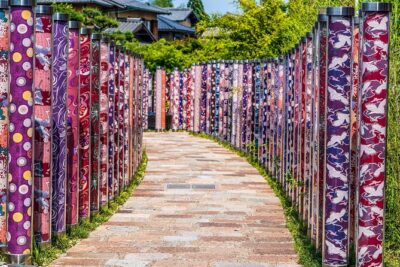
Kyoto Arashiyama Walking Tour: Bamboo, Monkeys, Gardens & Secrets
Read our review →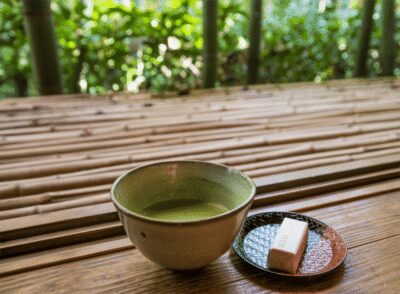
Arashiyama Bamboo, Temple, Monkeys, or Secret Sake Brewery
Read our review →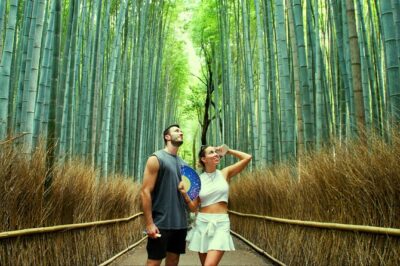
Kyoto: Arashiyama Bamboo Forest, Monkeys, Matcha & Temple Tour
Read our review →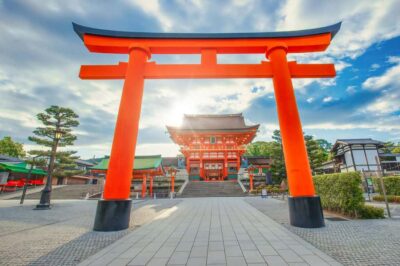
Osaka/Kyoto: Arashiyama, Nara & Fushimi Inari Shrine w/Lunch
Read our review →
Kyoto Zen Meditation & Garden Tour at a Zen Temple with Lunch
Read our review →This tour also ranks in