Review · KYOTO
Kyoto Arashiyama Walking Tour: Bamboo, Monkeys, Gardens & Secrets
Arashiyama’s famous bamboo path is only the opening act. This 5 to 6-hour walk links the grove with a quiet villa garden, a World Heritage temple, a river bridge, and a hilltop monkey park, giving you a much fuller day than a quick photo stop.
I like two things here. First, the guides, including Teri, Mari, Marie, Aron, and others, bring history and local context to places that can otherwise blur together. Second, the route uses backstreets and quieter approaches when possible, which matters in one of Kyoto’s busiest sightseeing areas.
The main catch is physical: this is a long walking tour with a steep 20 to 25-minute climb to Monkey Park Iwatayama. You also need to check the meeting point carefully, since the schedule refers to Saga-Arashiyama Station while the supplied meeting details point to the Monkey Park area.
Key points to know before booking
- The bamboo grove is only one part of the day: You also visit Nonomiya Shrine, Okochi Sanso Garden, Tenryuji Temple, Togetsukyo Bridge, and Monkey Park Iwatayama.
- The monkey park requires a real uphill walk: Allow 20 to 25 minutes to reach the hilltop, with a somewhat steep path.
- Guide quality is a major strength: Teri, Mari, Marie, Aron, Osin, and other guides are praised for clear explanations, humor, pacing, and help with photos.
- The group is capped at 12 people: You can choose a private or small-group format, depending on the option available to you.
- Lunch is not included: The day ends with a roughly 35-minute lunch break, but you pay for your own food.
- Check the exact start location: The information gives both Saga-Arashiyama Station and Monkey Park Iwatayama as meeting references, so confirm the point before setting out.
Why this Arashiyama walk works so well
Arashiyama is easy to underestimate. Many people arrive, walk through the bamboo, take a few pictures, and leave without seeing the area’s temple gardens, old shrines, river views, or mountain paths. I like this tour because it gives the district a clear shape.
You begin near the station or the stated meeting area, then move through a sequence of very different sights. The morning or early part of the walk feels cultural and garden-focused. Later, the bridge and monkey park add open views and a bit of exertion.
That variety is the heart of the experience. You are not spending five hours on one crowded path. You are moving between polished temple grounds, a historic shrine, a private garden, a famous bamboo lane, a river crossing, and a wooded hill.
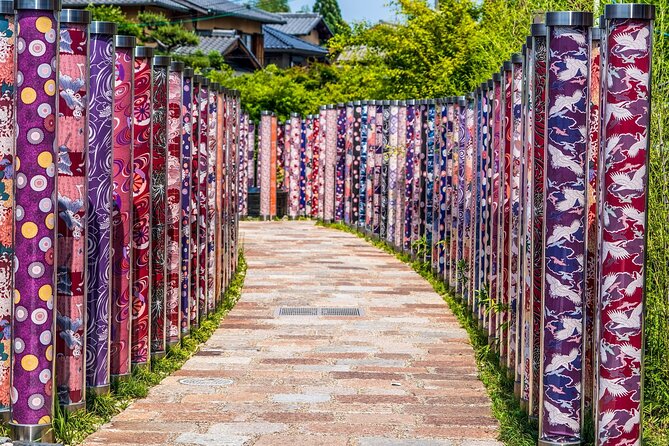
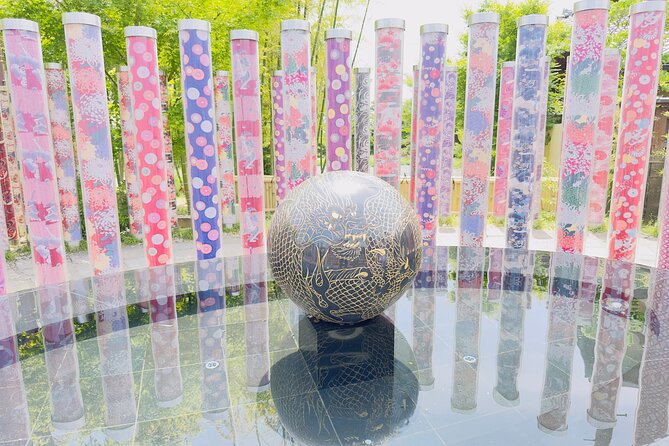
The English-speaking guides are another reason to consider booking. Teri is repeatedly praised for explaining the sites, controlling the schedule, answering questions, and finding quieter routes. Mari and Marie are also noted for warmth, energy, photo help, and an easy sense of humor. Aron has added surprise stops such as sake tasting and the Kimono Forest on some outings, although you should treat those as possible extras rather than guaranteed stops.
More Temple Walking Tours in Japan
- Kyoto Tea Ceremony & Kiyomizu-dera Temple Walking Tour
★ 5.0 · 115 reviews - Kyoto: Fushimi Inari Shrine Walking Tour
★ 5.0 · 72 reviews - Kyoto: Fushimi Inari Taisha Shrine Walking Tour with Guide
★ 4.8 · 18 reviews
Starting near Saga-Arashiyama
The published route begins at Saga-Arashiyama Station, where you have about 20 minutes to get oriented and meet the group. This is a practical start for anyone arriving by train, but Arashiyama has several stations with similar names.
That detail matters. Saga-Arashiyama, Arashiyama, and nearby transit stops are not interchangeable, and reaching the wrong one can cost you time. One useful point from the tour information is that Saga-Arashiyama is the fastest connection from Kyoto Station, at about 25 minutes by train, while a bus route can take much longer once walking time is added.
At the same time, the meeting-point section identifies Monkey Park Iwatayama, rather than the station, as the start and end location. Because these details do not perfectly match, I would confirm the exact meeting place with Japanify Tours before the morning of your walk.
Once you are with the guide, the route becomes much easier to follow. You do not need to decide which temple comes first or waste time sorting out the district’s side lanes.
Nonomiya Shrine and the meaning behind the bamboo
Nonomiya Shrine is small, but it gives the walk an important cultural beginning. The shrine was traditionally connected with purification rituals for unmarried imperial princesses before they served as priestesses at Ise Shrine.
You may find the stop quieter and less visually dramatic than the bamboo grove, but that is part of its value. It gives you a sense of how religious practice, the imperial court, and Arashiyama’s natural setting were tied together.
This is also the sort of place where a guide helps. Without context, Nonomiya can look like a brief stop beside a popular walking path. With an explanation, its role makes the area feel less like a collection of photo locations and more like a place shaped by ritual and history.
Okochi Sanso Garden, a calm break above the grove
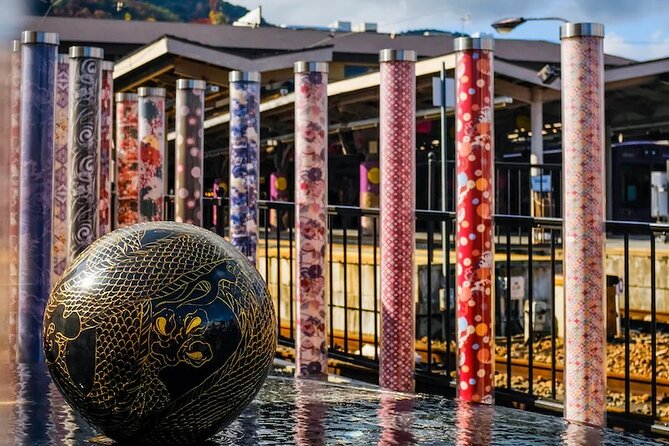
Okochi Sanso Garden sits at the end of the Bamboo Forest and was once the private villa of a famous Japanese actor. The visit lasts about 30 minutes and is one of the more peaceful sections of the route.
I especially like the contrast here. The bamboo path is famous and often crowded. Okochi Sanso gives you a more controlled garden setting, with carefully arranged views and a quieter mood. It is a good reminder that Arashiyama’s appeal is not limited to the tall green stalks people see in photographs.
Admission is included for the listed stops, including Okochi Sanso. That helps the price feel more reasonable, especially if you value having the entrance arrangements handled as part of the walk.
More Temple Walking Tours in Kyoto
- Kyoto: Private Walking Tour with Kiyomizu Temple & Gion
★ 5.0 · 7 reviews - Kyoto Tea Ceremony & Kiyomizu-dera Temple Walking Tour
★ 4.5 · 4 reviews
The Bamboo Forest, beautiful but not private
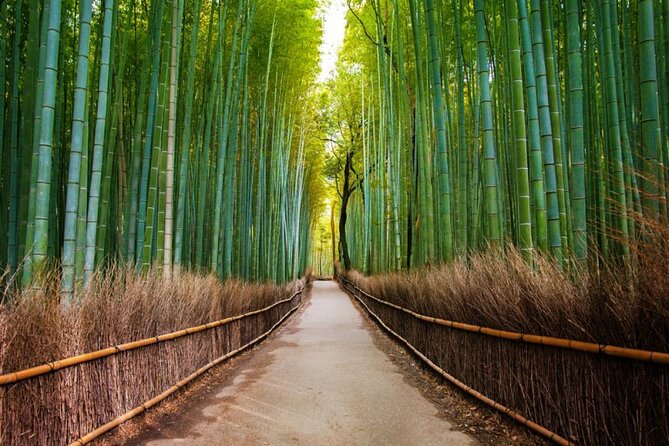
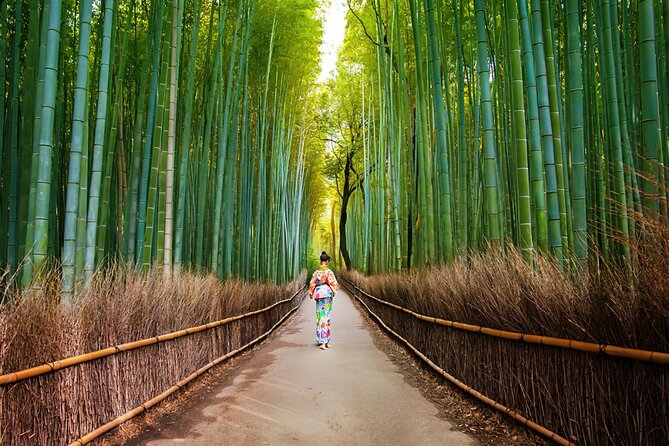
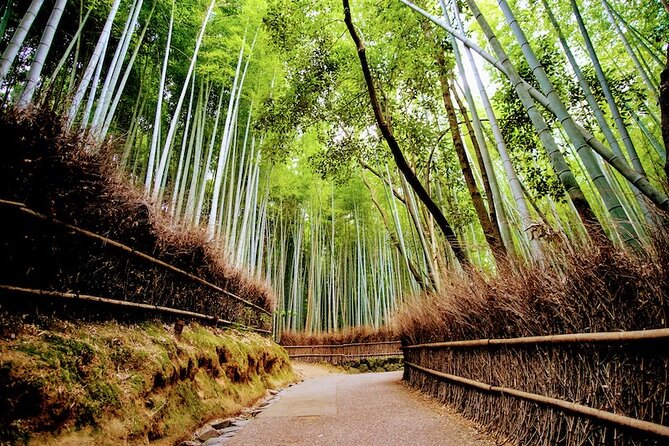
The Bamboo Forest Trail is the visual centerpiece, and you will understand why it draws so many people. Tall bamboo rises on both sides of the path, creating a narrow corridor with a very different feel from the open streets around it.
The practical truth is that the grove is popular. Do not expect complete silence or a private nature walk, especially at busy times. The guide can help with timing, positioning, and alternate paths, but no tour can remove the crowds entirely.
I would keep your expectations realistic. The bamboo is striking, yet the best part of this tour is that you do not stop there. If you want only a quick bamboo photograph, you can visit independently. If you want the grove placed within a larger story about Arashiyama, this guided route makes more sense.
Some guides also take photographs for you. That can be useful when you are traveling alone or want a picture with the whole group, but photo help is a bonus rather than a formal feature to rely on.
Tenryuji Temple and its Sogenchi Garden
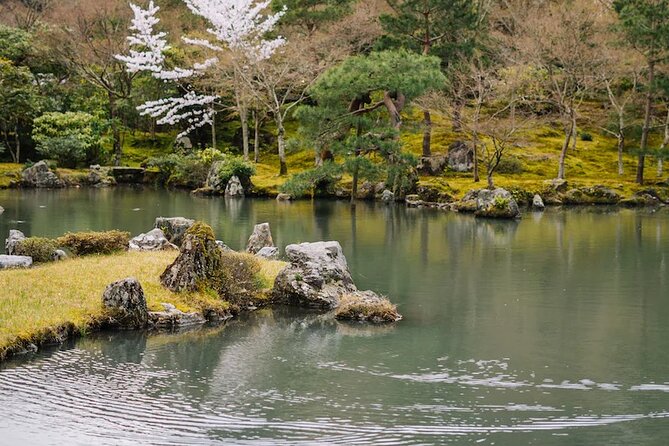
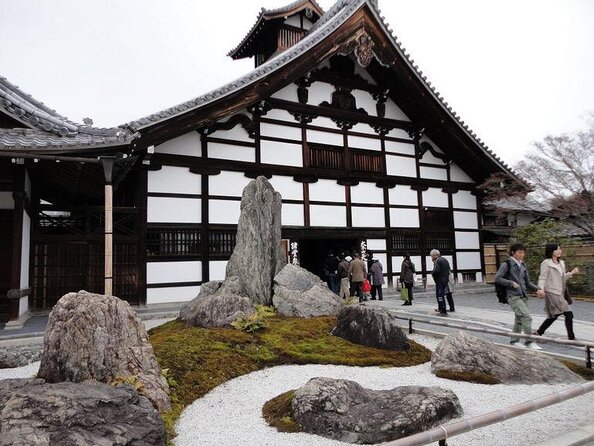
Tenryuji Temple brings the walk back to formal religious architecture and garden design. Its Sogenchi Garden is recognized as a UNESCO World Heritage Site and is considered one of Japan’s finest gardens.
The scheduled visit lasts around 35 minutes. That is enough for a focused look at the grounds and an explanation of what you are seeing, though it is not a slow, half-day temple visit.
I find this stop important because it balances the natural sights. At the bamboo grove, you look upward and along a narrow path. At Tenryuji, the garden encourages you to pause and take in the arrangement of water, stones, plants, and buildings.
The guide’s role is especially useful here. The temple and garden can be enjoyed visually, but the explanations help you notice the design choices and religious setting. Admission is included according to the tour details.
Togetsukyo Bridge and the Hozu River
After the temple, the route reaches Togetsukyo Bridge. This is one of Arashiyama’s best-known viewpoints, with views toward the Hozu River and surrounding mountains.
The bridge stop is short, about 15 minutes, but it changes the rhythm of the day. After enclosed paths and temple grounds, you get an open view and a chance to catch your breath before the climb to Monkey Park.
The area around the bridge can be busy, and the stop is not designed as a long riverside break. Still, it is a useful piece of the Arashiyama picture. The district is not only forest and temples. The river and mountain setting are central to its identity.
Monkey Park Iwatayama, the day’s physical test
Monkey Park is the most demanding stop. From the bridge, you walk uphill for about 20 to 25 minutes to reach the park’s hilltop. The path is described as somewhat steep, so sturdy shoes and a sensible pace are important.
You should not treat this as a flat sightseeing walk. The climb is manageable for many people, but it can feel tiring after several hours on foot. If you dislike hills, have mobility concerns, or are traveling with someone who tires quickly, this is the part to consider most carefully.
At the top, you can see Japanese macaques moving freely and look back over Arashiyama. The monkeys are a highlight for many people, especially children, but you should follow the park’s rules and keep your attention on the animals rather than expecting a hands-on encounter.
The tour information lists Monkey Park admission as paid, even though some of the general admission wording suggests entrances are included. I would budget for this ticket separately and confirm the current arrangement before booking. That small uncertainty matters when comparing the total cost.
How the timing and pace feel
The listed stops add up to a long day, with roughly 4.5 to 5.5 hours commonly reported in practice. The official duration is approximately 5 to 6 hours, and the route includes a 35-minute lunch break at the end.
This is not a rushed hop-on, hop-off outing. You walk from site to site, listen to explanations, pause for photos, and climb to the monkey park. Several people specifically praise the guides for keeping the schedule under control and finishing on time, which is useful if you have an evening reservation or a train to catch.
The pace can still feel full. You should bring water, wear comfortable shoes, and dress for changing conditions. Arashiyama may feel cooler than central Kyoto, and the hill can be more demanding than the sightseeing stops suggest.
Lunch and dinner are not included. The break gives you a chance to eat in the area, but you should not assume a specific restaurant or meal is part of the booking.
What the $65.57 price gets you
At $65.57 per person, this tour sits in the reasonable range for a half-day guided outing, especially if you value convenience and explanations. The price includes a bilingual English-speaking guide and admission to several listed sites, including Tenryuji and Okochi Sanso.
You are paying for more than entry tickets. You are also paying to connect the sights efficiently, avoid some navigation headaches, hear the cultural background, and have someone manage the route through a crowded district.
The value is strongest for first-time visitors, solo travelers who prefer company, families, and anyone who wants a clear plan. It is less compelling if you are comfortable navigating Kyoto, want to linger at each temple, or prefer setting your own pace.
Private and small-group options give you some control over the experience and budget. The maximum group size is 12, so the standard option should not feel like a large coach excursion. Solo travelers can book, but the tour requires at least two participants to operate. If only one person books, the outing may be canceled, with rescheduling or a full refund offered.
Who should book this walk
I would choose this tour if you want one organized day covering Arashiyama’s main sights without spending hours planning the order. It is also a good match if cultural explanations matter to you, since the guides provide background at the shrines, temple, and garden rather than simply leading you from gate to gate.
Families may like the mix of bamboo, gardens, bridge views, and monkeys. One guide even helped make the day memorable for a 13-year-old, which suggests the changing scenery can hold a young person’s attention better than a temple-only visit.
Solo visitors can benefit from the group setting and photo help, but they should be comfortable with the minimum booking requirement. This is also a good choice for people who want a social experience without joining a very large group.
I would skip it if you want a slow garden study, dislike uphill walking, or need guaranteed quiet at the bamboo grove. Independent visitors can see most of the same sights, but they will need to handle transport, tickets, route planning, and timing themselves.
Should you book the Arashiyama walking tour?
Book it if you want a well-paced introduction to the district, with strong guiding, useful history, and a full mix of nature, religion, gardens, river views, and monkeys. The most praised elements are the guides’ clear explanations, their friendly manner, their ability to find quieter routes, and their care with timing and photographs.
Before paying, confirm two practical points: the exact meeting location and whether Monkey Park admission is separate. Then plan for a long walk, a steep climb, and your own lunch.
For a first Arashiyama visit, I think the route offers solid value at $65.57. It gives you the famous sights, but it also shows why the district is more than one bamboo path.
FAQ
How long does the Kyoto Arashiyama walking tour last?
The tour lasts approximately 5 to 6 hours. Some scheduled versions may run closer to 4.5 hours, depending on the pace and timing.
What sights are included?
The route includes Nonomiya Shrine, Okochi Sanso Garden, the Bamboo Forest Trail, Tenryuji Temple and Sogenchi Garden, Togetsukyo Bridge, and Monkey Park Iwatayama.
Is admission included?
Admission is included for the listed itinerary stops such as Nonomiya Shrine, Okochi Sanso Garden, and Tenryuji Temple. The tour information separately says Monkey Park admission is paid, so confirm that ticket arrangement before booking.
How difficult is the walk to Monkey Park?
The walk to the hilltop takes about 20 to 25 minutes and includes a somewhat steep path. You need to be able to hike to the top of the monkey park.
Is lunch included?
No. The tour includes a quick lunch break of about 35 minutes, but lunch and dinner are not included in the price.
What language is the tour conducted in?
The tour is conducted in English. You can ask before booking about other languages, including German or Italian.
How large is the group?
The tour has a maximum of 12 participants. Private and small-group options are available, depending on the booking choice.
Can a solo traveler book?
Yes, solo travelers can book, but the tour requires at least two participants to proceed. If only one person books, the tour may be canceled, with rescheduling or a full refund offered.
Where does the tour start and finish?
The route information refers to Saga-Arashiyama Station as the meeting point, while the meeting details also identify Monkey Park Iwatayama. Confirm the exact start and end location with Japanify Tours before the tour.
Can I cancel for a full refund?
You can cancel up to 24 hours before the experience start time for a full refund. Cancellations or changes made less than 24 hours before the start time are not accepted for a refund.
Temple visits we reviewed lately in Kyoto
- Kyoto: Zen Meditation at a Private Temple with a Monk★ 5.0 · 202 reviews
- Kyoto:Kiyomizu-dera Temple Rent a kimono and ride a rickshaw★ 4.8 · 7 reviews
- KYOTO: Tempio Kiyomizu Pagode Gion “Geisya” (Guida Italiana)★ 4.7 · 17 reviews
- Kyoto: Kiyomizudera, Sanjusangendo, Ginkakuji and Higashiyama.★ 5.0 · 3 reviews
- Kyoto:Quiet Arashiyama and Sagano Temples★ 4.8 · 5 reviews
- Kyoto: Shakyo & Matcha in Historic Temple Garden★ 5.0 · 4 reviews
- Kyoto: Samurai Sword & Kimono Action Filming Experience★ 4.8 · 78 reviews
- KYOTO: Golden Pagoda, Bamboo Forest, Arashiyama (Italian)★ 4.9 · 5 reviews
Kyoto Temple Tours, compared.
Osaka/Kyoto:Kinkakuji,Arashiyama,FushimiInariShrine,NaraPark
Read our review →
Arashiyama Bamboo, Temple, Monkeys, or Secret Sake Brewery
Read our review →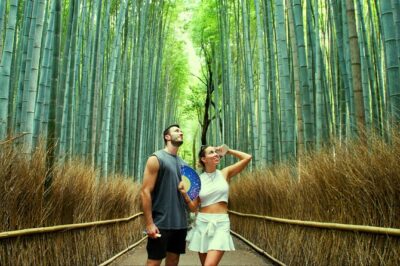
Kyoto: Arashiyama Bamboo Forest, Monkeys, Matcha & Temple Tour
Read our review →
Osaka/Kyoto: Arashiyama, Nara & Fushimi Inari Shrine w/Lunch
Read our review →
Kyoto Zen Meditation & Garden Tour at a Zen Temple with Lunch
Read our review →