
Review · SEOUL
Seoul: War Memorial, Jogyesa Temple & Tapgol Park Tour
Tapgol Park gives this tour its sharpest contrast. In one corner, you learn about the 1919 March 1 Independence Movement; in another, you can recognize the park from the lottery scene in Squid Game Season 2. I like that the route connects Korea’s political story with places people actually see in modern Seoul.
I also like the small-group feel and flexible guiding style reported by the guides Connie, Leo, Jang, and Mrs. Park. The air-conditioned minivan is a welcome break between stops, especially in cold or wet weather. The main drawback is the moderate walking, plus the lack of wheelchair access, so this is not an easy outing for every visitor.
Key points to know before booking
- Tapgol Park links 1919 independence history with a Squid Game location, making it more than a quick city park stop.
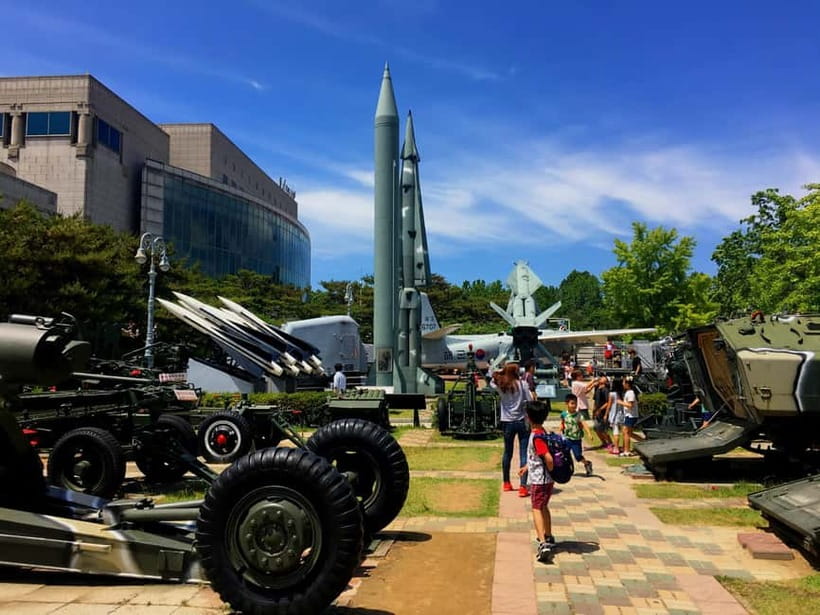
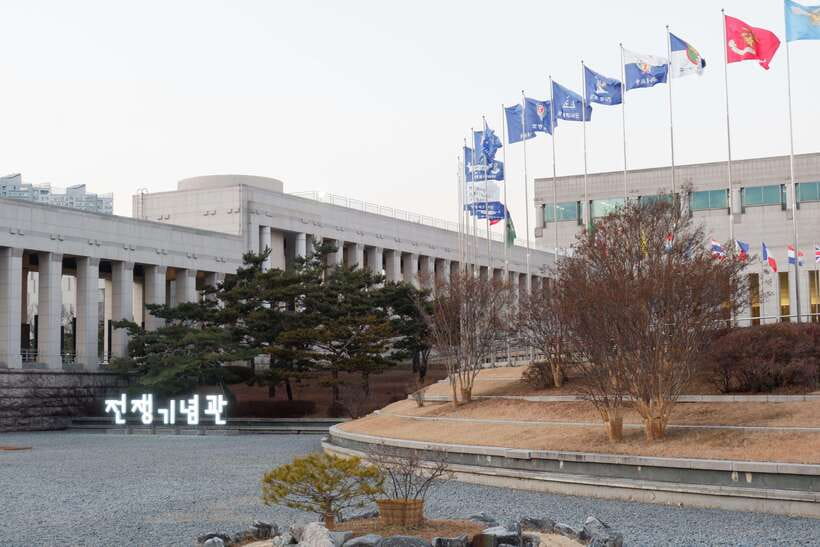
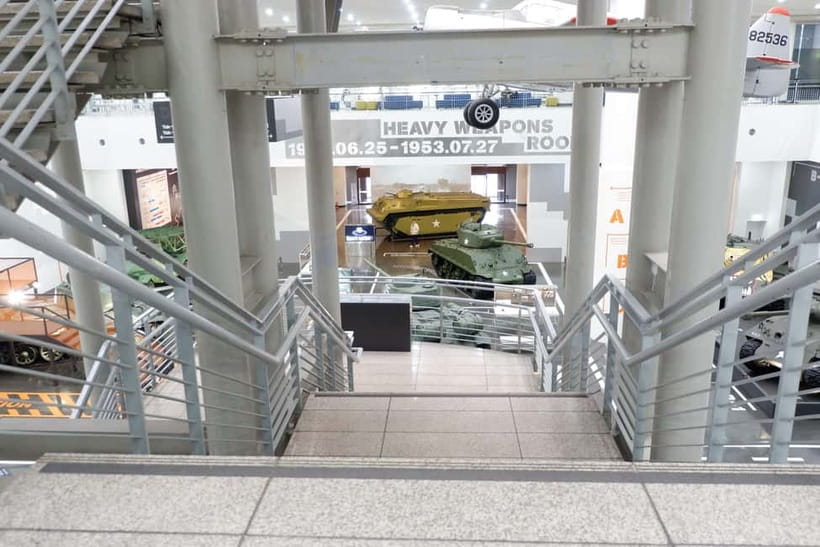
- The War Memorial focuses on the Korean War and reunification, with large outdoor displays including tanks and aircraft.
- Jogyesa Temple is the chief temple of Korean Buddhism’s Jogye order, and it remains tied to Seoul’s modern history.
- The afternoon route includes four major cultural stops and transport in an air-conditioned minivan.
- The English-speaking guides are a major part of the experience, with Connie, Leo, Jang, Leo, Orota, Melvin, and Mrs. Park singled out for care and clear explanations.
- The $42 price includes entrance fees, transport, a guide, and a lottery ticket, but not food, drinks, or hotel pickup.
Why Tapgol Park is the tour’s surprise highlight
Many Seoul sightseeing routes begin with palaces and old neighborhoods. This one takes a different path. Its strongest moment may be Tapgol Park, a modest public park near Insadong with an outsized place in Korean history.
The March 1 Independence Movement began here in 1919, when Koreans called for freedom from Japanese rule. Your guide can use the park to explain how public protest and national identity shaped modern Korea. The setting is compact, so you do not need hours to understand why it matters.
Tapgol Park also appears briefly in Squid Game Season 2, episode 1. The recruiter hands out bread and lottery tickets to homeless people, then stamps on the leftover bread. The tour includes a lottery, so this stop has a playful pop-culture angle without losing its historical weight.
I like the way these two ideas sit together. The park is not presented only as a film location, and it is not treated as a solemn monument with no connection to present-day Seoul. You get both the national story and the screen connection.
More Temple Tours around Seoul:
- Seoul: Palace, Temple and Market Guided Foodie Tour at Night
★ 4.9 · 750 reviews - Seoul: Mt Seorak + Naksansa Temple or Nami Island Group Tour
★ 4.7 · 422 reviews - Best Things to Do – Half Day Seoul Trip (Seoul Palace & Temple)
★ 5.0 · 190 reviews
The War Memorial puts Korea’s 20th-century story first
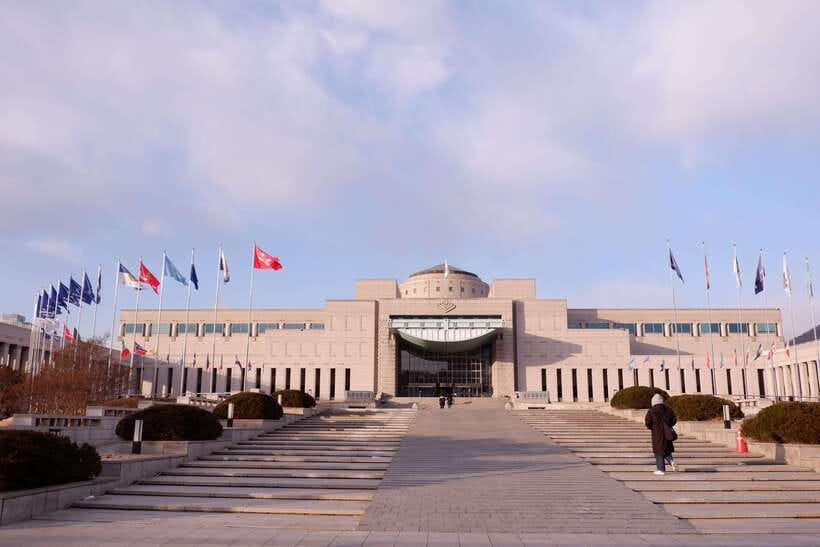
The War Memorial of Korea is the tour’s largest and most serious stop. Opened in 1994, the museum explains the wars and conflicts that shaped the Korean Peninsula, with particular attention to the Korean War.
The stated purpose is not simply to display weapons. The museum aims to encourage reflection on preventing war and on the hope of reunification between North and South Korea. That gives the visit a clear message, even if the military displays are what first catch your eye.
The route focuses mainly on the third floor and the United Nations Memorial Cemetery section. You can also expect striking outdoor displays, including tanks and aircraft. These large machines help make the scale of modern warfare easier to grasp, especially if you are not the sort of person who normally spends time in military museums.
I find this stop most useful when you listen closely to the guide rather than rush from object to object. The displays give you the physical evidence, while the explanation provides the political and human setting. The museum can feel weighty, and the subject matter is not light sightseeing, but it adds needed context to any visit to Seoul.
The museum is also a practical reason to choose a guided visit. Korea’s division, the Korean War, and the role of the United Nations can be difficult to place in a short visit. A clear English explanation helps you leave with a basic framework instead of a collection of unfamiliar dates and names.
Contemporary Korea at the National Museum of Korean Contemporary History
The National Museum of Korean Contemporary History shifts the focus from war to the country that emerged afterward. It opened on December 26, 2012, and its four permanent exhibition halls cover South Korea from the late 19th century to the present.
That time span matters. It lets you connect the late Joseon period and the pressures of modern politics with the Korea you see today. The museum is a good counterpoint to the War Memorial because it deals with society and national development, not only battles and equipment.
You should not expect an enormous, all-day museum visit here. The tour gives you an introduction rather than unlimited time for every display. That is useful if your goal is to understand the broad arc of Korean history while still fitting in a temple and a city park.
Your guide’s role matters again. The permanent halls cover a large period, so a short explanation can help you decide which details deserve your attention. The tour is especially helpful if you are visiting Seoul for the first time and want a basic foundation before exploring on your own.
Jogyesa Temple offers a quieter change of pace
Jogyesa Temple is the chief temple of the Jogye order, which represents Korean Buddhism. It promotes the idea of people living together and the spirit of the Bodhisattva, a central Buddhist ideal connected with compassion and service.
After the war museum and contemporary history museum, the temple changes the mood. You move from military and political subjects to religious practice and community life. Jogyesa is also linked to Korea’s turbulent modern history, so it is not simply a decorative stop for photographs.
I like this part of the route because it gives you a different way to think about Korean identity. The War Memorial explains national conflict. The history museum explains social change. Jogyesa shows how religious life continued through those changes.
Plan to walk respectfully and follow your guide’s instructions. The tour data does not promise a ceremony or special access, so you should treat this as a cultural visit rather than a guaranteed religious event. The appeal is the temple’s place in Seoul’s life and history.
Same sacred ground, another way to see it:
- Seoul Night Palace & Market Food Tour with Vehicle
★ 5.0 · 275 reviews - Seoul: Vegan Temple Food Class, Jogyesa & Changdeokgung Tour
★ 4.6 · 34 reviews - Seoul: UNESCO Sites tour: Palace, Shrine & Bukchon Village
★ 4.8 · 26 reviews - Seoul: Temple & Starfield COEX Mall Gourmet Tour in Gangnam
★ 4.7 · 22 reviews
What the afternoon route feels like
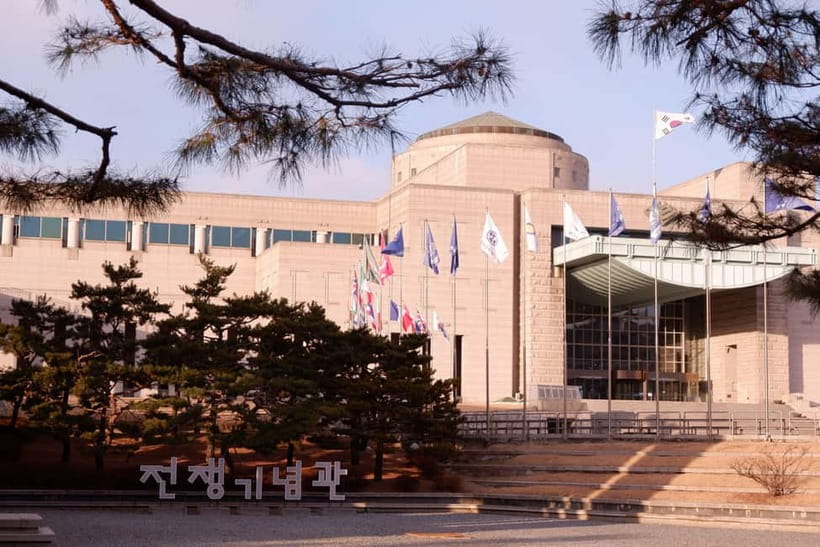
The afternoon tour begins at the lobby of the Koreana Hotel’s office building, though the exact meeting point can vary by booking option. It covers the War Memorial, the National Museum of Korean Contemporary History, Jogyesa Temple, and Tapgol Park before the stated drop-off at Myeongdong Cathedral.
Transport is provided by air-conditioned minivan. That is a real advantage in Seoul, where summer heat, winter cold, and sudden rain can make a walking-heavy route tiring. One guide, Dragon, was especially appreciated for arriving with transport on a very cold day, while the warm vehicle and kind driver made the outing more comfortable.
The route includes a moderate amount of walking. Wear comfortable shoes, and expect to move between museum areas, temple grounds, and the park. This is not a suitable activity for wheelchair users, and children must be accompanied by an adult.
The tour is listed in English. The guide can make a big difference to the pace. Leo was praised for adapting the walk for an 80-year-old parent, while Connie was noted for being considerate of the group. That suggests the experience can work for mixed-age parties when the guide is attentive, but you should still be realistic about the amount of walking.
The guides are a major part of the value
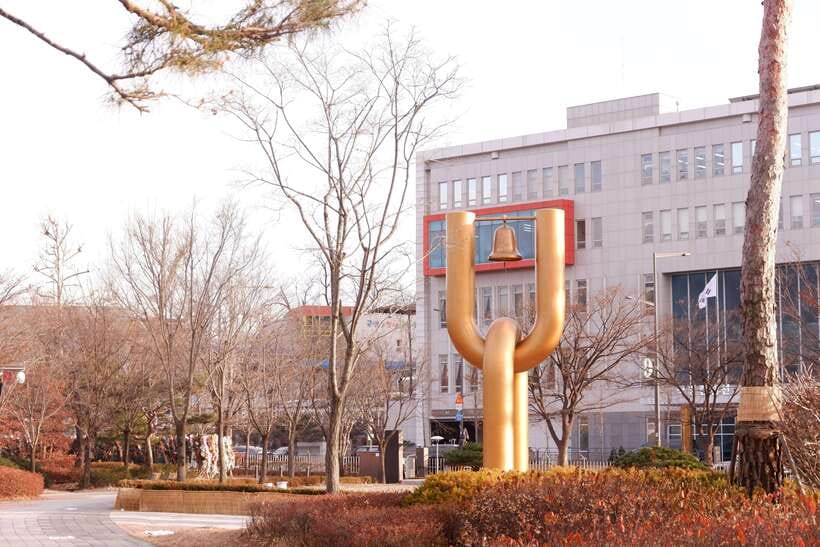
The price is modest for a guided Seoul outing, but the guide is what can turn it from a transfer between attractions into a useful introduction to Korea.
Connie is described as friendly, personal, and careful with the group. Jang was praised for answering questions and making visitors feel welcome in Seoul. Leo was noted for punctuality, photography help, and a good pace. Mrs. Park was described as patient and kind, while Melvin received praise for his strong subject knowledge and gentle manner.
Orota was also singled out for putting visible effort into the tour. That matters because the itinerary covers difficult subjects and several different types of places. A guide who can explain clearly, answer questions, and keep the group moving is more useful here than one who simply recites facts.
You should remember that guide assignments can change. The named guides give you an idea of the service style to expect, not a guarantee that one particular person will lead your departure.
What the $42 price really covers
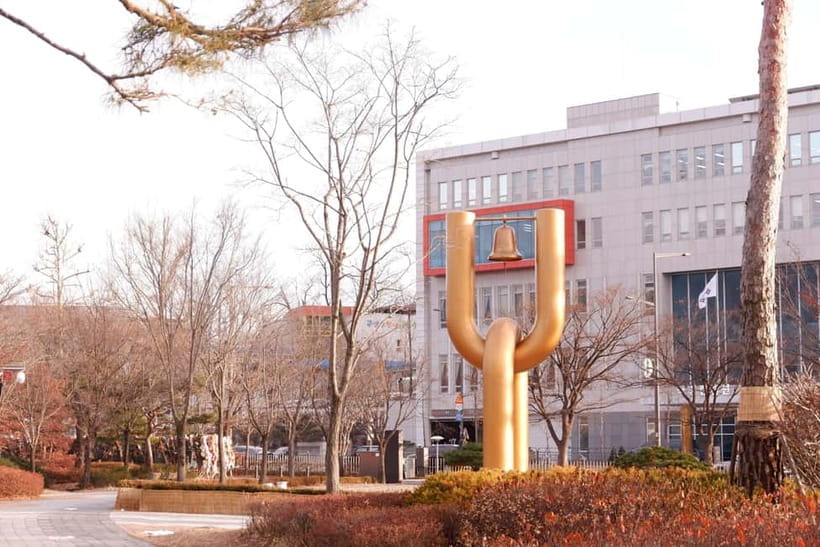
At $42 per person, this is a good-value introduction to Seoul’s modern history and central cultural sites. Your fee includes entrance fees, an English-speaking professional guide, air-conditioned minivan transport, and a lottery ticket connected to the Tapgol Park stop.
The value is strongest if you want several places explained in one afternoon. Paying for separate admissions and arranging transport yourself could take more effort, particularly if you are still learning Seoul’s layout. The minivan also saves you from working out every connection between the War Memorial and the central-city stops.
The price does not include food or drinks, and hotel pickup and drop-off are not included. You need to reach the designated departure point yourself. The stated afternoon ending is at Myeongdong Cathedral, so check the details for your chosen option before setting up dinner or another booking.
Hanbok is not available on this tour. If wearing traditional clothing is a main reason for choosing a Seoul activity, you will need a separate experience.
The full-day option adds palaces and markets
There is also a full-day version. It begins at Myeongdong Station Exit 10, in front of Sejong Hotel, and adds several stops before joining the afternoon route.
The morning portion includes Gyeongbokgung Palace, with the Royal Guard Changing Ceremony, followed by Bukchon Hanok Village. On Sundays, Bukchon is replaced by Namsangol Hanok Village. The route also includes Bugak Skyway, a Ginseng Museum, and Gwangjang Market, where lunch is at your own expense.
After lunch, the full-day option continues to the War Memorial, the National Museum of Korean Contemporary History, Jogyesa Temple, and Tapgol Park. It ends with drop-off at Myeongdong Cathedral.
This longer option suits you if you want a single organized day that mixes royal Seoul, traditional neighborhoods, food, modern history, and religion. It is also a demanding day, with more walking and more transitions. Choose it for efficiency, not for a slow, unhurried visit.
The Sunday change is worth noting. If Bukchon Hanok Village is important to you, confirm the day before booking. If you mainly want the afternoon museums and historic center, the half-day option is the cleaner choice.
Who will get the most from this tour
I would choose this tour if you want historical context without spending your whole trip inside museums. It gives you military history, modern national development, Buddhism, independence history, and a current television connection in one compact route.
It works particularly well for first-time visitors, families with older children, and anyone who prefers an organized introduction before exploring Seoul alone. The guide can also help if you want to ask questions rather than read every display on your own.
The tour is less suitable if you want long, quiet museum visits or a food-focused day. It is also a poor fit for anyone who cannot manage moderate walking or needs wheelchair access. Since hotel pickup is not included, you should be comfortable reaching the starting point independently.
Rain will not cancel the tour, so bring suitable clothing and shoes. Alcohol and drugs are not allowed, and unaccompanied minors cannot join.
Should you book the War Memorial and Tapgol Park tour?
Book it if you want a practical, fairly priced introduction to the parts of Seoul that explain modern Korea. The War Memorial and National Museum give the day substance, Jogyesa Temple changes the pace, and Tapgol Park supplies the most memorable link between national history and popular culture.
I especially like this tour for visitors who want more than palace photographs. You will see military equipment, learn why 1919 matters, visit a major Buddhist temple, and recognize a Squid Game setting, all with transport between the main stops.
Skip it if you want a slow, self-directed day, a hanbok experience, or guaranteed access for a wheelchair. For everyone else, the $42 half-day option offers a useful mix of serious history and easy Seoul sightseeing, with the guide’s care and storytelling likely to shape the experience.
FAQ
Where does the afternoon tour start?
The afternoon tour starts at the lobby of the Koreana Hotel’s office building. The meeting point may vary depending on the option booked, so check your confirmation.
Where does the afternoon tour end?
The stated afternoon itinerary ends with drop-off at Myeongdong Cathedral. Meeting details can vary by option.
What is included in the $42 price?
The price includes entrance fees, a professional English-speaking guide, transport by air-conditioned minivan, and a lottery ticket.
Is food included?
No. Food and drinks are not included. The full-day option includes lunch time at Gwangjang Market, but lunch is at your own expense.
Is the tour suitable for wheelchair users?
No. The activity is not suitable for wheelchair users. A moderate amount of walking is involved, and comfortable shoes are recommended.
What happens if it rains?
The tour operates rain or shine. Children must be accompanied by an adult, and unaccompanied minors are not allowed.
Temple visits we reviewed lately in Seoul
- Seoul Sunrise & Sunset Hike + Temple & K-Food Adventure★ 4.8 · 6 reviews
- Seoul: UNESCO Sites tour: Palace, Shrine & Bukchon Village★ 4.8 · 26 reviews
- Seoul: Vegan Temple Food Class, Jogyesa & Changdeokgung Tour★ 4.6 · 34 reviews
- Seoul: Temple & Starfield COEX Mall Gourmet Tour in Gangnam★ 4.7 · 22 reviews
- Seoul: Night Bongeunsa Temple Guided Tour★ 5.0 · 11 reviews
- Seoul: 4-Hour Guided Tour to Palace, Bukchon, Jogyesa Temple★ 5.0 · 3 reviews
- Gyeongbokgung Palace, Jogyesa Temple and Bukchon village★ 5.0 · 12 reviews
- Danyang Tour:Guinsa Temple & Bobaljae & Cheongpung Cable Car★ 5.0 · 15 reviews
Seoul Temple Tours, compared.
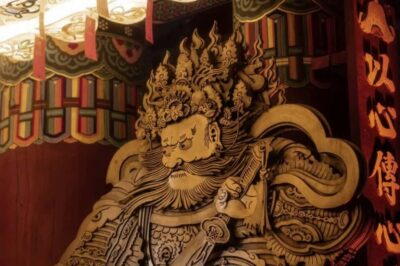
Seoul: Palace, Temple and Market Guided Foodie Tour at Night
Read our review →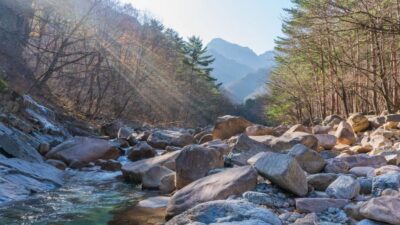
Seoul: Mt Seorak + Naksansa Temple or Nami Island Group Tour
Read our review →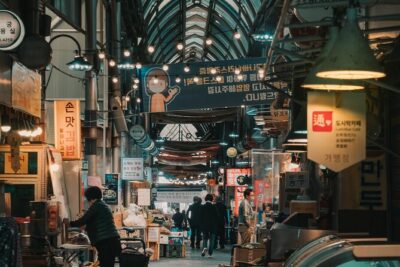
Seoul Night Palace & Market Food Tour with Vehicle
Read our review →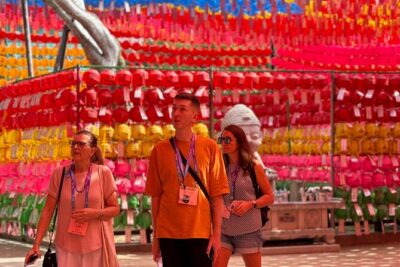
Best Things to Do – Half Day Seoul Trip (Seoul Palace & Temple)
Read our review →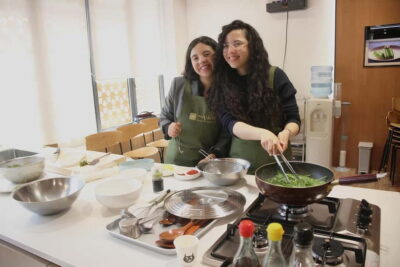
Seoul: Vegan Temple Food Class, Jogyesa & Changdeokgung Tour
Read our review →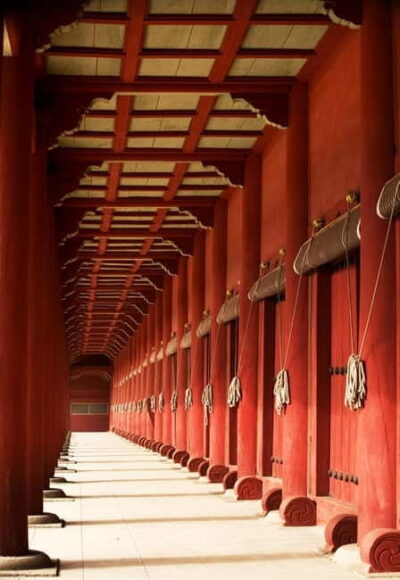
Seoul: UNESCO Sites tour: Palace, Shrine & Bukchon Village
Read our review →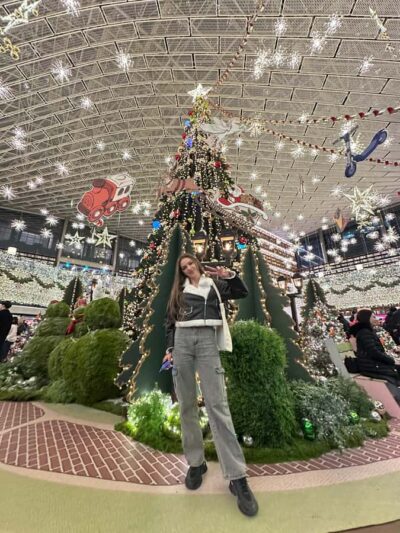
Seoul: Temple & Starfield COEX Mall Gourmet Tour in Gangnam
Read our review →
Danyang Tour:Guinsa Temple & Bobaljae & Cheongpung Cable Car
Read our review →This tour also ranks in