

Review · ROME
Rome: Temples, Squares & Markets Guided Walking Tour
Rome’s ancient center is best understood on foot, layer by layer. This private walk takes you from Sant’Ignazio’s painted ceiling to the Pantheon, market stalls, imperial ruins, and the Jewish Ghetto, with a taste of Roman street food along the way. It covers a lot of ground without turning into a museum lecture.
I like the private format, since your guide can adjust the route to your interests. I also like the mix of major sights and smaller stops, especially the Temple of Portunus, Tiber Island, and Largo di Torre Argentina. The main drawback is the pace: three hours is short for this much Rome, and entrance tickets are not included.
Key points at a glance

- A private three-hour walk: You get your guide’s full attention and can ask for route changes along the way.
- Rome’s famous interiors and exteriors: The walk includes Sant’Ignazio, the Pantheon, Piazza Navona, and the Mouth of Truth.
- Ancient Rome beyond the Colosseum: See the Temple of Portunus, Largo di Torre Argentina, Circus Maximus, Palatine Hill, and Tiber Island.
- One Roman food tasting: Supplì, a fried rice snack, is part of the experience, along with an introduction to Italian food products.
- A strong neighborhood mix: Campo de’ Fiori, the Jewish Ghetto, and the streets around Portico d’Ottavia add local texture to the ancient sights.
- Flexible language and booking choices: Tours are offered in English, Italian, or Spanish, with free cancellation up to 24 hours before the start.
Why this route works for first-time Rome
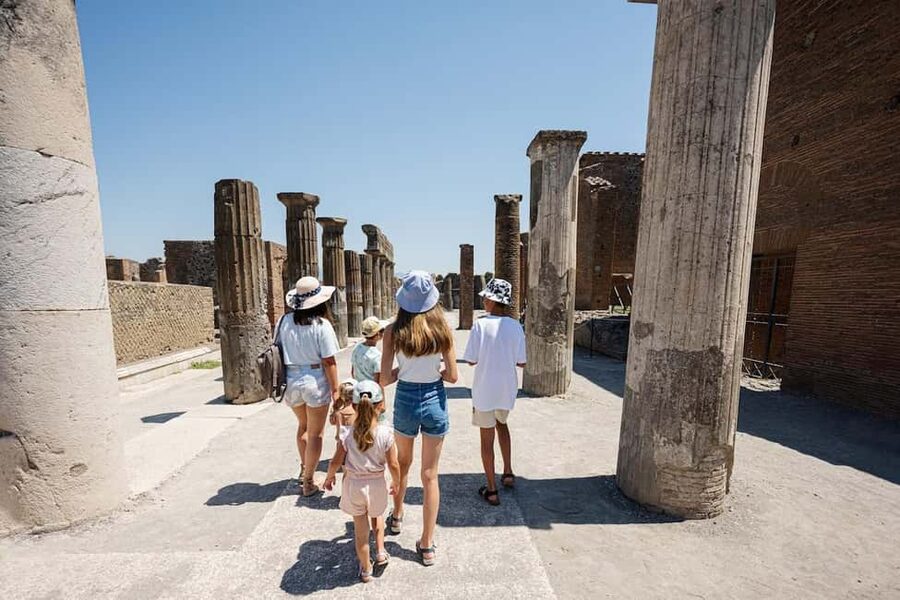
Rome can feel like an archaeological dig with a city built on top of it. A modern street may hide a Republican-era ruin, a Baroque church, or a two-thousand-year-old temple. This tour gives you that layered view in one compact route.
You begin at the Church of Sant’Ignazio of Loyola, then move through the Pantheon area, Piazza Navona, Campo de’ Fiori, the Jewish Ghetto, and the ancient river crossings. The route finishes around Tiber Island, after views of the Circus Maximus and Palatine Hill.
That sequence matters. You are not simply ticking off isolated monuments. You see how temples became churches, how ancient roads became market streets, and how Rome’s neighborhoods still follow the shape of the old city.
The private setup is the tour’s biggest advantage. If you have already seen the Colosseum, your guide can spend more time on the Pantheon, Jewish Ghetto, or food. If this is your first morning in Rome, you can ask for practical advice about eating, shopping, and other sights.
The guides named in the feedback are Juan and Daniele. Juan is described as warm, flexible, and able to add places that were not originally planned. Daniele is praised for confirming the tour the day before, arriving on time, planning for strong views, and offering ideas for other things to do in Rome and Italy. Those details matter on a private tour, where route planning and communication shape the whole experience.
More Temple Walking Tours in Italy:
- Walking Guided Tour and Rome’s Iconic Temple Pantheon Entrance
★ 4.5 · 422 reviews - Bangkok: City Highlights Temple and Market Walking Tour
★ 4.5 · 3,990 reviews - Bangkok: Grand Palace and Wat Phra Kaew Guided Walking Tour
★ 4.4 · 2,417 reviews
Sant’Ignazio and the Pantheon begin the walk
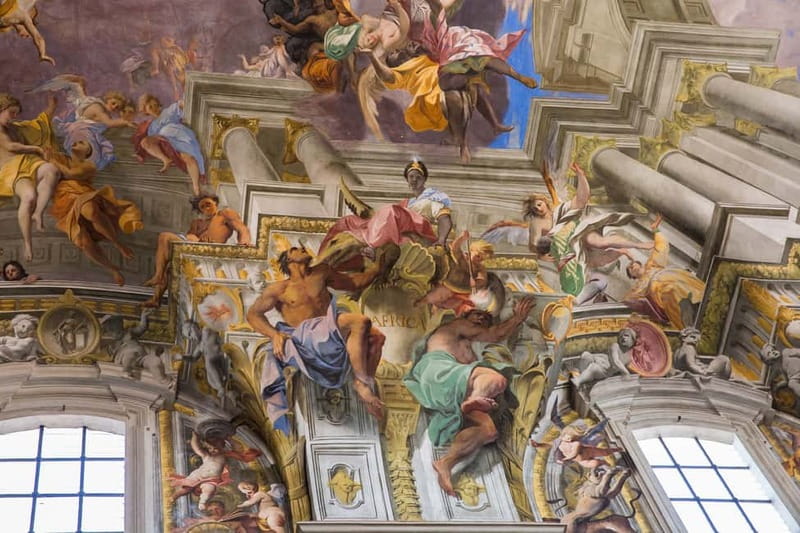
The meeting point is at the entrance to the Church of Sant’Ignazio of Loyola. Allow yourself enough time to arrive there without rushing. You begin inside or around the church with about 15 minutes devoted to its Baroque setting and painted ceiling.
Sant’Ignazio is an excellent opening stop because it gives you an immediate lesson in Roman illusion. Look up, and the ceiling appears to open into a grand architectural space. The church is not one of Rome’s largest headline sights, but it is a useful reminder that the city’s art often rewards a raised gaze.
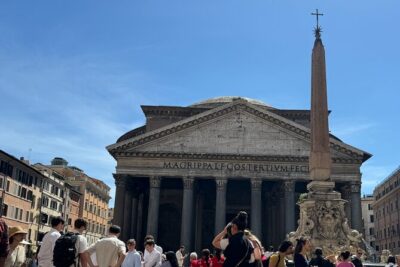
From there, you walk to the Pantheon for another guided stop of roughly 15 minutes. The Pantheon is one of the essential sights in central Rome, and its great dome and open oculus explain why the building remains so memorable. Your guide also discusses Rome’s obelisks, including the fact that some were brought from Egypt thousands of years ago.
The Pantheon stop is relatively brief. That is fine if you want orientation and context, but it may feel short if you want a slow look at every detail. Entrance tickets to attractions are not included, so do not assume that this walk covers paid admission. The experience is built mainly around guided viewing and explanation from public streets and squares.
Piazza Navona and Campo de’ Fiori add Rome’s daily rhythm
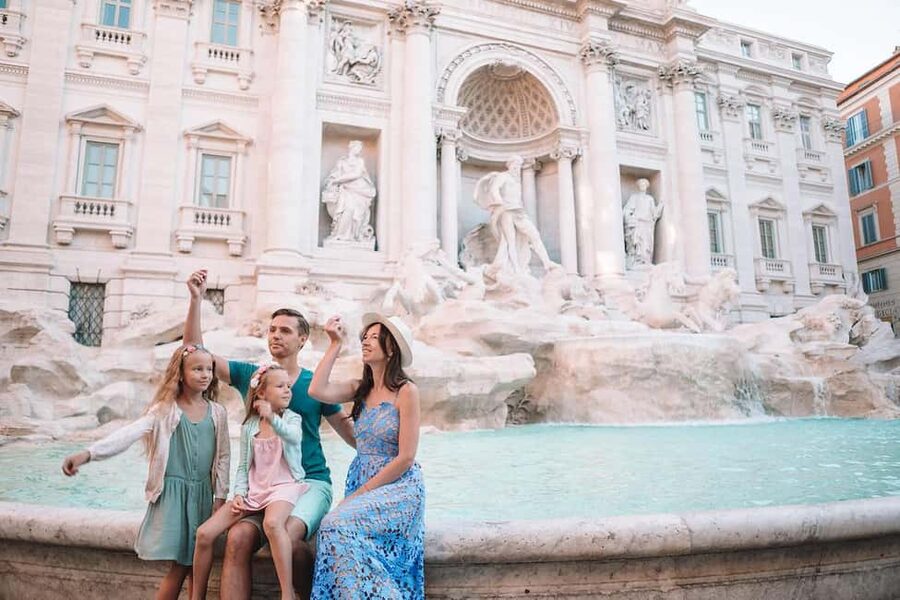
Piazza Navona receives about 15 minutes of guided attention. Its long oval shape follows the outline of an ancient stadium, giving you another clear example of Rome’s habit of reusing old spaces.
The guide also introduces the city’s talking statues, a quirky Roman tradition in which anonymous political comments were posted on statues. It is a small detail, but it helps explain Rome’s long relationship with satire, complaint, and public opinion.
Next comes Campo de’ Fiori, also planned as a 15-minute stop. The square is known for its food market and central location, but the important thing here is not just the shopping. Your guide connects the market to Italian food culture and points out the surrounding alleys, where unusual street names and old urban patterns reward a closer look.
One street-food tasting is included. You are expected to try supplì, a Roman fried rice snack. The tasting is modest rather than a full meal, so eat beforehand if you need something substantial. Still, it gives the walk a welcome sensory break and a direct connection to local food.
I like this part because food is used as a way into the city, not as a separate add-on. Your guide can explain authentic Italian products and how Romans think about everyday eating. You also get recommendations for places to eat after the tour, which can be more useful than a long list of famous restaurants.
Largo di Torre Argentina reveals Rome’s layered past
The route continues to Largo di Torre Argentina, with about 15 minutes for the stop. This archaeological area is tied to the place where Julius Caesar was killed on the Ides of March.
The site can be easy to pass without context. From street level, you see ruins rather than a complete monument. That is exactly why a guide helps here. The explanation turns scattered stone remains into part of the political story of ancient Rome.
The tour also uses this area to explain why Rome is often compared to lasagna. The idea is simple: one city sits on top of another, with different eras stacked together. You can see this pattern throughout the walk, but Largo di Torre Argentina makes it especially clear.
Do not expect an extended archaeological visit. The planned stop is short, and no attraction tickets are included. Think of it as a well-placed historical pause between the market district and the Jewish Ghetto.
More Temple Tours around Italy:
- Agrigento: Valley of the Temples Skip-the-Line Sunset Tour
★ 4.5 · 1,512 reviews - Pantheon Elite Guided Tour – Rome’s Iconic Ancient Temple
★ 5.0 · 1,447 reviews - Palermo: Agrigento and the Valley of the Temples Day Tour
★ 4.2 · 1,240 reviews - Rome’s Iconic Temple: Pantheon Audio Guided Tour with Fast Access
★ 4.0 · 1,188 reviews
Portico d’Ottavia and the Jewish Ghetto slow the pace
The walk then reaches Portico d’Ottavia, with about 20 minutes set aside. This is one of the more distinctive sections of the route because ancient Roman remains meet the streets of the Jewish Ghetto.
Portico d’Ottavia helps you see Rome’s habit of building around ruins instead of clearing them away. Columns, arches, and fragments are part of the neighborhood rather than sealed off as a distant archaeological park.
The Jewish Ghetto is described as a neighborhood that has retained its character and seems frozen in time. That does not mean the area is a museum. It is a real district with its own streets, food traditions, and identity. Your guide helps you read the area as a living part of Rome rather than just another ancient stop.
This is a strong section for travelers who want more than the standard central Rome route. It offers a change of mood after the crowds around the Pantheon and Piazza Navona. The streets can also feel more intimate, so you may get a better sense of how Rome’s smaller neighborhoods fit together.
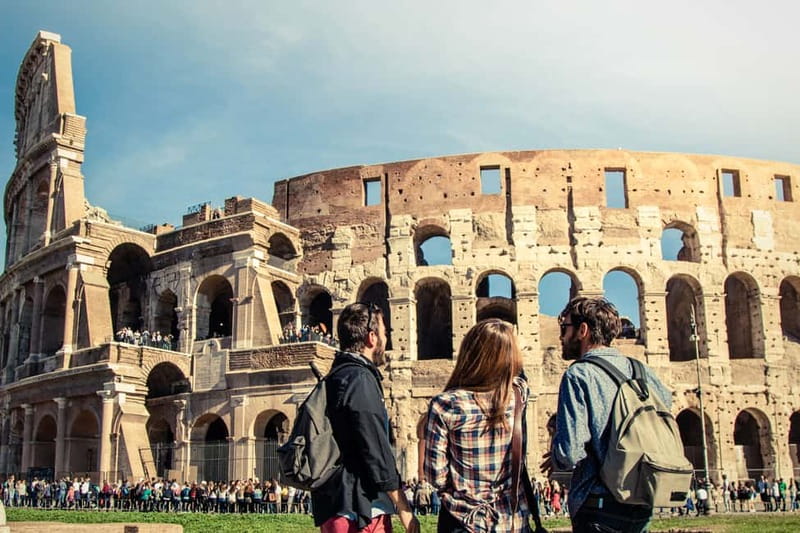
The route includes a stop described as the fake Colosseum, a pleasant ancient ruin that resembles the famous amphitheater. The exact stop is not identified more specifically in the supplied details, so ask your guide to point it out and explain the nickname when you reach it.
The Temple of Portunus and the Mouth of Truth
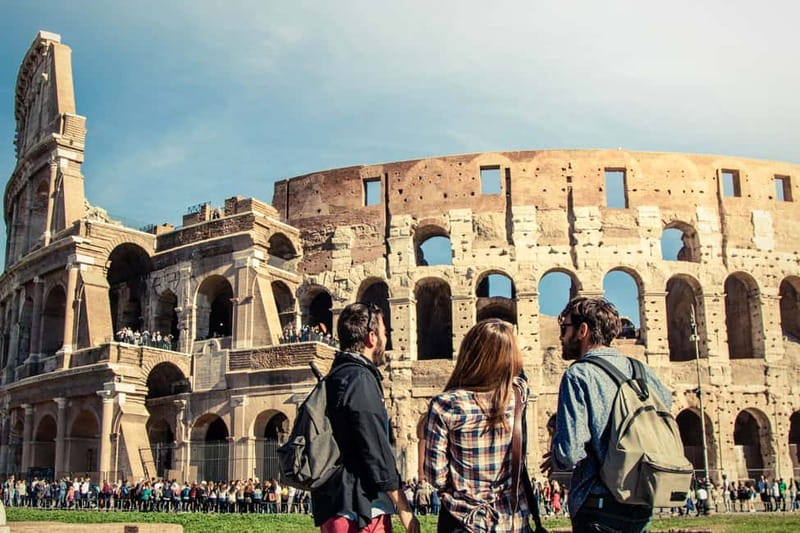
The Temple of Portunus receives about 15 minutes of guided attention. This small ancient temple is especially useful for understanding how much of Rome’s old architecture survives outside the headline monuments.
It is not the Colosseum, and that is the point. You get a closer view of an ancient temple form without the scale and crowds associated with Rome’s biggest attractions. Your guide can connect it to the city’s river trade and the nearby ancient routes.
The next stop is the Mouth of Truth, also scheduled for around 15 minutes. The carved face is famous for the legend that it bites the hand of a liar. Its modern fame also comes from Roman Holiday, the Audrey Hepburn film that made the scene a favorite photo stop.
This is one of the tour’s lighter moments. You get a bit of folklore and cinema alongside the archaeology. Since the tour does not include attraction tickets, confirm with your guide what can be viewed from outside and whether any optional entry is available during your visit.
Circus Maximus and Palatine Hill put the empire in perspective
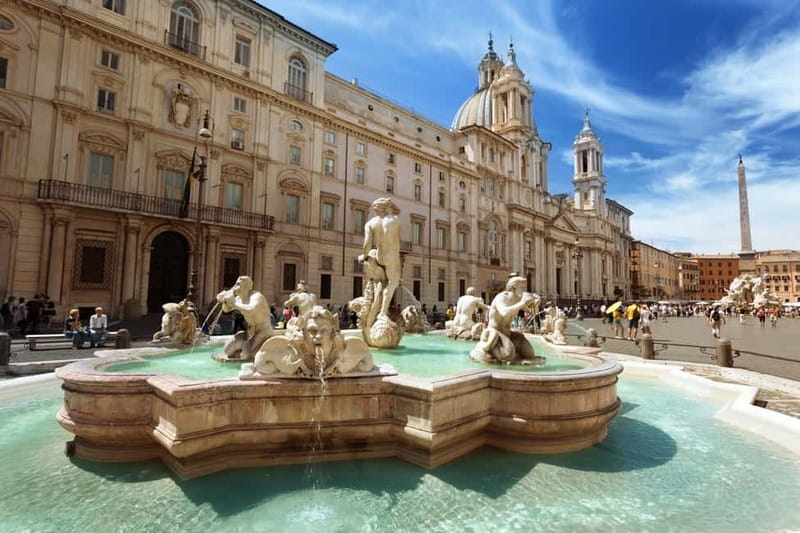
The walk continues to Circus Maximus, with about 15 minutes for the view. The site is vast, and the remaining ground can seem surprisingly plain if you do not know what you are looking at. Your guide provides the missing scale, helping you picture the ancient racing venue and its place in Roman public life.
From there, you see Palatine Hill and the remains of the Imperial Palace. The Palatine is tied to the rulers of the Roman Empire, and even a short guided look gives you a sense of the contrast between public spectacle at the Circus Maximus and elite life above it.
This portion is more about seeing and understanding than entering. The supplied details do not include admission to the Palatine Hill, so treat the stop as a view and explanation unless you arrange tickets separately.
The timing also deserves attention. Three hours is enough to connect these sites, but it does not allow a long exploration of every ruin. If ancient Rome is your main interest, tell the guide early. The private format may let you give more time to the ruins and less to places you have already seen.
Tiber Island provides a fitting finish
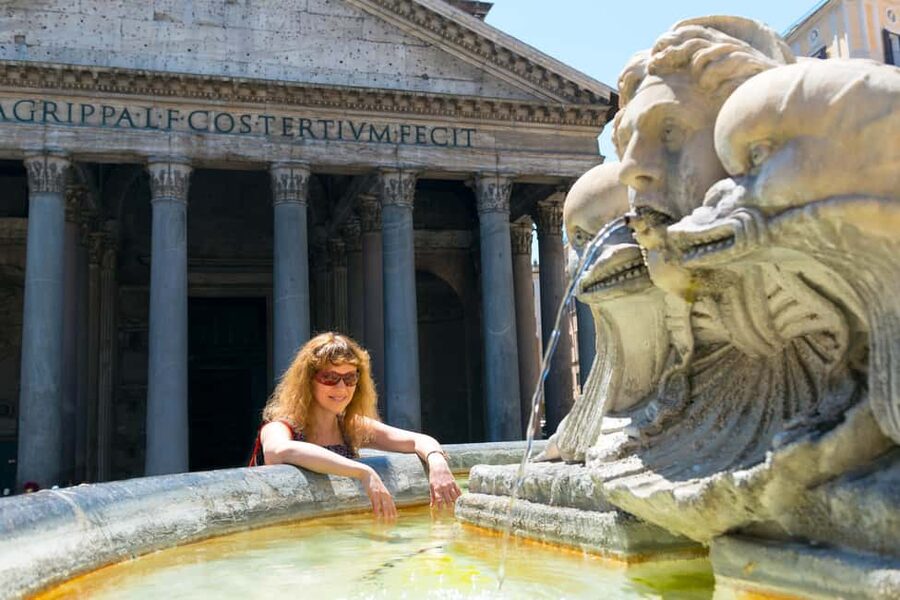
The final stop is Tiber Island, reached after crossing the bridge near the ancient center. The island is one of Rome’s most unusual landmarks, a small piece of land in the Tiber with a long connection to the city.
It makes a fitting end because the river helps tie the whole route together. Rome’s markets, temples, political centers, and neighborhoods grew around movement across and along the Tiber. You have also moved from the city’s monumental center toward areas with a more local feel.
The stated finish is Tiber Island. The meeting information also says the activity ends back at the meeting point, so check the exact end arrangement when you book. Either way, ask your guide for the best next step, since the tour includes recommendations for food, shopping, and other places in Rome and Italy.
What the private format is worth at $79.30
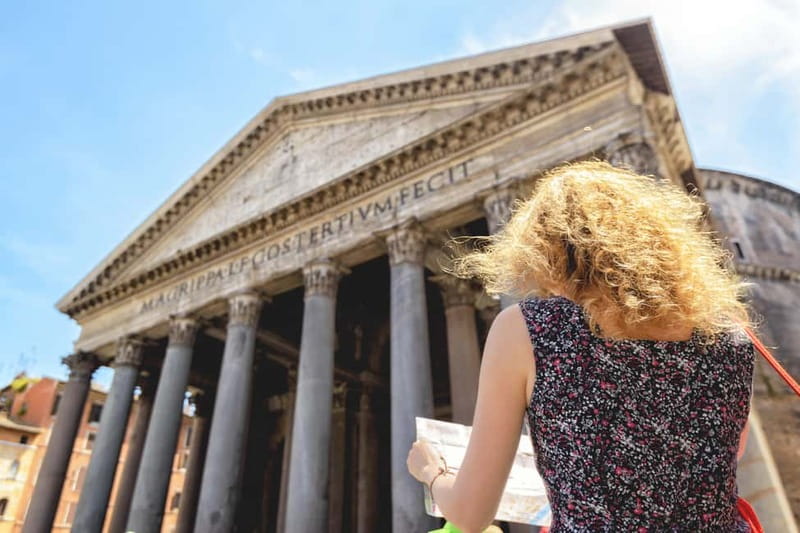
At $79.30 per person, this is not the cheapest way to see Rome. The value depends on how much you prize a private guide and a flexible route.
For a solo visitor or a couple, the price is a greater commitment than joining a large group. For a family or small private party, the cost may feel more reasonable because you are paying for undivided attention rather than a standard script.
The tour includes a local guide and one street-food tasting. It does not include attraction tickets, so budget separately if you want to enter paid sites. The main purchase is the guide’s time, route planning, historical explanation, and ability to adjust the experience.
The feedback attached to the tour gives useful clues about service. Juan is praised for allowing itinerary changes, while Daniele is praised for careful route planning, punctuality, and recommendations beyond the walk itself. Those are valuable qualities in Rome, where a good route can save time and help you avoid spending your limited hours in the wrong places.
The activity is wheelchair accessible, and you can choose English, Italian, or Spanish. It lasts three hours, with starting times depending on availability. Free cancellation is offered up to 24 hours before the start, and you can reserve now and pay later.
Who should book this Rome walking tour
I would recommend this tour to a first-time visitor who wants a broad introduction without joining a large group. It also suits repeat visitors who have already seen the Colosseum and want neighborhoods, food, temples, and smaller archaeological sites.
It is a good choice if you enjoy asking questions and changing plans. The private format means you can tell Juan, Daniele, or your assigned guide what matters most to you, though the amount of flexibility may depend on timing and the guide’s route.
Families may appreciate the mix of short stops, folklore, food, films, and dramatic ruins. The Mouth of Truth and supplì give younger visitors something concrete to enjoy between explanations of ancient politics and architecture.
I would hesitate if your main goal is extended interior visits to the Pantheon, Palatine Hill, or other ticketed attractions. This is a walking overview, not an entry-focused tour. You will see many places, but some stops are limited to about 15 minutes.
Final verdict: a useful private introduction to Rome
Book this tour if you want Rome explained as one connected city, not a list of monuments. The route brings together Baroque art, ancient temples, food markets, the Jewish Ghetto, imperial ruins, and the Tiber in three hours.
The strongest reasons to book are the private guide, the option to shape the route, and the range of places covered. The main caution is the pace and the extra cost of attraction tickets.
If you value personal guidance and want practical food and sightseeing advice for the rest of your stay, $79.30 can be fair value. If you prefer long visits inside major monuments, choose a tour built around one or two attractions instead.
FAQ
How long is the Rome walking tour?
The tour lasts three hours. Starting times depend on availability when you book.
Where does the tour start?
The meeting point is at the entrance of the Church of Sant’Ignatius of Loyola.
Where does the tour finish?
The planned final stop is Tiber Island. The meeting information also states that the activity ends back at the meeting point, so confirm the exact end arrangement when booking.
Is food included?
One traditional Roman street-food tasting is included. The experience specifically mentions supplì and discussion of Italian food products.
Are attraction tickets included?
No. Tickets to attractions are not included in the tour price.
Is the tour private and wheelchair accessible?
Yes. It is a private-group experience and is listed as wheelchair accessible. Live guiding is available in English, Italian, and Spanish.
Temple visits we reviewed lately in Italy
- Rome underground hidden temples, ruins, and secret basilicas★ 3.7 · 21 reviews
- Rome: Tour of St. Clement’s Basilica Underground Temples★ 4.8 · 242 reviews
- Palermo to Siracusa: stop al Valley of Temples & Roman Villa★ 5.0 · 5 reviews
- Paestum Tour: Best Preserved Temples in the World (UNESCO)★ 4.5 · 11 reviews
- Paestum: 2-Hour Greek Temples & Archaeological Museum★ 4.8 · 19 reviews
- Paestum: Temples and Museum Tour with Archaeologist Guide★ 5.0 · 14 reviews
- Neustift Monastery: Admission with audio guide★ 4.6 · 9 reviews
- Monreale: Guided tour of Cathedral, Monastery and Mosaics★ 4.3 · 29 reviews
Rome Temple Tours, compared.
Pantheon Elite Guided Tour – Rome’s Iconic Ancient Temple
Read our review →
Rome’s Iconic Temple: Pantheon Audio Guided Tour with Fast Access
Read our review →
Colosseum Special Access Tour, with Ancient Temples & Tombs
Read our review →
Walking Guided Tour and Rome’s Iconic Temple Pantheon Entrance
Read our review →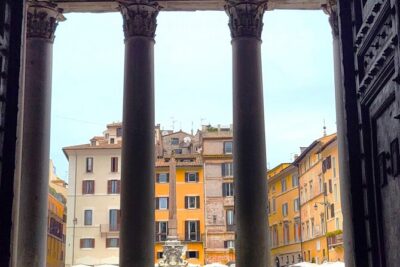
Rome’s Iconic Ancient Temple: Pantheon Fast Track Entry Tickets
Read our review →
Rome: Tour of St. Clement’s Basilica Underground Temples
Read our review →
Pantheon: The Iconic Ancient Roman Temple – Semi-Private Tour
Read our review →
Rome underground hidden temples, ruins, and secret basilicas
Read our review →This tour also ranks in