
Review · ROME
Rome: Tour of St. Clement’s Basilica Underground Temples
Rome’s San Clemente Basilica is a history lesson built in layers. You begin beneath a lovely 12th-century church, then descend 14 meters through an early Christian basilica, the home of an ancient Roman, and one of Rome’s best-preserved Mithraic temples. It is one of the clearest places in the city to see how Rome kept building over its past.
I especially like the underground river, which gives the lowest level a cool, eerie atmosphere, and the chance to compare Christian art with the older Roman cult that came before it. I also like that guides such as Francesca, Lorenzo, and Paul have been praised for making complicated history easy to follow, with Paul noted for his work as an archaeologist and professor in Rome.
The main drawback is physical and visual: the underground passages are not accessible to wheelchair users and may feel tight if you are claustrophobic. You also cannot take photographs or record video inside, and the optional Santo Stefano visit includes graphic scenes of martyrdom that may not suit young children.
Key points to know before you book
- Four layers of Roman history: Move from the 12th-century basilica to a 4th-century church, an earlier Roman house, and a Mithraic temple.
- A rare pagan sanctuary: See a well-preserved temple devoted to Mithras and learn how its rituals differed from early Christianity.
- Early Christian artwork: Study frescoes showing Christian martyrs and the dangers faced by the new faith.
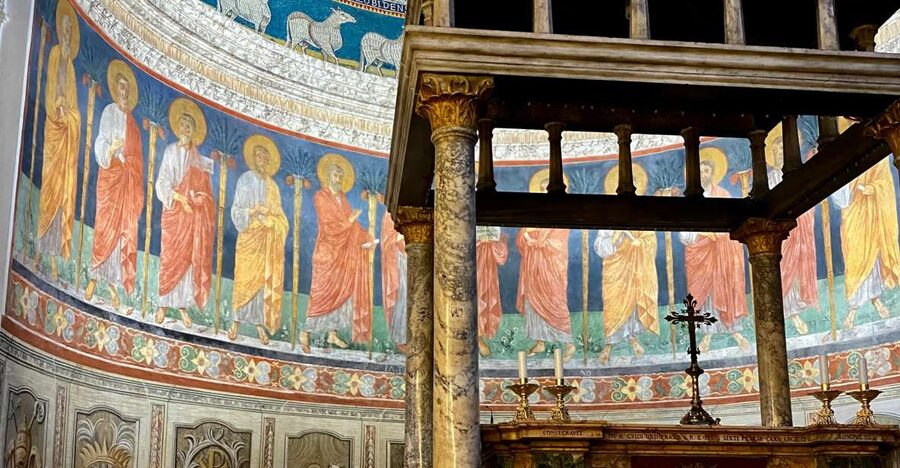
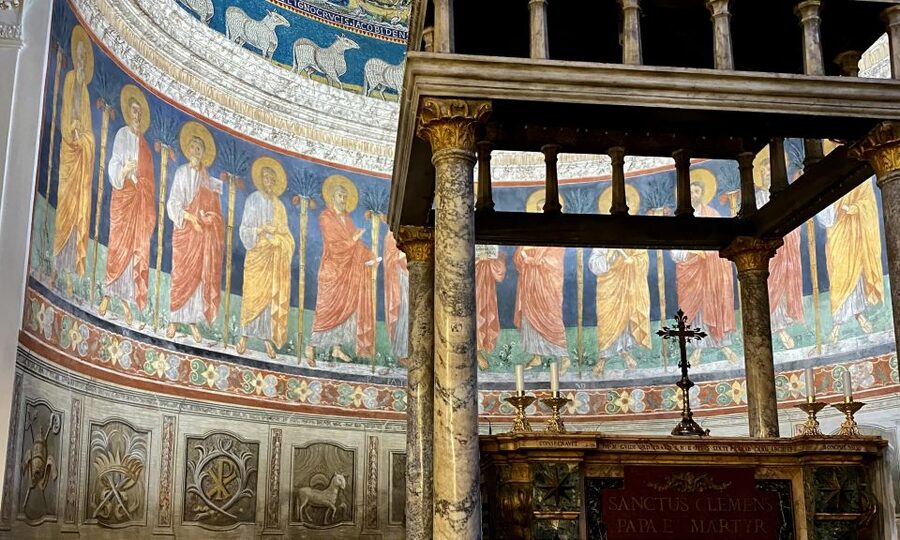
- A golden apse mosaic: Hear the symbolism behind San Clemente’s striking 12th-century decoration before going underground.
- Optional Santo Stefano Rotondo: Add 45 minutes for a circular church filled with haunting martyrdom frescoes.
- A guide matters here: Much of the meaning is easy to miss without an expert explaining the buildings, symbols, and religious changes.
Why San Clemente explains Rome better than another grand church
Rome has churches with bigger domes, brighter marble, and longer lines. San Clemente offers something different: you can physically walk backward through time.
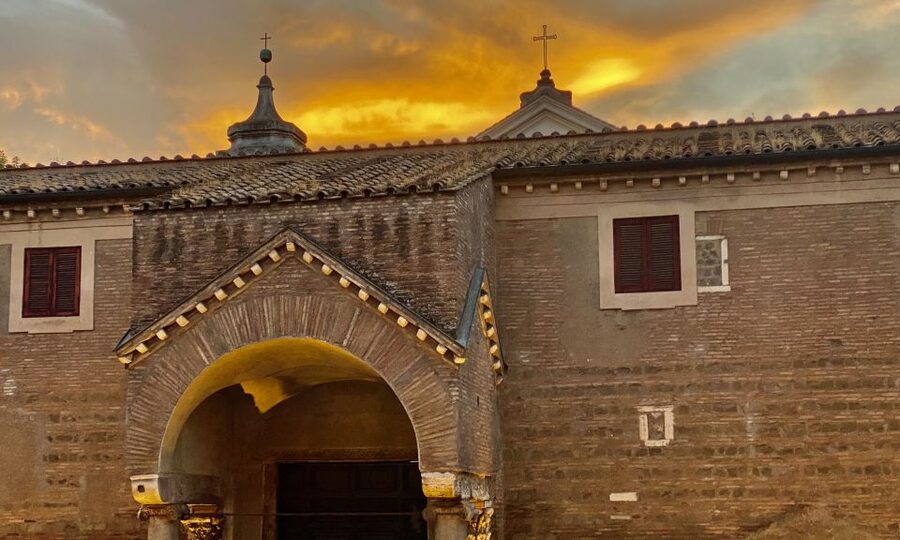
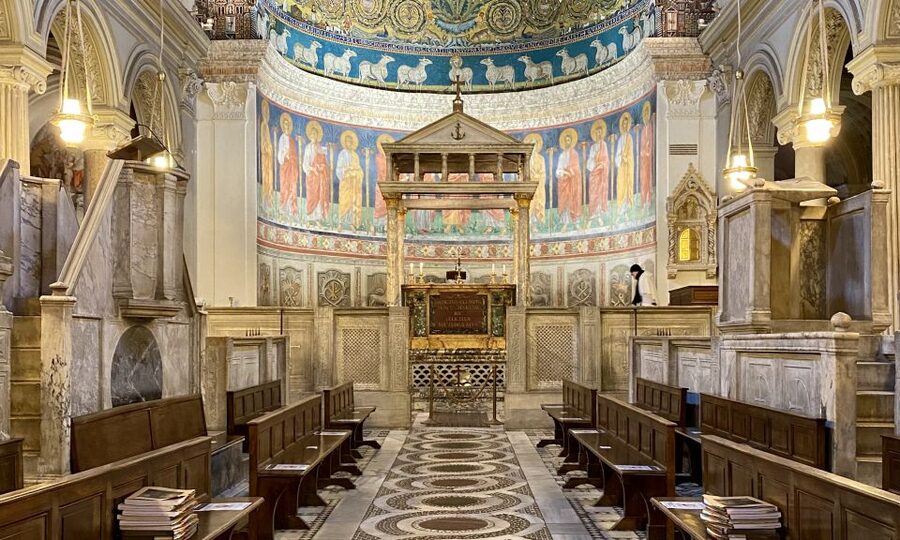
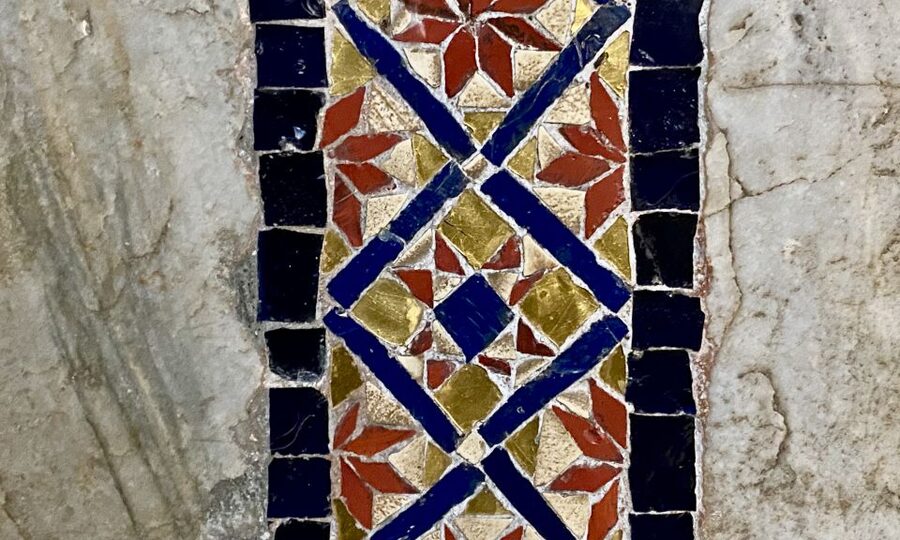
The present basilica dates to the 12th century and has the calm, handsome feel of a Roman church rather than a major tourist monument. Before you head downstairs, your guide introduces the golden mosaic in the apse. It is not just decoration. Its vines, figures, and Christian symbols carry layers of meaning, and this opening explanation gives you a useful key for reading the rest of the site.
Then the floor drops away, literally and historically. A staircase takes you into the 4th-century basilica below. From there, you reach older Roman structures and the Mithraic temple. The arrangement makes Rome’s past feel physical. You are not looking at separate museum objects in glass cases. You are walking through one building that was altered, buried, and reused over centuries.
I would not choose this tour only for the church’s appearance. Choose it for the story of change: pagan worship gave way to Christianity, old buildings gained new purposes, and the city kept building on top of itself.
More Temple Tours around Italy:
- Agrigento: Valley of the Temples Skip-the-Line Sunset Tour
★ 4.5 · 1,512 reviews - Pantheon Elite Guided Tour – Rome’s Iconic Ancient Temple
★ 5.0 · 1,447 reviews - Palermo: Agrigento and the Valley of the Temples Day Tour
★ 4.2 · 1,240 reviews
The 12th-century basilica and its golden mosaic
The tour begins with San Clemente’s upper church. This first stop can seem brief compared with the underground levels, but it earns its place.
The apse mosaic is the visual centerpiece. Your guide explains its spiritual meaning and points out symbolism that is easy to overlook if you enter on your own. The gold catches the eye first, but the real value lies in learning how the images fit together.
This introduction also helps you understand the church as more than a pretty shell above the excavations. It is the latest layer in a long chain of worship on the site. The contrast between the polished medieval basilica and the shadowy rooms below creates much of the tour’s effect.
Photography is not permitted inside, so plan to look closely rather than reach for your phone. That rule may disappoint you, but it also encourages a more focused visit. Comfortable shoes are important because the tour involves walking and descending into underground spaces.
Fourteen meters below: the early Christian basilica
The first major descent takes you into a 4th-century Christian basilica. This is where the tour shifts from medieval art to the beginnings of organized Christian worship in Rome.
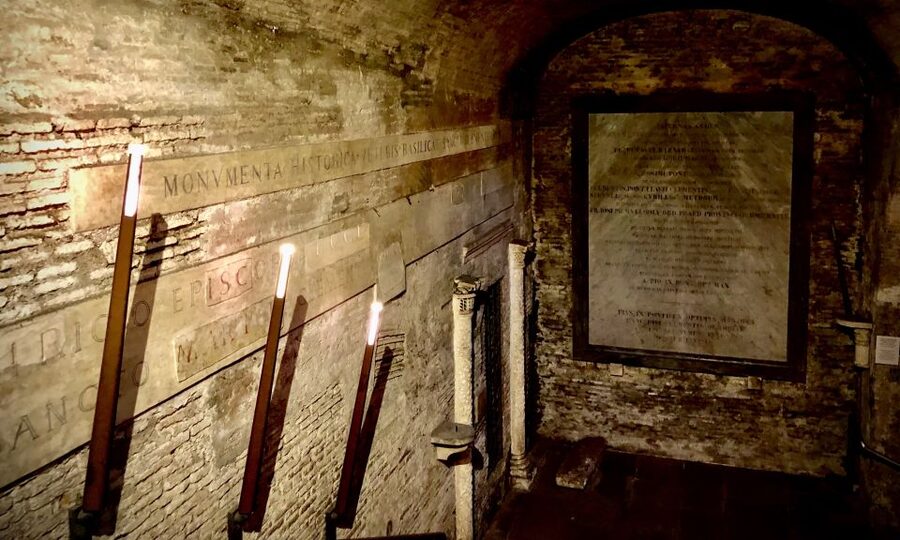
The church was built over the home associated with St. Clement, traditionally regarded as the third pope of Rome. Your guide places the building in the period when Christianity was still vulnerable and its followers faced persecution. The frescoes show early Christian subjects, including martyrs and scenes connected with their lives.
These paintings matter because they are not polished Renaissance works. Their age, survival, and connection to an early Christian community make them valuable. Expect faded colors and damaged surfaces rather than perfect images. The worn condition is part of what gives the rooms their force.
This is also where a live guide earns the $70 price. If you simply walked through the spaces, you would see brick, plaster, and fragments of painting. With an explanation, the room becomes a record of how Christians remembered their dead, expressed their beliefs, and marked out sacred space.
Several particularly praised guides have been noted for making this material accessible. Francesca is described as warm and engaging, while Lorenzo is praised for clear English, humor, and an ability to welcome questions. Paul, who has been described as an archaeologist and professor, is especially suited to visitors who want more detail about the site’s excavations and artifacts.
The Roman house and the lost levels beneath the church
The site is often described as having four layers, though the exact sequence can be difficult to grasp without help. Below the Christian basilica are earlier Roman structures, including a house connected with the ancient occupation of the site.
The value here is not one single spectacular object. It is the sense of a real Roman street level buried beneath later construction. You can begin to picture how homes, places of worship, and public spaces were altered as Rome changed religious direction.
One of the pleasures of San Clemente is this physical connection between ordinary Roman life and major historical shifts. A building associated with domestic life was not frozen in time. It became part of later religious structures, and those structures were eventually covered by the basilica you see today.
The underground rooms can be dim and close. That atmosphere adds to the experience, but it is also why this tour is unsuitable for people with claustrophobia. The route is not wheelchair accessible because of the architecture and underground stairs.
Same sacred ground, another way to see it:
- Rome’s Iconic Temple: Pantheon Audio Guided Tour with Fast Access
★ 4.0 · 1,188 reviews - Agrigento: Valley of the Temples Ticket & App Audioguide
★ 4.3 · 1,160 reviews - Colosseum Special Access Tour, with Ancient Temples & Tombs
★ 4.8 · 747 reviews - Agrigento: Valley of the Temples E-Scooter Tour
★ 4.6 · 557 reviews
The Mithraic temple and Rome’s older religious world
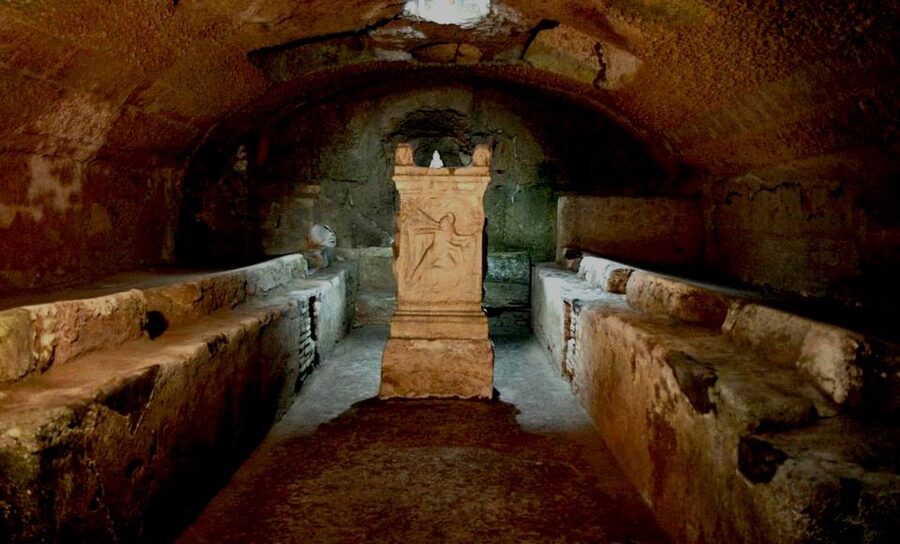
The lowest section contains one of Rome’s best-preserved Mithraic temples. Mithraism was a mystery religion practiced in the Roman world before Christianity became dominant. The sanctuary gives you a rare chance to consider the city’s religious life from a non-Christian point of view.
Your guide explains the beliefs and rituals connected with the cult. The point is not simply that Mithraism existed before Christianity. It is that ancient Rome contained several competing systems of belief, each with its own symbols, ceremonies, and private communities.
The temple feels very different from the basilica above. The space is enclosed, and the lack of bright decoration creates a more secretive mood. You may find the atmosphere a little spooky, especially when the guide discusses the hidden rites associated with the cult.
The underground river adds another layer of mystery. Water runs below the structure, reminding you that the city’s modern streets and churches sit over a natural and built world that is still partly hidden. It is one of those details that makes San Clemente more memorable than a standard church visit.
The Mithraic temple is also the place where the tour most clearly connects architecture with belief. The room was designed for a particular group and a particular form of worship. Seeing it below a Christian basilica gives you a vivid picture of Rome’s religious transition.
Is the optional Santo Stefano Rotondo visit worth adding?
If the extended option is available, you walk about 15 minutes to Santo Stefano Rotondo for an additional 45-minute guided visit. The walk makes this a longer outing, but it links two important early Christian sites in the same part of Rome.
Santo Stefano Rotondo is known for its circular design and its large scenes of martyrdom. The building has a different mood from San Clemente. Instead of concentrating mainly on buried architectural layers, it confronts you with the suffering of early Christians through graphic painted scenes.
I would add this option if you have a strong interest in early Christian art, church architecture, or the history of martyrdom. The circular layout is unusual, and the frescoes offer a powerful continuation of the story begun at San Clemente.
I would skip it if you mainly want the underground temple and have limited time. The San Clemente portion lasts about an hour and is the essential experience. Santo Stefano adds depth, but it also adds intensity. The images may not be appropriate for children, and the route can vary depending on the day’s schedule.
Special events and liturgical celebrations can occasionally make the extended visit unavailable. If that happens, the visit may be adjusted or the activity may be canceled because of church events or weather conditions.
What the $70 price buys you
At $70 per person, this is not a bargain basement sightseeing stop. The value depends on how much you want from the site.
You are paying for an expert live guide, entrance to San Clemente, headsets, and, if selected, the guided visit to Santo Stefano Rotondo. The headset matters in underground rooms, where sound can be muffled and a group can easily spread out.
For a visitor interested in archaeology, ancient religion, or early Christianity, the price is reasonable because the guide supplies the context that turns a confusing set of rooms into a clear sequence. The site is much harder to interpret on your own than a large monument with signs in every room.
The price is less appealing if you prefer to move quickly through churches or do not enjoy guided explanations. San Clemente rewards attention. You will hear about symbolism, persecution, pagan ritual, construction layers, and religious change in a relatively short period. That can be fascinating, but it is not a casual photo stop.
Private groups are available, which may suit you if you want to ask many questions or prefer a more personal pace. The standard experience may also be small. One booking was described as involving only a couple, though group size can vary.
Timing, language, and practical details
The San Clemente visit lasts about one hour. With Santo Stefano Rotondo, plan on roughly one hour and 45 minutes, plus the 15-minute walk between the churches. Starting times vary, so check the schedule when you book.
Guides are available in English, Italian, Spanish, French, German, and Portuguese. Several guides have received strong praise for clear English and an engaging manner, including Francesca, Lorenzo, Anestis, Tom, Daniel, and Paul. You cannot request a particular guide based on the information provided, but the guide’s role is especially important here.
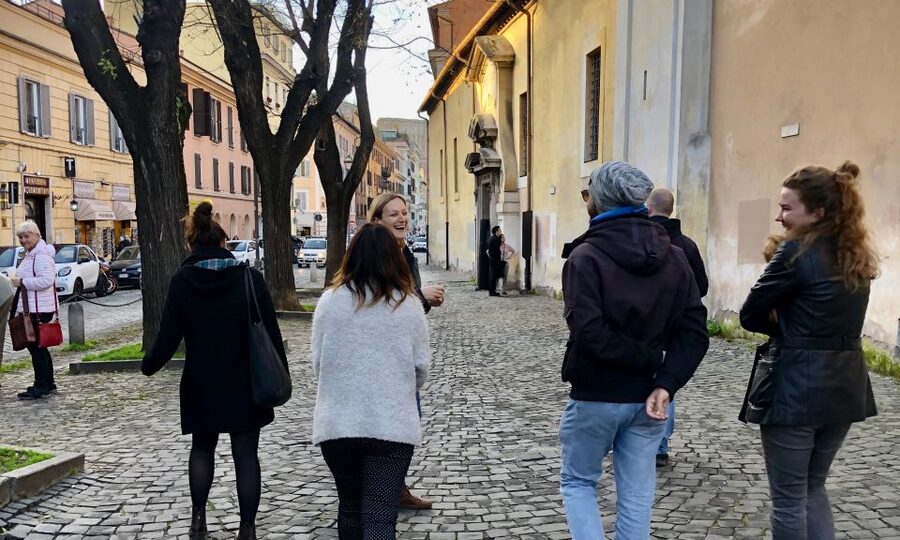
Meetings and drop-off points vary by the option chosen. The starting point is around Piazza di San Clemente, and the extended route can finish near Santo Stefano Rotondo or return toward San Clemente.
Wear comfortable shoes. Do not bring food, drinks, pets, weapons, or sharp objects. Shorts, short skirts, sleeveless shirts, and alcohol or drugs are not permitted. Photography and video recording are prohibited inside.
The tour is not suitable for wheelchair users or people with claustrophobia. If you need step-free access, this is not the right choice. If you are sensitive to confined underground areas, the upper basilica alone would be a safer plan, but the supplied tour is built around the descent.
You can cancel up to 24 hours before the tour for a full refund, and reserve now while paying later. That flexibility is useful if your Rome schedule may shift.
Who should book this Roman underground tour?
I would recommend San Clemente to you if you like places where the building itself tells the story. It suits visitors who enjoy archaeology, ancient religion, Christian art, and the less polished side of Rome.
It is especially good after visiting more famous churches or monuments. Instead of another grand interior, you get a close look at how Rome changed at street level. The site also works well for repeat visitors who have already seen the Colosseum, St. Peter’s, and the major basilicas.
Families should consider the age and interests of their children. The underground rooms may feel exciting to older children, but the martyrdom paintings at Santo Stefano Rotondo are graphic. If you bring children, the shorter San Clemente option may be the better fit.
Art specialists may want more time with the frescoes, while history-minded visitors will likely enjoy the guide’s explanation of the religious shift from Mithraism to Christianity. You do not need advanced background knowledge, though. The best guides explain the difficult parts without turning the hour into a lecture.
Should you book San Clemente and Santo Stefano?
Book the San Clemente tour if you want a compact, serious look at Rome’s buried past. The underground river, Mithraic temple, early Christian frescoes, and medieval mosaic give you several distinct experiences in one place.
Add Santo Stefano Rotondo if you have another 45 minutes and want stronger early Christian themes, unusual circular architecture, and graphic martyrdom art. Skip the extension if your main goal is the pagan temple or if you are traveling with young children.
At $70, this is best treated as a guide-led history experience rather than a simple church admission. If you value clear explanations and want to understand what you are seeing, I think it earns its place on a Rome itinerary. If you dislike underground spaces, stairs, strict clothing rules, or no-photography policies, choose another Roman sight.
FAQ
How long does the San Clemente tour last?
The guided visit to Basilica di San Clemente lasts about one hour. The optional Santo Stefano Rotondo visit adds 45 minutes, with about a 15-minute walk between the churches.
What does the tour cost?
The listed price is $70 per person. The Santo Stefano Rotondo visit is included only when you select that extended option during purchase.
What languages are available?
Live guides are available in English, Italian, Spanish, French, German, and Portuguese.
Is the tour accessible to wheelchair users?
No. The underground structures and architectural layout mean the tour is not accessible to wheelchair users.
Is San Clemente suitable for people with claustrophobia?
The underground sections may not be suitable for people with claustrophobia because the spaces are below ground and can feel confined.
Can I take photographs or record video?
No. Photography and video recording are not allowed inside.
Is Santo Stefano Rotondo always available?
No. The extended visit may occasionally be unavailable because of special events or liturgical celebrations.
Are children allowed on the tour?
The information provided does not set a general age restriction. However, the frescoes at Santo Stefano Rotondo show graphic scenes of martyrdom and may not be suitable for children.
What should I wear and bring?
Wear comfortable shoes. Shorts, short skirts, sleeveless shirts, food, drinks, pets, weapons, sharp objects, alcohol, and drugs are not allowed.
Temple visits we reviewed lately in Italy
- Rome underground hidden temples, ruins, and secret basilicas★ 3.7 · 21 reviews
- Rome: Temples, Squares & Markets Guided Walking Tour★ 4.8 · 26 reviews
- Palermo to Siracusa: stop al Valley of Temples & Roman Villa★ 5.0 · 5 reviews
- Paestum Tour: Best Preserved Temples in the World (UNESCO)★ 4.5 · 11 reviews
- Paestum: 2-Hour Greek Temples & Archaeological Museum★ 4.8 · 19 reviews
- Paestum: Temples and Museum Tour with Archaeologist Guide★ 5.0 · 14 reviews
- Neustift Monastery: Admission with audio guide★ 4.6 · 9 reviews
- Monreale: Guided tour of Cathedral, Monastery and Mosaics★ 4.3 · 29 reviews
Rome Temple Tours, compared.
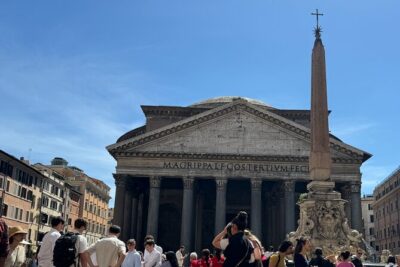
Pantheon Elite Guided Tour – Rome’s Iconic Ancient Temple
Read our review →
Rome’s Iconic Temple: Pantheon Audio Guided Tour with Fast Access
Read our review →
Colosseum Special Access Tour, with Ancient Temples & Tombs
Read our review →
Walking Guided Tour and Rome’s Iconic Temple Pantheon Entrance
Read our review →
Rome’s Iconic Ancient Temple: Pantheon Fast Track Entry Tickets
Read our review →
Pantheon: The Iconic Ancient Roman Temple – Semi-Private Tour
Read our review →
Rome: Temples, Squares & Markets Guided Walking Tour
Read our review →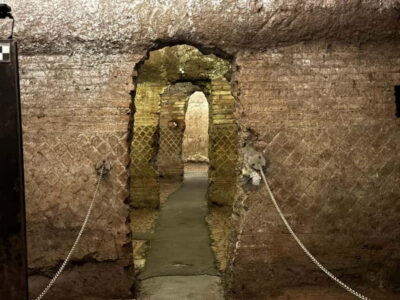
Rome underground hidden temples, ruins, and secret basilicas
Read our review →This tour also ranks in