
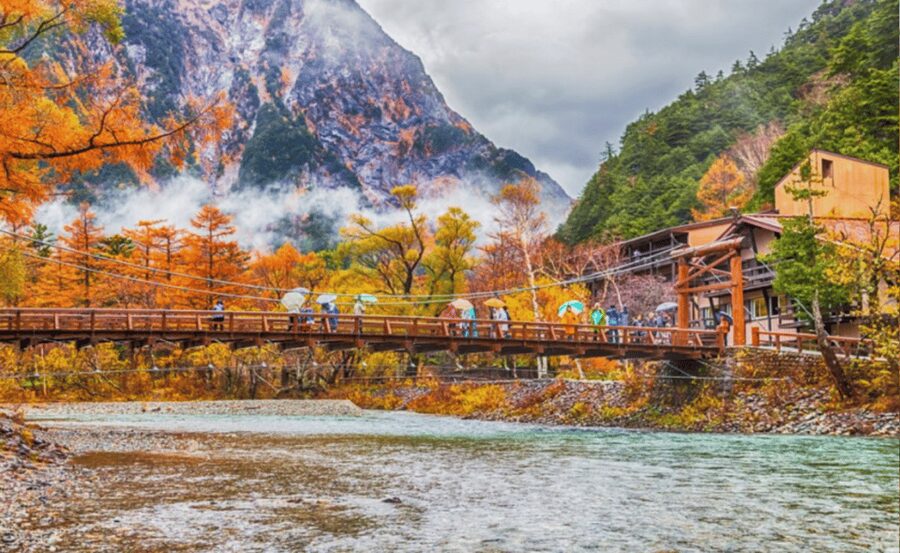
Review · TOKYO
From Tokyo: Nagano, Zenkoji Temple, Snow Monkeys Day Trip.
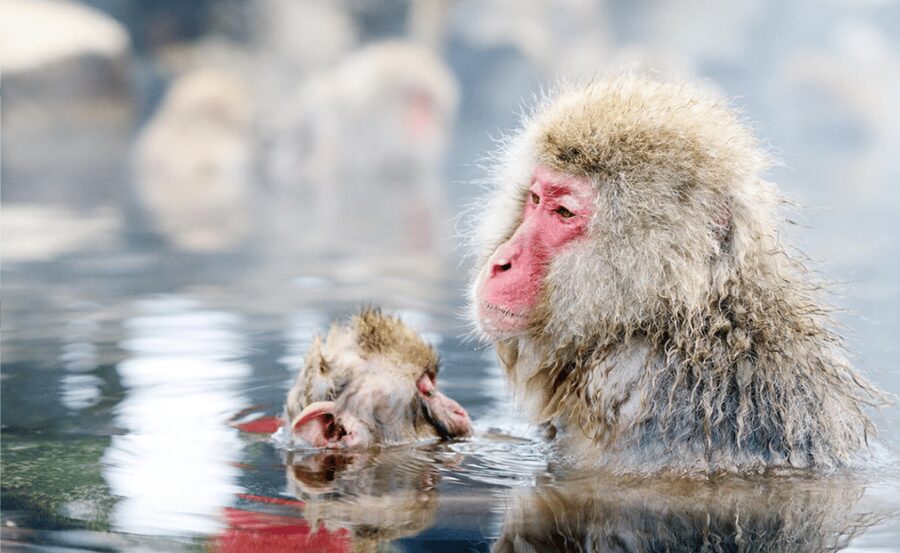
The main draw is Jigokudani Monkey Park, where Japanese macaques gather around natural hot springs, especially in cold weather. Seeing them sit quietly in steaming water, with mountain scenery behind them, is one of Japan’s most unusual wildlife experiences.
I like the mix of Zenkoji Temple and Obuse. One gives you a major Buddhist site with centuries of spiritual importance; the other brings small-town streets, chestnut treats, sake, and the art of Hokusai. I also like the private format, since your group of up to six can travel at its own pace. The catch is the distance: nearly five and a half hours of driving, plus walking at the monkey park, makes this a very full day.
Key points to know before booking
- Snow monkeys in hot springs: The macaques are the star of the day, with the best chance of seeing bathing behavior in cold weather.
- A long private ride from Tokyo: The drive takes about 2.75 hours each way, so you gain convenience but spend much of the day on the road.
- Four very different stops: Matsumoto Castle, Zenkoji Temple, Jigokudani Monkey Park, and Obuse each offer a distinct side of central Japan.
- A good value for a group: The $792 price covers up to six people, private transport, guide service, admission fees, fuel, tolls, parking, and a Wi-Fi hotspot.
- Moderate walking is part of the deal: Comfortable shoes matter, and the experience is not suited to wheelchair users, people with back problems, or children under 12.
- Punctual service is part of the appeal: The strongest praise focuses on punctuality, kindness, and the overall experience, though Tokyo traffic can delay pickup by up to 30 minutes.
Why this Nagano day trip is worth considering
Tokyo gives you temples, museums, food, and city energy in abundance. What it does not give you easily is a hot-spring forest where wild Japanese macaques gather. That is the reason to consider this outing.
You get more than the monkey park. The day links several places that would be awkward to combine by train and local bus in one stretch. A private vehicle carries you from Tokyo to Matsumoto, Nagano, Jigokudani, and Obuse without making you work out every connection.
That convenience comes with a clear trade-off. This is a 12-hour day, and the drive to the Chubu Region takes roughly 2.75 hours each way. I would not book it if you want a relaxed schedule with long meals and unhurried museum visits. I would book it if you want to see a famous natural sight outside Tokyo and prefer a guide and private car over a complicated independent route.
The price is listed at $792 per group of up to six, not per person. For six people, that works out to $132 each before considering the included admissions and transport costs. For two people, the per-person figure is much higher, but you are paying for privacy, door-to-door service, and a full day with a dedicated vehicle.
The included items matter here. Hotel or Airbnb pickup within Tokyo, fuel, tolls, parking, Zenkoji Temple admission, Jigokudani Monkey Park admission, and a Wi-Fi hotspot remove several costs and planning chores. Lunch is not listed as included, so allow room in your budget for the restaurant meal and any sake or local sweets you buy.
More Day Trips in Tokyo:
- Tokyo Panoramic 1 Day: Meiji Shrine, Asakusa, Odaiba and SKYTREE®
★ 4.5 · 1,222 reviews - From Tokyo: Nagano Snow Monkey Park Zenkoji Temple Day Trip
★ 5.0 · 8 reviews - From Tokyo: Snow Monkeys and Zenkoji Temple Day Trip
★ 4.9 · 7 reviews
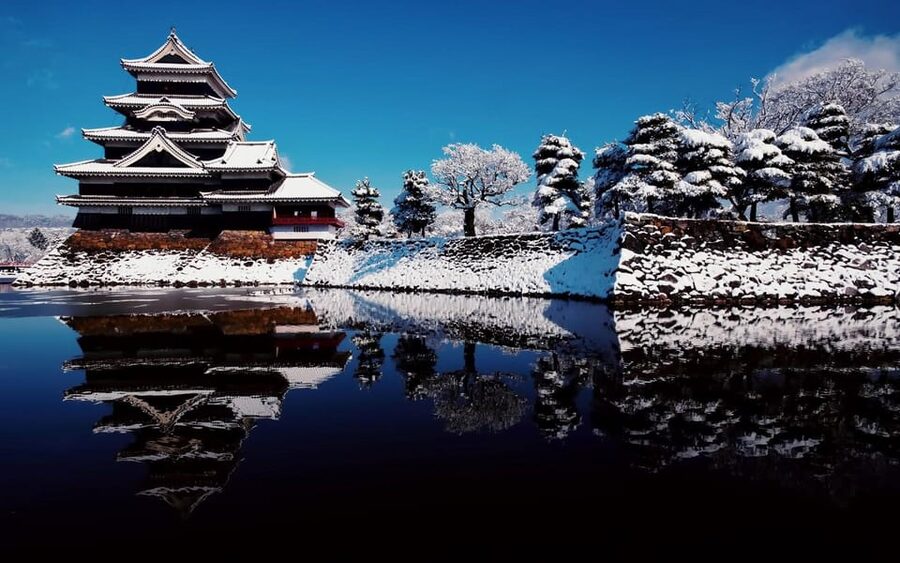
The long road from Tokyo to Matsumoto Castle
Pickup begins at your Tokyo hotel or Airbnb. Tokyo traffic can make the driver up to 30 minutes late, so I would avoid scheduling anything immediately after your return. That small buffer will make the day less stressful.
The private van ride to the Nagano area takes about 2.75 hours. That is a long sitting period, but it also gives you a chance to rest between walking stops. Wi-Fi is included, which helps if you want to check maps, message family, or pass the time online.
The first sightseeing stop is Matsumoto Castle. The visit includes a photo stop, guided time, and free time. The castle adds a strong architectural opening to a day otherwise centered on temples, wildlife, and food.
The information provided does not set out the exact amount of time inside the castle, so treat this as a short visit rather than a full museum afternoon. If you care deeply about castle interiors, ask the guide how much time is available on your departure date. The schedule has several stops still ahead, and the monkey park cannot be rushed too much if you want a worthwhile visit.
Zenkoji Temple and an open spiritual tradition
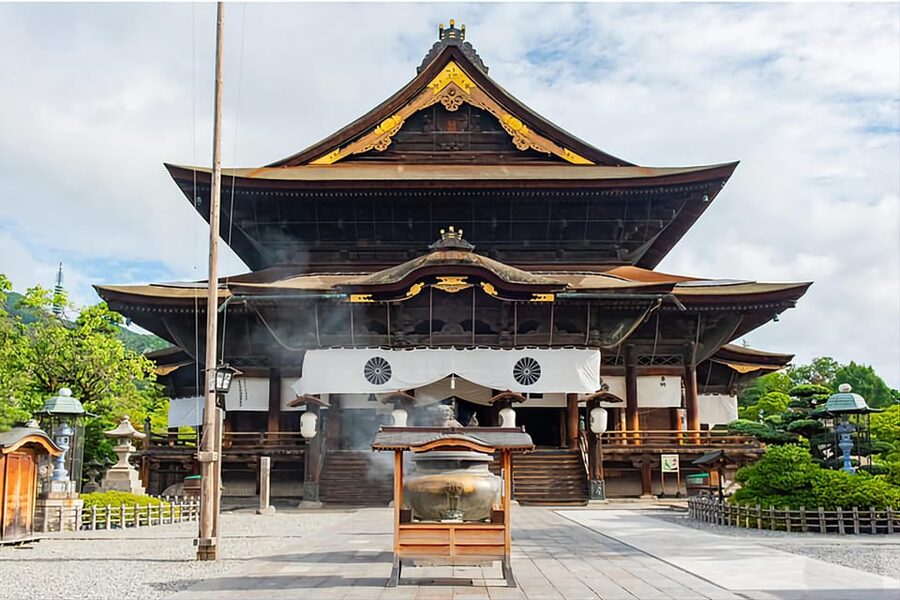
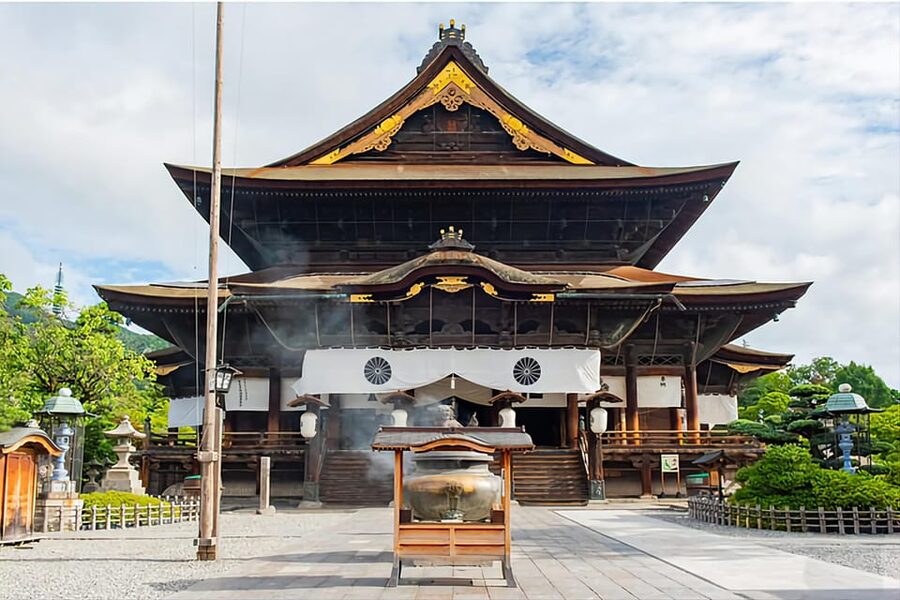
Zenkoji Temple is one of the most important stops. Established in the seventh century, it is known for welcoming people of all beliefs. That openness gives the site a different feel from a place where visitors must understand a particular religious tradition before they can appreciate it.
You will have guided sightseeing and about an hour at the temple. Use the time to look beyond the main approach. The grounds, architecture, and quiet atmosphere are the point here, not simply taking one photograph at the entrance.
I like the way this stop balances the wildlife portion of the day. At Jigokudani, you watch animals behave in a remarkable natural setting. At Zenkoji, you get a sense of Japan’s religious and architectural culture. The contrast helps the day feel like more than a single-purpose excursion.
One hour is enough for an introduction, but not enough for every detail. If you are especially interested in Buddhist art, ritual, or temple architecture, you may want to return to Nagano on a separate visit. For a packed day from Tokyo, though, the stop gives you a meaningful look without requiring another transport connection.
Meeting the macaques at Jigokudani Monkey Park
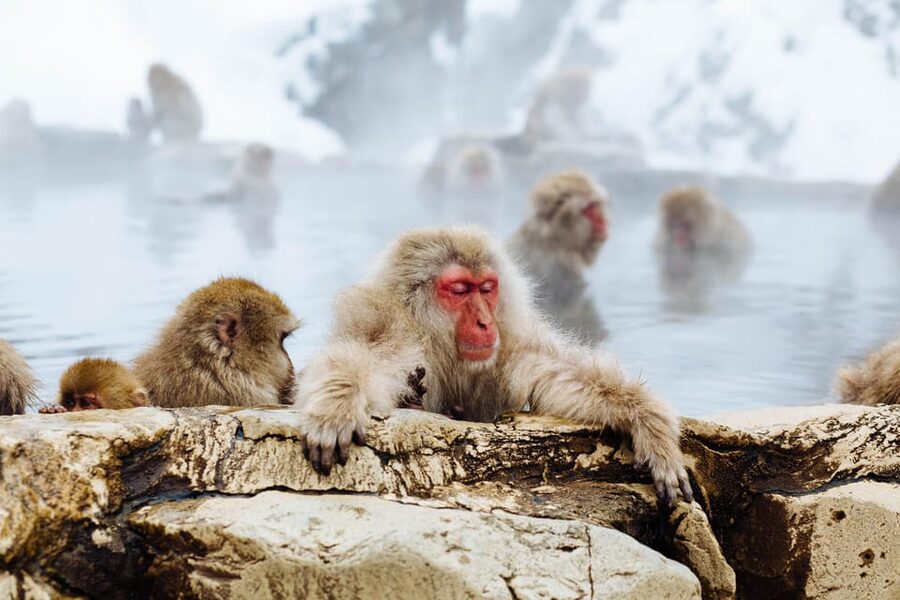
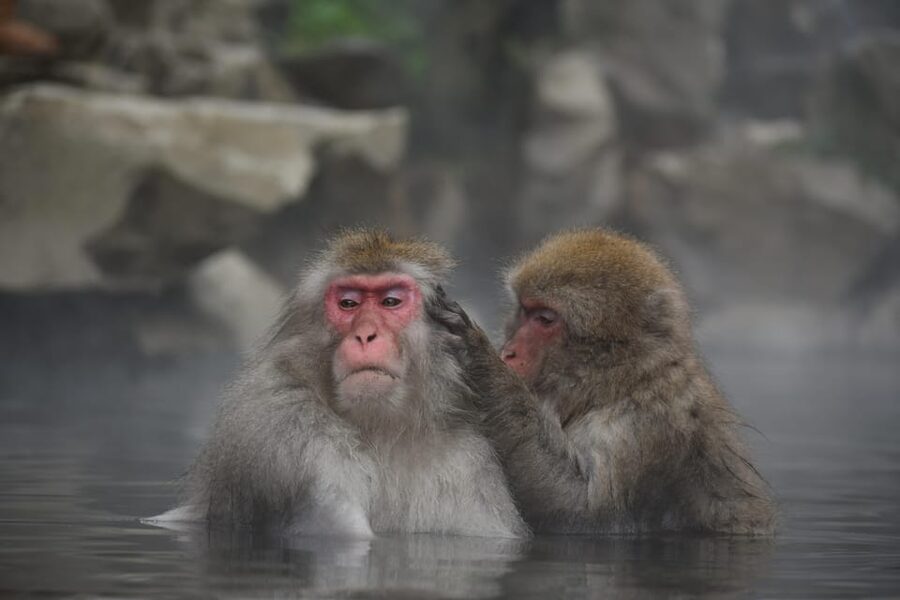
Jigokudani Monkey Park is the main event. Japanese macaques, often called snow monkeys, are known for spending time in the warm water of the park’s hot springs. In the colder months, you have the best chance of seeing the behavior that made the site famous.
The setting is part of the experience. You are not watching animals behind glass. You are observing them in an outdoor mountain environment, where they sit, move, groom, and interact according to their own routines. The hot water is a striking contrast to the cold air, and the sight can feel almost comical when a serious-looking monkey settles into a pool like a tired office worker.
The visit includes guided wildlife viewing and about one hour at the park. Your guide can explain the monkeys’ behavior and the park’s background, which helps you understand what you are seeing rather than treating it as a quick photo stop.
Plan for moderate walking. Comfortable shoes are essential, and warm clothing is especially important in winter. The approach to the viewing area requires walking, so this is not a good choice if your mobility is limited. The activity information specifically says it is not suitable for wheelchair users or people with back problems.
Do not assume the monkeys will perform on cue. The hot-spring behavior is most associated with cold weather, but wildlife is still wildlife. You may see macaques near the water, in the trees, or moving through the area rather than sitting in the pool for your entire visit.
Bring a camera, but keep your attention on the animals and the setting. The unusual part is not just the close view. It is seeing a wild troop use a hot spring while surrounded by cold mountain air.
More Temple Tours around Tokyo:
- Tokyo: Asakusa Walking Tour with Sensoji Temple Visit
★ 4.8 · 1,583 reviews - Nikko: Kegon Falls, Lake Chuzenji & Toshogu Temple
★ 4.6 · 1,577 reviews - Tokyo: Nikko Toshogu Shrine and Kegon Waterfall Tour
★ 4.5 · 1,266 reviews - Tokyo: Zen Meditation at a Private Temple with a Monk
★ 5.0 · 510 reviews
Lunch with Nagano flavors
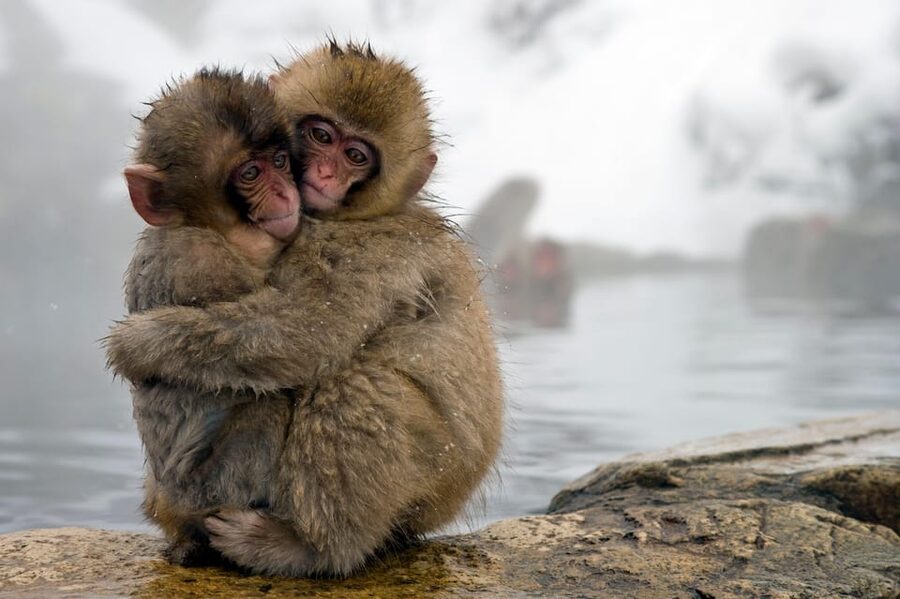
After the monkey park, you stop at a local restaurant for lunch. The meal is not included in the listed price, but it gives you a chance to try food associated with Nagano.
Soba is one likely regional choice. Nagano is known for buckwheat noodles, and you might also find a hearty hotpot or other seasonal dishes. The exact restaurant and menu are not specified, so ask your guide what local specialties are available that day.
This is a useful pause in a physically active schedule. You will have been walking outdoors, and a proper meal is more practical than trying to survive on snacks until evening. Still, remember that the schedule is tight. This is not designed as a long food tour with several courses and extended conversation.
I would carry water and a small snack, as advised for the outing. That is especially sensible if your group tends to eat early or if the drive and sightseeing times do not match your usual meal schedule.
Obuse, sake, chestnuts, and Hokusai
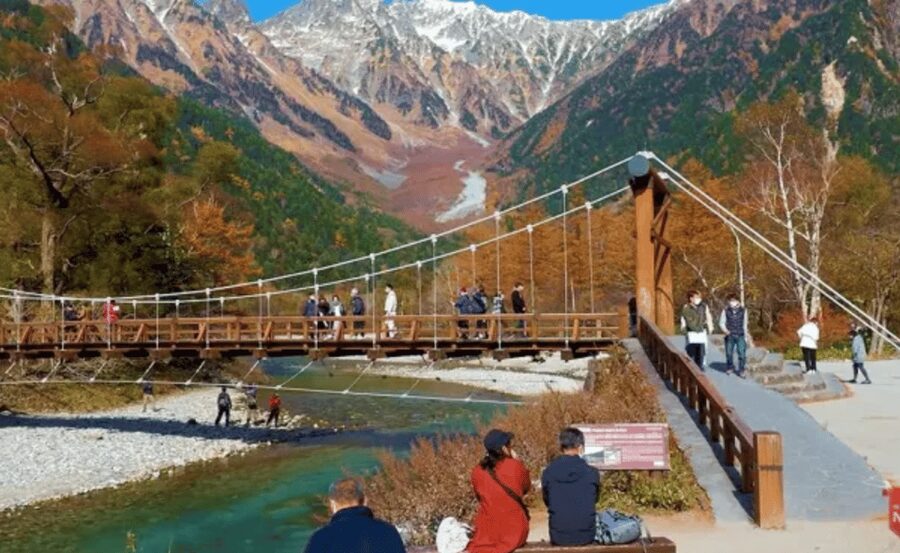
The final major stop is Obuse, a small town known for historic buildings, chestnut sweets, and sake breweries. After the large temple and the wildlife park, Obuse offers a slower, more local-feeling change of pace.
You will have about an hour for a guided visit, a walk, local snacks, and a tasting at a local sake brewery. The brewery stop is more than a drink sample. You can learn about the traditional brewing process and compare different kinds of sake.
If you do not drink alcohol, ask what alternatives are available before booking, since the activity is built around a sake tasting. The supplied details do not promise a nonalcoholic substitute. Also remember that the tasting comes after a long day, so drink carefully and follow your guide’s advice.
Obuse is also linked with Katsushika Hokusai, the ukiyo-e artist known for famous woodblock prints and paintings. The Hokusai Museum gives art lovers a reason to spend time here, though the schedule allows only about an hour for the town’s attractions. You may need to choose between a longer walk, the museum, snacks, and the brewery rather than fully exploring every option.
Chestnut sweets are a natural thing to look for in Obuse. They give you a small taste of the town’s food identity and make an easy souvenir. The details do not specify which shops you will visit, so think of this as a guided introduction, not a dedicated shopping tour.
What the private format changes
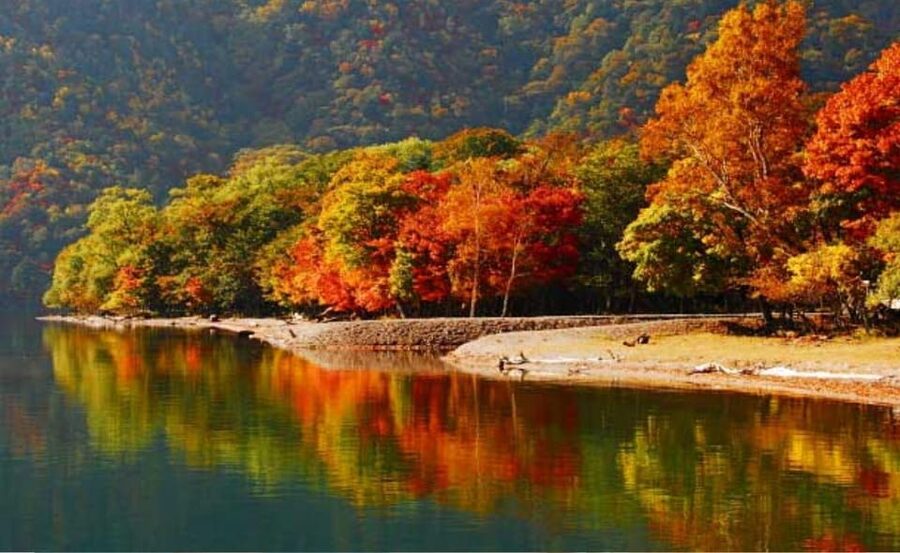
A private group of up to six is the biggest practical advantage. You are not sharing the van with a large crowd, and the guide can speak directly with your group in English or Japanese.
The private setup is especially useful when your group has mixed interests. One person may care about the temple, another about the monkeys, and someone else about sake or Hokusai. You still have a fixed route, but the guide can answer questions and help you use short free periods well.
The tour includes luxury transportation, though the exact vehicle model is not provided. The important point is that you avoid changing between trains, buses, and local transfers. That is valuable on a day covering several destinations far from Tokyo.
The downside is that you are locked into a long driving day. If traffic slows the return trip, you cannot simply leave the group and take a faster train. The private van is a comfort and a constraint at the same time.
The strongest positive points associated with the service are punctuality, kindness, and the quality of the overall experience. No guide names are provided, so you cannot request a particular guide in advance based on the available information.
Who should book this experience
I would recommend this trip for a small group that wants a broad taste of Nagano without renting a car or managing rural transport. It suits people who value door-to-door pickup and want a guide to connect the cultural and natural stops.
It is also a strong choice for first-time visitors with only one free day outside Tokyo. You get a temple, castle, wildlife park, regional food, sake, a historic town, and Hokusai in one demanding package.
I would think twice if you dislike early starts, long road journeys, or structured sightseeing. The 12-hour duration leaves limited room for lingering. You should also reconsider if anyone in your group has back problems, uses a wheelchair, or is under 12, since the activity is not designed for those needs.
Pack warm layers, comfortable walking shoes, water, snacks, and a camera. Winter gives you the best chance of seeing the macaques in the hot springs, but it also makes warm clothing more important.
Is the $792 group price good value?
For a full private vehicle carrying up to six people, the price can make sense. You receive hotel pickup and return, an English or Japanese-speaking driver-guide, transport, fuel, tolls, parking, Wi-Fi, and two admission fees. Those inclusions are helpful because rural Japanese transport can become expensive and time-consuming when several people are involved.
The value is strongest with four to six people. At two people, the per-person cost rises, so you should decide how much private convenience matters to you. A larger group may find the price easier to justify than buying separate rail tickets, arranging local transport, and paying for admissions independently.
Lunch, drinks, souvenirs, and any extra purchases are not listed as included. Set aside money for those. The flexible booking terms also help: you can cancel up to 24 hours ahead for a full refund, and reserve now while paying later.
FAQ
How long is the Nagano day trip from Tokyo?
The experience lasts 12 hours. The drive from Tokyo to the sightseeing area takes about 2.75 hours, with a similar drive back.
Is hotel pickup included?
Yes. Pickup and drop-off are included from a hotel or Airbnb within Tokyo. Tokyo traffic can make the driver up to 30 minutes late.
What languages does the guide speak?
The driver-guide service is available in English and Japanese.
Is lunch included in the price?
No. Lunch takes place at a local restaurant, but the supplied details do not list the meal as included.
Is the tour suitable for children and wheelchair users?
The activity is not suitable for children under 12 or wheelchair users. It is also not recommended for people with back problems because of the walking and transport involved.
What should I bring?
Bring comfortable shoes, warm clothing, a camera, water, and snacks. Warm layers are especially important during winter visits to Jigokudani Monkey Park.
Should you book it?
Book this experience if seeing the snow monkeys is high on your Japan wish list and you want to combine that sight with Zenkoji Temple, Matsumoto Castle, Obuse, and a sake tasting in one private day.
Skip it if you want a slow day or if the long drive from Tokyo sounds tiring. For a small group that values convenience, a private guide, and a wide range of sights, the $792 group rate is sensible. Just arrive prepared for a full schedule, moderate walking, and a long ride home.
Temple visits we reviewed lately in Tokyo
- From Asakusa: Old Tokyo, Temples, Gardens and Pop Culture★ 4.6 · 15 reviews
- Tokyo: Nagano Snow Monkeys and Zenkoji Tour with Temples★ 4.9 · 19 reviews
- Nagano: Snow Monkeys, Zenkoji Temple & Sake Day Trip★ 5.0 · 4 reviews
- Tokyo/Nagano: private Tour with Snow Monkey Park & Temples★ 4.8 · 13 reviews
- Make a temple stamp book with artist★ 4.9 · 10 reviews
- Kamakura Temples Private Guided Tour from Tokyo★ 4.8 · 21 reviews
- Join a Unique Cultural Ceremony at Tokyo’s Meiji Shrine★ 5.0 · 9 reviews
- Full Tokyo: Meiji Shrine, Imperial Palace, Asakusa & Skytree★ 4.7 · 16 reviews
Tokyo Temple Tours, compared.
Nikko: Kegon Falls, Lake Chuzenji & Toshogu Temple
Read our review →
Tokyo: Nikko Toshogu Shrine and Kegon Waterfall Tour
Read our review →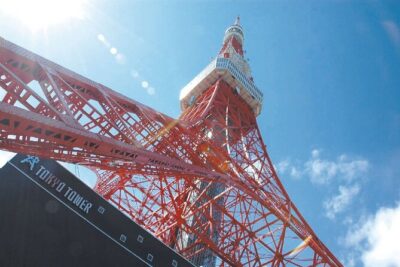
Tokyo Panoramic 1 Day: Meiji Shrine, Asakusa, Odaiba and SKYTREE®
Read our review →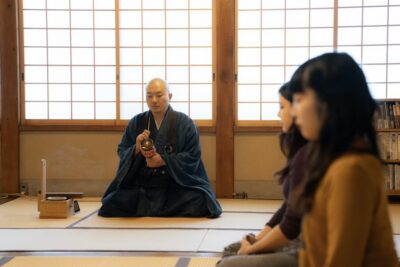
Tokyo: Zen Meditation at a Private Temple with a Monk
Read our review →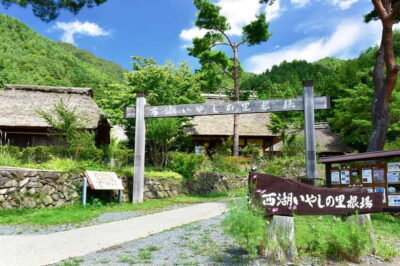
Mt. Fuji Heritage Tour: Traditional Villages, Lakes & Shrine
Read our review →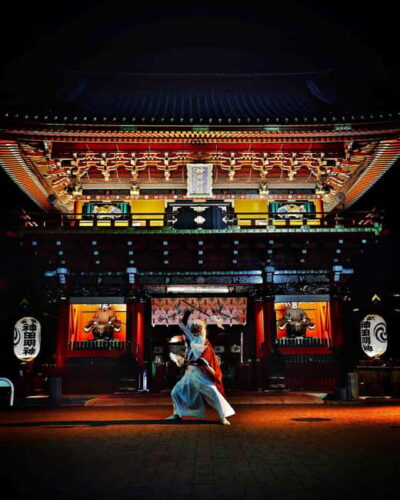
Tokyo: Samurai Entertainment Night Show in Kanda Shrine
Read our review →
Tokyo: Asakusa and Tokyo’s Oldest Temple Senso-ji Tour
Read our review →
Tokyo: Imperial Palace, Sensō-ji Temple, & Tokyo Tower Tour
Read our review →This tour also ranks in