
Review · TOKYO
Make a temple stamp book with artist
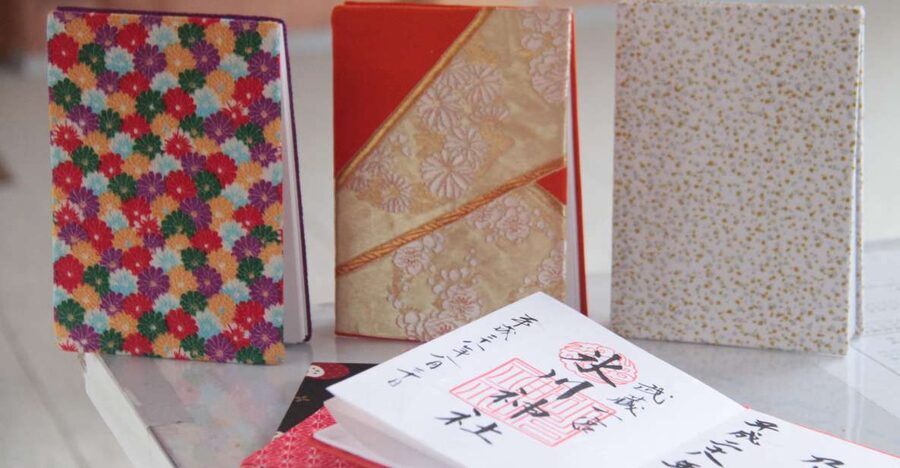
The best part of this two-hour workshop is that you make a goshuin notebook you can keep using throughout Japan. Choose from more than 100 kimono fabrics, fold and glue the pages by hand, then take your new book to a local shrine for its first stamp.
I like the creative choice of fabrics and the small class size, capped at eight people. I also like that the craft leads into a real cultural visit, rather than ending at the worktable. The main point to consider is that the shrine stamp costs extra, and you will need to manage about 10 steps to reach the classroom and shrine.
Key points at a glance
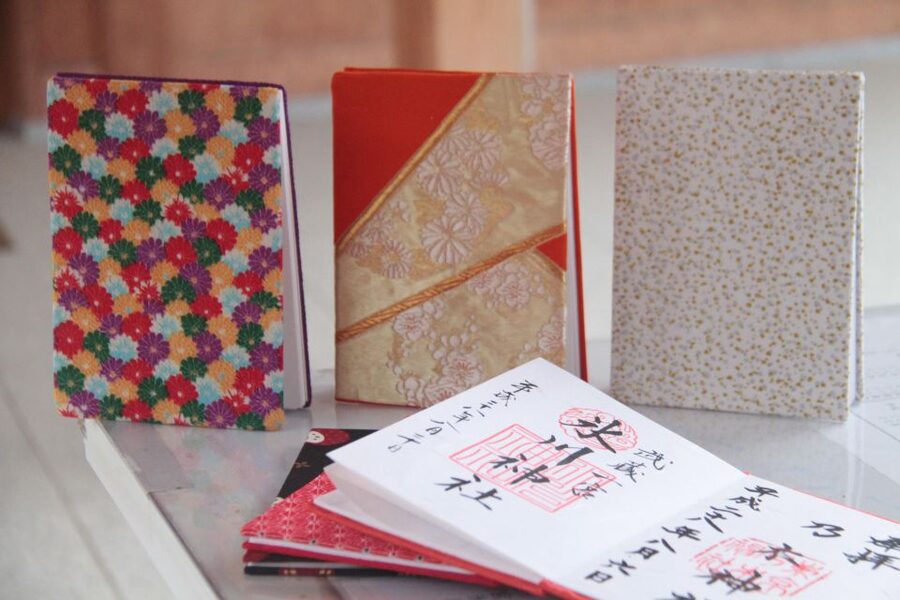
- Choose from more than 100 kimono fabrics: Your book can be built around a pattern and color you actually like.
- Make the book by hand: You learn the folding and gluing process instead of simply receiving a finished souvenir.
- Visit a local shrine afterward: Your first goshuin stamp gives the craft an immediate purpose.
- Learn formal shrine manners: Chikako Oshiro explains how to approach and visit the shrine respectfully.
- Small English-speaking class: The group is limited to eight, giving the instructor room to help with the practical steps.
- A convenient Shibuya-area activity: The workshop is near popular sightseeing spots and lasts two hours.
A handmade goshuin book near Shibuya
A goshuin is a calligraphic stamp and inscription from a Japanese temple or shrine. Many people collect them in a dedicated book called a goshuincho, or goshuin notebook. Each place has its own design and inscription, so the book becomes a record of the religious sites you visit.
This workshop gives you a useful introduction before you start collecting. You are not just handed a souvenir. You choose the cover fabric, assemble the pages, and learn why the book matters. Then you bring it to a local shrine for your first stamp.
I find that sequence especially appealing. A craft class on its own can feel a little detached from the place you are visiting. Here, the handwork prepares you for an actual shrine visit. Your finished book has a job to do before the two hours are over.
The location near Shibuya also helps. You can fit this into a day of sightseeing without setting aside a full day for a distant excursion. The activity takes place on Honshu, in the Tokyo area, and is suited to visitors who want something quieter and more hands-on between major city sights.
More Temple Tours around Tokyo:
- Tokyo: Asakusa Walking Tour with Sensoji Temple Visit
★ 4.8 · 1,583 reviews - Nikko: Kegon Falls, Lake Chuzenji & Toshogu Temple
★ 4.6 · 1,577 reviews - Tokyo: Nikko Toshogu Shrine and Kegon Waterfall Tour
★ 4.5 · 1,266 reviews
Choosing your kimono fabric
The class begins with Chikako Oshiro showing you the fabric selection. You can choose from more than 100 pieces of kimono fabric, so the cover is not a minor detail. It is the part of the book you will see every time you take it out at a temple or shrine.
You might choose a pattern that matches your luggage, a color that reminds you of Japan, or simply the fabric that catches your eye first. The selection gives the activity a personal angle that a standard souvenir shop purchase cannot match.
Chikako also explains the significance of the traditional fabrics. That context makes the choice more useful. You are not only comparing colors and designs, you are learning to notice how Japanese textiles can carry a sense of place and tradition.
Do not expect a fast, one-step craft. The purpose is to learn the process. Chikako guides you through folding and gluing the papers together, with clear instruction in English. The work is accessible, but you will need to pay attention to alignment and adhesive placement.
That is part of the charm. Your finished notebook may have small signs that you made it yourself. This is a hands-on souvenir, not a factory-perfect object, and the personal touch is the point.
Folding and gluing the pages
The book-making portion uses paper, fabric, and glue supplied as part of the workshop fee. You learn how the pages are folded and joined so they can hold future goshuin inscriptions.
The practical lesson matters because a goshuin notebook needs to open flat enough for the stamp and writing. Chikako shows you the proper way to assemble it, rather than asking you to guess your way through the materials.
Allow yourself to work at a steady pace. Two hours includes both the craft and the shrine visit, so this is not a long art course with time for elaborate decoration. The activity focuses on making a sound, attractive notebook and understanding how it is used.
One helpful detail is that extra glue can be provided if you need it later for your collection. That is useful because you may add many stamps over time, and a book that starts well is easier to maintain.
The class size makes a difference here. With no more than eight people, the instructor can look at your work and help if a fold or glued edge needs attention. A large class would make this kind of practical instruction less comfortable.
Your first stamp at a local shrine
Once your notebook is assembled, the group walks to a local shrine. This is where the craft becomes part of a larger Japanese custom. You will receive your first goshuin stamp, with the stamp fee paid separately.
The first stamp can be a particularly satisfying ending to the workshop. You have selected the fabric, built the book, and then used it at a real shrine. It gives you a clear starting point for collecting more stamps during the rest of your trip.
Chikako also teaches you how to visit the shrine formally. That includes learning the proper approach to the shrine and the respectful way to conduct yourself there. The exact process is more meaningful when you understand that a shrine visit is not only a photo stop.
This does not turn the workshop into a full religious studies class. It is a practical introduction for visitors who want to show respect and avoid treating the shrine like a backdrop. If you have visited Japanese shrines before, some of the guidance may be familiar. If this is your first formal visit, it should make the experience feel less uncertain.
The shrine portion is also a good reason to bring comfortable shoes. The activity takes place rain or shine, and there are about 10 steps to reach the classroom and shrine. People with mobility impairments may find the route difficult, and the activity is not suitable for children under three.
Same sacred ground, another way to see it:
- Tokyo:Mt.Fuji,Kawaguchiko Oishi Park,Arakurayama Sengen Park
★ 4.4 · 2,682 reviews - Tokyo Panoramic 1 Day: Meiji Shrine, Asakusa, Odaiba and SKYTREE®
★ 4.5 · 1,222 reviews - Tokyo: Zen Meditation at a Private Temple with a Monk
★ 5.0 · 510 reviews - Mt. Fuji Heritage Tour: Traditional Villages, Lakes & Shrine
★ 4.5 · 509 reviews
Why the small group matters
Eight people is a sensible limit for this kind of workshop. Everyone needs access to the fabric selection, space to assemble the notebook, and a chance to ask questions about shrine etiquette.
A small group also keeps the class personal. Chikako can explain the fabric choices, check the folding and gluing, and make the shrine visit feel like instruction rather than a quick walk behind a large crowd.
The listed language is English, which makes the workshop a practical choice for visitors who want cultural context without needing Japanese. Clear explanations matter here because the value is in understanding the process, not only copying the motions.
I would choose this class over a larger activity if you prefer direct help and a slower pace. If you want a completely private lesson, however, this is still a shared small group rather than a one-to-one appointment.
What the $38 price covers
At $38 per person, the cost includes the workshop fee and the materials used to make your notebook. It does not include the fee for the goshuin stamp at the shrine.
The value comes from the combination of three things: a handmade item, instruction from an English-speaking artist, and a guided shrine visit. If you already planned to buy a goshuin book and visit a shrine, the class combines both tasks with cultural explanation.
The fabric selection adds to that value. A ready-made book from a shop may be easier, but it will not carry the same memory of choosing and assembling the cover yourself. You also leave with a practical item you can continue using at other temples and shrines.
The cost may feel less worthwhile if you are interested only in collecting a stamp quickly. You can visit religious sites without taking a craft class, and the shrine stamp itself is not included. The workshop makes the most sense when you want the making process and the etiquette lesson as much as the final object.
Finding the meeting point
The meeting point is in front of the entrance located between a drug store and Cozy Corner, the cake shop. This is a specific landmark, so use the businesses to identify the entrance rather than expecting a large tour sign.
Give yourself enough time to locate the spot. The workshop is near popular Shibuya sights, but busy city areas can make a simple meeting point harder to spot if you arrive at the last minute.
The activity lasts two hours, and starting times vary. Check the available time before booking, then plan your Shibuya sightseeing around it. A morning session can work well if you want a calm activity before a fuller day in the city, while another time may fit better around your existing plans.
The workshop takes place in all weather. Rain will not cancel the activity, so carry suitable protection and wear shoes that are comfortable for the steps between the classroom and shrine.
Who will enjoy this workshop most
I would recommend it to anyone who likes bringing home something made by hand. It is especially well suited to visitors who want a Japanese cultural activity with a clear result, rather than a general talk or a short demonstration.
It also works well for first-time shrine visitors. The formal visiting lesson gives you a better foundation for future visits, and the first stamp gives you a reason to pay attention to the process.
Families with older children may find the craft appealing, but the minimum age rule excludes children under three. The steps also matter for anyone with limited mobility.
This is a good choice for couples, friends, solo visitors, and small families who want a shared activity near central Tokyo. The eight-person limit should help the class feel manageable without making it private.
You may want to skip it if you dislike glue-and-paper crafts, have very little time near Shibuya, or want a tour focused only on major religious landmarks. The shrine visit is local and practical, not a broad tour of several famous sites.
Small details that improve the experience
Choose your fabric with the finished book in mind. Since you will use it throughout your trip, pick a design you will still enjoy looking at after the holiday.
Ask questions while you are assembling the pages. The folding and gluing are simple enough to follow, but the instructor is there to correct small problems before they affect the finished book.
Remember to budget for the first stamp. The stamp fee is not part of the $38 workshop price, and paying for it is the final step in completing the activity.
Keep your notebook protected after the visit. The book is made during the class and then used immediately, so handle it carefully as you continue through Japan.
Most of all, treat the goshuin as more than a souvenir sticker. The stamp records a visit to a temple or shrine, and the etiquette lesson helps you approach that tradition with the right attitude.
Should you book the goshuin workshop?
Book it if you want a personal souvenir, clear English instruction, and a first shrine visit tied together in one compact activity. The choice of more than 100 kimono fabrics is the strongest feature, while the small group and practical etiquette lesson make the class feel useful rather than merely decorative.
Skip it if you only want a quick shrine stop or if stairs and steps are a concern. Also remember that the shrine stamp costs extra.
For most visitors who enjoy crafts and want a more thoughtful connection to Japanese customs, $38 is a fair price for two hours near Shibuya. Chikako Oshiro’s workshop gives you something to use for the rest of your trip, plus the confidence to collect future goshuin respectfully.
FAQ
Where does the temple stamp book workshop take place?
The workshop takes place on Honshu, near popular tourist spots in Shibuya, Japan.
How long does the experience last?
The activity lasts two hours.
How much does the workshop cost?
The price is $38 per person.
Is the shrine stamp included in the price?
No. The workshop fee is included, but the stamp fee at the shrine is not included.
What language is the workshop offered in?
The instructor teaches in English.
How many people can join the workshop?
The group is limited to eight participants.
Is the activity available in bad weather?
Yes. The activity takes place rain or shine.
Is the workshop suitable for people with mobility impairments?
No. There are about 10 steps to reach the classroom and shrine, and the activity is not suitable for people with mobility impairments or children under three.
Temple visits we reviewed lately in Tokyo
- From Asakusa: Old Tokyo, Temples, Gardens and Pop Culture★ 4.6 · 15 reviews
- Tokyo: Nagano Snow Monkeys and Zenkoji Tour with Temples★ 4.9 · 19 reviews
- Nagano: Snow Monkeys, Zenkoji Temple & Sake Day Trip★ 5.0 · 4 reviews
- From Tokyo: Nagano, Zenkoji Temple, Snow Monkeys Day Trip.★ 4.3 · 4 reviews
- Tokyo/Nagano: private Tour with Snow Monkey Park & Temples★ 4.8 · 13 reviews
- Kamakura Temples Private Guided Tour from Tokyo★ 4.8 · 21 reviews
- Join a Unique Cultural Ceremony at Tokyo’s Meiji Shrine★ 5.0 · 9 reviews
- Full Tokyo: Meiji Shrine, Imperial Palace, Asakusa & Skytree★ 4.7 · 16 reviews
Tokyo Temple Tours, compared.
Nikko: Kegon Falls, Lake Chuzenji & Toshogu Temple
Read our review →
Tokyo: Nikko Toshogu Shrine and Kegon Waterfall Tour
Read our review →
Tokyo Panoramic 1 Day: Meiji Shrine, Asakusa, Odaiba and SKYTREE®
Read our review →
Tokyo: Zen Meditation at a Private Temple with a Monk
Read our review →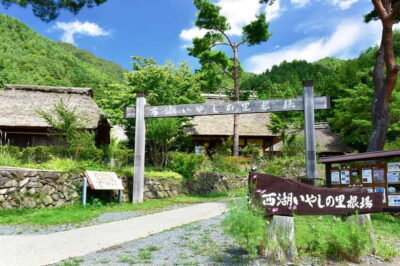
Mt. Fuji Heritage Tour: Traditional Villages, Lakes & Shrine
Read our review →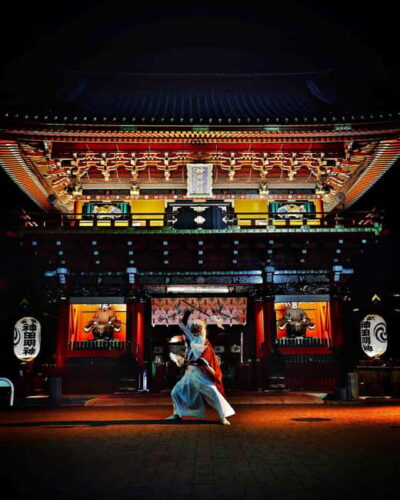
Tokyo: Samurai Entertainment Night Show in Kanda Shrine
Read our review →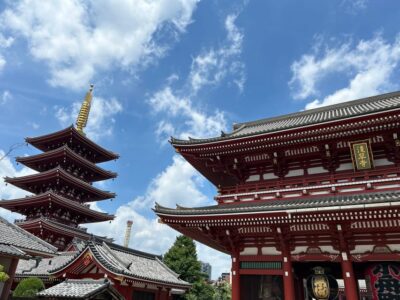
Tokyo: Asakusa and Tokyo’s Oldest Temple Senso-ji Tour
Read our review →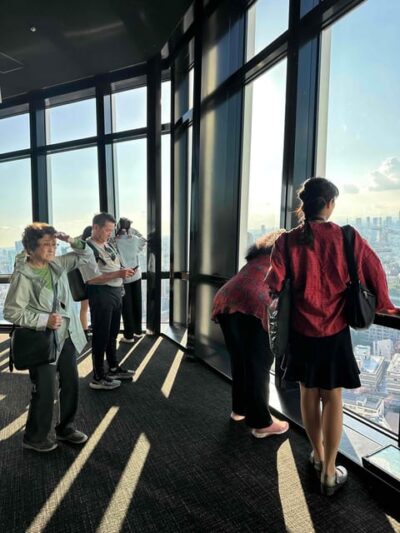
Tokyo: Imperial Palace, Sensō-ji Temple, & Tokyo Tower Tour
Read our review →This tour also ranks in