
Review · KYOTO
Kyoto: Zen Meditation at a Private Temple with a Monk
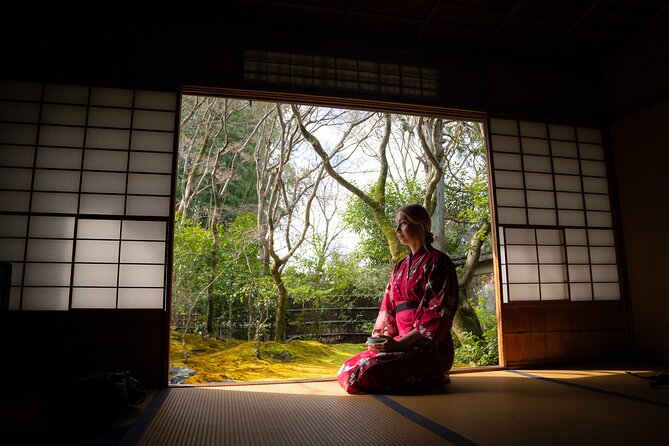
Kyoto is full of famous temples, but this experience takes you behind a closed gate to a small temple that is not open to the general public. You’ll learn seated Zen meditation, practice it with a monk, then share tea and conversation in a quiet garden. The private setting gives the visit a personal feel that a standard temple stop cannot match.
I like two things in particular: the monk explains Zazen in a way that works for beginners, and the English-speaking guide keeps the conversation clear. Guides named Soma, Satoru, Kohtaro, and Ruko have helped make the session warm and easy to follow. The main consideration is price. At $91 per person for 90 minutes, this is not a cheap sightseeing stop, but the private temple access, instruction, translation, tea, and discussion make it more substantial than a simple meditation class.
Key points to know before booking
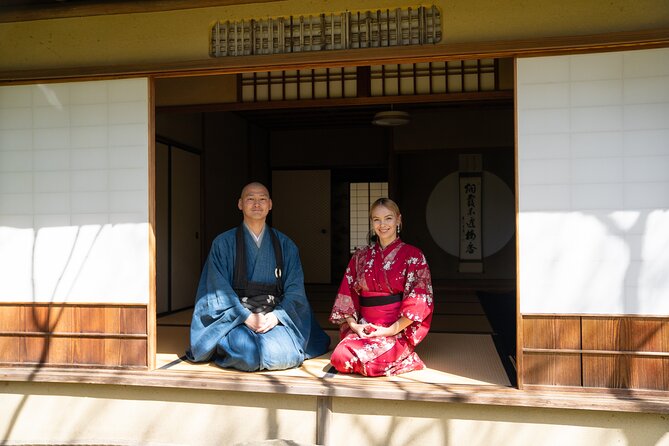
- Private temple access: You visit a temple normally closed to the general public, with its garden and interior forming the setting for the session.
- A real introduction to Zazen: The monk explains posture, breathing, focus, and the purpose of seated meditation before you practice.
- English support matters: The monk may teach in Japanese, while the guide translates. Soma and Satoru are among the guides praised for clear, friendly interpretation.
- Matcha and conversation follow the meditation: Tea, sweets, questions, and time in the garden make this more than a silent sitting session.
- The meeting point needs care: Meet at the northern side of the toilet in Kodaiji Park, not simply at the park pin on a map.
- Best for adults and older children: The activity is not suitable for children under 12, people with mobility impairments, claustrophobia, or a fear of heights.
A quiet side of Kyoto near Kodaiji Park
The experience begins at Kodaiji Park, close to one of Kyoto’s most visited sightseeing areas. That location is useful if you are already exploring Kodaiji, Nene no Michi, or the Higashiyama district. You do not need to arrange a separate taxi or train ride for the activity itself. Transportation is not included, and the group walks about 10 minutes to the temple.
Pay attention to the exact meeting instructions. The guide waits at the northern side of the toilet in Kodaiji Park. A map application may place you in the middle of the park instead, which has caused confusion for some people. I would arrive early, locate the toilet, and check any message from the guide on the day.
The short walk helps mark a clean break from Kyoto’s busy sightseeing streets. You are not heading to a grand hall packed with tour groups. Instead, you reach a private temple used as a home and place of practice. That distinction is important. You are not only looking at Japanese religious architecture from behind a barrier. You are being welcomed into a working space and asked to sit, listen, and take part respectfully.
More Temple Tours around Kyoto:
- Kyoto: Tea Ceremony Ju-An at Jotokuji Temple
★ 4.9 · 3,207 reviews - Osaka/Kyoto:Kinkakuji,Arashiyama,FushimiInariShrine,NaraPark
★ 4.1 · 1,596 reviews - Arashiyama Bamboo, Temple, Monkeys, or Secret Sake Brewery
★ 4.8 · 886 reviews
Meeting the monk and learning what Zazen means
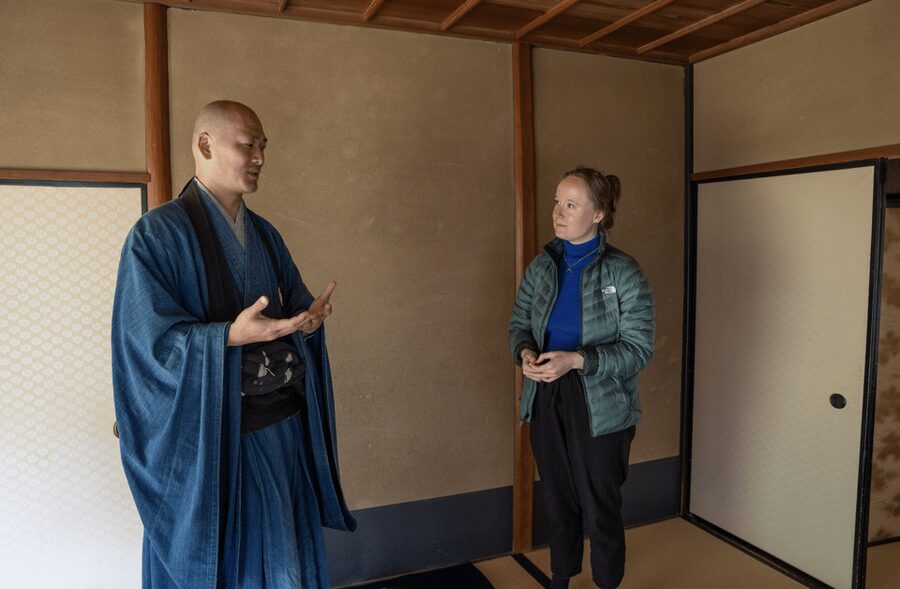
Inside, the guide gives a short introduction to Japanese culture and Zen before the monk begins the main teaching. The English guide is an important part of the experience because the monk may speak Japanese, with the explanation delivered through interpretation.
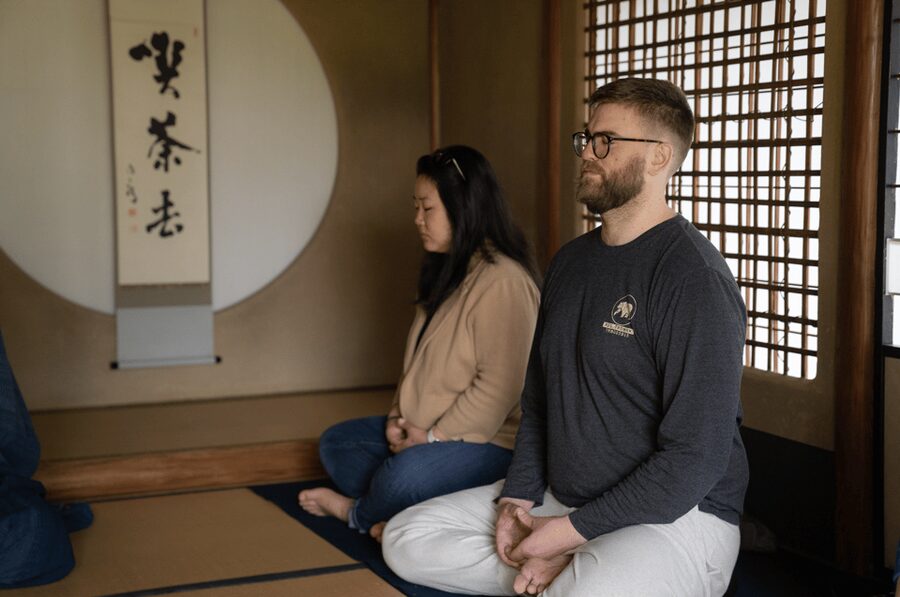
The teaching covers the basic principles and techniques of Zazen, or seated meditation. Expect practical instruction rather than a long academic lecture. You learn how to sit, how to hold your posture, and how to use steady breathing while letting go of constant mental chatter.
The goal is not to produce a dramatic spiritual moment on demand. Zazen asks you to notice your thoughts without chasing each one. That makes the session useful even if you are completely new to meditation. You do not need prior practice, and the monk’s calm approach helps remove the pressure to perform.
People with meditation experience also have something to gain. Several sessions described in the available feedback included sustained silent sitting of about 20 minutes, which can feel very different from meditating alone in a hotel room. The temple setting, the monk’s presence, and the shared quiet create a stronger sense of purpose.
I especially like that the teaching connects technique with daily life. The point is not simply to sit correctly for one morning. You are encouraged to understand how attention, breathing, and awareness can become a regular practice. One person with previous meditation experience learned a new method and left with plans to continue at home.
What the meditation session is really like
The central practice is seated meditation, supported by rhythmic breathing and a steady posture. The wording of the session suggests a traditional introduction, but you should not expect a full monastic retreat. It is a guided lesson within a 90-minute cultural experience.
The atmosphere is quiet and serious without being severe. The monk explains the purpose of the practice, then allows you to try it yourself. If your mind wanders, that is normal. The value comes from noticing that wandering and returning to the breath, rather than judging yourself for it.
A guide such as Satoru or Soma may translate the monk’s comments as the session unfolds. This can mean a little more movement between Japanese and English than in a class taught directly in English, but the interpretation is part of the bridge between you and the monk. The available feedback gives the guides especially strong credit for making the translation clear, warm, and respectful.
The experience suits people who want a calm hour in Kyoto, but it may not suit anyone seeking fast-paced sightseeing. You spend much of the time sitting still. If you have mobility concerns, note that the activity is not suitable for people with mobility impairments. The listing also excludes people with claustrophobia or a fear of heights, so check the suitability details before paying.
Tea, sweets, and a conversation that gives context
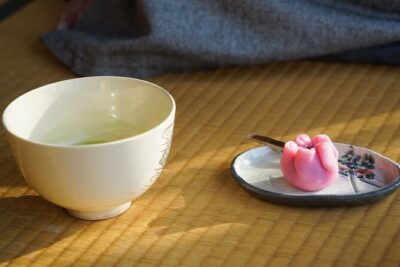
After meditation, you drink tea while looking toward the temple garden. Matcha and small sweets may be served, adding a traditional Japanese touch without turning the event into a formal tea ceremony lesson.
This part is more than a pleasant ending. It gives you a chance to ask the monk what meditation means in real life. You can ask about Buddhism, his daily routine, monastery life, Japanese culture, or the ideas introduced during the lesson. The guide translates, allowing the discussion to move beyond memorized explanations.
That conversation is one of the strongest reasons to book this rather than practice meditation alone. You get access to a person who can explain the practice from his own life, not just from a printed script. The monk is described as friendly, approachable, and willing to answer personal questions. In one case, the conversation continued after the scheduled session for extra time.
The tone is informal enough to make questions easy. You may also learn about the monk’s family life and the everyday side of living in a temple setting. That human detail prevents the visit from feeling like a staged spiritual performance. At the same time, remember that this is a respectful religious setting. Quiet attention and modest behavior are appropriate.
Same sacred ground, another way to see it:
- Kyoto Arashiyama Walking Tour: Bamboo, Monkeys, Gardens & Secrets
★ 5.0 · 1,216 reviews - Kyoto: Arashiyama Bamboo Forest, Monkeys, Matcha & Temple Tour
★ 5.0 · 759 reviews - Osaka/Kyoto: Arashiyama, Nara & Fushimi Inari Shrine w/Lunch
★ 4.4 · 754 reviews - Kyoto 1 Day Tour from Kyoto
★ 4.0 · 582 reviews
The garden and the value of a private setting
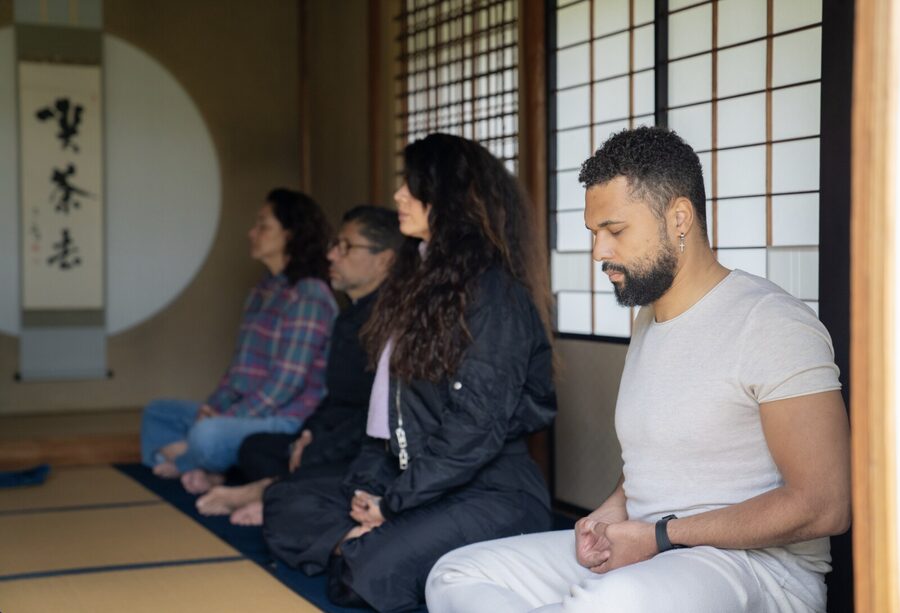
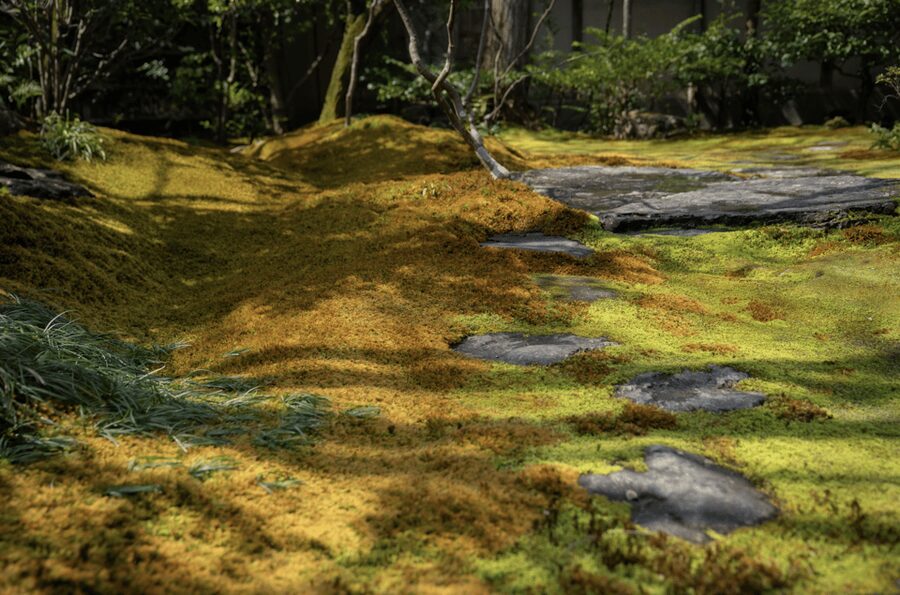
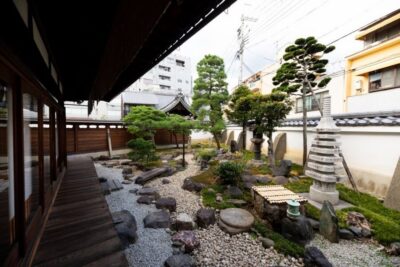
The temple garden is a major part of the appeal. Descriptions of moss, greenery, and calm views recur throughout the available feedback. You can stroll through the garden after meditation and take photographs of the grounds, subject to the guide and monk’s direction.
Do not book this expecting the scale of Kyoto’s major temple gardens. The attraction is privacy and atmosphere, not size. A small, quiet garden can be more useful for reflection than a famous site filled with people trying to take the same photograph.
The garden also helps you understand why the meditation takes place here. Zazen is not presented as an abstract activity in a rented room. It is linked to the temple, its grounds, the monk’s life, and the quiet habits of Japanese religious practice.
Photography is allowed as part of the experience, including photos with the monk and within the temple. Be considerate during the meditation and ceremony. Take photographs after the teaching or when the guide indicates that it is appropriate.
How the guides shape the experience
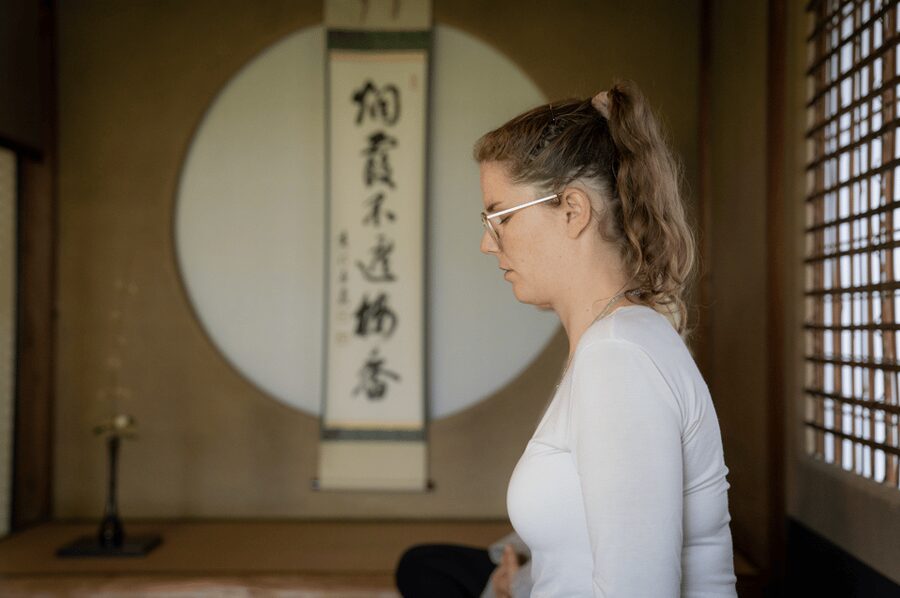
The monk provides the religious instruction, but the guide determines how accessible it feels to an English-speaking audience. Names that appear in the feedback include Soma, Satoru, Kohtaro, and Ruko. The guide assigned to your date may be different.
Soma and Satoru receive repeated praise for clear English, friendly introductions, and careful translation. Ruko is also noted for interpreting smoothly and helping with photographs. Kohtaro is described as welcoming and helpful during both meditation and discussion.
A good guide does not compete with the monk. The best role here is to explain cultural context, translate accurately, answer practical questions, and give the monk room to speak. That balance seems to be a central strength of the activity.
You may join a private booking or a small group. A small group can add a gentle shared feeling, since everyone has come for the same reason. A private session, if available for your date, gives you more room for personal questions. The exact group size and format should be confirmed when you check availability.
Is $91 a fair price for 90 minutes?
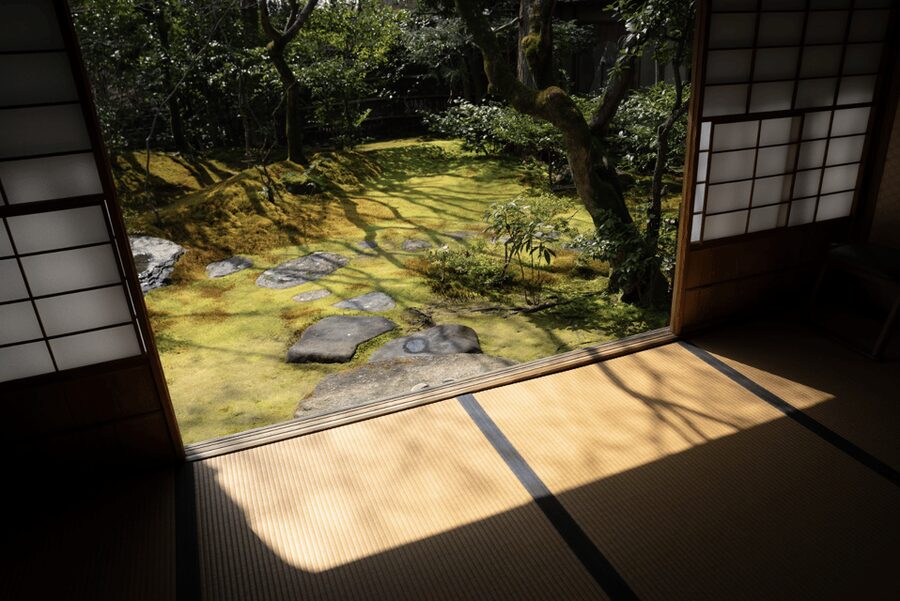
At $91 per person, this costs more than a standard temple admission or a casual cultural demonstration. You are paying for several elements at once: access to a private temple, an English-speaking guide, translation, instruction from a monk, meditation practice, tea, garden time, and a discussion.
The value depends on what you want from Kyoto. If you only want photographs of temple architecture, this is poor value. Kyoto has many less expensive places to admire from the outside. If you want a personal introduction to Zen and a chance to speak with a monk, the price becomes easier to justify.
The private access is the key difference. You are not simply entering another popular temple during opening hours. You are visiting a place that is not open to the general public and taking part in an activity connected to the site.
The 90-minute length is also well judged for a busy Kyoto schedule. It is long enough for instruction, meditation, tea, questions, and garden time, but short enough to fit before another Higashiyama visit. The walk from Kodaiji Park is included in the flow, though transportation to the meeting point is your responsibility.
Free cancellation up to 24 hours in advance and a reserve-now, pay-later option reduce the financial risk when your schedule is still changing. Check the available starting times, since the activity may be offered at different hours. One session was moved to 7 p.m., which suited that person better, but you should rely on the time confirmed for your own booking.
Who will enjoy this most
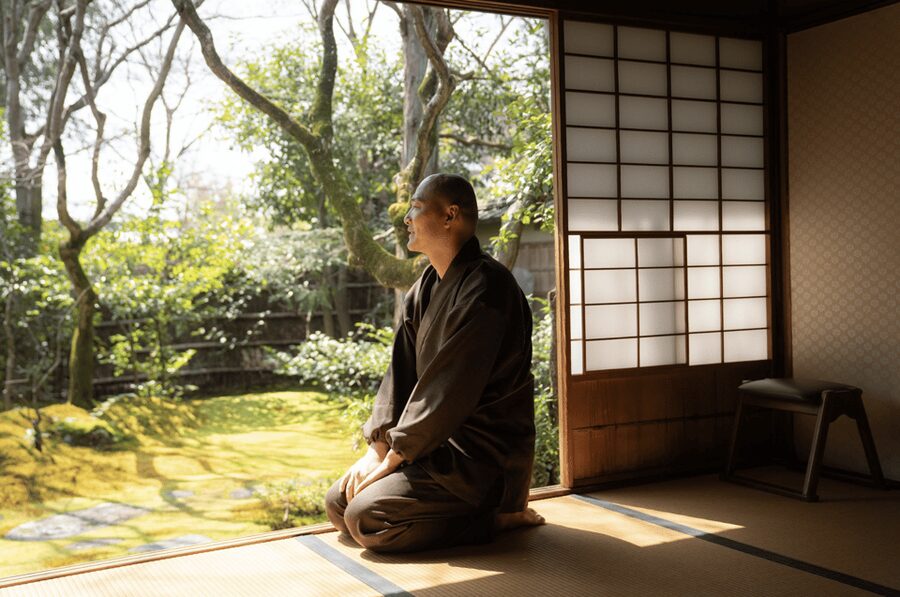
I would recommend this to first-time meditators who want clear instruction and a meaningful cultural setting. You do not need to know Buddhist teachings or have experience sitting in silence. The monk and guide make the practice approachable.
It also suits people who already meditate and want to learn how Zazen differs from their usual routine. The posture, breathing, and emphasis on observing the mind can add a useful new method to your practice.
This is a good choice for couples, solo visitors, and small groups of friends. It can also work for a teenager aged 12 or older who is genuinely interested in meditation and can behave quietly in a temple. It is less suitable for anyone who wants constant activity, extensive temple sightseeing, or a large formal ceremony.
You should also consider your physical comfort. Sitting still may be challenging, and the activity is specifically marked as unsuitable for people with mobility impairments. People with claustrophobia or a fear of heights should also choose another Kyoto activity.
Practical advice for a smooth visit
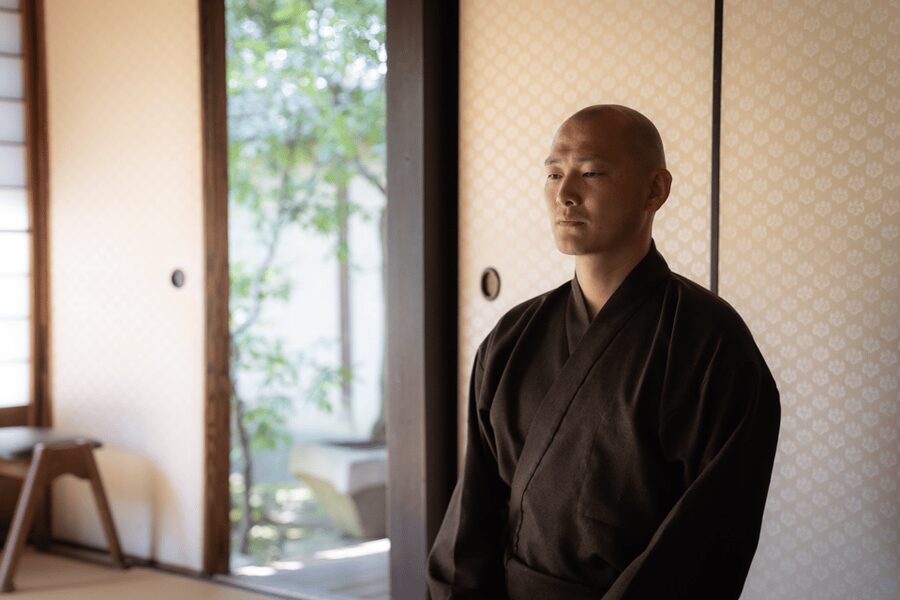
Wear clothing that allows you to sit comfortably. The supplied information does not specify a dress code, but modest, respectful clothing is the sensible choice for a private religious setting.
Give yourself extra time to reach Kodaiji Park. The most common practical problem is not the temple itself but finding the meeting point. Go to the toilet in the park and wait on its northern side. Do not depend only on the general map marker.
Keep your phone quiet once the session begins. Save photography for the times permitted by the guide, especially during meditation and any formal part of the visit.
Use the question period well. Ask about the monk’s daily routine, the meaning of Zazen, how to continue at home, or how Zen fits into Japanese culture. The discussion is where the activity becomes personal rather than simply instructional.
Should you book this Zen experience?
Book it if you want a quiet, human encounter with Zen rather than another quick look at a famous Kyoto building. The private temple, careful English interpretation, guided meditation, garden, tea, and open conversation form a well-rounded 90-minute visit.
I would hesitate only if $91 feels too high for a short activity, if sitting still is uncomfortable, or if your main goal is sightseeing rather than reflection. For everyone else, this is a strong use of part of a Kyoto morning or evening, especially early in your stay when a calm introduction to Japanese culture can set the tone for the rest of the trip.
Before booking, confirm the meeting instructions, starting time, and group format. Then arrive ready to slow down. The best part is not a dramatic revelation. It is the chance to sit quietly in a private temple, listen carefully, and leave with a practice you can continue after Kyoto.
FAQ
How long does the Zen meditation experience last?
The full activity lasts 90 minutes. It includes the walk from Kodaiji Park, the temple visit, instruction, Zazen practice, tea, garden time, and conversation.
Where do I meet the guide?
Meet at the toilet in Kodaiji Park. The guide waits on the northern side of the toilet. A map may place you in the middle of the park, so use the toilet as the landmark.
Is transportation included?
No. Transportation is not included. The activity begins at Kodaiji Park, followed by an approximately 10-minute walk to the private temple.
Is the experience offered in English?
Yes. The experience has a live English-speaking guide. The monk may teach in Japanese, with the guide translating the instruction and discussion into English.
Can beginners join the meditation?
Yes. The experience includes an introduction to the principles and techniques of Zazen, including posture and breathing, so no previous meditation experience is required.
Who should not book this activity?
The experience is not suitable for children under 12, people with mobility impairments, people with claustrophobia, or people afraid of heights.
Temple visits we reviewed lately in Kyoto
- Kyoto:Kiyomizu-dera Temple Rent a kimono and ride a rickshaw★ 4.8 · 7 reviews
- KYOTO: Tempio Kiyomizu Pagode Gion “Geisya” (Guida Italiana)★ 4.7 · 17 reviews
- Kyoto: Kiyomizudera, Sanjusangendo, Ginkakuji and Higashiyama.★ 5.0 · 3 reviews
- Kyoto:Quiet Arashiyama and Sagano Temples★ 4.8 · 5 reviews
- Kyoto: Shakyo & Matcha in Historic Temple Garden★ 5.0 · 4 reviews
- Kyoto: Samurai Sword & Kimono Action Filming Experience★ 4.8 · 78 reviews
- Kyoto: Nara, Todaiji, Kasuga Taisha Shrine Private Full Day★ 4.9 · 18 reviews
- KYOTO: Tour guidato tra i tesori della città (in italiano)★ 5.0 · 5 reviews
Kyoto Temple Tours, compared.
Osaka/Kyoto:Kinkakuji,Arashiyama,FushimiInariShrine,NaraPark
Read our review →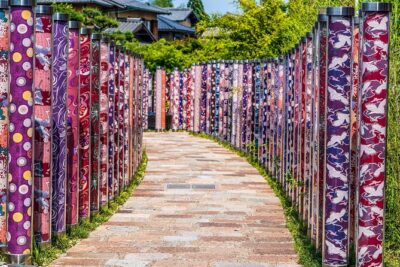
Kyoto Arashiyama Walking Tour: Bamboo, Monkeys, Gardens & Secrets
Read our review →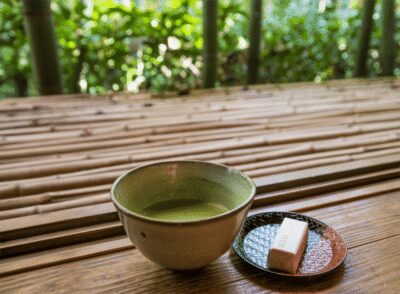
Arashiyama Bamboo, Temple, Monkeys, or Secret Sake Brewery
Read our review →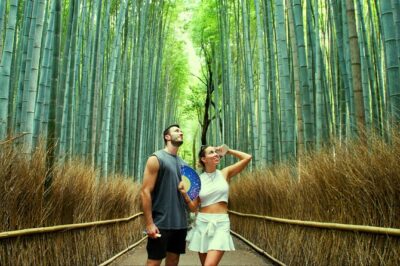
Kyoto: Arashiyama Bamboo Forest, Monkeys, Matcha & Temple Tour
Read our review →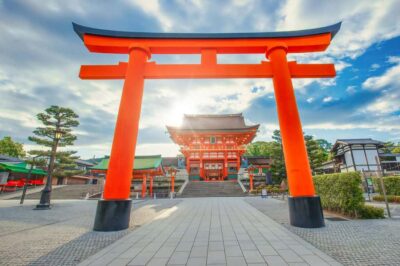
Osaka/Kyoto: Arashiyama, Nara & Fushimi Inari Shrine w/Lunch
Read our review →
Kyoto Zen Meditation & Garden Tour at a Zen Temple with Lunch
Read our review →This tour also ranks in